
How to Choose Metallized Film Capacitors in 2026?
2026-10-26 17:22:47
Choosing the right metallized film capacitor in 2026 means balancing electrical performance, supplier reliability, and procurement efficiency. A metallized film capacitor uses a vacuum-deposited metal layer directly on a plastic dielectric film, creating a compact, self-healing component that isolates dielectric faults automatically. For PFC panel manufacturers sourcing bulk components, this technology reduces reactive power losses, maintains batch consistency, and supports CE/CCC certification requirements. Whether you supply low-voltage switchgear to Southeast Asia or the Middle East, selecting the correct metallized film capacitor is the single decision that most affects your cabinet's pass rate and your repeat-order margins.
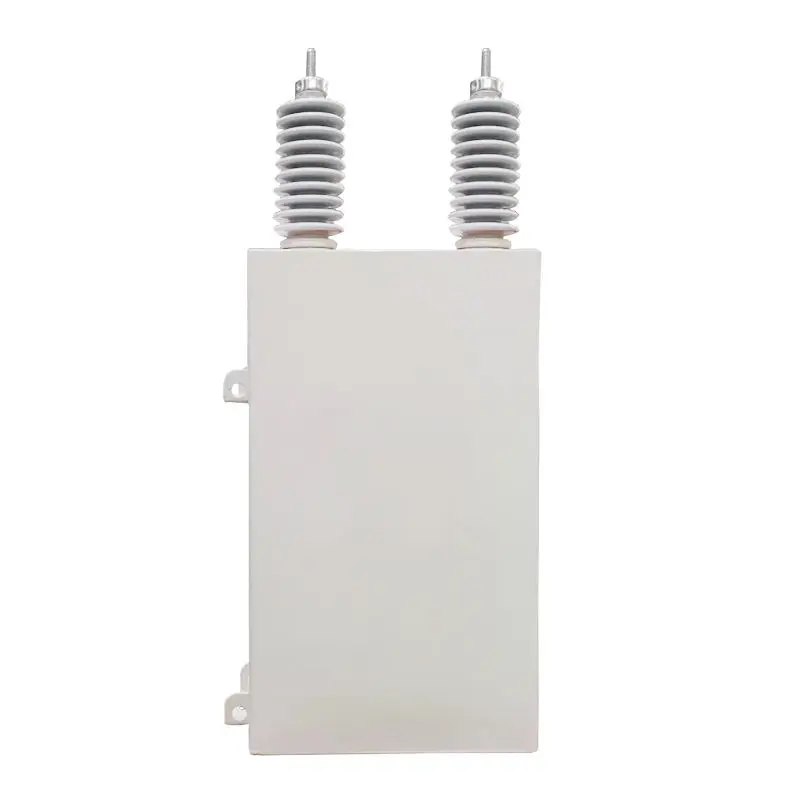
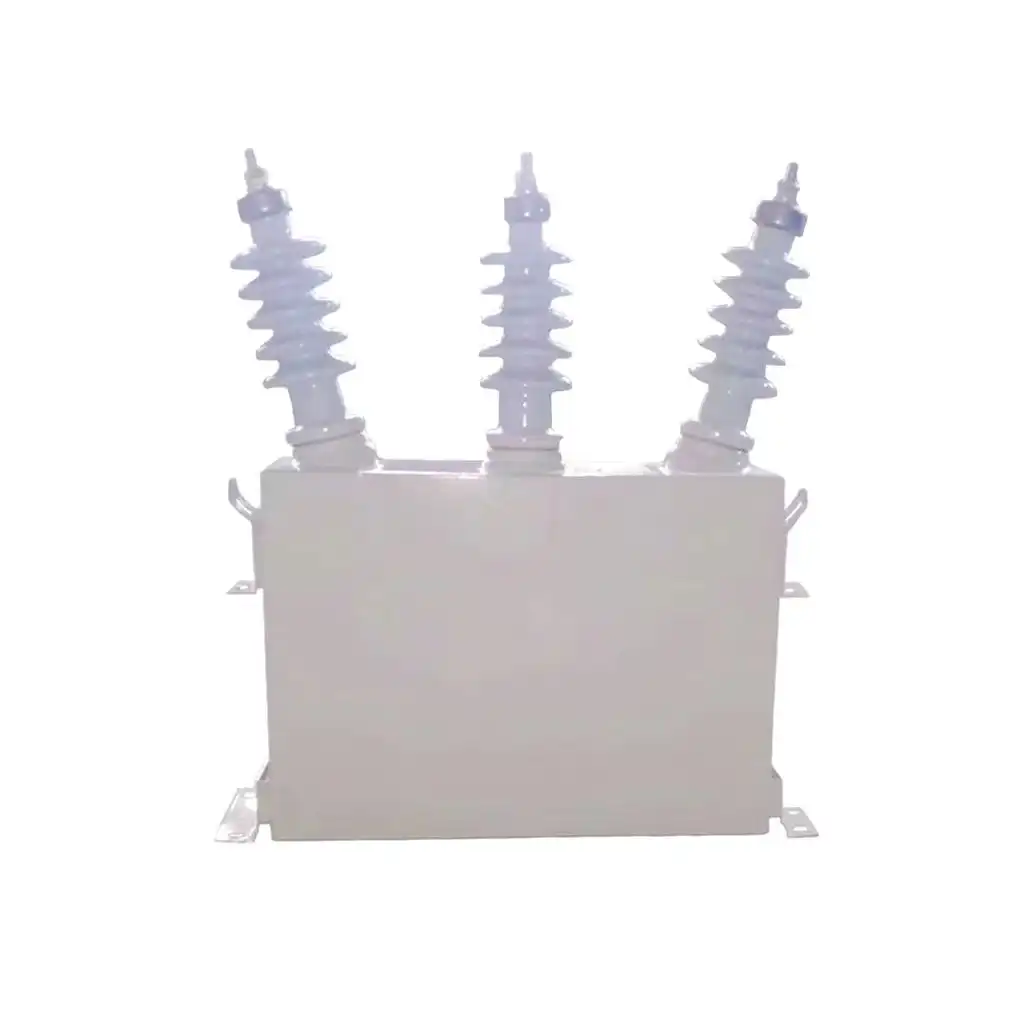
Understanding Metallized Film Capacitors – Basics and Key Characteristics
Before you buy a lot of them, it's helpful to know what makes a metalized film capacitor different from other types of capacitors and why those changes matter at the level of the panel assembly.
Construction and Self-Healing Mechanism
A metalized film capacitor is made by vacuum-depositing electrodes made of aluminum or zinc that are only 0.02 to 0.1 micrometers thick on top of a film made of polypropylene or polyester. When a voltage spike causes a localized dielectric breakdown, the metallization around the fault is vaporized within microseconds by the arc energy. This makes an isolation zone. The capacitor keeps working even though there is no short-circuit. IEC 60831 and UL 810 both agree that this technology is safer than film-foil systems because it can fail in an open circuit.
Types: MKP vs. MKT
MKP capacitors have a dissipation factor (tan ε) of less than 0.001 at 50 Hz and 20 °C, which is why they are usually used in PFC cabinets to balance impulsive power. Metalized polyester (MKT) capacitors have a higher volumetric efficiency, but they make more heat inside when they are continuously loaded with AC current, which makes them less useful for high-kVAR applications. MKP is the right dielectric for industrial switchgear rated at 50 kVAR or more.
Comparison with Alternative Technologies
Because they are polarized and liquid can dry out, electrolytic capacitors can't be used in AC power lines. Under DC bias, ceramic capacitors' capacitance drifts by a large amount. Film-foil capacitors can handle higher dV/dt surges, but they are bigger and break when they short out. The metalized film capacitor is the best because it is small, safe, and has a long life—often more than 100,000 hours when properly derated.
Essential Selection Criteria for Metallized Film Capacitors in 2026
Now that you know the basics, the next step is to connect those properties to the needs of your production line and the people you want to sell to.
Voltage Rating, Capacitance Tolerance, and Frequency
Always give a rated voltage (Ue) that is a little higher than the system's highest working voltage. It has an input range of 100 V to 1,000 V and an output range of 10 to 100 kVAR at both 50 Hz and 60 Hz. The capacitance deviation is limited to −5% to +10%. This keeps the results from each cabinet within acceptable ranges while they are being tested in the plant. Making sure that each batch is consistent at this level of tolerance cuts down on the cabinet failure rate, which is something that many panel makers say is their biggest quality problem.
Environmental and Altitude Conditions
People who want to ship metallized film capacitor to Saudi Arabia, Indonesia, or high-altitude inland China need to make sure that the capacitor meets the requirements for those places. It says that the BKMJ can work in temperatures between -25 °C and +50 °C and that it can be installed up to 2,000 m above sea level. The galvanized steel enclosure doesn't let moisture or mechanical vibrations through, which are common problems in desert and tropical areas.
Regulatory Compliance: CE, CCC, and RoHS
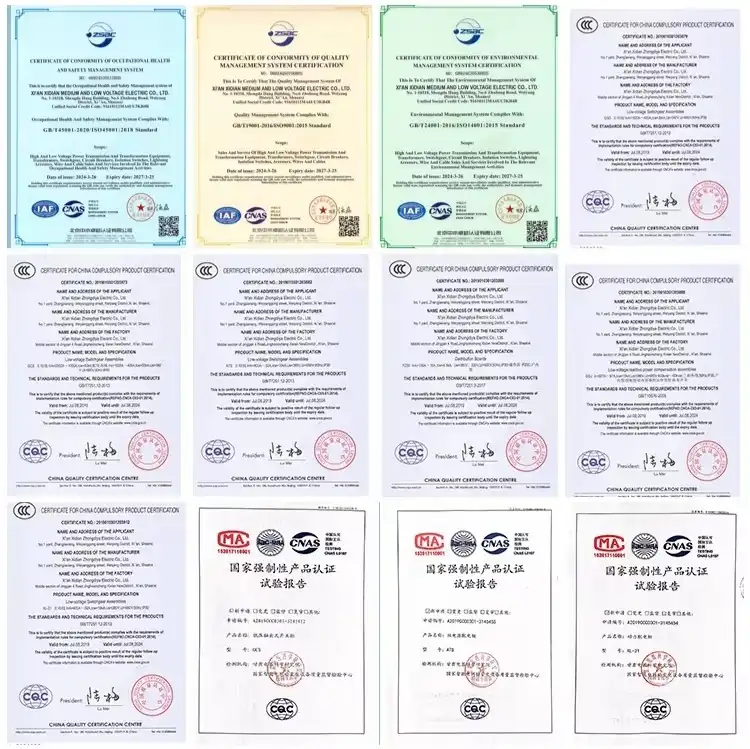
Global panel makers can't wait for approval to happen. Make sure the metalized film capacitor has the right approvals for the markets you want to sell it to. For example, CE for Europe and the Middle East, CCC for China's power grid, and RoHS compliance for almost all markets. It saves weeks of testing again at the cabinet level if the supplier gives traceable test reports for each batch.
How to Evaluate Suppliers and Manufacturers for Bulk Procurement
Price is the main thing that panel factories look at when they decide what to buy, but price alone has ruined more than a few production plans. Here are some ways to judge a metalized film capacitor provider that go beyond the price per unit.
MOQ, Lead Time, and Batch Consistency
For a small panel plant, a source with a MOQ of 5,000 units means they have to keep extra stock on hand. Look for providers that can take orders of 300 to 1,000 units per run and can restock once a month, which is about the same rate of production as most mid-sized switchgear makers. Ask for Cpk data on capacitance and tan δ for three batches in a row. If a supplier can't give you that information, batch-to-batch variation will show up on your final cabinet test report.
Certifications, Datasheets, and After-Sales Response
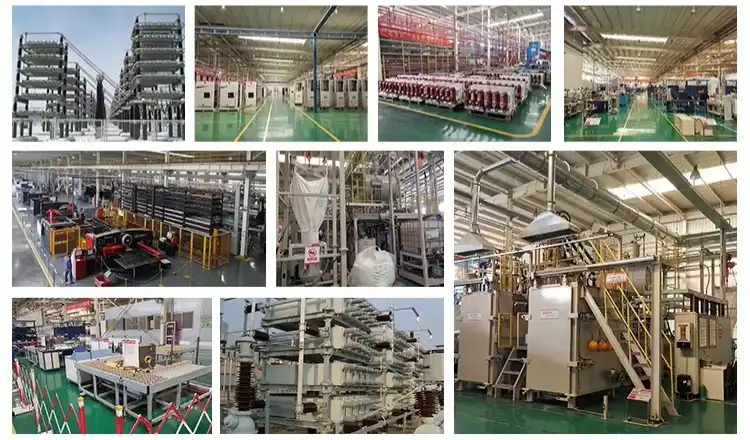
Clear documentation is the best way to tell if a manufacturing process is mature. A reputable company that makes metalized film capacitors puts out full datasheets, production records that are ISO 9001–certified, and answers to technical questions within 24 hours. ISO 9001, ISO 14001, and ISO 45001 are all standards that Xi'an Xikai has. Each package comes with test records for dielectric strength, temperature cycling, and longevity. Standards for production are in line with China's national and industry standards, and research and development has been backed by national-level programs.
Custom Configurations for OEM Panel Requirements
Standard catalog items cover most PFC cabinet needs, but some projects need special terminal sizes, connection setups, or enclosure sizes. The BKMJ line has connection types D, Y, YN, and III, as well as M6, M8, and M10 terminal blocks (scaled to capacitor power). This gives panel makers options without having to start a new product development cycle. To keep the temperature inside the cabinet stable, there must be at least 50 mm of wall clearance.
Practical Testing and Quality Assurance for Procurement Managers
There is one last check before a metalized film capacitor goes into your cabinet assembly, and that is the receiving inspection. These tests are the most important.
Key Incoming Inspection Tests
These are the main quality checks that every procurement team should do or ask for:
- Capacitance and tan δ measurement: Confirm values are within the −5% / +10% tolerance and that tan δ remains below 0.001 at 20 °C and 50 Hz. Any unit above this threshold generates excess heat during operation and accelerates dielectric aging.
- Insulation resistance (IR) test: High IR confirms that the dielectric film is free from moisture ingress, which is the primary cause of early metallization corrosion and capacitance drift.
- Self-healing verification: Apply controlled voltage spikes above rated voltage and confirm the capacitor recovers to its specified insulation resistance immediately, without permanent shorting.
These three checks, which are done on a statistically valid sample of each new batch, will find most of the defective units before they get to the assembly stage.
Interpreting Datasheet Specifications and Avoiding Counterfeits
There should be minimum insulation resistance values, endurance test conditions (usually 1.25× Ue at maximum rated temperature for 1,000 to 2,000 hours), and dV/dt ratings on a real metallized film capacitor datasheet. If a datasheet doesn't list these parameters, you can't be sure about the product. Fakes usually have normal capacitance at first, but they fail durability tests after a few hundred hours. Before accepting delivery, check the supplier's ISO-certified quality records against the batch numbers they give you.
Finalizing Your Purchase Decision – A Step-by-Step B2B Guide
Putting everything into a buying process that can be used again and again saves both your profit margins and the quality of your products.
Match Capacitor Specs to Cabinet Requirements
Find out how much reactive power your cabinet needs and what the system voltage is. Then, choose a metalized film capacitor that is rated at least 10% higher than the peak working voltage. Check that the kVAR output, link settings, and interface size match the ones on your bill of materials. For a 50 kVAR PFC cabinet working at 400 V, 50 Hz, the BKMJ line directly meets these requirements with a galvanized steel case that fits normal cabinet shapes.
Balance Cost, Lead Time, and Supplier Stability
It doesn't matter how cheap a unit is if delivery is late and your production line stops or if batch differences mean you have to do more work. Price should be worth about 60% of your procurement scorecard. Batch consistency should be worth 25%, and lead-time reliability should be worth 15%. Compare quotes using this measure, and look at it again every year as your numbers grow.
Build a Long-Term Supply Partnership
A formal supply agreement that locks in price tiers, batch quality standards, and guarantyd lead times is helpful for monthly repeat orders. A relationship with a seller that is based on written performance data is more stable than one that is only based on price talks. Ask for review calls with your supplier's technical team every three months to stay on top of any changes to specifications or replacements for materials.
Conclusion
In 2026, choosing a metallized film capacitor for making bulk PFC cabinets comes down to three things that can be checked: matching specifications, making sure that batches are consistent, and making sure that the supplier is responsible. All three are covered by Xi'an Xikai's BKMJ series: voltage values from 100 V to 1,000 V; a capacitance tolerance of −5% to +10%; and full ISO approval with test records that can be tracked. If you follow the selection framework in this guide to the letter, your cabinet rejection rate will go down, your export certifications will be safe, and you'll have a relationship with your seller that grows as your orders do.
FAQ
1.How does self-healing work in a metallized film capacitor?
Within microseconds of a dielectric breakdown happening, arc heat turns the thin metal electrode around the fault into a gas. This creates an area that is not conductive, which keeps the capacitor working without a dangerous short circuit.
2.What is the difference between MKP and MKT film capacitors?
It is best for PFC uses because MKP (polypropylene) has a lower dissipation factor and makes less internal heat when it is under constant AC load. Polyester (MKT) works better for low-voltage DC blocking or signal connection when there isn't much room.
3.What causes early failure in a metallized film capacitor?
The main cause of failing is humidity getting in. The metallization layer breaks down when it gets wet, which leads to a gradual loss of capacitance. Over voltage that lasts for a long time wears away at the insulating film, so it's important to stay within the stated voltage limits.
4.Is there a polarity requirement for film capacitors?
No, unlike electrolytic options, metallized film capacitors are not polarized and can be placed in either direction.
5.What certifications should I request for export markets?
Ask for CE for markets in Europe and the Middle East, CCC for grid projects in China, and RoHS compliance paperwork for almost all export locations. Check that the certificates are for the exact batch of goods you are buying.
Get a Bulk Quote from Xi'an Xikai – Trusted Metallized Film Capacitor Supplier
Metallized film capacitor are sold by Xi'an Xikai to PFC cabinet makers in China, Southeast Asia, and the Middle East. It takes 300 units or more to ship a BKMJ series, and each batch has the same specifications and all the necessary approval paperwork. Talk to our sales team about your needs and group prices by calling:
References
1. IEC 60831-1: Shunt power capacitors of the self-healing type for a.c. systems — Part 1: General — Performance, testing and rating, International Electrotechnical Commission, 2014.
2. IEEE Std 18-2012: IEEE Standard for Shunt Power Capacitors, Institute of Electrical and Electronics Engineers, 2012.
3. Mohan, N., Undeland, T. M., & Robbins, W. P. Power Electronics: Converters, Applications, and Design, John Wiley & Sons, 2003.
4. Sarjeant, W. J., Zirnheld, J., & MacDougall, F. W. "Capacitors," IEEE Transactions on Plasma Science, 1998.
5. Tan δ and Aging Characteristics of Metallized Polypropylene Film Capacitors, IEEE Transactions on Dielectrics and Electrical Insulation, Vol. 12, No. 6, 2005.
6. Montanari, G. C., & Mazzanti, G. "From Electrothermal Stress to Accelerated Degradation in Dielectric Materials," IEEE Electrical Insulation Magazine, Vol. 16, No. 3, 2000.