What You Need to Know about Oil-immersed Transformer
2026-07-03 15:56:10
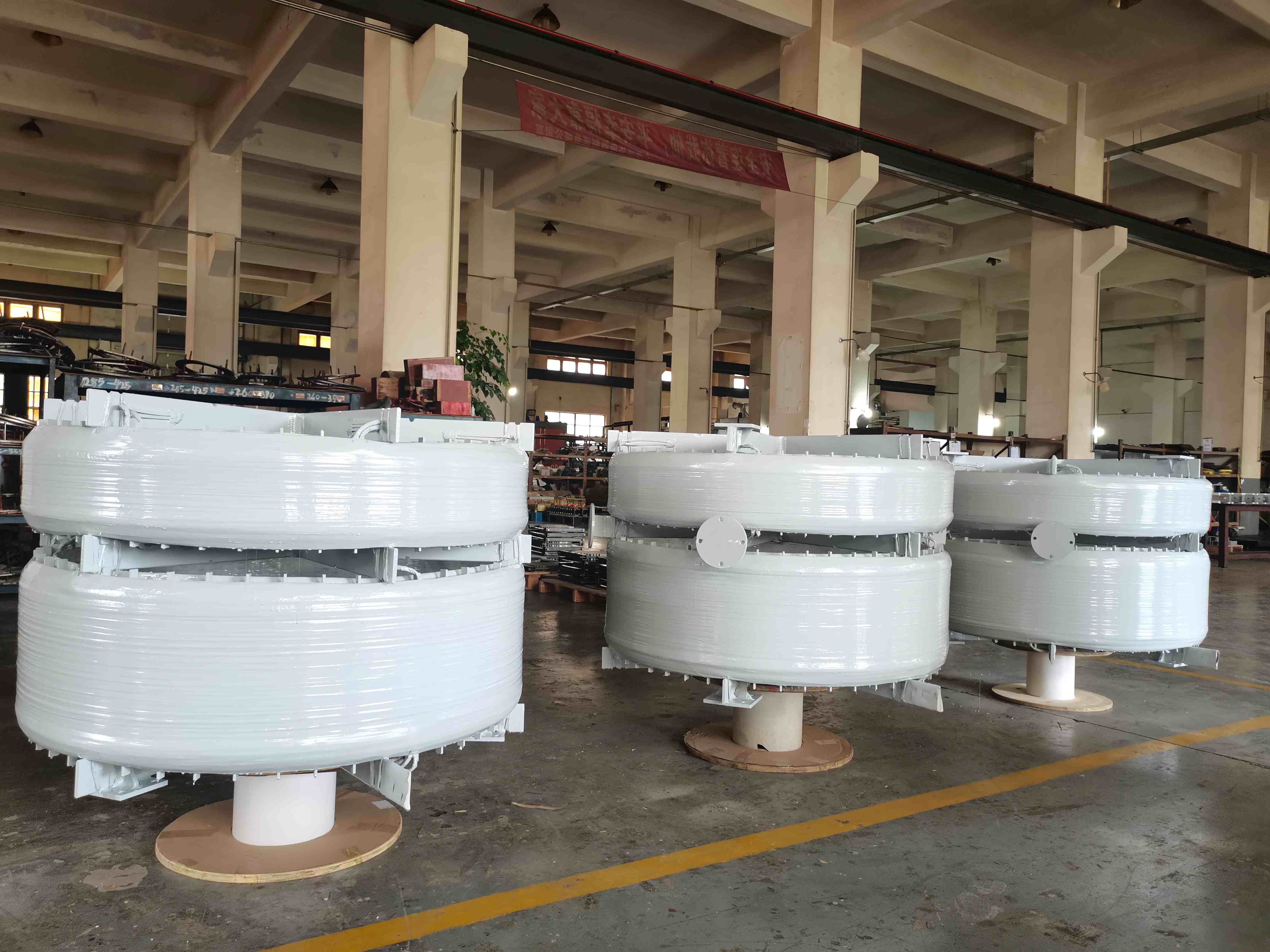
Understanding the science behind Oil-immersed Transformers becomes essential when choosing power distribution equipment for industrial buildings, data centers, or utility grids. Specialized insulating oil is used in these devices to handle both heat loads and electrical protection at the same time. This is a tried-and-true way to change voltage for medium to high voltage uses. The oil moves through the heart and windings of the transformer, absorbing heat that is made during operation and releasing it through the walls of the tank or vents on the outside. This system does two things: it cools and insulates, which lets these units consistently handle heavy loads while keeping the power quality high. This technology fixes some of the most important problems in power systems for building managers who care about uptime and energy economy.
 |
 |
Understanding Oil-immersed Transformers
Core Operating Principles and Component Architecture
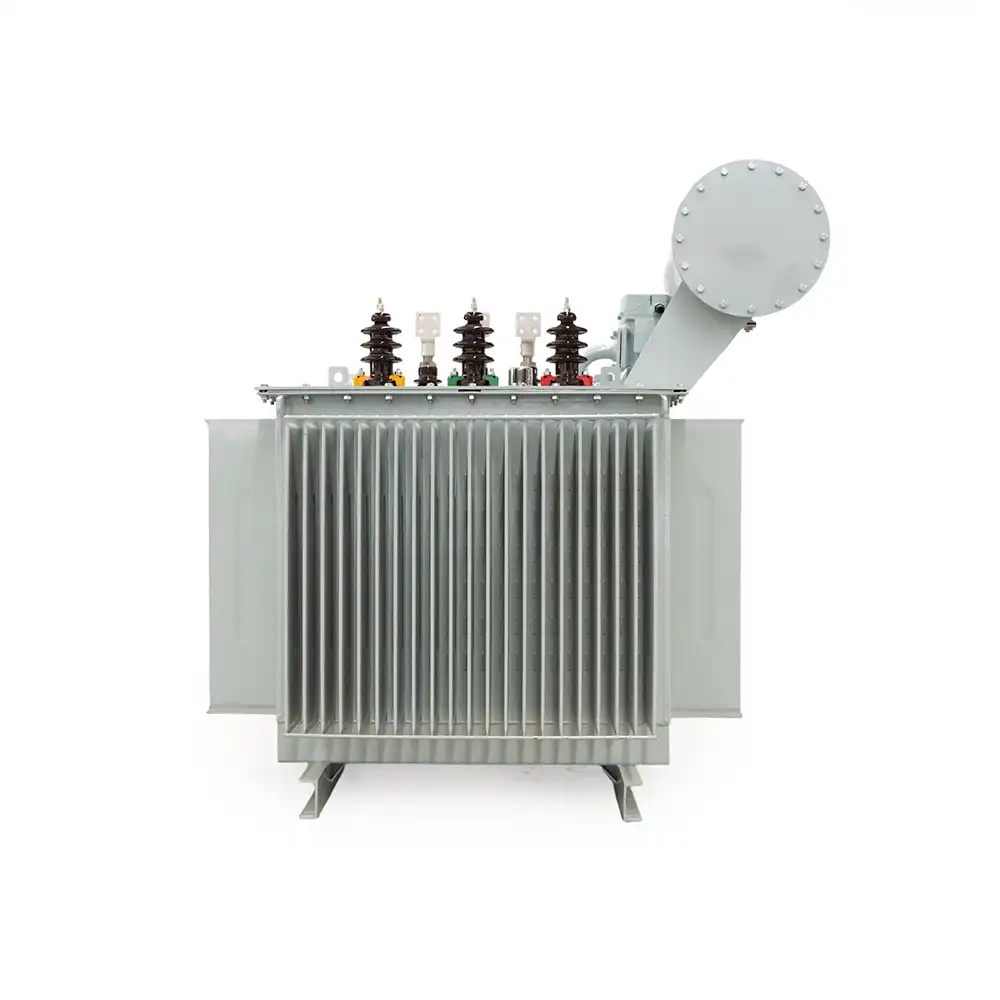
In order for it to work, electromagnetic induction must happen inside a magnetic core made of grain-oriented silicon steel. Primary windings take in voltages of 10kV, 35kV, or 110kV. This causes current to flow through secondary windings, which then send the voltage down to a level that can be used by end-use equipment. The insulating oil around these parts keeps electricity from flowing between the windings and the grounded surfaces and moves heat away from hotspots.The core parts are the copper or aluminum windings with Class A insulation systems, the sealed oil tank with curved radiators, the tap changers for changing the voltage, and the bushings for external connections. Our S13 and S18 series units use vacuum-dried mineral oil that has a dielectric strength of more than 30kV. This makes sure that they work reliably even when there is short-term overvoltage.
Oil Types and Their Application Context
Depending on the job, different transformer oils are best. Mineral oils are still the standard in the industry because they are cheap, have good insulating qualities, and conduct heat well. Because synthetic esters are more fire-resistant, they can be used in places like hospitals and living areas that need to be safe. Vegetable-based natural ester fluids are better at breaking down naturally, which fits with utility companies' goals to be good environmental stewards. Our S18 type transformers have high-flash-point choices that make them more thermally stable in difficult environments. They can work in temperatures ranging from -40°C to +55°C. When selecting tools, procurement managers have to weigh the characteristics of the oil against the conditions of the place, government rules, and expected lifecycle costs.
Advantages and Design Principles of Oil-immersed Transformers
Superior Cooling Efficiency and Load Capacity
When it comes to managing heat, oil-cooled systems are better than dry ones because they use convective oil movement for Oil-immersed Transformer. Because of this, our industrial-grade models can handle 150% of their recommended load for two hours without losing their insulation integrity, which is very important during times of high demand in factories or mines. Types of cooling include ONAN (Oil Natural Air Natural) systems with passive radiators and OFAF (Oil Forced Air Forced) systems for large units with fans and pumps.No-load losses can be cut by up to 30% compared to older designs by making the core building more efficient. Our S9 series has efficiency scores above 98.5% at full load, which means that building owners can directly save money on running costs. Stable power supply to sensitive electronics in data centers is made possible by voltage regulation within ±2.5%. Low-loss characteristics at partial loads improve return on investment for renewable energy setups that have irregular generation patterns.
Design Robustness and Environmental Adaptability
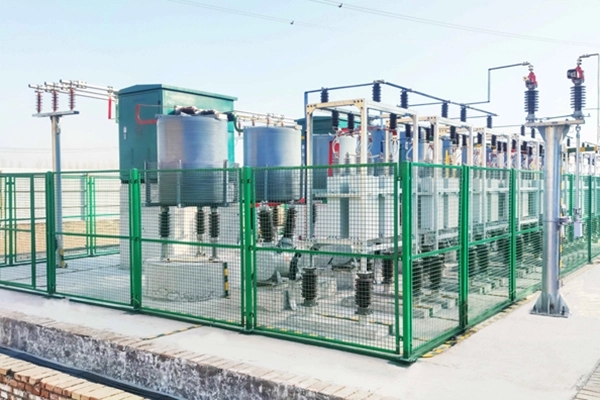
The sealed tank design with silica gel breathers stops water from getting in and oil from oxidizing, which makes the insulation last longer than 30 years. Corrugated tank walls have more surface area for heat to escape and are stronger against changes in the air inside the tank. These design features are necessary for outdoor locations near the coast, where salt spray speeds up rusting, or at high elevations, where our plateau-type equipment keeps working at up to 4,000 meters.Enclosures with an IP55 rating keep out dust and water, so they can be used in mining areas and coastal wind farms. Designs that are resistant to earthquakes and meet Zone 4 standards protect investments in infrastructure in places where ground motion is common. This flexibility helps EPC firms build substations in a wide range of places, so they don't have to come up with their own unique environmental protection measures.
Maintenance, Testing, and Safety Protocols
Diagnostic Testing and Predictive Maintenance
Preventive repair plans are based on checking the quality of the oil on a regular basis. Dissolved Gas Analysis (DGA) finds early flaws by checking the levels of hydrogen, methane, ethylene, and acetylene. These gases are released when shielding breaks down or there is a partial discharge. For important installations, testing is usually done once a year, and the moisture level must stay below 20ppm and the acidity must stay below 0.03mgKOH/g according to IEC 60422 guidelines.Dielectric breakdown voltage tests confirms that the oil can insulate, and it needs to be at least 30kV strong to be safe to use. Measuring the resistance of the windings makes sure that the link is solid and finds problems that could be caused by manufacturing flaws or heat damage. Tests of the turns ratio show that the voltage transformation is accurate to within ±0.5%, which is important for grid synchronization in green energy uses. As part of our quality control process, we test welding tanks under pressure for 24 hours to make sure they won't leak before they are shipped.
Safety Considerations and Compliance
Proper spacing from buildings, oil containment systems to keep the environment clean, and pressure release devices to handle internal fault conditions are all needed to reduce the risk of fire. Monitoring temperature with winding thermometers and oil level gauges lets problems be fixed quickly, before they get too bad. Our units keep their noise levels below 65dB so that they don't cause too much trouble in cities. This also means that they meet city rules for installations near schools and hospitals.Global compliance is ensured by following IEC 60076, IEEE C57.12.00, ISO 9001, CE, UL, and GOST-R standards. According to IEC 60076-3 standards, material testing methods make sure that steel cores that are oriented along the grain reduce hysteresis losses. Impulse voltage testing makes sure that the insulation works together to protect against lightning shocks. These strict steps are meant to make sure that safety is a top priority for utility companies that run transmission and distribution networks.
Comparative Insights for Procurement Decisions
Performance Metrics Against Alternative Technologies
Cooling effectiveness becomes a deciding factor when comparing Oil-immersed Transformers to Dry-Type Units. Higher power densities can be handled by oil circulation, which allows for smaller areas for similar ratings. For example, an oil-based 1000kVA unit takes up about 60% of the room needed by a dry design. Oil-cooled models usually have a 35-year service life compared to 25 years for air-cooled models. This is because they are better at managing heat.A study of costs shows that oil technology requires a bigger original investment, but it has lower ongoing costs because it works better. When you look at the total cost of ownership over 20 years, oil systems are better for setups with more than 500kVA of power. When fire safety is important, dry transformers work best indoors. On the other hand, oil units work best in open substations that handle industrial loads or utility distribution networks. Gas-insulated options that use SF6 are small, but they are bad for the environment because they release greenhouse gases.
Application Environment Suitability
Industrial facilities can handle short-term loads like motor starts or arc furnace operations thanks to the overload robustness of oil-cooled transformers. Data centers that need to be online all the time rely on oil technology's proven dependability. Redundancy setups lower the risk of a single point of failure. Utility companies use flexible designs to expand their grids, and amorphous core choices can reach 99% efficiency to meet the requirements of the EcoDesign Directive.Intermittent production trends in solar and wind farms make them difficult in their own ways. Our low-loss models keep their efficiency below 3% at 30% load, which means they collect the most energy during times when output changes. Accuracy in voltage control within ±0.5% ensures grid synchronization compliance, stopping power quality problems that cause safety relays to work. Installation flexibility allows for both pad-mount and pole-mount setups, so it can be used in green energy projects even where space is limited.
Buying Guide and Supplier Insights for Global Clients
Procurement Channels and Supplier Evaluation
When you work directly with the maker, you can make changes to meet specific power needs, enclosure standards, or environmental ratings. Authorized wholesalers provide regional support infrastructure, which speeds up the supply of new parts and the response time for field service calls. Online business-to-business (B2B) sites let people bid against each other, but they need to carefully check the qualifications and certifications of sellers and products.Pricing is based on volume, and sales for more than one unit can get savings for being part of the same production batch. Different manufacturers offer different levels of customization. For example, compact designs for limited room in urban substations need specific winding setups, while ATEX-certified units for explosive environments need extra safety features. Technical cooperation during the creation of specifications makes sure that the capabilities of the tools are in line with the needs of the operation.
Quality Assurance and Logistics Planning
A 10-year warranty shows that the maker is confident in the product's durability for Oil-immersed Transformer; it covers both problems with the materials and the work. Delivery times range from 8 to 16 weeks, based on how complicated the design is and how much can be made. Infrastructure for after-sales service, such as expert support available 24 hours a day, seven days a week, and regional service centers, reduces downtime during unplanned repair events.The biggest makers have help networks around the world with trained workers who can set up and fix problems on-site. Documentation files with test results, operation instructions, and lists of spare parts make it easier to integrate new systems into current ones. Transportation logistics involve planning the use of specialized tools for units that weigh more than 10,000 kg, and route studies are needed to make sure that installation places can be reached.
Conclusion
To choose the right transformer technology, you need to carefully look at the working needs, the surroundings, and the cost over the whole lifecycle. This study showed how using special insulating oil can help with better temperature management and electricity protection in tough industrial settings. Understanding design principles, maintenance routines, and compared performance measures can help building owners, utility companies, and EPC firms make smart choices about what equipment to buy. The focus on quality standards, diagnostic tests, and safety compliance answers main worries about the dependability of operations and following the rules. As power infrastructure changes to meet goals for better efficiency and sustainability, tried-and-true oil-cooled transformer technology keeps proving its worth by being flexible, long-lasting, and improving performance.
FAQ
1.How Often Should Oil Testing Be Performed?
Most industry sites should be tested once a year, but hospitals and data centers, which are more important, should be tested every three months. DGA tracking finds problems early on, and moisture and acidity tests prove that the oil preservation method works. If the process involves high temperatures or is exposed to contamination, it may need to be analyzed more often.
2.Can These Units Operate in Harsh Outdoor Environments?
IP55-rated shelters, corrosion-resistant tanks, and sealed breather systems are some of the ways that modern designs especially deal with environmental problems. Extreme conditions can be accommodated by a temperature range of -40°C to +55°C, and UV-resistant coatings guard against damage from the sun. Marine-grade paints protect against damage from salt spray in coastal sites.
3.What Indicates Maintenance Requirements?
There could be problems if the oil temperature keeps going up, the dielectric strength drops below 25kV, the moisture content goes up, or the DGA readings aren't normal. Inspection must be done right away if there are visible oil leaks, loud noises, or protection devices that have been tripped. Setting up standard data during commissioning lets you look at trends for planning preventative maintenance.
Partner with Xi'an Xikai for Reliable Oil-immersed Transformer Solutions
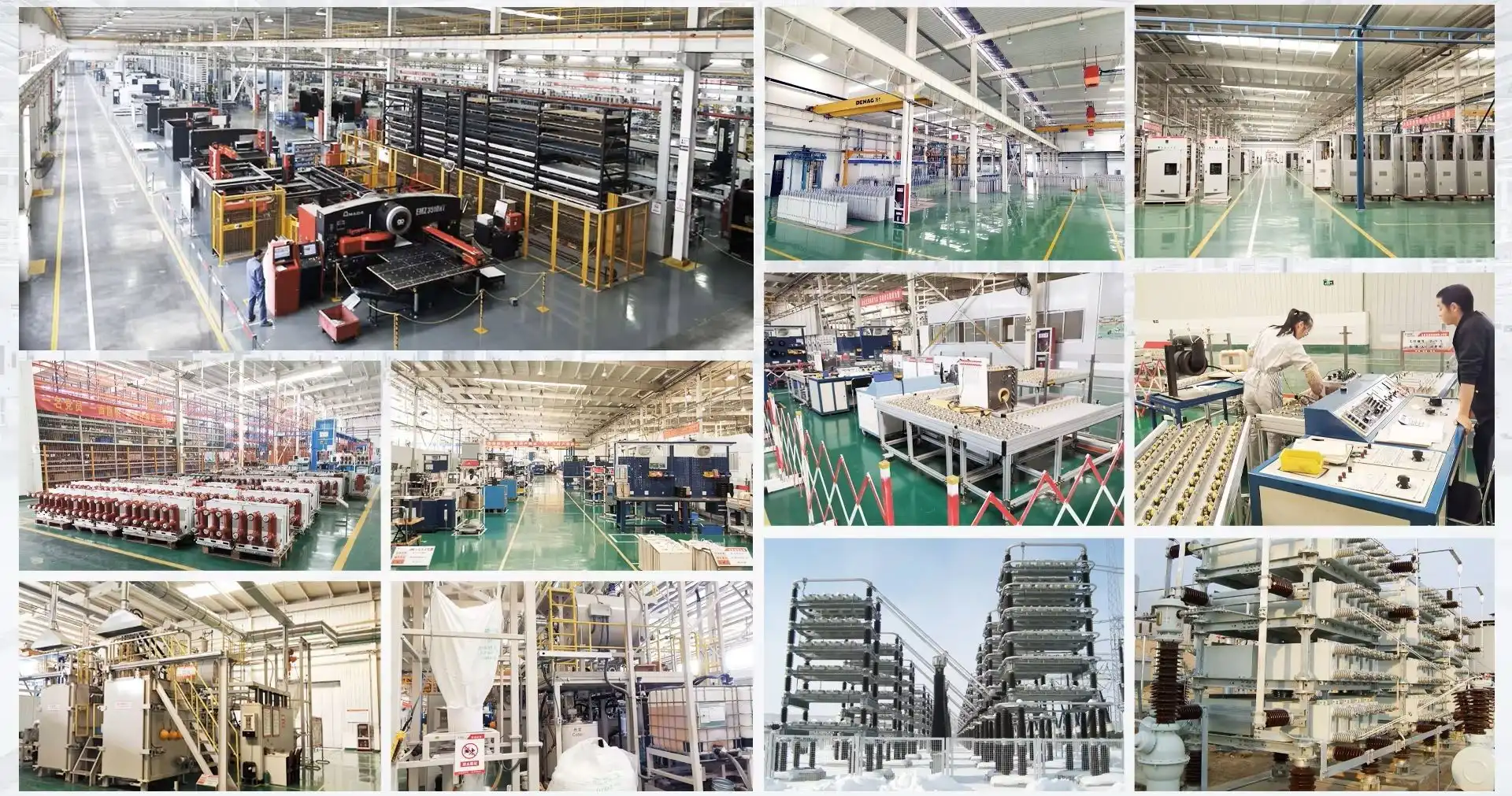
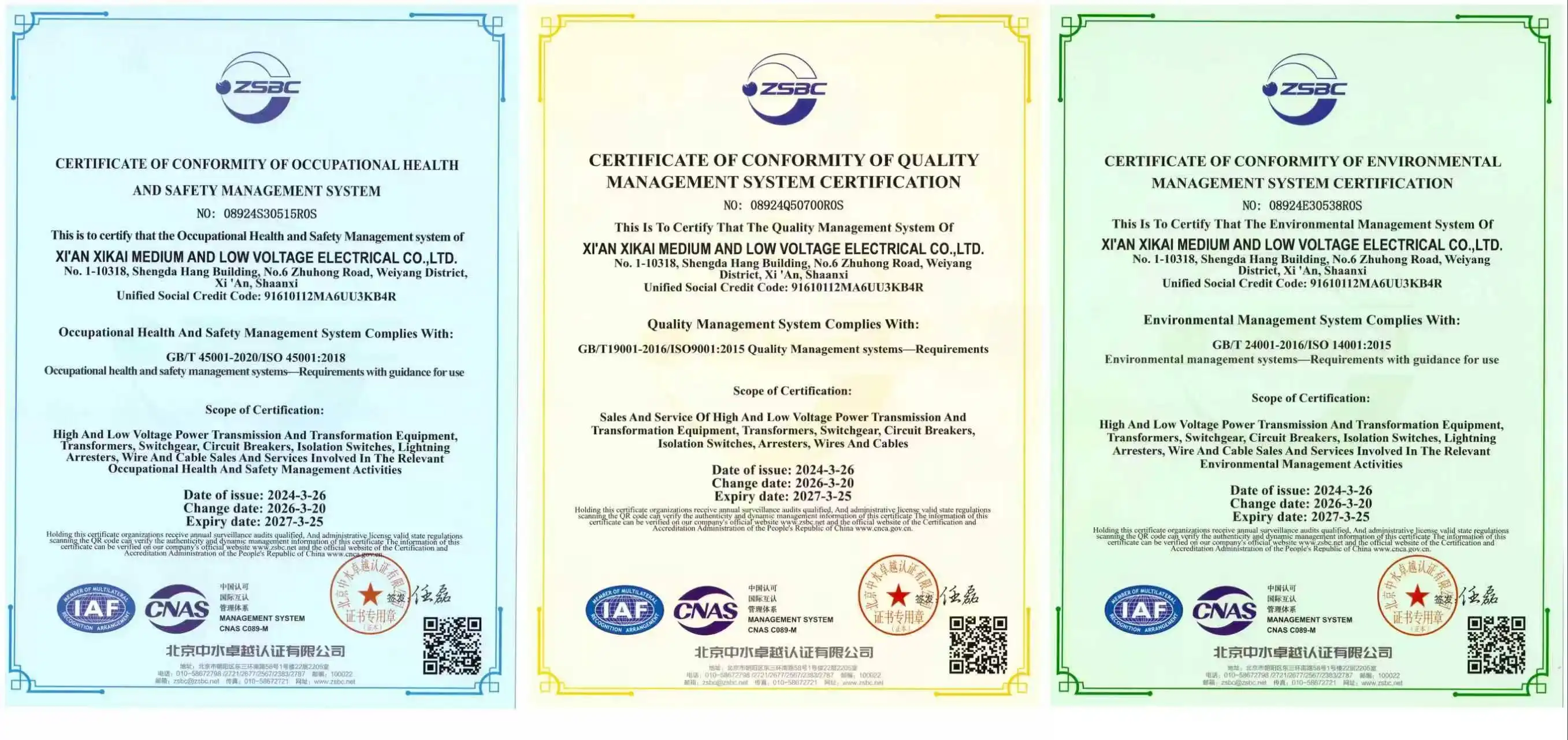
Xi'an Xikai Medium & Low Voltage Electric Co., Ltd. has been an engineering company for 25 years and can make over 100 different types of products in 7 different categories. In industrial, utility, and green energy uses, our S9, S13, and S18 series Oil-immersed Transformers provide reliable performance. Plateau-rated equipment can support sites up to 4,000 meters in elevation, and patented design improvements make sure that the equipment is both reliable and efficient. As a top maker of Oil-immersed Transformers that serves customers all over the world, we offer full support, including technical advice, customization, quality assurance, and a 10-year guarantee. You can talk to our buying experts about your project needs by emailing serina@xaxd-electric.com, amber@xaxd-electric.com, or luna@xaxd-electric.com. Visit xaxd-electric.com for full specifications and learn how our eco-friendly production methods and certified compliance can help you get the most out of your investments in important power infrastructure.
References
1. International Electrotechnical Commission. "Power Transformers - Part 1: General," IEC 60076-1:2011, Geneva, Switzerland, 2011.
2. IEEE Standards Association. "IEEE Standard for General Requirements for Liquid-Immersed Distribution, Power, and Regulating Transformers," IEEE C57.12.00-2015, New York, USA, 2015.
3. Heathcote, Martin J. "J & P Transformer Book: A Practical Technology of the Power Transformer," 13th Edition, Newnes Publishing, Oxford, 2007.
4. Kulkarni, S.V. and Khaparde, S.A. "Transformer Engineering: Design, Technology, and Diagnostics," 2nd Edition, CRC Press, Boca Raton, 2013.
5. Myers, S.D., Ticket, J.J., and Parrish, R.H. "A Guide to Transformer Maintenance," S.D. Myers Inc., Akron, Ohio, 1981.
6. Tenbohlen, Stefan et al. "Diagnostic Measurements for Power Transformers," Energies Journal, Volume 9, Issue 5, May 2016.

_1774319679257.png)