
How to Maintain a Porcelain Type SF6 Circuit Breaker
2026-11-23 17:27:27
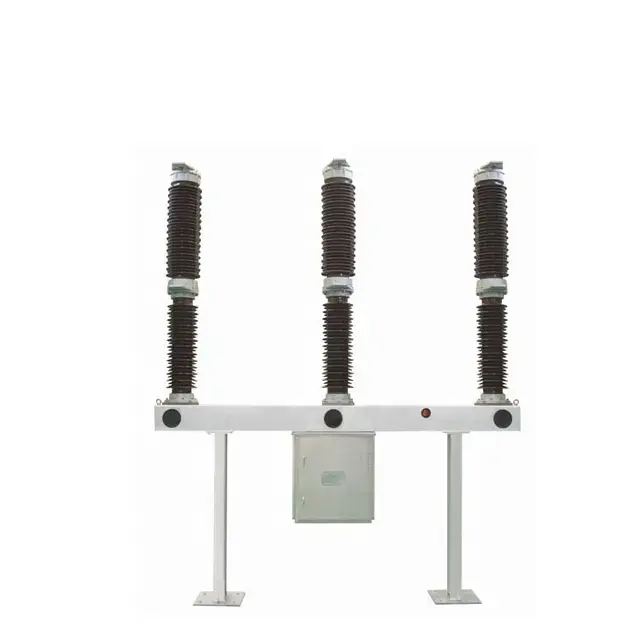
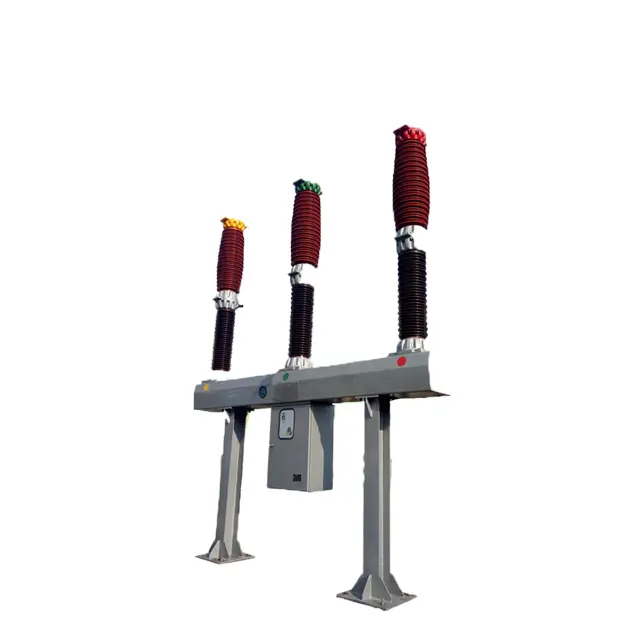
To take care of a porcelain type sf6 circuit breaker, read the owner's manual and decide how often to check it based on the level of risk. Maintenance that is done right keeps the wiring safe and the insulation stable. Check the porcelain for cracks and dirt, make sure you know the density and leak rate of the SF6, test the mechanism and control circuit, and measure the timing and resistance of the contacts. Then write down each result and compare it to data from the factory and the commissioning. Do open-close tests after any repair work before turning the power back on. This guide was written for substation engineers and EPC teams that need to specify 126/145 kV equipment. It shows how each step can be used with the Xi'an Xikai LW25 outdoor model.
Know Your Breaker and Build a Maintenance Plan
How a Porcelain Type SF6 Circuit Breaker Works
Anything I touch, I need to know what's inside it first. The SF6 gas-filled porcelain housings of a porcelain type SF6 circuit breaker contain the interrupters. The mechanism pulls the contacts apart and an arc forms when a trip command comes in. The gas makes the arc less hot and restores the dielectric strength, which stops the flow of current. This is why gas density is so important: SF6 has about 2.5 times the dielectric strength of air at standard pressure. The porcelain holds mechanical weight and keeps live parts from touching the ground. You should also learn about the control cabinet, the trip and close coils, the auxiliary contacts, and the density monitor. Each one tells you when something starts to drift.
Build a Risk-Based Maintenance Schedule
When you check every porcelain type sf6 circuit breaker at the same time, you waste time on some and miss problems on others. Regular walk-throughs should include checking for gas density, damage that can be seen, contamination, corrosion, the status of the operation, and any strange noises. There should be regular and major work done on the mechanism, control circuits, insulation, timing, and contact condition. It is recommended that frequency be set based on voltage level, switching duty, environmental exposure, leakage history, manufacturer requirements, and local standards. Event-based inspections are also done after a fault interruption, a gas alarm, a failed operation, a transport impact, a lightning strike, or what I think is a partial discharge. Before they start work in the US, crews also follow OSHA 29 CFR 1910.269 lockout and grounding rules.
Keep Records That Show Trends
For a schedule to work, the data that it is based on must stay clean. I write down the equipment ID, test results, photos, calibration records, corrective actions, and approvals for each breaker. The records turn one reading into a trend. Even if the contact resistance value seems fine right now, it may still be going up from where it started last year. It's the same for gas density and closing time. IEEE Std C37.10 tells us how to diagnose and look into failures in power circuit breakers, and that's how I decide what to compare. The first things you should look at are the factory test report and the commissioning record. These are what all the other tests will be compared to.
Inspect the Porcelain Insulator and SF6 Gas
Inspect the Porcelain Housing and External Insulation
There's a lot of fragile porcelain out there, so I approach every checkup as a structural check. Look for defects such as cracks, chips, damaged glazing, flashover markings, discolouration, corrosion, water ingress, fractured cement joints and weak flange seals. When the surface is separated, grounded and a work permit is obtained, cleaning of the surface should only be done in such a manner that will not harm the glazing or sealing materials. Structural fractures and substantial chipping, broken flanges, recurrent flashover or unsatisfactory insulation test results, it is typically preferable to replace the item than to restore the surface. The replacement part must have the same size, shape, mechanical strength, insulation level and voltage class as the old part. Compare creepage to the pollution level . IEC 60815 advises you how to pick the insulator for a contaminated environment .
Protect a Porcelain Type SF6 Circuit Breaker in Transit and Earthquakes
I understand the concerns many EPC teams have regarding porcelain breaking in shipping and in earthquake prone places. When the boxes come in I search for traces of collision, and examine every porcelain column before it leaves the truck. Take a photo of any damage and report it to somebody straight soon. During installation, follow the lifting points and bolt torque recommended by the manufacturer to ensure the flanges take the load uniformly. If the location is subject to earthquakes, get seismic data for the whole breaker from the supplier and review IEEE Std 693, which covers substation design for earthquakes. Check porcelain, anchor bolts and gas density before turning electricity back up after earthquake.
Check SF6 Density, Leakage, and Safe Handling
So I check it every time I go there. A porcelain type sf6 circuit breaker may be insulated and disrupted by gas condition. The density data provides a better picture when the gauge pressure fluctuates with temperature.” Manufacturers usually include gas values at 20 °C and temperature-compensating curves. Make that the gauge is working, the alarm and lockout settings are right and all valves, seals, pipe couplings and porcelain to metal interfaces are in excellent condition. “Check for moisture, purity, decomposition products, and air content at the times specified in the manual using calibrated tools. If density goes down and you discover the leak fill up the tank again. More than once use petrol, follow IEC 60480 and employ recovery equipment and qualified staff. According to the IPCC's Fifth Assessment Report, SF6 has a warming potential 23,500 times that of carbon dioxide over 100 years. This implies that plugging leaks is vital. Arcing produces poisonous byproducts of decomposition, therefore ensure sure the environment is sufficiently ventilated and everyone wearing protective gear does.
Test the Mechanism, Interrupter, and Control Circuit
Service Spring, Hydraulic, and Pneumatic Mechanisms
Choose the right mechanism for your needs, so I make sure the checks are right for the type. Three different options are available for the LW25 Outdoor Porcelain Type SF6 Circuit Breaker. In the spring version, the closing spring is charged by an electric motor, and the opening spring charges itself while the closing spring is charging. The charging motor, latches, limit switches, and springs should all be checked. The hydraulic version stores energy in a disk spring and moves with hydraulics instead of nitrogen. Check for oil leaks, the amount of time the pump runs, and the level of fluid. To open and close the pneumatic version, you need to drain the water from the air system and check the compressor and valves. Check the locking mechanisms, position indicators, shafts, bearings, linkages, and lubrication for all types.
Test Interrupter Timing, Contacts, and Controls
After that, I check to see how the parts fit together. When you look at timing and motion analysis, you can see how opening speed, closing time, pole simultaneity, stroke, and contact bounce change. Find the contact resistance across the main circuit and compare it to the value that came from the factory. You should check the control voltage, trip and close coils, anti-pumping circuits, auxiliary contacts, heaters, fuses, terminals, interlocks, and control voltage on the control side. These parts are important because the operating mechanism and the control and auxiliary circuits were found to be the main causes of major failures in the CIGRE international study on high-voltage SF6 breakers. Make sure that the nameplate's rated short-circuit breaking current (31.5 kA or 40 kA) matches the needs of your project. Before you decide to do an internal inspection, look at the fault-interruption history.
Verify a Porcelain Type SF6 Circuit Breaker Before Energizing
I make sure the breaker is safe to turn on before I start any work. Run the insulation resistance, dielectric, primary resistance, grounding, secondary wiring, and control insulation tests based on the project standard and voltage class. Don't judge each number on its own; instead, compare them to factory data, commissioning records, and trends from the past. Then check the function: open-close cycles locally and remotely, trip commands from approved protection sources, interlocks, anti-pumping logic, lockout, alarms, indications, and gas-density signals. There are general rules for AC circuit breakers in IEC 62271-100. The mechanical endurance classes M1 and M2 cover 2,000 and 10,000 operations, respectively. Check the class that your unit is in. Before turning on the electricity, take down any tools or temporary grounds, check the permits, and get official permission.
Avoid Mistakes and Use Condition-Based Maintenance
Common Porcelain Type SF6 Circuit Breaker Maintenance Mistakes
I keep witnessing the same errors over and over again. The gas pressure is checked by staff, the temperature is not. They fill up while they should be searching for a leak or they overlook a leak that was disguised by the chilly weather. Some teams check simply at the exterior of the porcelain and miss fractures, water creeping in, damaged glaze or weak flanges. Some individuals join components together without examining the control voltage, the voltage class, the insulation level, or the mechanical interfaces. People also frequently make the error of neglecting the tendencies of time, resistance and density from history. Thus, the steady decline goes undetected. The worst thing you can do is SF6 work without recovery equipment, leak testing, qualified workers, ventilation and regulatory controls. Most of these can't be done with a written checklist.
Use Condition-Based Data for Outage Planning
Calendar intervals are just the beginning. They are not the end. Based on diagnostic findings , condition based maintenance instructs you where to spend your efforts for a porcelain type sf6 circuit breaker . Monitor variations in SF6 density and leakage, number of operations, fault interruptions, mechanism timing, coil-current signatures, contact resistance, and temperature of connections. Include partial discharge and environmental exposure findings if appropriate. Then, classify each discovery into one of four buckets: good enough, watch it, repair it when it goes down again, or take it out of service. Check your actual data against the limitations given by the manufacturer and your prior data. This may help you catch wear and tear early, manage downtime, maintain the correct components on hand, and utilise data to make choices about replacement. Remember to do the activities the manufacturer tells you to complete, since condition data is not a substitute for the instructions.
Porcelain, Composite, and Vacuum Compared
equency of servicing depends on kind of insulation and interrupter. Porcelain is a strong, stiff material, yet it is brittle and can break rapidly. It must be handled and examined with care if it is struck by anything hard. Composite housings , 4 , are built from silicone rubber over a fibreglass tube . They are lighter and better at handling impact , but will need to be examined for surface wear and sealing on their own . Medium voltage vacuum interrupters are popular and do not need gas handling. SF6 interrupters are still frequently employed at 126/145 kV. Vacuum variants are also available at this voltage level. Ask your provider to explain why a particular housing and interrupter will operate at your location with the pollution, weather and earthquakes you have.
Select a Dependable Porcelain Type SF6 Circuit Breaker Supplier for Long-Term Support
What to Request From a Porcelain Type SF6 Circuit Breaker Supplier
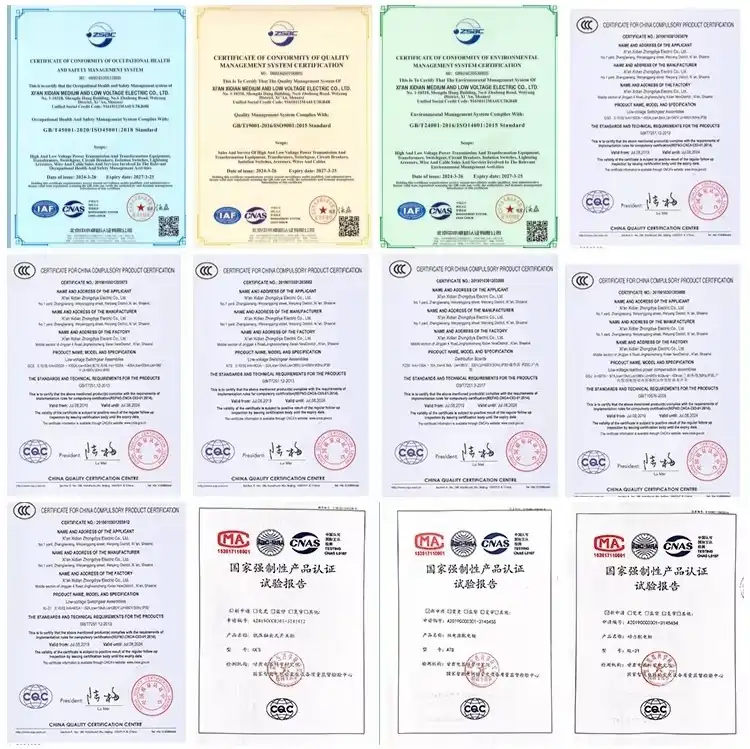
Often pricing isn't what dictates ultimate cost, but rather lifecycle support. Ask for the ratings, insulation levels, SF6 density settings, porcelain specifications, creepage distance, mechanism endurance, control voltage, certified drawings, type and routine test results, manuals, spare-parts lists and warranty conditions before placing an order. You should enquire about delivery terms, export documents, factory testing, commissioning assistance and after sales support. If your 126/145 kV project is going overseas, ensure you know how to load porcelain columns and how to handle them. A quick response now means no delays down the road. A reputable provider will also compare their design to composite or vacuum choices for your voltage class. And they will write back to address any technical queries you’ve had.
LW25 Outdoor Porcelain Type SF6 Circuit Breaker at a Glance
This is how the Xi'an Xikai LW25 Outdoor Porcelain Type SF6 Circuit Breaker fulfils those standards. A breaker for outdoor use, rated for 126/145 kV at 50 Hz and 2000, 3150 or 4000 A normal current. It is contained in porcelain and insulated with SF6 gas. We may use a spring, hydraulic or pneumatic mechanism for the project. Since the LW25 is rated for 50 Hz, be sure that the project’s frequency needs are satisfied from the start. Please let us know the short circuit current you are to manage like 31.5 kA or 40 kA for our engineers to examine the setup per your data sheet. We can provide your design institution with the test documentation and guides it requires.
How Xi'an Xikai Supports Your Project
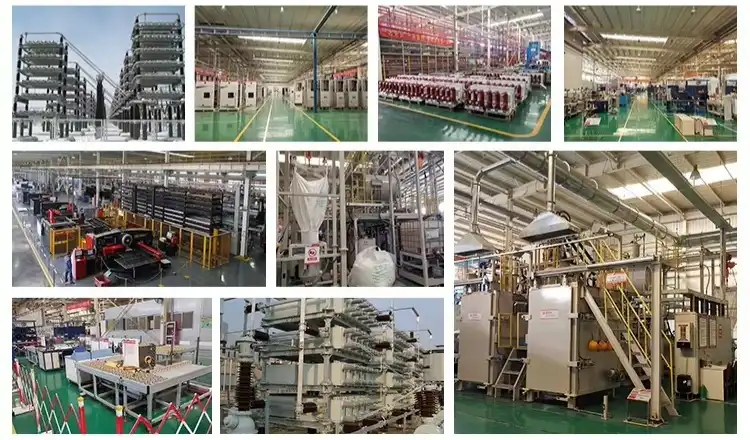
Xi’an Xikai Medium & Low Voltage Electric Co., Ltd. manufactures medium and low voltage electrical equipment and assists in integrating power distribution systems. We have more than 100 distinct products in our portfolio including high and low voltage switchgear, dry type transformers, indoor and outdoor vacuum circuit breakers, instrument transformers, air insulated switchgear, prefabricated substations and power electronics. The product lines are grouped into 7 categories, 34 series. Our plateau equipment can operate up to 4,000 meters above sea level. We provide solutions for such areas as power engineering, steel and metallurgy, petrochemicals, rail transportation, environmental protection and renewable energy. Therefore we can support EPC contractors and design institutes with porcelain type sf6 circuit breaker projects, by delivering them clear paperwork, bespoke configurations and timely technical replies.
Conclusion
To take care of a porcelain type sf6 circuit breaker, you need to know its parts, make a schedule based on risk, and act on what you see. The structure of the porcelain needs to be checked, even after it has been shipped or there has been an earthquake. SF6 density, not just pressure, shows how the gas is doing, and all leaks must be fixed before they can be filled up again in order to follow safe recovery procedures. Different checks need to be done on spring, hydraulic, and pneumatic mechanisms. The breaker is ready to go when timing, contact resistance, and control tests show that they are all good. You can avoid making common mistakes like ignoring temperature or historical trends. Condition-based data makes the manufacturer's intervals more accurate without replacing them. Repair teams have all the information they need to do a 126/145 kV installation thanks to clear supplier documents, test reports, and lifecycle support.
FAQ
1. How often should I maintain a porcelain type sf6 circuit breaker?
It is important to follow the project specification, the manufacturer's manual, and IEC 62271-100. You can also change the intervals based on the switching duty, pollution, leakage history, and fault interruptions. Trend data can support a shorter or longer interval, but tasks that need to be done by hand should never be skipped.
2. Does SF6 pressure have one universal value?
Not at all. Every design has its own alarm and lockout density values, and the pressure changes as the temperature does. Use a calibrated gage to read the density, follow the temperature curve provided by the manufacturer, and look for any leaks before adding more.
3. When should I replace a porcelain insulator?
If it has structural cracks, severe chipping, damaged flanges, repeated flashover, or failed insulation tests, it should be replaced. It is important that the new part has the same creepage distance, mechanical strength, insulation level, and voltage class as the old one.
4. Which documents should I request from a supplier?
Before giving the order, make sure you get ratings, certified drawings, type and routine test reports, manuals, spare-parts lists, and warranty terms.
Request Maintenance Support for Your Porcelain Type SF6 Circuit Breaker from Xi'an Xikai
If you need a porcelain type sf6 circuit breaker supplier for a 126/145 kV project, you can get in touch with Xi'an Xikai. Our LW25 has mechanisms that work with springs, hydraulics, or pneumatics. Our plateau-type equipment can work at heights of up to 4,000 meters. Email serina@xaxd-electric.com, amber@xaxd-electric.com, or luna@xaxd-electric.com with your voltage, current, short-circuit rating, and where the wire is going.
References
1. IEC 62271-100: High-voltage switchgear and controlgear – Part 100: Alternating-current circuit-breakers, 2021
2. IEC 60480: Specifications for the re-use of sulphur hexafluoride (SF6) and its mixtures in electrical equipment, 2019
3. IEEE Std C37.10: Guide for Diagnostics and Failure Investigations of Power Circuit Breakers, 2011
4. CIGRE Technical Brochure 510: Final Report of the 2004–2007 International Enquiry on Reliability of High Voltage Equipment, Part 2 – Reliability of High Voltage SF6 Circuit Breakers, 2012
5. IPCC: Climate Change 2013 – The Physical Science Basis, Fifth Assessment Report, 2013
6. IEEE Std 693: Recommended Practice for Seismic Design of Substations, 2018