
How to Evaluate Indoor Current Transformer Reliability Before Purchasing
2026-11-23 17:27:25
Before you buy an indoor current transformer, you should check the following five things in order to see how reliable it is. Start with the data for the app. Then, check the supplier's reliability, the accuracy class and burden, the results of the insulation and partial discharge tests, and the standards and test reports. Ask for routine and type-tested documents that are an exact match for the model. After that, approve the drawings, measurements, and a sample before the product is made. Ratings on a data sheet only show a small part of the story. The rest is clear from measured results, records that can be tracked, and technical answers. This guide was written for people who build or buy switchgear and need an indoor current transformer that fits the cabinet and stays accurate for years.
Define Dependable Performance for an Indoor Current Transformer
Start With Application Data, Not the Ratio Alone
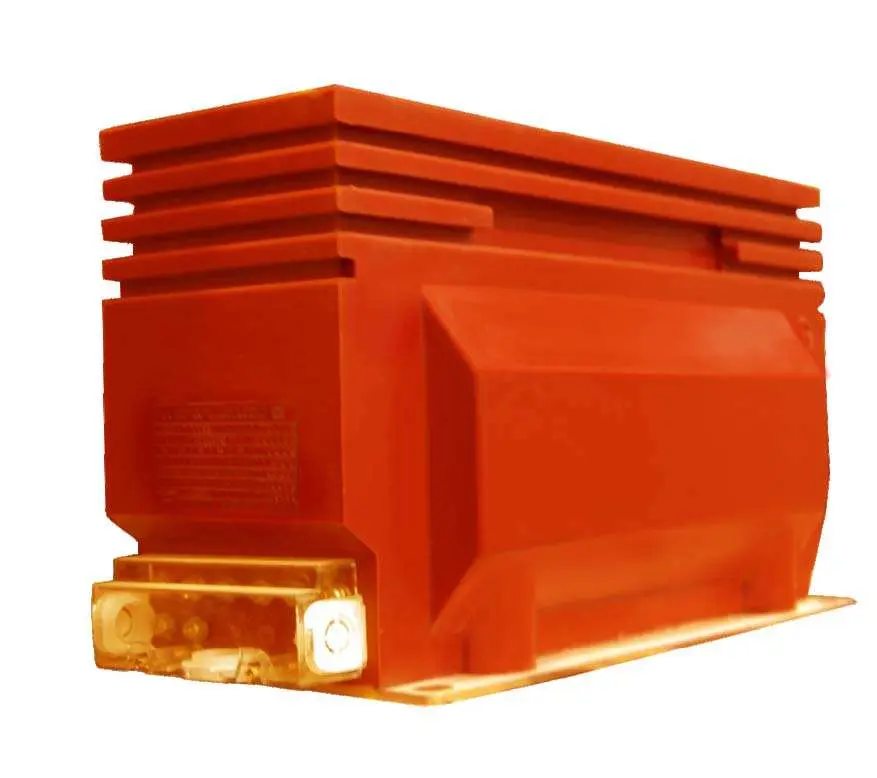
I always start with the application because a datasheet can't tell me if something fits by itself. Note down the voltage of the system, the range of the primary current, the frequency, the short-circuit duty, the altitude, and the secondary current of either 5 A or 1 A. Then you need to add the space inside the cabinet and the busbar or cable layout. A 24kV indoor current transformer from Xi'an Xikai can handle primary currents of 20 to 3150 A and 50 or 60 Hz. This means that a single platform can handle a number of cabinet ratings. Once you know these things, you can compare every quote for an indoor current transformer on the same terms and find gaps early.
Match Accuracy Class to the Circuit Purpose
For metering and protection, accuracy is not the same. As per IEC 61869-2, a class 0.2 core can only have a ratio error of ±0.2% at the rated current, and a class 0.5 core can only have a ratio error of ±0.5%. With protection classes like 5P and 10P, the most error that can happen is 5% to 10% at the accuracy limit factor. Class 0.2 and class 0.5 are on our 24kV model. Send the winding plan so our engineers can make sure it's correct before they quote. This is important if your cabinet also needs 0.2S, 5P, or 10P windings. Note that classes 0.3 and 0.6 are used by IEEE C57.13 if your end user works to it. On the purchase order for any indoor current transformer, write down the standard that must be met.
Check Secondary Burden and Saturation Limits
The load on the secondary circuit is called the burden, and it is given in VA. It has the terminals, the wiring, and the meter or relay. Before you connect anything, make sure the wires are the right length. A lead on a 5 A secondary adds a lot more weight than a lead on a 1 A secondary. If the connected load is higher than the rating, accuracy goes down, and during a fault, a protection core can become overloaded. What is the rated output and accuracy limit factor of each core? Get those numbers from your supplier and compare them to the data from your relay. The indoor current transformer stays within its rated limits thanks to this check.
Inspect Construction, Insulation, and Core Material
Check Epoxy Resin Casting and Partial Discharge
The epoxy resin cast, fully enclosed structure of the Xi'an Xikai 24kV unit is used. The quality of the casting is important because holes in the resin can cause partial discharge, which hurts insulation over time. Ask the supplier how they keep an eye on the curing process and test each unit. Our product data says that the partial discharge is less than 10 pC at 24 kV, and thermal cycling checks how well the temperature resilience works. Instead of accepting a general statement, ask for the measured value on the routine test report. A body that is cast and sealed also keeps out dust and water, which is helpful in humid switch rooms. Ask the same things of every indoor current transformer on your list.
Compare Silicon Steel and Microcrystalline Cores
What the core material does changes when the current is low and when it gets close to saturation. Most metering and protection cores are made of silicon steel. Microcrystalline cores are often used when a metering core needs to stay accurate at low primary current, but they are not the same in terms of design or cost. In our product data, we list copper and high-grade silicon steel windings. Our engineers will look over your request for a microcrystalline core if your project needs one. Please send us the accuracy class and low-current points. You can use data to judge the indoor current transformer. Ask any supplier to show you error results at 1%, 5%, 20%, 100%, and 120% of the rated current for the class you buy.
Confirm Dimensions and Mounting Fit
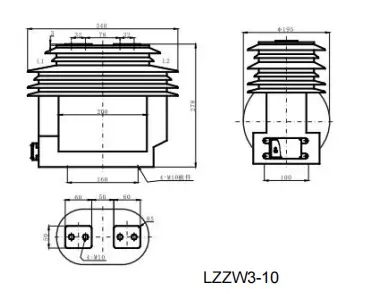
No matter how accurate the transformer is, the project fails if it doesn't fit in the cabinet. Check the hole size, overall height, creepage distance, mounting holes, terminal position, and space between the terminals and the busbar. Send a drawing of your cabinet and ask for a drawing of the exact model in three dimensions. Also, make sure the tolerances are correct, since monthly orders need to fit the same way every time. I suggest that OEM builders check the fit of a sample cabinet inside the real one before they place their first order. No matter what kind of indoor current transformer you choose, this keeps assembly lines on schedule and stops field changes.
Confirm Standards, Test Reports, and Product Data
Identify the Standards That Apply
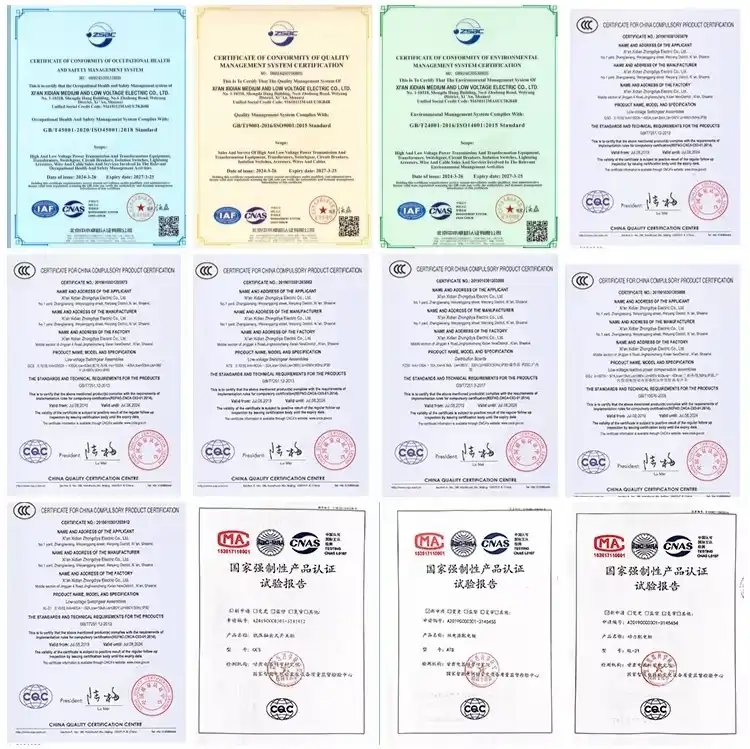
The 24kV indoor current transformer in Xi'an Xikai is in line with GB 20840.2-2014, IEC 61869-1, and IEC 61869-2. In IEC 61869-1, there are general rules for instrument transformers. Part 2 adds rules for current transformers. The national standard for current transformers in China is GB 20840.2-2014. For projects that involve exporting, find out what standard the end user uses, like IEC or IEEE C57.13. Then ask for a compliance statement that is linked to the model number that was given. It's not clear from a phrase like "IEC certified" which clause or model of the indoor current transformer was tested.
Read Routine Tests and Type Tests Correctly
Every unit has to pass routine tests, but type tests show that a design works. As required by IEC 61869-2, routine tests include checking the markings on the terminals, testing the power-frequency withstand, measuring the partial discharge, testing the inter-turn overvoltage, and finding out how accurate the device is. Heat rise, short-term current, and impulse withstand are some of the things that type tests look at. The model, ratio, class, and date of the report should all match your order. The factory quality system record is also something you should ask for. Our products are made under ISO 9001. Make sure you keep the batch number on each report so that if an inspector asks, you can find any indoor current transformer.
Compare Product Data Line by Line
This is how I read the data from the Xi'an Xikai 24kV indoor current transformer. Rate of voltage is 24 kV, frequency is 50/60 Hz, range of primary current is 20 to 3150 A, and range of secondary current is 5 A or 1 A. The levels of accuracy are 0.2 and 0.5. The whole body is made of epoxy resin and is sealed off. The partial discharge is less than 10 pC, and the short-circuit withstand is 25 kA for 3 s. Look at that short-time rating against the rated value of your switchgear before you place your order. Then put these numbers next to the data from every other provider.
Compare Designs and Assess Supplier Risk
Weigh Epoxy Resin CTs Against Other Designs
Indoor epoxy resin CTs are particularly suited for compact switchgear and panels because to the solid, sealed and liquid-free cast body. Outdoor units require more protection from weather, UV rays and dirt. Oil insulated designs involve additional checks for leaks and maintenance. Split-core units make retrofits simpler, but they may not be as precise or mechanically sound as fixed cast units. The insulation coordination and clearances for LVCTs and MVCTs are also different. You should look at the indoor current transformer as a whole, and not simply as a solitary item resting on a shelf, before you assess it.
Judge Supplier Capability and Consistency
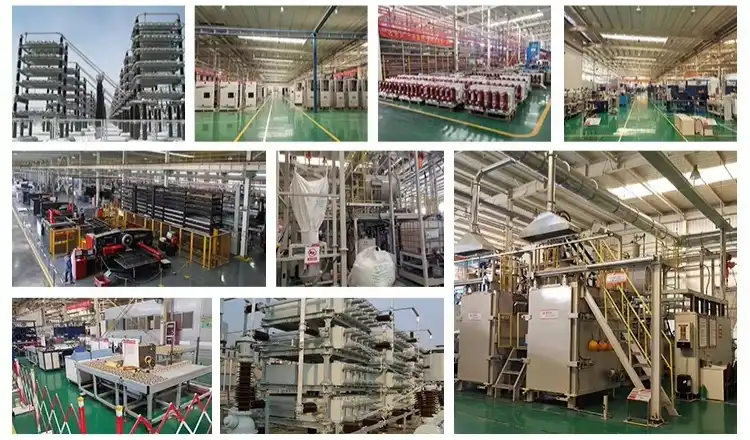
Discover whether the firm is indeed producing the goods or only selling it. Xi'an Xikai manufactures more than 100 types of seven product categories including switchgear, dry-type transformers, vacuum circuit breakers and instrument transformers. Our products are used in the power engineering, steel and metalworking, petrochemical, rail transportation and State Grid systems. Our plateau equipment can operate up to 4,000 meters of height. Any supplier should have the same evidence; engineering personnel, resin casting control, test equipment, batch records, and delivery history. When purchasing an interior current transformer, watch out for reports that do not correspond to the drawings and unclear words.
Plan Customization, MOQ, and Lead Time Early
If you have many winding orders you need to consider about minimum quantity, sampling time and delivery rhythm. “Every month you need to record the sample lead time for a new spec, the quantity required for a custom winding and the delivery plan from each supplier. I’ve discovered that a yearlong framework with monthly purchase orders works effectively. Plus, it normally takes one to two months of sampling to prepare a new specification. Provide your prediction to the supplier in advance so they can arrange resin, cores and equipment to support your cabinet timetable. For any indoor current transformer project, Xi'an Xikai may provide the most suitable design, such as dual-ratio output design and small-sized design.
Verify Installation and Make the Final Decision
Verify Wiring, Polarity, and Open-Circuit Safety
An indoor current transformer, while properly built, may fail if it is wired incorrectly. Check main and secondary polarity, terminal labelling, assignment of phases and grounding. Never leave the secondary circuit open while a CT is switched on. If you do, the voltage between the exposed terminals might grow to a level that can damage insulation and endanger persons. As the manufacturer states, short out any secondary windings that you are not using. Check lead length, conductor size and tightness of terminals. Record the ratio, polarity, insulation resistance, and functional test findings at commissioning. The recordings allow maintenance personnel to look for problems like heat, noise, weak connections and measurement drift in the future.
Build a Weighted Scorecard and Approve Samples
The weighted scorecard evens the score between the technical and commercial teams for this choice. Criteria include adherence to accuracy requirements, weight, size, test documentation, customisation, delivery, and guarantee. Pick the correct weights for the job: precise weights for metering tasks, weights that react when they approach saturation for protection jobs, weights that behave consistently and accurately in dimensions for OEM projects. Choose if a need is necessary, desirable or to be confirmed by engineers. You may approve the first item after receiving a pre-production sample based on drawings & test results. When the technical manager and the buyer work together to score, it will take less time to review each indoor current transformer.
Use a Final Purchasing Checklist
Write down these things before releasing the order to make sure they are proper. The project meets rated voltage, ratio, secondary current, class of accuracy, load and short time withstand. The sketch has authorised the dimensions, the mounting holes, the terminals and the polarity. The supplier provided details on trackable routine and type test results, delivery commitments, warranty terms and packing details. The cheapest price isn’t usually the cheapest cost, since pitch modifications, start-up delays and early replacement all cost money. When you choose an indoor current transformer, most of these problems can be avoided by having a clear approval process.
Conclusion
To see how dependable an indoor current transformer is, first establish what it will be used for and then check each claim against the evidence available. The metering or protection circuit should have equal accuracy class, burden and saturation limitations. The quality of the epoxy resin casting, the results of the partial discharge, the core material and the size of the cabinet influence the performance and adaptability of the unit over time. Standards like IEC 61869-1, IEC 61869-2 and GB 20840.2-2014 and test reports for regular and type testing clearly state what is tested. Risk of procurement may be reduced by comparing designs, assessing capacity of supplier, time for samples and delivery rhythm. The procedure concludes with first-article approval, proper wiring and open-circuit safety. Specific model data, written down, better safeguards measurement accuracy, protection performance and project timeline than price alone.
FAQ
1. What is the fastest way to check indoor current transformer reliability?
Check the model, ratio, accuracy class, and burden that were given against the routine test report. Then look over the results for the partial discharge and insulation and make sure the drawing fits your cabinet. Before you commit to volume, a sample test makes sure that what the paperwork says is true.
2. What is the difference between 5P10 and 10P10?
The 5P10 class allows a total error of 5% at ten times the rated current, and the 10P10 class allows a total error of 10%. Pick the class that your relay study needs and check with the supplier to make sure of the load and accuracy limit.
3. What should I include in an RFQ?
Please send the voltage, ratio, secondary current, accuracy class, load, dimensions, standards that apply, quantity, and delivery date. Feel free to add your cabinet drawing and winding plan. That way, the supplier can get a reply with fit, test requirements, and lead time all at once.
Request a Technical Review of Your Indoor Current Transformer Needs with Xi'an Xikai
Send Xi'an Xikai your voltage, ratio, accuracy class, load, and cabinet drawing so they can look it over. We make indoor current transformer and have a 24kV epoxy resin cast model, as well as custom designs and equipment for plateaus up to 4,000 meters in height. Use serina@xaxd-electric.com, amber@xaxd-electric.com, or luna@xaxd-electric.com to get in touch. Go to xaxd-electric.com for more information.
References
1. IEC 61869-1, Instrument Transformers – Part 1: General Requirements, 2007
2. IEC 61869-2, Instrument Transformers – Part 2: Additional Requirements for Current Transformers, 2012
3. GB 20840.2, Instrument Transformers – Part 2: Additional Requirements for Current Transformers, 2014
4. IEEE C57.13, IEEE Standard Requirements for Instrument Transformers, 2016
5. IEC 62271-200, High-Voltage Switchgear and Controlgear – Part 200: AC Metal-Enclosed Switchgear and Controlgear for Rated Voltages Above 1 kV and Up to and Including 52 kV, 2021
6. IEEE C37.110, IEEE Guide for the Application of Current Transformers Used for Protective Relaying Purposes, 2007
