How to Test Inductance and Losses in Air Core Reactors
2026-05-15 16:05:09
Testing inductance and losses in Air Core Current Limiting Reactors involves using precision impedance analyzers, power factor meters, and thermal imaging tools to evaluate electrical parameters under controlled conditions. Accurate measurement ensures these devices maintain optimal fault current limitation and system protection in substations, industrial facilities, and commercial complexes. Regular testing validates inductance linearity, identifies copper losses, and confirms performance against design specifications—critical for preventing equipment damage and maintaining grid stability.
  |
 |
Introduction
Power system reliability hinges on components that perform flawlessly under both normal and fault conditions. Air core reactors play a vital role in limiting short-circuit currents, stabilizing voltage, and filtering harmonics without the saturation issues that plague iron core designs. For engineers managing manufacturing plants, data centers, hospitals, and utility substations, understanding how to properly test these reactors is essential.
We've seen countless scenarios where improper testing led to unexpected failures during critical operations. When a hospital's backup power system fails during a storm, or when a manufacturing line shuts down due to undetected reactor degradation, the financial and operational consequences are severe. This guide walks you through proven testing methodologies we've refined through decades of engineering experience, offering practical insights that translate directly into safer, more reliable power systems. Whether you're a procurement manager evaluating suppliers or an EPC firm designing a new substation, mastering these testing techniques protects your investment and ensures compliance with industry standards.
Understanding Air Core Reactors and Their Key Parameters
The Fundamental Design Difference
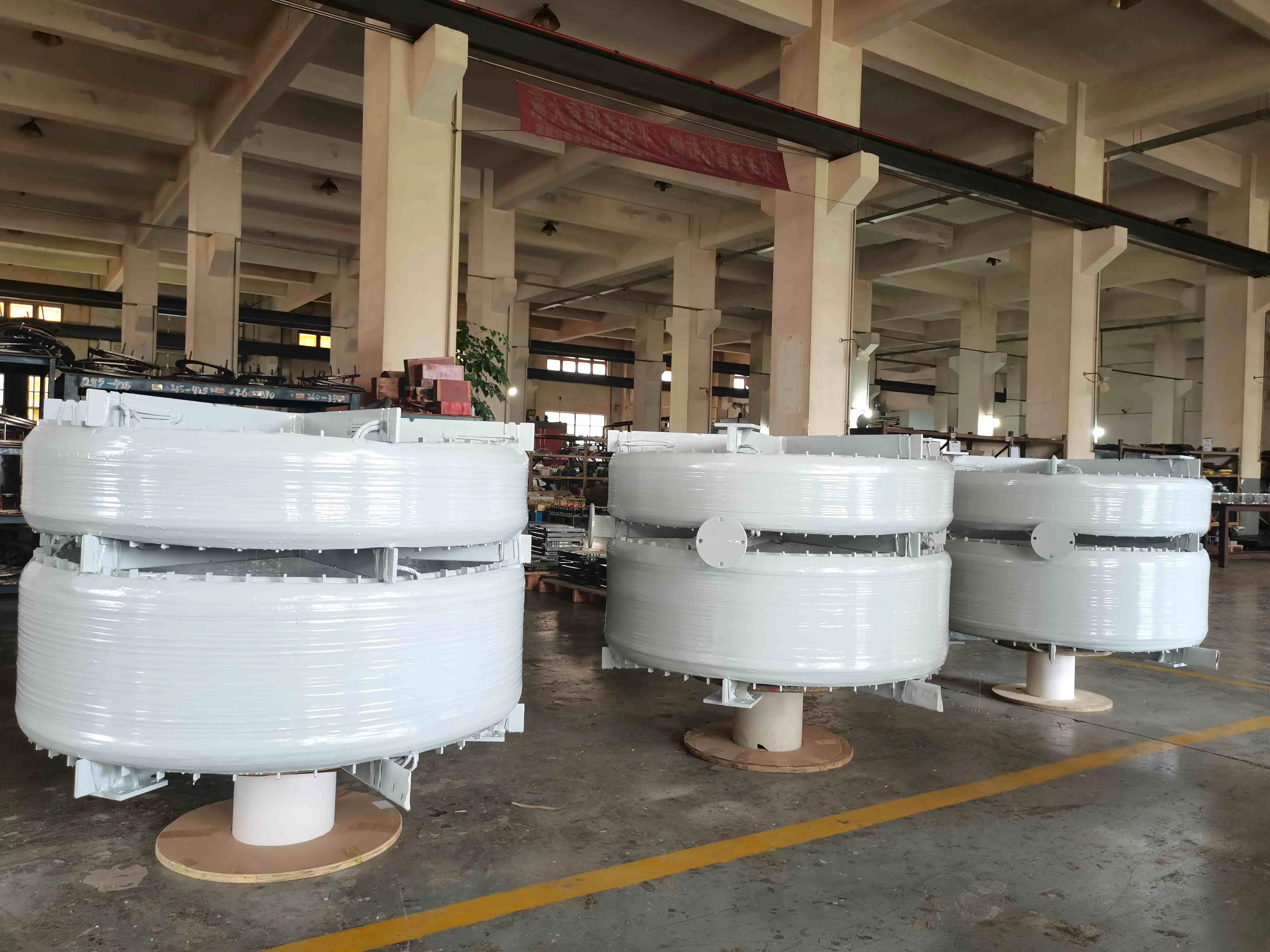
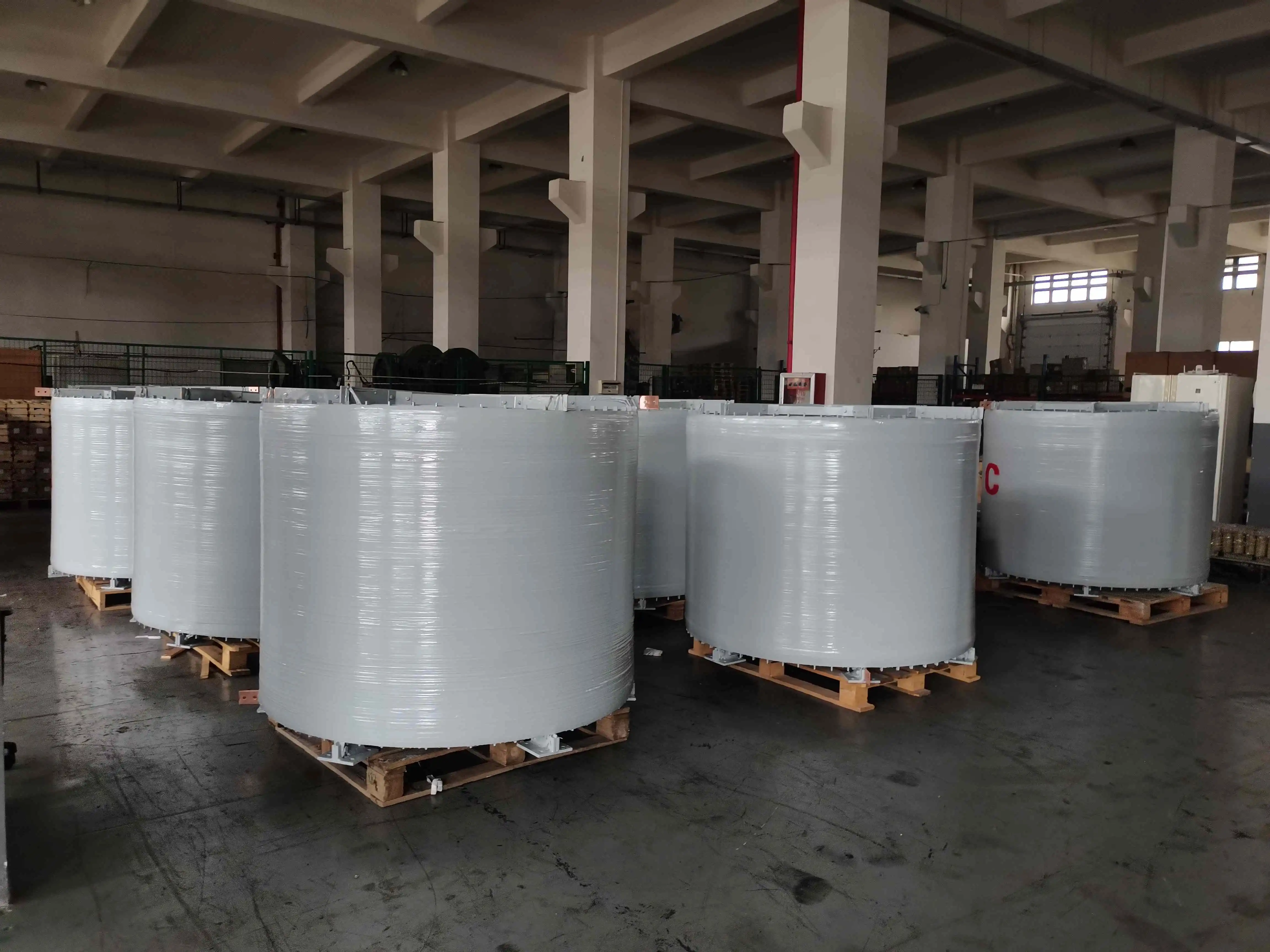
Air Core Current Limiting Reactors operate on a principle that distinguishes them from traditional iron core devices. By eliminating the ferromagnetic core entirely, these reactors avoid magnetic saturation—a phenomenon that causes iron core reactors to lose effectiveness precisely when fault currents surge highest. The magnetic field circulates through air or non-magnetic structural materials, maintaining perfectly linear inductance characteristics regardless of current magnitude. This design choice directly addresses operational challenges in high-fault-current environments. The XKGKL series dry-type Air Core Current Limiting Reactor exemplifies this approach by connecting in series with system lines to increase impedance. During fault conditions, this added impedance restricts short-circuit current to permissible levels, protecting circuit breakers and switchgear from destructive forces.
Critical Parameters That Define Performance
Three parameters determine reactor effectiveness in real-world applications. Inductance value, measured in millihenries or henries, establishes the impedance introduced into the circuit. This impedance directly governs how much fault current reduction occurs during short-circuit events. Resistance, primarily from copper windings, contributes to power losses and heat generation during continuous operation. Voltage rating defines the maximum system voltage the insulation system can withstand without breakdown. Understanding how coil geometry affects these parameters helps procurement teams evaluate different designs. Larger coil diameters reduce resistance but increase physical footprint. Conductor cross-sectional area balances current-carrying capacity against material cost. Turn count determines inductance value but influences both resistance and overall dimensions. These interdependent factors require careful optimization based on specific application requirements.
Design Considerations Affecting Test Outcomes
The construction methodology influences both performance and testing approach. Class H insulation systems, used in advanced designs like the XKGKL reactor, withstand temperatures up to 180°C, enabling operation in harsh industrial environments. Aluminum windings offer excellent conductivity-to-weight ratios while providing natural corrosion resistance. Epoxy impregnation via vacuum pressure techniques creates a solid, monolithic structure that resists vibration and moisture ingress. These design elements affect testing procedures and acceptable parameter ranges. A reactor built with superior insulation materials should demonstrate lower partial discharge levels during testing. Aluminum conductor designs typically show different thermal profiles compared to copper equivalents. Recognizing these distinctions helps interpret test results accurately and avoid false failure diagnoses.
How to Test Inductance in Air Core Reactors
Modern Testing Methodologies
Inductance measurement has advanced significantly beyond simple LCR meters that struggled with large reactors. Today's sophisticated impedance analyzers employ four-terminal measurement techniques that eliminate lead resistance errors. These instruments apply a precisely controlled AC signal at specified frequencies—typically 50 or 60 Hz to match power system operation—while measuring both voltage and current with high resolution. The equivalent circuit modeling approach provides deeper insights than raw inductance readings alone. By analyzing impedance across multiple frequencies, engineers can extract parasitic capacitance and resistance values that affect high-frequency performance. This becomes particularly important for reactors installed in systems with significant harmonic content or fast-switching power electronics.
Step-by-Step Testing Procedure
Proper preparation prevents measurement errors and safety incidents. We always begin by verifying that the reactor is completely de-energized and discharged, using a grounded shorting stick to eliminate any residual voltage. Visual inspection identifies physical damage, loose connections, or contamination that could skew results. Ambient temperature recording is essential because winding resistance—and thus total impedance—varies with temperature according to well-established coefficients. Equipment calibration represents an often-overlooked critical step. Before connecting test leads, verify that the impedance analyzer shows correct readings using a traceable calibration standard. Position current probes to minimize stray magnetic field interference, maintaining adequate spacing from ferrous structural elements. Configure the instrument for the appropriate measurement range and frequency, allowing sufficient averaging time to reject electrical noise. The actual measurement sequence requires methodical execution. Connect test leads using Kelvin-style four-wire connections when possible, separating current injection from voltage sensing paths. Apply test signals starting at reduced amplitude, gradually increasing to rated conditions while monitoring for abnormal behavior. Record impedance magnitude and phase angle at multiple test points across the operating frequency range. Temperature monitoring throughout testing ensures thermal effects don't compromise accuracy.
Interpreting Results and Troubleshooting
Comparing measured inductance against nameplate specifications reveals reactor condition. Acceptable tolerance typically ranges from -5% to +10% of nominal value, though tighter specifications may apply to precision applications. Inductance measurements significantly below nominal often indicate shorted turns within the winding—a serious defect requiring immediate investigation. Values substantially above specification might suggest manufacturing errors or open circuits. Phase angle analysis provides additional diagnostic information. An ideal inductor exhibits a phase angle approaching 90 degrees between voltage and current. Significant deviations indicate resistive components, potentially from deteriorated connections or insulation degradation. We've encountered cases where corroded terminal connections introduced enough resistance to reduce the phase angle by several degrees, masking underlying winding problems until thermal imaging revealed hot spots.
 |
 |
Measuring and Evaluating Losses in Air Core Reactors
Understanding Loss Mechanisms
An Air Core Current Limiting Reactor benefits from the complete absence of iron core losses—no hysteresis or eddy current effects consume energy. This fundamental advantage enables the XKGKL reactor to achieve 30% lower energy waste compared to iron core alternatives. However, losses still occur through mechanisms that require careful measurement and monitoring. Copper resistive losses dominate in air core designs. As current flows through winding conductors, I²R heating generates continuous power dissipation. This loss component increases with load current and conductor temperature, creating a self-reinforcing effect that must stay within safe thermal limits. Stray losses arise from eddy currents induced in nearby metallic structures and from dielectric losses in insulation materials. While typically smaller than copper losses, stray effects become significant in high-current applications.
Practical Loss Measurement Techniques
Power factor testing offers the most direct loss assessment method. By measuring real power consumption and apparent power simultaneously, engineers calculate power factor—the ratio that reveals how much current contributes to actual losses versus reactive energy storage. A high-quality air core reactor should exhibit power factors below 0.01, indicating that less than 1% of apparent power becomes heat. Wattmeter-based approaches provide quantitative loss measurements under actual operating conditions. Three-wattmeter methods accurately capture losses in three-phase reactor banks, accounting for any imbalance between phases. We connect precision wattmeters to measure input power while the reactor operates at rated current. After subtracting instrumental losses from readings, the remaining power represents reactor dissipation. This technique proved invaluable when commissioning a data center installation, where loss measurements validated thermal management system sizing. Thermal imaging technology enables non-invasive loss detection during operation. Infrared cameras reveal temperature distribution across the reactor surface, identifying hot spots that indicate excessive localized heating. We've used thermal surveys to detect failing electrical connections before catastrophic failure occurs. A connection showing 30°C temperature rise above adjacent areas signals degradation requiring immediate attention, potentially preventing an unplanned outage.
Establishing Acceptable Loss Ranges
Typical air core reactor designs demonstrate total losses between 0.3% and 1.0% of rated power, significantly lower than iron core equivalents. The XKGKL series achieves this performance through optimized conductor sizing and high-conductivity aluminum alloys. Measured losses exceeding 1.5% of rated power warrant investigation into winding damage, connection problems, or excessive stray losses from poor installation practices. Temperature rise testing validates loss calculations and thermal design adequacy. International standards specify maximum permissible temperature rises above ambient for different insulation classes. Class H systems tolerate 125°C rises, while Class F ratings limit rises to 100°C. We conduct temperature rise tests by operating reactors at rated current until thermal equilibrium, typically requiring several hours. Embedded sensors and surface measurements confirm that all hot spots remain within safe limits.
Comparing Air Core Reactors with Iron Core Reactors in Testing and Performance
Fundamental Performance Distinctions
The absence of magnetic core material creates dramatic performance differences that affect both operational characteristics and testing requirements. Air core reactors maintain constant inductance regardless of current magnitude, from zero to extreme fault levels exceeding 100 times rated current. This linearity ensures predictable impedance exactly when needed most—during fault conditions. Iron core designs suffer progressive saturation as current increases, reducing effectiveness precisely when fault current limiting becomes critical. Loss profiles differ fundamentally between technologies. Air core reactors dissipate energy only through copper resistance and minor stray effects, achieving remarkable efficiency during continuous operation. The XKGKL reactor's energy-efficient design eliminates iron losses entirely, directly reducing operating costs for facilities running 24/7 operations. Iron core reactors add hysteresis and eddy current losses that persist even at no load, continuously consuming energy regardless of actual power system demand.
Testing Methodology Variations
These performance differences necessitate distinct testing approaches. Air core reactor inductance testing requires simpler procedures because linearity eliminates concerns about measurement current affecting results. Technicians can confidently test at reduced current levels, applying scaling factors to predict full-load behavior. Iron core reactors demand testing at multiple current points to characterize saturation curves, requiring higher-power test equipment and more complex analysis. Loss measurement complexity also varies between technologies. Air core reactor losses scale predictably with current squared, allowing accurate loss prediction across the operating range from limited measurements. Iron core losses combine frequency-dependent core losses with load-dependent copper losses, requiring more extensive testing protocols to fully characterize performance.
Practical Procurement Considerations
Beyond technical specifications, long-term operational factors influence procurement decisions. Air Core Current Limiting Reactors like the XKGKL series offer exceptional longevity, with properly maintained units providing 30+ years of reliable service. The absence of core material eliminates a major failure mode—core insulation breakdown—that limits iron core reactor lifespan. Maintenance requirements differ substantially, with air core designs requiring only periodic cleaning and connection inspection versus oil sampling, core insulation monitoring, and potential oil replacement for iron core alternatives. Initial cost comparisons favor iron core designs in some applications, particularly at lower voltage levels where their compact size reduces material consumption. However, lifecycle cost analysis often reverses this conclusion. Lower losses translate directly into reduced energy costs that accumulate over decades. Simplified maintenance reduces both labor costs and spare parts inventory requirements. We've helped clients conduct total cost of ownership analyses that demonstrate air core reactor payback periods under five years for continuous-duty applications.
Maintenance Tips to Ensure Accurate Inductance and Loss Performance
Establishing Inspection Frequency
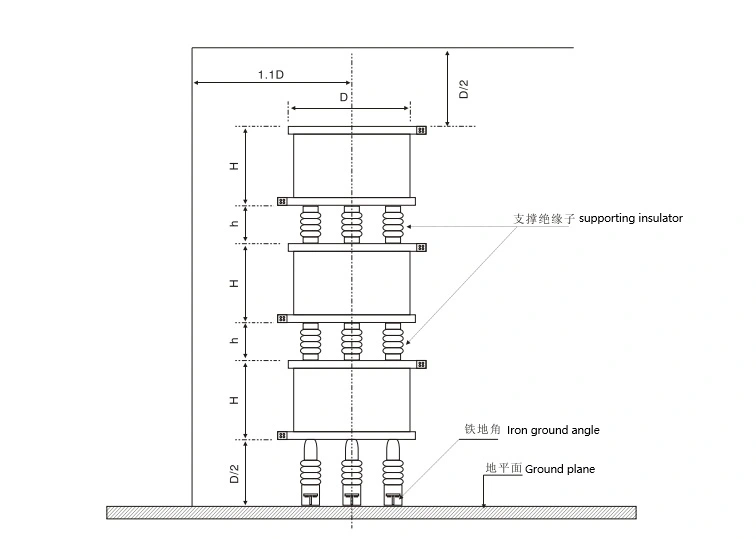
Maintenance schedules should align with operational intensity and environmental exposure. Reactors in clean, climate-controlled substations operating continuously at steady load require annual comprehensive inspections. Installations in harsh environments—coastal areas with salt spray, desert locations with extreme temperature swings, or industrial facilities with chemical exposure—benefit from semi-annual detailed examinations. Equipment subject to frequent load cycling or transient disturbances merits quarterly visual inspections supplemented by annual electrical testing. The XKGKL reactor's robust construction, featuring corrosion-resistant aluminum windings and protective coatings, extends maintenance intervals compared to conventional designs. However, external factors beyond reactor construction influence degradation rates. Nearby construction activities generating dust, facility ventilation system changes affecting temperature distribution, or modifications to adjacent electrical equipment altering electromagnetic field patterns all warrant unscheduled inspections.
Critical Maintenance Activities
Regular cleaning prevents accumulation of conductive contaminants that create tracking paths across insulation surfaces. We recommend using dry compressed air, HEPA-filtered vacuum equipment, or approved non-conductive cleaning solvents depending on contamination type. Particular attention to insulator surfaces prevents flashover incidents during high-voltage transients. Following cleaning, visual inspection under adequate lighting reveals surface cracks, tracking marks, or discoloration indicating incipient failures. Electrical connection integrity directly affects both performance and safety. Thermal cycling during load variations causes expansion and contraction that gradually loosens bolted connections. Using a calibrated torque wrench, systematically verify that all terminals meet manufacturer specifications—typically ranging from 40 to 200 Newton-meters depending on connection size. Thermographic inspection during operation identifies degrading connections before they fail completely, enabling proactive replacement during planned outages. Environmental control extends reactor lifespan significantly. While the XKGKL series tolerates harsh conditions including dust, humidity, and high temperatures, minimizing exposure optimizes performance. Adequate ventilation prevents excessive temperature rise that accelerates insulation aging. Humidity control below 70% relative humidity reduces corona activity and surface tracking risks. Temperature monitoring helps identify cooling system deficiencies before they compromise reactor integrity.
Performance Trending and Predictive Maintenance
Establishing baseline measurements during commissioning enables meaningful comparison during subsequent testing. We create comprehensive performance records documenting inductance values, resistance measurements, loss data, and thermal profiles under standardized conditions. Annual testing repeats these measurements, revealing trends that indicate gradual degradation. Inductance drift below 2% over a five-year period typically indicates normal aging. Sudden changes exceeding 5% between consecutive tests suggest winding movement, shorted turns, or connection problems requiring immediate investigation. Similarly, resistance measurements increasing more than 10% above baseline indicate connection deterioration or conductor damage. Loss measurements trending upward signal developing problems that merit detailed diagnostic testing.
Conclusion
Mastering inductance and loss testing for Air Core Current Limiting Reactors protects substantial investments while ensuring power system reliability. These techniques enable procurement teams to verify equipment specifications, validate supplier claims, and establish maintenance baselines. Regular testing identifies degradation before failures occur, preventing costly unplanned outages in critical facilities. The linear performance characteristics and minimal loss profiles of modern designs like the XKGKL reactor simplify both testing and maintenance compared to iron core alternatives, delivering superior lifecycle value.

FAQ
1. How frequently should we test Air Core Current Limiting Reactor inductance and losses?
Testing frequency depends on application criticality and operating conditions. Critical infrastructure installations—hospitals, data centers, emergency services facilities—benefit from annual electrical testing supplemented by quarterly visual inspections. Standard industrial and commercial applications typically require comprehensive testing every two to three years unless operating conditions suggest more frequent assessment. Reactors experiencing frequent fault current events, extreme load cycling, or exposure to harsh environmental conditions warrant annual testing regardless of application.
2. Does reactor size or voltage rating affect testing methodology?
Larger reactors and higher voltage ratings require more sophisticated test equipment and stricter safety protocols but follow fundamentally similar measurement principles. High-voltage reactors demand adequate clearances, insulated test leads rated for system voltage plus safety margin, and personnel trained in high-voltage safety procedures. Physical size affects handling requirements and may necessitate field testing rather than laboratory evaluation. The fundamental measurement techniques—impedance analysis, loss measurement, thermal evaluation—remain consistent across reactor sizes.
3. What causes unexpected loss increases in air core reactors?
Several factors contribute to rising losses over time. Conductor oxidation increases resistance, particularly at connection interfaces where dissimilar metals contact. Insulation degradation from thermal aging, UV exposure, or chemical contamination increases dielectric losses. Nearby installation of ferromagnetic structures or current-carrying conductors introduces stray losses absent during initial operation. We've discovered that facility modifications—adding steel structural members or rerouting cables—sometimes create unexpected loss increases requiring reactor repositioning or magnetic shielding installation.
Partner with Xi'an Xikai for Reliable Air Core Current Limiting Reactor Solutions
Xi'an Xikai stands ready to support your power system needs with industry-leading XKGKL dry-type Air Core Current Limiting Reactors engineered for maximum reliability and efficiency. Our devices combine 30+ year operational lifespan, 30% lower losses than conventional designs, and proven performance across 50+ infrastructure projects worldwide. With ISO 9001/14001 certification, rigorous testing protocols, and 15+ patents in reactor technology, we deliver solutions meeting IEC and IEEE standards for the most demanding applications. Our technical team provides comprehensive support throughout your procurement journey, from initial specification development through commissioning and lifecycle maintenance. Plateau-rated equipment operates reliably at altitudes up to 4,000 meters, while customizable designs accommodate seismic requirements, corrosive environments, and space constraints. As a leading Air Core Current Limiting Reactor supplier, we understand that your success depends on power system reliability. Contact our engineering specialists today at serina@xaxd-electric.com, amber@xaxd-electric.com, or luna@xaxd-electric.com to discuss your specific requirements. We'll provide detailed technical specifications, application engineering support, and competitive quotations tailored to your project parameters.
References
1. IEEE Standard C57.16-2011, "IEEE Standard for Requirements, Terminology, and Test Code for Dry-Type Air-Core Series-Connected Reactors," Institute of Electrical and Electronics Engineers, 2011.
2. International Electrotechnical Commission, "IEC 60289: Reactors - Methods of Measurement," Edition 3.0, 2013.
3. Das, J.C., "Power System Analysis: Short-Circuit Load Flow and Harmonics," Second Edition, CRC Press, Taylor & Francis Group, 2012.
4. Winders, J.J., "Power Transformers: Principles and Applications," Marcel Dekker Inc., Electrical Engineering and Electronics Series, 2002.
5. Heathcote, M.J., "The J&P Transformer Book: A Practical Technology of the Power Transformer," Thirteenth Edition, Newnes Publishing, 2007.
6. Flanagan, W.M., "Handbook of Transformer Design and Applications," Second Edition, McGraw-Hill Professional Engineering Series, 1993.