How to Use Dry-type Iron Core Reactors to Prevent Resonance in Capacitor Banks
2026-05-26 15:59:23
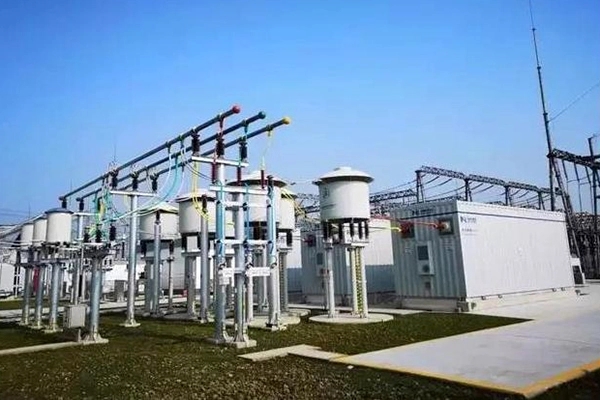
To stop resonance in capacitor banks using Dry-type Iron Core Reactors, these inductive parts must be placed carefully in series with capacitors to make a detuned circuit. This setup moves the system's natural resonant frequency away from harmonic orders that are caused by nonlinear loads like rectifiers and variable frequency drives, which can be a problem. By picking the right reactor with the right inductance values—usually getting detuning ratios of 6%, 7%, or 12%—facility workers can stop voltage increase and current distortion that would damage equipment and stop operations from happening. Resonance is a real danger in places like factories, data centers, and substations where the quality of the power affects both safety and efficiency. When I've worked with buying teams that were in charge of electricity systems, we often talked about how to stop major problems from happening in the first place. Capacitor bank resonance is one of those flaws that can happen but is easy to avoid and is often forgotten, which can lead to costly downtime. To understand how to put prevention tactics into action that work, you need to look at both the technical basics and the practical aspects of implementation.
 |
 |
Understanding Resonance in Capacitor Banks and Its Impact on Power Systems
What Causes Resonance in Electrical Networks
There is resonance when the inductive reactance of the power system equals the capacitive reactance of the capacitor banks that are placed at a certain frequency. This situation makes a low-impedance path for harmonic currents, which makes voltages and currents at that frequency much stronger.
Operational Consequences of Uncontrolled Resonance
Resonance conditions manifest through several observable symptoms. Capacitor banks may fail prematurely, often accompanied by audible humming or physical swelling of capacitor cans. Voltage distortion increases throughout the facility, causing sensitive electronic equipment to malfunction or shut down unexpectedly. Transformer overheating becomes apparent through elevated temperature readings, reduced efficiency, and shortened service life.
Why Conventional Methods Fall Short
When normal reactors are used for passive filtering, they might try to deal with one harmonic frequency but end up making a resonance at another. Many systems that are already in place don't have full harmonic analysis, which means that problems are fixed after the fact instead of being planned ahead of time. The problem gets worse when factories add more electrical equipment or change the way they make things without re-evaluating how the power system works. What worked fine during the original setup phase might not work as well when the harmonic patterns change. Because of this, we need strong options that can stay stable in a wide range of operating situations.
Dry-type Iron Core Reactors: Working Principle and Benefits for Resonance Prevention
Engineering Design and Operating Mechanism
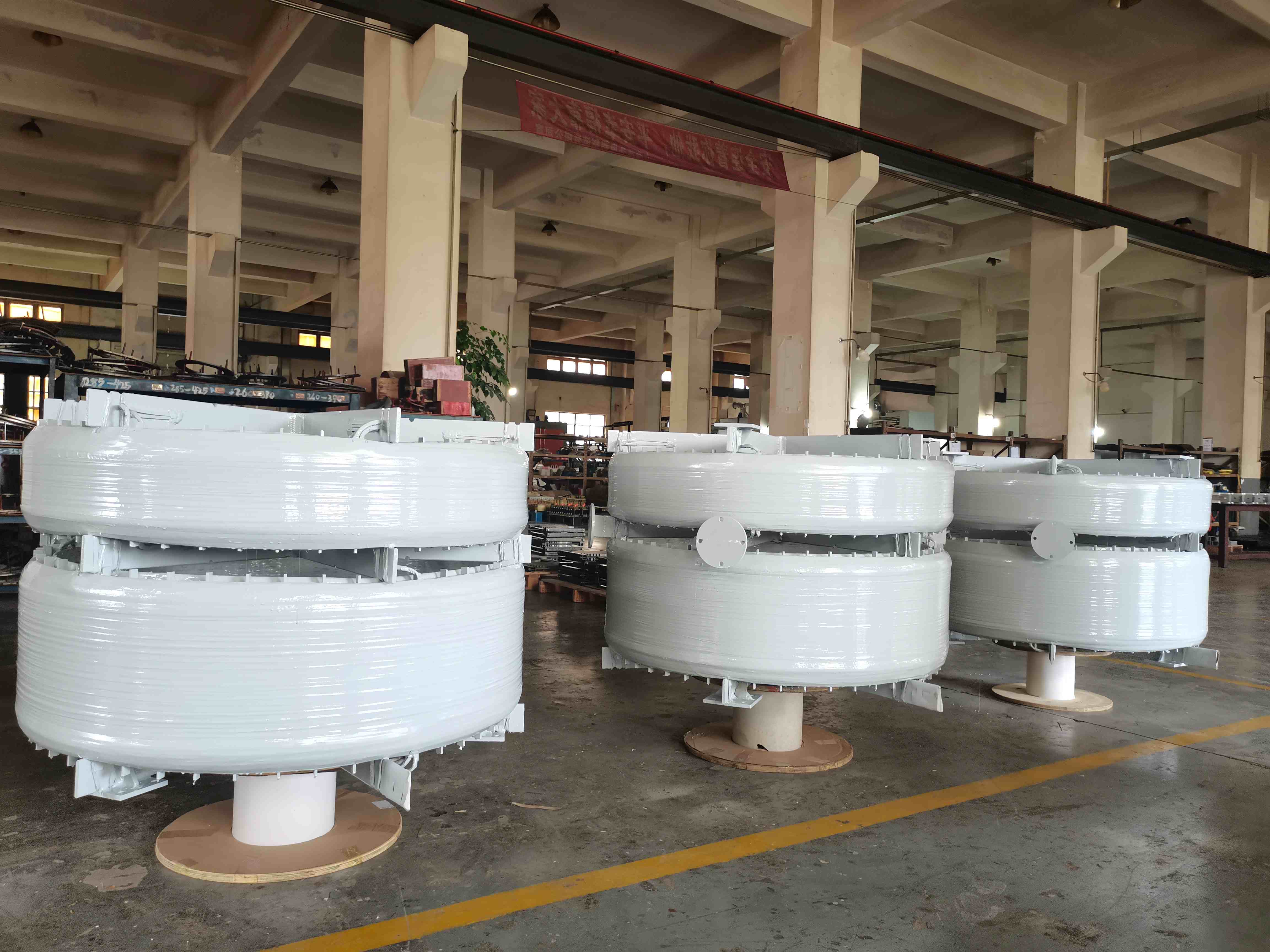
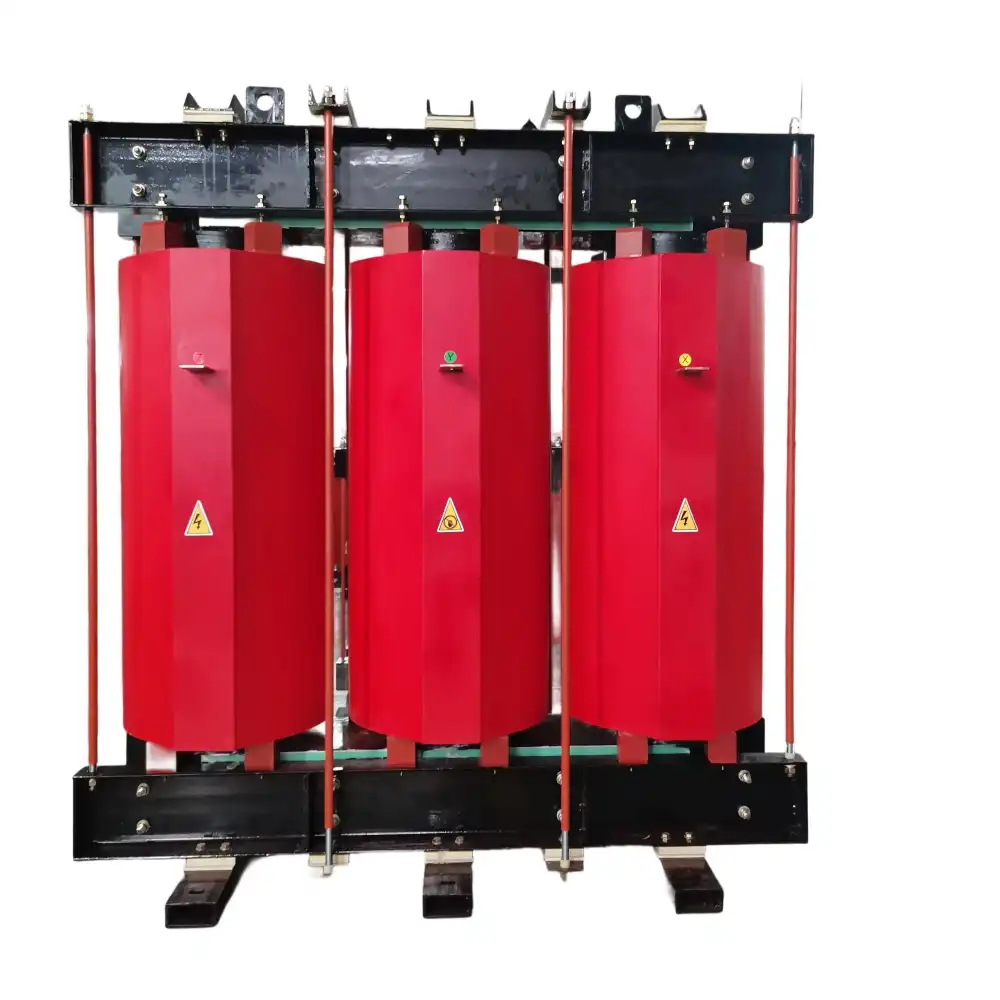
Laminated silicon steel cores are used in Dry-type Iron Core Reactors to make controlled inductance, which cancels out capacitive reactance. Unlike options with an air core, the magnetic core focuses flux along a clear path, which allows for higher inductance values in smaller physical sizes. The CKSC line uses advanced building methods, with epoxy resin vacuum-cast coils that are cured at high temperatures to make them very durable. The split air-gap concept is a very important new idea. Engineers make sure the reactor keeps its linear inductance properties even when there is a brief overcurrent. They do this by adding carefully calculated breaks to the magnetic circuit. Because it is linear, the device can take surge currents up to 100 times its maximum capacity without losing any function. The glass fiber support inside the coil construction gives it the mechanical strength to handle electromagnetic forces when there is a fault or when the temperature changes. Using the vacuum casting method gets rid of any holes that might weaken the insulation, allowing for partial discharge levels below 5 picocoulombs. These building features have a direct effect on uptime measures that are important for industries that run all the time.
Demonstrated Performance in Harmonic Suppression
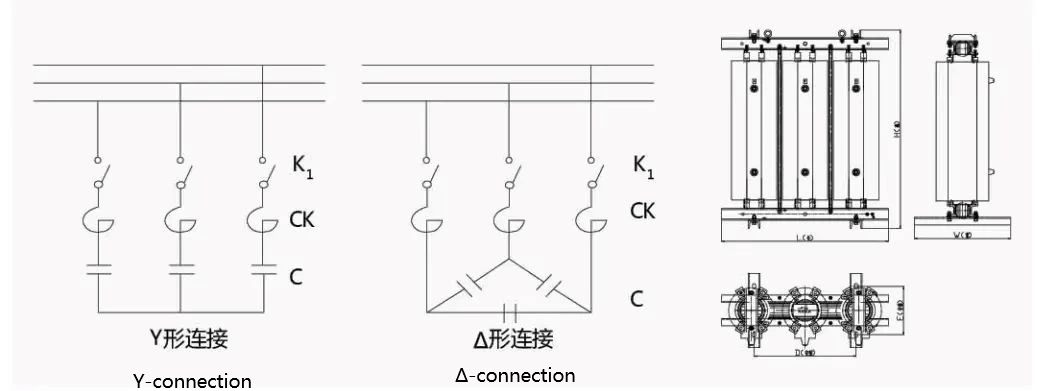
By connecting capacitors and reactors in series, you can make a circuit that resonates below the lowest harmonic frequency that causes problems. The 4.7th harmonic (using 6% reactors) or the 4.3rd harmonic (using 7% reactors) is what most setups aim for. This stops 5th and higher-order harmonics from entering the capacitor bank. This safety stops damage from overcurrent and filters noise from the power source upstream at the same time. Total harmonic distortion dropped from 12% to 3% after the reactor was installed, according to readings taken in the field at production sites. These changes show up as stable voltage patterns, lower neutral line currents, and no more warming in the transformer. Once resonance conditions are fixed, equipment that used to break down for no clear reason works consistently again.
Implementing Dry-type Iron Core Reactors to Prevent Resonance: Step-by-Step Approach
Conducting Comprehensive Resonance Risk Assessment
Accurately describing the system is the first step to effective execution. Engineers should use power quality monitors to do harmonic spectrum analysis and find out what harmonic orders are present and how strong they are. The natural harmonic frequency that needs to be avoided is based on the size of the capacitor bank and the inductance of the present system. Modeling software runs different situations and guesses how different detuning ratios will change the way the system acts. These studies look at how the load might change and grow in the future, making sure that the chosen answer works well for as long as it's needed. Recording the conditions that were there before the installation gives you a way to measure how well the changes worked after the installation.
Installation Best Practices and Compliance Verification
When installed correctly, it works best and lasts the longest. To keep vibrations from getting into building structures, mounting structures must offer rigid support. Electrical contacts need torque specs that are right for the way heat expands. Enough space around the reactor makes natural airflow cooling and upkeep easier. Before connecting loads, commissioning processes make sure that everything is working correctly. Insulation resistance testing shows that moisture did not weaken the dielectric during storage or installation. By measuring the current at both basic and harmonic frequencies, we can be sure that the system works the way we predicted it would. Monitoring the temperature during the initial operation finds any unusual warmth that could mean there are problems with the connections or not enough air flow.
Establishing Maintenance Protocols for Sustained Performance
Regular inspections keep things running smoothly. Damage, rust, or weak links can be seen by looking at something. Thermal scans find hot spots that are starting to form before they cause problems. Electrical tests are done on a regular basis to check that inductance stays within the allowed range and to see how insulation resistance changes over time. Cleaning methods get rid of built-up dust. Dry-type Iron Core Reactors can stop things from cooling down or make paths for electricity to flow. Documenting repair tasks creates past records that can be used to estimate how long a part will last and plan for replacements. These preventative steps make sure that equipment is always available, and that unexpected breakdowns happen as little as possible.
Case Studies and Industry Applications of Dry-type Iron Core Reactors
Manufacturing Sector Applications
Robotic welding equipment and CNC machine tools caused harmonic resonance, which led to repeated failures of capacitor banks in a large car assembly plant. The analysis showed that the system resonated at the 7th harmonic frequency, which was also the main harmonic output frequency for the building. Putting 6% reactors in line with the old capacitor banks got rid of the resonance. This lowered the operating temperature of the capacitors by 28°C and the voltage distortion from 9.4% to 2.8%. Through getting rid of repair costs and lowering energy fees, the plant got its money back in 18 months. Resonance reduction is very helpful for steel production plants. Arc burners make a lot of harmonic material over a wide range of frequencies. One mill owner put in detuned capacitor banks with Dry-type Iron Core Reactors throughout their 13.8kV distribution system. This kept the voltage stable during furnace tap cycles and cut down on flicker reports from nearby utility customers. Power factor went up from 0.82 to 0.96, which got rid of monthly energy fines that were more than $47,000.
Critical Infrastructure Installations
After having problems with their diagnostic imaging tools, a regional hospital changed old capacitor banks to new systems that include CKSC reactors. The flame-resistant design and quiet operation made it perfect for hospital settings where patient safety and comfort are very important. After installation, tracking showed that there were no power quality events that affected medical equipment in the first 36 months of use. This is down from an average of 14 events per year before. As part of their backup power design, data centers that run cloud computing infrastructure use detuned capacitor devices. It was helpful that the reactors could handle surge currents during UPS battery discharge cycles and generator synchronization transients. One facility operator said that the system ran continuously for 99.999% of its planned uptime. They said that the better dependability was due in part to the removal of resonance-related problems that used to set off annoying alarms.
Renewable Energy Integration Projects
Reactors are used in wind farm collector systems to control the power factor and keep turbine inverters from resonating. One 150MW plant in the southwestern US chose reactors because they have a small size and can work in temperatures ranging from -20°C to 50°C. The flexible design made it possible to launch the system in stages as more turbines came online. This kept the power quality at its best during the building time. When solar inverters are installed, they make unique harmonic patterns that change as the sun's rays and clouds move across the sky. A 75MW solar plant used adaptable capacitor banks and switched reactor setups to make compensation work better as power went from zero to full output. This method kept the power factor above 0.98 in all working situations and kept harmonic stress off the capacitors.
How to Choose the Best Dry-type Iron Core Reactor for Your Business Needs
Evaluating Supplier Capabilities and Support Infrastructure
When choosing an equipment provider, you need to look at their scientific knowledge, the quality of their products, and their customer service. Manufacturers with large patent files show that they are constantly coming up with new ways to solve problems in their industries. Xi'an Xikai holds over 30 patents related to noise reduction and thermal management, reflecting a commitment to continuous improvement. Production facilities utilizing automated winding equipment and controlled curing processes deliver consistent quality across product batches. Material testing protocols verify that only specification-compliant components enter production. The 12-step inspection protocol employed for reactor manufacturing includes impulse testing simulating lightning strikes and temperature-rise verification under rated load conditions. After-sales support infrastructure significantly impacts long-term satisfaction. Responsive technical assistance helps troubleshoot installation challenges or operational questions. On-site commissioning services ensure proper startup and provide operator training. Global service networks facilitate timely replacement part availability and minimize downtime if repairs become necessary.
Matching Specifications to Application Requirements
Load analysis determines required kVAR capacity and corresponding Dry-type Iron Core Reactor current ratings. Engineers should account for future expansion when sizing equipment, avoiding premature obsolescence as facilities grow. Voltage class selection considers not only nominal system voltage but also maximum expected overvoltage conditions during capacitor switching or fault clearing. Environmental factors influence construction specifications. Indoor installations may prioritize compact dimensions and acoustic performance, while outdoor applications require weatherproof enclosures with appropriate ingress protection ratings. High-altitude locations demand special attention to cooling and insulation coordination as air density decreases. Corrosive atmospheres near chemical processes or coastal environments benefit from specialized coatings and materials. Customization options address unique project requirements. Voltage ratings up to 110kV accommodate transmission-level applications. Various cooling methods, including natural air (AN) and forced air (AF), optimize thermal performance for different load profiles. Space-constrained retrofits benefit from engineered solutions integrating reactors within existing switchgear lineups.
Balancing Commercial Considerations with Technical Requirements
Procurement teams balance acquisition costs against lifecycle economics. Lower initial pricing may reflect reduced material quality or simplified manufacturing processes that compromise long-term reliability. Total cost of ownership includes energy losses, maintenance requirements, and expected service life. Equipment operating continuously for 20+ years justifies premium construction that minimizes these ongoing expenses. Delivery schedules affect project timelines and commissioning dates. Standard products typically ship within weeks, while customized configurations may require extended lead times. Planning procurement activities well in advance of required installation dates prevents schedule delays. Establishing relationships with reactor suppliers facilitates accurate delivery forecasting and priority scheduling during high-demand periods. Warranty terms and performance guarantees provide risk mitigation. Comprehensive coverage protects against manufacturing defects and ensures prompt resolution if problems arise. Performance guarantees documenting maximum losses, noise levels, and temperature rise provide contractual recourse if equipment fails to meet specifications.
Conclusion
Preventing resonance in capacitor banks through the proper application of Dry-type Iron Core Reactors protects critical electrical infrastructure while improving power quality and operational reliability. The systematic approach outlined—comprehensive assessment, appropriate specification selection, proper installation, and proactive maintenance—enables facility operators, utility engineers, and system integrators to implement effective solutions. Modern reactor designs incorporating epoxy resin encapsulation, segmented core construction, and optimized thermal management deliver superior performance compared to legacy technologies. Real-world applications across manufacturing, healthcare, data centers, and renewable energy demonstrate measurable benefits, including equipment protection, reduced maintenance costs, and enhanced system stability that directly support business continuity objectives.
FAQ
1. What maintenance do dry-type iron core reactors require?
Dry-type Iron Core Reactors demand minimal maintenance compared to oil-filled alternatives. Regular visual inspections, checking for physical damage, loose connections, or excessive dust accumulation, should occur quarterly. Annual thermographic surveys identify developing hot spots indicating connection degradation. Insulation resistance testing every three years verifies dielectric integrity. Cleaning accumulated dust maintains optimal cooling performance. Unlike oil-immersed units, no fluid analysis or leak monitoring is necessary, significantly reducing ongoing maintenance costs.
2. How does service life compare with oil-immersed reactors?
Properly specified and installed Dry-type Iron Core Reactors typically achieve 25-30 years of service life, comparable to oil-immersed designs. The absence of insulating fluid eliminates degradation mechanisms associated with oxidation, moisture contamination, and thermal breakdown that affect oil-filled equipment. Epoxy resin encapsulation provides permanent environmental protection that does not deteriorate over time. Many installations exceed rated lifespan when operated within design parameters and maintained according to manufacturer recommendations.
3. Can these reactors work with any capacitor bank configuration?
Modern reactors accommodate virtually all capacitor bank arrangements, including fixed banks, automatically switched banks, and harmonic filter configurations. Single-phase or three-phase configurations suit different system architectures. Engineers should verify that reactor specifications align with voltage class, current rating, and physical space constraints specific to each installation.
Partner with Xi'an Xikai for Proven Resonance Prevention Solutions
Xi'an Xikai Medium & Low Voltage Electric Co., Ltd. delivers comprehensive power quality solutions backed by decades of manufacturing expertise and proven performance across diverse industrial applications. Our CKSC series reactors incorporate advanced construction techniques, including vacuum-cast epoxy resin coils and precision air-gap design, ensuring reliable resonance suppression in demanding environments. As an established Dry-type Iron Core Reactor manufacturer serving clients across State Grid systems, steel production, petrochemicals, and renewable energy sectors, we provide customized solutions meeting your specific operational requirements. Contact our technical team at serina@xaxd-electric.com, amber@xaxd-electric.com, or luna@xaxd-electric.com to discuss your power system challenges and explore how our engineered solutions can enhance your facility's reliability and performance.
References
1. Institute of Electrical and Electronics Engineers (2014). IEEE Standard 18-2012: IEEE Standard for Shunt Power Capacitors. New York: IEEE Press.
2. Arrillaga, Jos and Watson, Neville R. (2003). Power System Harmonics, Second Edition. Chichester: John Wiley & Sons Ltd.
3. Dugan, Roger C., McGranaghan, Mark F., Santoso, Surya, and Beaty, H. Wayne (2012). Electrical Power Systems Quality, Third Edition. New York: McGraw-Hill Professional.
4. International Electrotechnical Commission (2016). IEC 60289: Reactors. Geneva: IEC Central Office.
5. Das, J.C. (2015). Power System Harmonics and Passive Filter Designs. Hoboken: IEEE Press and John Wiley & Sons.
6. National Electrical Manufacturers Association (2017). NEMA CP-1: Shunt Capacitors. Rosslyn: NEMA Publications.