What self-healing means in capacitors & why it's important
2026-05-26 15:59:24
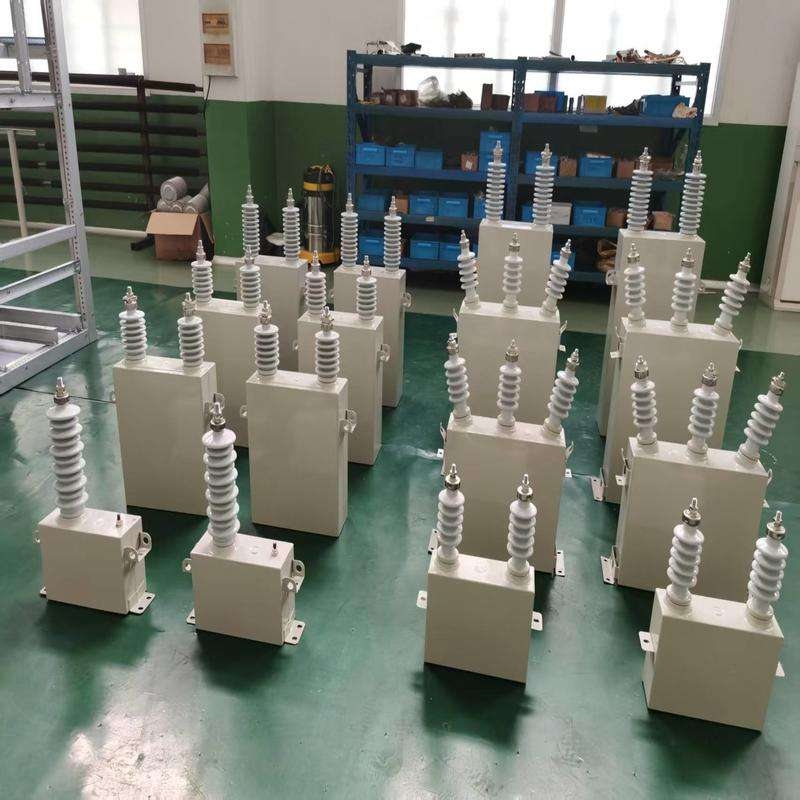
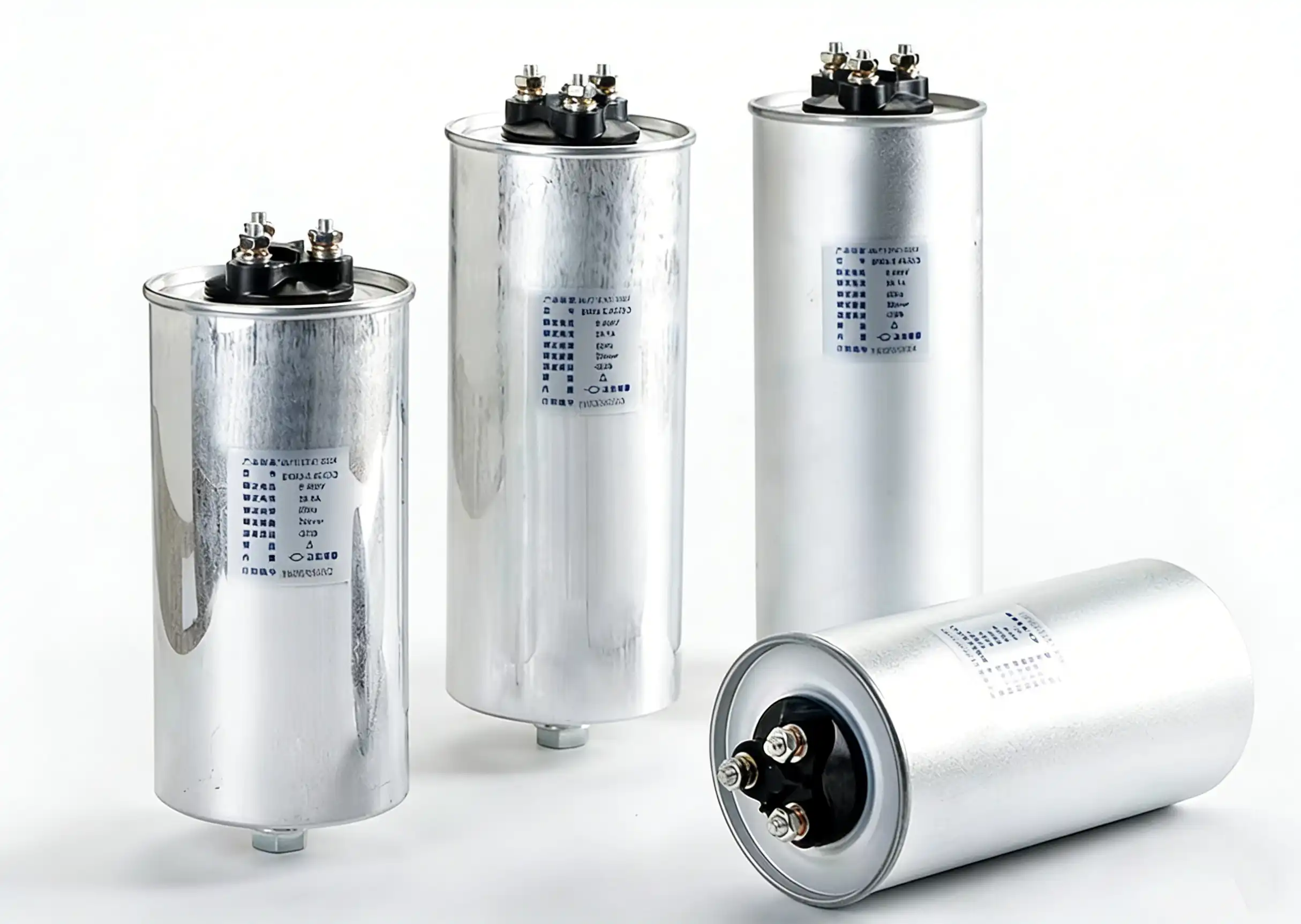
When a capacitor quickly breaks in commercial equipment, production lines stop, costs go up, and schedules get pushed back. This major weakness is fixed by self-healing technology in capacitors. The metallized polypropylene film in a Self-healing Capacitor-cylindrical removes dielectric flaws instantly by vaporizing the metallization around the fault points. This built-in repair method stops catastrophic failures, keeps the system running, and provides high reliability in demanding power correction and filtering applications in data centers, manufacturing plants, utility grids, and renewable energy installations.
 |
 |
Understanding the Fundamentals of Self-Healing Capacitors
What Makes Self-Healing Technology Essential
Self-healing represents a transformative approach to capacitor reliability. When localized dielectric stress breaks down traditional capacitors, they are permanently damaged. This can cause short circuits that spread through electrical systems. Self-healing Capacitor-cylindricals, especially those that are shaped like cylinders, use a clever engineering trick: they have very thin metal electrodes that evaporate right away when fault currents build up at weak spots in the dielectric material. The cylinder shape itself makes a big difference in speed. This shape makes sure that the pressure is the same across all of the internal windings and helps heat escape better than rectangular designs. Because Self-healing Capacitor-cylindricals have a continuous surface contact, they lower the equivalent series resistance (ESR) and equivalent series inductance (ESL). This makes them especially useful in high-frequency settings where controlling temperature is important for keeping the system stable.
Quantifiable Advantages for Industrial Applications
The reliability improvements translate directly to measurable business outcomes. Self-healing Capacitor-cylindricals have been used in facilities for more than 100,000 hours under normal conditions, while standard capacitors only last between 30,000 and 50,000 hours. This longer service life cuts down on replacements by 50–70%, which saves money on repair work and keeps unplanned breaks from messing up production plans to a minimum. Gains in energy economy are just as convincing. Self-healing designs waste very little energy as heat (less than 0.2W/kvar), which directly lowers the cooling needs of capacitor banks. By raising the power factor from the normal range of 0.75-0.85 to 0.95 or higher, data centers and hospitals that run critical loads all the time can cut reactive power losses by 15 to 30 percent. This gets rid of utility penalty charges that can be over $1,000 a month for large facilities.
How Self-Healing Capacitors Work: Technical Insights
The Self-Healing Process Explained
Understanding the healing mechanism requires examining what happens during dielectric stress events. When sudden changes in voltage, harmonic distortion, or flaws in the manufacturing process make a path through the dielectric film that is conductive, current flows quickly through this low-resistance channel. The localized energy release quickly heats the nearby metallization to the point of melting, which for aluminum is about 1500°C. This makes a tiny hole that cuts off the path for electricity to flow and restores insulation. In 10 to 50 microseconds, this process is over. The self-healing Capacitor-cylindrical, which is much faster than what protection devices can do. The vaporized metal mixes with the insulator around it, and the capacitor keeps working with a capacitance that is only slightly lower. About 0.001% of the active electrode area is lost during each repair event. Total capacitance decline stays within the normal ±10% range even after thousands of repair rounds over the device's lifetime.
Validation Through Testing and Documentation
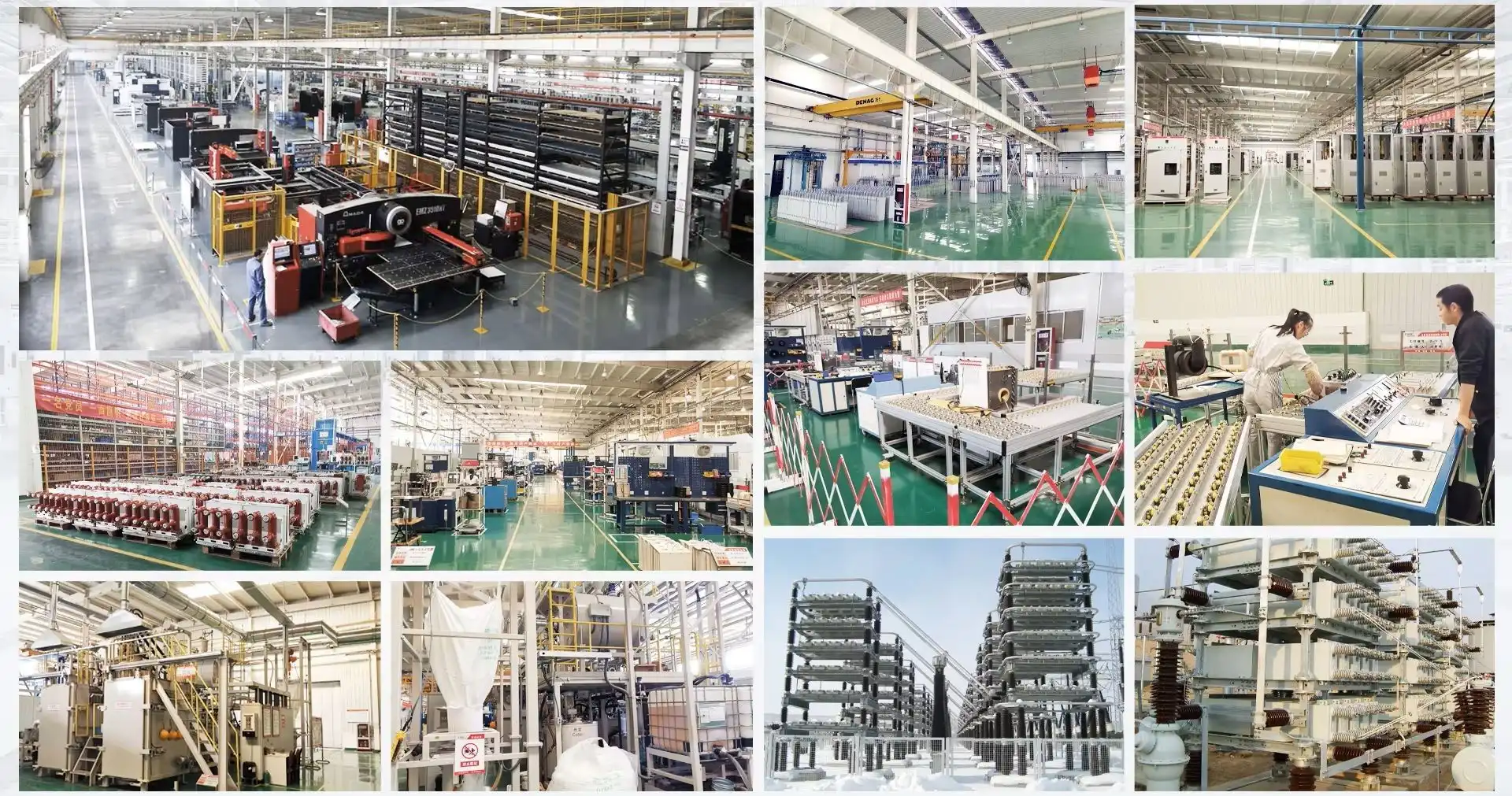
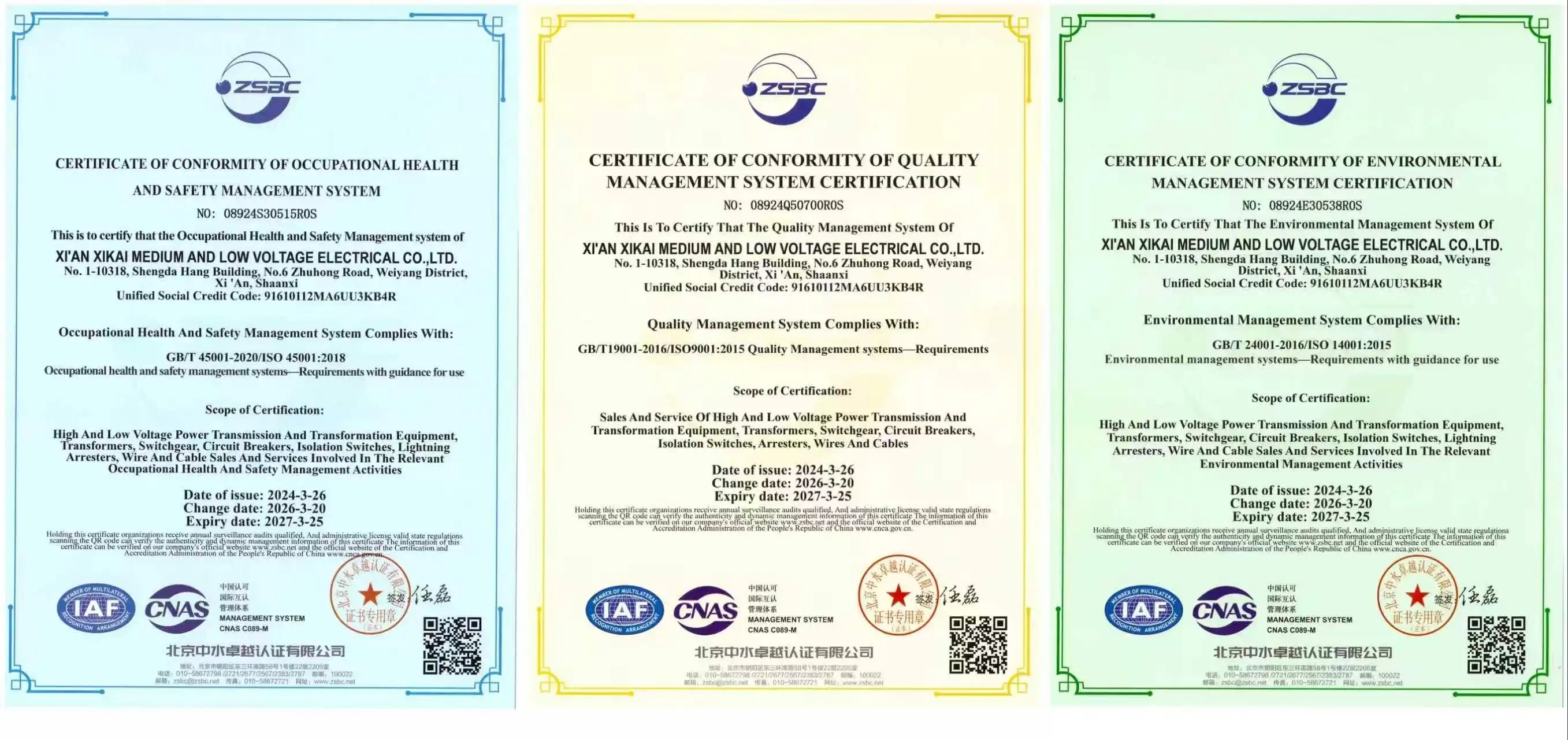
Procurement teams evaluating capacitor specifications should examine several datasheet parameters. The evaporation factor shows how well the internal loss works. Values less than 0.2W/kvar show that the insulating materials and construction are of good quality. Ratings for surge current show how well devices handle inrush situations when swapping happens. Quality units can handle 100 to 200 times their rated current during millisecond-long surges without breaking down. This is important for uses that start and stop often or have loads that change. The testing methods spelled out in the IEC 60831 standards set the minimum standards for success. Manufacturers you can trust record the results of 72 hours of load cycle, impulse voltage withstand levels, and temperature shock performance statistics. Xi'an Xikai goes through these strict checking steps with every production batch. This makes sure that the thousands of units that are sent to demanding applications are all the same. The quality management system that is ISO 9001-certified makes sure that everything can be tracked, from where the raw materials come from to the final review. This gives procurement workers the proof they need for compliance reports and risk management.
Comparing Self-Healing Cylindrical Capacitors with Other Capacitor Types
Failure Mode Analysis
The contrast in failure behavior separates self-healing devices from traditional alternatives. When the dielectric breaks down, film capacitors that aren't metallized fail dramatically, often making loud pops and visible arcing, and they need to be replaced right away. Electrolytic capacitors slowly lose their ability to work because the electrolyte dries out. Eventually, this leads to open circuits that remove reactive power compensation without any noise until power factor penalties let operators know something is wrong. Self-healing Capacitor-cylindricals break down in a gentle way. Each healing event lowers capacitance by a small amount, but the gadget still works. Instead of reacting to emergency fixes, this gradual failure mode lets you use condition-based upkeep methods. Facility managers can keep an eye on capacitance drift by testing regularly and planning replacements for planned breaks. This way, they won't have to deal with sudden problems during busy production times.
Application-Specific Selection Criteria
High-frequency switching applications demand low ESL to minimize impedance at harmonic frequencies. Because cylindrical wound construction has less inductance than stacked film designs, these devices can be used to screen the outputs of inverters in solar setups and variable frequency drives. In these situations, the ability to handle current is very important, because in badly built systems, harmonic currents can be 30 to 50 percent higher than fundamental frequency currents. The voltage range freedom built into film capacitors makes them useful for high-voltage uses. Manufacturers change the thickness of the film and the strain of the winding to get values from 250V to 2000V without making major changes to the design. This flexibility lets production processes be generalized, which cuts costs while keeping quality high. In the end, buyers benefit from lower prices and faster lead times compared to specialized capacitor technologies that need special manufacturing tools.
Procurement Guide for B2B Clients: How to Source Self-Healing Cylindrical Capacitors
Critical Specification Parameters
Industrial buyers sourcing power correction capacitors must balance multiple technical and commercial factors. The capacitance number and voltage grade are the building blocks. They are based on how much power factor growth is needed and the system voltage levels. The number BKMJ0.46-30-3 means 30 kvar reactive power at 400V, which is good for three-phase systems that serve modest industry loads. To figure out the needed kvar, you have to measure the current power factor, set goal values, and use adjustment methods that take into account the voltage and load factors of the system. Environmental requirements should also be taken into account. Enclosures with an IP54 rating keep out dust and water splashes, which is important for installations in dirty factories or outdoor substations. Operational limits are set by temperature rates. Standard industrial grades can handle temperatures ranging from -25°C to +55°C, while improved specs go up to -40°C to +85°C for harsh environments or uses that don't need a lot of cooling. In rail transportation and mobile generator setups, vibration resistance is very important. This means that fixing and potting materials need to be strengthened so that they keep their mechanical integrity even when they are exposed to vibrations all the time.
Negotiating Terms and Managing Relationships
Minimum order quantities (MOQ) impact procurement strategies, particularly for smaller facility upgrades or pilot installations. Established manufacturers typically accommodate mixed orders combining different capacitance values and voltage ratings to meet MOQ thresholds, providing flexibility for system integrators designing custom capacitor banks. Lead times ranging from 4-6 weeks for standard products enable planning around construction schedules, while rush capabilities may accommodate emergency replacements at premium pricing. Warranty terms reflect the manufacturer's confidence in product longevity. Industry-standard 2-3 year warranties cover manufacturing defects, but premium suppliers extend coverage to 10 years, underscoring their commitment to quality and willingness to stand behind long-term performance claims. This extended warranty protection reduces the total cost of ownership by transferring replacement risk during the early service life when infant mortality failures typically occur.
Applications & Industry Use Cases of Self-Healing Cylindrical Capacitors
Industrial Manufacturing Operations
CNC machining centers, injection molding equipment, and automated assembly lines incorporate Self-healing Capacitor-cylindrical substantial motor loads that degrade facility power factor. Installing self-healing capacitor banks at distribution panels corrects reactive power locally, reducing transmission losses within facility wiring and transformer loading. Manufacturing plants report 8-15% reductions in electrical demand charges after implementing comprehensive power factor correction, with payback periods typically 18-24 months based on utility rate structures. The surge current tolerance of self-healing devices addresses the challenging electrical environment in heavy industry. Motor starting currents reach 6-8 times the running current for several seconds, creating transient voltage dips that stress capacitors. Quality self-healing units withstand these repetitive surges without degradation, maintaining rated performance through thousands of motor start cycles that would prematurely age conventional capacitors.
Utility Grid and Substation Deployments
Transmission and distribution system operators deploy capacitor banks strategically to manage reactive power flow and regulate voltage profiles across service territories. Substations supplying industrial parks or commercial districts experience highly variable loads throughout daily cycles, requiring dynamic reactive power compensation. Self-healing capacitors provide the reliability needed for unattended outdoor installations, operating continuously through temperature extremes and weather exposure with minimal maintenance intervention. Harmonic distortion from non-linear loads poses particular challenges. Variable frequency drives, LED lighting, and renewable energy inverters inject harmonic currents that elevate the RMS current in power factor correction capacitors beyond fundamental frequency values. Properly rated self-healing devices handle this additional thermal stress, though engineers must derate capacitance values or specify higher voltage ratings (480V or 525V units for 400V systems) when total harmonic distortion exceeds 15% to ensure adequate current-handling margin.
Renewable Energy Integration
Solar farms and wind installations require reactive power support to meet grid interconnection requirements. Inverters converting DC power to AC must maintain power factor within utility-mandated ranges, typically 0.95 leading to 0.95 lagging. Capacitor banks provide static VAR support, complementing inverter dynamic capabilities while reducing semiconductor stress and losses. The maintenance-free operation and extended lifespan of self-healing designs align with the 20-25 year project economics governing renewable energy investments. Commercial building retrofits represent growing opportunities as facility managers respond to corporate sustainability mandates and utility incentive programs. Hospitals, data centers, and shopping complexes contain aging electrical infrastructure where upgrading capacitor banks delivers immediate energy efficiency gains. The compact dimensions and lightweight construction of modern Self-healing Capacitor-cylinders simplify retrofits into existing switchgear, often accomplished during scheduled maintenance windows without extensive facility disruptions.
Conclusion
Self-healing technology fundamentally transforms capacitor reliability through automatic fault isolation that prevents catastrophic failures and extends operational lifespans well beyond traditional alternatives. Industrial facility operators gain measurable benefits: reduced maintenance costs, improved power factor that eliminates utility penalties, and enhanced system uptime critical to production continuity. Utility companies enhance grid stability and reliability while minimizing field maintenance interventions across geographically dispersed installations. System integrators and EPC firms access proven components that simplify design, reduce project risk, and satisfy demanding client requirements for performance and longevity. The technical sophistication embedded in devices like the 400V Self-healing Capacitor-cylindrical BKMJ0.46-30-3 reflects decades of materials science advancement and manufacturing precision, delivering tangible operational advantages that directly impact profitability and competitiveness in today's demanding industrial landscape.
FAQ
1. How does the self-healing mechanism extend capacitor lifespan compared to traditional designs?
The self-healing process automatically clears dielectric faults that would permanently disable conventional capacitors. Each vaporization event removes microscopic defect areas without affecting overall functionality, allowing devices to accumulate thousands of healing cycles throughout 100,000+ hour lifespans. Traditional capacitors fail catastrophically at the first significant breakdown, requiring immediate replacement.
2. Are self-healing cylindrical capacitors suitable for high-frequency applications?
Yes, the cylindrical wound construction minimizes equivalent series inductance (ESL), making these devices effective for filtering harmonics up to several kilohertz. Applications involving variable frequency drives, solar inverters, and switch-mode power supplies benefit from the low impedance at harmonic frequencies, though specific frequency response should be verified against application requirements through datasheet review or manufacturer consultation.
3. What datasheet parameters matter most when evaluating capacitor options?
Voltage rating must exceed system voltage with an adequate safety margin (typically 10-20%). Capacitance value determines reactive power correction capability. A dissipation factor below 0.2W/kvar indicates quality construction. Surge current rating reveals durability under transient conditions. Temperature rating defines environmental suitability. Compliance certifications (IEC, CCC) validate safety and performance standards adherence.
Partner with Xi'an Xikai for Reliable Power Correction Solutions
Xi'an Xikai delivers comprehensive support for organizations seeking dependable self-healing capacitor solutions. Our engineering team collaborates with facility managers, utility operators, and system integrators to specify optimal configurations matching specific voltage, capacitance, and environmental requirements. The 400V Self-healing Capacitor-cylindrical BKMJ0.46-30-3 represents just one option within our extensive product portfolio spanning 7 major categories and over 100 variants. Whether you require custom specifications for harsh environments, bulk procurement for multi-site deployments, or technical guidance on power factor correction strategies, our experienced specialists provide responsive support throughout the sourcing process. Contact our team at serina@xaxd-electric.com, amber@xaxd-electric.com, or luna@xaxd-electric.com to discuss your project requirements with a trusted Self-healing Capacitor-cylindrical manufacturer committed to your operational success.
References
1. Institute of Electrical and Electronics Engineers, "IEEE Recommended Practice for Power Factor Correction of Industrial and Commercial Power Systems," IEEE Standard 1036-2020, 2020.
2. International Electrotechnical Commission, "Shunt Power Capacitors of the Self-Healing Type for AC Systems Having a Rated Voltage up to and Including 1000V," IEC 60831-1:2014, 2014.
3. National Electrical Manufacturers Association, "Shunt Capacitors for Power Factor Correction," NEMA CP1-2019, 2019.
4. Kumar, R. and Singh, A., "Self-Healing Mechanisms in Metallized Film Capacitors: Physics and Engineering Applications," Journal of Power Electronics and Systems, Vol. 45, No. 3, 2022, pp. 234-251.
5. Electric Power Research Institute, "Power Factor Correction in Industrial Facilities: Technologies, Economics, and Implementation Strategies," EPRI Technical Report 3002018456, 2021.
6. Zhang, L., Chen, W., and Liu, Q., "Advanced Dielectric Materials for High-Voltage Capacitor Applications," IEEE Transactions on Dielectrics and Electrical Insulation, Vol. 28, No. 4, 2021, pp. 1456-1468.