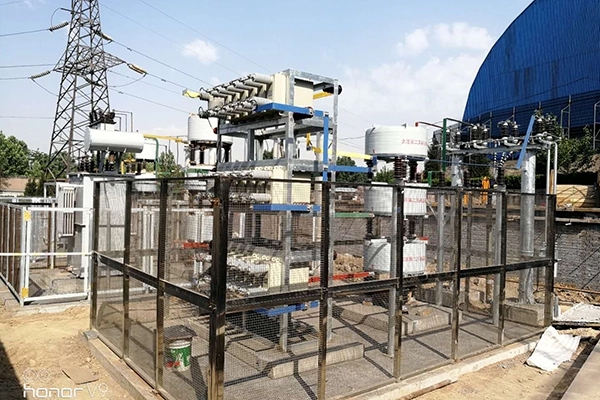
Key Maintenance Steps to Extend the Service Life of Dry-type Iron Core Reactors
2026-05-18 16:11:40
To make power system parts last longer, they need to be maintained in a way that is specific to how they were built. Preventive maintenance greatly lowers unexpected downtime and keeps capital investments safe for Dry-type Iron Core Reactors, which are key to harmonic filtering, reactive power correction, and grid stability. Regular eye checks, temperature tracking, insulator tests, and terminal verification are all parts of proper upkeep. These methods protect the epoxy-resin-encased coils and layered silicon steel cores that are typical of current dry-type reactor buildings. They make sure that power quality stays high in places like factories, data centers, hospitals, and utility structures that are used in harsh conditions.
 |
 |
Understanding the Basics of Dry-type Iron Core Reactor Maintenance
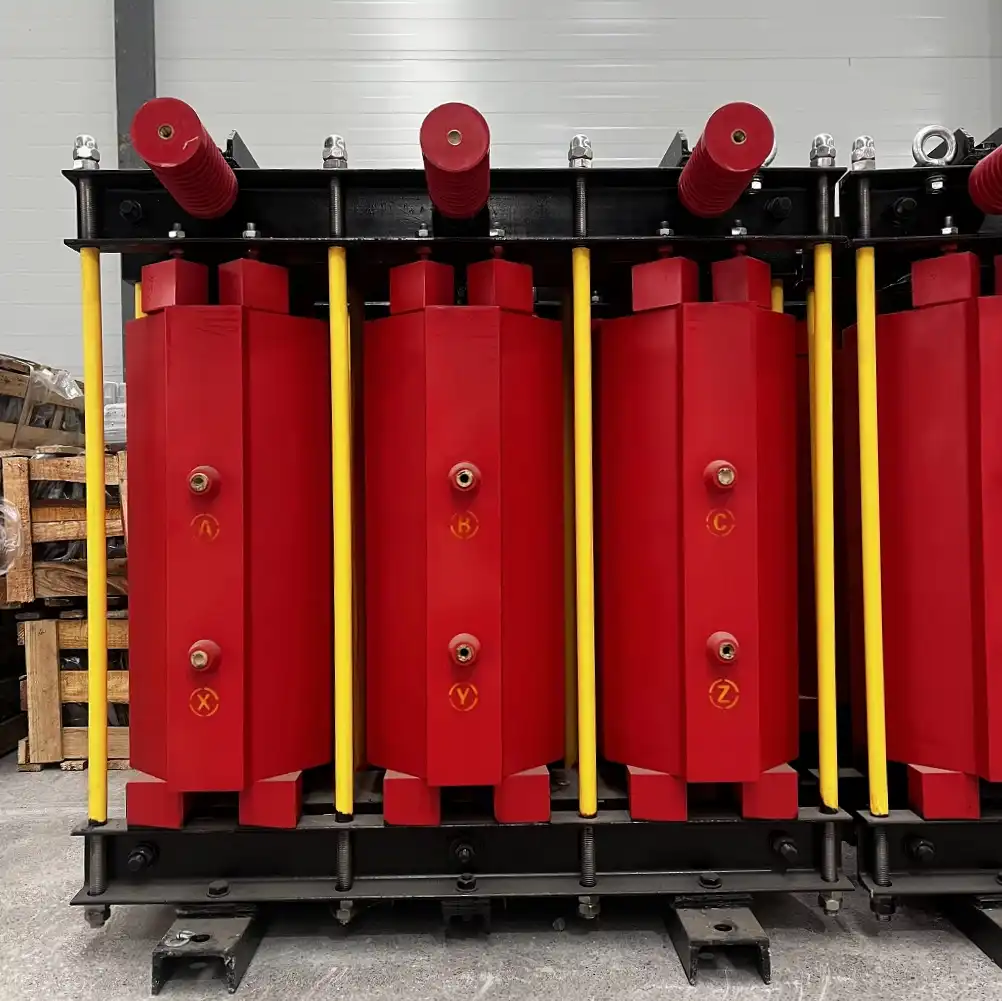
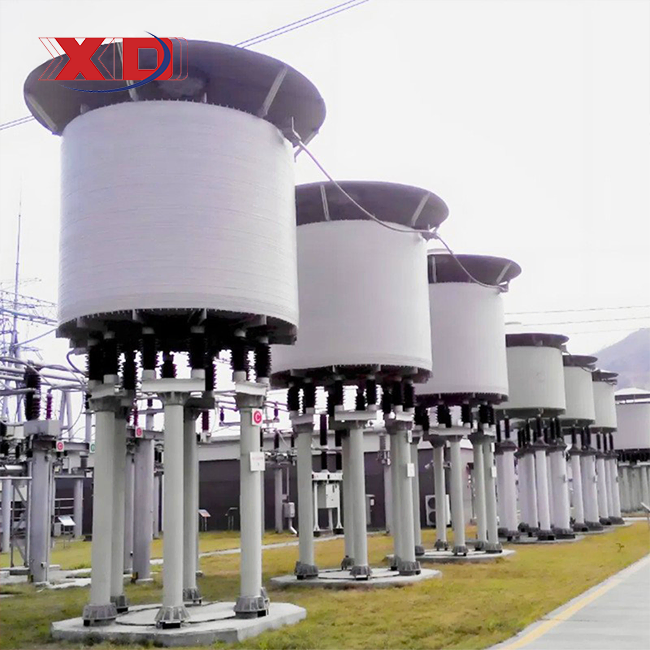
Dry-type Iron Core Reactors are used by factories and utility companies to keep the electricity running smoothly. They do this without the environmental problems that come with oil-filled options. These gadgets have vacuum-cast epoxy resin windings and layered silicon steel cores that work together to give accurate inductive reactance for a wide range of uses, from reducing harmonics to fixing power factors. The iron core shape, on the other hand, confines magnetic flux, which makes it possible to place it compactly in switchgear with limited room and eliminates stray field interaction with nearby metal structures. Knowing the operating surroundings can help you understand how common wear processes work. Over time, environmental factors like high temperatures, changes in humidity, airborne dust, and chemical toxins break down insulator materials. Voltage transients, harmonic overflow, and switching spikes are some of the electrical factors that speed up dielectric aging. Mechanical factors like vibrations from nearby equipment, changes in temperature due to changes in load, and bad handling during installation can all cause structures to wear out. Each stressor raises the chance of failure too soon if they are not dealt with.
Why Proactive Maintenance Matters
Fixing problems after they happen, which is called reactive maintenance, has high costs. Unexpected power outages stop factories from making things, hospitals from caring for their patients properly, and data centers from working properly. Every minute of downtime costs money. When compared to run-to-failure methods, proactive maintenance finds new problems before they get worse. This protects uptime and increases asset service life by 30 to 50 percent. Regular checks also help make sure that safety rules and guarantee terms are followed, which protects both people and money.
Key Maintenance Steps to Extend Service Life
Long-term dependability is ensured by following an organized repair plan that is tailored to the needs of a Dry-type Iron Core Reactor. Lifecycle management works best when the following habits are followed.
Routine Visual Inspections
Maintenance teams can find small problems before they get worse by doing Dry-type Iron Core Reactors walkthroughs every three months. Check the covering for damage like cracks, darkening, or erosion that could be caused by heat or the environment. Check the terminal blocks for rust, broken hardware, or signs of arcing. Surfaces that are black and pitted show a bad connection. Check to see if the cooling vents are still clear. Dust that builds up in them makes it harder for heat to escape and speeds up the aging of the insulation. To clean the outside of things, use compressed air or dry cloths instead of chemicals, which could damage the epoxy glue.
Securing Electrical Connections
Thermal cycling makes things expand and contract, which, over time, makes interface links less secure. Checking the torque every six months stops resistance heating and arcing. For torque specs, look at the manufacturer's datasheets. For medium-voltage connections, the range is usually 20 to 40 newton-meters. In damp places, put anti-oxidation chemicals on copper links to stop them from rusting. Write down the torque numbers you find during each check so that you have records for upkeep that can be used for guarantee claims and government reports. Proper storage and handling practices extend equipment life before commissioning. Keep reactors in climate-controlled spaces that stay between 20 and 30 degrees Celsius and have a relative humidity below 70%. Keep units out of strong sunshine, rain, and other environments that are bad for them. To keep the structure from getting damaged during transport and installation, make sure you use the right lifting tools and safe fixing points.
Advanced Maintenance Tips Based on Design and Technical Specifications
The most effective repair plans are those that are tailored to the specifics of the Dry-type Iron Core Reactor's design. The type of core, the insulation class, the cooling method, and the power grade all affect how often and what kinds of problems should be looked at first.
Core Type and Insulation Class Considerations
Iron core reactors with split air-gap designs, like those used in CKSC types, need to check that the gap fillers stay in place on a regular basis. When spacers become loose, they change the capacitance values and raise the risk of saturation during short-term situations. Class F and Class H insulation systems can handle higher working temperatures, but they need to be closely watched to make sure they don't go over their stated limits. For units that work close to their maximum temperature rise (95 degrees Celsius for current designs), thermal scans should be done every three months instead of once a year for equipment that isn't being used very much.
Cooling Method Optimization
Natural air (AN) cooling works by convection, which means that air must be able to move freely around structures. Check the manufacturer-recommended clearance lengths, which are usually 300 millimeters on all sides, Dry-type Iron Core Reactors, and clear out any debris that has gathered in the air routes. Forced air (AF) cooling systems need extra care: check the fan bearings for wear, make sure the belt tightness is correct where needed, and make sure the motor windings are not burning. In dusty places, replace air filters every three months to keep the cooling system working well.
Leveraging Technical Datasheets
For preventive maintenance, OEM datasheets are very important. Condition evaluations are based on things like the rating current, the reactance limit, and the predicted temperature rise. When field measures are compared to factory test results, differences are found that show whether a component is old or there were problems with the fitting. Customized maintenance plans take into account both what the OEM recommends and the conditions at the site. For example, shorter check times are appropriate in areas with toxic atmospheres, high atmospheric temperatures, and earthquake activity.
Comparison of Maintenance and Durability: Dry-type vs Oil-filled Reactors
Choosing between dry-type and oil-filled reactor technologies has an effect on the total cost of ownership and the amount of upkeep that needs to be done over time. With a Dry-type Iron Core Reactor, there are no fluid management jobs to do, like oil samples, filtering, or fixing leaks. This benefit cuts down on upkeep work by 40% compared to oil-filled alternatives, and it also gets rid of fire and environmental risks that make insurance and government rules harder to follow.
The difficulty of maintenance varies a lot. Every year, dissolved gas analysis is done on oil-filled reactors to find early signs of problems. The oil needs to be replaced and the gaskets need to be inspected to make sure there are no leaks. Dry-type units don't need to do any of these things, so maintenance work is only needed for surface checks, tracking of temperatures, and electrical checks. Noise levels are useful for figuring out what's wrong: quick rises in noise levels are a sign of mechanical problems in both designs, but the low noise levels (<75 dB in quality models like CKSC) of dry-type reactors make it easier to find problems.
In tough settings, metrics that measure durability support dry-type building. Epoxy resin coating is better at protecting against humidity, dust, and chemicals than oil-paper insulation, which can let water in. Well-kept dry-type reactors have working lives of 25 to 30 years, compared to 20 to 25 years for oil-filled units. This is because the materials are more stable and there are fewer ways for them to break down. Because of these benefits, dry-type iron core reactors are the best choice for indoor substations, remote platforms, and sites that need to be sensitive to the environment.
How to Choose a Reliable Supplier for Maintenance Support and Spare Parts
Long-term Dry-type Iron Core Reactor success depends on relationships with suppliers that go beyond the original purchase. Checking possible providers on a number of different factors makes sure that you can get real parts, professional help, and quick support services.
OEM Partnerships and Service Portfolios
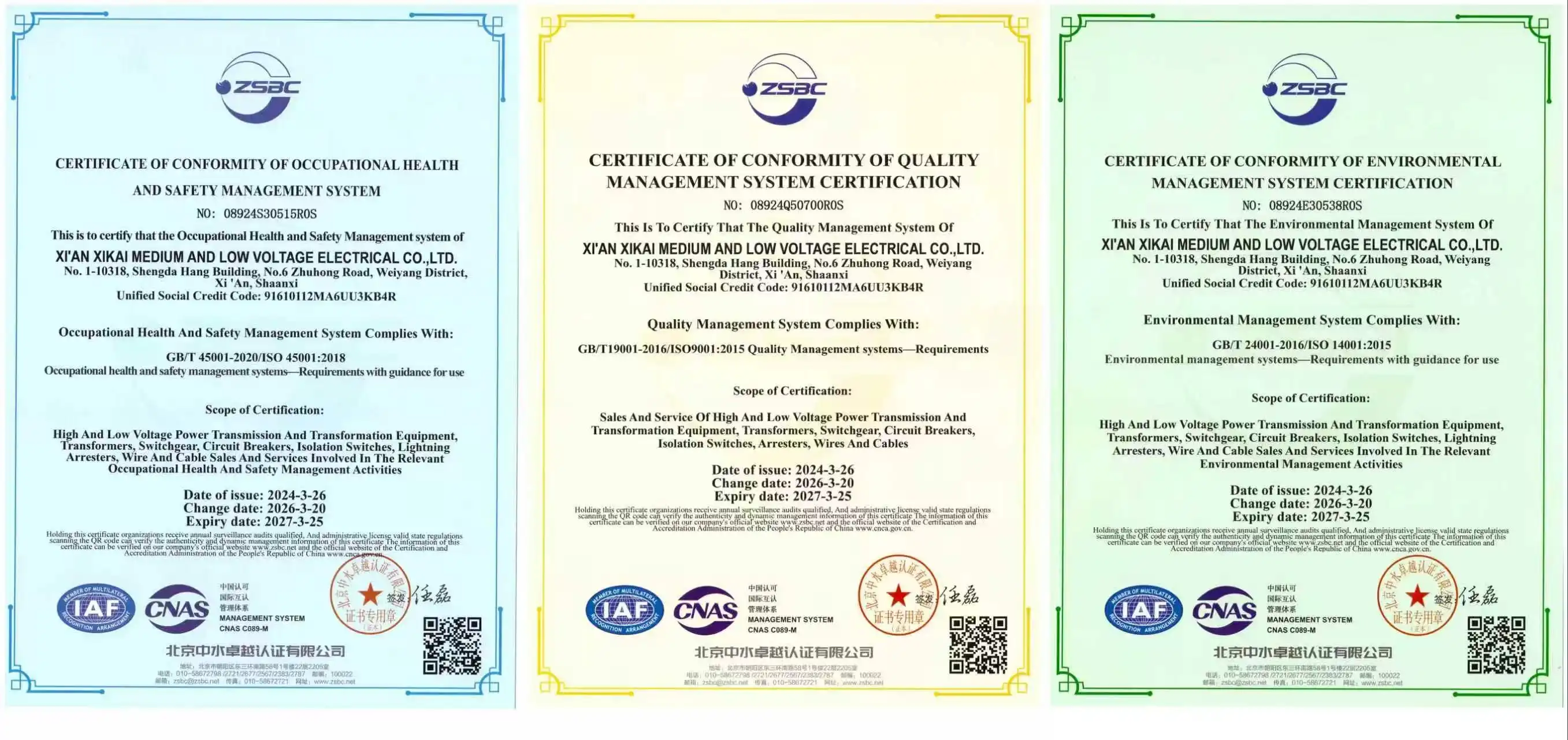
OEM connections that have been checked out ensure that new parts are original and built to the original standards. Using fake parts can change how well something works and void warranties, which puts you at risk of liability. Ask for proof of OEM certificates and industrial quality systems. For example, ISO 9001 approval means that process controls have been set up. Help with launching, diagnostic tests, emergency repair services, and operator training programs should all be part of full-service packages. Suppliers that give expert help 24 hours a day, seven days a week, reduce the downtime of Dry-type Iron Core Reactors during critical fault circumstances.
Transparent Lead Times and Warranty Terms
Repair times are directly affected by how easy it is to get replacement parts. Make it clear what the wait times are for standard items (like connector hardware and insulator parts) and special items (like new windings and core kits). When compared to overseas providers that need weeks to ship and clear customs, distributors who keep goods locally cut down on critical path delays. The terms of the warranty show how confident the seller is in the quality of the product. For example, a minimum two-year warranty with clear limits guards against early failures. Check out how warranty claims are handled by calling past customers to see how quick and fair the process is.
Bulk Purchase and Service Packages
Consolidated buying is good for facilities that run more than one reactor. Costs per unit drop by 15 to 25 percent when you buy extra parts kits in bulk. These kits include connectors, insulators, and mounting tools. Coordinated shipping plans make sure that extra parts are available during the times that are planned for repair. This improves cash flow and inventory management.
Conclusion
Extending Dry-type Iron Core Reactor service life requires systematic maintenance combining visual inspections, thermal monitoring, electrical diagnostics, and secure connections. Understanding design-specific requirements—core construction, insulation class, cooling method—enables tailored strategies maximizing reliability while minimizing lifecycle costs. Dry-type reactors offer compelling advantages over oil-filled alternatives: reduced maintenance complexity, eliminated environmental risks, and superior durability in challenging conditions. Strategic supplier partnerships ensure access to genuine parts, expert support, and responsive service, protecting uptime and capital investments across decades of operation.
FAQ
1. How often should dry-type iron core reactors undergo inspection?
Standard practice calls for eye checks every three months to make sure the surface is clean, and the terminals are intact, thermal imaging scans every six months to find hotspots, and electrical tests every year that include testing for insulation resistance and partial discharge. Visual checks every month and thermal scans every three months are good for Dry-type Iron Core Reactors that are close to their rated capacity or that are used in difficult conditions like high temperatures, toxic atmospheres, or a lot of shaking.
2. Does regular maintenance affect warranty coverage?
Most makers make it a condition of the guarantee that certain repair plans are followed. Writing down checks, test results, and correcting steps is a good way to back up and guarantee claims. If, on the other hand, upkeep isn't done, problems that could have been avoided may mean that coverage isn't available. Keep service records for as long as the equipment lasts to protect your insurance rights and make it easier to figure out why something went wrong.
3. What signs indicate urgent repair needs?
If thermal imaging shows hotspots that are more than 20 degrees Celsius above normal, if acoustic monitoring picks up sudden noise increases or sounds that aren't familiar, if insulation resistance drops below manufacturer standards, or if a visual inspection finds cracks in the epoxy encapsulation or signs of arcing at the terminals, you should get help right away. Turn off the power to the reactor and call trained experts to stop a catastrophic failure and safety risks.
Partner with Xi'an Xikai for Comprehensive Reactor Solutions
The Xi'an Xikai company offers complete help for Dry-type Iron Core Reactor uses in business, energy, and industry areas. Our CKSC Dry-type Iron Core Series Reactors have segmented air-gap designs, glass fiber support, and epoxy resin vacuum casting that make them work at noise levels and partial discharge levels below 5 picocoulombs. We offer personalized maintenance plans, original OEM spare parts, and expert support 24 hours a day, seven days a week, based on your specific operating needs. We have more than 30 patents in the areas of heat management and noise reduction. We make dry-type iron core reactors that are known and have more than 500 sites in 20 countries. We make sure that they work at their best and last as long as possible. Send an email to serina@xaxd-electric.com, amber@xaxd-electric.com, or luna@xaxd-electric.com with your specific needs to our expert team.
References
1. IEEE Standard C57.16-2011, "IEEE Standard for Requirements, Terminology, and Test Code for Dry-Type Air-Core Series-Connected Reactors," Institute of Electrical and Electronics Engineers, 2011.
2. International Electrotechnical Commission, "IEC 60076-6: Power Transformers - Part 6: Reactors," Edition 2.0, 2007.
3. Stone, G.C., Boulter, E.A., Culbert, I., and Dhirani, H., "Electrical Insulation for Rotating Machines: Design, Evaluation, Aging, Testing, and Repair," Second Edition, IEEE Press, 2014.
4. Heathcote, M.J., "The J&P Transformer Book: A Practical Technology of the Power Transformer," Thirteenth Edition, Newnes, 1998.
5. National Electrical Manufacturers Association, "NEMA ST 20-2014: Dry-Type Transformers for General Applications," Standards Publication, 2014.
6. Karsai, K., Kerenyi, D., and Kiss, L., "Large Power Transformers," Studies in Electrical and Electronic Engineering 25, Elsevier Science Publishers, 1987.
_1774322334531.png)