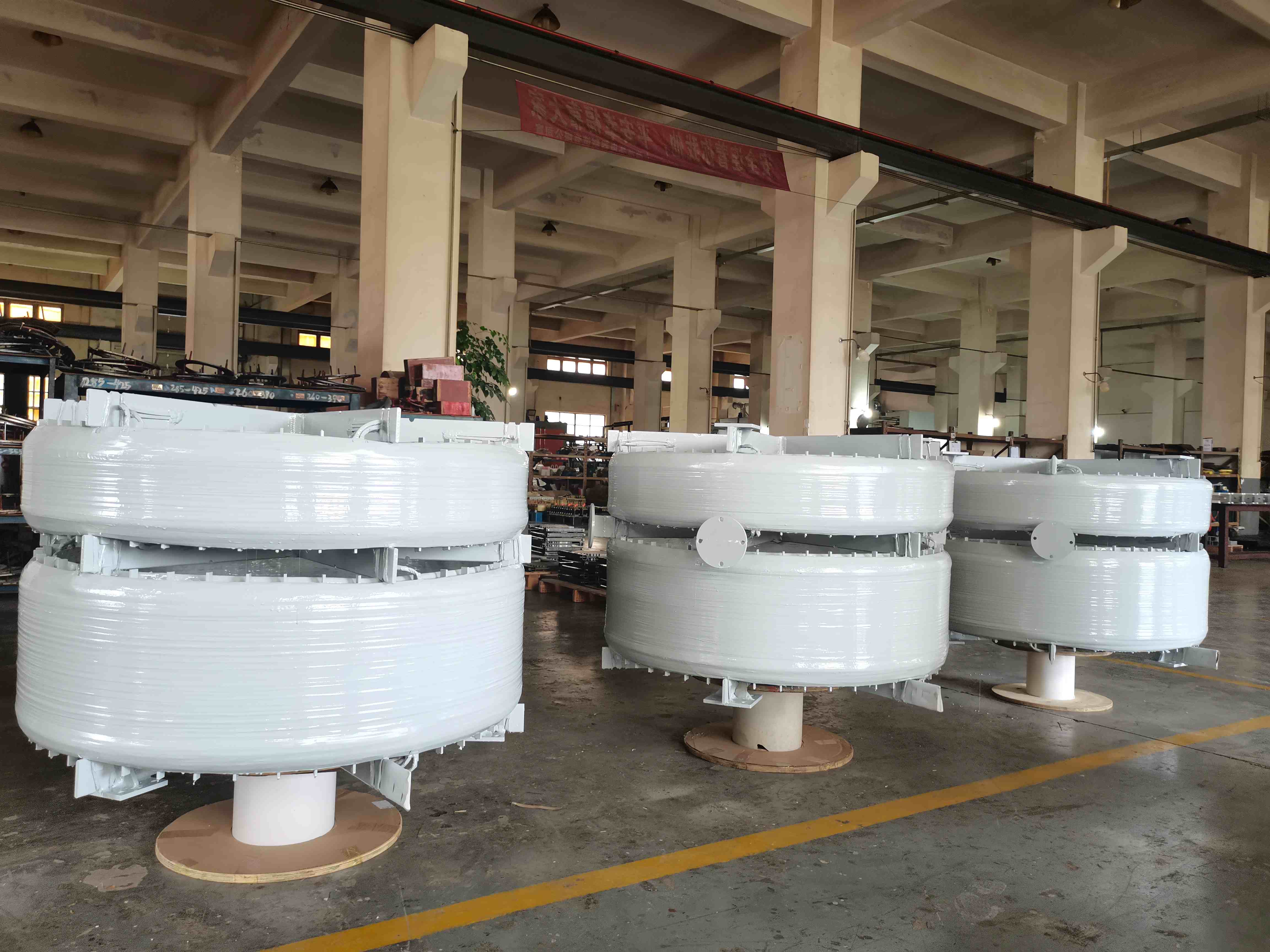
HV Reactive Power Compensation Device vs SVG: Which Is Better?
2026-05-18 16:11:37
Whether you choose Static Var Generators (SVG) or traditional HV Reactive Power Compensation Devices depends on the needs of your business. Traditional systems that use capacitors work best in stable load situations where demand patterns are predictable. They are reliable and require less money to set up. When fast load changes and harmonic control are most important, SVG technology gives you the best performance. Knowing these differences helps procurement managers make sure that technical needs are met while also keeping operational goals and budgets in mind.
 |
 |
Introduction
How good the power is has a direct effect on your bottom line. Electrical power fluctuations cost factories a lot of money every day. Power factor problems can cause data centers to shut down completely. Hospitals can't have equipment break down during important procedures. Managing reactive power is important for both utility and industrial operations. If you don't, your facility will lose money through penalties and downtime and not run as efficiently. This guide looks at two popular ways to handle reactive power: traditional HV Reactive Power Compensation Devices that use capacitors to make up for power losses and more advanced systems that use Static Var Generators (SVG). Both technologies work to fix power factor problems and keep voltage stable, but they are very different in how fast they respond, how much maintenance they need, and how much they cost. Procurement teams and engineering managers need to know which solution is best for their infrastructure, load, and long-term operational strategy. This analysis gives you the technical information and real-world examples you need to make smart choices in high-voltage situations.
Understanding HV Reactive Power Compensation Devices and SVG
How Traditional Compensation Devices Function
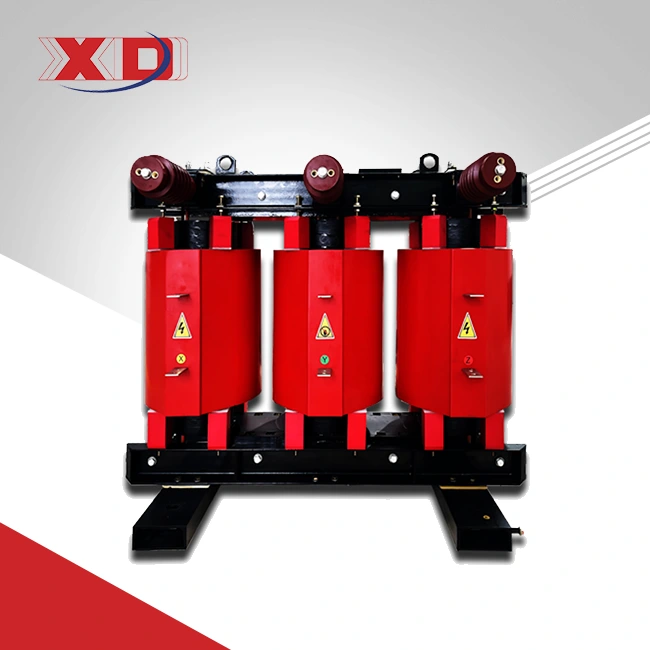
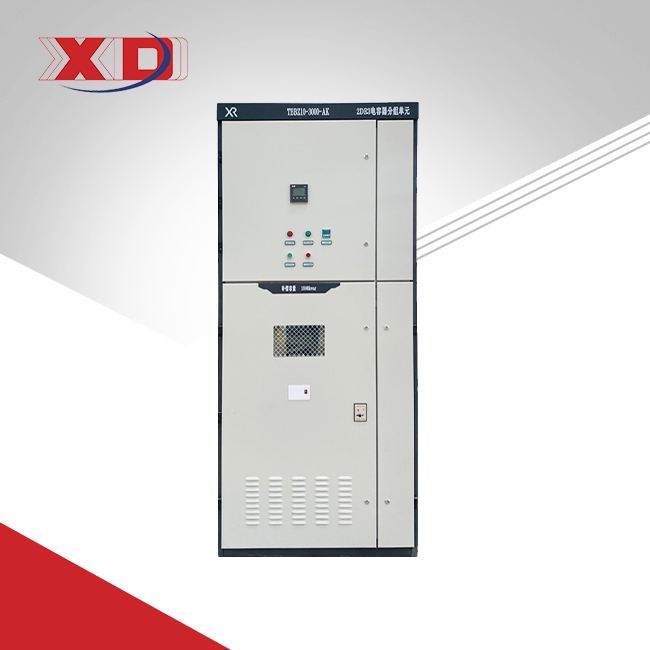
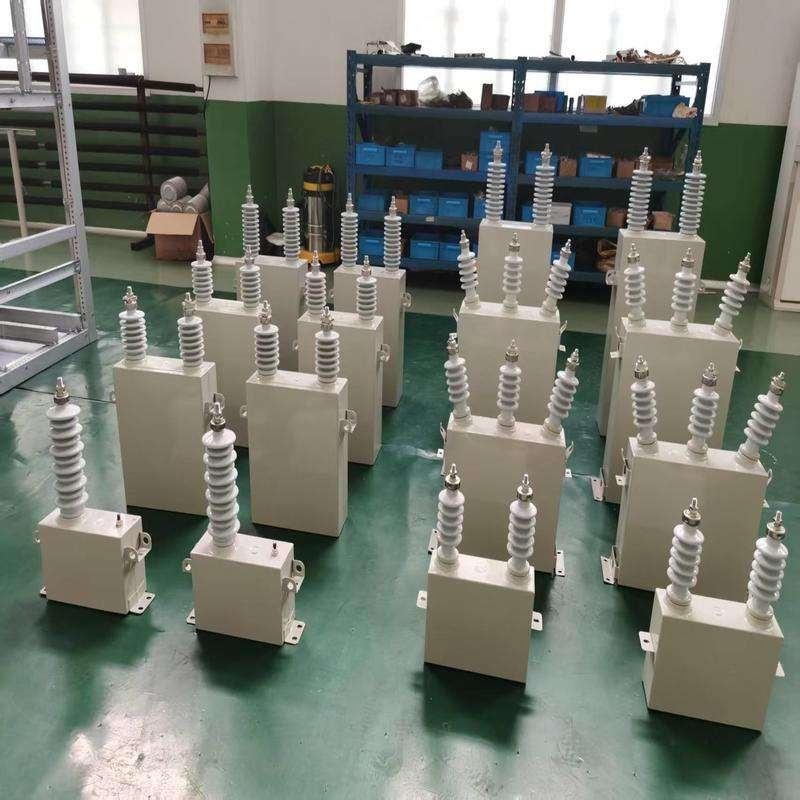
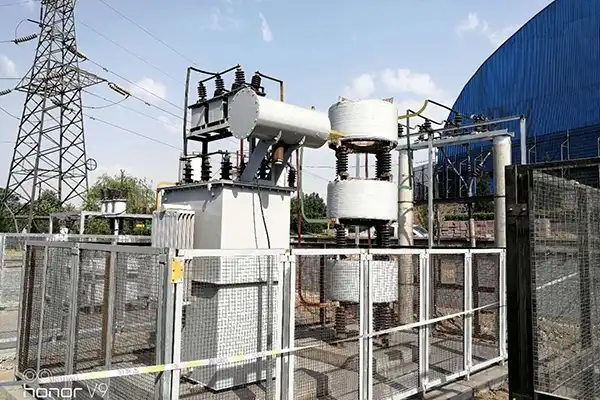
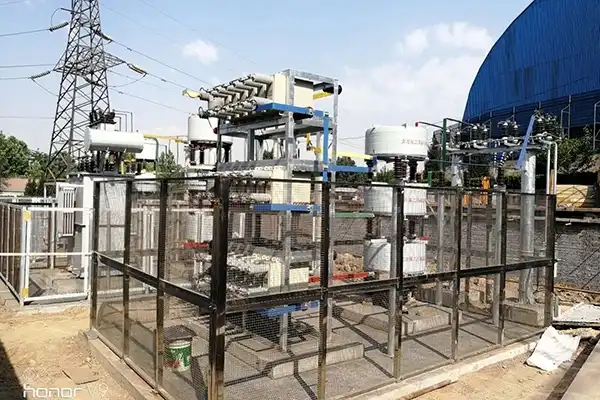
Reactor-based and capacitor banks have been used for decades in industrial power management. Through fixed or switched capacitor units, these HV Reactive Power Compensation Devices add or take in reactive power. This improves the power factor and keeps the voltage stable at substations and distribution points. Most of the time, this setup has protection circuits with circuit breakers and disconnectors, capacitors rated for voltages of 6kV or more, and series reactors to limit inrush currents and filter harmonics. When things are stable, traditional systems work well. Fixed capacitor installations that provide continuous reactive support are helpful in factories where motor loads stay the same. Utilities put these devices in transmission substations where the load profiles are fairly stable throughout the day. The technology is easy to fix and troubleshoot because the parts are all the same, replacement parts are easy to find, and maintenance teams can visually check the connections and insulators during regular service intervals.
SVG Technology Explained
Static Var Generators are a big change in how reactive power is controlled. Power electronics, like insulated-gate bipolar transistors (IGBTs) or similar semiconductor switches, are used by SVGs instead of passive parts to make reactive current in real time. The system checks the grid voltage and load conditions all the time and changes the reactive output every millisecond to keep the target power factor, HV Reactive Power Compensation Devices, and voltage levels. This dynamic feature solves problems that regular devices have trouble with. When the arc furnace in a steel mill goes off, reactive demand goes through the roof right away. When SVG systems respond, they don't have the mechanical delays that come with switched capacitor banks. In addition, they reduce the harmonics that are made by variable frequency drives and rectifiers. This is done by actively filtering out distortion that would hurt the performance of equipment and break utility interconnection rules otherwise.
Addressing Industrial Pain Points
Both technologies tackle the same fundamental problem: uncontrolled reactive power causes voltage instability, reduces transmission capacity, and triggers utility penalty charges. The choice hinges on how your loads behave. Steady industrial processes with minimal fluctuation favor the simplicity and cost-effectiveness of capacitor-based approaches. Dynamic environments with rapid load changes, significant harmonic content, or stringent voltage regulation requirements justify the investment in SVG capabilities.
Technical Comparison: HV Reactive Power Compensation Device vs SVG
Response Speed and Precision
Response time separates these technologies dramatically. Mechanically-switched capacitor banks require 1 to 5 seconds to detect voltage deviation, receive controller signals, and complete contactor closure. During this interval, sensitive equipment may experience undervoltage conditions, or power factor violations continue accumulating penalty charges. SVG systems achieve response times under 20 milliseconds, effectively instantaneous from an operational perspective. This speed prevents voltage dips before they impact production and maintains continuous power factor correction regardless of load transients. Precision matters equally. Capacitor banks provide discrete reactive power steps—you either have the entire capacitor unit energized or de-energized. Achieving precise power factor control requires multiple switching stages, increasing system complexity. SVG technology offers infinitely variable output within its rated capacity range, delivering exactly the reactive support needed at any given moment without overshooting or undershooting targets.
Harmonic Handling Capabilities
Harmonic distortion presents distinct challenges for each approach. Traditional HV Reactive Power Compensation Devices require careful engineering to avoid resonance between system inductance and capacitor reactance, which can amplify harmonic currents and damage equipment. Series reactors tuned to specific frequencies (commonly 5th or 7th harmonics) provide mitigation, but this solution remains passive and limited to predetermined harmonic orders.SVG systems actively suppress harmonics through their control algorithms. The power electronics can be programmed to inject compensating currents that cancel harmonic distortion, simultaneously providing reactive support and improving overall power quality. This dual functionality proves valuable in facilities with extensive nonlinear loads like rectifiers, inverters, and variable speed drives that generate substantial harmonic content.
Maintenance and Reliability Considerations
Maintenance profiles differ significantly. Capacitor-based systems contain HV Reactive Power Compensation Devices components subject to gradual degradation—capacitors experience dielectric aging, contactors accumulate contact wear, and insulators may track or crack from environmental exposure. Routine inspections identify these issues before failure occurs, and replacement parts integrate easily into existing installations. The outdoor frame-type configuration allows visual assessment without de-energizing equipment, supporting predictive maintenance strategies.SVG systems rely on sophisticated electronics vulnerable to different failure modes. IGBT modules can fail from thermal stress or voltage transients. Control boards require firmware updates and occasional component replacement. However, modern designs incorporate redundancy and diagnostic capabilities that alert operators to developing problems. The absence of mechanical switching eliminates contact maintenance entirely, offsetting electronic component concerns. Overall reliability depends heavily on environmental conditions and proper cooling system maintenance.
Cost-Benefit Analysis for Procurement Managers
Initial Investment Comparison
Upfront costs favor traditional HV Reactive Power Compensation Devices substantially. A capacitor bank installation for a 10 MVA load typically costs 40-60% less than an equivalent SVG system. This price advantage makes capacitor-based solutions attractive for budget-constrained projects or applications where the performance premium of SVG technology delivers marginal benefit. The outdoor frame-type design further reduces costs by eliminating expensive enclosure requirements and simplifying civil works.SVG pricing reflects the sophisticated power electronics and control systems involved. These components represent advanced manufacturing requiring specialized facilities and quality control. Procurement teams must evaluate whether the performance benefits justify the premium. In applications where power quality directly affects production yield, uptime, or regulatory compliance, the incremental investment often produces measurable returns within 2-3 years.
Operating Cost Considerations
Operating expenses extend beyond energy bills to encompass maintenance labor, replacement parts, and avoided penalties. Traditional devices consume minimal losses—typically 0.3-0.5% of rated capacity—through capacitor dielectric losses and reactor resistance. SVG systems incur slightly higher losses (0.5-1.5%) from semiconductor switching and cooling system operation. This difference rarely drives technology selection unless you're operating continuously at high capacity. Maintenance costs tell a more complex story. Capacitor banks require periodic component replacement as units reach end-of-life, alongside routine contactor servicing and insulator cleaning. Annual maintenance spending averages 1-2% of the initial investment. SVG systems demand less frequent component replacement but require specialized technical expertise for troubleshooting and repair. Facilities lacking in-house power electronics capability must budget for contractor support, potentially offsetting the reduced maintenance frequency advantage.
Return on Investment Analysis
ROI calculations must account for avoided penalty charges and productivity impacts. A facility paying $5,000 monthly in power factor penalties recovers the cost difference between technologies within months. Data centers where milliseconds of voltage instability corrupt transactions or crash servers justify SVG investment through avoided downtime costs. Utilities preventing voltage-related customer complaints and equipment damage realize benefits through improved service reliability metrics. Consider the total cost of ownership over a 15-year equipment lifecycle. Traditional compensation devices may require one or two capacitor replacements during this period, adding 20-30% to initial costs. SVG systems typically need IGBT module replacement once, contributing roughly 15-20% additional expense. When factoring energy savings from superior power factor control and avoided penalties from faster response, lifecycle costs often converge, making the decision dependent on operational priorities rather than pure economics.
Selection Criteria: How to Choose Between HV Reactive Power Compensation Device and SVG
Load Characteristics Assessment
Your load profile drives technology selection more than any other factor. Analyze load variability HV Reactive Power Compensation Devices over daily and seasonal cycles. Facilities with relatively constant power factor and minimal harmonic distortion—cement plants, water treatment facilities, conventional HVAC systems—achieve excellent results with capacitor-based compensation. The simplicity and cost-effectiveness align perfectly with application requirements. Dynamic loads demand closer scrutiny. Manufacturing operations with frequent motor starts, welding equipment, or batch processes create rapid reactive power swings that mechanically-switched capacitors struggle to track. Data centers, hospitals with imaging equipment, and facilities with extensive variable frequency drives generate harmonics requiring active mitigation. These scenarios favor SVG deployment despite higher initial costs.
Space and Environmental Factors
Physical footprint influences feasibility and installation costs. Large creepage distances and sealed components ensure reliable performance in polluted or high-humidity environments for the HV Reactive Power Compensation Device.SVG systems typically require indoor installation or weather-protected enclosures to shield power electronics from environmental exposure.
Supplier Evaluation Criteria
Partnering with experienced manufacturers protects your investment. Evaluate production quality through ISO certifications and factory audit results. Warranty terms reveal manufacturer confidence in product reliability; seek coverage extending at least five years for major components. Technical support capabilities prove critical during commissioning and throughout operational life. Does the supplier provide on-site installation supervision? Are troubleshooting resources available 24/7? Can the manufacturer supply replacement parts within days rather than weeks? These service dimensions often matter more than marginal price differences, particularly for SVG systems where specialized expertise prevents extended outages.
Real-World Applications and Case Studies
Manufacturing Plant Power Factor Correction
A Midwest steel rolling mill was fined $12,000 per month for a power factor of 0.78. Load study showed reactive demand from induction furnaces and rolling motors fluctuating rapidly throughout manufacturing cycles. The facility chose a sophisticated HV Reactive Power Compensation Device with dynamic control modules to stabilize voltage and increase compensation response time after analyzing different alternatives.
The HV Reactive Power Compensation Device adjusted reactive power quicker under changing loads than capacitor-bank-only systems, allowing the facility maintain a power factor over 0.96 at peak output. Operators also observed decreased transformer heating, line losses, and stability for sensitive automation equipment on the same distribution network.
While SVG technology provided quicker reaction, engineers decided the plant's operational profile supported a hybrid compensation technique centered on cost-effectiveness and long-term dependability. The chosen system paid for itself in 18 months by reducing utility fines and energy use. This instance shows that technical performance, load characteristics, operational complexity, and financial considerations all affect the choice between an HV Reactive Power Compensation Device and SVG.
Conclusion
Selecting between traditional HV Reactive Power Compensation Devices and SVG technology requires matching device capabilities to operational realities. Capacitor banks deliver proven, cost-effective reactive support for stable loads and budget-conscious projects. SVG systems justify their premium through superior response speed and precise control essential for dynamic industrial processes. The decision ultimately balances technical requirements, budget constraints, and long-term operational priorities specific to your facility.
FAQ
1. Can I retrofit an SVG into my existing capacitor bank installation?
Retrofitting remains feasible in most installations with adequate space and electrical infrastructure. The existing circuit breakers and disconnectors may accommodate SVG integration if voltage and current ratings align. Coordination studies ensure the SVG doesn't create resonance with remaining capacitor units. Many facilities phase out aging capacitor banks gradually, replacing failed sections with SVG capacity until achieving full SVG operation. This approach spreads capital investment while immediately improving dynamic response.
2. What maintenance schedules apply to each technology?
Capacitor-based systems benefit from quarterly visual inspections checking connections, insulators, and enclosure integrity, with annual thermal scanning and capacitance testing. Contactors require lubrication and contact inspection every 1-2 years, depending on switching frequency. SVG units need monthly filter cleaning, quarterly cooling system checks, and annual power electronics diagnostics. Electronic components typically require replacement at 8-12 year intervals.
3. How effectively do SVGs control harmonics compared to passive filters?
SVG systems actively cancel harmonics through programmable current injection, adapting to changing harmonic profiles as loads vary. This flexibility surpasses passive filters tuned to specific frequencies. However, extremely high harmonic environments may benefit from combining passive filters handling dominant frequencies with SVG managing residual distortion and reactive power. The hybrid approach optimizes both cost and performance across the full harmonic spectrum.
Partner With Xi'an Xikai for Your HV Reactive Power Compensation Device Needs
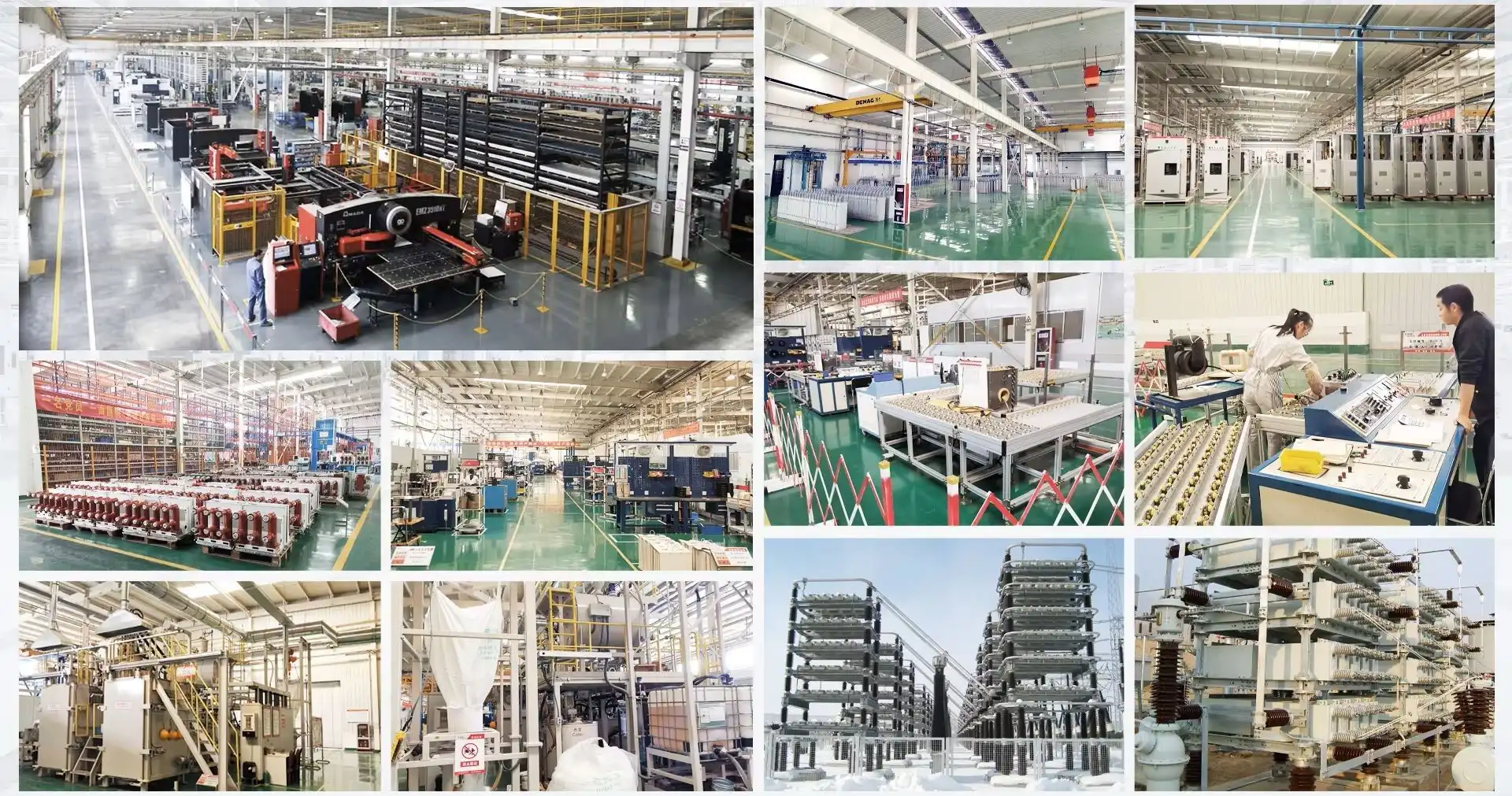
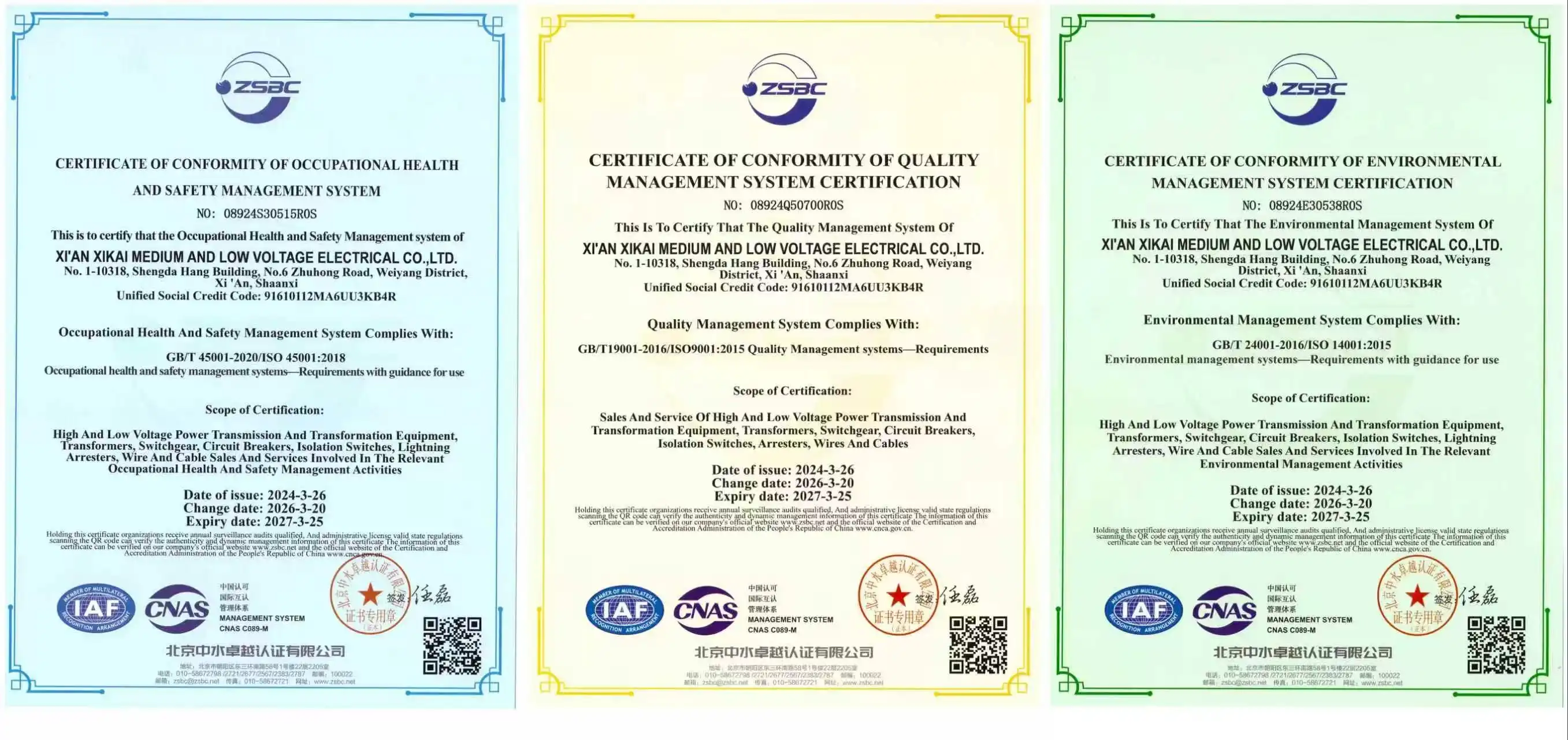
Xi'an Xikai brings decades of engineering excellence to power quality challenges across industrial and utility applications. Our AKW Outdoor Frame-type Reactive Power Compensation Device delivers reliable voltage stability and power factor correction for systems operating at 6kV and above, with capacity ranging from 300 kvar to 240 Mvar, tailored to your specific load requirements. The robust construction withstands extreme temperatures (-25°C to +45°C) and harsh environmental conditions through large creepage distances and seismic-resistant design, ensuring continuous operation in demanding locations. As a trusted HV Reactive Power Compensation Device manufacturer, we combine patented technologies with comprehensive system integration expertise, serving clients across power generation, manufacturing, data centers, and utility transmission networks. Our engineering team provides complete support from initial system design through commissioning and lifecycle service. Contact our specialists at serina@xaxd-electric.com, amber@xaxd-electric.com, or luna@xaxd-electric.com to discuss your power quality objectives and receive customized solutions backed by ISO 9001 manufacturing quality and proven performance across installations worldwide.
References
1. IEEE Standard 1036-2010: IEEE Guide for Application of Shunt Power Capacitors. Institute of Electrical and Electronics Engineers, 2010.
2. Rashid, Muhammad H. Power Electronics Handbook: Devices, Circuits, and Applications. Butterworth-Heinemann, 4th Edition, 2017.
3. Arrillaga, Jos and Neville R. Watson. Power System Harmonics. John Wiley & Sons, 2nd Edition, 2003.
4. Miller, T.J.E. Reactive Power Control in Electric Systems. John Wiley & Sons, 1982.
5. Hingorani, Narain G. and Laszlo Gyugyi. Understanding FACTS: Concepts and Technology of Flexible AC Transmission Systems. IEEE Press, 2000.
6. Electric Power Research Institute. Application Guide for Transmission Static Var Compensators. EPRI Technical Report, 2011.