
HV Shunt Capacitor Complete Set for Power Factor Correction
2026-10-26 17:23:03
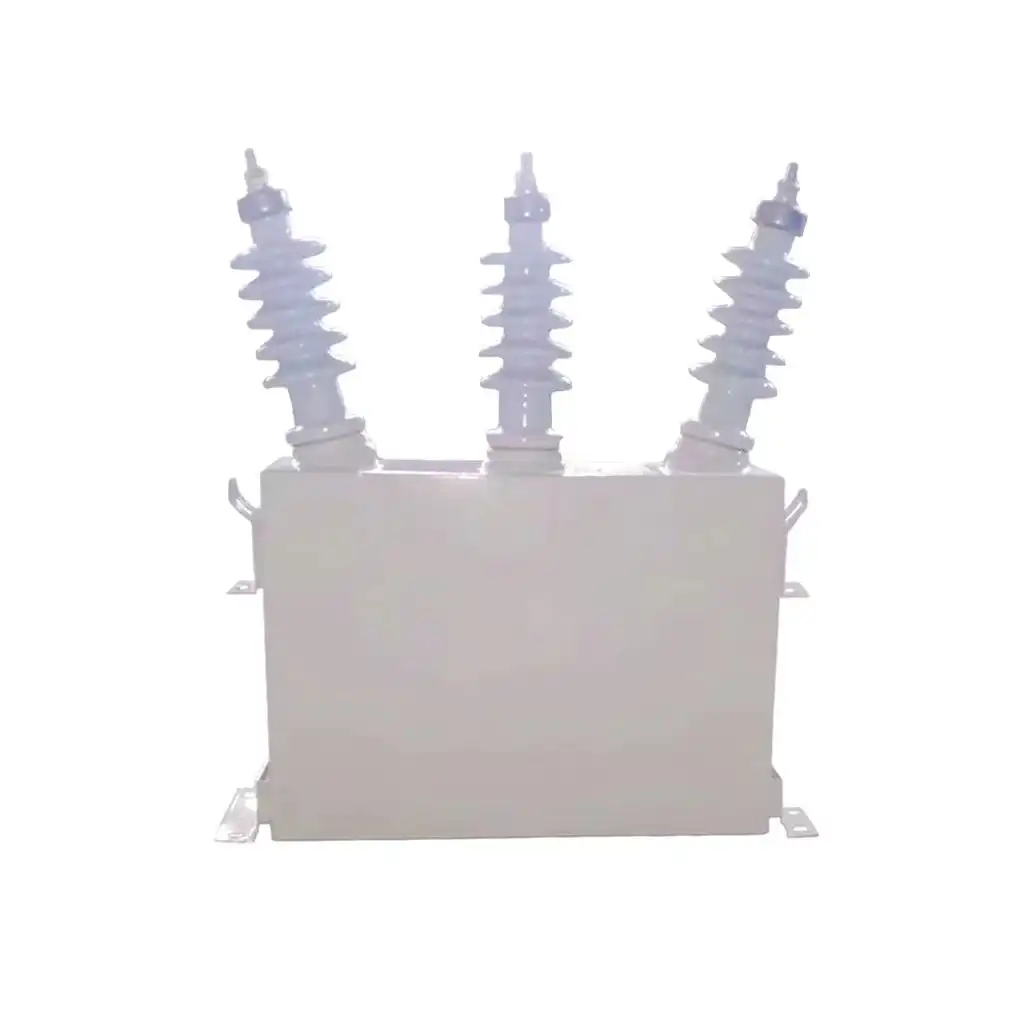
A HV shunt capacitor complete set is an integrated assembly used in high-voltage power systems to correct power factor and stabilize reactive power flow. It typically combines capacitor banks, series reactors, discharge coils, surge arresters, and protection relay panels into one coordinated unit. Designed for substations operating at 6kV and above, a well-specified HV shunt capacitor complete set reduces reactive current draw, lowers line losses, and keeps voltage within acceptable limits—making it a standard requirement for utility-grade and industrial outdoor installations worldwide.
Understanding HV Shunt Capacitor Complete Set
Procurement engineers need to have a clear idea of what they are getting before they buy it. The phrase "complete set" is meant to imply that all of the safe and useful parts come together as a single unit.
What the Assembly Contains
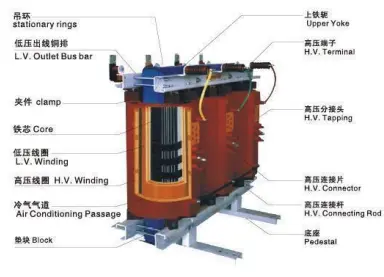
High-voltage capacitors, tuned series reactors, discharge coils, zinc oxide surge arresters, a grounding switch, current/voltage transformers, and a microprocessor-based safety panel are all parts of a full HV shunt capacitor complete set. Each part plays a clear role. For example, the discharge coil must drop the remaining voltage below 50V within five seconds of being disconnected. This is a safety requirement set by both IEC and IEEE standards.
Core Electrical Parameters
For distribution substations, the rated voltages are usually between 6kV and 110kV, and the reactive output ranges from 300 kvar to 240 Mvar. At 20°C, the evaporation factor (tan δ) shouldn't be more than 0.0003. Series reactors come in three different reactance rates: 1%, 6%, and 12–13%. Each one is tuned to block a different set of harmonics, mostly the 5th and 7th, which are the most common in places with variable-frequency drives and rectifier loads.
Environmental and Structural Design
Sand, water, UV rays, and extreme temperature changes can damage outdoor installations. This is fixed by Xi'an Xikai's AKW series, which has frame enclosures that are rated IP54, large creepage distances to prevent pollution, and high mechanical strength that meets requirements for seismic performance. The temperature range for operation is -25°C to +45°C, making it suitable for both sub-Saharan grid projects and the steppes of Central Asia.
Benefits and Applications of HV Shunt Capacitor Complete Set
Grid operators don't buy reactive compensation gear just because it's fun; they buy it because power factor issues that aren't fixed cost money and shorten the life of equipment. Both problems can be solved at the same time by an outdoor HV shunt capacitor complete set that is the right size.
Energy Efficiency and Cost Reduction
Capacitor banks lower the reactive current that transformers and cables have to carry by putting reactive power where it's needed, like at the point of load. When you do this, you cut down on I²R losses and often raise the power factor from a weak 0.85 to 0.95 or higher. This alone can pay for big substation projects in two to three years.
Grid Stability for Renewable Integration
Electrical power from wind and sun causes voltage swings that put stress on power lines that carry electricity. A shunt compensation device connected to the substation bus either takes in or gives out reactive power almost instantly, which keeps the voltage within the legal range. As the use of green energy grows, utilities in Africa and Central Asia are actively requesting outdoor reactive compensation frames for this very purpose.
Industrial and Substation Applications
The main situations where this technology proves useful are listed below:
- Outdoor utility substations: It handles sandstorms, heavy rain, and ice loading and reacts to demand from delivery feeds. The small size of the AKW frame's structure reduces the substation's footprint, which is important when adding on to existing yards.
- Mining and metallurgy facilities: Heavy loads on motors and spark burners cause a lot of harmonic distortion. A 6% or 12% reactor-tuned capacitor bank blocks the most important harmonics and provides reactive power to keep the motor voltage stable.
- Renewable energy grid interconnection: meets grid-code reactive power requirements at the point of shared coupling, helping to meet Low Voltage Ride-Through standards.
These three situations make up most of the group purchasing requests that Xi'an Xikai gets, and they all benefit from the same outdoor frame design theory.
Comparing HV Shunt Capacitor Complete Set with Alternative Solutions
Not every type of reactive compensation technology works well in every situation. Procurement teams can avoid over- or under-specifying their orders by knowing when shunt capacitor banks work better than other options.
Fixed vs. Switchable Capacitor Banks
The easiest and least expensive choice is fixed banks, but they can't adapt to changing load patterns. To connect or separate capacitor steps in switchable banks, like the ones in the AKW series, vacuum contactors or circuit breakers are used. Overvoltage doesn't happen when there isn't much load, so the power factor stays within a tighter band throughout the daily load cycle.
Shunt Capacitor Banks vs. SVCs and STATCOMs
STATCOMs and Static Var Compensators (SVCs) move more quickly and can continuously take in and send out reactive power. They do, however, cost three to five times more than a similar capacitor bank and need more complicated upkeep. It is better to buy a HV shunt capacitor complete set for substations where load profiles are known and speed of response is not important.
Series Capacitor Sets—A Different Tool
For long distances, series capacitors are put in series with transmission lines to lower the inductive impedance. They are not the same as shunt compensation and do not work the same way. When procurement engineers choose reactive compensation for a substation bus, they should make sure they pick shunt design instead of series.
Procurement Guide for HV Shunt Capacitor Complete Set
Sourcing outdoor HV shunt capacitor complete sets for grid-scale projects takes more than just comparing datasheets. The following things regularly affect how happy bulk buyers are in the long term.
Supplier Qualification Criteria
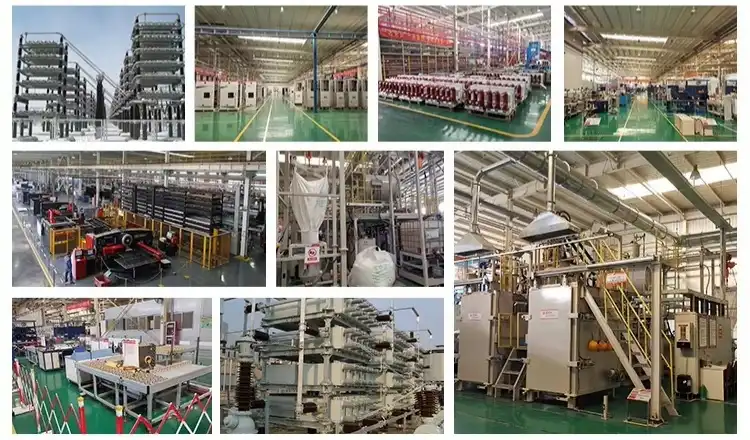
Look for manufacturers that have ISO 9001 certification and keep records of how well their products are made. Xi'an Xikai checks the quality of every AKW unit at more than 23 different places. These include inspecting the raw materials, measuring the capacitance, testing the tan δ, testing the AC withstand voltage at 2.15× rated voltage for 10 seconds, and making sure the seal is tight at high temperatures. On request, third-party test results from approved labs should be made public.
Certifications and Standards Compliance
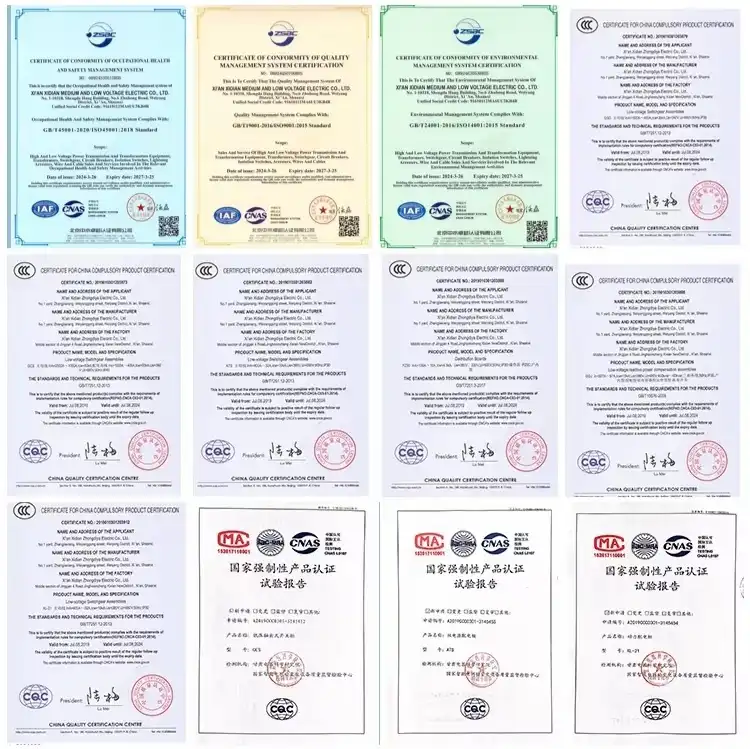
IEC 60831, IEEE 18, and any other area standards that apply are met by the AKW outdoor frame reactive power adjustment device. For projects put up for bid through State Grid ECP2.0 or provincial utility procurement platforms, confirmed compliance documentation is a must, not an extra that can be added at the end.
Lead Times and Batch Procurement
The usual number of units ordered in a batch is between 3 and 20 per buying cycle. Standard lead times allow Xi'an Xikai to produce these volumes, and the modular frame design lets voltage be changed to 11kV, 33kV, or other ratings without having to rebuild tools. Before you sign, talk about the guarantee terms, the availability of extra parts, and the commissioning support. For remote sites in Africa or Central Asia, after-sales access is very important.
Installation and Maintenance Best Practices
If you want a HV shunt capacitor complete set to last as long as its manufacturer says it will, you still need to install it correctly and check on it from time to time.
Pre-Installation Checks
Before turning on the power, make sure that all of the connections on the busbars are tight enough, that the insulator surfaces are clean, that the oil-filled capacitor cans don't show any signs of leakage or deformation, and that the setpoints on the protection relays match what was calculated in the design. Swollen capacitor cans mean that the dielectric inside has broken down, so they need to be changed before they can be put into service.
Annual Maintenance Protocol
The standard in the industry is to do full maintenance once a year. Retorquing busbar connections, cleaning insulators to stop pollution-caused flashover, measuring the capacitance of each unit to find out how the internal fuse works, checking the reactor's inductance under load, and testing the safety relay's trip functions are some of the most important things that need to be done. A trained crew needs one to two days per bank to do these steps.
Monitoring and Early Warning
Unbalanced current or voltage safety switches are always looking for differences between the phases of the capacitor. A rising unbalance signal usually means that the internal fuses in each capacitor can have been tripped. Taking care of this early keeps the bank from running in a bad way that speeds up the aging of the surviving units.
Conclusion
Under today's grid rules, any substation that works must use reactive power compensation. If you choose the right outdoor HV shunt capacitor complete set, it will protect your equipment, improve voltage quality, and lower line losses. This is especially important in places where sandstorms, heavy rain, or temperature changes happen often. The AKW line from Xi'an Xikai can handle system voltages up to 6kV, has capacities between 300 kvar and 240 Mvar, and is made to last for a long time outside. If your procurement cycle is coming up, you can now get the technical data and certifications you need to back up your bid documents.
FAQ
1.How do I select the correct reactor reactance rate?
Which one to use depends on which harmonic orders are most common in your grid. The 5th harmonic and above can be blocked by a 6% or 7% reactor. This covers most manufacturing sites with variable-frequency drives. When third harmonics are important, like in systems with single-phase loads or certain transformer winding setups, a 12–14% reactor is needed. Making the wrong choice can add to impact instead of reducing it.
2.Can this equipment operate in extreme outdoor climates?
Yes. From -25°C to +45°C, the AKW outdoor frame can work. It has IP54 protection against dust and water getting in. Insulators that don't break down in UV light and building materials that don't rust are common. For locations below -25°C, talk to Xi'an Xikai engineers about extra cold-weather requirements.
3.What is the expected service life?
If you maintain vacuum-impregnated capacitor units and properly rated reactors once a year, they should last at least 15 years. Field life is mostly determined by how well the seals work, which is why the AKW series goes through an eight-hour high-temperature seal test before it is shipped.
4.Why is a discharge coil required?
IEC and IEEE standards say that discharge coils must lower the voltage of any remaining capacitors to less than 50V within five seconds of the connection being broken. This keeps maintenance workers safe and stops re-energization transients from doing damage to the HV shunt capacitor complete set.
Request a Technical Consultation from Xi'an Xikai
People in more than 30 countries buy HV shunt capacitor complete sets from Xi'an Xikai. Our engineering team can match your project's capacity, voltage, and environmental ratings, whether you need a blueprint for a single spot or a plan for buying in bulk. You can email the team at serina@xaxd-electric.com, amber@xaxd-electric.com, or luna@xaxd-electric.com, or you can go to xaxd-electric.com to read the full product documentation. We're ready to help you with your next bid as a reliable HV shunt capacitor complete set supplier.
References
1. IEC 60831-1: Shunt Power Capacitors of the Self-Healing Type for A.C. Systems — Part 1: General — Performance, Testing and Rating, International Electrotechnical Commission, 2014.
2. IEEE Std 18-2012: IEEE Standard for Shunt Power Capacitors, Institute of Electrical and Electronics Engineers, 2012.
3. Mohan, N., Undeland, T. M., & Robbins, W. P. Power Electronics: Converters, Applications, and Design, John Wiley & Sons, 2003.
4. Wadhwa, C. L. Electrical Power Systems, New Age International Publishers, 2009.
5. IEEE Std 1036-2010: IEEE Guide for Application of Shunt Power Capacitors, Institute of Electrical and Electronics Engineers, 2010.
6. Acha, E., Agelidis, V., Anaya-Lara, O., & Miller, T. J. E. Power Electronic Control in Electrical Systems, Newnes, 2002.