Hybrid Dynamic Compensation Device for Industrial Plants: Energy Saving Solution
2026-06-30 16:18:11
More and more, industrial sites across the US are under pressure to cut their energy costs while keeping their processes running smoothly. The Hybrid Dynamic Compensation Device solves this problem by combining active power electronics with passive compensation parts. This makes a dynamic power management system that is both effective and affordable. This smart technology corrects the power factor in real time, stops equipment damage from unstable voltage, and lowers utility fines. It does all of this while giving manufacturing plants, data centers, and large commercial buildings measurable financial returns without sacrificing power quality.
 |
 |
Understanding Hybrid Dynamic Compensation Devices: Technology and Working Principles
These days, industrial electrical systems need more power than old-fashioned capacitor banks can provide. Power quality control has come a long way, and now we have a sophisticated system that takes the best parts of two different approaches.
The Core Architecture of Hybrid Compensation Technology
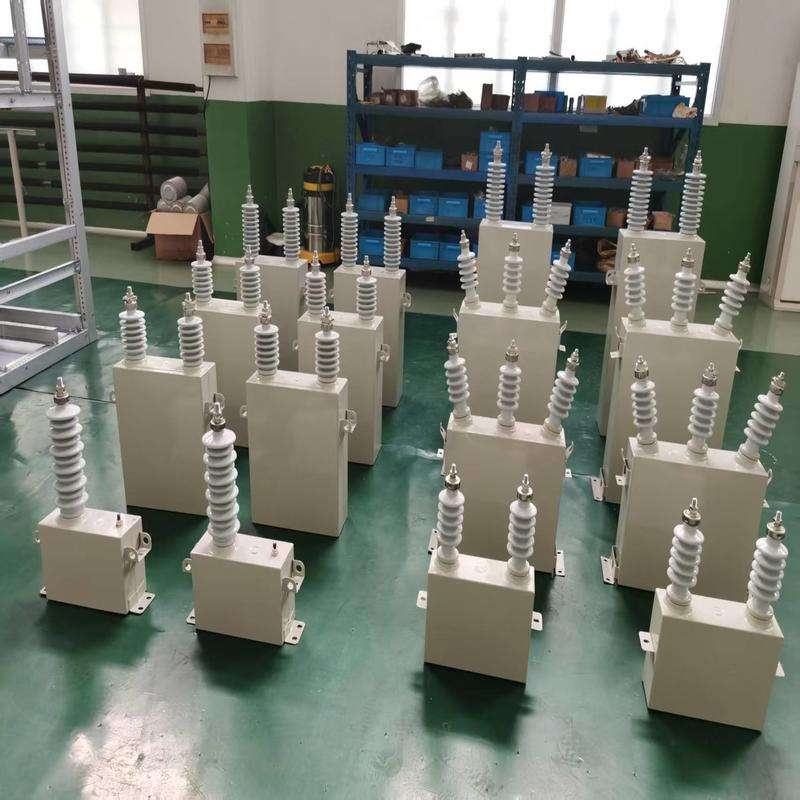
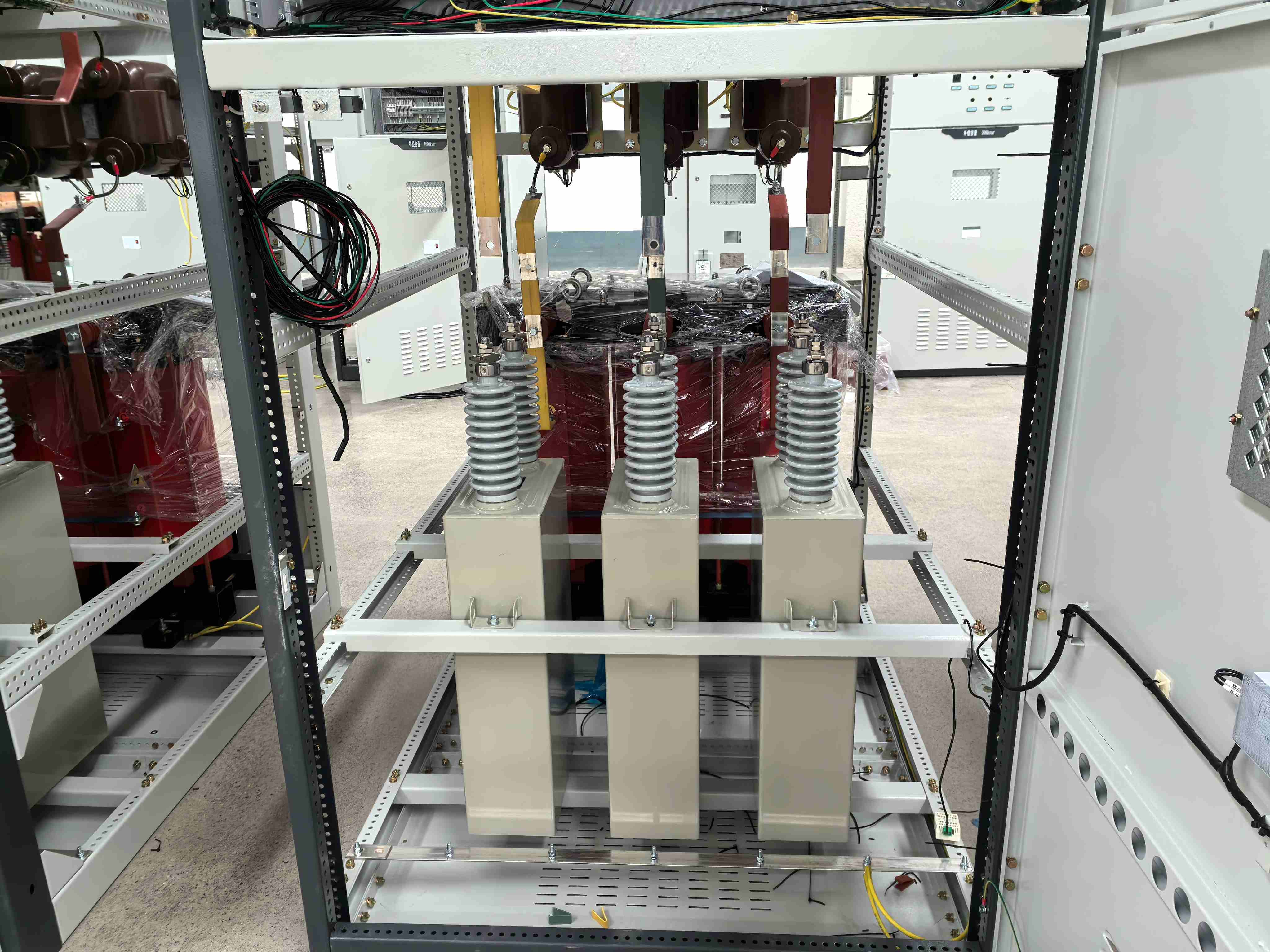
Static Var Generators (SVG) or Active Power Filters (APF) are combined with Thyristor Switched Capacitors (TSC) in hybrid compensation systems to make a flexible power quality solution. Older methods only use stepped mechanical switching, but this design gives a stepless, constant output that changes every millisecond. The active module handles quick changes and fine-tuning, and the inactive capacitor banks handle the majority of the reaction power demand. Response times of less than 10ms are possible with this dual-modality design, which is very important for places where loads change quickly, like robotic welding lines or pharmaceutical packing systems. IoT-enabled sensors send voltage and current patterns to the controller, which then figures out the exact amount of correction that is needed to keep the power factor between 0.99 lagging and 0.99 leading.
How Real-Time Power Factor Correction Works
The operating intelligence of these devices comes from their ability to get rid of problems that standard systems have with over-compensation and under-compensation. When a big machine starts up in your building, the quick inductive load will usually cause the voltage to drop. The active part of the hybrid system reacts right away, putting in the reaction power that's needed before the mechanical contactors could even start to switch. The passive capacitor banks take care of the steady-state reactive demand, which makes the price per kVAR 30–50% lower than with pure active methods. For capacitor banks, advanced algorithms in the controller use zero-crossing switching techniques. This reduces inrush currents and makes parts last longer than 20 years in standard working circumstances.
Resonance Suppression and Harmonic Management
One important benefit that is often ignored is that it stops reverberation. Grid harmonics can cause resonance conditions in traditional capacitor banks, which can cause catastrophic failures like capacitor fires and insulator breakdown. The active part of a Hybrid Dynamic Compensation Device acts like a virtual reducing resistor, finding resonance frequencies and sending countercurrents to stop them. This feature keeps both the pay equipment and your important production equipment safe. The device removes harmonics up to the 50th order and keeps Total Harmonic Distortion (THDi) below 5%, which is what IEEE 519-2014 standards say should happen. This protects motor insulation and stops circuit breakers from tripping for no reason.Procurement teams can see why this technology is an investment rather than just a buy of equipment when they understand these working concepts.
Benefits and Applications of Hybrid Dynamic Compensation Devices in Industrial Plants
Using advanced reactive power correction has real benefits that go beyond theoretical gains in efficiency and can be seen in the way operations are improved.
Quantifiable Energy Savings and Cost Reduction
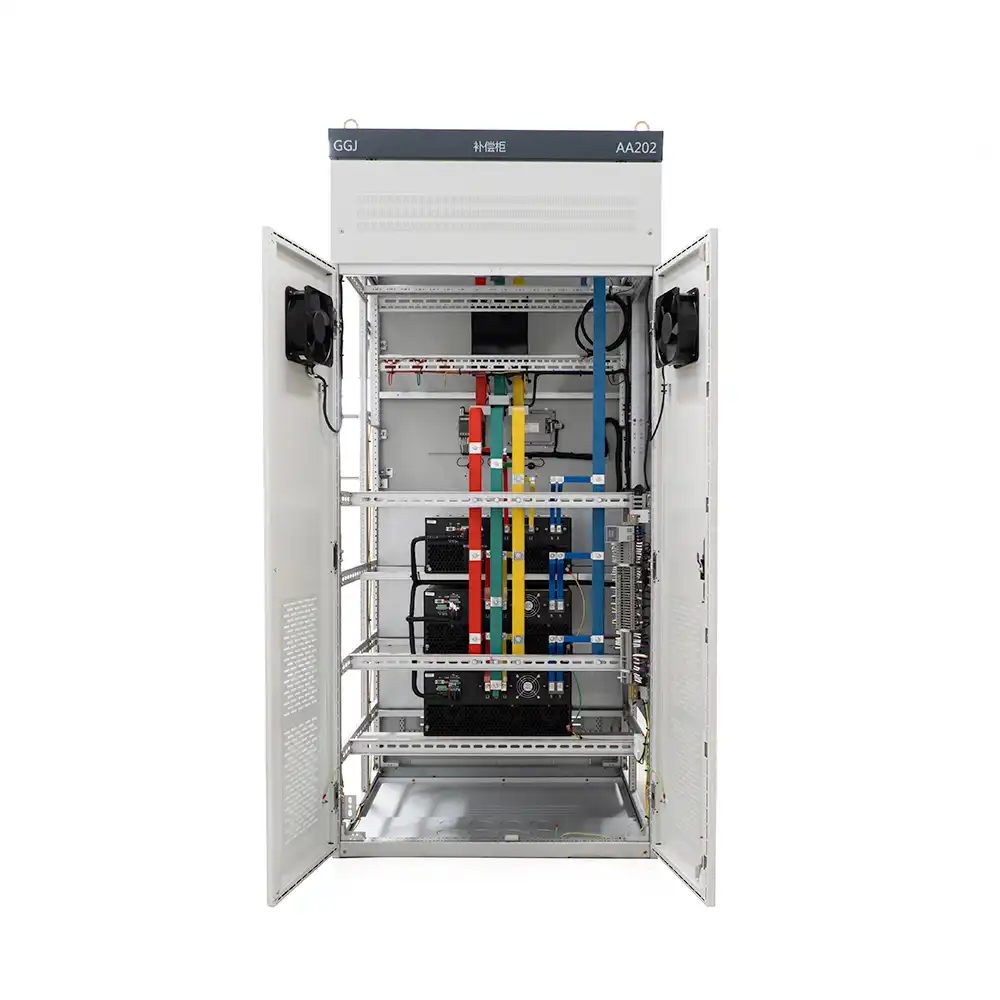
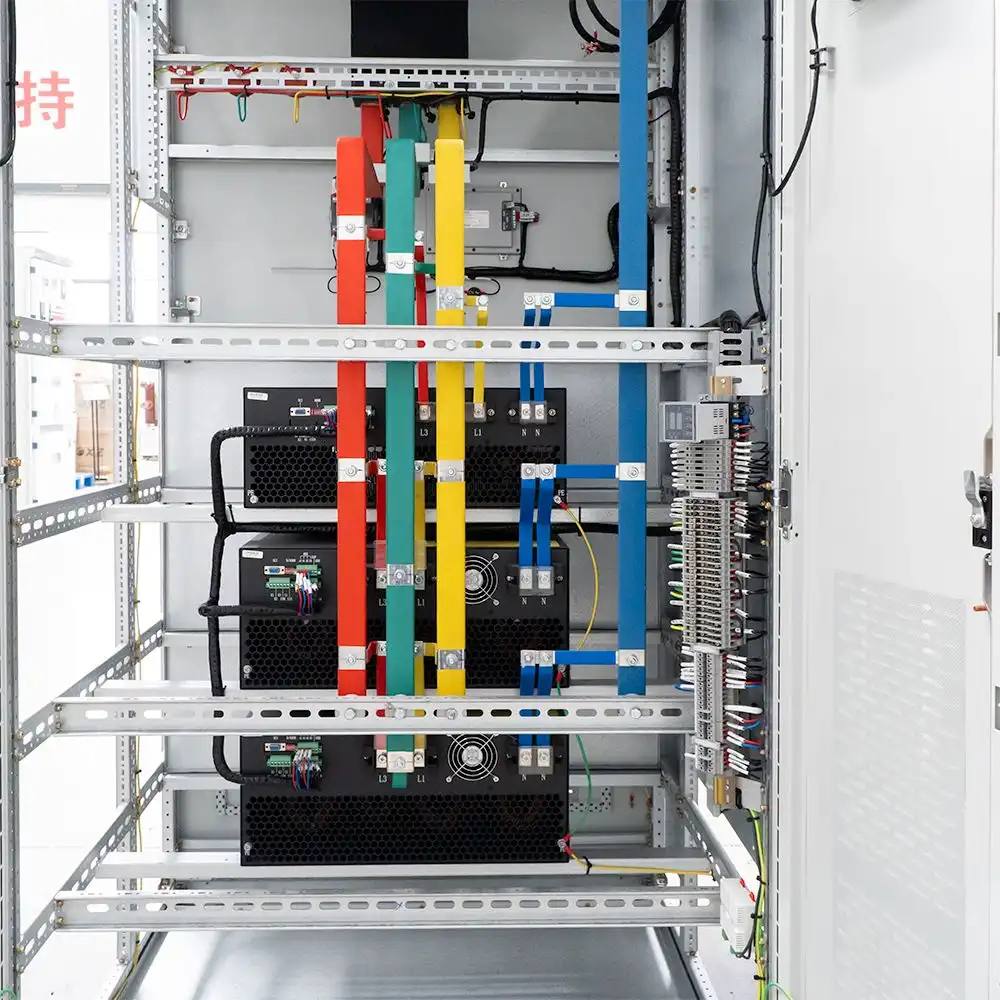
When factories use hybrid compensation technology, their energy costs drop by up to 30% in the first year they are open for business. This happens for three main reasons: utility power factor charges are taken away, distribution line losses are cut down, and transformer losses are cut down. In the United States, most utility companies will not charge you extra fees if your building keeps its power factor above 0.95. These fees can add 15 to 20 percent to your regular energy bills. The improved current flow lowers I²R losses in transformers and wires, which means that less heat is made and the equipment lasts longer. The GGJ Low Voltage Reactive Power Intelligent Compensation Device is made for systems with less than 450V of AC. It has AI-driven algorithms that constantly improve compensation, making sure that these saves stay the same even when the load changes.
Industrial Applications Across Critical Sectors
Different industrial settings have their own problems with power quality that can be solved by mixed systems. Traditional capacitors can't keep up with the violent, fast load effects that happen in places that make cars and do a lot of spot welding. The fast reaction feature handles these changes while keeping the voltage stable and stopping flickering, which could mess up precision assembly robots. There is a different problem in data centers because UPS systems and server farms create sensitive reactive power and vibrations. Pure capacitor banks can't fix leading power factors, but the active module in Hybrid Dynamic Compensation Devices can. It absorbs leading VARs and filters harmonics at the same time, improving Power Usage Effectiveness (PUE) measures that have a direct effect on running costs. Large Variable Frequency Drives (VFDs) that power pumps in chemical processing plants cause a lot of harmonic distortion. The adjustment device blocks these vibrations to protect the motor insulation. This keeps the process running smoothly and prevents unplanned downtime that could cost hundreds of thousands of dollars in lost production.
These uses show how the technology can be changed to meet the needs of different types of operations in factories, businesses, and building projects.
Maintenance Optimization and Equipment Longevity
Proper maintenance maximizes ROI in hybrid compensation systems. Active solid-state components require minimal servicing, while passive capacitors need annual capacitance checks and replacement every 5–7 years to prevent detuning and efficiency loss. IP65-rated systems like Xi’an Xikai’s GGJ series enable modular upgrades, reducing downtime from days to hours. Commissioning includes temperature rise testing to ensure IGBT junctions remain below 125°C under full load. Continuous monitoring and remote diagnostics via industrial communication protocols help maintain long-term performance and reliability.
Comparing Hybrid Dynamic Compensation Devices with Traditional Solutions
Figuring out the difference in success between hybrid systems and traditional methods can help you understand why the original investment is higher.
Performance Metrics: Hybrid vs. Static Capacitor Banks
While traditional fixed capacitor banks offer compensation in separate steps, there is often a 10–20% compensation gap that causes ongoing energy fees. Electromechanical contactors have a switching delay of 50 to 100 ms, which is too short for loads that change every millisecond. It's also worth noting that these banks add to the harmonic disturbance and don't protect against resonance situations. Hybrid systems are more than 97% efficient and have response times of less than 10ms. They also offer constant correction. The active module fills in the gaps between capacitor steps to keep your facility's power factor at its best, even if the load changes. When looking at the total cost of ownership over 15 years, the higher initial purchase price of hybrid technology is balanced out by its better performance and lower upkeep needs, resulting in a net savings of 20–35% based on the facility's load characteristics.
Adaptability to Modern Industrial Loads
Automation has changed manufacturing settings a lot, causing problems with power quality that equipment made in the 1980s can't solve. Modern industrial loads produce harmonics, change quickly, and have both inductive and reactive parts at the same time. Static solutions can't change on their own, so when production lines change, they often need to be changed by hand. With the help of real-time data, Hybrid Dynamic Compensation Devices change their output automatically, taking care of the complexity of modern electrical systems without any help from an assistant. This flexibility is especially helpful for facilities that are growing or changing how they make things, because it means that the pay system can keep working perfectly without having to be rearranged.
Reliability and Risk Mitigation
Traditional capacitor banks are prone to failures caused by resonance conditions, voltage transients, and switching-induced thermal stress, which can lead to arc flash risks and costly production downtime. High-quality hybrid systems mitigate these issues using surge protection (zinc oxide arresters), harmonic reduction reactors, and thermal management to maintain safe operating conditions. Advanced designs also include redundancy, allowing capacitor banks to operate in fallback mode if active modules require service, ensuring continuous power factor correction and improving system reliability and uptime.
How to Choose the Right Hybrid Dynamic Compensation Device for Your Industrial Plant
To choose the right replacement equipment, you need to carefully look at the technical details that match the electrical features of your building.
Assessing Your Facility's Reactive Power Requirements
Start by doing a full power quality audit that checks the power factor profile of your plant during different production plans. Without any adjustments, most industrial plants have power factors between 0.70 and 0.85, which shows that they need a lot of reaction power. Use the formula kVAR = kW × (tan θ₁ - tan θ₂) to find the needed adjustment capacity. Here, θ₁ is the current power factor angle and θ₂ is the goal angle. To prepare for future growth, add a 20–30% capacity cushion. This will make sure that the system can handle more loads without having to be replaced. Use a power quality tester to record harmonic levels. If Total Harmonic Distortion is higher than 8%, devices with strong filtering skills should be chosen first. For systems below AC 450V, the GGJ Low Voltage Reactive Power Intelligent Compensation Device comes in a range of sizes, from 50 kVAR to 1200 kVAR. It can also be customized to meet specific needs.
Key Technical Specifications and Compatibility Factors
Check that the device works with the distribution voltage in your building, which is usually 400V, 480V, or 690V in U.S. industry settings. This is the most important feature. Check the device's ability to respond to changes in load, looking for systems with total response times below 20ms for buildings with changing loads. Make sure the device meets the requirements of IEEE 519-2014 for harmonic control and IEC 61000-4 for electromagnetic compatibility. This will make sure it follows the rules and keeps your other electrical equipment safe. Check to see if it works with the equipment you already have. Good compensation devices work with global cabinet systems like MNS, GCK, and GGD setups, which makes installation easier in places where the electrical infrastructure is already in place. For places with tough weather, thermal performance specs are important. Enclosures with an IP65 grade can handle dust and water, and the ambient working ranges should cover the widest range of temperatures in your area.
Evaluating Vendor Support and Warranty Terms
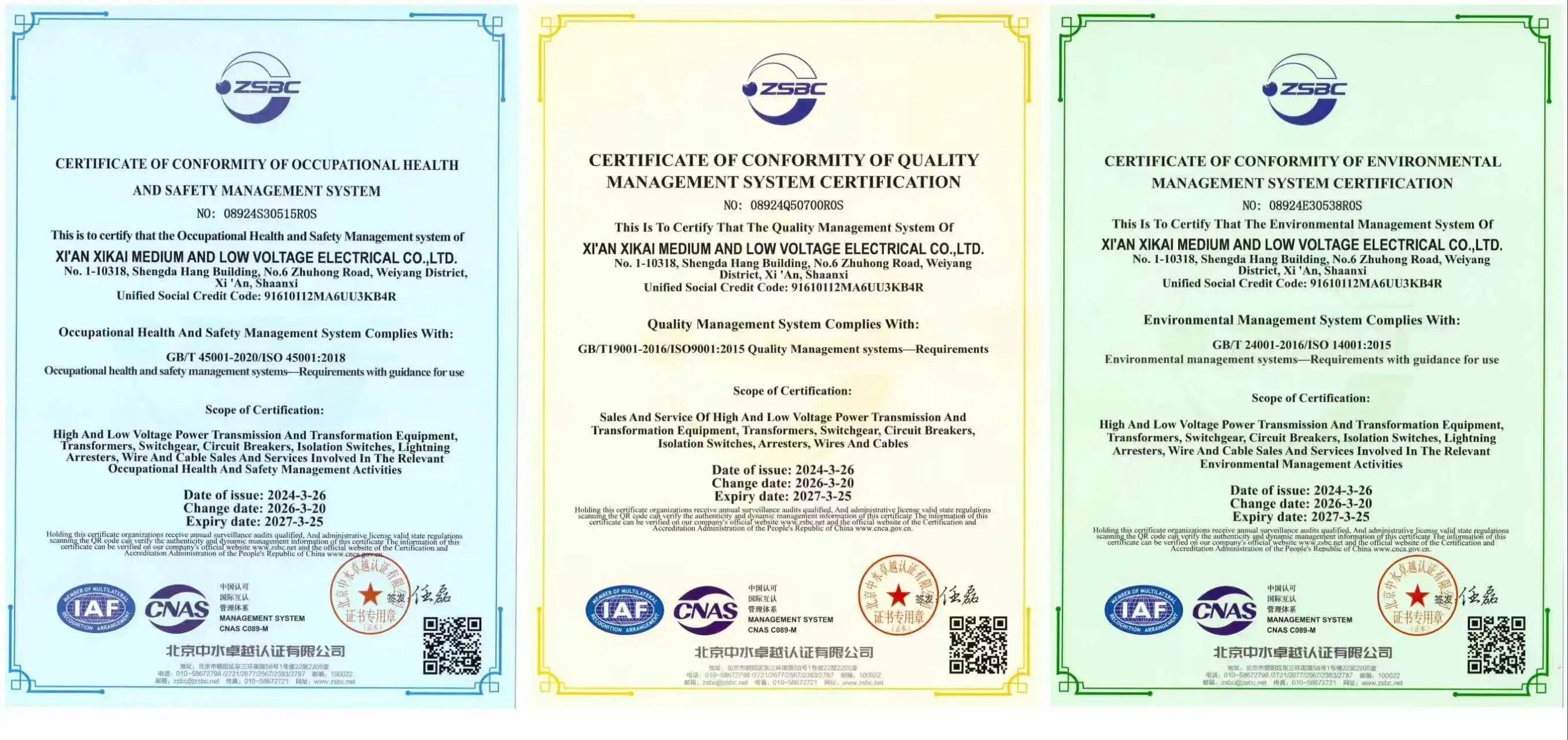
Vendor support and warranty terms extend beyond initial purchase and are critical for long-term system reliability. Key factors include response speed for technical support, availability of local service teams, and clear warranty coverage of at least five years. Quality assurance practices such as 72-hour harmonic stress and load testing reduce field failure risk. Customization capabilities also reflect engineering strength. Xi’an Xikai provides 24/7 global support and holds ISO 9001, ISO 14001, and ISO 45001 certifications, ensuring product quality and operational reliability throughout the equipment lifecycle.
Procurement Guide: Buying, Installation, and Support for Hybrid Dynamic Compensation Devices
Getting through the buying process quickly cuts down on the time it takes to see results and lowers the risks of implementation.
Identifying Reputable Suppliers and Evaluating Proposals
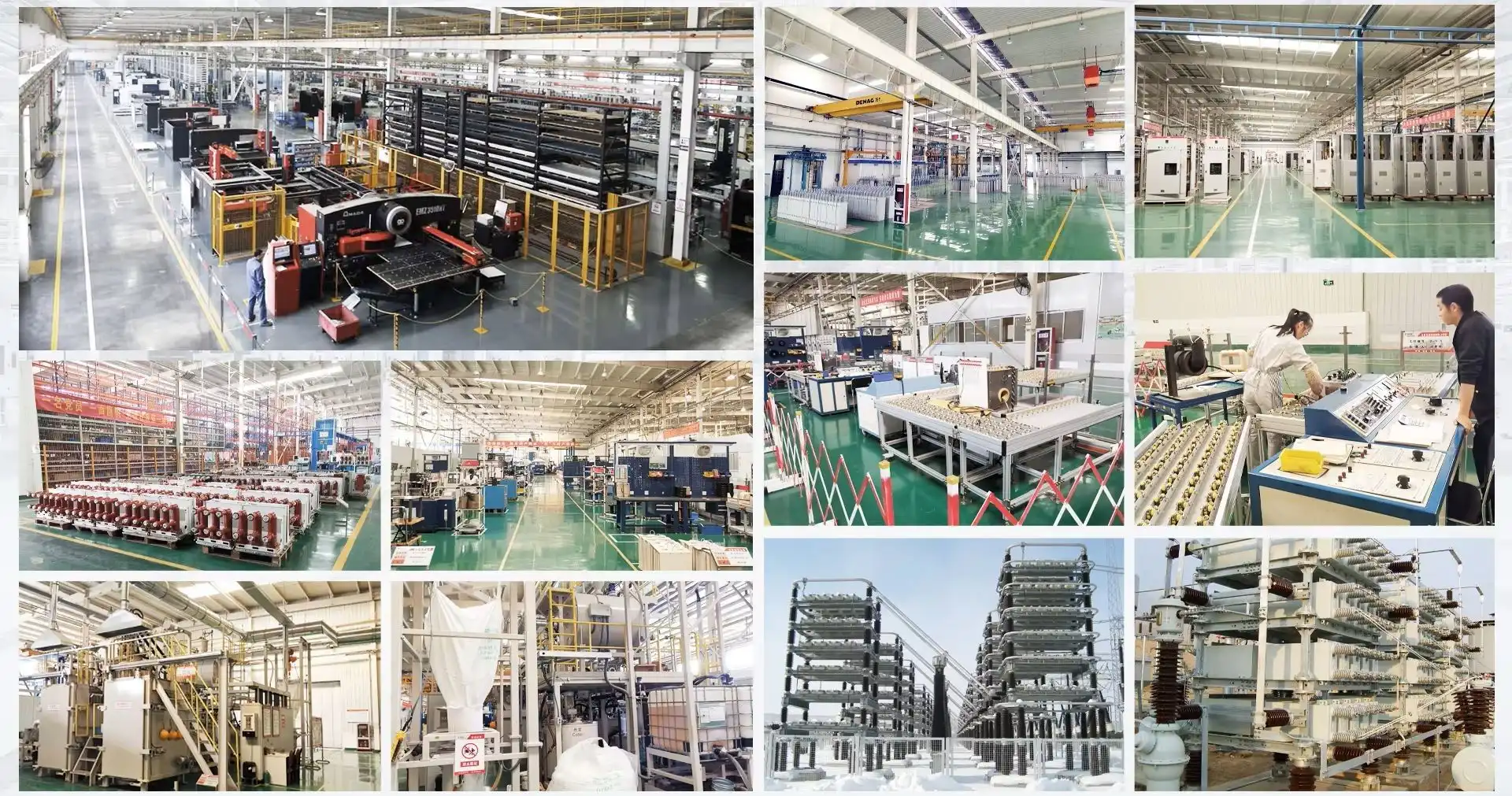
Buy equipment from companies that have a history of working with power electronics and have installed equipment in your business before. Ask for case studies that show how deployments have worked well in sites with similar production needs and power conditions. Check out the manufacturer's research and development (R&D) skills. Companies that have been working in power electronics for 15 years or more and have been a part of national grid projects have a lot of experience, which means their products are more reliable. Don't just look at the prices of the equipment; also look at how much the whole job will cost, which includes shipping, installation help, operational services, and training for the operators. When buying in bulk, unit costs can drop by 15–25%, which is important for providing multiple buildings or running a big campus-style business. As one of China's biggest factories for making medium and low-voltage electrical equipment, Xi'an Xikai offers complete system solutions with a product line that includes high and low-voltage switchgear, transformers, and power electronics, making it possible to get all of your electrical system needs met by a single source.
Installation Considerations and Timeline Planning
Plan installations to happen during planned downtimes in production to keep the impact on operations as small as possible. Most installations of Hybrid Dynamic Compensation Devices take between two and five days, based on how complicated the system is and what changes need to be made to the current infrastructure. Make sure that the electrician you hire has experience installing power gadgets. Installing them incorrectly can void guarantees and put people in danger. The device needs to have enough air flow for the cooling systems to work and enough space for repair workers to get to it. Make sure the quality of the power coming in meets the manufacturer's requirements. If the supply side has too much voltage imbalance or harmonic distortion, it may need to be pre-filtered before the adjustment device can work. Instead of just bench testing, put the system into service under real load conditions. Make sure the device meets the goal power factor across the full load range of your building. Record baseline readings before installation and full performance data after starting. This will create proof that the system paid for itself.
After-Sales Support and Long-Term Service
Make sure you can easily talk to your supplier's technology support team and give them your emergency contact information. Premium providers offer online testing through industrial communication protocols, which lets problems be fixed more quickly without having to go to the site. Make it clear when extra parts are available and how long it takes to get them, especially for secret parts inside the active module. Plan preventive maintenance checks that happen once a year and include measuring capacitance, taking heat pictures of connections, and making sure the tuning of the control system is correct. These cautious steps stop problems from happening out of the blue, which could stop production. Good systems, like the GGJ device, should come with a 5-year guarantee that covers both parts and work. The warranty service response times should also be made clear. When you see your equipment seller as a partner instead of just a provider, they can help you save money by making suggestions on how to improve your system as your building's electrical needs change.
A structured approach to buying lowers risks and makes sure that your pay system works as planned from the very first day it starts.
Conclusion
Hybrid Dynamic Compensation Device hybrid dynamic compensation technology has been shown to help manufacturing sites lower their energy costs while keeping the quality of their power at its best. Using active power electronics along with passive compensation parts makes the system work better than standard static systems. It has measured benefits like 30% lower energy costs, no more utility penalties, and longer equipment life. The fact that the technology can handle current industrial loads, such as welding in car parts factories and data centers, shows how useful it is in a wide range of situations. Careful selection based on the needs of the facility, along with proper installation and care, guarantees that these systems will continue to provide value for more than 20 years. This makes them smart investments in improving the efficiency of industrial operations.
FAQ
1.What differentiates hybrid systems from standard static var generators?
Static Var Generators use electronics that use 100% power, which gives them great speed but high costs. Active parts make up about 30 to 50 percent of the capacity of hybrid devices. They handle fine-tuning and harmonic filters, while cheap capacitors handle the bulk reaction power. This architecture gives SVG-level speed at a much lower cost per kVAR, which means that the total investment is usually 30–50% less for the same amount of compensation capability.
2.Can the device continue operating if the active module fails?
When the main IGBT module needs service, high-end hybrid systems have backup modes where capacitor banks keep working with thyristor-switched operation. This backup makes sure that your building keeps its base power factor correction during maintenance, so that you don't get charged extra by the utility company and the power quality stays good until full functionality is restored.
3.How does the system handle both inductive and capacitive loads?
It is only passive capacitors that can fix inductive loads. However, the active SVG module in hybrid devices creates inductive reactive power to fix capacitive loads. Along with standard inductive motors and transformers, this two-way ability works well in modern buildings that have LED lights, computer equipment, and other capacitive parts.
Partner with Xi'an Xikai for Advanced Power Quality Solutions
Power quality problems at your building need expert knowledge and tried-and-true technology. As a top producer of Hybrid Dynamic Compensation Devices, Xi'an Xikai Medium & Low Voltage Electric Co., Ltd. has a wide range of skills and has worked with companies in the industrial, building, and business sectors. Our GGJ Low Voltage Reactive Power Intelligent Compensation Device mixes control methods that are driven by AI with a strong design that meets IP65 standards. It works reliably in harsh industrial settings. The device works with global cabinet systems (MNS, GCK, and GGD), which makes it easier to connect to your current power system. Our engineering team, which is certified by ISO 9001, ISO 14001, and ISO 45001, can make configurations that are exactly right for your load factors and working needs. Talk to one of our technical experts at serina@xaxd-electric.com, amber@xaxd-electric.com, or luna@xaxd-electric.com about how reactive power optimization can lower the cost of energy for your building while making the system more reliable.
References
1. Institute of Electrical and Electronics Engineers, "IEEE Recommended Practice and Requirements for Harmonic Control in Electric Power Systems," IEEE Standard 519-2014, New York, 2014.
2. International Electrotechnical Commission, "Electromagnetic Compatibility (EMC) - Part 4: Testing and Measurement Techniques," IEC 61000-4 Series, Geneva, Switzerland, 2020.
3. Acha, Enrique, Madrigal, Manuel, "Power Electronic Control in Electrical Systems," Newnes Power Engineering Series, Oxford: Elsevier Science, 2002.
4. Hingorani, Narain G., Gyugyi, Laszlo, "Understanding FACTS: Concepts and Technology of Flexible AC Transmission Systems," Wiley-IEEE Press, New York, 1999.
5. Dixon, Juan, Moran, Luis, Rodriguez, Jose, "Reactive Power Compensation Technologies: State-of-the-Art Review," Proceedings of the IEEE Industrial Electronics Society, Volume 93, Issue 12, December 2005.
6. Singh, Bhim, Chandra, Ambrish, Al-Haddad, Kamal, "Power Quality: Problems and Mitigation Techniques," John Wiley & Sons, London, United Kingdom, 2015.
_1774417662667.png)