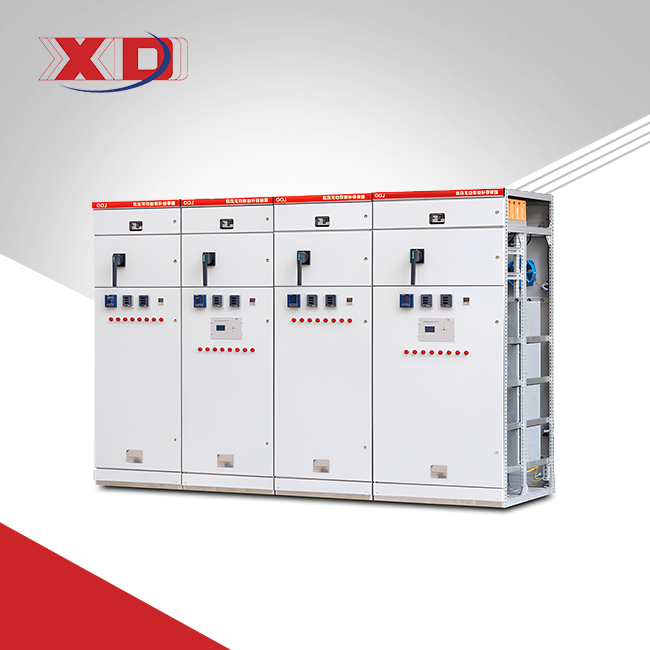
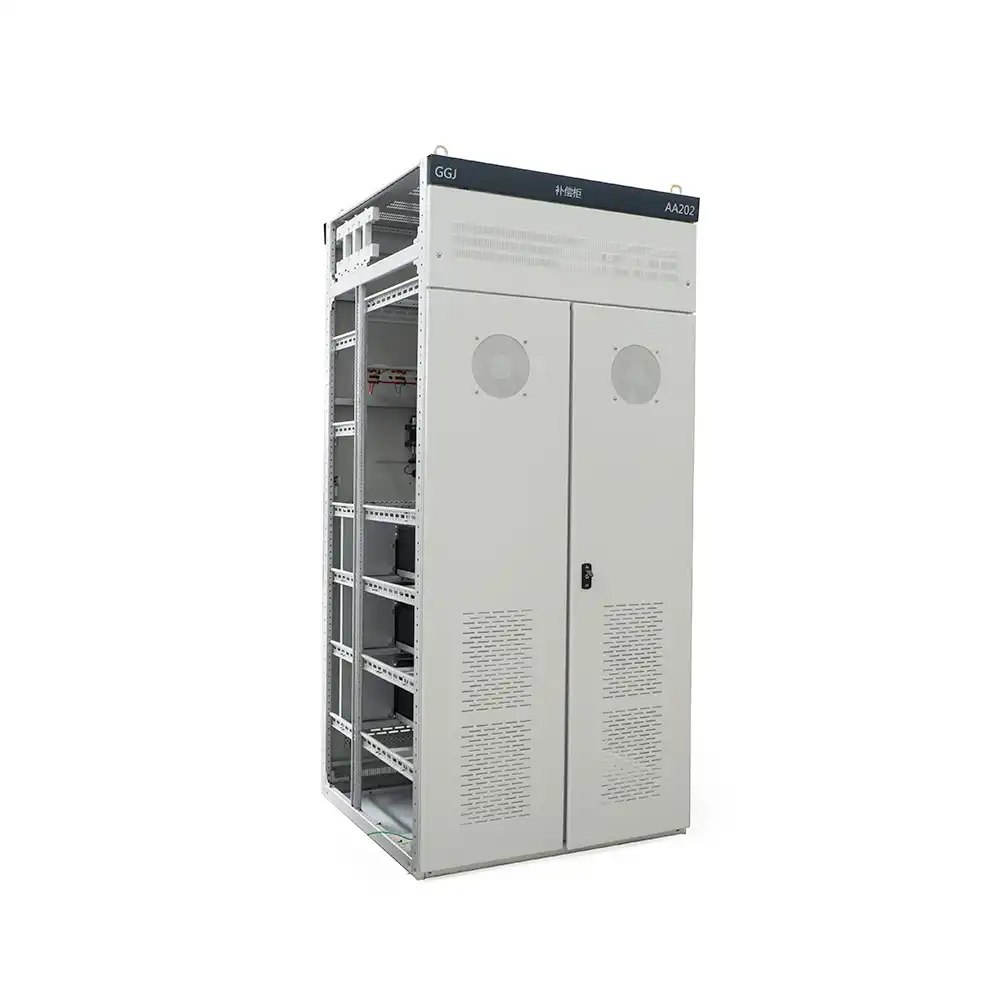
GGJ Low Voltage Reactive Power Intelligent Compensation Device
Why Hybrid Dynamic Compensation Device Is Essential for Smart Grid Stability
2026-06-30 16:18:13
Today's smart grids face stability problems that have never been seen before. These problems are caused by changing loads, irregular integration of green energy, and more complex power needs. Combining traditional reactive power compensation with state-of-the-art power electronics and smart control algorithms, the Hybrid Dynamic Compensation Device has become an important answer. This combination makes it possible to respond quickly—often in less than 10 milliseconds—while still being cost-effective in a way that pure active solutions can't. These devices make sure that modern grids work reliably by fixing voltage changes, harmonic distortion, and reactive power problems all at the same time.
 |
 |
Understanding Hybrid Dynamic Compensation Devices
Architecture and Core Components
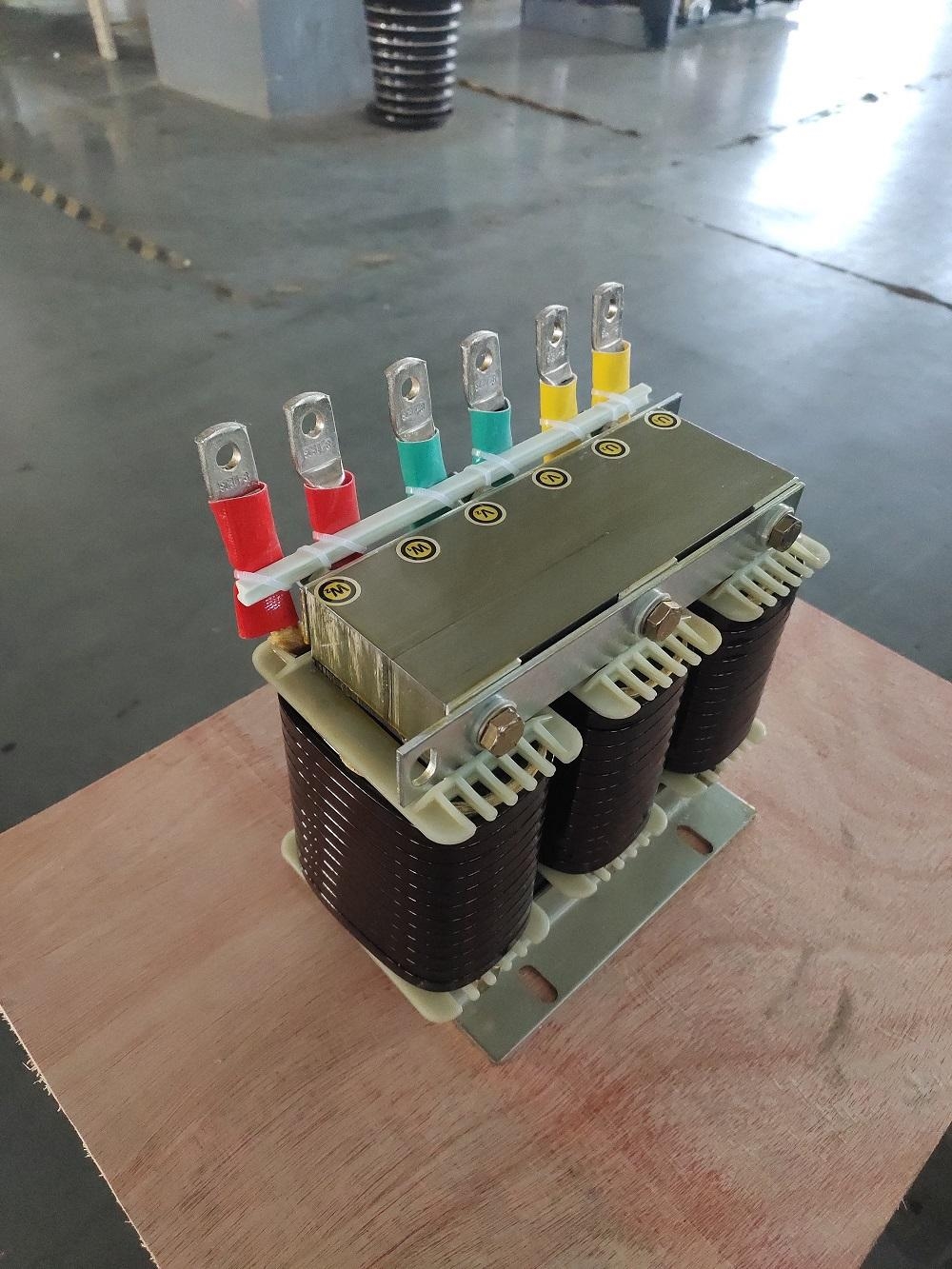
Static Var Generators (SVG) or Active Power Filters (APF) are combined with Thyristor Switched Capacitors (TSC) in a Hybrid Dynamic Compensation Device to make a two-layer compensation system. IGBT-based converters in the active module handle fine-tuning and noise reduction, and passive capacitor banks handle the bulk reactive power needs. This design includes voltage controls, fast-response IoT devices, and smart microprocessors that keep an eye on the grid all the time. The active component works like a damping resistor to keep equipment from breaking and to make sure it works well with existing infrastructure. This is different from independent capacitor banks that can resonate with grid waves.
Operational Principles
The technology constantly looks at the waveforms of three-phase voltage and current and figures out any reactive power shortages that happen in real time. When loads change, like when spot welding is done in auto plants or when UPS systems are switched on and off in data centers, the processor turns on the right adjustment module. When compared to regular contactors, capacitor banks last up to 40% longer because they only switch on at zero-crossing points, which reduces the amount of inrush current. Integrated reactors block harmonics up to the 50th order, and zinc oxide arresters protect against surges during short-term disruption. This coordinated method regularly gets power factors above 0.98, which gets rid of utility penalties that can cut monthly profit margins by thousands of dollars.
Integration Capabilities
Modern hybrid systems are made to work with global cabinet standards like MNS, GCK, and GGD designs. This makes it easier to adapt older buildings without having to do a lot of work to the infrastructure. The modular design lets system developers gradually increase or decrease capacity, so it can meet the reactive power needs of setups ranging from 50 kVAR to multiple megaVAR. Communication methods like Modbus RTU and Profibus make it possible to connect to SCADA systems. This lets procurement teams and facility workers see detailed information about power quality measures and signs that can help them plan for future repair.
Role of Hybrid Dynamic Compensation Devices in Enhancing Smart Grid Stability
Addressing Voltage Fluctuation Challenges
In business settings, unstable voltage can shorten the life of machinery and make processes less reliable. Voltage sags happen when motors start up in factories that use CNC machines. This can mess up numerical control programs and cause expensive production stops. The hybrid correction method allows for stepless changes in reactive power, filling in the gaps between capacitor steps that other systems can't. Field studies in metallurgical plants show that voltage deviations drop from ±8% to ±2% after introduction. This is directly linked to less unexpected downtime and lower maintenance costs.
Reactive Power Management Under Variable Loads
Adding renewable energy causes power to move in both directions and change quickly, which makes it hard for traditional grid management to keep up. Depending on how they are used, solar inverters and wind machines can make both inductive and capacitive reactive power. A straight capacitor bank can't make up for leading power factors that happen when capacitors are installed too large or when there is a lot of spread generation during times of low load. In mixed systems, the active SVG module takes in leading VARs and sends lagged VARs when they are needed to keep the grid balanced. When these devices are put in substations that serve high-penetration green zones, utility companies say that the efficiency of distribution transformers goes up by a meaningful amount, usually by 3 to 5 percent.
Transient Disturbance Handling
Lightning hits, grid faults, and switching events all cause short-term overvoltages and current spikes that move through distribution networks. Traditional Static Var Compensators (SVC) only react in 40 to 60 milliseconds, which is too short to protect sensitive semiconductor equipment in data centers or keep motor safety switches from tripping for no reason. The active module in Hybrid Dynamic Compensation Devices has a reaction time of less than 50 microseconds, which is used to send compensating currents that stop vibrations before they get worse and cause stability problems for the whole system. Chemical processing plants that use Variable Frequency Drives have seen an 80% drop in harmonic-related circuit breaker breaks since adding these devices. This helps keep the process flowing continuously, which is important for producing high-quality goods.
Comparative Analysis: Hybrid Dynamic Compensation Device vs Other Technologies
Performance Benchmarking
While STATCOM systems offer great dynamic reaction, they come with high-capacity setups that cost close to $100 to $150 per kVAR. Pure capacitor banks have a low starting cost (about $15 to $25 per kVAR), but they don't reduce harmonics and are vulnerable to resonance. When compared to full STATCOM solutions, Hybrid Dynamic Compensation Device configurations achieve 30 to 50 percent of the cost while keeping system response times below 20 milliseconds. Hybrids also perform better when it comes to energy economy. On average, their system efficiencies are higher than 97%, compared to 94–95% for active-only solutions. This means that they will need less cooling and have lower operating costs over their 20-year or longer lifespan.
Operational Flexibility Advantages
Static Var Compensators work great for utility-scale tasks but aren't cost-effective for industrial buildings that need 200–500 kVAR compensation ranges. Certain harmonic orders can be dealt with by passive filters, but they can't change to changing load patterns. The mixed design changes the ratio of active to passive parts on the fly, only using expensive IGBTs for precise control or harmonic filtering. Intelligently allocating resources is especially helpful in places with changing production plans, like car stamping lines, where reactive demand changes a lot from shift to shift. The operational redundancy is appreciated by engineering firms that create these kinds of systems; if the active module needs repair, the capacitor banks keep correcting the base-level power factor, so there is no loss of full compensation.
Real-World Application Outcomes
To fix power quality problems that were hurting MRI machines, a hospital system in the Midwest of the United States added hybrid compensation to its electricity distribution. Voltage Total Harmonic Distortion (THDv) went down from 6.8% to 1.9%, which got rid of picture flaws that needed expensive rescans before. The building saved $43,000 a year on energy costs by improving the power factor and lowering demand charges. Also, a Texas data center operator got rid of leading power factor penalties that were costing them $18,000 a quarter by using Hybrid Dynamic Compensation Devices that actively handle the capacitive reactive power that UPS systems and server power sources produce. These documented results give procurement teams faith in the expected return on investment (ROI) times, which are usually between 18 and 36 months, based on how energy rates are set.
Procurement and Implementation Considerations for B2B Clients
Technical Specification Evaluation
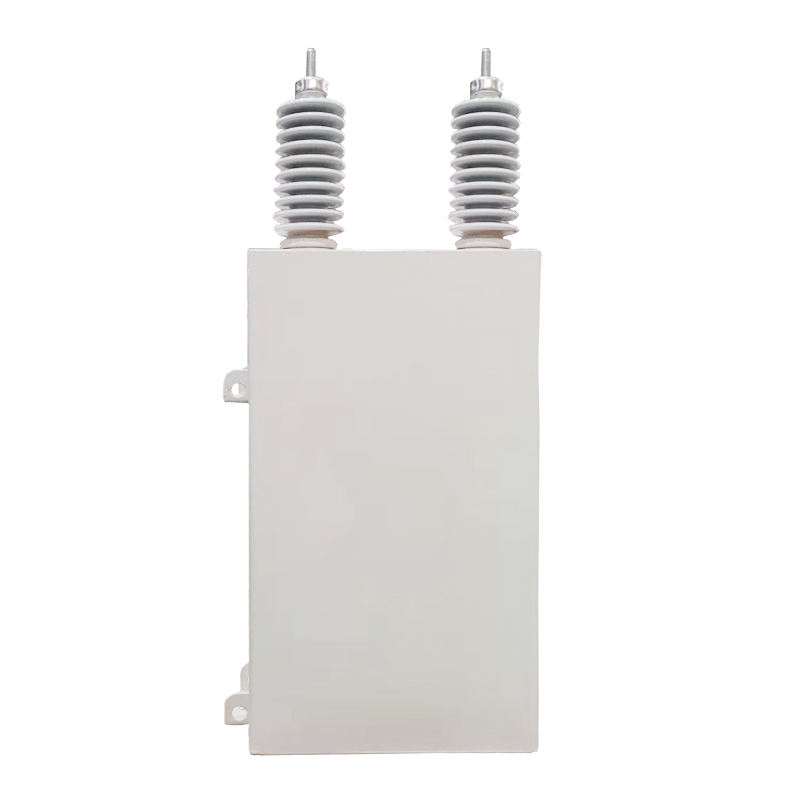
The procurement teams need to make sure that the device's features match the needs of the place. Some important factors are the rated voltage compatibility (380V, 400V, 480V, and 690V), the total reactive power capacity, the ability to filter out harmonics, and the reaction time requirements. As an example of a purpose-built design for demanding uses, Xi'an Xikai's GGJ Low Voltage Reactive Power Intelligent Compensation Device works well in systems below AC 450V and provides automatic reactive power compensation that raises the power factor to desired levels. Its AI-driven algorithms allow tracking and changes to be made in real time, which lowers energy bills by up to 30% and cuts down on distribution line losses and transformer inefficiencies. Check that suppliers follow the IEEE 519-2014 harmonic control standards and the IEC 61000-4 electromagnetic compatibility requirements when reviewing them to make sure they follow the rules in all areas. In this context, the Hybrid Dynamic Compensation Device should be evaluated based on its specific performance metrics.
Supplier Selection Criteria
Because these projects last between 15 and 20 years, having long-term relationships with suppliers is very important. Check the quality of the making by looking at ISO 9001, ISO 14001, and approvals that are specific to the area. For example, CCC for Chinese manufacturers and UL listing for North American markets. Xi'an Xikai's strict testing methods, such as 72-hour load models and harmonic stress testing, show that they are committed to quality assurance in a way that is needed for mission-critical apps. Ask for clear warranty terms that cover both active technology (usually 3–5 years) and inactive parts (5–10 years), as well as a written plan for how to help customers after the sale. Technical support available 24 hours a day, seven days a week, and area service centers reduce the chance of downtime during fixing or replacing parts.
Total Cost of Ownership Optimization
When you add up the costs of installation, commissioning, upkeep, and eventually replacing parts, the initial capital investment is only 40–50% of the total lifecycle costs. Devices with IP65-rated casings can work in tough industrial settings, like foundries where the temperature is high and workers are exposed to salt spray. This means that the devices don't break down as quickly. Modular designs let you update specific parts, which keeps the system useful as load patterns change or grid codes get stricter. Calculate energy savings estimates based on current power factor fines, demand charge structures, and operating hours to create realistic payback times. The GGJ device's compatibility with global cabinet systems lowers installation complexity and labor costs, particularly in retrofit situations where current infrastructure can be maintained.
Future Outlook and Industry Trends
AI-Driven Control Advancements
Machine learning algorithms now study historical load trends to predict reactive power requirements, pre-positioning compensation resources before demand materializes. This ability to predict the future cuts reaction time even more while making the best use of components. Neural network models that have been trained on thousands of switching events can spot capacitor failures before they happen by noticing small changes in harmonic signatures. This allows condition-based maintenance to stop power blackouts before they happen. As edge computing gets better, Hybrid Dynamic Compensation Devices will likely include localized intelligence that makes them less reliant on central SCADA systems. This will make them more resilient to problems with communication networks.
Grid Modernization Synergies
As charging stations for electric vehicles and distributed energy resources become more common, power moves in both directions, which is hard for standard grid designs to handle. Hybrid Dynamic Compensation Devices positioned at key nodes—commercial building service doors, industrial park substations—provide the dynamic voltage support necessary for stable microgrids and virtual power plant operations. Regulatory frameworks increasingly recognize reactive power as an ancillary service with monetizable value; forward-thinking facilities may generate revenue streams by providing grid support services during peak demand periods, transforming compensation equipment from a cost center into a profit contributor.
Sustainability and Efficiency Imperatives
Demand for technologies that lower carbon impacts and boost bottom-line performance is driven by companies' pledges to sustainability. By lowering transmission losses and making the best use of transformer loading, energy-efficient correction directly supports the goals of both LEED certification and the ISO 50001 energy management system. Adopters will do well in ESG reporting models that investors and other stakeholders are looking at more closely because the GGJ device's design is in line with these standards. As global carbon price systems grow, the emissions reductions that come from better power factor—usually about 2 to 4 percent of a facility's electricity use—have real-world financial benefits that go beyond just saving money on energy costs.
Conclusion
The most important thing about Hybrid Dynamic Compensation Device for smart grid stability is that it can combine being cost-effective with managing reactive power very well. These systems solve the main problems that modern electrical infrastructure has, such as voltage instability caused by adding green energy, harmonic pollution from nonlinear loads, and the wasteful use of expensive active solutions that are too big. Performance records in industrial, business, and utility settings show that they can improve power quality, lower running costs, and make equipment last longer. As grids get more complicated and more green energy is added, operators who want to prioritize dependability, efficiency, and financial success in their investments in electricity infrastructure will still need hybrid compensation technologies.
FAQ
1.How does a hybrid system differ from traditional power factor correction?
Traditional capacitor banks offer fixed or stepped reactive power compensation, and simple power factor triggers can turn the whole bank on or off. This leaves holes in the correction between steps and can't deal with harmonics. Hybrid Dynamic Compensation Devices use capacitors for the base load and active electronics to make adjustments continuously and infinitely variablely between steps while removing noise at the same time. This gives accurate power factor control (consistently keeping 0.99 PF) and security against resonance situations that damage regular capacitor installations.
2.What maintenance requirements should facilities anticipate?
The solid-state active modules don't need much care other than firmware changes to include better algorithms and regular thermal imaging to check how well the cooling system is working. The hybrid system's capacitor banks slowly wear out and need to be replaced every 5 to 7 years, based on the change frequency and the environment. Annual capacitance tests find parts that are getting old before they break, which stops power outages that aren't planned for. This repair plan is a lot easier to follow than the one for electrical contactors, which need to have their contacts that are worn down by arcing checked and replaced on a regular basis.
3.Can these devices operate during active module failures?
Premium hybrid designs incorporate fallback modes that keep basic power factor adjustment even if the active IGBT module experiences faults. The thyristor-switched capacitor banks continue working in standard stepped mode, providing critical reactive power support while the active section undergoes repair. This redundancy design ensures facilities never face total loss of compensation, preserving power quality and avoiding utility fines during repair windows.
Partner with a Trusted Hybrid Dynamic Compensation Device Manufacturer
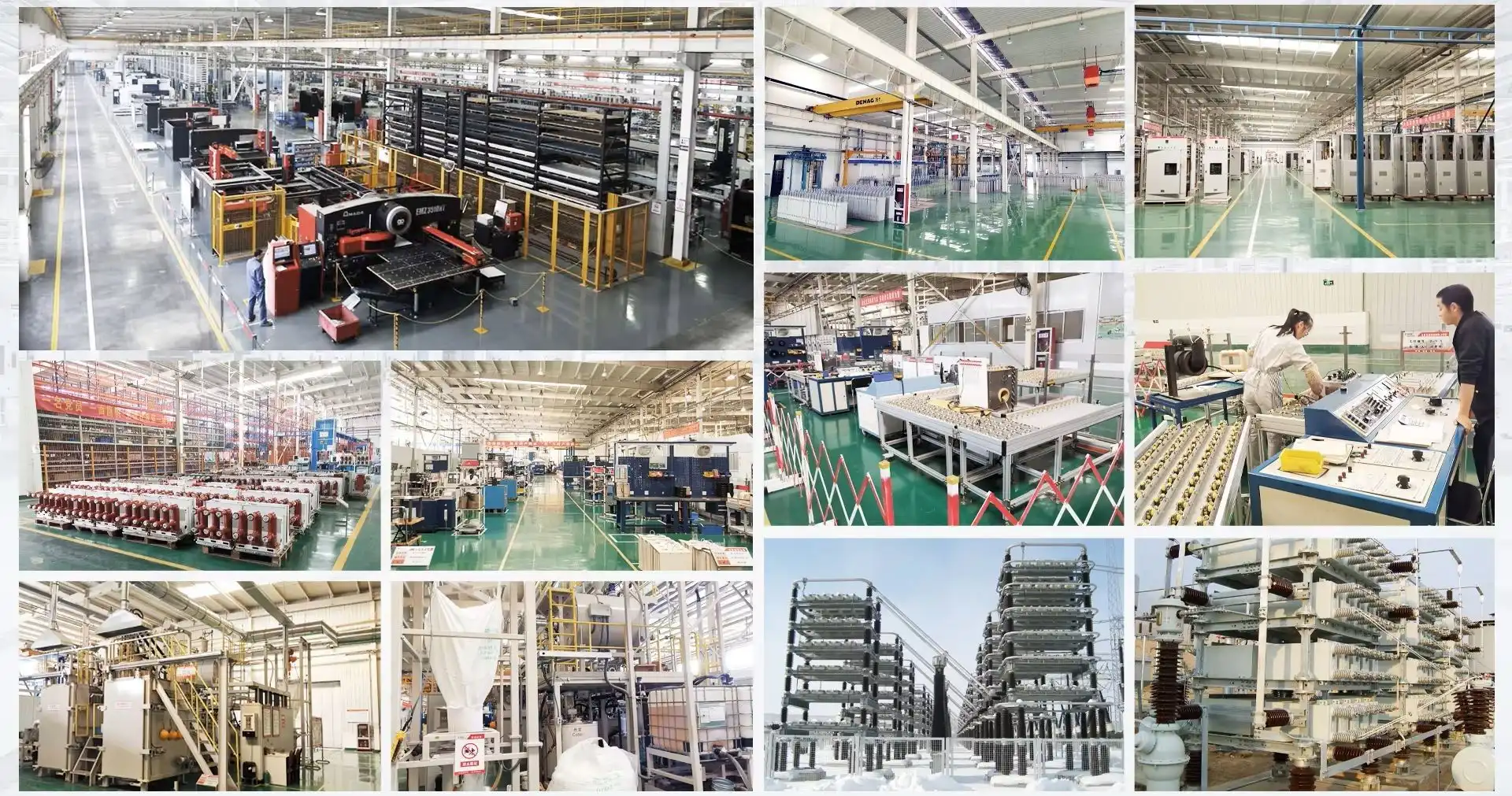
Xi'an Xikai Medium & Low Voltage Electric Co., Ltd. stands ready to support your smart grid stability goals with proven compensation solutions tailored to your unique operating requirements. Our GGJ Low Voltage Reactive Power Intelligent Compensation Device delivers the performance manufacturing plants, data centers, hospitals, and utility operators need—automatic reactive power adjustment, advanced harmonic filtering, and rugged construction meeting IP65 standards for demanding industrial environments. With unique technologies, thorough ISO certifications, and experience serving State Grid systems, metallurgical plants, and renewable energy installations, we bring 15+ years of power electronics specialization to every project. Our engineering team offers customized configurations handling your unique grid problems, backed by 24/7 expert help and a 5-year warranty. Contact our specialists today at serina@xaxd-electric.com, amber@xaxd-electric.com, or luna@xaxd-electric.com to discuss how our Hybrid Dynamic Compensation Device supplier skills can improve your facility's power quality and business efficiency.

References
1. IEEE Standards Association. (2014). IEEE Recommended Practice and Requirements for Harmonic Control in Electric Power Systems (IEEE 519-2014). Institute of Electrical and Electronics Engineers.
2. Miller, T.J.E. (2019). Reactive Power Control in Electric Systems. John Wiley & Sons, Hoboken, New Jersey.
3. Hingorani, N.G., & Gyugyi, L. (2020). Understanding FACTS: Concepts and Technology of Flexible AC Transmission Systems. IEEE Press, Piscataway, New Jersey.
4. International Electrotechnical Commission. (2018). Power Capacitors for Voltage Regulation and Reactive Power Compensation (IEC 61921). Geneva, Switzerland.
5. Blaabjerg, F., & Chen, Z. (2021). Power Electronics for Renewable Energy Systems, Transportation and Industrial Applications. IEEE Press, Hoboken, New Jersey.
6. Electric Power Research Institute. (2022). Dynamic Reactive Power Support for Modern Grid Applications: Technical Assessment and Case Studies. EPRI Solutions, Palo Alto, California.
_1774324496045.png)