Hybrid Dynamic Compensation Device for Reactive Power Correction: Complete Industrial Guide
2026-06-29 16:26:22
Lost productivity, penalties, and energy from power quality issues cost American firms billions annually. A Hybrid Dynamic Compensation Device balances reactive power in real time to fix these issues. Combining the precision of contemporary power electronics with the low cost of capacitor banks achieves this. This thorough guide shows how these high-tech systems boost factory, data center, power plant, and EPC company efficiency when they require reliable, scalable solutions for challenging industrial demands.
 |
 |
Understanding Hybrid Dynamic Compensation Devices: Technology & Principles
Hybrid Dynamic Compensation Devices improve power quality by integrating passive compensation elements with active power electronics. Unlike previous systems that swap capacitor banks separately, smart gadgets adapt to reactive power demands. Thyristor Switched Capacitors (TSC) and Static Var Generators (SVG) or Active Power Filters (APF) are used to create a cost-effective, accurate solution.Operational idea centers on real-time tracking and dynamic adjustment. IoT devices continually monitor all three voltage and current waveforms. The processor determines how to rectify reactive power imbalances or harmonic distortion. The active part permits millisecond stepless fine-tuning, while the passive capacitor banks supply 70–80% of response power. Traditional techniques overcompensate and undercompensate. Two-layer approach addresses such issues and maintains power factor between 0.99 lagging and 0.99 leading.
Core Components and System Integration
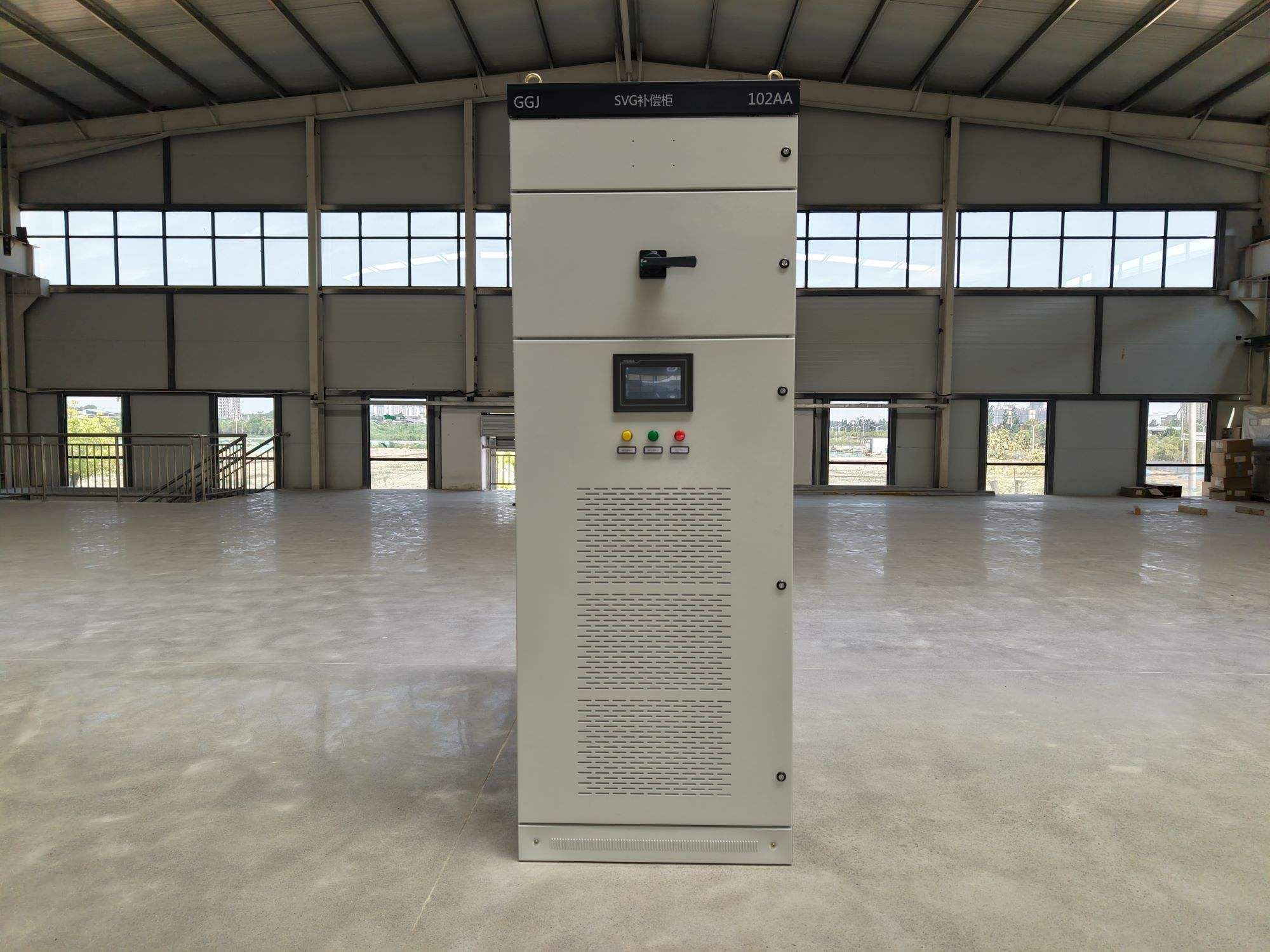
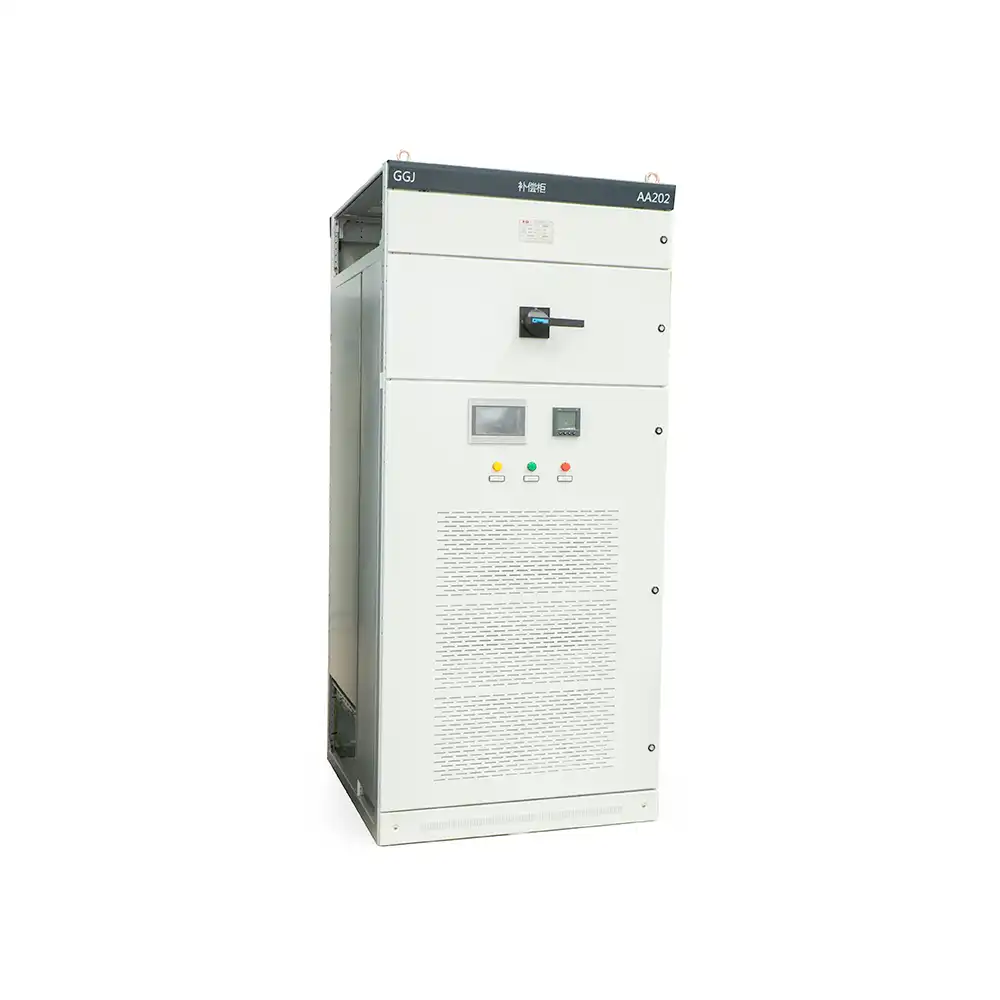
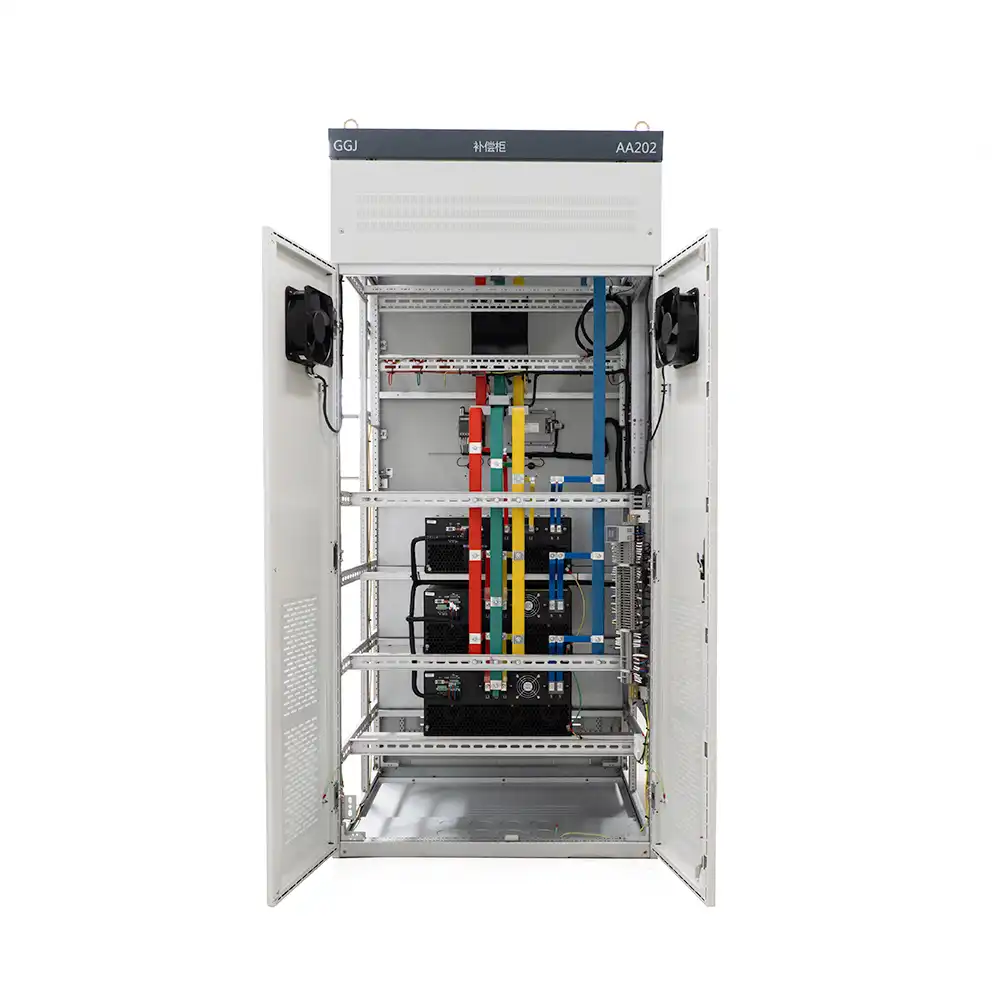
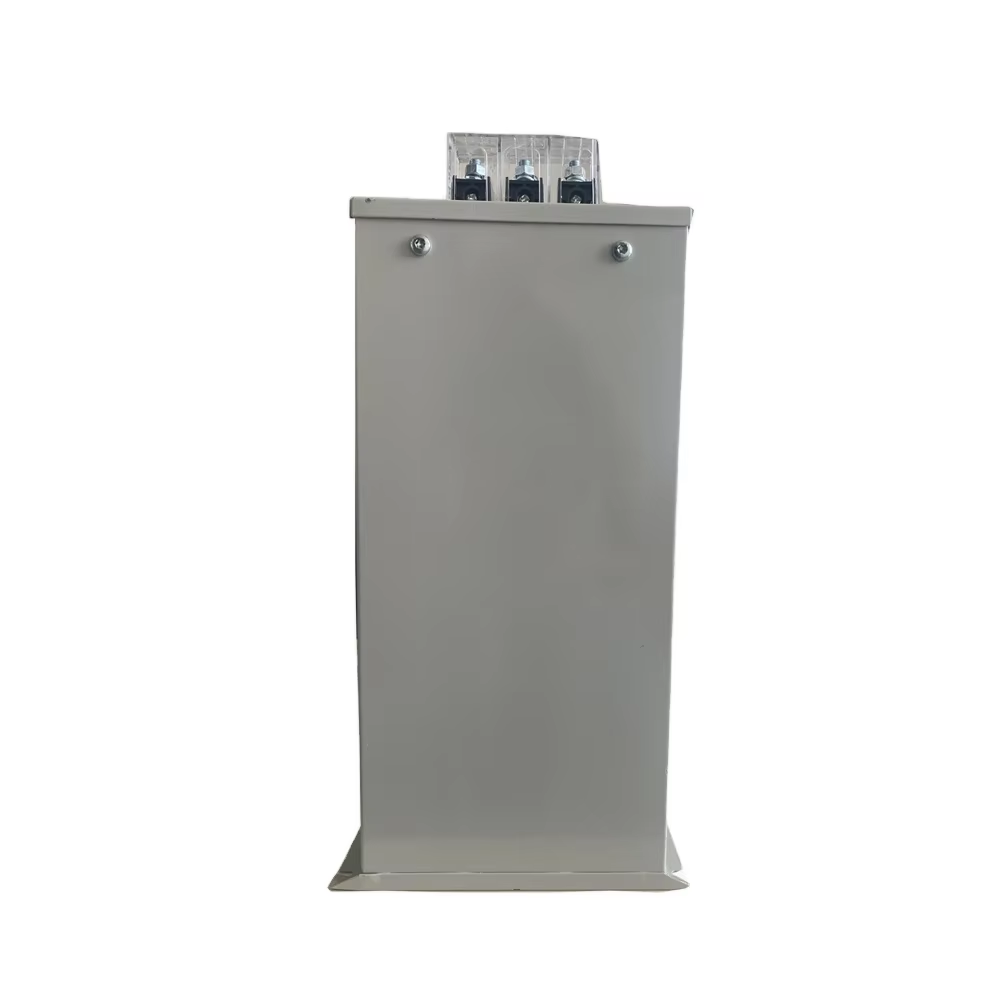
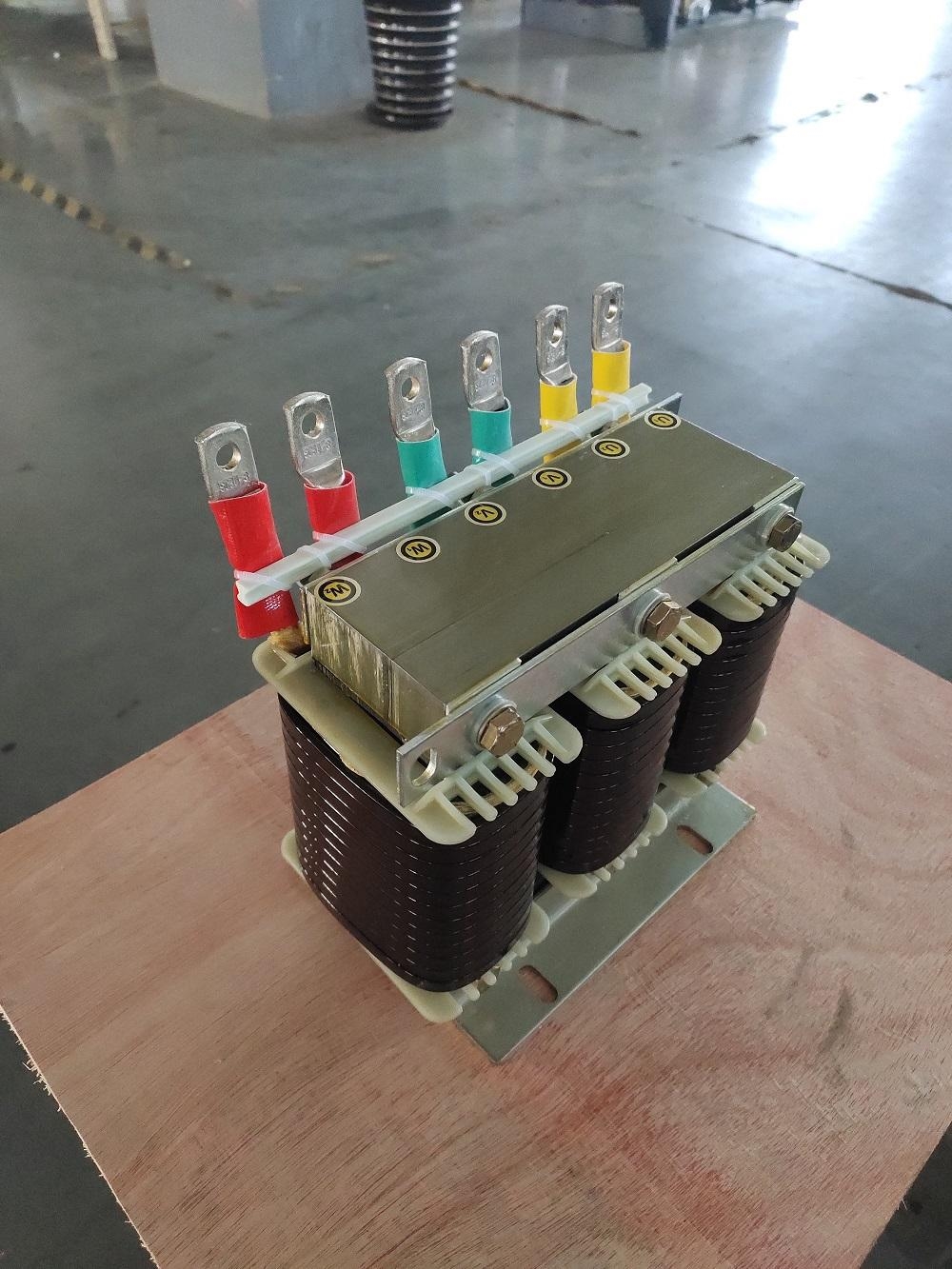
The device has numerous crucial pieces that function together. IGBT or thyristor power adapters switch swiftly and efficiently. Advanced managers utilize algorithms to predict load behavior and allocate resources before demand surges. By introducing regulated resistance at particular frequencies, integrated reactors stop harmonic resonance, which occurs when inactive capacitors adversely interact with grid harmonics. Zinc oxide arresters safeguard sensitive equipment from short-term overvoltage incidents.The GGJ Low Voltage Reactive Power Intelligent Compensation Device from Xi'an Xikai illustrates integration. When the system voltage is below 450V, it quickly alters reactive power correction to increase power factor and reduce distribution line and transformer losses. The gadget works with MNS/GCK/GGD global cabinet systems, making it easy to integrate. Retrofitting, which takes longer than expected and delays projects, is easier.
Technical Performance Metrics
Response speed is a key differentiator of replacement technology. When load varies fast, traditional electrical contactors require 50 to 100 milliseconds to switch, causing power quality gaps. Mixed systems respond in less than 10 milliseconds, with the primary part in less than 50 microseconds. Car companies need this capability because spot welding robots create unexpected, violent loads that flicker voltage without adjustment.Most hybrid arrangements have system efficiency of 97%, which is far greater than pure active choices. Instead of costly power electronics for dynamic correction and harmonic reduction, steady-state reactive power is sent through low-loss capacitors, making this technique more efficient. This design decreases operating temperatures and extends component life, lowering TCO.
Benefits and Applications of Hybrid Dynamic Compensation Devices
Many economic and practical benefits of Hybrid Dynamic Compensation Devices address building management and utility workers' daily challenges. Energy cost reduction is the biggest benefit. Low power factor costs utilities, and reactive current wastes industrial capacity. Hybrid systems save energy expenses by 20–30% in plants with several motors or welding because they automatically optimize power factor.Increasing equipment life saves money indirectly. Voltage and harmonic distortion accelerate insulation loss in motors, transformers, and sensitive electronics. The GGJ device's excellent harmonic filtering and inrush current reduction prevent these dangerous conditions, extending equipment life by 5–10 years in harsh industrial applications. UPS and server power sources generate vibrations and capacitive reactive power that normal capacitor banks can't manage, thus many sites need this protection.
Industrial Manufacturing Applications
CNC machines, manufacturing lines, and robotic systems in heavy industrial operations have constantly changing loads, making traditional adjustment equipment ineffective. Hybrid Dynamic Compensation Devices eliminate power factor costs and can absorb 100 times their indicated capacity surge currents when the motor starts up. In metalworking companies using arc furnaces or rolling mills, the devices maintain voltage even when load fluctuates greatly. This prevents safety relay trips, which disrupt production.Harmonic distortion plagues large variable frequency motors in chemical and water treatment plants. The hybrid system's IEEE 519-2014-compliant active filtering reduces THDi from above 20% to below 5%. Harmonic mitigation protects motor insulation, cools neutral wires, and eliminates meter errors that might cause utility billing concerns.
Utility and Grid Applications
Substation transmission and distribution personnel employ hybrid correction to stabilize voltage throughout service zones. As more intermittent green energy sources are linked to the grid, voltage adjustment becomes difficult. The gadget stabilizes substation power against solar inverter harmonics. This ensures all consumers receive the same power and protects utility equipment from resonance.The quick reaction times of these technologies enable dynamic volt-VAR optimization in smart grid applications. By altering reactive power injection at critical grid nodes, utilities level voltage profiles, reduce line losses, and increase transmission capacity without expensive infrastructure upgrades. Premium hybrid systems offer modular redundancy to remain functioning while the active piece is serviced. This ensures grid reliability.
Commercial Building Retrofits
Current LED lighting and electronic loads in hospitals, retail malls, and office buildings are too much for decades-old power factor correction equipment. Flame-resistant capacitors that exceed NFPA 70 fire standards make the GGJ device easy to install to old systems and quiet (less than 45dB). These qualities are crucial in congested settings where noise concerns and fire safety laws restrict tool use. Due to reactive loads like LED drivers, the device can withstand leading power factor, preventing overvoltage damage to medical equipment or IT infrastructure.
Comparing Hybrid Dynamic Compensation Devices to Alternatives
Know the performance trade-offs of different compensation systems to make sensible purchases that fit your budget and business goals. Static capacitor banks shifted set capacitor steps using contactors based on reactive power levels in the past. They are inexpensive for constant loads but have sluggish reaction times (50–100ms), stepped compensation that produces over- and under-correction cycles, and grid harmonic resonance. Maintenance must increase as mechanical contactors wear out every 100,000 procedures.Stepless compensation and reaction times of less than one millisecond provide pure Static Var Generator systems excellent dynamic performance. The cost per kVAR is excessively expensive for big installations, frequently three to five times higher than Hybrid Dynamic Compensation Devices. Due to the larger initial expenditure, many industrial purchasers cannot accept longer return times. This is especially true for stable bulk reactive power demand.
Performance Comparison Matrix
Hybrid systems are optimal because they employ 70–80% passive capacitor capacity to stabilize the base load and 20–30% active electronics for dynamic adjustment and noise filters. In comparison to full-SVG configurations of the same size, this approach saves 30–50% and has reaction times < 10ms, which is quick enough for all but the largest load fluctuations. Economic benefits are especially evident in regions that demand 500 kVAR or more of adjusting capacity.Traditional capacitor banks are harder to maintain than hybrid and pure active ones. The passive capacitors' capacitance must be tested once a year and changed every 5 to 7 years to prevent detuning, although the active module's solid-state power electronics don't need maintenance for 10 to 15 years. Due to contact wear, mechanical contactors must be examined every six months and changed regularly. The GGJ device's modular architecture allows rapid part changes during designated maintenance periods, ensuring steady output.
Operational Flexibility Analysis
Hybrid correction differs from normal choices with adaptive load management. Factory usage of variable frequency motors, robotic systems, and intermittent high-power tools is growing. These cause rapid power factor changes. Modern stepped compensation can't keep up with these changes, therefore reactive power isn't adequately corrected. Hybrid systems can maintain the desired power factor even when load fluctuates, thus the utility can obtain more incentive payments and avoid penalties.Harmonic reduction also distinguishes them. Vibration from grid resistance makes harmonics stronger, not filtered by passive capacitor banks. This resonance can harm batteries and other electronics. The active module of a Hybrid Dynamic Compensation Device finds resonance frequencies and sends countercurrents to eliminate fluctuations via active damping. This protection extends equipment life and fulfills industrial power quality standards.
Procurement Guide: How to Buy and Maintain Hybrid Dynamic Compensation Devices
Selecting the correct compensation system requires careful consideration of technical features that fit the facility's work and commercial goals. Start with a power quality examination that includes current power factor profiles, harmonic spectrum analysis, and load change patterns throughout many regular production cycles. This standard data allows passive and active compensation modules to be properly designed for real demands without over-specifying Hybrid Dynamic Compensation Devices at high cost.
Critical Technical Specifications
System power compatibility is very crucial. The GGJ device can connect to North American 400V, 480V, and 690V industrial distribution networks because it operates below 450V. Ensure voltage levels accommodate short-term overvoltages and utility voltage variations up to ±10% under heavy demand.Compensation must fulfill size and speed requirements. Determine the reactive power needed at full load, then transmit 70–80% to passive capacitor banks and 20–30% to the active module for dynamic correction. The ratio maximizes cost-effectiveness while maintaining reaction time. At shared coupling, the active module's harmonic filtering must drop THDi below 5% to fulfill IEEE 519-2014 requirements.Response time affects facility performance when loads fluctuate fast. For most industrial usage, aim for a total system reaction time of less than 20ms and an active module response time of less than 1ms for areas with many quick changes, like when cutting or starting a powerful motor. Make sure the manufacturer provides monitor test data to demonstrate how the gadget performs from 0% to 100% load.
Supplier Evaluation Criteria
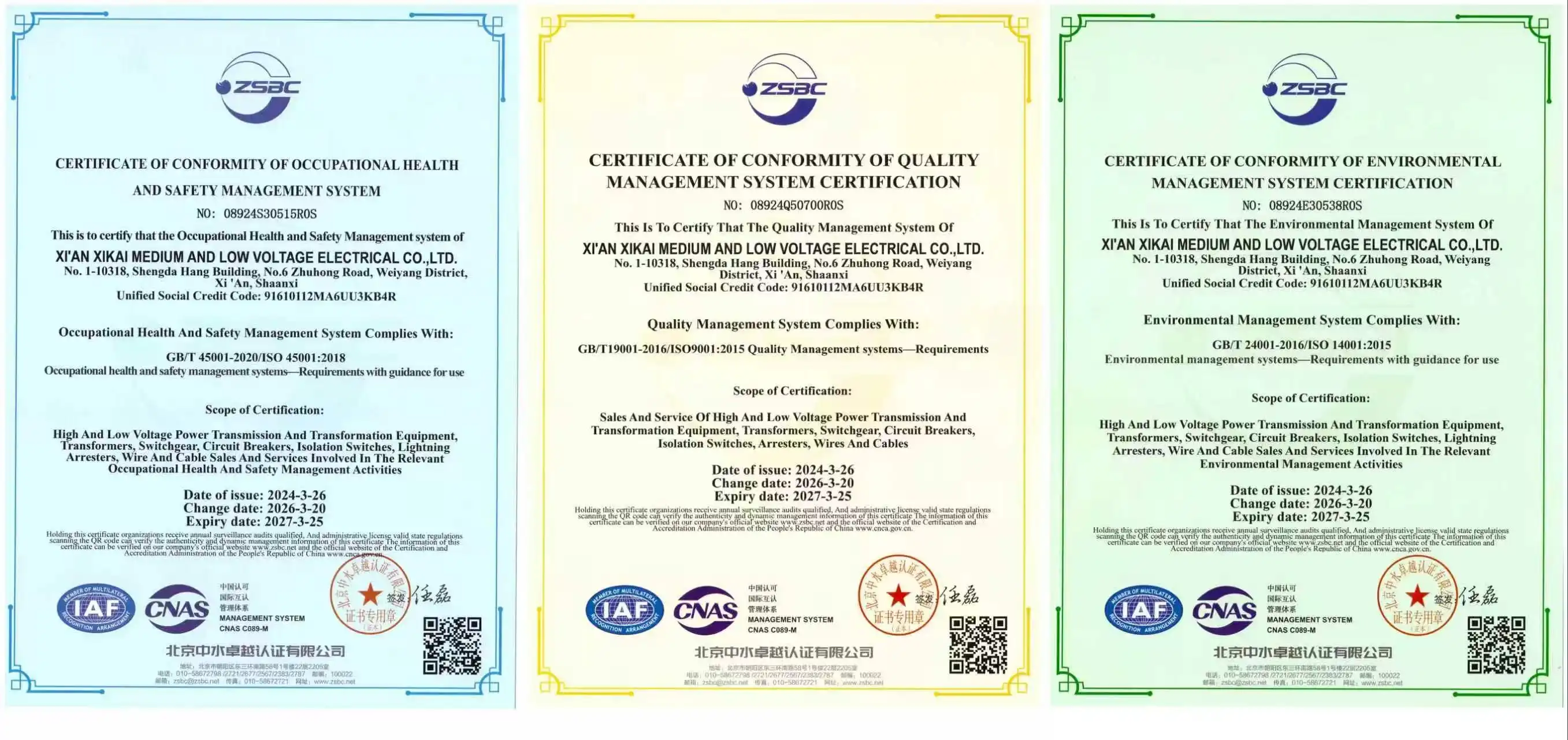
Product quality marks demonstrate reliability and craftsmanship. Prioritize ISO 9001, ISO 14001, and ISO 45001-certified vendors. All three certifications including the China Compulsory Certification (CCC) prove that Xi'an Xikai adheres to global standards. Make sure each item undergoes harmonic stress and 72-hour load modeling testing before shipping.Technical support is crucial for complex power electronics gear. Check if suppliers offer 24-hour technical help through regional service centers and documented reaction times for major failures. Xi'an Xikai's multilingual staff can fix industrial power system issues worldwide. Power electronics modules and capacitor banks should have five-year warranties and explicit written instructions on what the warranty doesn't cover and how to maintain it.
Maintenance Best Practices
A proactive repair program extends system and part life. Annual thermal imaging inspections can detect overheating power semiconductors, capacitors, or busbar connectors before they break. Check capacitance values once a year to discover decaying capacitors that need to be replaced—capacitance lowers 5–10% before failing. In dusty factories, clogged air filters can shut down equipment, so check cooling fans and air filters every three months.Watch power factor trends, harmonic levels, and compensation module consumption rates using the built-in control interface to monitor system performance. Standardize performance signatures during commissioning. Use statistical analysis to detect signals of performance slowdown that may indicate difficulties. IoT sensors provide remote tracking on the GGJ. This allows predictive maintenance plans to change parts during planned downtimes instead of fixing issues as they happen, which slows production.
Trusted Brands and Supplier Overview for Hybrid Dynamic Compensation Devices
When buying capital instruments with a 15–20-year operating life, supplier identity and long-term support are crucial. Your equipment will always have fresh parts, software upgrades, and technical support from reliable power electronics firms. Check potential suppliers' business longevity, client base, and industry standard development for the Hybrid Dynamic Compensation Device.One of China's largest medium- and low-voltage electrical equipment plants is Xi'an Xikai. One of the world's most sophisticated power delivery system integration service providers. The company's seven product groups include power electronics and reactive power compensation systems. Products come in 34 models and over 100 variations. This series ensures that compensating devices function with other devices and are straightforward to include into power distribution modifications.
Manufacturing Excellence and Quality Assurance
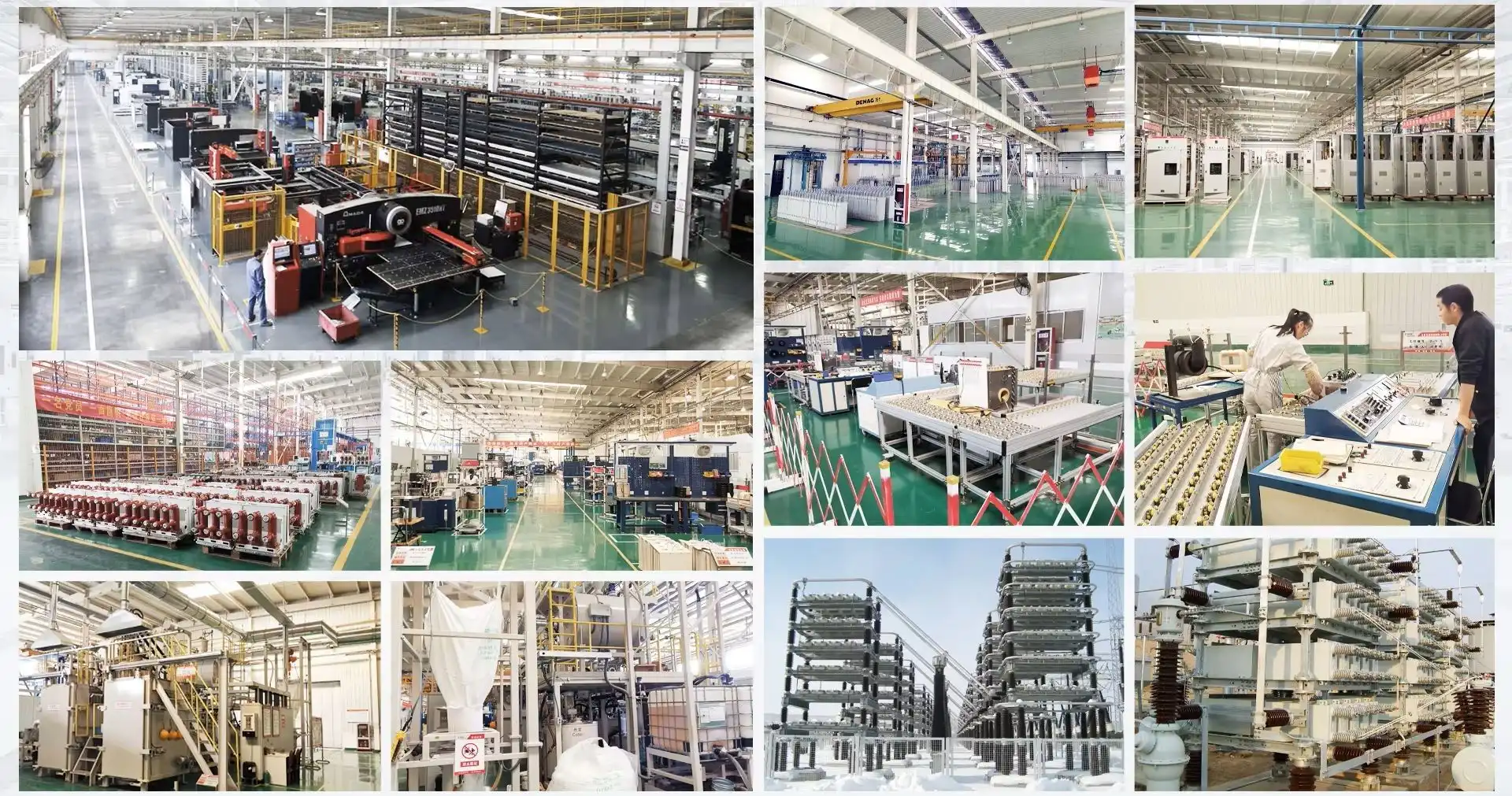
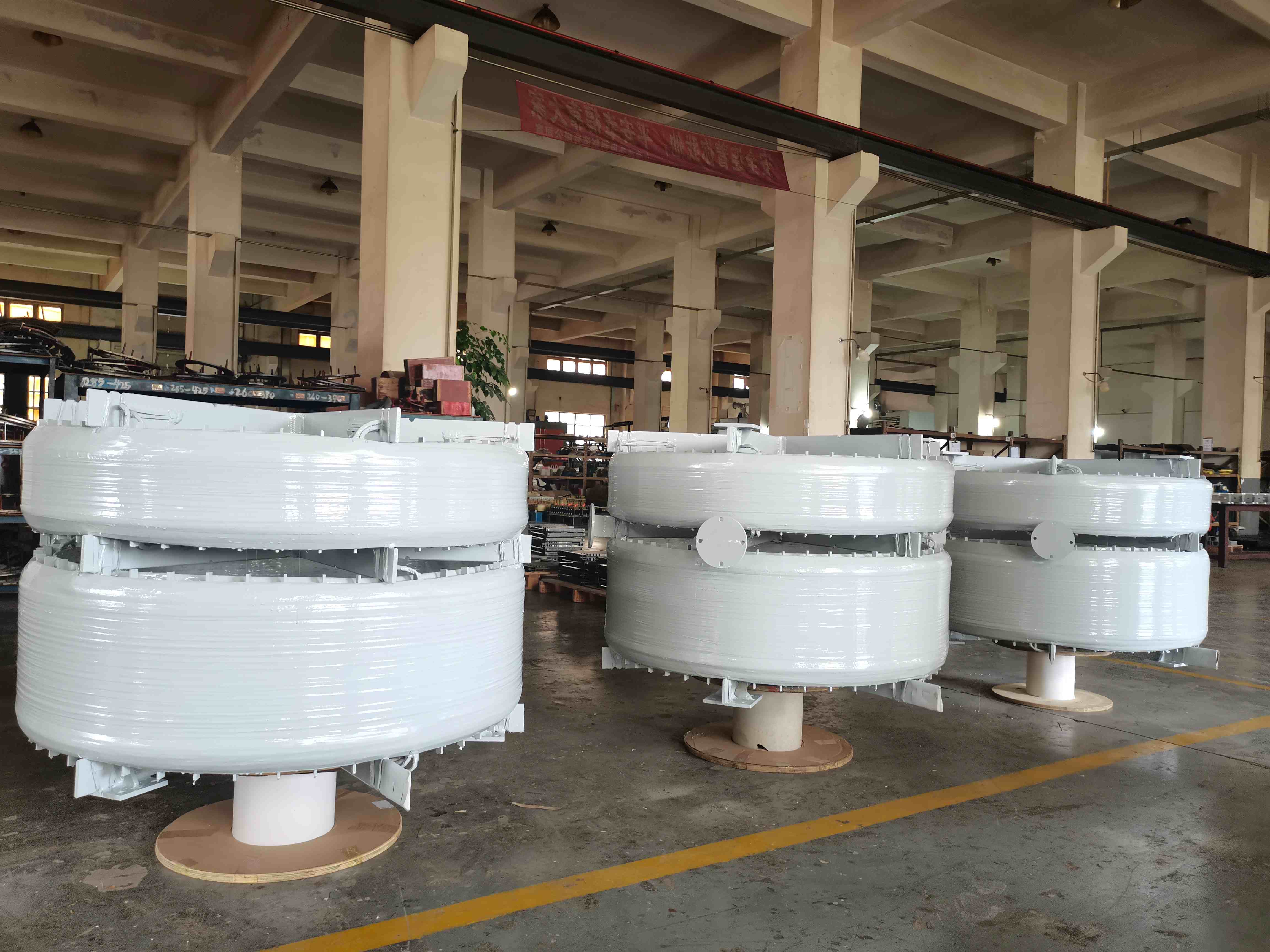
The reliability and cost of equipment depend on manufacturing quality. Xi'an Xikai employs high-quality capacitors and corrosion-resistant enclosures to manufacture products that endure 20 years or more in tough industrial situations. The R&D team has worked in power electronics for over 15 years and participated in national infrastructure projects that test technologies in harsh real-world settings. Strong designs that fulfill IP65 environmental protection standards and may be utilized indoors and outdoors result from this understanding.Testing protocols exceed legal requirements to preserve performance in difficult conditions. Each GGJ device undergoes a 72-hour continuous load experiment to simulate the worst reactive power shifts and harmonic injection levels. Thermal management systems maintain part temperatures safe at maximum capacity, according to temperature increase testing. Busbars and switching modules are dielectrically tested for one minute at 2.5kV. This creates safety intervals against grid surges that might damage shielding.
Geographic Coverage and Support Networks
Lead times, shipping costs, and after-sales support depend on distribution network access. Check for sources in North America to save delivery times for new installations and replacement components. Xi'an Xikai's global support system provides technical assistance and supplementary parts to licensed dealers, reducing downtime when parts need to be changed.Customization enables you satisfy your site's unique demands better than catalog items. Engineers must adapt standard designs for industrial sites with high altitudes, harsh temperatures, or unusual voltage configurations. The plateau-type equipment used in Xi'an Xikai's solutions can work at heights up to 4,000 meters and meets national and industry requirements. You may use it in a variety of locales and conditions without compromising performance.
Conclusion
Hybrid Dynamic Compensation Devices for industrial and corporate facilities greatly increase power quality, efficiency, and cost control. These technologies fix all reactive power and harmonic issues in current electrical infrastructure. They combine passive correction's cost-effectiveness with active electronics' precision and quickness. The GGJ Low Voltage Reactive Power Intelligent Compensation Device includes clever control mechanisms developed for harsh industrial environments and an excellent performance history. These innovative technologies save money on energy, extend tool life, and eliminate utility penalty fees for meeting higher power quality rules, so facilities quickly earn their money's worth.
FAQ
1.How does a Hybrid Dynamic Compensation Device differ from a standard Static Var Generator?
True SVGs employ power circuits, making them quick yet expensive. Active electronics make up 30–50% of hybrid system capacity. They filter noise and fine-tune while inexpensive capacitors supply reactive power. This offers speed equivalent to SVG at a reduced cost per kVAR—30–50% cheaper for configurations of the same capacity.
2.Can the device operate if the active IGBT module fails?
Even when the main module requires servicing, premium hybrid systems use thyristors (TSC mode) to transfer capacitor banks to correct the base power factor. This backup allows facilities to give partial compensation instead of a complete system failure, keeping production continuing while repairs are made.
3.What maintenance is required for hybrid compensation systems?
The solid-state active module doesn't need maintenance, however passive capacitors wear out and must be tested for capacitance once a year and changed every 5–7 years. Annual thermal imaging examinations can detect overheating before parts break. Keep the cooling system from shutting down due to heat by cleaning air filters every three months in dusty areas.
Partner with Xi'an Xikai for Superior Power Quality Solutions
To maximize reactive power compensation, you must pick the correct technologies and build a system that fits your facilities. Due to its power electronics expertise and manufacturing talents, Xi'an Xikai has created tailored solutions for large industrial facilities and important infrastructure projects. Mission-critical electrical system buyers search for the Hybrid Dynamic Compensation Device like our GGJ Low Voltage Reactive Power Intelligent Compensation Device that is reliable, affordable, and performs well.Our engineering team can provide technical advice and ongoing support to manufacturing companies that want to avoid utility penalties, data centers that need to reduce harmonics, and EPC companies that help clients design efficient power distribution. Discuss your power quality issues with our qualified professionals at serina@xaxd-electric.com, amber@xaxd-electric.com, or luna@xaxd.com. As a leading manufacturer, we provide customized system configurations, extensive technical documents, and fast after-sales assistance to maximize your investment.
References
1. Institute of Electrical and Electronics Engineers (2014). IEEE Recommended Practice and Requirements for Harmonic Control in Electric Power Systems (IEEE 519-2014). New York: IEEE Standards Association.
2. International Electrotechnical Commission (2016). Electromagnetic Compatibility (EMC) – Part 4: Testing and Measurement Techniques (IEC 61000-4). Geneva: IEC Publication.
3. Rodriguez, J., & Kazmierkowski, M. (2017). Advanced Power Electronic Converters for Power Quality and Energy Management. New York: IEEE Press.
4. National Fire Protection Association (2020). National Electrical Code (NFPA 70). Quincy: NFPA Publishing.
5. Electric Power Research Institute (2018). Power Quality Application Guide: Reactive Power Compensation Technologies. Palo Alto: EPRI Technical Report.
6. Dixon, J., Moran, L., & Rodriguez, J. (2015). Reactive Power Compensation Technologies: State-of-the-Art Review. Proceedings of the IEEE Industrial Electronics Society Annual Conference, 103(12), 2144-2164.

_1783415937807.jpg)