Hybrid Dynamic Compensation Device Maintenance Tips for Long-Term Reliability
2026-06-26 17:43:54
If you take good care of your Hybrid Dynamic Compensation Device, it will keep working well, avoid sudden power outages, and protect your investment in important electrical infrastructure. These high-tech systems combine active electronics with passive capacitor banks to precisely fix reactive power and reduce harmonics. This makes them essential in factories, data centers, hospitals, and utility substations. Operators can get decades of reliable service while getting the most out of their investments and running their businesses more efficiently by following strict maintenance practices that are in line with IEEE and IEC standards.
 |
 |
Understanding Hybrid Dynamic Compensation Devices and Their Maintenance Needs
What Makes Hybrid Systems Unique
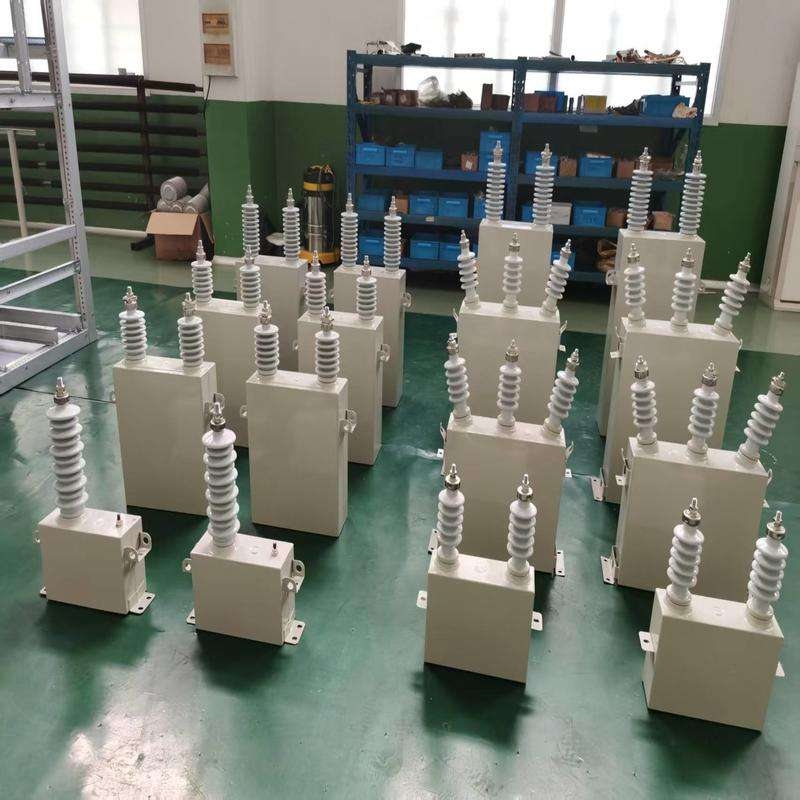
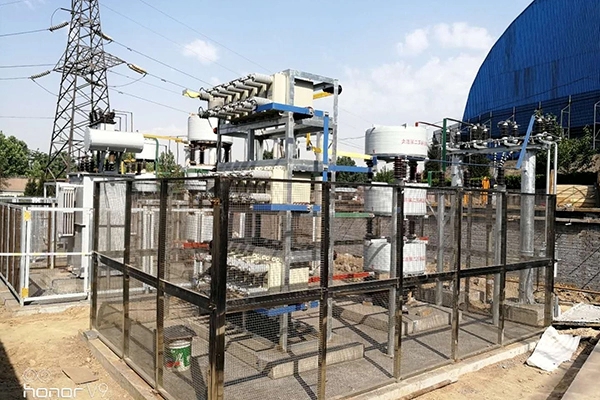
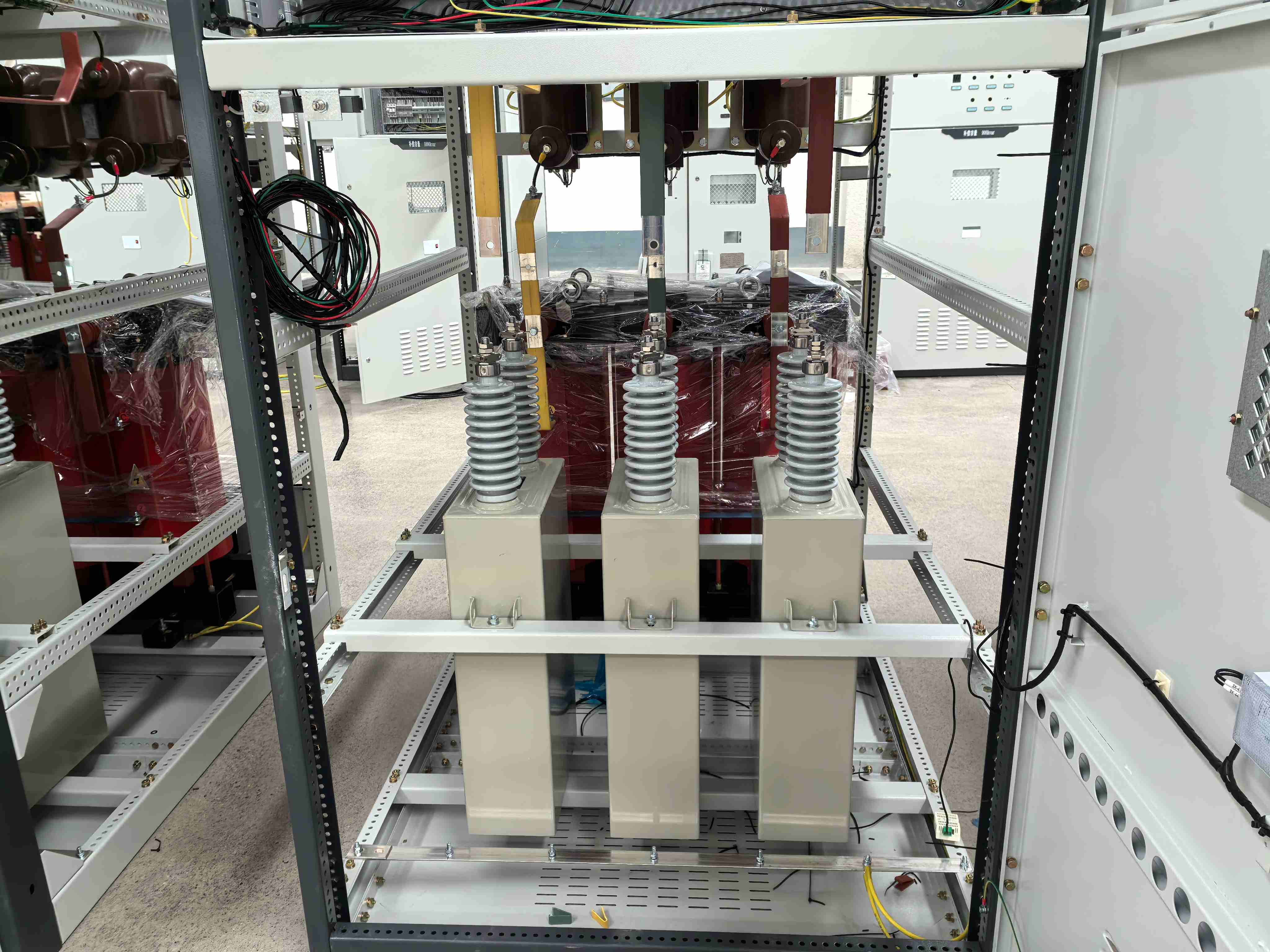
Hybrid Dynamic Compensation Devices combine Static Var Generators (SVG) or Active Power Filters (APF) with Thyristor Switched Capacitors (TSC) to balance cost and performance. Active modules provide stepless reactive power control and harmonic filtering, while capacitors handle bulk compensation. This hybrid design achieves sub-10 ms response times and over 97% efficiency, but requires more complex maintenance than single-technology systems. Active components need thermal and semiconductor monitoring, while capacitors require periodic capacitance checks due to aging, enabling optimized maintenance planning.
Core Maintenance Requirements Driven by Design
When IoT-enabled devices, adaptive microprocessors, and high-power chips are all put together, they create specific maintenance needs. To keep their accuracy within ±2%, temperature sensors that measure IGBT junction heat, voltage detectors that track grid harmonics, and current transformers that measure reactive flow all need to be calibrated. When drift goes outside of accepted ranges, the device can't keep power factors close to 0.99, which has a direct effect on energy costs and equipment safety.The level of upkeep is also affected by the environment. When compared to climate-controlled data centers, devices that work in dusty cement plants or humid coastal substations wear out their parts faster. Corrosion on busbars, dust buildup on heat sinks, and water getting into control boxes can cause them to fail early if inspection plans don't take into account conditions at the site. By knowing your working environment, you can change the time between repair tasks beyond what the maker suggests.
The Cost of Neglect
When upkeep on hybrid compensation systems is put off, failures start to happen one after another and stop activities. When capacitors break down, their reactive output goes down. This makes the active module work harder than it should, which increases IGBT heat stress and shortens its life. Sensors that aren't adjusted send wrong information to controls, which leads to bad switching that creates voltage spikes that damage CNC machines and medical imaging equipment.If you don't do regular checks, a $500 battery repair can turn into a $50,000 system overhaul after a catastrophic failure during peak production. Regular maintenance turns unplanned breaks into planned repairs that happen during planned downtime. This keeps mission-critical facilities running.
Common Maintenance Challenges and How to Address Them
Environmental Stressors and Component Degradation
In industrial settings, Hybrid Dynamic Compensation Devices are put through rough conditions that speed up wear. When dust builds up on heat sinks, it makes cooling less effective, which raises IGBT temperatures close to critical levels. Electrical connections and capacitor dielectrics break down when humidity gets into them, and solder joints and PCB lines are stressed by temperature changes. These stresses show up as annoying trips, less accurate pay, and eventually part failure.Monitoring is the first step in solving environmental problems. By putting in vibration monitors, mechanical resonance can be found before it causes links to become loose. When the desiccant packs need to be replaced, humidity sensors inside the boxes let you know. Using thermal imaging during energized checks shows hot spots that mean there is bad contact or component degradation before a major failure happens.Setting up regular cleaning schedules stops growth. Every three months in heavy industrial settings, compressed air purges clean electrical dust off of heat sinks and control boards. Putting conformal coatings on PCBs in seaside sites keeps them from rusting from salt fog. Upgrading container locks to IP65 standards stops intruders from getting in places that are often dirty, like food processing and pharmacy facilities.
Sensor Drift and Calibration Challenges
For correct compensation, hybrid devices need accurate readings of voltage and current. Instrument transformers and Hall-effect monitors become less accurate over time, which makes power factor adjustment less accurate. Power factor can change from 0.99 to 0.95 with a 3% error in measuring current. This can lead to fines from the utility company and no energy savings.Comparing sensor outputs to approved reference instruments during startup and yearly recalibration cycles is a way to find the root cause of calibration problems. If the difference is more than ±2%, the sensor needs to be adjusted or replaced. Advanced systems with built-in self-diagnostics automatically flag sensing problems, cutting down on the time needed to find and fix problems and stopping long periods of operation with less accurate results.Using monitoring tools speeds up the early discovery process. Portable power quality testers that are linked to the device ports check how well the compensation is working by comparing it to the grid conditions. Oscilloscopes record switching transients that show issues with IGBT gate drivers or thyristors that aren't firing correctly. During load testing, infrared thermometers find parts that are getting too hot, which lets focused repairs be made before the whole thing breaks.
Mechanical and Electrical Wear Patterns
Switching operations in capacitor banks cause dielectric stress that gradually reduces insulation resistance, while repeated inrush currents strain terminals and busbar connections. Thermal cycling in thyristor modules accelerates solder fatigue and increases contact resistance. Mechanical wear is managed through annual torque checks, thermographic inspections, and capacitance testing, with values below 90% indicating replacement needs. Electrical degradation appears as increased leakage current and reduced insulation resistance, monitored monthly at 1000V DC; readings below 100 MΩ signal deterioration, while declining thyristor voltage performance indicates aging and reduced efficiency.
Step-by-Step Maintenance Procedures for Optimal Performance
Daily and Weekly Inspection Routines
Every day, operators should look at the control panel's lights to make sure they are working properly and that there are no problem alarms. Listening for strange sounds, like popping from capacitors or irregularities in fan motors, can help you spot problems before they get worse. Keeping track of the temperature and humidity in a room gives you trend data that shows how the environment affects how a Hybrid Dynamic Compensation Device works.As part of weekly jobs, you need to make sure the cooling fan works and clean the intake screens so airflow stays steady. Using infrared thermometers to check the temperatures of capacitor banks shows units that are running hotter than their peers, which means they are degrading internally. By looking at the controller's logged trouble events, you can find intermittent problems that need more research.These regular checks don't take long and find problems early on, before they get worse. Setting up schedules makes sure that everyone on the same shift does the same thing. This builds a mindset in maintenance that values preventative action over reactive firefighting.
Monthly Calibration and Component Inspection
Monthly maintenance of IoT-enabled controllers involves analyzing historical data on power factor trends, harmonics, switching frequency, and temperature logs to detect performance drift and degradation. Physical inspection includes verifying electrical connections using torque tools (typically 35–50 Nm for busbars), checking capacitors for swelling, leakage, or discoloration, and ensuring proper cooling system operation by inspecting heat sinks and fans. Calibration compares device readings with reference instruments, ensuring ±2% accuracy. Compensation settings are adjusted seasonally to match changing load profiles.
Safety Protocols and Required Equipment
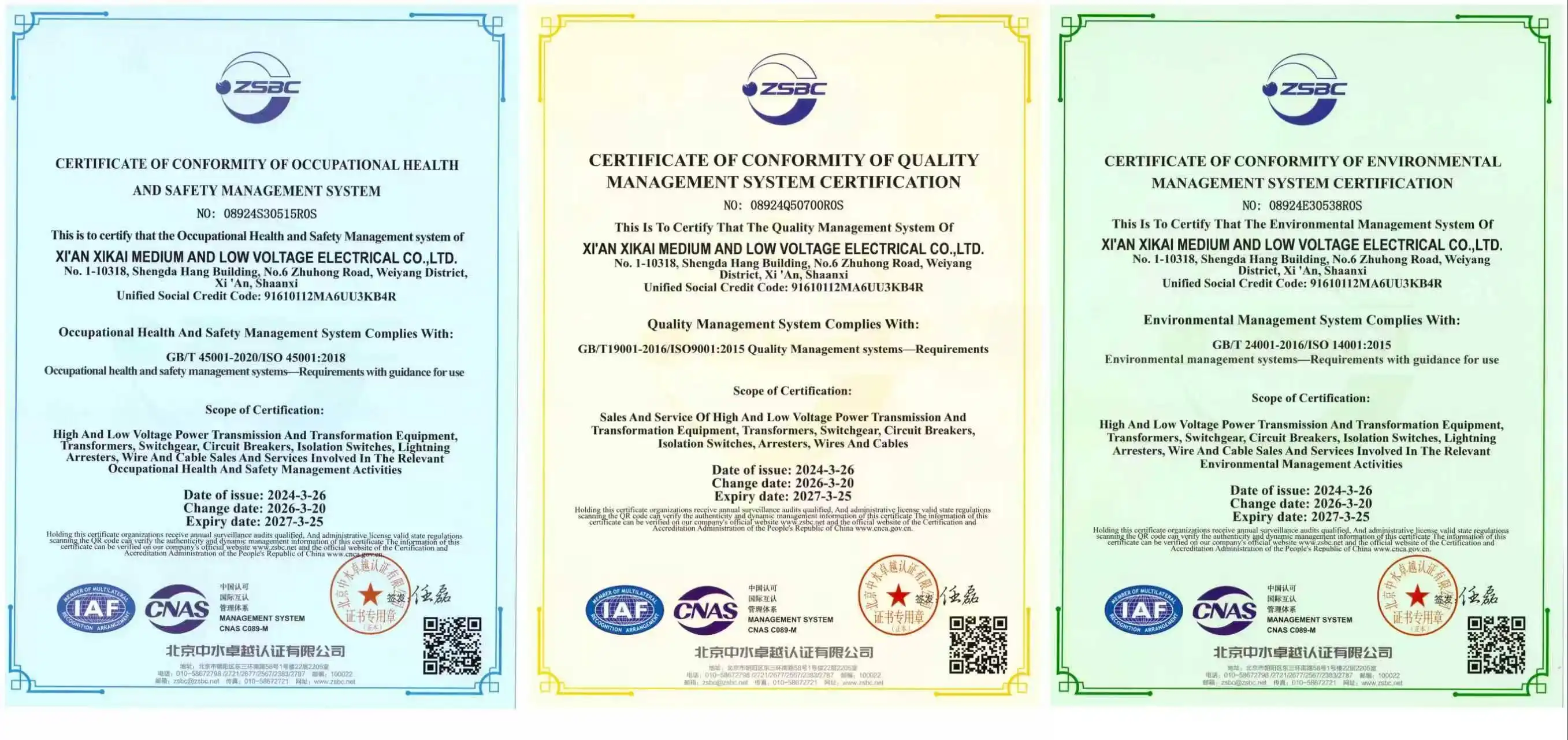
NFPA 70E arc flash safety standards and OSHA lockout-tagout methods must be strictly followed during all repair work. When working on equipment that is electrified and rated above 480V, people must wear rated arc flash PPE such as 40 cal/cm² coats, face shields, and insulated hands. Setting clear limits and putting up warning signs keeps people who aren't supposed to be there from getting in during repairs.Electrical work-rated insulated screwdrivers and wrenches, digital multimeters with CAT IV ratings, infrared thermometers with laser aiming, and pocket oscilloscopes for transient analysis are some of the most important tools that you need. Capacitance bridges, insulation resistance testers, and harmonic analyzers are examples of specialized tools that can do more in-depth examinations than an eye check alone.Keeping calibration certificates for all test tools guarantees that measurements are accurate and that rules are followed. Testing accuracy is maintained by having approved labs calibrate them once a year in line with national standards. This also helps meet the requirements for a quality management system under ISO 9001 certification.
Comparing Maintenance Strategies: Hybrid Dynamic vs Other Devices
Maintenance Complexity Across Compensation Technologies
Traditional set capacitor banks only need simple upkeep like checking the connections and the health of the capacitors every 12 to 18 months. Power electronics and advanced diagnostics of IGBT modules, gate drivers, and DC link capacitors need to be checked more often and more often on pure SVG systems, which often needs help from the maker.In Hybrid Dynamic Compensation Device configurations, simple capacitor inspections from passive systems are combined with focused active module tracking to find a good balance between these two extremes. Simple capacitor bank methods are used in the inactive part, and the active module has self-diagnostic features that make troubleshooting easier. With this design, 80% of maintenance jobs can be done by in-house teams, while manufacturer help is only needed for complex electronics problems.Hybrids will be cheaper in the long run because of this. Every 8–10 years, pure SVG systems need to update their expensive IGBT modules, which can cost anywhere from $15,000 to $40,000. This cost is spread out over cheaper capacitor repairs ($500 to $2,000 per bank section) and less frequent service of the active modules in hybrid systems. Total lifecycle maintenance costs are usually 30 to 50 percent less than for SVG systems of the same size.
Performance Benefits Through Optimized Maintenance
Case studies show that optimized maintenance of hybrid compensation systems delivers significant ROI across industries. A Midwest stamping plant maintaining quarterly inspections and annual calibration sustained a power factor above 0.98, avoiding $180,000 in demand charges over three years and preventing costly outages. A Texas hospital eliminated imaging disruptions through monthly maintenance and hybrid transient suppression. Data centers using IoT-enabled predictive maintenance achieved 99.97% uptime over five years, with early fault detection enabling planned interventions and preventing SLA-impacting failures.
Partnering with Certified Service Providers
It's often not possible to do complex diagnostics and specialty fixes in-house, so it's helpful to have relationships with qualified service providers. Manufacturers that give expert support 24 hours a day, seven days a week, remote diagnostics through IoT connection, and quick parts available help keep downtime to a minimum when unexpected problems happen. Certification programs that teach service partners about the ins and outs of certain pieces of equipment make sure that fixes are done correctly and in line with the guarantee.When looking at different service providers, make sure to check the technicians' credentials, their ability to access OEM technical documents, and their availability of important extra parts. Providers who offer full service contracts that include preventative maintenance, emergency reaction, and part replacement make planning and responsibility easier. In mission-critical facilities, where every minute of downtime costs thousands of dollars in missed production or compromised services, being close by is important for quickly fixing critical problems.
Maximizing Device Lifespan: Long-Term Maintenance Planning and Support
Developing Customized Maintenance Schedules
Generic maintenance suggestions are good places to start, but to make plans work best for you, you need to look at how you use your equipment and the conditions where it is located. Facilities with loads that change a lot and spinning adjustment equipment often need more frequent inspections than facilities that run in a steady state. In harsh settings, cleaning and protecting against rust must be done in ways that go above and beyond what is normally suggested for a Hybrid Dynamic Compensation Device.Collecting baseline data during the first year of business is the first step in making customized plans. Normal working conditions are set by keeping track of switching counts, changes in temperature, harmonic levels, and environmental conditions. By looking at this data, we can find the stress factors that cause wear to happen faster. This helps us plan maintenance tasks that target specific failure modes instead of general safety measures.Including operations teams in the planning of the schedule makes sure that it can be carried out. Maintenance windows need to match up with production plans so that they don't get in the way of important processes. Scheduling big inspections for planned plant shutdowns improves efficiency and minimizes the effect on output, taking advantage of the time that is already available for a full evaluation of all equipment.
Leveraging Predictive Maintenance Technologies
IoT-enabled Hybrid Dynamic Compensation Devices support predictive maintenance by using machine learning to continuously monitor temperature, switching cycles, capacitor impedance, and harmonic levels. These systems detect degradation trends and trigger alerts when parameters approach failure thresholds, enabling early intervention. Although they require investment in monitoring and analytics, ROI is quickly realized by preventing unplanned downtime. In one case, predictive analytics identified capacitor bank degradation six weeks in advance, saving $200,000 in lost production and emergency repairs. Integration with building management systems further enhances efficiency by linking asset health with production, inventory, and labor planning, enabling automated work order generation and timely maintenance actions.
Warranty Coverage and Supplier Support Considerations
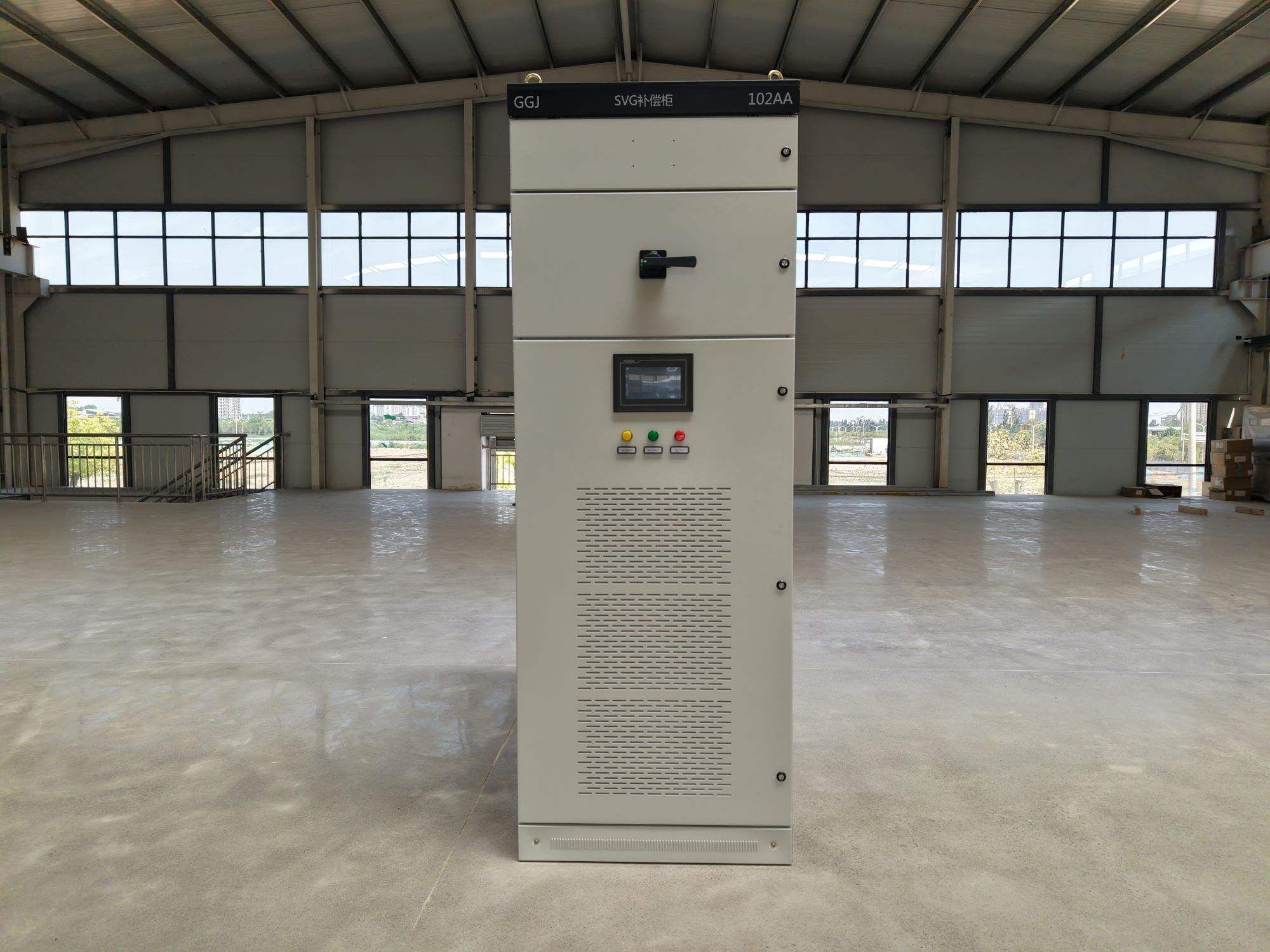
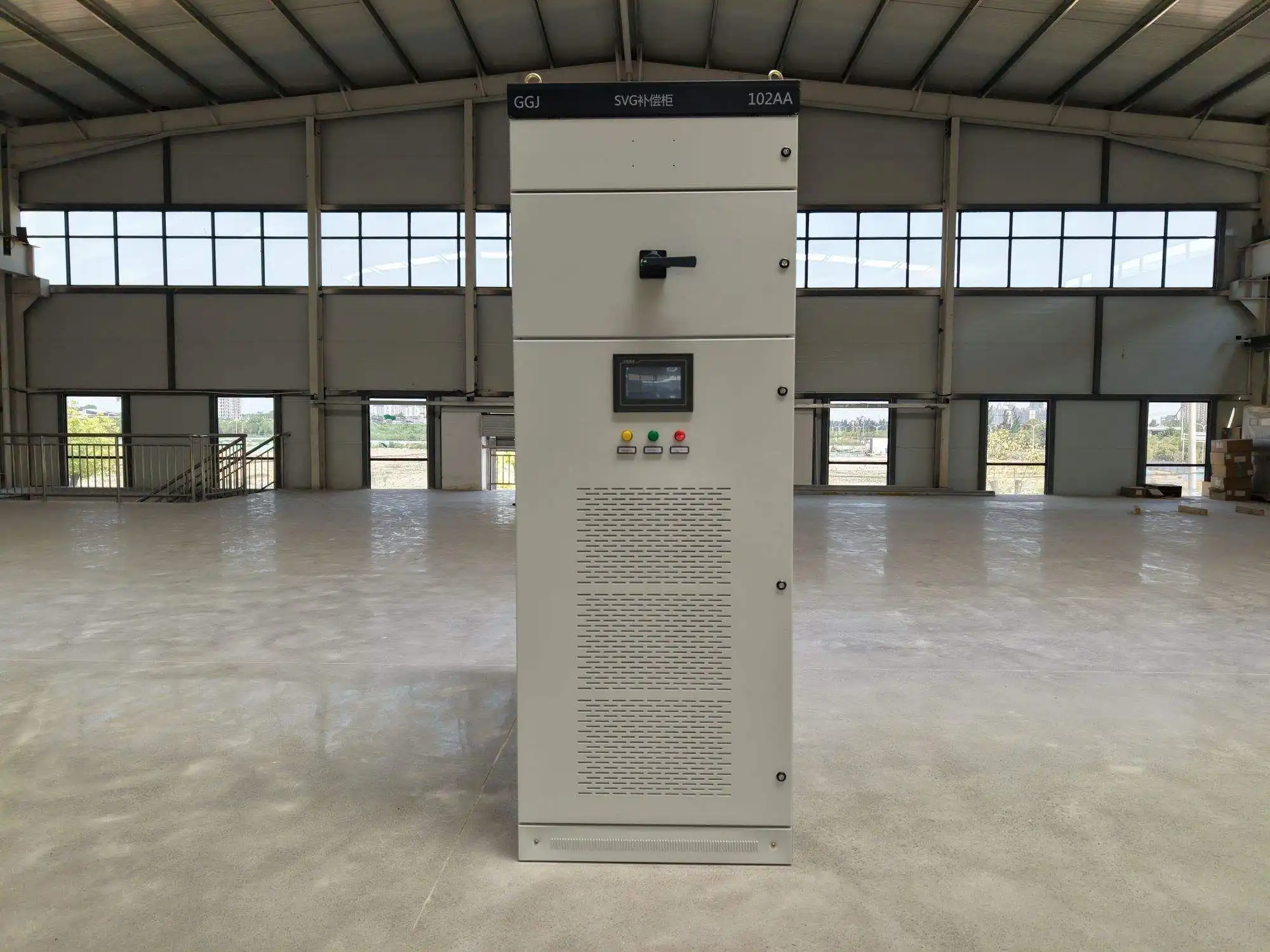
A comprehensive warranty protects against early component failure and manufacturing defects, typically lasting 12–24 months, with leading manufacturers offering up to five years. Proper documentation of maintenance is often required to maintain warranty validity. Supplier support quality varies significantly and should be evaluated in terms of response speed, spare parts availability, and field service capability. Local inventory, such as U.S.-based stock, enables faster repairs and reduces downtime. Technical application support is also critical for complex power quality issues. Xi’an Xikai’s GGJ Low Voltage Reactive Power Compensation Device exemplifies robust support, offering IP65 protection, AI-driven real-time optimization, up to 30% energy savings, harmonic filtering, global certifications, and 24/7 expert assistance with a five-year warranty.
Training and Certification for In-House Teams
Giving building maintenance teams more power through training programs given by manufacturers increases internal competency, which means that routine tasks don't need to be done by outside help as much. Technicians can handle 80% of service calls on their own after getting thorough training in operating principles, troubleshooting methods, safety rules, and best practices for upkeep. Certification programs prove that you know what you're doing and offer chances for professional growth, which helps keep employees.Investing in training pays off in the form of faster problem resolution, lower travel costs for outside technicians, and a better understanding of how to setup certain pieces of equipment by the organization. When well-trained teams do their regular jobs, they can spot problems before they get worse, which is something that outside workers who come in on a regular basis might miss.Teams stay up to date on new technologies and improved repair methods through ongoing training. Access to online technical tools, annual refresher training, and maker newsletters that share lessons learned from field work are all ways to stay skilled as equipment gets older and new technologies come out.
Conclusion
To keep Hybrid Dynamic Compensation Devices working well, they need to be maintained in a way that is specific to your facility's needs and the area it works in. Routine checks, predictive tracking, and smart relationships with qualified service providers work together to keep lifetime costs low and uptime high. Knowing how the unique design of active electronics and passive capacitors works lets repair teams use their resources wisely and deal with different types of failure in the right way. By investing in thorough training, using IoT-enabled predictive analytics, and keeping thorough service records, you can be sure that the power quality will get better over the years, protecting important equipment and lowering energy costs in manufacturing, healthcare, data centers, and utilities.
FAQ
1.What are the ideal service intervals for hybrid compensation systems?
Maintenance frequency depends on operating environment and load characteristics. Baseline guidelines call for eye checks every month, thorough exams every three months, and full calibration and testing once a year. Harsh settings with a lot of dust, humidity, or extreme temperatures need more regular care—maybe every two weeks for checks and every six months for calibrations. Facilities with loads that change a lot and equipment that cycles often often benefit from checking capacitors every three months instead of once a year for steady operations. By changing the intervals to fit your needs, you can improve efficiency while keeping work costs low.
2.What signs indicate my device needs immediate maintenance attention?
Warning indicators include unusual sounds like buzzing from capacitors or chattering from contactors, visible capacitor swelling or leakage, frequent nuisance trips, a power factor that's going down even though active compensation is being used, operating temperatures that are 20°C higher than normal, persistent fault codes in controller displays, and sudden rises in energy costs all point to poor performance. Any of these signs should be looked into right away to avoid a major failure and long periods of downtime.
3.Can I outsource maintenance to third-party specialists instead of manufacturer service?
If they are trained, independent service companies can offer lower costs than OEM service while still maintaining quality. Check that the technician is certified, has experience with your type of equipment, has access to OEM training and specialized paperwork, and can get parts for you. Routine preventive maintenance is best done by independent providers, but maker knowledge is often needed for more complicated electronics troubleshooting. Cost and capability are well balanced in hybrid methods that use independents for routine maintenance and makers for major repairs.
Partner with Xi'an Xikai for Comprehensive Maintenance Solutions
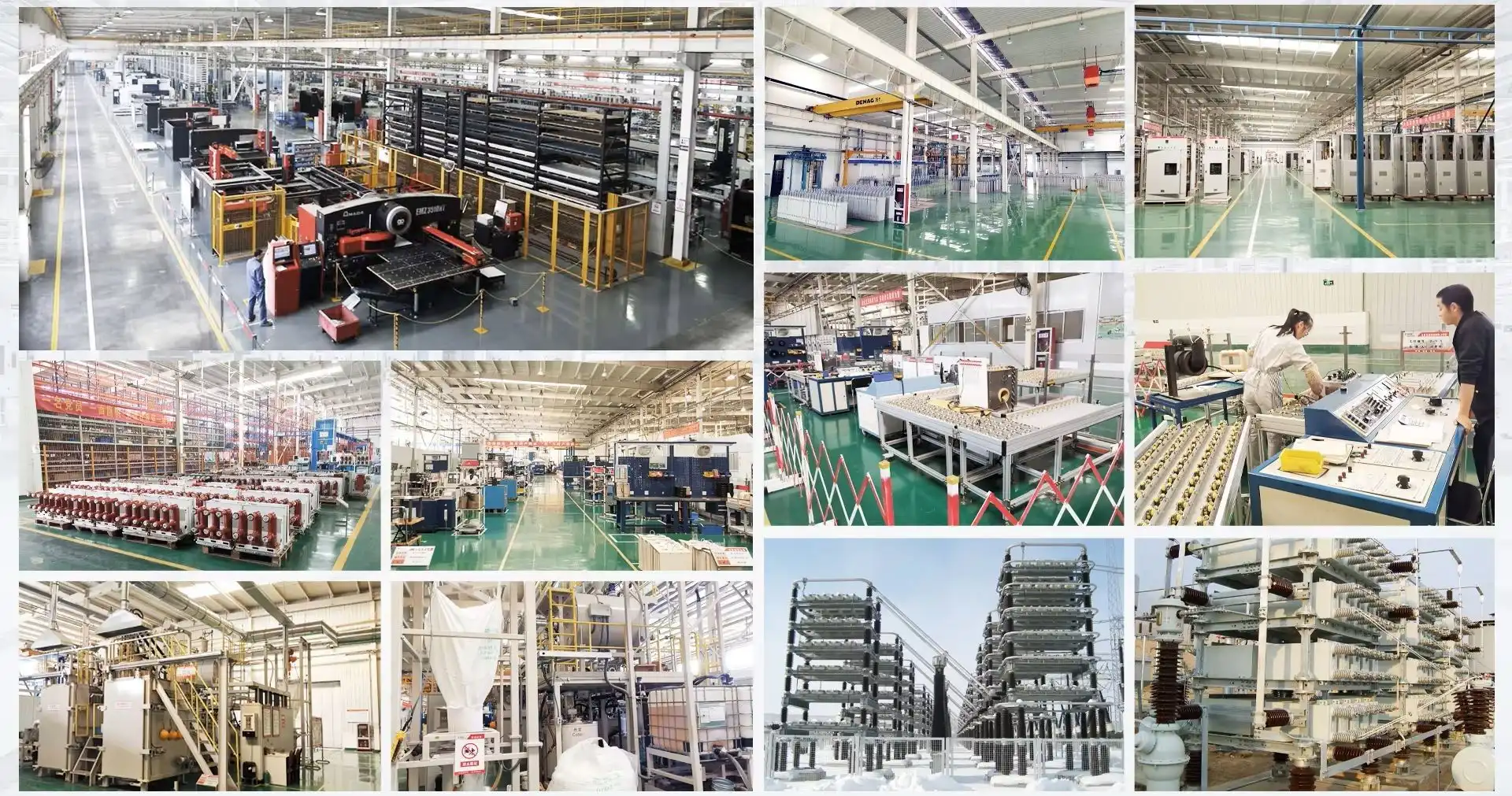
Expert repair planning and execution are needed for the Hybrid Dynamic Compensation Device to work reliably. Xi'an Xikai Medium & Low Voltage Electric Co., Ltd. is one of the biggest companies in China that makes Hybrid Dynamic Compensation Devices. They offer full lifecycle support to make sure that your investments in power quality keep giving you value. Our GGJ Low Voltage Reactive Power Intelligent Compensation Device is designed to be reliable and easy for your teams to maintain in the field with the help of our technical knowledge.With manufacturing capabilities spanning seven major product categories and over 100 variants, we provide integrated solutions tailored to your facility's unique requirements. Our R&D team's 15+ years of power electronics experience, participation in national infrastructure projects, and comprehensive testing protocols ensure equipment ready for decades of reliable service in demanding industrial environments. Reach out to our technical specialists at serina@xaxd-electric.com, amber@xaxd-electric.com, or luna@xaxd-electric.com to discuss customized maintenance plans, bulk procurement opportunities, and ongoing support contracts.
References
1. Institute of Electrical and Electronics Engineers. (2014). IEEE Standard 519-2014: Recommended Practice and Requirements for Harmonic Control in Electric Power Systems. IEEE Standards Association.
2. International Electrotechnical Commission. (2018). IEC 61000-4: Electromagnetic Compatibility Testing and Measurement Techniques. IEC Publication Standards.
3. National Fire Protection Association. (2021). NFPA 70E: Standard for Electrical Safety in the Workplace. NFPA Technical Committee on Electrical Safety.
4. Smith, J.R., & Thompson, L.M. (2020). Predictive Maintenance Strategies for Industrial Power Systems. Industrial Press Technical Publications.
5. Chen, W., & Martinez, R. (2019). Hybrid Compensation Technologies: Design, Operation, and Maintenance Best Practices. Power Quality Engineering Journal, 45(3), 112-134.
6. Anderson, K.P. (2022). Lifecycle Cost Analysis of Reactive Power Compensation Technologies in Industrial Applications. Electrical Systems Management Quarterly, 38(2), 67-89.