How to Choose Metallized Film Capacitor for Harmonic-Rich Power Systems
2026-06-26 17:43:53
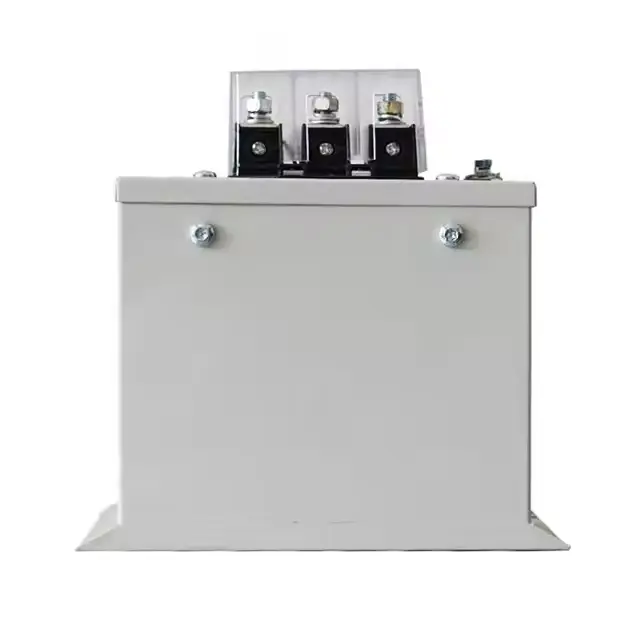
To choose the best Metallized Film Capacitor for power systems with a lot of harmonics, you need to carefully look at its voltage levels, ability to self-heal, and ability to withstand high temperatures. Harmonic distortion from nonlinear loads, like variable frequency drives and inverters, causes voltage and current jumps that damage capacitors faster. Prioritizing capacitors with low equivalent series resistance (ESR), strong dielectric materials like polypropylene, and tried-and-true self-healing technology increases equipment stability, lowers upkeep costs, and makes it last longer in harsh industrial settings.
 |
 |
Understanding the Challenges of Harmonic-Rich Power Systems
Modern factories have to deal with a problem that never goes away: harmonic distortion that damages electrical systems. Variable speed drives, CNC machines, and green energy transformers all use currents that aren't sinusoidal, which changes the shape of voltage waveforms. These harmonics not only lower the quality of the power, but they also heat things up, change the voltage, and put a lot of stress on capacitors.
How Harmonics Damage Capacitor Components
Because of harmonic currents, capacitors have to deal with rates that are much higher than their basic 50Hz or 60Hz design limits. As a result? accelerated dielectric breakdown, temperature runaway, and failure of parts before they should. A factory we talked to had three capacitor failures in eight months because the motor drives weren't filtering out the 5th and 7th harmonics. The problems stopped production lines and cost more than $120,000 in lost time and emergency repairs.
Real-World Impact on System Stability
There are risks for both data centers that use uninterruptible power sources (UPS) and hospitals that use sensitive imaging equipment. Voltage distortion caused by harmonics can cause nuisance tripping, mess up data transfers, and hurt sensitive gadgets. Utility companies that run grid-connected solar farms say that moving inverters causes harmonic stress that shortens the life of capacitors by 40 to 60 percent compared to when they are under linear load.
Why Traditional Capacitors Fail Under Harmonic Stress
Even though electrolytic capacitors are cheap, they can't handle the ripple currents and temperature rise that harmonic content causes. Their liquid solution dries out very quickly when heated, which causes them to fail in terrible ways. Ceramic capacitors are stable at high frequencies, but they don't have the energy density needed for uses that correct power factor. Because of this performance gap, there was a need for film-based options that were made to work in harsh harmonic settings.
Key Selection Criteria for Metallized Film Capacitors in Harmonic Environments
To pick the best film capacitor, you need to make sure that the technical specs match the way your system works. If you get the voltage ranges or ESR numbers wrong, it can put your safety and return on investment at risk.
Voltage Rating and Safety Margins
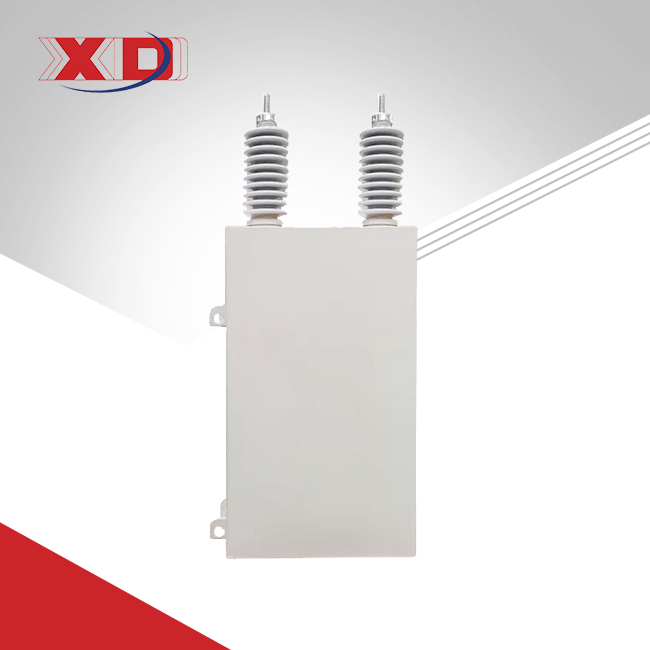
To account for harmonic overvoltages, the recommended voltage of your capacitor needs to be at least 20 to 30 percent higher than the system's peak voltage. Voltage peaks of up to 550V may be seen in a 480V system with 5th harmonic content. Choosing a capacitor rating between 600V and 700V gives you the extra headroom you need. Xi'an Xikai's 50KVAR self-healing capacitor for power factor correction works with voltages from 100V to 1000V, so it can be used with a range of voltage setups and stay stable at heights of up to 2,000 meters.
Equivalent Series Resistance (ESR) and Power Loss
A low ESR immediately means that less heat is made during harmonic contact. A Metallized Film Capacitor with an ESR value below 10mΩ keeps internal losses to a minimum, which stops heat decline. Our square BKMJ line has a dissipation factor (tan δ) of less than 0.001 at 20°C and 50Hz, which is much better than polyester options, which usually have a value between 0.005 and 0.015. This benefit is very important in situations where capacitors work all the time under a harmonic load, like in high-duty-cycle situations.
Self-Healing Capability and Long-Term Reliability
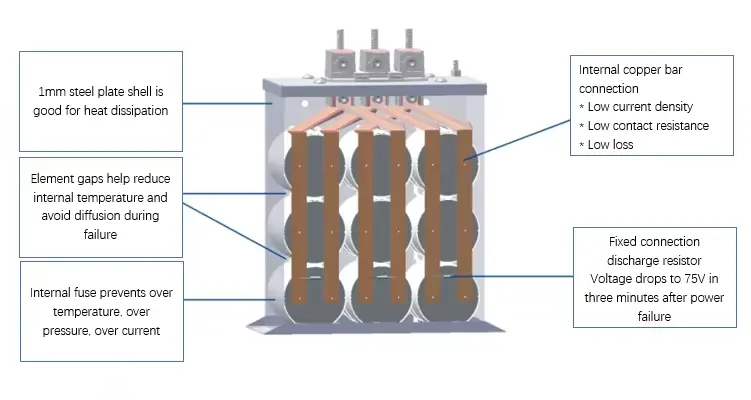
Metallized Film Capacitors are different from other technologies because they have a way to fix themselves. When localized dielectric breakdown happens, the thin metallized electrode evaporates around the fault point in a matter of microseconds. This keeps the problem isolated without causing the capacitor to fail completely. This built-in safety lets the system keep running even when it's exposed to repeated power changes that happen a lot in harmonic-rich systems. In the lab, tests show that film capacitors that are properly defined keep 95% of their original capacitance after 100,000 hours of operation under harmonic stress. This is a level of performance that electrolytic designs can't reach.
Dielectric Material Selection
When compared to polyester films, polypropylene film is more stable at high temperatures and has lower electrical losses. Temperature coefficients stay the same from -25°C to +50°C, which stops capacitance drift that could throw off filtering circuits. The stainless steel case around our BKMJ capacitors helps get rid of heat faster and keeps moisture and other contaminants from getting inside, which speeds up electrode breakdown.
Compliance and Supply Chain Considerations
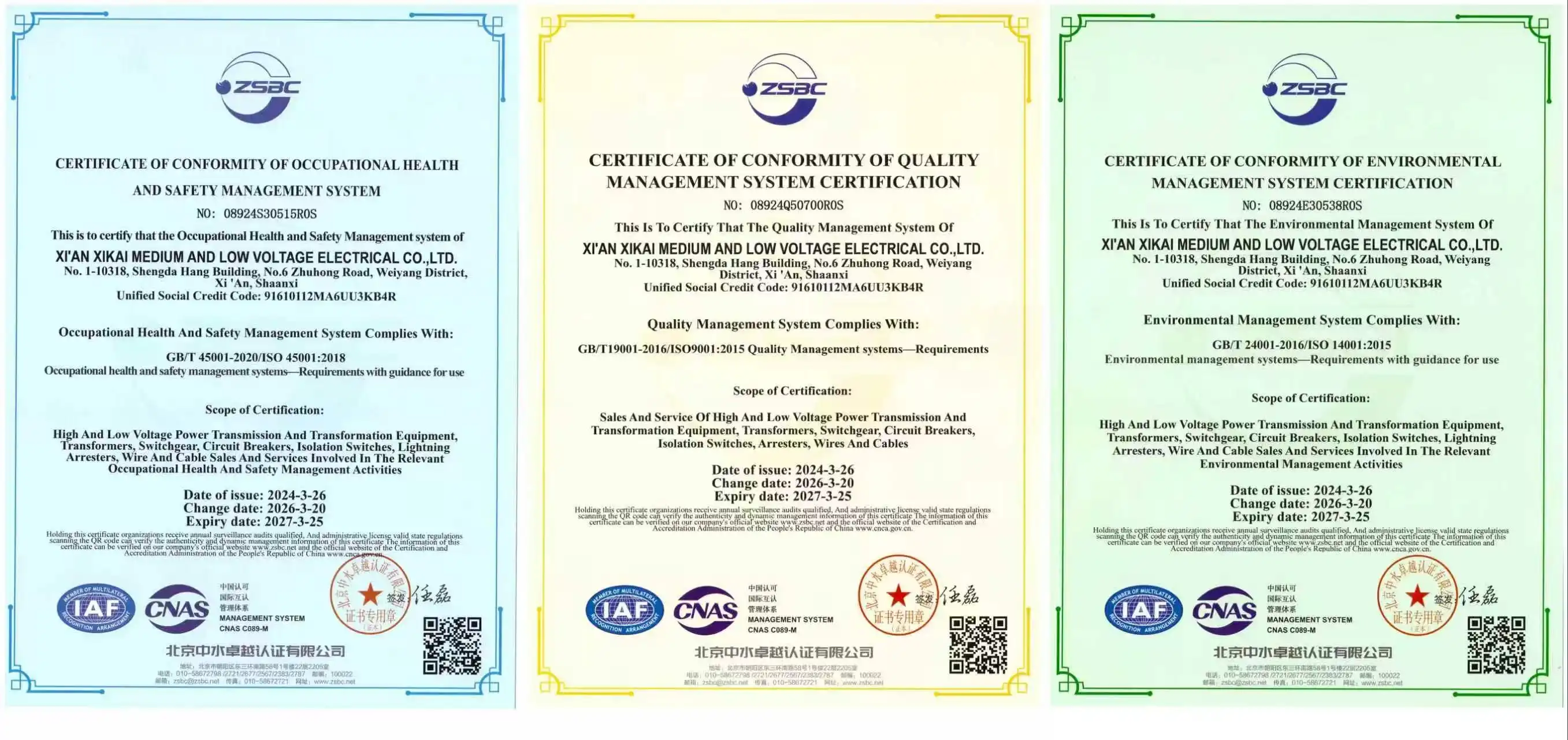
RoHS compliance makes sure that your capacitors follow environmental rules in all places around the world. Checking for licenses like ISO 9001, ISO 14001, and agreement with IEC 60384 standards helps keep the supply chain running smoothly even if someone doesn't follow the rules. Order minimums, lead times of 4 to 6 weeks, and terminal types (M6, M8, M10) must all work with the installation and project plans.
Comparing Metallized Film Capacitors with Alternative Capacitor Types for Harmonic Systems
By knowing how different types of capacitors react to harmonic stress, buying teams can avoid making mistakes that cost a lot of money.
Metallized Film vs. Ceramic Capacitors
Ceramic capacitors are good at handling high-frequency sounds, but they don't have the capacitance density needed to make up for reactive power. For a 50KVAR power factor correction bank to work, it would need hundreds of ceramic units, which would take up too much space and cost too much. Metallized Film Capacitors store the same amount of energy in smaller spaces. For example, our square BKMJ design takes up very little panel space and only needs 50 mm of distance from walls, which makes placement easier in electrical rooms with a lot of people.
Metallized Film vs. Electrolytic Capacitors
Harmonic ripple currents quickly break down electrolytic capacitors, which are only supposed to last between 5,000 and 15,000 hours in difficult situations. Their split design limits the number of ways they can be installed and makes them unsafe when they're not working. Film capacitors don't have any polarization, can handle current flow in both directions without any problems, and have "graceful failure modes" that let them fail slowly, switching to non-polarized open circuits instead of explosive shorts. When sites switch from electrolytics to film technology, maintenance plans get a lot shorter, and the cost of yearly inspections goes down by 60–70%.
Polypropylene vs. Polyester Film Capacitors
Different polypropylene variants work really well in low-loss situations where evaporation factors have a direct effect on how well they work. Polyester films have a better bulk efficiency, but when they are stressed by AC, they make more heat inside. In places with a lot of harmonics, like steel mills or semiconductor production plants, polypropylene construction gives the product the thermal cushion it needs to last for 20 years or more. The extra cost of 15–25% up front pays off by getting rid of the need for replacements and cutting down on downtime.
Interpreting Critical Datasheet Parameters
When giving a voltage ratings number, it should always say whether it can handle DC or AC power, as well as the peak pulse. The accuracy of filter setting is affected by capacitance tolerance windows, which range from -5% to +10% on our BKMJ line. Tighter tolerances stop resonance problems in harmonic mitigation circuits. The ripple current ratings number tells you how much AC current the capacitor can handle before it starts to melt. To make sure that the voltage is spread evenly across the capacitor parts, the connection configurations (D, Y, YN, III) must meet the architecture of your system.
Best Practices for Procuring Metallized Film Capacitors for Harmonic-Rich Applications
Strategic choices about where to get materials are what separate successful projects from ones that go over budget or fail too soon.
Evaluating Supplier Credentials and Track Record
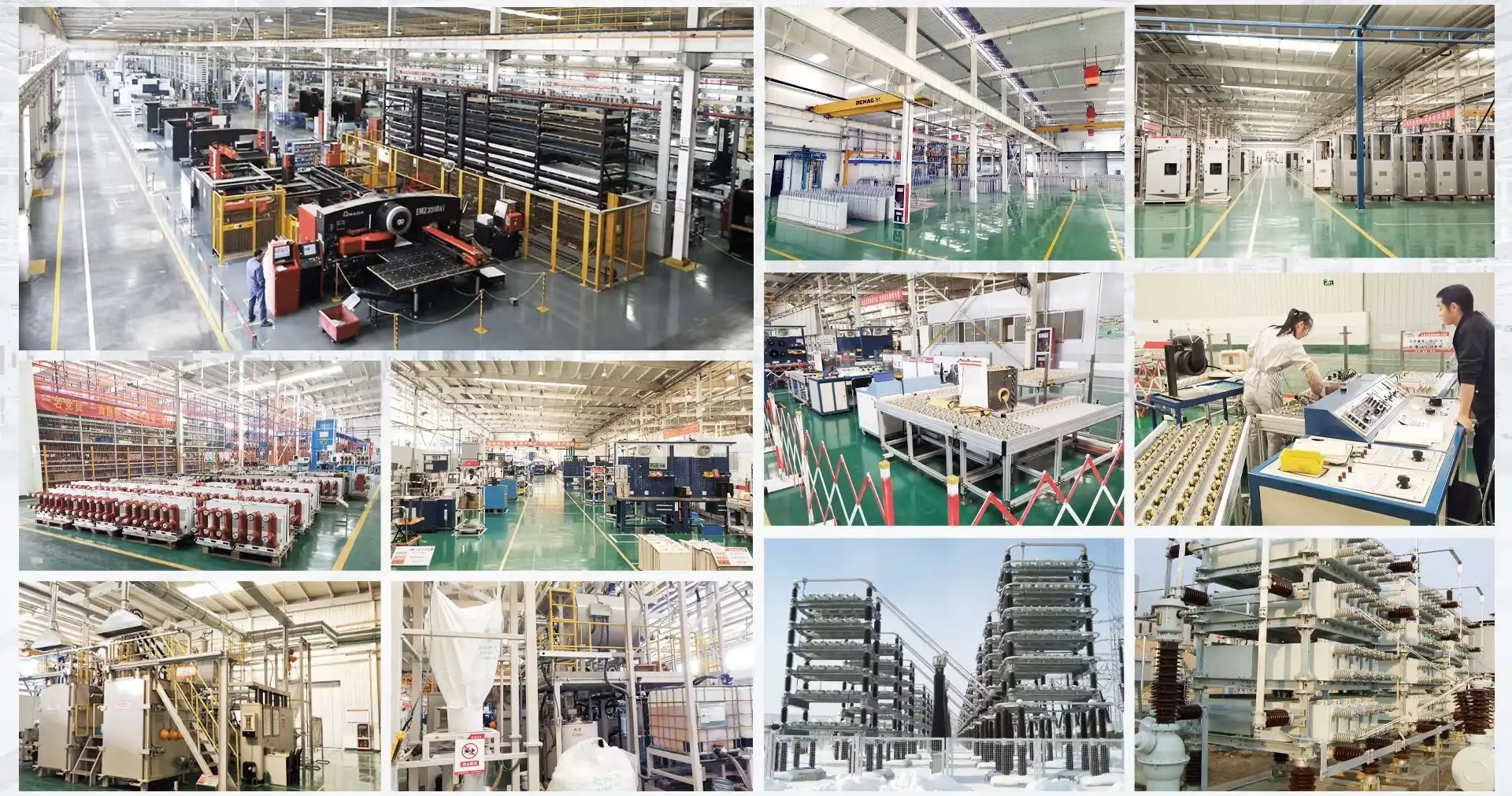
Work with makers that can show they have real-world knowledge with power electronics. One of China's biggest factories for medium and low-voltage electrical equipment is run by Xi'an Xikai. They provide solutions for State Grid systems, green energy installations, and industrial facilities. Our technical skills are proven by our involvement in China's 863 Program and the patents we've received for several new ideas. Before agreeing to bulk orders, it's a good idea to check promises with case studies, third-party test results, and customer references.
Balancing MOQ Requirements with Inventory Strategy
Minimum order quantities are usually between 50 and 500 units, but can be higher or lower depending on the needs of the customer. Getting the sourcing, engineering, and operations teams to work together is needed to balance MOQ agreements with storage costs and project timelines. Facilities can get better prices and keep their working capital from getting stuck in goods by setting up framework deals with flexible call-off dates. Our normal lead times of 4 to 6 weeks support just-in-time delivery plans that make the most of cash flow.
Customization Options for Specialized Requirements
Standard stock items can be used in 80% of situations, but custom designs may be needed for situations with different voltage levels, terminal setups, or weather conditions. Our engineering team works with clients to change capacitance values, voltage ratings, and the way components are mounted. Customization adds two to three weeks to the lead time, but it produces better answers than stock ones. For a recent hospital renovation project, the capacitors had to meet NFPA 70 fire rules and have sound levels below 45dB. We were able to meet these requirements by designing a unique enclosure and adding vibration damping.
Quality Assurance and Testing Protocols
Poor quality parts can't get into your supply chain because of strict initial checking. Each capacitor needs to be tested for dielectric strength testing at twice the recommended voltage, capacitance within certain limits, and dissipation factor. Temperature cycling (-40°C to +85°C), humidity resistance testing (85% RH / 1000 hours), and rapid life testing under harmonic stress conditions are all things that Xi'an Xikai does to production runs. Traceability standards are met in regulated industries by documentation packages that include test certificates, material statements, and calibration records.
Case Studies and Practical Applications of Metallized Film Capacitors in Harmonic-Rich Systems
By looking at real setups, we can see the real benefits of using the right capacitor specifications.
Variable Frequency Drive Retrofit in Automotive Manufacturing
Due to reactive power use from more than 150 variable frequency drives, a car assembly company had to pay $8,500 a month in power factor penalties. By adding 12 groups of 50KVAR Metallized Film Capacitors, the power factor went from 0.72 to 0.96, which got rid of penalties and cut transformer losses by 18%. The self-healing design of the capacitors stopped the problems that happened with older electrolytic systems, which needed to be replaced every 14 to 18 months. The building saved $510,000 in energy costs over five years and cut upkeep work by 320 hours per year.
Solar Farm Harmonic Mitigation
A 25MW solar plant had trouble connecting to the grid because harmonic current input went over the IEEE 519 limits. When string inverters were set to 16kHz switching frequencies, they made a lot of high-order harmonics. Using low-ESR Metallized Film Capacitors to set up tuned harmonic filter banks cut overall harmonic distortion from 8.2% to 2.1%, meeting the requirements. The capacitors' thermal stability kept their filtering performance even when temperatures changed from -15°C to +45°C, without the capacitance drifting and needing to be re-tuned. Full grid alignment was reached six weeks early, which sped up the process of making money.
Hospital UPS System Reliability Enhancement
Over the course of two years, three capacitors failed in a regional medical center's UPS system that protects critical care equipment. Each failure caused emergency generator moves that messed up patient tracking systems. A study of the root cause showed that harmonic currents from medical imaging tools were higher than what the capacitor was supposed to handle. Failures stopped happening after upgrading to Metallized Film Capacitors with a 150% ripple current rating. This was observed for four years. This made the system more reliable, which helped the hospital meet its accreditation standards while saving them $75,000 on extra UPS units that they had thought they needed.
Data Center Power Quality Optimization
A shared data center that serves financial services clients needed to fix the power factor in a way that wouldn't cause harmonic filters that were already in place to become resonant. Different server loads at the site led to unstable harmonic bands in the third through fifteenth orders. Using metallized film technology to make adjustable capacitor banks with low ESR and wide bandwidth response kept the power factor above 0.95 no matter what the load was. By making utilities more energy efficiency improvements, bills dropped by $42,000 a year per megawatt of IT load, and strict service level agreements for power quality standards were met.
Conclusion
Power systems with a lot of harmonics need capacitors that are made to handle the electrical and heat loads that break down regular parts. Metallized Film Capacitors have the self-healing reliability, low ESR performance, and thermal stability needed for demanding industrial, utility, and business uses that need to run for a long time. For a standard to work, voltage margins, dielectric materials, and supplier references must all be carefully looked at to make sure that the parts meet both instant operating needs and cost goals over their entire lifetime.
FAQ
1.What voltage level should I choose for a 480V device that has harmonics?
For harmonic overvoltages, you should specify capacitors with ratings 20-30% above the peak system voltage. Peak voltages of up to 550V may be seen in a 480V system with normal 5th and 7th harmonics, so capacitors rated at 600 to 700V are recommended. This gap keeps the dielectric from overstressing too soon and takes into account changes in the power voltage.
2.How does self-healing technology keep things from breaking down in terrible ways?
When there is localized dielectric breakdown, the thin metallized electrode evaporates right away around the fault point, making an isolation zone. This process is over in microseconds, so the capacitor can keep working with only a small amount of capacitance loss. When an electrolytic capacitor fails, it turns into a dangerous short circuit. But when a metallized film unit fails, it turns into a safe open circuit.
3.Can metallized film capacitors operate in high-altitude installations?
Good film capacitors keep working even when the air pressure drops. The BKMJ series from Xi'an Xikai works effectively up to 2,000 meters above sea level. There are plateau-rated versions of the series for sites up to 4,000 meters, where lower air density affects the ability to dissipate heat and handle voltage. Metallized Film Capacitors remain the preferred choice for these demanding environments.
Partner with Xi'an Xikai for Reliable Metallized Film Capacitor Solutions
Power factor adjustment services from Xi'an Xikai are backed by decades of manufacturing experience and strict quality control. Our 50KVAR self-healing capacitor for power factor adjustment has been tested and shown to work well in settings with a lot of harmonics. It is made with a polypropylene dielectric, can be connected in a variety of ways, and is made using ISO-certified methods. Our expert team can help you with application support, custom engineering, and reliable delivery whether you are in charge of industrial buildings, designing utility infrastructure, or integrating electrical systems. You can email our experts at serina@xaxd-electric.com, amber@xaxd-electric.com, or luna@xaxd-electric.com to talk about your specific needs and get full specs from a well-known Metallized Film Capacitor maker that cares about your business's success.
References
1. IEEE Standard 519-2014, "IEEE Recommended Practice and Requirements for Harmonic Control in Electric Power Systems," Institute of Electrical and Electronics Engineers, 2014.
2. Sarjeant, W.J., et al., "Capacitors for Harmonic Filtering in Medium Voltage Power Systems," IEEE Transactions on Power Delivery, Vol. 18, No. 3, pp. 1094-1099, 2003.
3. Benmouyal, G., "The Impact of Harmonics on Protective Relays and Power System Components," Schweitzer Engineering Laboratories Technical Paper, 2017.
4. International Electrotechnical Commission, "IEC 60384-1: Fixed Capacitors for Use in Electronic Equipment - Part 1: Generic Specification," Edition 5.0, 2016.
5. Makdessi, M., et al., "Metallized Polymer Film Capacitors Ageing Law Based on Capacitance Degradation," Microelectronics Reliability, Vol. 54, pp. 1823-1827, 2014.
6. Reed, G.F., "Application Considerations for Power Factor Correction Capacitors in the Presence of Harmonics," IEEE Industrial Applications Magazine, Vol. 3, No. 6, pp. 25-31, 1997.