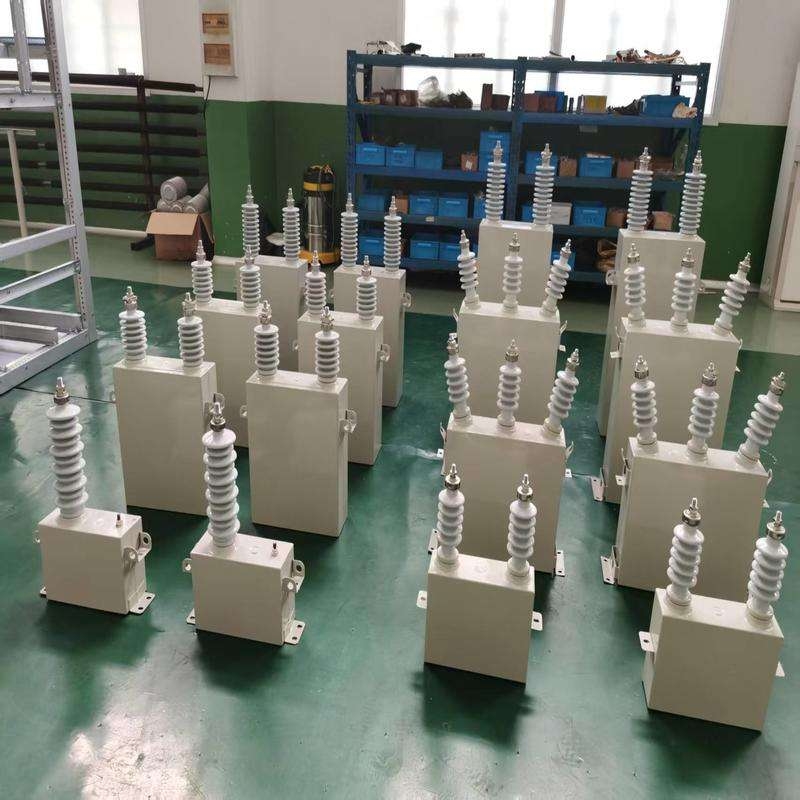
Import Guide for Indoor High Voltage Switchgear 2026
2026-05-09 16:25:15
In 2026, importing indoor high voltage switchgear will involve handling changing technical standards, compliance rules, and provider communities. Modern electrical distribution systems depend on this equipment to keep important structures safe and make sure that power always gets to where it needs to go. It's important to know the basics of procurement, whether you run a manufacturing plant, a utility network, or a complicated electrical system integration. This will help you minimize risk and improve operational efficiency. This guide gives you useful information about specs, choosing a vendor, upkeep plans, and new technologies that are changing the switchgear market.
What is Indoor High Voltage Switchgear and Why It Matters
Defining Core Functions and Technical Architecture
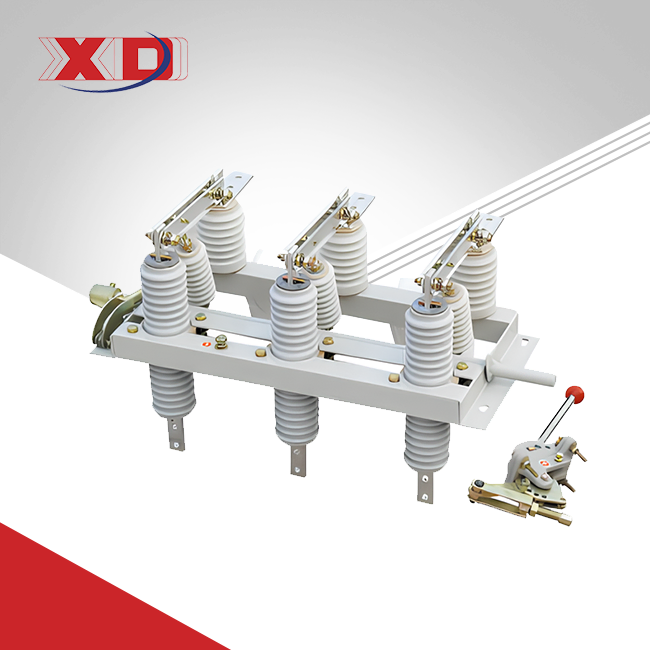
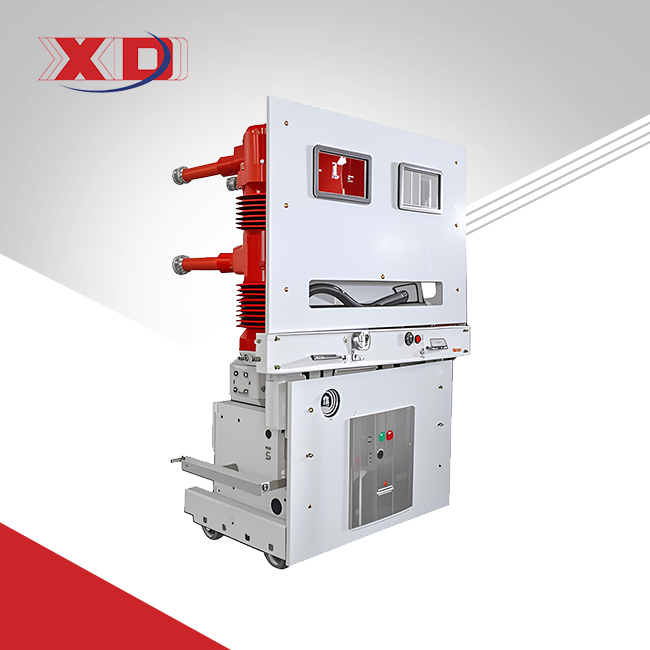
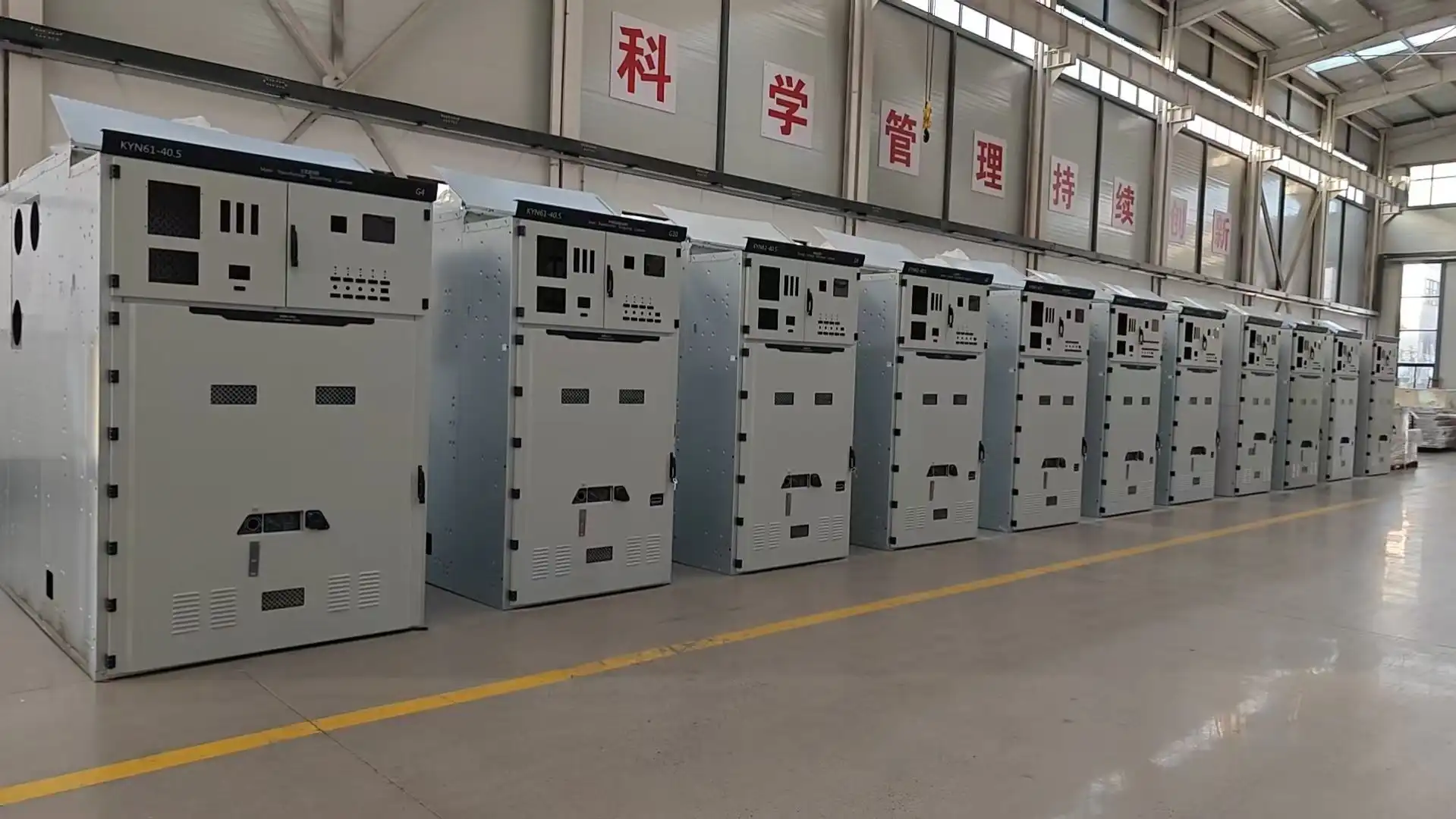
Indoor High Voltage Switchgear is a complex electrical system made for controlled indoor settings. It usually works with voltages between 12kV and 40.5kV. These units are very important because they receive and send electricity, control how circuits work, and keep devices safe from overloads or problems. Unlike outdoor versions that are subject to extreme weather, indoor versions are kept at a steady temperature, which makes parts last longer and lowers the stress on the insulation. The technology includes a number of different designs. Gas-insulated switchgear uses SF6 gas for better insulating strength, which lets it be small even though it has high voltage levels. Through sealed interrupter chambers, vacuum circuit breakers get rid of worries about handling gases, which makes them appealing to workers who care about the environment. Models with air insulation, like the XGN15 line, are a cheap way to handle common tasks. Each type is designed to work with a different set of project restraints, such as size, environmental conditions, and price limits.
Advantages Over Outdoor Installations
Indoor systems offer real benefits that go beyond keeping out the weather. In cities where real estate costs are rising, the space economy is very important for substations or building expansions. Most gas-insulated units take up 60% less space on the floor than similar outdoor gear. It gets easier to follow stricter safety rules in electrical rooms that are closed off, which protects repair workers from arc flashes. Noise levels stay low, which is important for places like hospitals or data centers that have to follow strict noise rules—modern units work below 45dB while switching operations are going on. Controlling the environment stops insulation failures and corrosion caused by condensation that happens with outdoor equipment in seaside or industrial settings. Temperature stability between -25°C and +55°C keeps the dielectric performance stable, and dust filter systems keep the sensitive contacts safe. According to utility reliability studies done in the mining and petrochemical sectors, these factors together cut unexpected outages by about 40% compared to the same events happening outside in harsh temperatures.
Essential Technical Specifications for B2B Buyers
IEC 62271-200 sets the rules for rated voltage, short-circuit capacity, and mechanical endurance classes. Buying choices must be in line with these standards. Rated current is usually between 630A and 4000A, which is enough for secondary outputs of transformers or big motor loads. The short-circuit breaking capacity, which is given in kA RMS, needs to be higher than the highest fault currents that were calculated during system design. For industrial networks, these currents usually fall between 25kA and 63kA. Mechanical longevity class M2 guarantees more than 10,000 actions without contact degradation, which is important for factories that switch things on and off a lot. Electrical endurance class E2 confirms performance when the load is interrupted. Arc-resistance classification (IAC AFL) shows how well an internal fault can be contained, keeping nearby equipment and people safe. Before finishing imports, buyers should check compliance papers from recognized labs and make sure that the goods have passed type tests for temperature rise, dielectric withstand voltage, indoor high voltage switchgear, and mechanical operation sequences.
Comparing Indoor High Voltage Switchgear Types and Market Leaders
Indoor vs. Outdoor: Project-Specific Selection Criteria
Configuration decisions are based on the project setting. Indoor systems work well in controlled environments with their own electrical rooms, like data centers that need precise power quality, hospitals that need constant service, or factories that are putting together automation networks. Sites with limited space can stack things vertically, which isn't possible with outdoor gear. However, big substations that have a lot of space and little money for building may choose outdoor installations even though they cost more in the long run for maintenance. The weather turns out to be a key factor. Coastal sites have to clean their outdoor insulators often because of salt fog, but indoor systems don't have to do that. Operations in the desert have to deal with dust and big changes in temperature that make outdoor parts age faster. Even though they cost more up front, indoor setups have lower lifecycle costs because the working conditions are more stable. When you look at the total cost of ownership over a 25-year service life, indoor options are always better for mission-critical tasks where downtime costs more than the equipment fees.
Vacuum vs. SF6 Technologies: Efficiency and Environmental Impact
Through sealed contact tanks, vacuum interrupter technology allows for maintenance-free operation, removing the need for gas tracking and refilling processes. Contact erosion is very low over the estimated mechanical life, which lowers the cost of replacement. Zero greenhouse gas emissions are good for the environment and are in line with environmental requirements in the US and other countries. Performance problems happen above 40.5kV rates, where the dielectric strength isn't strong enough, so the uses can only be used in medium-voltage networks.SF6-based systems are very good at stopping arcs because the gas has a temperature sensitivity that is about three times that of air. Self-blast devices quickly cut off the current without causing high overvoltages, which protects electrical loads that are sensitive. Chemical reliability means that the product will work for decades without any internal parts oxidizing. However, SF6 is 23,500 times more likely to cause global warming than CO2, which is why regulators are looking closely at it. Modern designs include systems for tracking leaks and recovering gas. These systems keep yearly leakage rates below 0.1% to protect the environment while still being technically better for high-voltage uses.
Evaluating Global Brands and Market Offerings
Siemens offers flexible platforms that are fully digitally integrated and help with predicted maintenance by using IoT sensor arrays. ABB focuses on being compatible with existing setups. They provide VD4 vacuum interrupters that can be used to update older systems while still meeting modern standards. Schneider Electric aims to improve the energy economy by building power tracking analytics into control interfaces. Mitsubishi and Hyundai both make strong products that are perfect for heavy industrial job cycles, like those found in steel and mines, where motors need to be started often. New suppliers like Xi'an Xikai offer alternatives to well-known names without lowering the quality of their products. They do this by combining low prices with unique technologies created by China's national research programs. Their plateau-rated equipment works effectively at heights of up to 4,000 meters, which makes it useful for mountainous areas or sites that are high up. When evaluating value propositions, procurement teams shouldn't just look at well-known brands. Instead, they should look at technical paperwork, factory test results, and reference installs in similar situations.
Procurement Essentials for Indoor High Voltage Switchgear
Establishing Technical and Commercial Criteria
For imports to go smoothly, full specifications must be created in line with the project's electrical single-line designs. Set the standard values of the rated voltage matching system. For industrial networks, these are usually 15kV, 27kV, or 38kV. Use system impedance studies and possible growth margins to figure out the short-circuit withstand capacity. Include the types of safety relays needed (overcurrent, earth fault, differential) and make sure the transmission protocol works with SCADA systems that are already in place. When it comes to business, shipping plans need to be coordinated with indoor high voltage switchgear building goals. For normal configurations, this usually takes 12 to 16 weeks, and for custom designs, it takes 20 to 24 weeks. The terms of payment should balance the supplier's cash flow needs with the buyer's financial rules. A common structure is 30% advance, 60% pre-shipment, and 10% retention after approval. In addition to the equipment itself, the warranty must cover installation management, user training, and the availability of spare parts for the whole service life.
Navigating Price Ranges and Lead Time Expectations
Budget-level options, which cost between $15,000 and $30,000 per panel, offer basic features that work well for extra services that aren't important and have backups. Systems in the middle price range ($30,000 to $60,000) have improved linking, construction that doesn't conduct electricity, and the ability to work with common circuit breakers like the VS1 series. Premium versions that cost $60,000 to $100,000 or more include digital safety that is built in, motor control centers, and factory acceptance testing with client witnesses. Customization makes wait times longer, but it also leads to better solutions. To account for altitude, you need to make changes to the insulation coordination and do some de-rating estimates. Seismic reinforcement adds structural support and flexible bus links to places that are prone to earthquakes. Harmonic filtering integration fixes problems with power quality in places like data centers and factories that make semiconductors. Procurement managers should ask for specific manufacturing schedules that include payment triggers for each milestone. This will make sure that there is openness and responsibility throughout the production cycle.
Identifying Reliable Suppliers and Installation Partners
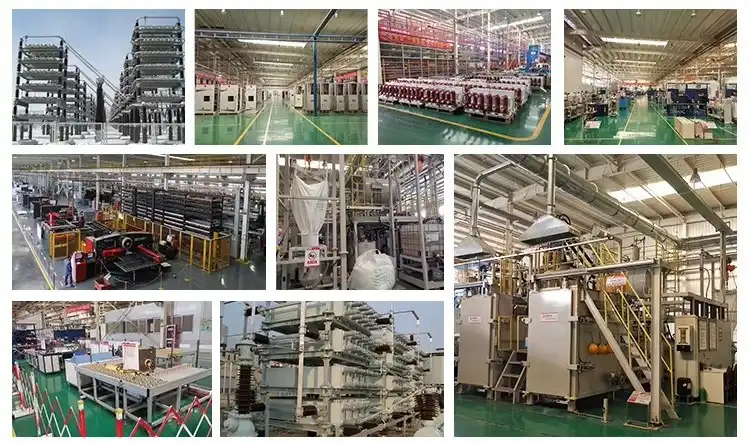
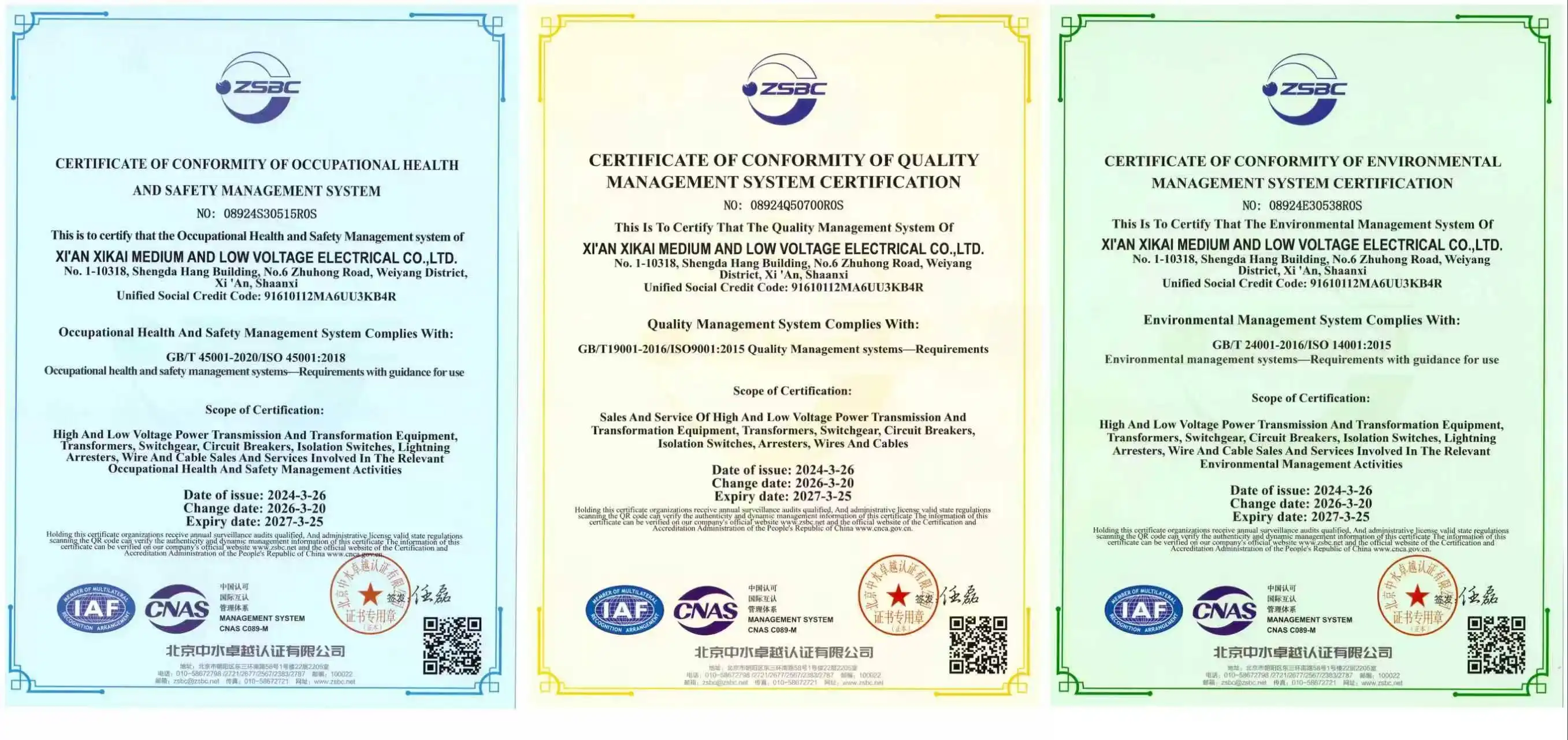
Buyers look at more than just a supplier's product lists. They also look at how well they can make products and their after-sales service. ISO 9001 certification proves that quality management systems work, and ISO 14001 certification shows that a company cares about the environment. Ask the workplace for chances to do an audit so you can see how things are put together, test them regularly, and check the systems for tracking materials. Checking with current clients who use similar types of tools can give you information about how quickly technical help responds and how easy it is to get spare parts. Certified electricians who know about high-voltage safety rules and manufacturer-specific steps are needed for installation. A lot of companies offer commissioning services along with their equipment, which makes sure that the right parts are installed and that the guarantee is valid. Construction, engineering, and buying companies should check that subcontractors are qualified, have insurance, and follow OSHA electricity safety rules. During the energization phases, expensive repairs and schedule delays can be avoided if equipment providers, installation workers, and building engineering teams work together.
Maintenance, Safety, and Common Challenges of Indoor High Voltage Switchgear
Routine Maintenance Best Practices
Schedules for preventive repair keep operations running smoothly and make assets last longer. Inspections are done every three months to make sure that the control circuit works, the interlock works, and the state of the signal lamps. Measurements of contact resistance, testing of insulation resistance using megohmmeters, and tracking of SF6 gas density for technologies that apply are all jobs that need to be done every six months. As part of the annual thorough maintenance, the vacuum bottle pressure is checked, the working gear is oiled, and the protective relay's calibration is checked. Before they break, thermographic scans find areas that show loose links or contact decay. Ultrasonic testing finds partial discharge activity in insulation systems, which lets you change parts before they break. Maintaining records of test results, part replacements, and strange notes in maintenance logs creates past records that help predictive analytics. Facilities that don't have their own experts should sign service contracts with manufacturers or specialized repair providers. This way, they can be sure that trained techs will follow written standards when doing important tasks.
Safety Regulations and Compliance Mandates
OSHA 1910.269 sets minimum approach distances and work methods for trained electrical workers who need to work on live equipment. When working within the arc-flash boundaries determined according to IEEE 1584 rules, you must wear arc-rated personal protective equipment. Proper lockout/tagout procedures, which need mechanical interlocks and management controls, keep power from being accidentally turned on during repair work. The NFPA 70E standard from the National Fire Protection Association requires electrical safety training classes that cover things like how to handle an emergency, the risks of shock and arc flash, and how to avoid them. Arc-flash danger studies must be done by facilities, equipment must be labeled with incident energy levels, and workers must be given the right PPE ratings for estimated calorie exposures. Through compartmentalized construction that moves fault energy away from user access zones, Indoor High Voltage Switchgear with IEC 62271-200 arc-resistance rating reduces these risks.
Common Problems and Proactive Solutions
Tracking marks or high partial discharge numbers show that insulation is breaking down. This is usually caused by air getting in or contamination. Failures caused by wetness can be avoided with environmental control systems that keep the relative humidity below 60%. Control circuit problems happen when the switch coil breaks, the secondary contacts wear out, or the insulation on the wires breaks down. Functional testing on a regular basis finds problems before they become too big to handle. Mechanical binding in circuit breakers happens when they are not properly oiled or when they are not aligned after being moved. During the commissioning process, the travel lengths, timing sequences, and closing/opening speeds must be checked against the manufacturer's specs. Case studies from petroleum plants show that predictive maintenance programs cut down on reactive fixes by 55% and increase the life of equipment by 20% beyond what was originally planned by using early intervention strategies.
Future Trends and Innovations in Indoor High Voltage Switchgear
Smart Switchgear Integration and Digital Monitoring
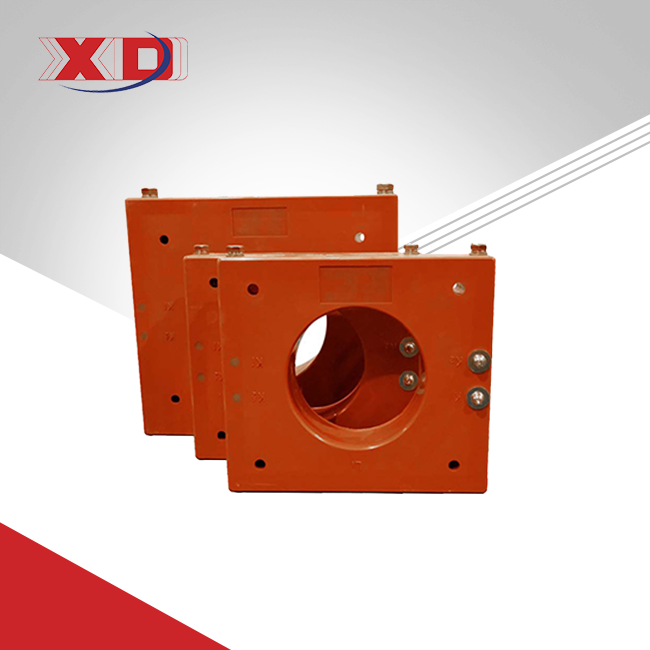
IoT-enabled switchgear platforms put temperature sensors, current transformers, indoor high voltage switchgear, and vibration monitors in every panel. These sensors send real-time data to tracking systems that are located in one place. Machine learning algorithms look at working trends and can tell weeks in advance when a part will break by noticing when it behaves differently than usual. With remote testing, makers can figure out what's wrong without having to go to the site. This cuts the average time it takes to fix something from days to hours.IEC 61850 communication methods are built into digital substation ideas. This lets safety relays, control systems, and corporate asset management platforms share data easily. This connectivity helps condition-based maintenance strategies, which replace regular inspections with actions that are driven by the real state of the equipment. Grid owners say that upkeep costs have gone down by 30% because resources are now better allocated to assets that need attention instead of following schedules based on the calendar.
Environmental Sustainability and Energy Efficiency Drivers
Regulatory forces speed up the switch from SF6 to other insulation materials. Fluoronitrile gas mixes have similar insulating performance but 99% less global warming potential. They are becoming more popular in European markets where emissions rules are strict. Better interrupter designs and hybrid setups that combine vacuum and SF6 sections are helping vacuum technology spread to higher voltage classes. Energy efficiency gains focus on auxiliary power use, lowering standby losses by switching from electromagnetic switches to solid-state controls. Capacitive voltage transformers get rid of the iron-core losses that come with regular instrument transformers. When applied to big systems, these small wins add up. For example, a 500-panel substation that reduces auxiliary load by 15kW saves $12k a year on energy costs and lowers its carbon footprint.
Market Transformations Through 2026 and Beyond
When factory-assembled pieces arrive at the job site ready to be connected, modular building methods shorten the time it takes to finish a project. HVAC, fire control, and security systems are all built into prefabricated switchgear buildings. This cuts down on construction times from months to weeks. This method works especially well for projects that need to get green energy up and running quickly, like expanding data centers. As automation increases the number of attack areas, cybersecurity becomes more important. Manufacturers use secure boot methods, protected communications, and network separation to keep operating technology safe from IT threats. More and more, procurement specs require compliance with IEC 62351 cybersecurity standards. This makes sure that switchboard control systems don't let people in who aren't supposed to be there and keep working properly.
Conclusion
Technical requirements, provider capabilities, and lifecycle management strategies must all be thoroughly evaluated before importing Indoor High Voltage Switchgear. Choosing the right equipment means weighing the needs of the current project against the goals for the long term, while also taking into account things like ease of upkeep, environmental impact, and changes in technology. Buyers will be rewarded in 2026 if they put connection with current infrastructure, safety compliance, and using digital technologies to see performance better at the top of their list of priorities. Partnerships with makers who have a history of success, quick technical support, and a dedication to constant innovation are what decide the final success of a project and its dependability over many years of use.
FAQ
1. Why choose indoor switchgear over outdoor alternatives for industrial facilities?
Indoor High Voltage Switchgear is more reliable in controlled settings because it doesn't have to deal with weather-related insulating problems and corrosion that happen with outdoor equipment. Space economy is very important in cities or places that can't grow, and soundproofing must meet strict rules for hospitals and business buildings. Dedicated electrical rooms with temperature control make it easier for maintenance staff to get to areas that need it. This cuts down on service times and makes operations safer for staff.
2. How do I select between different switchgear brands for my project?
Check the technical paperwork against the project requirements, giving compatibility with existing circuit breakers like ABB VD4 or VS1 models and transformer connections the most weight. Look at examples of setups that have been used in similar situations, like data centers, factories, or utility substations, to see how well they've worked in the past and how quickly they can be fixed. Instead of just looking at the initial purchase price, you should also think about the total costs of ownership, such as the availability of repair parts, training programs, and the closeness of the service network.
3. What warranty and maintenance considerations matter most during imports?
Comprehensive warranties should cover flaws in the manufacturing process for 24 to 36 months and include help for installation, inspection, and testing. Make it clear how many extra parts will be stocked and how long it will take to respond to emergencies, especially for sites that are far away. Maintenance contracts that include regular checks, testing services, and fast parts delivery make running costs predictable and make sure that experienced techs service important equipment according to maker standards and safety rules.
Partner With Xi'an Xikai for Your Indoor High Voltage Switchgear Needs
Xi'an Xikai is ready to help you with your next electrical infrastructure project. They offer complete indoor high voltage switchgear solutions that are backed by strict quality systems and a lot of experience with these kinds of projects. Our factories make things that work with ABB VD4 and VS1 breakers, isolation trucks, and transformer connections for voltages ranging from 12kV to 40.5kV. Plateau-capable designs work effectively at heights of up to 4,000 meters, and arc-resistant construction meets IEC 62271-200 safety standards to keep people and property safe. As a top provider of indoor high-voltage switchgear, we provide modular plans that can be changed to either a single-bus or a sectional layout. This allows for quick installation times for grid updates and facility expansions. During the buying process, our engineering team provides expert advice to make sure that the right specifications are made in line with your business needs. Get in touch with our experts at serina@xaxd-electric.com, amber@xaxd-electric.com, or luna@xaxd-electric.com to talk about the details of your project and get personalized quotes backed up by thorough technical data and case studies.
References
1. International Commission for Electrotechnical Standards. "IEC 62271-200: High-voltage switchgear and controlgear – Part 200: AC metal-enclosed switchgear and controlgear for rated voltages above 1 kV and up to and including 52 kV." Geneva: IEC 2021.
2. The Institute of Electrical and Electronics Engineers. "IEEE 1584-2018: IEEE Guide for Performing Arc-Flash Hazard Calculations." In 2018, the IEEE Standards Association published this guide in New York.
3. National Association for Fire Protection. "NFPA 70E: Standard for Electrical Safety in the Workplace, 2024 Edition." NFPA, Quincy, 2023.
4. Chen, W., and Zhang, L. The Journal of Electrical Engineering & Technology has an article called "Comparative Analysis of SF6 and Vacuum Circuit Breaker Technologies in Medium-Voltage Applications." 18, no. 4, 2023, pp. 2134–2147.
5. The U.S. The Occupational Safety and Health Administration is part of the Department of Labor. "29 CFR 1910.269: Electric Power Generation, Transmission, and Distribution." OSHA issued this rule in Washington, DC, in 2022.
6. World Market Insights. "High Voltage Switchgear Market Size By Voltage Rating, By Installation, By Application, Industry Analysis Report, Regional Outlook, Growth Potential, Competitive Market Share & Forecast, 2024-2032." Delaware: GMI Research, 2024.