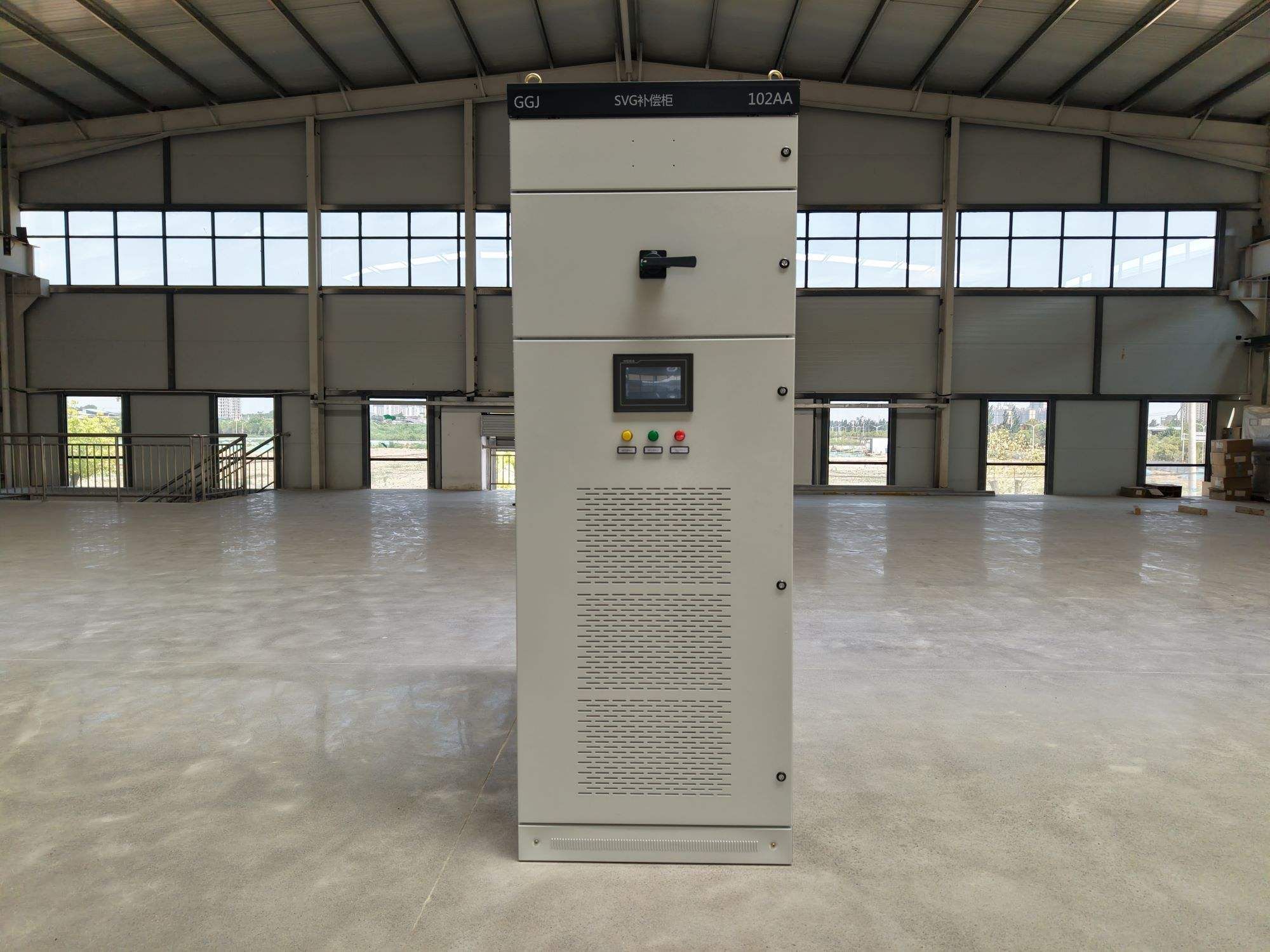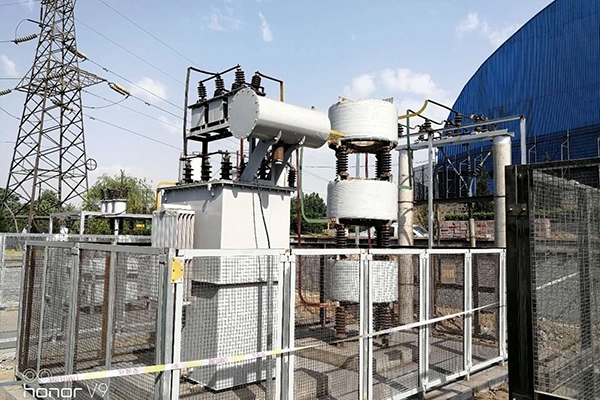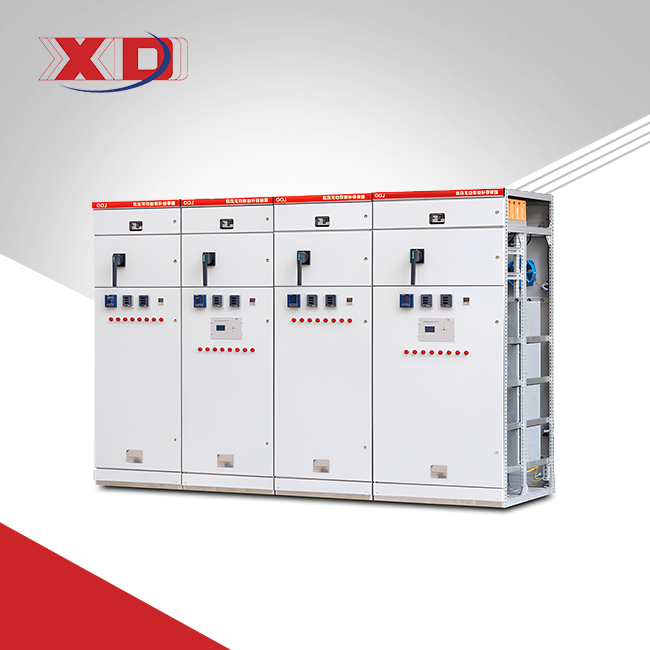
GGJ Low Voltage Reactive Power Intelligent Compensation Device
Where to Buy Automatic Changeover Switch Reliable Suppliers
2026-05-09 16:25:13
It takes a lot of study and review to find a reliable source for power switching tools. It is best to look for an Automatic Changeover Switch from a company that has a history of providing reliable electrical solutions for business settings. When it comes to a reliable maker, Xi'an Xikai Medium & Low Voltage Electric Co., Ltd. stands out. They offer a wide range of power distribution options and have been ISO certified for over 15 years. Facility managers, utility companies, and EPC firms looking for reliable transfer switch solutions can get both expert help and low prices through their direct sales channels and approved wholesalers all over North America.
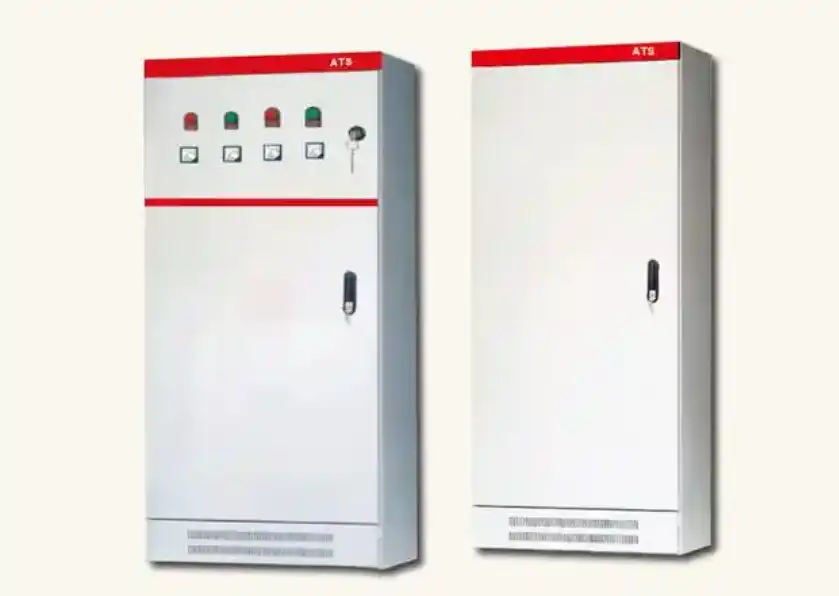
Understanding Automatic Changeover Switches
Every year, power outages cost American businesses billions of dollars in lost work time and damaged equipment. By carefully handling the switch between utility power and backup generators, an Automatic Changeover Switch protects your building against these problems.
Core Functionality and Operational Principles
At its core, a transfer switch constantly checks the quality of the power coming in. Controls in modern units are built on microprocessors and keep a close eye on voltage levels, frequency stability, and phase balance. When the system recognizes situations of undervoltage, overvoltage, or phase loss that are higher than predetermined limits, it starts a coordinated switching process. To do this, the main power feed has to be cut off, the generator has to be told to start, and the load has to be moved once the backup power is stable, all while keeping important safety interlocks. Both power sources can't join at the same time because of the mechanical and electrical interlocks. If they did, it would lead to disastrous backfeed conditions. The switching is done by high-grade copper contacts that are made to last thousands of operating rounds without breaking down.
Types of Transfer Switch Technologies
Different working settings call for different switching strategies:
- Open Transition Systems: These cut the power for a short time, usually less than three seconds, when the source changes. Because they are simple and don't cost much, open transition units are often used in manufacturing facilities with non-critical processes. The short break keeps the power and generator systems from interacting with each other.
- Closed Transition Systems: This type of technology is used in data centers and hospitals that need to have no downtime. These high-tech units temporarily connect both sources in parallel during the shift, which keeps the power flowing. Before closing both contactors, the process needs to be perfectly in sync so that the voltage, frequency, and phase angle are all the same.
- Delayed Transition Systems: A middle-ground method adds a neutral point between the sources, letting any remaining voltage drop before the transfer is finished. This method works well for sensitive equipment that can be damaged by voltage spikes and keeps switching speeds acceptable.
Industrial Applications and Benefits
Even delays of a few milliseconds are too much for data centers that handle banking transactions. Modern transfer switches with switching times of less than 20ms keep server operations safe, and advanced tracking systems keep track of every power quality event for legal reasons. Protection features that find power drops before they damage servo motors or mess up program data are helpful for factories that use CNC machines. The generator start signal output turns on backup power systems instantly, so there are no wait times for people to respond during overnight shifts. Life-safety systems in commercial hospitals are maintained by code-compliant transfer switches that meet NFPA 110 standards. These installations are put through Automatic Changeover Switch strict testing procedures, and upkeep plans are written down so that the Joint Commission can look them over.
How to Choose the Right Automatic Changeover Switch for Your Needs
Buying things has long-lasting effects on how well they work and how much they cost to maintain. A thorough selection process keeps expensive mistakes from happening when equipment capabilities don't match up with building needs.
Assessing Power Capacity Requirements
First, figure out the important load rating for your building. Look at electrical models to find lines that need backup power, then add up how much power they use at their peak. Include an extra 25% for safety in case the motors and transformers both turn on at the same time, causing inrush currents. The voltage ratings must match the way your power is distributed. In North America, most buildings use 480V three-phase or 208V systems, but some older buildings still use 240V delta systems. Make sure that the voltage range of the transfer switch covers your standard source and has enough tolerance bands. Ratings from 100A to 3200A meet most business needs right now. When connected to a 480V system, a 500kW generator needs about 600A of power. Make sure that the transfer switch's rating matches your generator's highest output, not just its usual load, so that it doesn't trip when demand is high.
Evaluating Technical Specifications
Equipment tolerance is directly affected by switching speed. Power source hold-up capacitors help computers handle short pauses, but industrial drives can break down in as little as 50 milliseconds. Read the manufacturer's datasheets to find out the transfer time when the device is both loaded and empty, because performance varies a lot. Compliance certifications make sure that promises about safety and efficiency are true from a third party. UL 1008 certification proves compliance with North American safety standards, while IEC 60947-6-1 approval shows acceptance in foreign markets. CE marking shows that a product meets the rules of the European Union, and RoHS approval shows that dangerous chemicals are limited. For setups in rooms that don't have air conditioning, the operating temperature requirements are important. Extreme settings, from the cold winters of Canada to the hot summers of Arizona, don't affect the performance of equipment that is designed for -30°C to +70°C operation.
Comparing Transfer Switch Configurations
The cheapest option is a manual shift switch, but it needs to be manned during power blackouts. Facilities with people on call 24 hours a day, seven days a week, and non-critical loads will sometimes work with this limitation. When compared to mechanical systems, the human delay factor usually makes outages last a few minutes longer. Self-contained automatic units offer reliable switches and are easy to set up. These self-contained devices are easy to install near electricity service openings because they don't need to be connected to anything else. Their ease makes fixing easier when problems happen.ATS panels that are integrated have switching methods, distribution functions, generator controls, and tracking systems all in one enclosure. Consolidating equipment helps large sites because it cuts down on installation work and panel room needs. Advanced models link to building control systems through Modbus protocols or the Internet of Things (IoT), which lets them be monitored from afar and schedule repairs ahead of time.
Balancing Quality and Investment
A brand's image is based on the thousands of installations that it has done in the field. Established makers keep large stocks of spare parts and expert support networks that are essential for keeping fixes as short as possible. Newcomers to the market may have good prices, but they don't have any long-term dependability data that has been proven. Warranty terms show that the company that made the product is confident in its longevity. Standard covering for one year barely lasts longer than the time between infant deaths when manufacturing flaws show up. Longer warranties of five years that cover extra parts show that the quality control and material choice are better. Carefully look over the coverage details because some don't cover things that wear out over time, like contact tips that need to be replaced every so often. The buying price is only part of the total cost of ownership. Other costs include work for installation, upkeep, and the expected service life. A transfer switch that is used 10,000 times over 15 years is a better deal than a cheaper one that needs to be replaced after only 5,000 cycles, even though the cheaper one costs 30% less at first.
Where to Find Reliable Suppliers for Automatic Changeover Switches
Finding reliable providers will keep your facility safe from fake goods, bad technical support, Automatic Changeover Switch, and supply chain problems that cause important projects to be delayed.
Verifying Distributor Credentials
Authorized sellers work directly with makers to make sure they only sell real goods and honor warranties. Before finalizing purchases, make sure you have proof that you are allowed to make the buy. Genuine distributors are happy to give you this information, but scammers often try to avoid questions like these. At every step of the marketing process, certified supply chains use quality control measures to make sure the products are real. These systems stop fake parts from getting into real ones, which is becoming more of a problem as more complex fakes get into industrial markets.
Evaluating B2B Procurement Platforms
Online markets make it easier to compare prices from different sellers, but they need to be carefully checked out. Platforms that focus on industrial parts usually have tighter rules for verifying sellers than sites that focus on general goods. Look at how sellers are rated based on how quickly they deliver, how good the products are when they get there, and how quickly they answer technical questions. Buying in bulk from specialized industrial dealers can often get you savings that you can't get when you buy in stores. If you have relationships with area distributors, it's easier to get new parts quickly when your equipment breaks down.
Benefits of Direct Manufacturer Relationships
By buying directly from makers like Xi'an Xikai, you can avoid markups on the products you buy and get technical help while the specifications are being made. Factory-direct routes let you make changes that you can't make through distribution, like changing the enclosure grades or the connection protocols. The quality of technical help changes a lot from one source to the next. Manufacturers hire experts who know about design details and how to fix problems, but dealers rely on people who know a lot about the product in general. Direct access to plant resources during commissioning and optimization is helpful for complex installs.
Regional Supplier Considerations
North American sellers keep their stock in warehouses in their own countries, which cuts wait times from weeks to days. This closeness is helpful when project deadlines get squished or changes need to be made quickly. Local expert support teams are more likely to visit the site than manufacturers from other countries, though many well-known foreign suppliers still have area service networks. European sellers often stress that their products meet IEC standards, which could mean that UL-required North American projects need extra testing. Before selecting imported equipment, make sure that the certification meets the standards of your area. This will help you avoid costly delays during inspection approvals. Logistics skills have a big effect on how long a job takes to finish. When compared to vendors who need buyers to plan shipping, those who handle freight transfer, customs paperwork, and last-mile delivery make buying processes easier. Instead of just comparing ex-factory prices, look at the total landing cost that includes these services.
Installation and Troubleshooting of Automatic Changeover Switches
Installing things the right way increases their performance and lifespan, while an Automatic Changeover Switch reduces safety risks. Knowing about common problems helps build teams to fix small issues without having to call maker support.
Professional Installation Guidelines
Safety starts with following the right lockout/tagout steps to turn off all power sources before starting work. Instead of just depending on the indicator lights, use standardized test tools to make sure there is no voltage. Isolation is needed for both the power feed and the generator feed because backfeed from either source can kill you. The installation plan should make sure that there is enough airflow around the enclosure, since switching processes produce heat that needs to be removed. When ambient temperatures are higher than the equipment's limits, the insulation of the Automatic Changeover Switch and contacts wear out faster. Keep the distances listed in the paperwork for both managing temperature and getting to services. Use precise tools to torque all electrical connections to the manufacturer's specs. When terminations are too loose, they make high-resistance joins that cause heat and voltage drops. On the other hand, when they are too tight, they damage wire strands or crack terminal lugs. For quality assurance purposes, write down the torque numbers that were used on each link.
Common Operational Issues
When something trips during normal operation, it's usually because the voltage cutoff settings are wrong. Compare the microprocessor control settings with the real power qualities that were recorded over a few days by the utility company. Temporary drops in power caused by nearby motors starting up may need to be fixed so that needless transfers don't happen. Most of the time, open control circuits or dead starting batteries are to blame for generator start signs that don't work. Using a voltmeter, check the output switch to make sure it closes correctly when transfer conditions are met. Check that the wire is still connected between the control pins on the transfer switch and the inputs on the generator control panel. Wear on mechanical contacts can be seen when transfer times get longer or when connection points get hot. Every year, thermal image studies find hot spots that are starting to form before they fail. Replacing contacts at regular repair times keeps the system from going down without warning and makes it last longer overall.
Preventive Maintenance Practices
Visual checks once a month find clear problems like loose connections, pests getting in, or water buildup. Check the digital screens and indicator lights for problem codes that need to be looked into. During test moves, listen for strange sounds. Buzzing or grinding sounds mean that mechanical problems are starting to happen. Contact inspection, control circuit testing, and mechanical operation proof under load conditions should all be part of the annual maintenance done by trained techs. Every month, you should use the transfer switch to keep the contacts from rusting and to oil the moving parts according to the manufacturer's instructions. All repair tasks should be written down so that warranty claims and legal compliance can be supported. Cleaning the dust off shelters stops the tracking that causes electrical problems in damp places. Only clean with approved methods, since some solvents can damage insulating materials or leave behind conductive remains.
Conclusion
When looking for an Automatic Changeover Switch, you need to think about technical specs, provider stability, and long-term value. We've looked at how intelligent power source management in transfer switches protects important processes, how to choose equipment that fits the needs of the facility, and how to find trusted supplier channels that offer real goods with the right support. Best practices for installation and understanding of how to fix problems allow building teams to get the most out of their tools while minimizing the risk of downtime. As the need for power stability grows across all industries, working with well-known companies that offer full technical support and reliable products gives your facility the operating security it needs.
FAQ
1. What distinguishes an Automatic Changeover Switch from a manual transfer switch?
The main difference is in how autonomous the operations are. When the power goes out, manual transfer switches need to be operated by a person, which can cause reaction times to vary from minutes to hours based on staff availability. Automatic systems constantly check the quality of the power and make changes without any help from a person, usually within seconds of finding problems with the utility. This difference in speed is very important for places where even short breaks can hurt processes or put people in danger. Automatic units are also much more expensive because they have more complex control systems and motorized motors. This means that manual switches are a better option for situations where the loss response time needs to be longer.
2. How do I determine the appropriate capacity for my generator system?
Find all the circuits that need backup power and add up their highest demand rates from the electrical panels. This will give you your critical load. To account for engine starting currents and future growth, multiply this number by 1.25. To keep the overload from happening, make sure that the current rate of the transfer switch matches your generator's maximum output capacity instead of the usual load. The voltage ratings must match your distribution system. For industrial buildings, the voltage rate is usually 480V three-phase, and for business buildings, it's 208V. For complicated setups with harmonic-sensitive loads or power factor correction equipment, electrical engineers should be consulted because these things have a big impact on size calculations.
3. What warranty coverage should I expect from reputable suppliers?
Depending on the brand and type of goods, standard warranty terms are between one and five years. During the warranty time, full coverage includes replacing parts, paying for work, and covering shipping costs. Carefully read the list of things that the warranty does not cover, as many of them don't cover wearable parts like contact tips or damage caused by bad fitting or upkeep. Longer guarantees than three years show that the maker is confident in the product's durability and usually make up for a little higher prices by lowering the costs of ownership over time. Before you buy, make sure you have the guarantee paperwork and that you understand how to register it to make sure that the coverage starts.
Partner with Xi'an Xikai for Your Power Switching Solutions
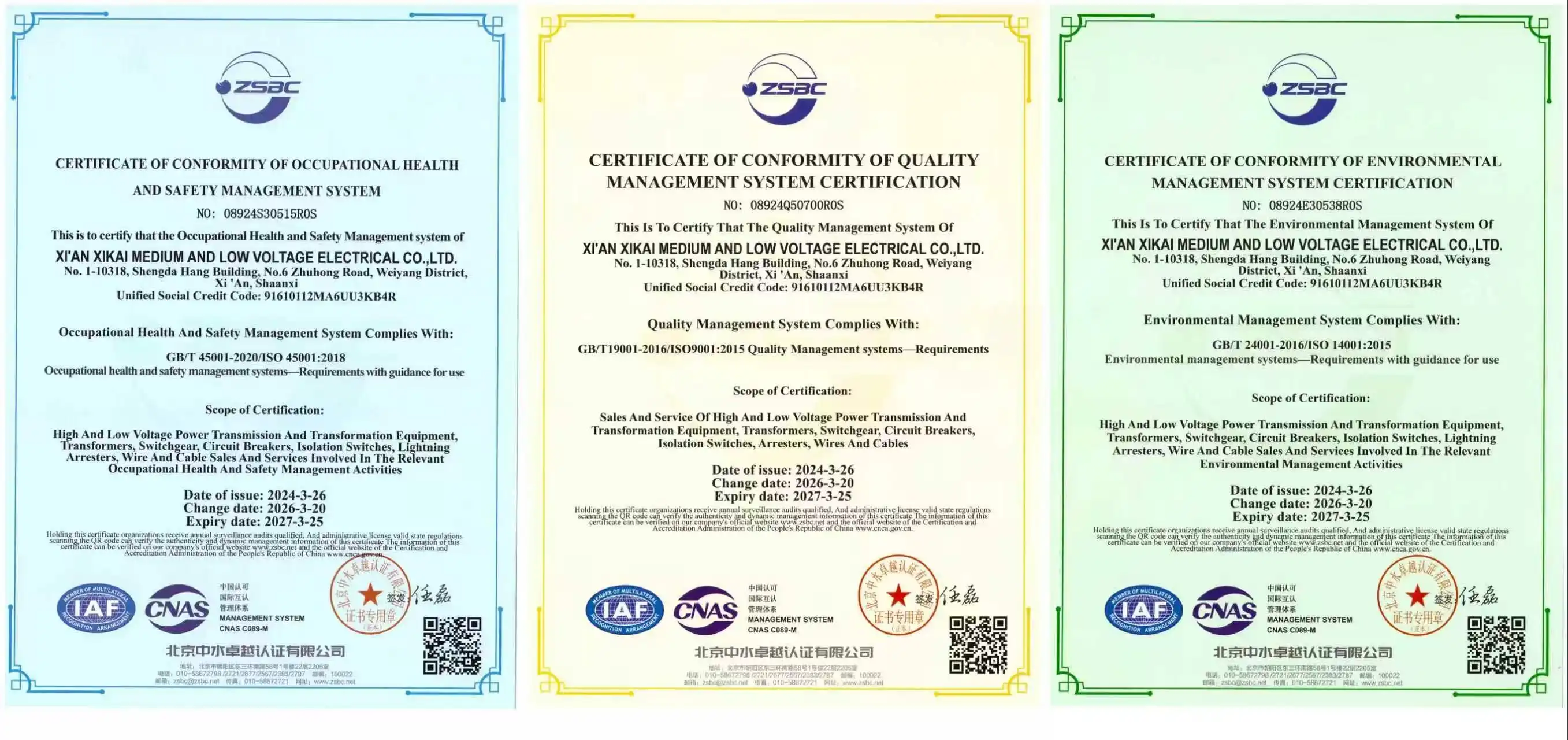
The stability of your facility will be affected for years to come by the Automatic Changeover Switch provider you choose. Xi'an Xikai Medium & Low Voltage Electric Co., Ltd. has been making things for more than 15 years and can help with power transfer problems in utility, business, and industrial settings. Our ATS systems have switching speeds of less than 20ms and full safety features. They are certified by ISO 9001, 14001, and 45001, and they meet UL 1008 standards. We provide custom solutions that meet the strictest operating needs for factories, data centers, hospitals, and building projects all over North America. You can email our expert team at serina@xaxd-electric.com, amber@xaxd-electric.com, or luna@xaxd-electric.com to talk about your needs and get quotes from a reliable maker.
References
1. National Fire Protection Association. (2022). NFPA 110: Standard for Emergency and Standby Power Systems. Quincy, MA: NFPA Publications.
2. Institute of Electrical and Electronics Engineers. (2021). IEEE Standard 446: Recommended Practice for Emergency and Standby Power Systems for Industrial and Commercial Applications. New York, NY: IEEE Press.
3. Underwriters Laboratories. (2020). UL 1008: Standard for Safety Transfer Switch Equipment. Northbrook, IL: UL Standards Publications.
4. International Electrotechnical Commission. (2019). IEC 60947-6-1: Low-Voltage Switchgear and Controlgear - Part 6-1: Multiple Function Equipment - Transfer Switching Equipment. Geneva, Switzerland: IEC Publications.
5. American Society of Heating, Refrigerating and Air-Conditioning Engineers. (2021). ASHRAE Handbook: HVAC Applications, Chapter 34 - Emergency and Standby Power Systems. Atlanta, GA: ASHRAE Publications.
6. Electrical Generating Systems Association. (2020). EGSA 101P: Recommended Practice for Paralleling Generator Sets. Boca Raton, FL: EGSA Technical Publications.