
Indoor Potential Transformer for Digital Substation Monitoring
2026-11-12 17:21:44
An indoor potential transformer for digital substation monitoring steps a medium-voltage signal down to a safe, standardized level that meters, protection relays, and merging units can read. It sits inside switchgear, keeps the primary circuit isolated from low-voltage electronics, and passes voltage data at a defined accuracy class. In a digital substation, the right unit depends on ratio, burden, insulation, and physical fit. I wrote this guide for switchgear makers and procurement teams who need clear selection steps. It also covers the 35kV indoor voltage transformer from Xi'an Xikai, using parameters from our product data.
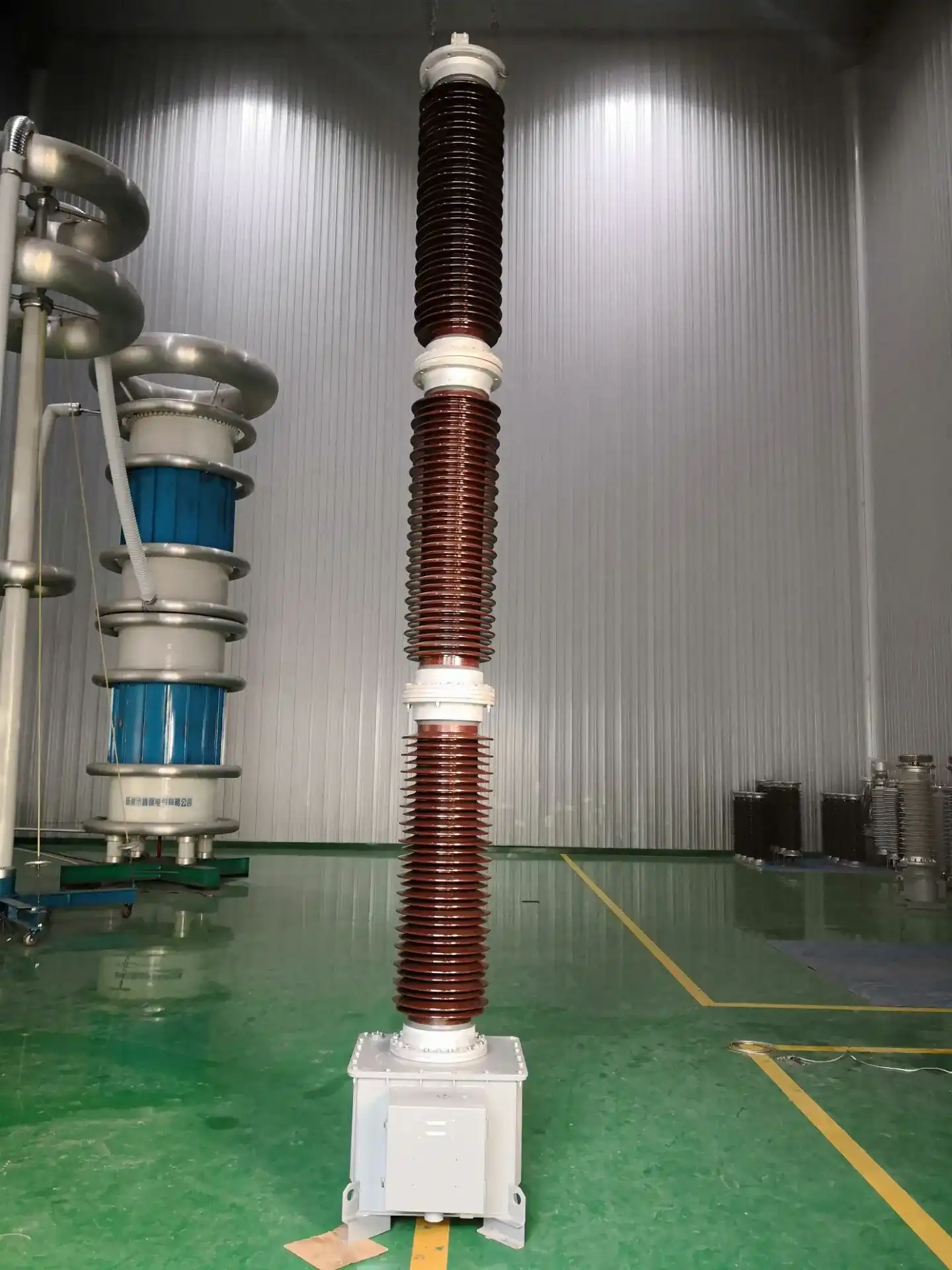
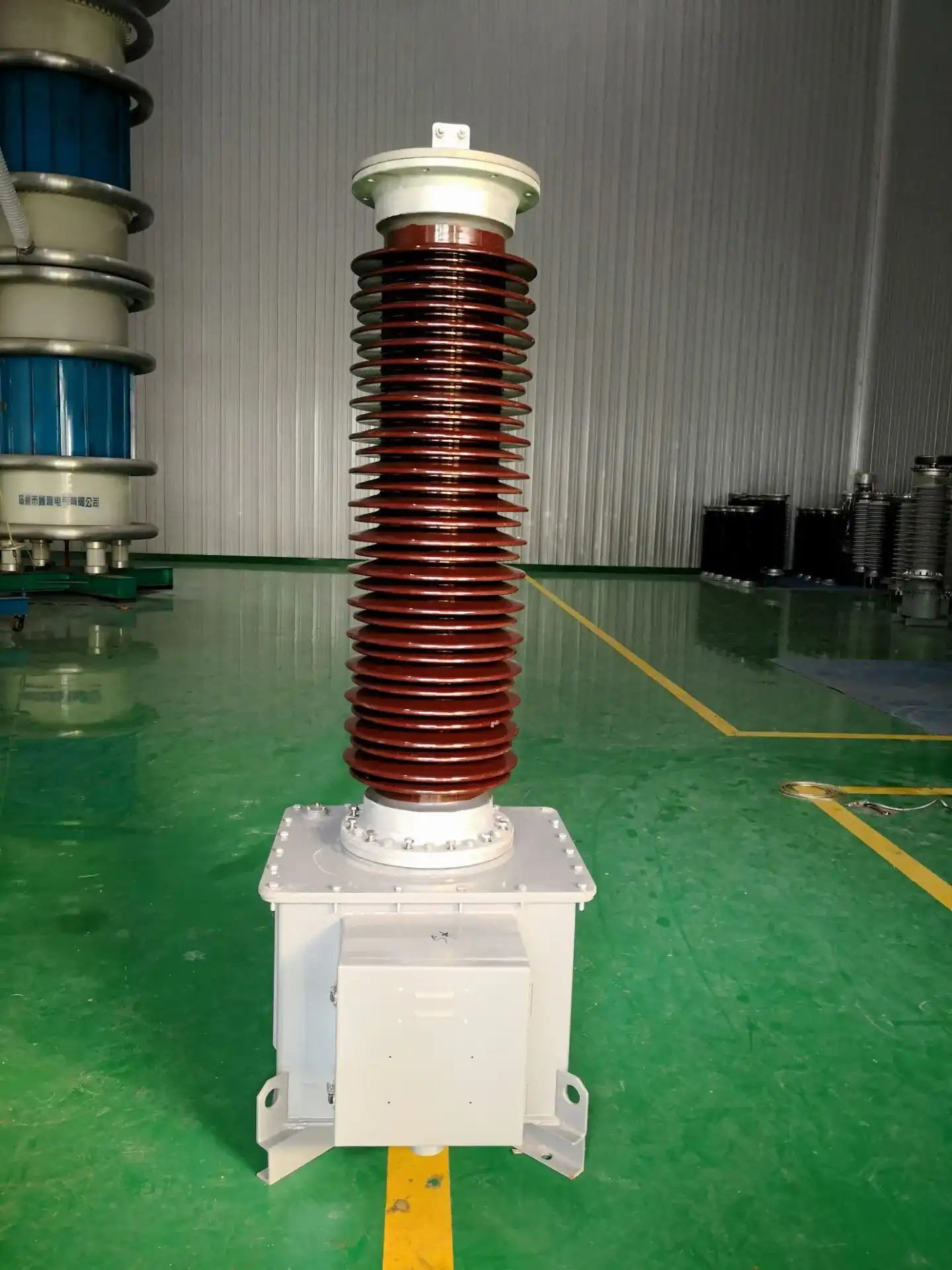
Why an Indoor Potential Transformer Matters in Digital Substation Monitoring
What an Indoor Potential Transformer Does
The indoor potential transformer is an instrument transformer for medium voltage that is made to be used inside of buttons and control cabinets. A voltage transformer (VT) is another name for it. What makes it work is electricity and magnetism. When it comes to precision, the number of turns, the magnetic core, and the rated load all play a role. The main winding links to the bus or feeder, and the secondary winding sends a stepped voltage, usually 100 V or 100/√3 V, to meters and relays. Primary and secondary windings, an insulated core, connections, grounding holes, and mounting tools are some of the parts that are used in most electric circuits. People still like inductive designs in places where accurate metering and safety are important.
Its Place in the Digital Signal Chain
In a digital substation, the voltage line starts at the medium-voltage bus or feeder and goes to the indoor potential transformer. It then goes to secondary terminals, a switch or meter, and finally to an RTU, PLC, SCADA, or automation platform. In plans that use IEC 61850, a merging unit is often used to turn the analog secondary signal into sampled values for the process bus. Everything else depends on what the indoor potential transformer does, so if this first link is broken, the whole chain is broken. Make sure the output voltage, frequency, polarity, phase sequence, and load are all right for the receiving device before you freeze the design.
Wiring Details That Protect Data Quality
It's just as important to have the right link as it is to have a generator. The phase, the neutral, the secondary fuses, the terminals, the shielding, and the space between the cables should all be checked at the connections. Harmonics, phase shift, electromagnetic interference, and ratio error are some of the things that can mess up readings. As a general rule, short wire runs and conductors that are the right size will keep the weight down. A short circuit on the secondary side can overload the winding, so it's also important to have secondary safety. Each design for a project should come with a clear wiring plan so that teams that are installing and testing can use the same file.
Indoor Potential Transformer Types, Specifications, and Insulation
Single-Phase, Three-Phase, and Cast-Resin Options
Single-phase units are easy to change and can be put in one phase at a time. Three-phase designs may be easier to see and take up less space when put together. Cast-resin types are often used in indoor switches because the solid insulation is small and doesn't need to be handled with oil. For safety and metering tasks, you might need different precision classes, loads, or secondary windings that are separate from the main one. If the cubicle is fixed or can be moved, does the indoor potential transformer measure a busbar or a feeder? Also, make sure you know where the terminals, interlocks, and repair access are before you choose a design. Most of the time, these mechanical details are just as important when making a decision as the electrical ones.
What a Complete Specification Includes
A full indoor potential transformer specification lists the frequency, the transformation ratio, the load, the accuracy class, the insulation level, the measurements, the weight, and the environmental conditions. It also lists the rated primary voltage and the highest voltage that the equipment can handle. Many times, 10 kV, 11 kV, 12 kV, 24 kV, and 35 kV are used as medium voltage levels. But the real values depend on the rules of the utility company, how the equipment is grounded, and how the switchgear is made. Defense classes (3P and 6P) and measuring classes (0.2, 0.5, and 1.0) are not the same thing. In the U.S., people who work from IEEE C57.13 will also see load names like W, X, M, Y, and Z. Make sure you say what size your pictures are.
Insulation Tests Worth Checking
An indoor potential transformer inside a crowded cubicle might last for years, but only if it is well insulated. Check to see if it can withstand power and frequency, lightning strikes, partial discharge, creepage distance, and clearing. Find out about the type tests and regular tests that were done on each unit. IEC 61869-1 has rules for all instrument transformers, and IEC 61869-3 has rules for inductive voltage transformers. Small discharges can happen in insulation gaps, which wears down the material over time. This is why partial discharge is important for cast resin. In real life, a low level on the report means the casting was clean.
Indoor Potential Transformer Applications and Comparison
Where Indoor PTs Work in Digital Substations
Indoor potential transformers can do directional protection, problem tracking, event analysis, income metering, and feeder energy analysis. They can also guard against overvoltage and undervoltage. Data centers, mining sites, factories, power plants, and business buildings are all places where you can find them. Inside switchgear that is made of metal, the indoor potential transformer has to be able to fit around busbars, cable compartments, shutters, interlocks, and service clearances. Signals of steady voltage are also used for monitoring conditions. These signals are used to look at phase imbalances, voltage trends, noise recordings, and connecting to platforms for managing assets. Make a list of the things that need to be done before you ask for a price. Each one has its own level of accuracy and set of requirements for the load.
Indoor Potential Transformer Versus Outdoor PT and CT
Outdoor units have to be resistant to weather, UV light, pollution, and changes in temperature, but indoor units don't have to be because they are kept in a safe place. An indoor potential transformer is also not the same thing as a current generator. With the CT connected to the PT, it measures the flow of electricity. The voltage is measured by the PT, which is connected across the primary circuit. Both are often on the same piece of hardware. They show meters, relays, IEDs, and SCADA the whole picture of how power flows when they work together. If you mix them up during design reviews, the wiring and safety settings might not work right. To avoid this, make sure that their ratings on the drawings are not mixed up.
Inductive PTs Versus Capacitive and Low-Power Sensors
Small digital systems can use capacitive voltage generators and sensors that don't use a lot of power. However, inductive indoor potential transformers are still a good choice for well-known systems that measure and guard. Why? Because we know how they act, and the transfer settings already take that into account. First, make sure you know what kinds of data your joining or relaying units can handle. Then, look at your cubicle and see how much space you have and what speed you need to show. If your safety devices need a 100 V-class secondary, an inductive PT joins straight. On the other hand, a sensor input might need a different kind of interface. Price alone shouldn't be important.
35kV Indoor Voltage Transformer from Xi'an Xikai
Listed Parameters
The indoor potential transformer (potential transformer) has the following specs written on our data sheet:
- Electrical ratings: The ratings are 35 kV for the input, 10 kV for the output, 50/60 Hz for the frequency, 600–800 A for the main current, and 5–1 A for the output. Accuracy classes for measuring are 0.2 and 0.5, and accuracy classes for security are 3P and 5P.
- Construction and standards: It's made of epoxy resin and has a full enclosure. Built to GB 20840.2-2014 and IEC 61869-1 and 61869-2, it can work at -40°C to +70°C, and partial discharge is below 10 pC.
These numbers show the unit is exact and has a lot of room. Send us your project’s IEC 61869 parts and our researchers will see how they match the plan.
Core, Winding, and Fit for Switchgear
Grain-oriented silicon steel is used to make the core so that there is low hysteresis loss. The data sheet lists dual-wound secondary coils that keep the measurement and protection circuits separate. Since the resin body is sealed all the way, there are no air holes. Partial discharge is less likely to happen because of this. For wall-mounting, the usual size is 400 mm x 300 mm x 200 mm, but the exact measurements should be shown on your cubicle plan. What's inside changes how stimulation works and how well it works. Please let us know right away if your plan calls for a different core material or more secondary windings. Your question and the picture will be looked at.
Quality Control and Customization for OEM Programs
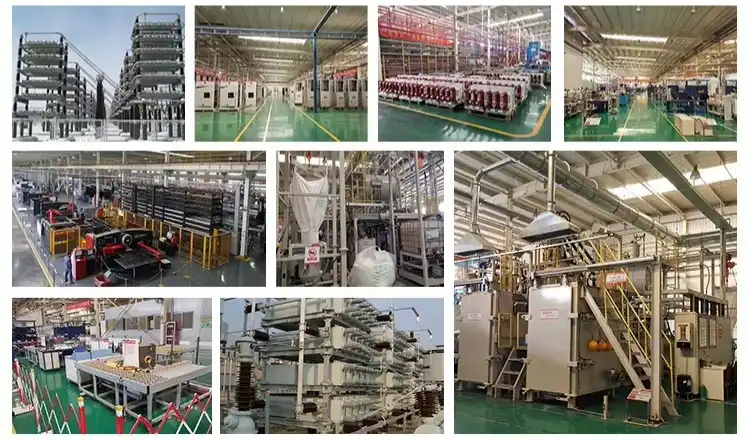
In the making process, vacuum-cast epoxy glue and high-purity copper windings are used. In addition to accuracy verification, power-frequency withstand, and partial discharge are some of the general tests that every unit has to go through. Our goods have the ISO 9001, ISO 14001, and ISO 45001 marks on them. There are 34 series and 7 product categories that Xi'an Xikai makes for medium- and low-voltage equipment. Our equipment for plateaus can work at heights of up to 4,000 meters. OEM switchgear makers can send for review custom voltage ratios, needs for more than one secondary, and mounting needs. Standard units have a wait time of up to 12 weeks, and we confirm custom plans once the drawing is accepted.
Selection, Installation, and Supplier Checks
How to Choose an Indoor Potential Transformer
Pick the job you want to do first. This could be metering, protecting, keeping an eye on the busbar, measuring the feeder, proving voltage is present, replacing or adding OEM switchgear. Then check the system voltage, wind speed, load, insulation level, measurements, environment, phase setup, and frequency. Make sure the indoor potential transformer works with switches, meters, IEDs, PLCs, and SCADA before you start making it. When you compare quotes, make sure that the prices of the goods do not include the costs of testing, marking, shipping, taxes, and other fees. In this way, each offer talks about the same things. Note down the drawings, changes, delivery terms, and terms of the warranty. This way of comparing things is fair for both the technical team and the buying team.
Installation, Testing, and Maintenance Checks
Check that the nameplate matches the approved specification before installing. Also, look at the resin body, terminals, mounting surfaces, and how it was moved. A lot of different tests are done during commissioning. These include tests for insulation resistance, ratio, polarity, secondary continuity, grounding, and any accuracy or dielectric tests that are unique to the project. While the links are being serviced, look for dirt, cracks, tracking, and warmth that doesn't seem right. The ratio, load, accuracy, insulation level, size, and layout of the terminals on the new indoor potential transformer have to be the same as those on the old one. Set up a controlled shutdown and make a list of all the steps that need to be taken to start the process. This stops mistakes in the wiring and keeps the switches and meters that are linked safe.
Supplier Quality and Delivery Planning
Design, production, review, and testing are all controlled by a reliable company that makes indoor potential transformers. For each unit, look for records of regular tests that can be kept track of, details about the materials, and information on the insulation system. Check to see if they are IEC or local compliant, if they can do type tests, and if they have the production capacity, packaging, exporting experience, and technical support you need. The project is less likely to fail if the provider sends approval drawings before production, sets clear standards for plant acceptance testing, saves technical files for future orders, and tells the difference between standard and custom wait times. If you place monthly orders for a stock that lasts a year, let the seller know ahead of time so they can work with your schedule for building the cubicles.
Priorities for Different Buyers
Managers who buy things look at the total cost of ownership, how stable the supplier is, the lead time, the paperwork, and what the quote includes. Electrical engineers look at approved drawings side by side to make sure that the ratio, load, accuracy, coordination of the insulation, and compatibility of the relays are all correct. Most of the time, distributors like orders that are the same and have the same power class. OEMs that make switchgear need to know exactly how big the terminals are, where they go, and how much space there is between them. For retrofits, electrical equivalence alone is not enough. You also need to check the fit, legacy wiring, shutdown requirements, and commissioning steps. A buyer and a technical manager can look over an indoor potential transformer more quickly if they have a list of these things to look at together.
Conclusion
A voltage signal that is safe and correct for meters, switches, combining units, and SCADA is sent to digital substations by an indoor potential transformer. This guide showed that results can be changed by ratio, burden, accuracy class, insulation level, and physical fit. It also showed that the wires can change the accuracy of data just as much as the gadget itself. There are different cubicle layouts that can use single-phase, three-phase, or cast-resin models. Metering and safety systems that are well known can work with inductive designs. A 35kV unit with two secondary windings and an electromagnetic design made of epoxy resin and silicon steel with 0.2/0.5 metering classes is talked about in this article. Teams must first agree on the job, then compare quotes for similar work, then go over test papers and make sure plans are correct before starting production. After being put into service, the accuracy of the measurements is kept safe by careful installation checks and regular checks.
FAQ
1. What does an indoor potential transformer do?
An indoor potential transformer reduces medium voltage to a normal secondary level so that meters, relays, and tracking tools can check the voltage and keep the circuit safe. The primary voltage does not put people or electronics at risk.
2. How does a PT differ from a CT?
To find the voltage, a PT is put in between the cords. When you connect a CT in series, it checks the flow of electricity. Meters and safety switches need both voltage and current, which is why most switchgear has both.
3. How do I select the accuracy class?
To bill and look at energy use, pick a metering class of 0.2 or 0.5. When you protect relays, use a class of 3P. Match the class to the project's level of difficulty and responsibility.
4. Can the design be customized?
You can compare it to your picture to see how the lengths, widths, mounting dimensions, and connector setups look. Ask about testing, quantity, and approval of the picture to find out how long the wait time will be for a custom indoor potential transformer.
Request an Indoor Potential Transformer Quotation from Xi'an Xikai
When you send your voltage, load, accuracy class, measures, and number to Xi'an Xikai, they will make an indoor potential transformer for you. Their plateau-style tools can handle jobs that are up to 4,000 meters long. Our experts look over custom ratios and sketches before they are put into production. To find out more, visit xaxd-electric.com or email serina@xaxd-electric.com, amber@xaxd-electric.com, or luna@xaxd-electric.com.

References
1. IEC 61869-1: Instrument Transformers – Part 1: General Requirements, 2023
2. IEC 61869-3: Instrument Transformers – Part 3: Additional Requirements for Inductive Voltage Transformers, 2011
3. IEEE C57.13: Standard Requirements for Instrument Transformers, 2016
4. IEC 61850-9-2: Communication Networks and Systems for Power Utility Automation – Specific Communication Service Mapping, Sampled Values over ISO/IEC 8802-3, 2011
5. IEEE C37.20.2: Standard for Metal-Clad Switchgear, 2015
6. Instrument Transformers: Application Guide, ABB, 2013