
Can an Outdoor Disconnect Switch Operate Reliably in Icy Conditions?
2026-11-11 17:21:17
An outdoor disconnect switch can operate dependably in icy conditions, but only when the design, rating, installation, and upkeep match the site climate. The word "outdoor" alone does not prove that a switch can handle freezing rain, snow loading, or ice on its conductors. I check four things: sealed moving parts, corrosion-resistant materials, tested ratings, and clear documentation. In this guide, I explain how ice affects an outdoor disconnect switch, which design features help, and what EPC teams should verify before approving a supplier for 110 kV and 220 kV class substations.
Why Icy Conditions Challenge an Outdoor Disconnect Switch
How Ice, Snow, and Freeze–Thaw Cycles Cause Trouble
Ice can hurt an outdoor disconnect switch in a number of ways. When it rains, blades, contacts, and links freeze. As snow falls, it adds weight to the supports and wires. It is possible for water to get into a joint or seal and freeze and grow. This can damage a part or stop a pivot. It starts all over again when it thaws and more water comes in. This wears down the connections and makes the lubricants in the system less flexible over the course of a winter. The gear has to move the first time that someone in a substation needs to open or close the disconnect. This is the biggest risk. If there is ice on the contact area, it can also stop the full activation. This makes the warmth and resistance of the contact higher.
Warning Signs of Winter Stress
A handle or drive shaft that is stiff or stuck stands out the most. Infrared scans can show hot spots on the terminals, arcing lines, rust tracks, and water stains near the seals, among other things. On smaller outdoor disconnect switch enclosures, if the nuisance fuse keeps going off, it could mean that the terminals are wet or loose. When it comes to high-voltage units, you should pay close attention to insulator surfaces that are cracked and knives that move slowly or unevenly. It costs a lot more to fix a broken isolation point in January than to find these signs in the fall. Take a picture of each finding and write down the date so that it is easy for the next inspector to compare them.
Why Indoor-Rated Equipment Falls Short Outside
When someone is shopping for something, they might wonder if an indoor-rated disconnect can work with a simple cover. Don't do it, I tell you. If you use something inside, it probably doesn't have the seals, drainage holes, covers, or temperature information that places outside do. An outdoor disconnect switch outside has to deal with more than just rain. It also has to deal with pollution, wind, sun, and salt used to melt ice. When the voltage is high, outdoor air-insulated disconnectors need post insulators and open-air openings. This means that from the start, the design is different from units outside. You can avoid options that trap water or are hard to get to if you pick an outdoor product with the right rating. Your bid papers will also match the conditions on the site.
How an Outdoor Disconnect Switch Works in Freezing Weather
The Isolation Job in Cold Weather
A breaker cuts off a link to keep workers safe. Instead of stopping fault current like a circuit breaker does, it lets it flow. People who work in a substation can only open the switch once the breaker has cleared the load. The air gap makes sure that the circuit is not connected to anything else. When the outdoor disconnect switch is frozen, it's harder to do the same thing because the blade has to cut through the ice and land firmly in the stationary contact. Some circuits for small appliances, like HVAC units or pumps, have fuses to keep too much current from going through. The disconnect is close to the load here. In either case, separation only works when the contacts are shut and far apart.
Mechanical Parts That Must Keep Moving
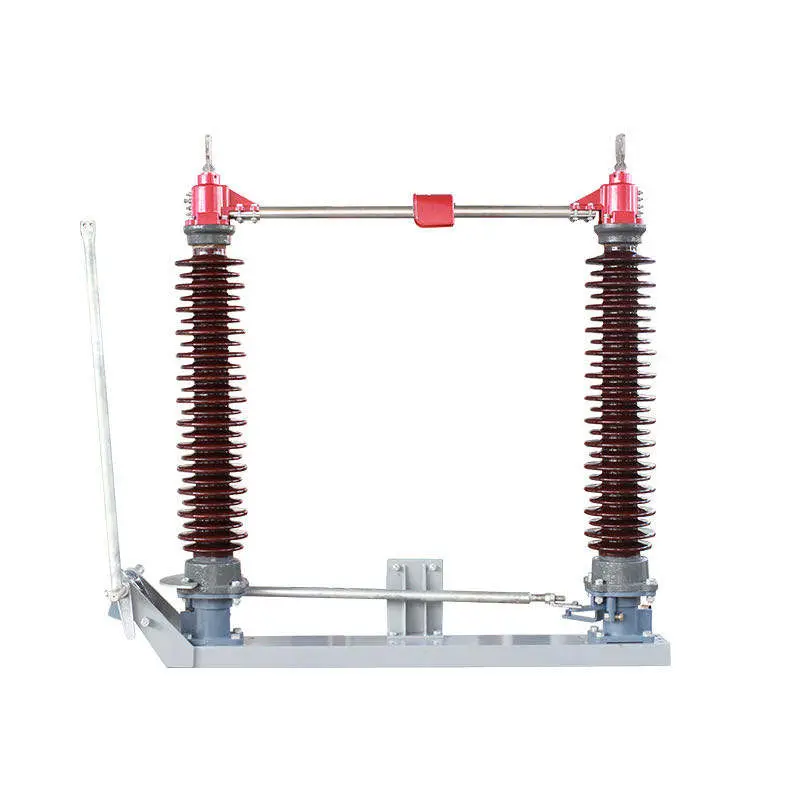
The mechanism, not the lines, is where most troubles begin in the winter. A lot of different parts, like bearings, linkages, pivots, and drive shafts, can pull water into small spaces. This is taken care of by the GW6 High Voltage Disconnect Switch, which has weatherproof brass or stainless steel levers and shafts and flexible joints at the pivots. The triple-layer bushings have low friction and self-lubricating properties. The drive assembly is sealed, strong enough to handle sand and ice, and made for harsh conditions. For an outdoor disconnect switch in a cold place, I look at how water can get in and out and which parts keep moving even after months of not being used.
Electrical Factors to Check for Cold Service
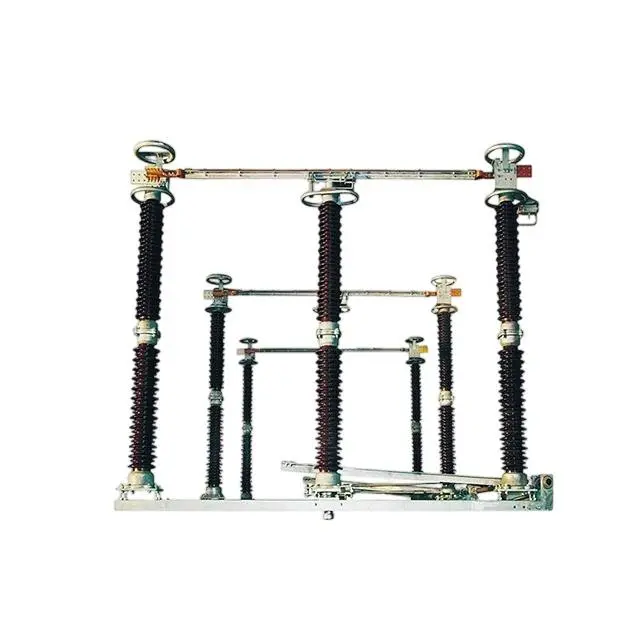
The rated voltage, rated current, frequency, short-circuit resist, and pole arrangement of an outdoor disconnect switch are all things you need to know before you buy it for cold weather. At its most powerful, the GW6 can take up to 4000 A of current and 126 kV to 550 kV of energy. This means that EPC teams can connect it to substations of 110 kV, 220 kV, and even higher classes. In ice, the shape of the contact is also important. The GW6 stationary contacts have grading rings that make the electric field stronger and cut down on radio interference. High-strength aluminum alloy conductors don't rust and stay light. Do some tests to back up the ratings you want to believe.
Design Features That Improve Winter Performance in an Outdoor Disconnect Switch
Enclosure Ratings and Seals
A lot of people who buy an outdoor disconnect switch think that it will work all winter because it has an outdoor disconnect switch enclosure rating. This is not true. It says in NEMA 250 that Type 3R guards against falling rain and hail, but not from ice building up outside. Even better, Type 3S's outside parts can still work even when they're frozen. Type 3R doesn't promise that an icy handle will still work. For any "weatherproof" mark, look at the seals, hinges, latches, pipe hubs, and drain holes. Also, find out what tests were done on the product. IEC 62271-1 says that ice coating classes of 1 mm, 10 mm, and 20 mm can form on high-voltage equipment that is left out in the open while it is in use.
Materials Against Corrosion and Cold
It depends on what the outdoor disconnect switch is made of how long it will last when it's dirty, cold, or salty. High-strength aluminum alloy conductors are thin, light, and won't rust. Silver and brass are used to make the levers and rods. The base is hot-dip galvanized to keep it from rusting and make it last longer. Zinc is added to steel during galvanization to protect it from salt spray and damp air. Also, light conductors make the load on the supports and insulation lighter when snow or ice adds weight. Small enclosures used near the coast or for de-icing can be made of polycarbonate, coated steel, or stainless steel. Not just the name of the material should you ask about the finish.
GW6 High Voltage Disconnect Switch Features for Icy Sites
These are the main things I tell EPC project managers who work in cold places. The structure that can be pulled back vertically saves space in the substation. There is less radio interference when grading rings are put on the stationary contacts. The electric field is also better. It's easier to put together the pivots because their joints are flexible. Sand and ice can't get in because the drive system is sealed, and the three-layer joints keep friction low. This is important for an outdoor disconnect switch in cold places because it keeps rust and broken moving parts from happening, which are two problems that are easy to see when it's cold outside. Plateau-type tools can be made by Xi'an Xikai for heights of up to 4,000 meters, which is helpful when the spot is high up and cold.
Selection, Installation, and Winter Care for an Outdoor Disconnect Switch
Matching the Switch to the Equipment and Voltage Class
The first things that are picked are the load and the spot. Reading the equipment label will help you decide between 30 A and 60 A for things like pumps, motors, solar systems, EV chargers, HVAC units, and more. Here you can pick patterns that can be joined or not, as well as single-pole or double-pole isolation. When it comes to substations, write down the lowest temperature, highest current, lowest voltage, pollution level, height, and lowest voltage. Size and length of a barrier can be changed by pollution and height, so share them early. If you guess which outdoor disconnect switch to use, you'll have to do more work. If you use facts, you can keep the bid package clean.
Installation Steps That Keep Ice Out
If you install it right, you can avoid a lot of ice problems. Our GW7B-363 installation guide has steps that can be used in a lot of different situations. Check the parts against the packing list when they arrive and look for cracks in each post insulator. Also, make sure the data on the nameplate matches the contract and the mechanism can turn freely and is in the right place to open and close. Before you lift the insulators, make sure the mount's base is level. For an outdoor disconnect switch on a small circuit to be installed correctly, it must also be kept away from roof runoff, snow drifts, and ice that falls. Also, pipe holes must be sealed and drain holes must be left open. Read and follow the grounding rules in your area. Also, have a licensed electrician check the labels and clearances before you use the system.
Winter Inspection and Troubleshooting
Make sure you check every outdoor disconnect switch before the first freeze and after big storms. It says in the repair instructions for our GW7B-363 that it needs to be worked on again every five years and right after a big short circuit. Normally, you would clean conducting parts and insulators of dirt, grease contact surfaces with conductive grease, check the bolts, grease the rotating and friction points, look for cracks in the post insulators, and make sure the auxiliary switch works when the manual handle turns 100°. Do not hit or pull on a frozen handle. Turn off the power and check it using a standard method, such as NFPA 70E. Replace any part whose insulation, seals, or contacts are broken.
Standards, Documentation, and Supplier Evaluation for Outdoor Disconnect Switch Projects
Standards and Test Reports to Request
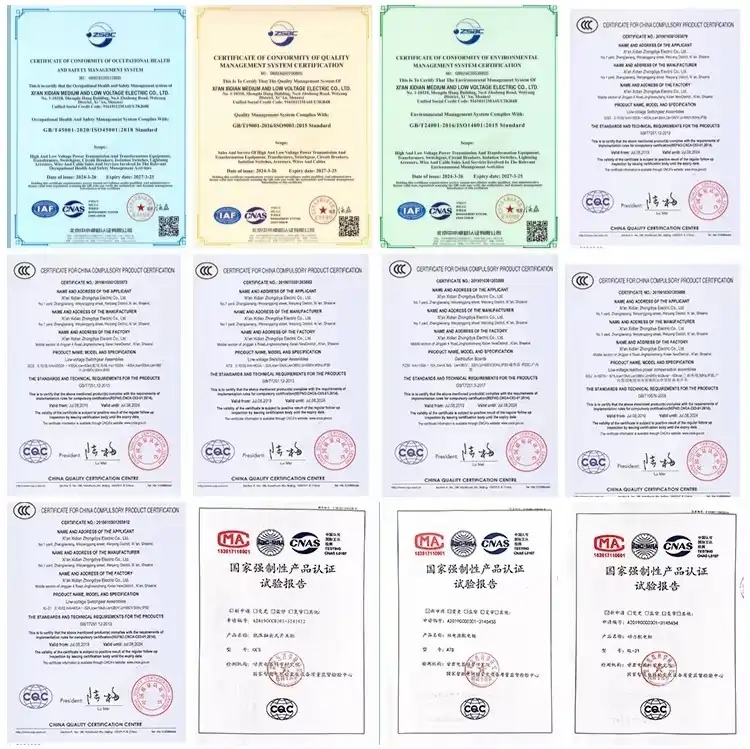
US buyers should know the rules before they bid. IEC 62271-102 has rules for AC disconnectors and earthing switches, and IEEE C37.30.1 has rules for high-voltage air switches above 1000 V. The National Electrical Code (NFPA 70) says it is okay to list small enclosed switches. For any outdoor disconnect switch, you should get type test results, datasheets, drawings, wire diagrams, installation instructions, temperature values, and certificates of conformity from a lab that you know and trust. Utility companies and design firms will look at records of work that was done in similar weather and power conditions, so ask for them. Get in touch with the power company and your engineers to make sure you understand the voltage, frequency, and local code requirements before you place your order.
Comparing Market Options and Supplier Capability
As you look at different outdoor disconnect switch choices, keep in mind that well-known small-disconnect systems are made by Square D, Siemens, Eaton, GE, and Leviton. It's also possible for OEM providers to give integrators and dealers more choices. Not only look at the brand name, but also at each one's certifications, cold-temperature data, construction, quality consistency, technical support, and ability to keep supplying you. You can find out about the minimum order size, the wait time, spare parts, service after the sale, and the ability to track the product. You can also get a sample and make changes to it. It's important to look at the total cost, which includes labor for setup, downtime, repairs, freight, duties, packaging, and legal paperwork.
A Practical Decision Process for Icy-Climate Projects
I think you should do these five things. To start, describe the environment by writing down the lowest temperature, the amount of snowfall, the freezing rain, the humidity, the salt, the pollution, the wind speed, and the height. Next, be sure you know what hardware and electricity you need. This includes the voltage, current, fault level, size of the fixing holes, and how the device works. After that, look at the code requirements, ratings, and certifications. First, get some models or pictures. Then, read the papers and see how the machine works before you place a full order. Lastly, plan for checks once a year, extra parts, and keeping track of what breaks. This order also makes it easy for your bid review team to give each seller a fair score when you buy more than one set of substations.

Conclusion
It doesn't matter how cold it is outside if the design, rating, installation, and upkeep of an outdoor disconnect switch are all right for the job. Winter weather like ice, snow, and freeze-thaw cycles is mostly bad for moving parts, seals, and places that are exposed to the weather. Because of this, parts and systems need to be looked over very carefully. The GW6 design for 126 kV to 550 kV service up to 4000 A protects against these risks with sealed drives, low-friction bushings, weather-resistant shafts, and galvanized bases. Not all ratings for shelters, like NEMA 3R, say that they will work in heavy ice. That's why written test conditions are more important than signs. The picture is complete after being carefully put up, being the right size, and being checked every winter. Type test results, running records, and suppliers that follow standards can help buyers compare suppliers based on more than just price.
FAQ
1. Can I force a frozen disconnect handle?
You shouldn't push it because it might break or put the person using it in danger. Make sure you follow the right steps to turn off the power to the circuit. Next, look for ice and remove it.
2. Does NEMA 3R guarantee winter operation?
It's not true that Type 3R won't work when it rains, sleets, or there is heavy ice outside, but it also doesn't say that it will. Find out from the provider what the test settings are and what the temperature limits are.
3. How often should I inspect an outdoor disconnect switch?
Before winter and after big storms, check. It says in the GW7B-363 manual that it needs to be replaced every five years and right away after a serious short circuit. More often, check places near the coast, on roofs, in workplaces, or in the country.
Contact Xi'an Xikai for Your Outdoor Disconnect Switch Project
You can get custom solutions from Xi'an Xikai if you need an outdoor disconnect switch for your substation team. After you send us your voltage class, maximum current, altitude, pollution level, and lowest temperature, we'll look at the GW6 High Voltage Disconnect Switch for your spot. Serina@xaxd-electric.com, Amber@xaxd-electric.com, or Luna@xaxd-electric.com are all email addresses you can use. Visit xaxd-electric.com to learn more.
References
1. IEEE C37.30.1, Standard Requirements for AC High-Voltage Air Switches Rated Above 1000 V, 2011
2. IEC 62271-102, Alternating Current Disconnectors and Earthing Switches, 2018
3. IEC 62271-1, High-Voltage Switchgear and Controlgear: Common Specifications, 2017
4. NEMA 250, Enclosures for Electrical Equipment (1000 Volts Maximum), 2020
5. NFPA 70, National Electrical Code, 2023
6. NFPA 70E, Standard for Electrical Safety in the Workplace, 2024