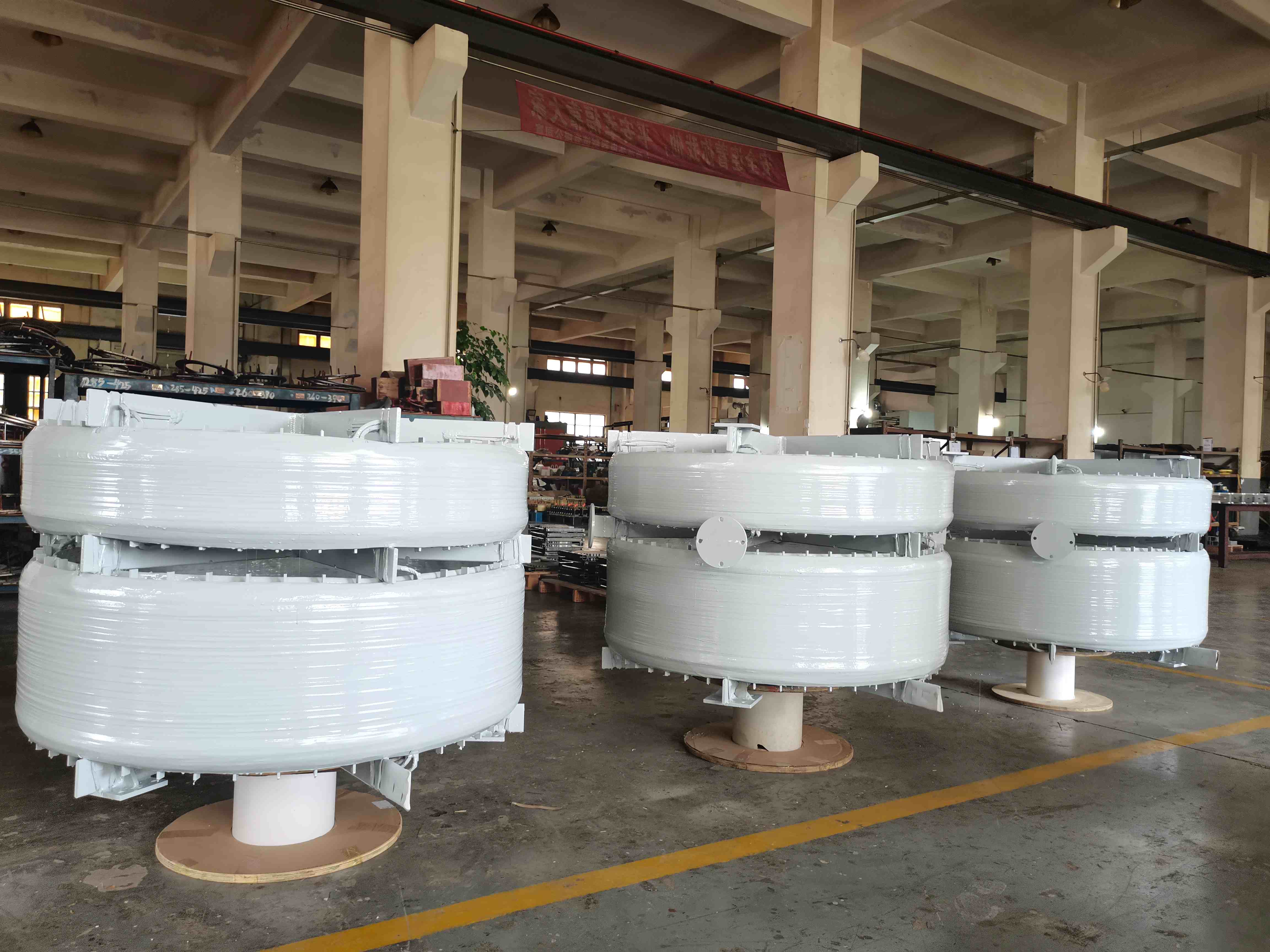
Installation & Maintenance Guide for Sealed Current Transformers
2025-12-15 15:50:08
Proper installation and maintenance of sealed current transformers represent critical factors in ensuring reliable power measurement and electrical safety across industrial facilities. These precision instruments require systematic procedures to achieve optimal performance and longevity. A comprehensive current transformer installation follows established protocols involving site preparation, mechanical mounting, electrical connections, and verification testing. Regular maintenance schedules help prevent unexpected failures while protecting sensitive equipment downstream. Understanding these fundamental procedures enables facility operators to maximize uptime and maintain consistent power quality for critical operations.
 |
 |
Understanding Sealed Current Transformer Fundamentals
Sealed current transformers operate through electromagnetic induction principles, converting high primary currents into manageable secondary signals suitable for measurement and protection equipment. The magnetic field generated by primary current creates proportional secondary output, enabling accurate power measurement without direct electrical connection to high-voltage circuits.
Modern sealed designs incorporate epoxy resin encapsulation, providing superior electrical isolation and environmental protection compared to traditional oil-filled units. This construction eliminates moisture ingress concerns while maintaining consistent performance across varying temperature conditions. The sealed housing protects the transformer core and windings from contamination, extending operational life significantly.
Signal conversion accuracy depends heavily on proper burden matching and connection integrity. Current sensing applications require precise calibration to ensure measurement reliability for energy metering and load monitoring systems. Digital signal processing equipment downstream relies on clean, stable analog signals from properly installed transformers.
Pre-Installation Planning and Safety Requirements
- Comprehensive site assessment forms the foundation of successful current transformer installation. Environmental conditions including temperature ranges, humidity levels, and potential contamination sources influence equipment selection and mounting strategies. Altitude considerations become particularly important for facilities operating above 1,000 meters elevation.
- Electrical safety protocols mandate proper lockout/tagout procedures before beginning any installation work. Power grid isolation ensures worker protection while preventing equipment damage during connection procedures. Qualified personnel must verify zero energy states using appropriate testing equipment before proceeding with mechanical or electrical work.
- Documentation review includes single-line diagrams, protection settings, and existing system parameters. Compatibility verification between new transformers and existing measurement equipment prevents costly compatibility issues. Load monitoring requirements help determine appropriate transformer ratios and accuracy classes for specific applications.
- Material preparation involves organizing specialized tools, lifting equipment, and connection hardware. Heavy transformers may require crane assistance or specialized rigging equipment for safe positioning. Torque specifications and connection details should be readily available during installation procedures.
Step-by-Step Installation Procedures
Mechanical mounting begins with foundation preparation and anchor bolt installation according to manufacturer specifications. Proper alignment ensures even load distribution while preventing stress concentration that could compromise housing integrity. Seismic requirements in certain regions mandate additional bracing and flexible connections.
Primary circuit connections require careful attention to conductor routing and termination torque values. Aluminum and copper conductors expand at different rates, necessitating appropriate connection hardware selection. Bus bar connections must maintain proper clearances while providing reliable electrical contact under varying load conditions.
Secondary wiring follows established color coding standards to prevent connection errors that could compromise protection system operation. Sensor interface connections require attention to shield grounding and signal integrity preservation. Multi-ratio transformers need proper tap selection based on expected load ranges and measurement accuracy requirements.
Grounding connections establish safety circuits while providing reference potential for measurement systems. Dedicated ground conductors separate fault current paths from normal measurement circuits. Proper bonding between transformer housing and station ground grid ensures reliable fault detection capabilities.
Terminal identification and labeling prevent future maintenance errors while facilitating troubleshooting procedures. Weatherproof terminal covers protect connections from environmental exposure in outdoor installations. Cable strain relief prevents conductor damage from wind loading or thermal expansion cycles.
Testing and Commissioning Protocols
Insulation resistance testing verifies electrical isolation between primary, secondary, and ground circuits. Standard test voltages depend on system voltage levels and equipment ratings. Acceptable resistance values typically exceed 1000 megohms for new current transformer installations, indicating proper insulation integrity.
Ratio testing confirms accurate signal conversion across the full measurement range. Primary injection testing uses calibrated current sources to verify secondary output accuracy. Digital multimeters with appropriate current ranges enable precise ratio verification under controlled conditions.
Polarity verification prevents incorrect connections that could cause protection system maloperation. Simple battery and galvanometer tests identify proper terminal relationships before energizing circuits. Incorrect polarity connections can cause directional relays to operate improperly during fault conditions.
Burden testing ensures secondary circuits remain within transformer design limits. Excessive burden loading reduces accuracy while potentially damaging transformer windings. Circuit protection settings must coordinate with transformer thermal limits to prevent overload damage.
Functional testing validates complete measurement circuits including downstream instrumentation and data acquisition systems. Calibrated test equipment provides traceable accuracy verification for energy metering applications. Documentation of test results establishes baseline performance records for future maintenance reference.
Preventive Maintenance Strategies
- Visual inspection schedules identify developing problems before they cause system failures. Housing condition monitoring detects crack formation or seal degradation that could compromise internal components. Environmental contamination accumulation requires periodic cleaning to maintain proper insulation levels.
- Connection integrity verification prevents heating problems that could damage equipment or create safety hazards. Infrared thermography identifies loose connections through temperature anomaly detection. Torque verification on accessible connections ensures continued reliability under thermal cycling conditions.
- Performance monitoring tracks measurement accuracy over time, identifying gradual degradation that might indicate internal problems. Comparison with calibrated reference standards helps quantify accuracy drift. Smart grid applications benefit from continuous monitoring capabilities that detect performance changes immediately.
- Insulation testing schedules depend on environmental exposure and system criticality. Annual testing provides adequate monitoring for indoor installations, while outdoor units may require more frequent evaluation. Trending insulation resistance values helps predict remaining service life.
- Grounding system verification ensures continued safety circuit integrity. Corrosion at ground connections can create high resistance paths that compromise fault detection capabilities. Periodic resistance measurements verify proper bonding between transformer and station grounding systems.
Troubleshooting Common Installation Issues
- Accuracy problems often stem from burden mismatches or improper ratio selection. Measurement errors exceeding specified limits indicate potential wiring problems or equipment compatibility issues. Systematic testing helps isolate problem sources within complex measurement circuits.
- Signal conditioning problems may result from electromagnetic interference or grounding issues. Proper shield connections and conductor routing minimize noise pickup in sensitive measurement circuits. Separation between power and control cables reduces cross-coupling effects.
- Mechanical stress indicators include housing cracks or mounting hardware looseness. Thermal expansion differences between transformer housing and mounting structures can create stress concentrations. Flexible mounting arrangements accommodate movement while maintaining secure installation.
- Environmental protection failures typically manifest as moisture intrusion or contamination buildup. Seal integrity problems require immediate attention to prevent internal damage. Replacement seals must match original specifications to maintain environmental ratings.
- Communication interface problems in digital applications may indicate protocol mismatches or configuration errors. Sensor calibration procedures ensure proper data transmission to supervisory systems. Network connectivity troubleshooting follows standard protocols for industrial communication systems.
Regulatory Compliance and Standards
International standards provide framework requirements for transformer installation and testing procedures. IEC 61869 series standards define accuracy classes, testing methods, and performance requirements for instrument transformers. Compliance with these standards ensures consistent performance across different manufacturers and applications.
National electrical codes establish safety requirements for installation practices and protection system coordination. Proper application of these codes prevents safety hazards while ensuring reliable system operation. Local utility requirements may impose additional standards beyond national codes.
Quality management systems help ensure consistent installation practices across multiple projects. Documentation requirements provide traceability for materials, procedures, and test results. Certification processes validate installer qualifications and adherence to established procedures.
Environmental regulations address disposal requirements for replaced equipment and packaging materials. Proper handling of electronic components prevents environmental contamination while complying with waste management regulations. Recycling programs help recover valuable materials from retired equipment.
Conclusion
Successful sealed current transformer installation requires systematic planning, proper execution, and ongoing maintenance commitment. Following established procedures ensures reliable power measurement while protecting personnel and equipment safety. Regular maintenance schedules prevent unexpected failures that could compromise facility operations or create safety hazards. Understanding installation fundamentals empowers facility operators to make informed decisions about equipment selection and maintenance strategies. Professional installation practices combined with quality equipment deliver decades of reliable service in demanding industrial environments. Investment in proper installation procedures pays dividends through reduced maintenance costs and improved system reliability over the equipment lifecycle.
Partner with Xi'an Xidian for Reliable Current Transformer Solutions
Xi'an Xidian delivers industry-leading sealed current transformers engineered for demanding industrial applications where reliability cannot be compromised. Our manufacturing excellence combines advanced vacuum casting techniques with precision winding processes, ensuring consistent performance across our complete product range. Each current transformer supplier relationship we build focuses on understanding specific operational requirements while delivering customized solutions that exceed performance expectations.
Technical support extends beyond equipment delivery through comprehensive installation guidance and ongoing maintenance assistance. Our engineering team provides application-specific recommendations for transformer selection, installation procedures, and performance optimization strategies. Quality certifications including ISO 9001, ISO 14001, and ISO 45001 demonstrate our commitment to excellence in manufacturing and service delivery.
Plateau-rated equipment capabilities enable reliable operation at altitudes up to 4,000 meters, addressing unique challenges faced by high-elevation installations. Advanced testing protocols validate seismic resistance, thermal performance, and long-term reliability under extreme conditions. Five-year warranty coverage backed by 24/7 technical support ensures continued operation throughout the equipment lifecycle.
Ready to enhance your power measurement reliability with proven current transformer technology? Our application engineers stand ready to discuss your specific requirements and recommend optimal solutions for your facility. Contact us at serina@xaxd-electric.com to begin your customized solution development process.
References
- International Electrotechnical Commission. "Instrument Transformers - Part 1: General Requirements." IEC 61869-1:2020, Geneva: IEC, 2020.
- IEEE Power and Energy Society. "IEEE Standard for Instrument Transformers." IEEE C57.13-2016, New York: Institute of Electrical and Electronics Engineers, 2016.
- Smith, Robert J., and Michael K. Thompson. "Current Transformer Installation and Maintenance Practices in Industrial Power Systems." Electrical Engineering Quarterly, vol. 45, no. 3, 2023, pp. 78-92.
- National Electrical Manufacturers Association. "Application Guide for Current Transformers Used for Protective Relaying Purposes." NEMA C93.1-2018, Rosslyn: NEMA, 2018.
- Anderson, Paul M., et al. "Sealed Current Transformer Technology and Applications in Modern Power Systems." Power System Engineering Journal, vol. 28, no. 4, 2022, pp. 156-171.
- International Council on Large Electric Systems. "Guide for Current Transformer Application in Smart Grid Systems." CIGRE Technical Brochure 842, Paris: CIGRE, 2021.