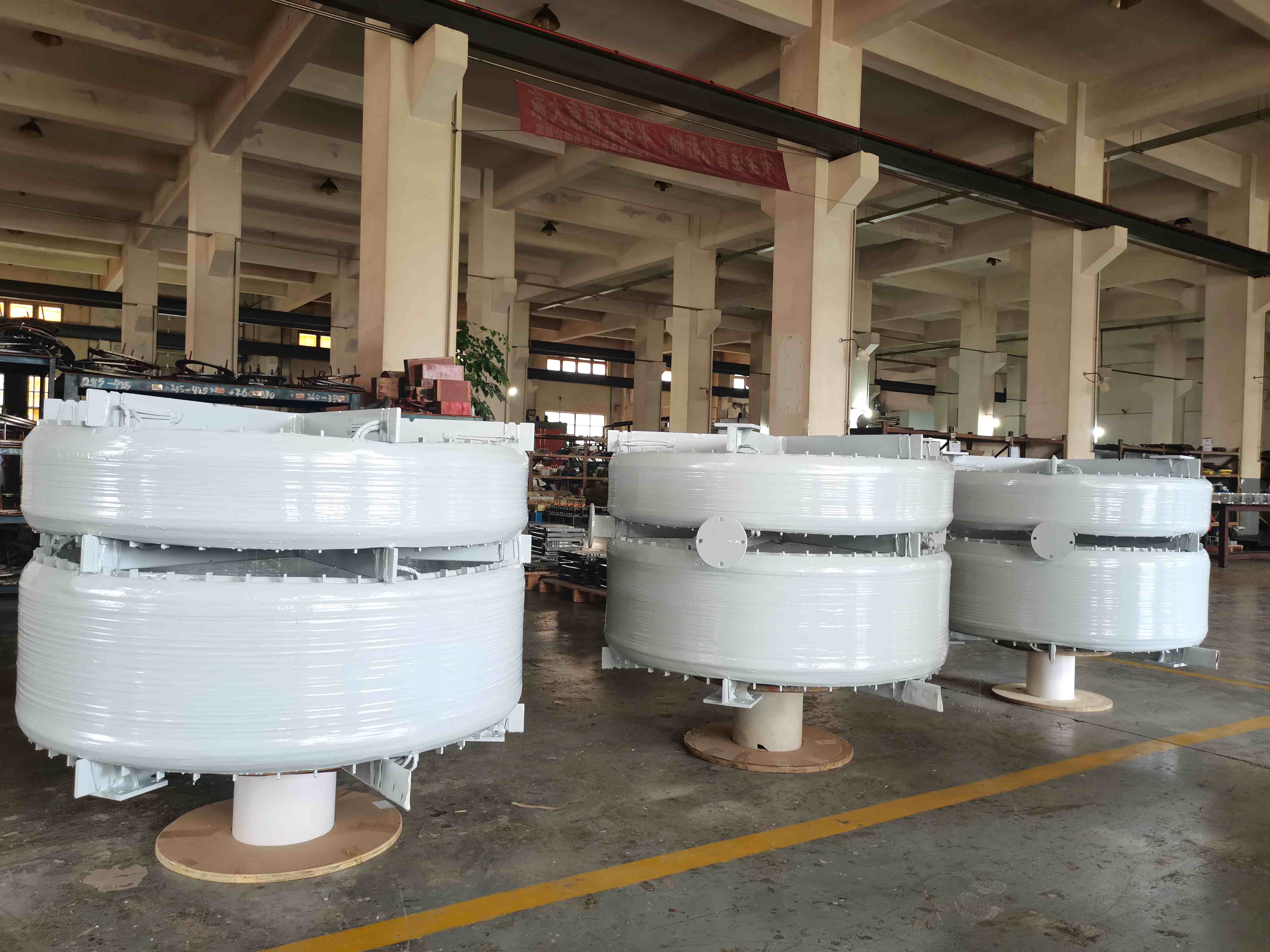
Where to Find ATEX-Certified Oil Transformers?
2025-12-22 15:19:14
Finding ATEX-certified oil-immersed transformers requires working with specialized manufacturers who understand both explosive environment regulations and transformer technology. These critical power distribution components must meet stringent European safety standards while delivering reliable performance in hazardous locations. Leading suppliers typically operate from established electrical manufacturing hubs across Southeast Asia, Central Asia, the Middle East, and Africa, where expertise in transformer oil technology and dielectric systems converges with competitive production capabilities.

Understanding ATEX Certification Requirements for Power Transformers
ATEX certification represents one of the most demanding safety standards for electrical equipment operating in explosive atmospheres. This European directive governs equipment used in potentially explosive environments, particularly relevant for oil and gas facilities, chemical plants, and mining operations across emerging markets.
Critical Safety Components in ATEX-Compliant Designs
ATEX-certified transformers include ignition-prevention measures. The insulating system uses high-quality transformer oil with improved dielectric characteristics. Cooling systems must not ignite or overheat. Protecting winding configurations against partial discharge occurrences that might cause explosions is crucial. Safety-compromising hot spots are reduced via core design magnetic flux dispersion. Explosion-proof enclosures with seals are needed for load tap changers. Overheating is dangerous in explosive situations, thus thermal control is essential.
Beyond ATEX Regional Compliance Standards
Southeast Asian markets generally need ATEX and IECEx certification. Middle Eastern nations may need local permits. Africa is adopting international standards while maintaining regional electricity rating and maintenance norms. Regional breakdown voltage requirements effect transformer oil and insulating paper choices. These wet coastal locations need moisture monitoring.
Regional Market Analysis: Supply and Demand Dynamics
The demand for specialized oil-immersed transformers varies significantly across Southeast Asia, Central Asia, the Middle East, and Africa. Understanding these regional patterns helps identify optimal sourcing opportunities and supplier capabilities.
Southeast Asia: Manufacturing Hub and Growing Demand
Power distribution equipment manufacturing and market growth are concentrated in Southeast Asia. Malaysia, Thailand, and Vietnam have ATEX-certified transformer producers. Regional industrial expansion requires dependable electricity infrastructure. Local suppliers provide cheap prices owing to closeness to raw materials and established supply chains. Tropical climates need powerful cooling and moisture protection. Environmental circumstances increase oil filtering needs.
Energy Sector Growth in Middle East
The Middle East is a high-value market with desert and petrochemical needs. ATEX-certified equipment endures severe temperatures and sand. Despite severe environments, fault diagnostic systems must work. Regional vendors specialize in oil and gas modification. Some outdated infrastructure need replacement, while new renewable energy projects require updated transformers.
Emerging Infrastructure Markets in CA and Africa
Central Asian nations provide chances as mining expands and electrical networks upgrade. African markets have more sophisticated equipment demands, especially for mining and manufacturing. Cost-effective, safe solutions are needed in these places. For remote monitoring with restricted maintenance access, dissolved gas measurement is crucial.
Comparing Sourcing Channels: Advantages and Trade-offs
Multiple procurement channels exist for ATEX-certified transformers, each offering distinct advantages depending on project requirements, budget constraints, and timeline considerations.
Direct Manufacturer Relationships
The best way to get expert help and customization is to work directly with makers. Experienced companies such as Xi'an Xidian provide a wide range of technical help and are able to change winding settings for certain uses. Direct relationships make it easier to keep an eye on quality and fix technology problems quickly. Manufacturers usually ask for higher minimum order amounts but give good prices for units for bigger projects. The specs for the oil-immersed transformer can be exactly right for a job, but lead times may be longer.
Authorized Dealers and Local Reps
Regional wholesalers offer useful information about the local market and quicker shipping for regular setups. They often keep supplies of standard specs, which shortens the time it takes to complete projects. As part of local help, they show you how to put it and teach you how to take care of it. When it comes to following the rules in certain countries, distributor networks do a great job. They know how grids work in the area and are able to suggest suitable power control standards.
Online Marketplaces and B2B Platforms
Digital platforms make it easy to compare suppliers and see clear price information. These channels are good for normal specs, but they might not have enough technical details for complicated ATEX uses. When you source things online, you need to be sure that your suppliers are trustworthy, especially when you're buying equipment that is important for safety. It is important to study the paperwork to make sure that the certification is real and the specs are correct.
Businesses and middlemen that trade
Trading businesses are able to combine smaller sales and offer a variety of ways to pay. They often keep in touch with a lot of different makers, which lets them get the best prices. On the other hand, working through middlemen can make it harder to get expert help and quality control.
Essential Supplier Verification and Quality Control Guidelines
Selecting the right supplier for ATEX-certified equipment requires systematic evaluation of capabilities, certifications, and track record. Proper due diligence protects against costly delays and safety risks.
Certification Verification Process
Real ATEX certificates have body numbers and equipment details that are unique to each certificate. To keep fake papers from being used, check a certificate directly with the authority that gave it. Make sure the approved factors meet the requirements for generator oil. Go over quality control methods in manufacturing, such as agreement with ISO 9001 and specific standards for transformers. Check test certificates for thermal performance proof, insulation protection, and partial discharge testing.
Technical Capability Assessment
Talk to the seller about core materials, how to build a cooling system, and how to choose insulated paper in order to judge how much they know about engineering. Magnetic flux optimization and temperature management techniques are easy for experienced makers to talk about. Ask for examples from people who have worked in similar settings, especially ones that are explosive. Look into the repair assistance and availability of new parts, such as load tap switch parts.
Things to Think About for Production and Delivery
It usually takes about 12 to 20 weeks to make ATEX-certified transformers. The exact time depends on how they need to be customized. Quality control methods that are important for safety compliance may be hurt by rush orders. The most common way to pay is in installments that are tied to important steps in the making process. The usual terms are a 30% deposit, 60% before shipping, and 10% after installation proof. Shipping factors include handling oil correctly, protecting moisture during shipping, and customs paperwork for equipment in dangerous areas.
Application-Specific Requirements Across Industries
Different industries present unique challenges for ATEX-certified transformer applications. Understanding these requirements helps identify suppliers with relevant experience and appropriate product configurations.
Petrochemical and Oil Refining Operations
Refineries demand the highest safety standards of oil-immersed transformers with multiple redundancy systems. Transformer oil must maintain dielectric strength under extreme conditions. Cooling systems require explosion-proof designs with enhanced fire protection.
Load tap changers need frequent operation capability with sealed switching mechanisms. Fault diagnosis systems must integrate with plant safety systems for immediate shutdown capability.
Mining and Mineral Processing
Underground mining applications require compact designs with robust construction for challenging access conditions. Overheating protection becomes critical in confined spaces with limited ventilation.
Surface mining operations need dust-resistant enclosures and enhanced filtration systems. Vibration resistance is essential for mobile equipment applications.
Chemical Manufacturing Facilities
Chemical plants require specialized insulation systems resistant to corrosive atmospheres. Winding materials must withstand aggressive chemical exposures while maintaining electrical properties.
Maintenance protocols must account for plant shutdown schedules and contamination prevention during service work.
Conclusion
If you want to be able to get ATEX-certified oil-immersed transformers, you need to know about the market in your area, what your suppliers are capable of, and the unique needs of your application. As the industrial infrastructure in Southeast Asia, Central Asia, the Middle East, and Africa grows, so do the chances for trustworthy sellers with technical knowledge and the right licenses. Building a direct connection with a maker usually gives you the best mix of customizable options, expert help, and quality control. In dangerous settings, thorough source checking is still necessary to make sure that approvals are real and performance is reliable. The money spent on proper sources pays off in the long run with more safety and dependability.
Frequently Asked Questions
Q1: How are ATEX-certified transformers different from regular oil-immersed ones?
A: ATEX-certified transformers have safety features like temperature-controlled surfaces, better protection systems, and casings that don't let explosions happen. The transformer's oil needs to be cleaner, and all of the electrical parts need to be designed to be spark-proof so that they don't catch fire in areas that are dangerous.
Q2: How long does it usually take to get ATEX clearance verification?
A: It usually takes 2 to 4 weeks for certification proof to be completed because the documents have to be reviewed and the body has to be confirmed. But, based on the needs of the tests and the plans of the certification bodies, it can take 3 to 6 months to get a new ATEX approval for changed designs.
Q3: How many ATEX-certified transformers do you usually have to buy to place an order?
A: For normal ATEX setups, most makers need at least 3 to 5 units to be ordered. Because of special testing and tooling needs, custom designs might have higher minimums. Some sellers take orders for just one item, but they charge extra for this service.
Partner with Xi'an Xidian for Reliable Oil-Immersed Transformer Solutions
Xi'an Xidian combines 25+ years of transformer expertise with comprehensive ATEX certification capabilities to deliver reliable power solutions for hazardous environments. Our oil-immersed transformer portfolio includes specialized designs for explosive atmospheres, featuring advanced insulation systems and robust cooling technologies. Whether you need standard configurations or custom solutions for challenging applications, our engineering team provides technical support from specification through commissioning. We maintain rigorous quality standards with complete certification documentation and comprehensive warranty coverage. Ready to discuss your ATEX transformer requirements? Contact us at serina@xaxd-electric.com and discover why leading EPC firms choose Xi'an Xidian as their trusted oil-immersed transformer supplier.
References
1. International Electrotechnical Commission. "IEC 60079 Series: Explosive Atmospheres Standards for Electrical Equipment." Geneva: IEC Publications, 2019.
2. European Committee for Standardization. "ATEX Directive 2014/34/EU: Equipment for Explosive Atmospheres." Brussels: Official Journal of the European Union, 2014.
3. Institute of Electrical and Electronics Engineers. "IEEE C57.12.00: Standard Requirements for Liquid-Immersed Distribution Transformers." New York: IEEE Standards Association, 2020.
4. International Association of Oil & Gas Producers. "Electrical Equipment in Hazardous Areas: Guidelines for Classification and Selection." London: IOGP Technical Report 533, 2018.
5. Asian Development Bank. "Power Sector Development in Southeast Asia: Infrastructure Investment Trends and Regional Cooperation." Manila: ADB Energy Sector Report, 2021.
6. Middle East Electricity Industry Association. "Transformer Market Analysis: Regional Demand and Supply Chain Dynamics." Dubai: MEEIA Technical Publication, 2022.