Outdoor SF6 Load Break Switch vs Circuit Breaker: Which One Do You Need?
2026-06-05 11:46:22
Which one you choose between an SF6 load break switch and an Outdoor SF6 Circuit Breaker depends on the switching and safety needs of your application. Load break switches are cost-effective for moderate voltage uses because they can handle regular switching operations and load interruptions well. Outdoor SF6 Circuit Breakers, on the other hand, can stop all fault currents, which is very important for protecting high-voltage equipment from short circuits and other problems. Knowing how each device works, what it needs from the environment, and how much it costs over its lifetime helps facility managers, utility companies, and EPC workers make smart purchasing choices that improve grid stability and operational uptime.
 |
 |
Understanding Outdoor SF6 Load Break Switches and Circuit Breakers
What Is an SF6 Load Break Switch?
In electricity distribution networks, an SF6 load break switch handles normal interruptions in load power. As an insulator and arc-quencher, sulfur hexafluoride gas is used in this device to make it safe to unplug when there is a load. Load break switches, unlike circuit breakers, can't stop high fault currents. This means they can only be used for planned switching activities and routine repair. Because they have a simpler mechanical design, they are cheaper to buy and easier to install. This makes them appealing for uses where upstream devices handle fault protection.
How Outdoor SF6 Circuit Breakers Operate
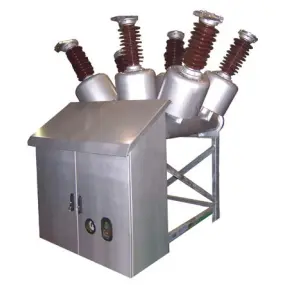
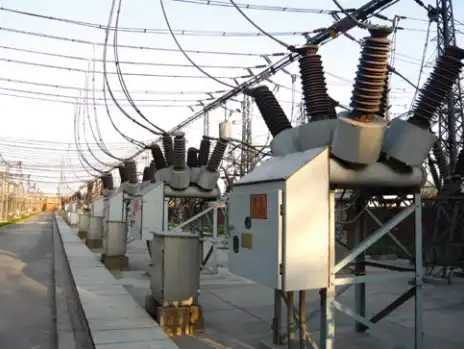
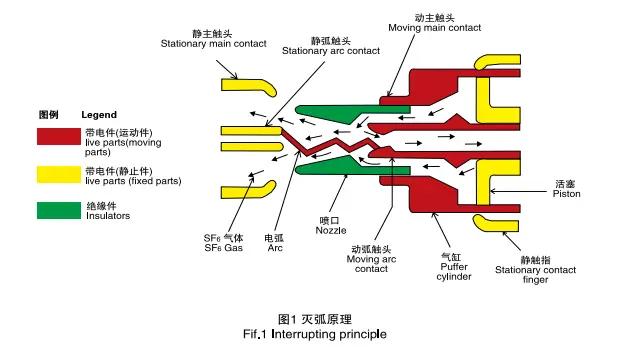
By quickly cutting off odd electrical flows, Outdoor SF6 Circuit Breakers offer strong defense against fault currents. When there is a short circuit, the breaker's internal system moves the moving contacts farther apart, which makes an arc. Because SF6 gas is a better thermal conductor and insulator, it quickly puts out this spark by collecting energy and cooling the path of the charged particles. The LW24 Dead Tank SF6 Circuit Breaker is an example of this technology. It uses self-optimized gas blast pressure that fits the characteristics of the fault current to make sure that the circuit is interrupted efficiently while minimizing the stress on the working mechanism. This device can work with voltages between 40.5kV and 252kV and can handle rated currents of up to 4000A and breaking capacities of up to 63kA.
The Role of SF6 Gas in Electrical Switching
The shielding power of sulfur hexafluoride gas is about five times greater than that of air at normal atmospheric pressure. Because of this feature, makers can make small, effective Outdoor SF6 Circuit Breaker switchgear that can be installed outside. During arc stoppage, SF6 molecules take in free electrons, quickly de-ionizing the path of conductivity and stopping the fire from starting up again. But SF6 is a strong greenhouse gas that can warm the Earth 23,500 times more than carbon dioxide. This means that regulators are paying close attention to it, and people are looking for leak-proof designs and other technologies. Modern Outdoor SF6 circuit breakers, like the LW24, have low leakage rates and make the best use of SF6. This meets environmental compliance standards while keeping working excellence.
Key Differences Between Outdoor SF6 Load Break Switches and Circuit Breakers
Interruption Capacity and Fault Protection
What makes them different is their power to stop fault currents. Load break switches can stop currents up to their maximum load capacity, which is usually a few hundred amperes. This makes them useful for turning off circuits while they are being maintained. On the other hand, circuit breakers are designed to stop fault currents that are between a few kiloamperes and tens of kiloamperes in size. With a breaking power of up to 63kA, the LW24 is a must-have for fault protection in industrial plants, utility substations, and renewable energy systems. This difference has a direct effect on system safety—not having enough stoppage capability can damage equipment, cause long blackouts, and pose safety risks.
Mechanical Complexity and Design Architecture
Circuit breakers have complex ways of working, control systems, and ways to keep an eye on things. The LW24 has a modular three-chamber design and separate pole operation, which lets you work on specific stages without having to shut down the whole system. The maintenance-optimized CT20 spring drive system cuts down on repair needs by up to 40% compared to regular designs. Load break switches use basic spring or manual methods, which lowers the original cost but limits the ability to diagnose problems. This technical simplicity means there are fewer places where something could go wrong, but it also means there are fewer ways to operate and protect the system.
Environmental Performance and Weatherproofing
Both devices have to be able to handle high temperatures, humidity, smog, and UV light when they are outside. The LW24 works effectively from -30°C to +40°C. Its covers are resistant to corrosion, and it has improved gas-sealing technology that stops SF6 from leaking even in harsh environments. Even though load break switches can also withstand the weather, they usually don't need to be sealed as tightly because their insides are simpler. Gas leakage rates are an important quality indicator. The LW24 keeps annual leakage below 0.5%, which is much lower than industry norms. This has a minimal effect on the environment and ensures long-term dependability.
All the way down to the upkeep methods and lifetime costs, these differences are there. Testing circuit breakers' ability to stop, their control circuits, and the quality of the gas they use on a regular basis requires specialized tools and trained people. Load break switches need to have their contacts, insulation, and working parts checked on a regular basis, but they don't need to be diagnosed in as many complicated ways as breakers do. Knowing these differences helps procurement workers match the skills of a device to the needs of an application, which improves both efficiency and cost-effectiveness.
 |
 |
When to Choose an Outdoor SF6 Load Break Switch vs Circuit Breaker
Application-Based Selection Criteria
To choose the right device, you need to look at the voltage level, fault current magnitude, change frequency, and security needs of your system. Outdoor SF6 Circuit Breaker work best in distribution networks with upstream circuit breakers for fault protection. The switch's main job is to handle planned load transfers or separate sections for repair. Medium-voltage lines, transformer isolation, and capacitor bank switching are some of the uses. These are all part of systems with integrated safety plans.
Cost-Benefit and Lifecycle Analysis
The initial cash costs for these gadgets are very different. Load break switches are much cheaper, which makes them a good choice for projects on a budget that need good upstream security. Although circuit breakers are expensive, they offer complete security and may be able to get rid of the need for multiple safety devices. To figure out the total cost of ownership, you have to add up the prices of installation, scheduled upkeep, the availability of spare parts, and the time lost when equipment breaks down.
The LW24's flexible design lowers upkeep costs by letting you service specific parts without taking the whole thing apart. When there is independent pole operation, a problem with a single phase doesn't require downtime for all three phases. This makes the system more available. Over a 25-year work life, these benefits save money, making up for the higher costs at the start. Professionals in procurement should look at both the practical needs and the lifecycle costs of a product. They should think about things like the costs of managing SF6 gas, the testing times required by standards like IEC 62271 and IEEE C37.04, and the accessibility of local service support.
Real-World Installation Scenarios
Take the example of a factory that wants to make more things. The building's current 126kV line needs more wires to connect to new process equipment. If the main service entrance has circuit breakers that protect against faults, load-break switches could be used to disconnect these lines for repair. But if the plant's sensitive CNC machines and automatic assembly lines need to clear localized faults quickly to keep production running, putting circuit breakers at each feeder is the best way to protect them and give the plant more operational freedom.
Utility companies have to think about different things. To protect the transformers and keep service going, a distribution substation that serves both home and business users needs to be able to reliably interrupt faults. In this case, Outdoor SF6 Circuit Breakers are the best option because they can stop power, can withstand harsh environments, and last a long time. The ruggedized versions of the LW24 can handle dust, humidity, and chemical exposure that can happen in a range of installation settings, from salty coastal areas to industrial areas with dirty air.
Maintenance, Safety, and Lifecycle of Outdoor SF6 Devices
Routine Inspection and Preventive Maintenance
Maintaining outdoor SF6 equipment makes sure it works well and increases its useful life. As part of the inspection process, the enclosures should be looked at visually for rust, damage, or contamination. The SF6 gas pressure should also be checked using accurate gauges, and the working parts and control circuits should be tested. For circuit breakers, testing loop resistance finds worn-out contacts. Values above 40 to 50 microohms suggest possible warming problems that need to be fixed.
Analyzing the moisture level is very important. Byproducts of SF6 breakdown mix with water to make hydrofluoric acid, which breaks down shielding and corrodes internal parts. Dew point detectors are used to find moisture levels below 150 parts per million that are considered acceptable. The LW24's sealed design keeps wetness out as much as possible, but it still needs to be checked on a regular basis. Testing mechanical characteristics looks at how fast contacts move, how long it takes to open and close, and how well the three phases work together. Differences in synchronization that are bigger than 2 milliseconds can put stress on system parts and lead to uneven loads or early crashes.
SF6 Gas Handling Best Practices
The right way to handle SF6 saves both tools and the environment. To keep gases from escaping into the atmosphere during Outdoor SF6 Circuit Breaker repair work, special tools like vacuum machines, recovery units, and purification systems are needed to handle them. Technicians must follow set processes for filling, sampling, and recovering gases while wearing the right safety gear and using quantitative halogen analyzers to check for leaks in Outdoor SF6 Circuit Breaker equipment.
Gas quality guidelines set amounts of purity and levels of pollution that are allowed. Fresh SF6 should be more than 99.8% pure, with less than 15 parts per million of water and less than 0.05% air. Before it can be used again or sent back to the source for reclamation, contaminated gas has to go through filter and purification devices. New SF6 options, like fluoronitrile mixtures and vacuum insulation technologies, are better for the environment, but changing current infrastructure will be hard on both the technical and financial levels.
Safety Guidelines and Standards Compliance
Electric shock, arc flash, and being close to pressure equipment are all risks that come with operating and maintaining high-voltage switches. These risks must be dealt with by safety programs through thorough training, written processes, and the right safety gear. People who work with electricity should be taught about safety standards like NFPA 70E, lockout/tagout processes, and how to handle an emergency.
Arc flash analysis figures out the incident energy levels at the sites of the equipment. This helps people choose the right personal protective equipment and set safe working distances. Circuit breakers with improved safety features, such as zone-selective linking and maintenance modes, make it safer for workers to do maintenance work. Regular safety checks make sure that OSHA rules, manufacturer suggestions, and best practices in the industry are being followed. This creates a mindset of safety knowledge and constant growth.
Procurement Guide: Selecting and Buying Outdoor SF6 Devices
Evaluating Manufacturers and Product Specifications
There are many companies that make SF6 switchgear on the global market, and each one has its own set of products and professional skills. Utility and industrial users have used well-known names like ABB, Siemens, Schneider Electric, GE, and Eaton for a long time. When looking at different suppliers, you should look at the product details, such as the maximum voltage, current, breaking ability, and environmental ratings. Check that the project meets the necessary standards, such as IEC 62271 for foreign projects and IEEE C37.04 for installs in North America. You can also look at third-party certifications from testing labs like KEMA.
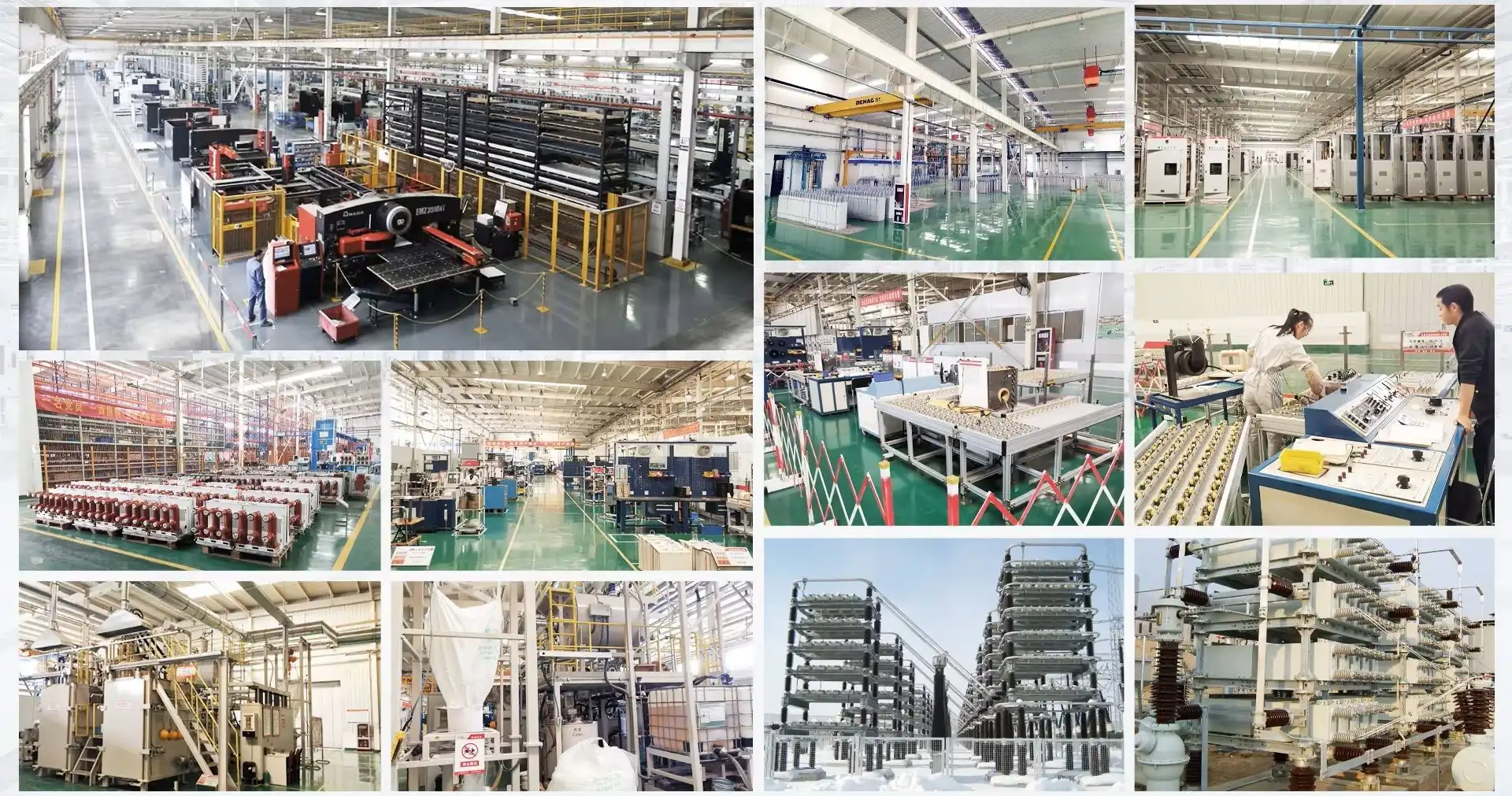
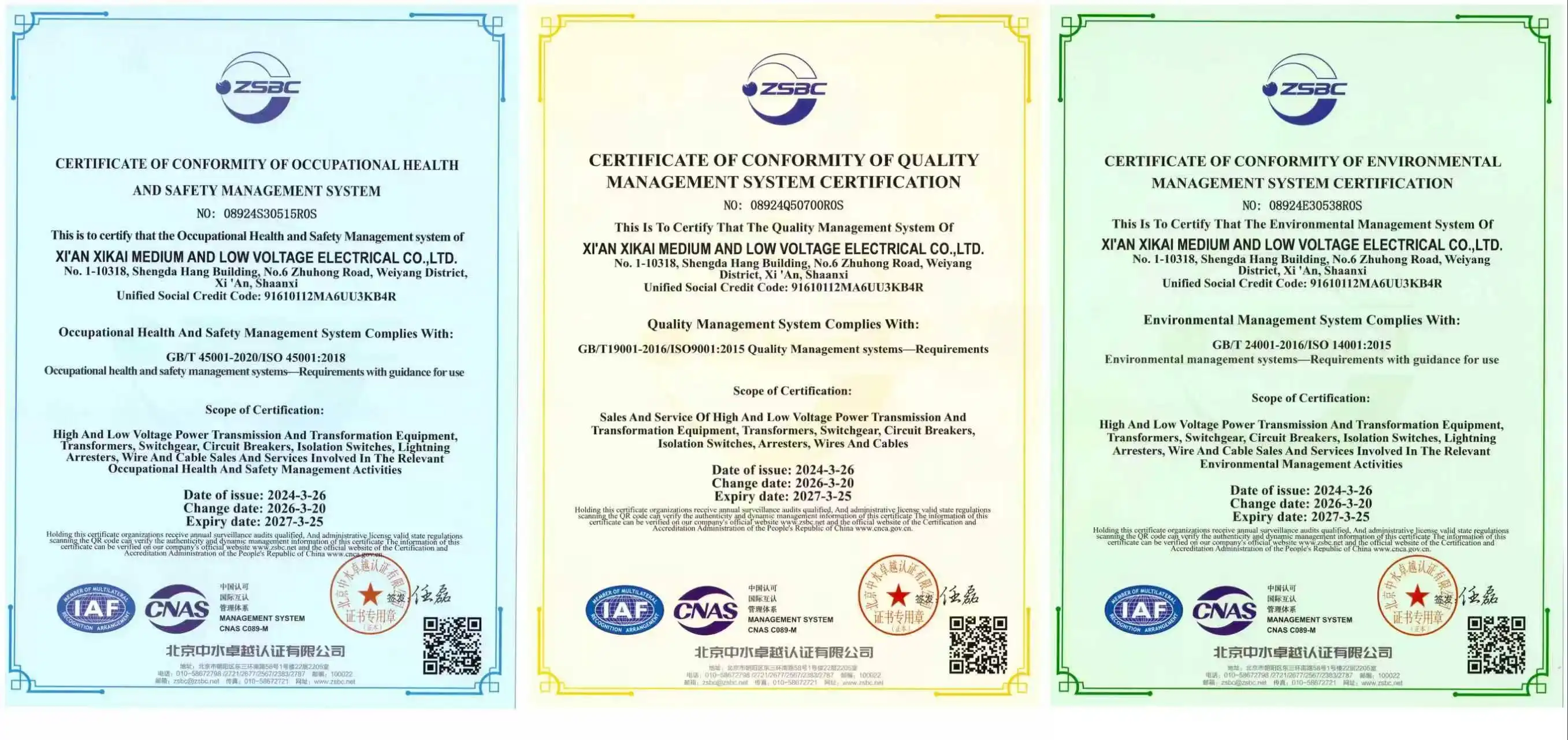
Xi'an Xikai Medium & Low Voltage Electric Co., Ltd. is a good option because it has a lot of production experience and reasonable prices. We offer more than 100 different kinds of products, such as transformers, high-voltage circuit breakers, and equipment. The LW24 Dead Tank SF6 Circuit Breaker shows how committed we are to new ideas. It has self-optimized gas blast technology that lowers energy use while increasing interruption performance. We offer solutions that meet strict quality and environmental standards thanks to our more than 50 years of experience in the field and certifications such as ISO 9001, ISO 14001, and ISO 45001.
Supplier Selection Criteria
Aside from product specs, the success of procurement also depends on the skills and support services of the seller. There should be promises on the materials, the work, and the performance under the warranty. Usually, the warranty lasts between one and three years, but there are choices to extend it. It's especially important for specialized tools to have access to after-sales service. Make sure the seller can provide technical support, spare parts, and on-site help. Delivery dependability affects project plans; check with suppliers about their production capacity, wait times, and logistics skills to make sure equipment is available on time.
Customization lets you make solutions that fit the needs of a specific application. Xi'an Xikai offers technical help to change normal designs to meet the needs of high altitudes, earthquakes, or better environmental protection. Our technical team works with clients to make sure that the tools they choose work well with the systems they already have in place and meet their operating needs. Comprehensive solution providers are different from commodity sellers because they use a consultative method that delivers long-term value beyond original buy transactions.
Bulk Ordering and Import Considerations
Strategies for bulk buying that take advantage of economies of scale are helpful for big projects. Buying more at once lowers the cost per unit, speeds up transportation, and makes project management easier. When you buy things from other countries, make sure you know the trade rules, taxes, and paperwork that each country needs. Harmonized System codes are used to accurately describe electrical equipment for customs reasons. This keeps delays and extra costs from happening.
International deals go more smoothly when you work with experienced freight forwarders and customs brokers. They deal with complicated rules, plan transportation, and take care of paperwork like business bills, packing lists, and certificates of origin. It's important to negotiate payment terms carefully. Letters of credit protect both parties, and progress payments are timed to match production goals. The foreign sales team at Xi'an Xikai helps clients with the buying process by using our knowledge of sending equipment to a wide range of places around the world.
Conclusion
Your unique security needs, system characteristics, and operational goals will eventually determine which type of outdoor SF6 load break switch or Outdoor SF6 Circuit Breaker you choose. Load break switches are a cheap way to do routine switching tasks when upstream safety is present, while circuit breakers are needed for important infrastructure because they stop all faults. The LW24 Dead Tank SF6 Circuit Breaker is the latest technology in outdoor switchgear. It combines strong interruption capacity with an easy-to-maintain design and care for the environment. By carefully looking at working needs, lifecycle costs, and provider skills, you can choose the best equipment that improves safety, reliability, and long-term value.
FAQ
1. What determines whether I need a load break switch or circuit breaker?
Your choice depends on how much fault safety you need and how high the operating voltage levels need to be. Circuit breakers are needed in places where fault currents need to be stopped automatically, like in industrial plants, utility substations, and other important buildings. Load break switches are enough when upstream devices protect against faults, and your main need is to switch loads regularly or isolate them for maintenance.
2. How often should outdoor SF6 circuit breakers undergo maintenance?
Maintenance times rely on how the machine is being used, how often it switches between states, and what the maker suggests. Usually, gas pressure, moisture content, and physical state are checked once a year, and full testing with contact resistance and mechanical traits happens every three to five years. Applications that get a lot of use may need to be checked on more often.
3. Are environmentally friendly alternatives to SF6 available?
New technologies include fluoronitrile gas mixes that are much less likely to cause global warming and vacuum insulation systems that don't use any shielding gas at all. For new installs, these options are becoming more and more practical, but it's still hard to make them work with old SF6 equipment. Manufacturers are still working on ways to balance being environmentally friendly with running their businesses well.
Partner with Xi'an Xikai for Reliable Outdoor SF6 Circuit Breaker Solutions
The Xi'an Xikai Medium & Low Voltage Electric Co., Ltd. is ready to help you with your high-voltage infrastructure projects by providing you with reliable Outdoor SF6 Circuit Breaker technology and full system integration services. Our LW24 Dead Tank SF6 Circuit Breaker is perfect for utility, industrial, and green energy uses because it interrupts power very well, is easy to maintain, and doesn't harm the environment. As a top company that makes Outdoor SF6 Circuit Breakers, we offer cutting-edge engineering, low prices, and quick expert support. You can talk to our buying experts about your project needs by emailing serina@xaxd-electric.com, amber@xaxd-electric.com, or luna@xaxd-electric.com.
References
1. IEEE Standards Association. (2018). IEEE Standard for AC High-Voltage Circuit Breakers Rated on a Symmetrical Current Basis—Preferred Ratings and Related Required Capabilities for Voltages Above 1000 V. IEEE C37.04.
2. International Electrotechnical Commission. (2017). High-Voltage Switchgear and Controlgear—Part 100: Alternating Current Circuit-Breakers. IEC 62271-100.
3. Barker, P. & Chen, J. (2020). SF6 Gas Handling and Environmental Management in Electrical Utilities. Electric Power Research Institute Technical Report.
4. Morrison, R. & Wallace, T. (2019). Circuit Breaker Technology: Design, Selection, and Application in Modern Power Systems. McGraw-Hill Professional.
5. National Fire Protection Association. (2021). NFPA 70E: Standard for Electrical Safety in the Workplace. NFPA Publications.
6. Zhang, L., Kumar, S., & Thompson, D. (2022). Lifecycle Cost Analysis of High-Voltage Switchgear: Comparing SF6 Circuit Breakers and Load Break Switches. Journal of Power System Engineering, 45(3), 234-251.
_1774321455861.png)