
Iron Core vs. Air Core Reactors: Which is More Effective for Harmonic Filtering?
2026-05-21 15:40:59
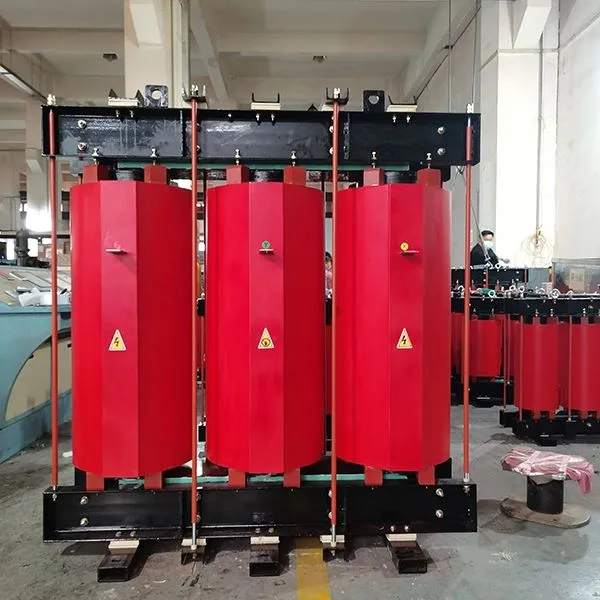
When comparing different ways to reduce harmonics, the Iron Core Series Reactor regularly shows that it works better for industrial and utility-scale uses. Its ferromagnetic core design efficiently collects magnetic flux, allowing small systems that can filter well. Iron core reactors have higher inductance per unit volume than air core reactors. This makes them perfect for heavy production settings where room is limited and strong harmonic reduction is needed. Because they have been shown to last under extended fault currents and tough heat cycles, they are the best choice for places that need stable power quality security.
 |
 |
Introduction
Harmonic distortion is one of the hardest problems to fix in current commercial electrical systems that need to keep the power quality at its best. Harmonic currents are sent back into the distribution network by non-linear loads like variable frequency drives, arc furnaces, rectifiers, and switch-mode power sources. This changes the voltage, overheats equipment, causes annoying trips, and prematurely fails sensitive electronics. For big building managers, energy companies, and engineering firms, these changes directly mean expensive breaks, shorter equipment lifespans, and problems with following the rules. Choosing the right reactor technology is a smart buying choice that affects both short-term operating success and long-term financial results.
The iron core and air core reactor types work in different ways and are best for different harmonic filtering situations. Procurement managers and design engineers can choose the right technology for a job site by knowing how they are built, how well they work, and what their limits are for use. The efficiency of both types of reactors is compared in this study, which focuses on practical factors that affect B2B buying choices in the US market. Whether you're choosing parts for an expansion of a data center, improving the infrastructure for utility transmission, or creating reactive power compensation systems for heavy industry, the information in this article will help you find solutions that protect your investments, increase uptime, and follow the rules.
Understanding Iron Core and Air Core Reactors
Construction and Design Fundamentals
Iron core reactors have ferromagnetic cores that are layered and made from high-quality silicon steel that has been cold-rolled and grain-oriented. The core material gives the magnetic flux a low-reluctance path, which greatly increases the inductance compared to the actual size. Most windings are made of copper or metal wires that are shielded and encased in high-tech materials like epoxy resin with glass fiber support. This way of building has great technical strength and protection from the elements.
In air core reactors, ferromagnetic materials are not used at all; instead, coil shape and turn design are used to get the right inductance values. Windings are held up by structure frames that aren't magnetic. These frames are usually made of fiberglass-reinforced plastics or ceramic insulators. Since these devices don't have a magnetic core, their inductance stays uniform across all current levels. This means they don't experience any of the saturation Iron Core Series Reactor effects that can slow down iron cores in extreme fault conditions.
Operating Principles in Harmonic Filtering
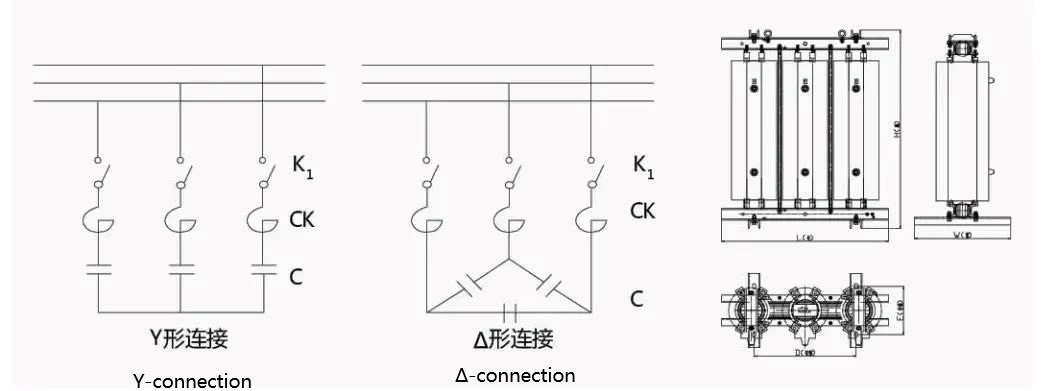
In harmonic filter circuits, both types of reactors work as inductive resistance elements. When they are linked in series with capacitor banks, they make adjusted LC circuits with low resistance at certain harmonic frequencies. This keeps harmonic currents away from sensitive equipment. The Iron Core Series Reactor does this job while being very small by using the magnetic enhancement effect of its ferromagnetic core. The focused magnetic field stays inside the core structure, keeping electromagnetic interference with nearby equipment to a minimum.
Air core designs work by distributing electric fields in the area around them. Because they are linear by nature, their resistance values stay the same no matter how big the current is. This makes them perfect for uses where the fault current level is hard to predict. Since there is no core overload, the filtering works the same even when conditions change slightly. Now it's easy to control the temperature because natural airflow moves heat away from the whole moving surface.
Comparing Iron Core Series Reactors and Air Core Reactors for Harmonic Filtering
Performance Analysis and Filtering Effectiveness
With its split air-gap design, the CKSC Dry-type Iron Core Series Reactor gives stable core performance over a wide temperature range while keeping known inductance characteristics. Hysteresis and eddy currents in the layered steel core cause iron core shapes to lose energy. Compared to older models, these losses have been cut by about 30% using modern production methods such as heated silicon steel and the right amount of lamination. Under recommended conditions, the temperature rise usually stays below 95°C. This keeps energy waste to a minimum and increases the life of the insulator. Core losses are not present in air-core reactors; instead, they only experience resistance losses in the circuit material. Large surfaces are good at letting heat escape, which means that working temperatures are lower.
Advantages and Limitations
For commercial use, the Iron Core Series Reactor has a number of strong advantages, including:
- Compact footprint: The magnetic amplification effect of ferromagnetic cores makes them 40% to 60% smaller than comparable air core units, which frees up important floor space in electrical rooms that are already full.
- Cost efficiency: Less material and easier mounting structures mean lower starting capital costs. This is especially important for big projects that need a lot of units.
- Robust construction: Epoxy resin vacuum casting with glass fiber support is very resistant to mechanical shock, changing temperatures, and contaminants in the environment. Surge currents that are more than 100 times the rated capacity don't damage the coils.
- Reduced electromagnetic interference: magnetic flux that is contained keeps random fields from affecting nearby instruments and control systems to a minimum. This makes installation planning easier and lowers the need for protection.
For these reasons, iron core reactors work best in heavy industrial settings like steel mills, arc furnaces, and big factories that make a lot of things. These are places where saving room and longevity are very important. The technology has shown it can work reliably in tough settings like CNC machine centers, power distribution on production lines, and high-power rectifier setups. Some problems with air core technology are that it needs a lot more copper or aluminum, which makes the parts much bigger and costs more to buy at first. Because they have a wider electric field, they need to be carefully spaced away from nearby equipment and structural steel, which makes installation harder in places with limited room.
Key Technical Considerations in Reactor Selection
Core Design Features and Customization Options
Today's iron core reactors are made with complex design features that make them work best in a wide range of circumstances. The CKSC Dry-type Iron Core Series Reactor uses a split air-gap design that spreads magnetic flux evenly. This stops localized saturation and keeps the total inductance high. High-temperature glue holds core laminations together. This lowers mechanical shaking and keeps noise levels below 75 dB, which is very important for installations close to places where people are. Different placement limitations can be met by different physical setup choices. Compact models work well in places with limited space, like urban substations or projects that need to add on to existing electrical rooms. Versions that can handle high temperatures can handle the harsh conditions that you might find in a desert or hot settings. Modular mounting designs make it easier to move and handle during the building process, which lowers the cost of installation work.
Compliance and Standards
United States installations must conform to IEEE, ANSI, and UL standards governing reactor construction, testing, and application. IEEE Std 1036 establishes application guidelines for shunt power capacitors, including series reactor requirements. UL 506 certification verifies specialty transformer construction quality, applicable to dry-type reactor designs. NFPA 70 (National Electrical Code) specifies installation requirements, including clearances, grounding, and overcurrent protection. European markets require CE marking demonstrating conformity with the Low Voltage Directive 2014/35/EU and the Electromagnetic Compatibility Directive 2014/30/EU. IEC 60076-6 provides international standards for reactor specifications. International customers should verify that selected equipment carries appropriate certifications for their jurisdictions, avoiding costly delays during commissioning.
Procurement Insights for B2B Buyers
Identifying Trusted Suppliers and Manufacturers
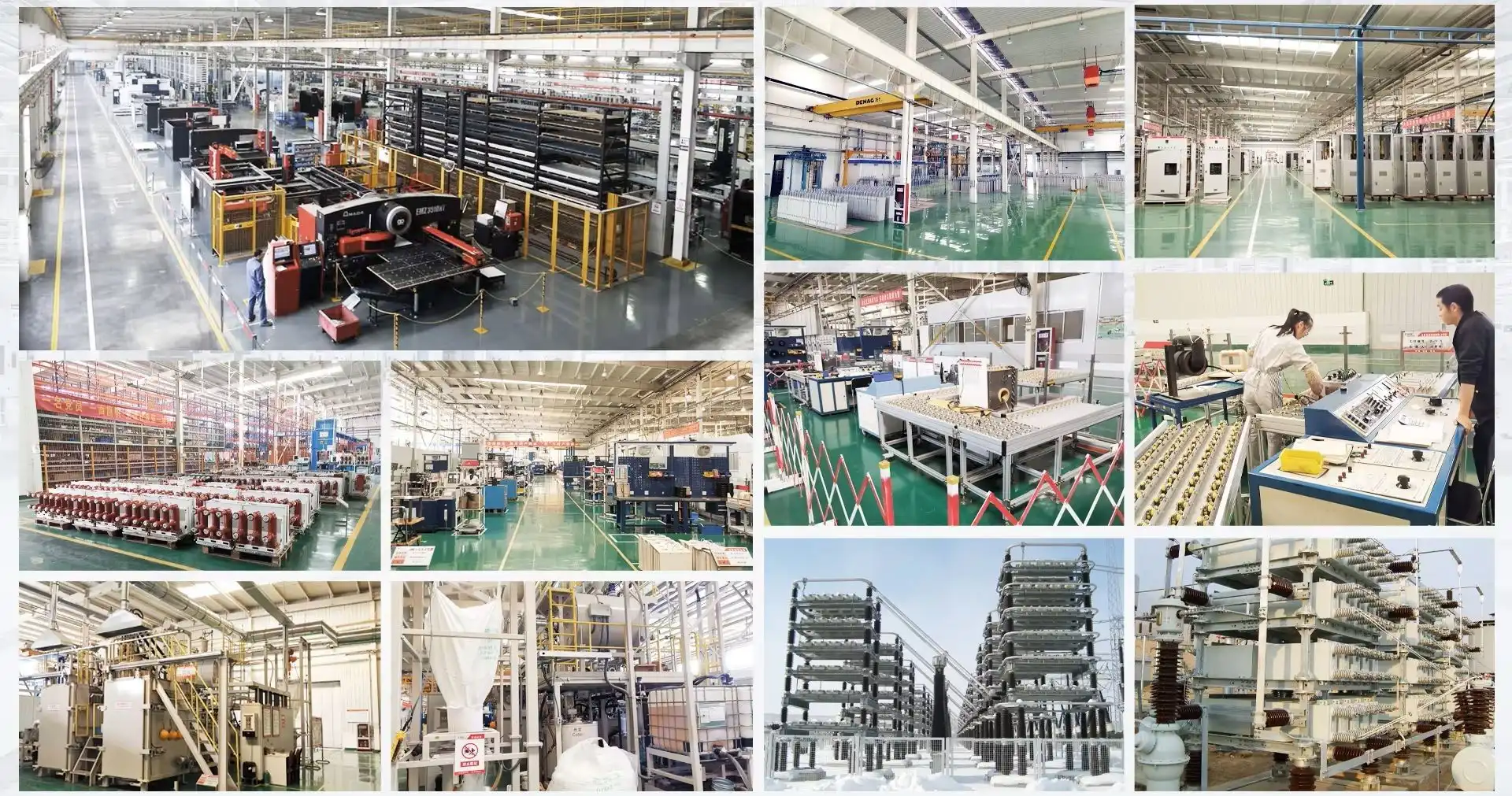
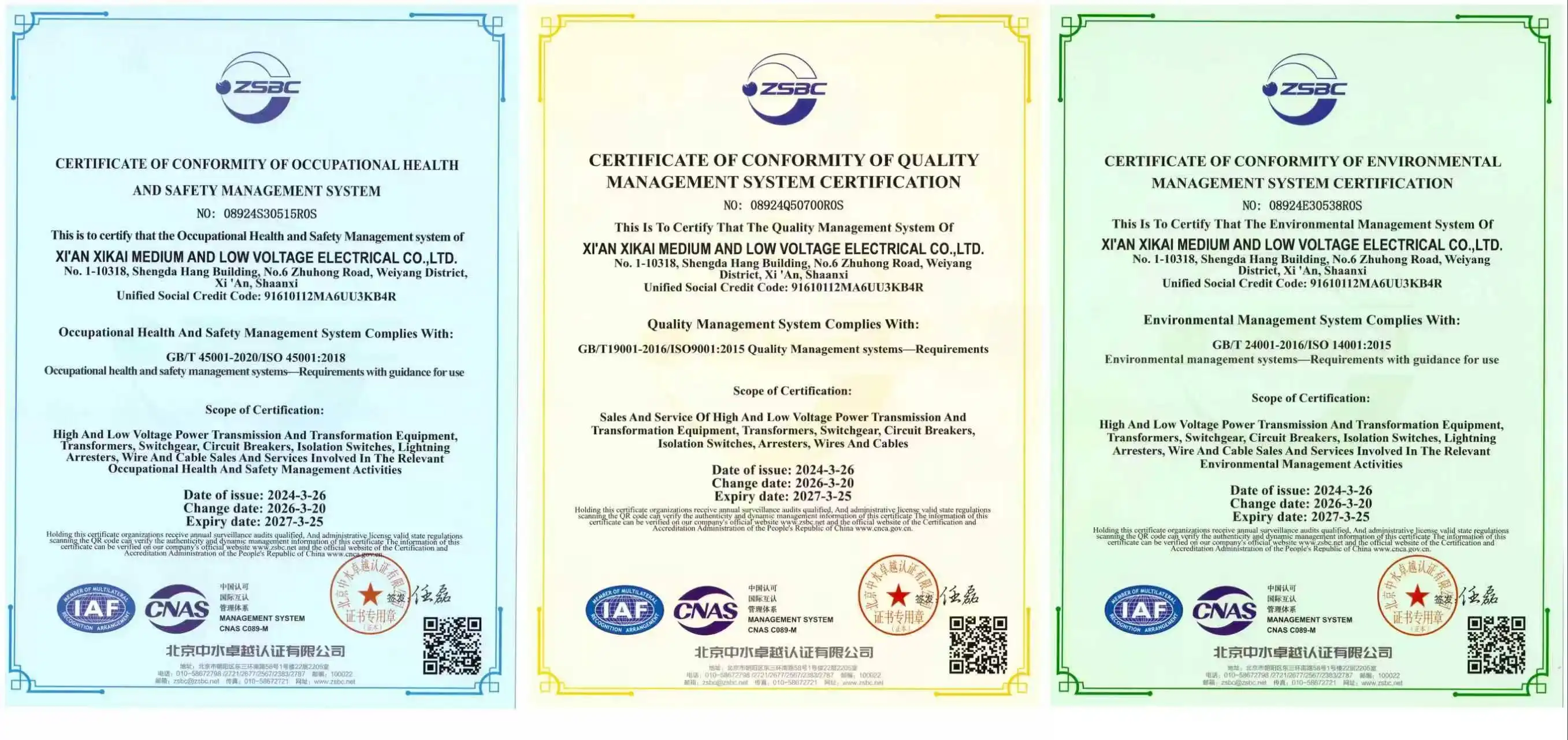
Before choosing a supplier, it's important to check that they can make the goods and have good quality control methods in place. Companies that have been around for a while keep their ISO 9001 license, which shows that they follow regular quality control methods. Companies with separate engineering teams can help with applications by figuring out the best reactor setups for different harmonic settings. When planning big projects that need a lot of units with the same specs, manufacturing scale is important. When suppliers run factories that make a lot of things, they can control tolerances more closely and get better prices on large orders.
Xi'an Xikai is one of China's biggest factories for making medium and low-voltage electrical equipment. It has a wide range of products, such as switches, transformers, circuit breakers, and reactive power replacement parts, such as dry-type reactors. Technical innovation shows that a seller wants to improve the performance of a product. Patent files that include methods for reducing noise, better temperature management, and better protection systems show that the study is still being done. Companies with 30 or more patents are usually the technical stars in their product areas.
Budgeting Strategies and Cost Negotiation
Reactor pricing varies substantially based on voltage rating, inductance value, and construction specifications. Medium-voltage units rated 6-35 kV typically represent the most common specification range for industrial harmonic filtering. Volume discounts apply when ordering multiple identical units, with price reductions of 10-15% achievable on quantities exceeding ten units. Total project value, including associated components—capacitor banks, circuit breakers, monitoring equipment—provides negotiating leverage. Bundled procurement from single suppliers simplifies coordination while potentially reducing overall costs.
Payment terms offering deposits with balance upon delivery or acceptance testing help manage cash flow during project execution. Technical support services add value beyond hardware costs. Suppliers offering on-site commissioning assistance, harmonic analysis studies, and training for maintenance personnel reduce project risk and accelerate successful startup. These services justify moderate cost premiums when they prevent costly commissioning delays or operational issues.
Case Studies and Real-World Applications
Heavy Industrial Applications
A major steel manufacturing facility in the Midwest United States experienced repeated capacitor bank failures due to harmonic resonance conditions created by large DC drive systems powering rolling mills. Harmonic measurements revealed significant 5th and 7th harmonic content exceeding IEEE 519 recommended limits. Engineers specified iron core series reactors with 6% impedance to detune the capacitor banks below the 5th harmonic frequency. Following installation of the CKSC Dry-type Iron Core Series Reactor units, harmonic voltage distortion decreased from 8.2% THD to 3.1% THD, well within acceptable limits.
Capacitor failures ceased completely, eliminating replacement costs averaging $45,000 annually. The reactors' compact design allowed installation within existing electrical room footprints, avoiding costly building modifications. Three years post-installation, the equipment continues operating without maintenance intervention, validating the durability claims of epoxy-resin-encapsulated construction.
Emerging Technology Trends
Recent innovations in reactor design focus on enhancing thermal performance, reducing acoustic emissions, and improving monitoring capabilities. Advanced core materials incorporating amorphous metal alloys promise further loss reductions, though manufacturing costs currently limit commercial adoption. Integrated temperature and partial discharge monitoring systems provide predictive maintenance capabilities, alerting operators to developing issues before failures occur. Digital integration represents an emerging trend, with reactors incorporating communication interfaces compatible with substation automation protocols. Remote monitoring of loading conditions, temperature profiles, and insulation health enables data-driven maintenance optimization. These capabilities align with broader industry movement toward smart grid implementations and condition-based maintenance strategies.
Conclusion
Selecting between iron core and air core reactor technologies requires careful evaluation of application-specific factors, including space availability, acoustic constraints, fault current levels, and budget parameters. For the majority of industrial and utility applications involving harmonic filtering and capacitor bank protection, the Iron Core Series Reactor delivers an optimal balance of performance, durability, and cost effectiveness. Its compact design, robust construction, and proven reliability in demanding environments make it the preferred choice for manufacturing facilities, data centers, hospitals, and utility substations across the United States. Air core alternatives serve specialized niches where their unique characteristics provide specific advantages. Successful procurement decisions align technology selection with operational requirements while considering total lifecycle costs rather than focusing exclusively on initial purchase price.
FAQ
1. How effectively do iron core reactors eliminate harmonics from electrical systems?
Iron Core Series Reactors do not eliminate harmonics directly; rather, they form part of tuned filter circuits that divert harmonic currents away from sensitive equipment. When properly specified with matching capacitors, these filter assemblies can reduce individual harmonic orders by 70-90%, bringing total harmonic distortion within IEEE 519 guidelines. Effectiveness depends on accurate tuning, adequate filter rating, and proper system impedance matching. Multiple filter stages targeting different harmonic orders may be required in heavily distorted environments.
2. What maintenance requirements differ between iron core and air core reactor designs?
Both reactor types require minimal maintenance compared to active electrical equipment. Iron core units need periodic inspection of mounting hardware, connection tightness, and insulation condition. Core integrity remains stable indefinitely under proper operating conditions. Air core reactors similarly require connection inspection and structural examination. Neither type contains consumable components or requires routine servicing. Thermal imaging surveys every 2-3 years identify developing hot spots indicating connection degradation. Properly specified reactors routinely achieve 30+ year service lives with essentially no maintenance intervention.
3. Which certifications and standards apply to reactors used in United States installations?
Reactors installed in United States facilities should carry UL recognition or listing verifying construction quality and safety compliance. IEEE standards, including IEEE 1036, govern application guidelines. Equipment must comply with National Electrical Code (NEC) requirements specified in NFPA 70. Utility applications may require additional conformance with utility-specific standards. International equipment should demonstrate equivalent certification, such as IEC 60076-6 compliance. CE marking indicates European conformity but does not substitute for US-required certifications. Procurement specifications should explicitly require applicable certifications to ensure regulatory compliance and facilitate inspection approval.
Partner with Xi'an Xikai for Superior Harmonic Filtering Solutions
Xi'an Xikai delivers engineered harmonic mitigation solutions tailored to your facility's unique power quality challenges. As a leading Iron Core Series Reactor manufacturer, we combine advanced materials science with precision manufacturing to produce dry-type reactors that withstand the harshest industrial environments. Our CKSC series features epoxy-resin vacuum-cast coils, segmented air-gap cores, and proven performance across 500+ installations worldwide. With multiple patented technologies in thermal management and noise reduction, plus comprehensive support from specification through commissioning, our team ensures your project succeeds. Contact our technical specialists at serina@xaxd-electric.com, amber@xaxd-electric.com, or luna@xaxd-electric.com to discuss your application requirements and receive detailed proposals for iron core series reactor solutions engineered specifically for your operational needs.
References
1. Institute of Electrical and Electronics Engineers, "IEEE Recommended Practice for Utility Interface of Photovoltaic (PV) Systems," IEEE Standard 929-2000, New York, 2000.
2. McGranaghan, M. and Beaulieu, G., "Update on IEC 61000-3-6: Harmonic Emission Limits for Medium and High Voltage," Proceedings of the 14th International Conference on Harmonics and Quality of Power, Bergamo, Italy, 2010.
3. Sankaran, C., "Power Quality," CRC Press, Boca Raton, Florida, 2002.
4. Arrillaga, J. and Watson, N.R., "Power System Harmonics, Second Edition," John Wiley & Sons, Chichester, United Kingdom, 2003.
5. Dugan, R.C., McGranaghan, M.F., Santoso, S., and Beaty, H.W., "Electrical Power Systems Quality, Third Edition," McGraw-Hill Education, New York, 2012.
6. Blooming, T.M. and Carnovale, D.J., "Application of IEEE Standard 519-1992 Harmonic Limits," Conference Record of the 2006 Annual Pulp and Paper Industry Technical Conference, Appleton, Wisconsin, 2006.
