
Is Metal-Clad Withdrawable Switchgear Right for Your Plant?
2026-10-10 17:00:52
If you manage power distribution for an industrial plant, a mining site, or a large-scale EPC project, choosing the right medium voltage switchgear can directly affect uptime, safety compliance, and total project cost. Metal-clad withdrawable switchgear is one of the most widely specified options in demanding electrical distribution systems today. Its compartmentalized design, withdrawable circuit breaker mechanism, and proven safety interlocking system make it a practical fit for plants that cannot afford unplanned outages or extended maintenance windows. This post walks you through what to look for, how to compare options, and whether this equipment type suits your specific application.
Understanding Metal-Clad Withdrawable Switchgear
What It Is and How It Works
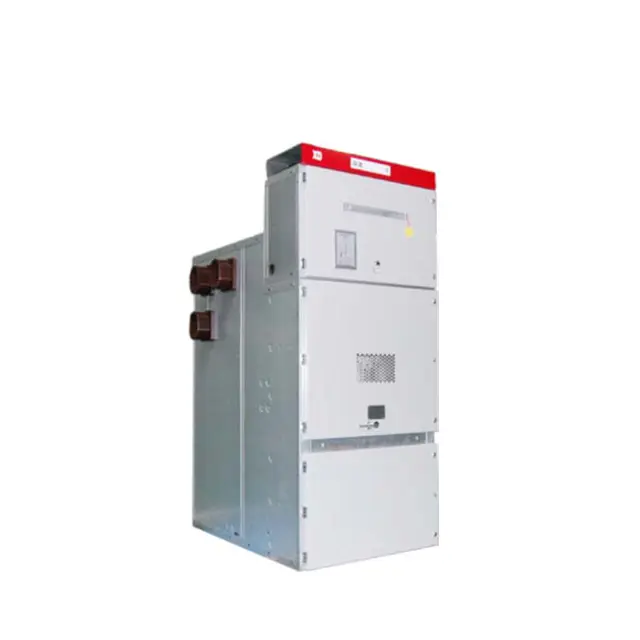
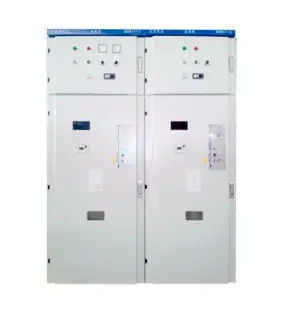
The circuit breaker and other components are placed on a retractable truck or cart inside a metal-enclosed compartment in metal-clad withdrawable switchgear, a type of medium voltage electrical distribution equipment. This design lets workers take out or put in the breaker unit while the busbar system is still on, which cuts down on repair downtime by a large amount. The inside is split up into three separate areas: one for the circuit breaker, one for the busbar, and one for the cable connections. This way, a single fault can't affect the whole panel.
Key Components That Matter
This type of switchgear is made up of vacuum or SF6 circuit breakers, insulated copper busbars, mechanical interlocking systems, protection relays, and a separate control panel that can display human-machine interfaces (HMI). The KYN28-24 model from Xi'an Xikai has an NV1-24 vacuum circuit breaker inside the circuit breaker chamber. Insulated copper bars in the busbar part move current with little electrical loss. The cable compartment has terminals that are easy to get to, and the built-in control panel lets you do real-time diagnostics. IEC 62271-200 and GB3906 standards say that each of these parts has a unique defensive role to play.
How It Compares to Other Switchgear Types
One significant difference between metal-enclosed switchgear and metal-clad retractable switchgear is that the retractable system enables physical isolation of the breaker without turning off the full bus. Gas-insulated switchgear (GIS) has small areas, but it uses sealed SF6 systems that need to be handled in a certain way. Withdrawable vacuum switchgear works in a way that is similar to other types, but it may have different interrupting capabilities and total costs of ownership. The metal-clad retractable design usually provides a better operating balance for plants that need to meet IEEE C37.20.2 or IEC standards and have regular repair access.
Key Considerations When Choosing Metal-Clad Withdrawable Switchgear
Voltage, Current, and Short-Circuit Ratings
The first step in any technical evaluation is to make sure that the electrical ratings match the load profile of your site. The KYN28-24 can handle a rated voltage of 24kV and rated currents of 630A to 4000A. This means it can be used in many industrial settings, from single motor feeder panels to main incomer switchboards in substations. It can handle 31.5kA of short-circuit current, which keeps the system stable even when faults happen upstream. These parameters should be included in any procurement specification as baseline requirements that can't be changed.
Safety Interlocks and Arc-Resistant Design
Safety is what metal-clad retractable switchgear is known for. The KYN28-24 has five mechanical interlocks that meet the requirements of GB3906 and IEC 298. These interlocks stop mistakes in load sharing, keep people from getting into live areas, and protect against bad grounding sequences. Arc-resistant construction and a coating that doesn't rust add an extra layer of protection in harsh places like chemical plants, mines, or installations near the coast. For EPC project teams, these features directly help them meet local grid connection standards and safety standards set by the owner.
Maintenance Protocol and Long-Term Reliability
With a retractable circuit breaker, the neighboring feeders don't have to be turned off and on again when it is being changed. This greatly reduces the expected maintenance time. Most of the time, the racking mechanism needs preventative maintenance every two to three years or after 500 operations. The welded steel frame of the KYN28-24 can handle temperatures from -10°C to +40°C in normal use and as low as -25°C while being transported. It can also handle average daily relative humidity levels of less than 95%. These operational factors work well for project areas in Northwest China, Central Asia, or Sub-Saharan Africa, where the weather is very different with metal-clad withdrawable switchgear.
Comparing Metal-Clad Withdrawable Switchgear Options in the Market
Global Manufacturers Worth Evaluating
Metal-clad, retractable switchgear in the 12kV to 38kV range is made by a number of companies around the world. The SM6 and PIX models from Schneider Electric are used a lot in utility-grade substations in Southeast Asia and Europe. The ZS1 and UniGear product lines from ABB are known for being able to handle arcs and meeting IEC standards. Siemens has a platform called NXAIR that is designed for infrastructure in cities and factories. Eaton and GE are also still in the running in the North American markets. When it comes to regional service networks, the level of customization, and approved performance documents, each brand has its own strengths.
KYN28-24 vs. Standard Withdrawable Vacuum Switchgear
The KYN28-24 from Xi'an Xikai is the best in this group because it has a large current range (630A–4000A), works with the NV1-24 vacuum circuit breaker, and fully meets IEC 62271-200 and GB3906. It may be cheaper to buy standard retractable vacuum switchgear for this voltage class at first, but it doesn't always have the same level of compartmentalization, locking complexity, or type-tested arc fault containment. When EPC contractors send in technical bid documents, having a product that has been nationally type-tested and has test reports that can be tracked is a clear procurement advantage.
Here are the main things that make the KYN28-24 stand out during expert evaluation:
- Five-point interlocking system compliant with GB3906 and IEC 298, covering load switching protection, live compartment access prevention, and grounding fault prevention — directly reducing human error risk during field operations.
- Modular, partitioned chamber layout with separate zones for the circuit breaker, busbar, cable connections, and control panel — limiting fault propagation and simplifying troubleshooting without de-energizing the entire lineup.
- Wide rated current range from 630A to 4000A at 24kV, covering motor feeder, transformer incomer, bus coupler, and metering applications within a single product platform.
- IoT-ready control panel with integrated protection relays and HMI — supporting remote monitoring, real-time diagnostics, and compatibility with plant SCADA systems for modern industrial plants.
These benefits directly address the three problems that keep coming up in EPC procurement: the risk of technical compliance, the need for repair access while the system is running, and the need to increase capacity in the future without replacing all the panels.
Procurement Guide for Metal-Clad Withdrawable Switchgear
Pricing Factors and Lead Times
At this level of standard, the price of medium voltage switchgear depends on the current rating, the amount of customization (like enclosure size, protection coating, and tracking systems), and the number of orders. For EPC contracts, it is common for single projects to order between 5 and 50 screens. Lead times depend on the supplier and the complexity of the configuration. As part of the technical and business bid, buyers should ask for an official delivery plan, not just a lead time for metal-clad withdrawable switchgear.
Evaluating Suppliers and After-Sales Support
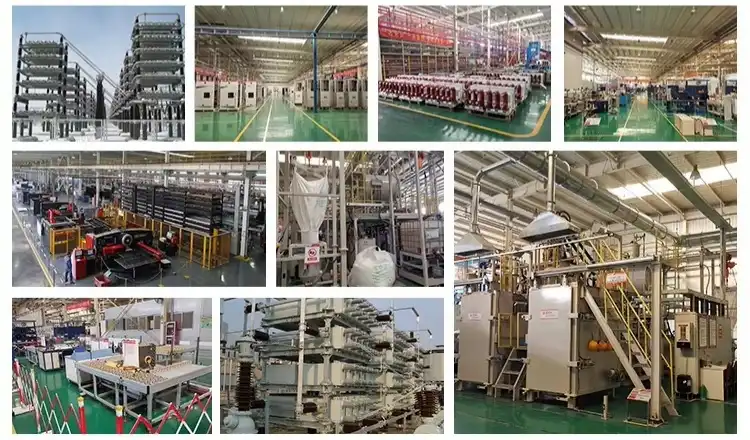
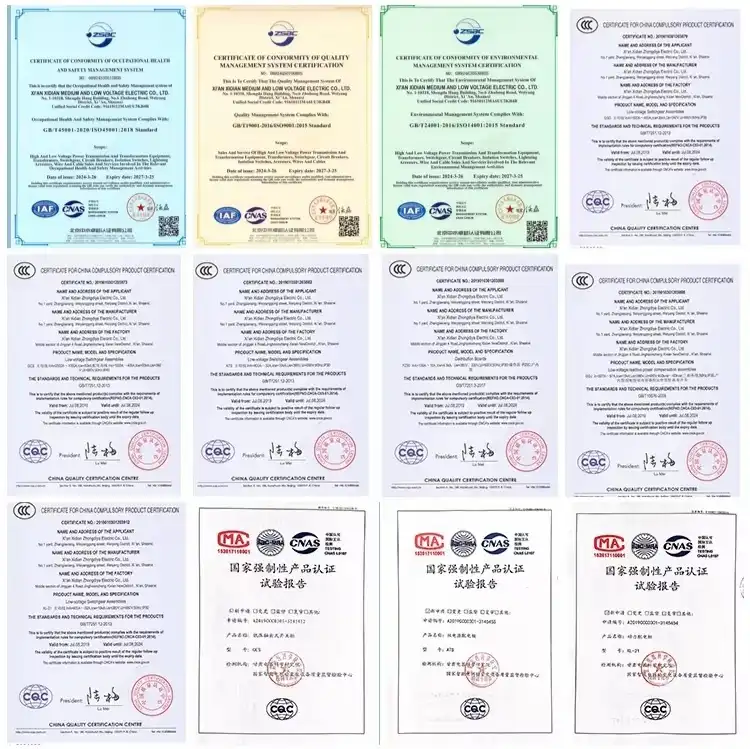
A good metal clad retractable switchgear supplier should offer type test reports that are recognized nationally or internationally, a documented quality management system (ISO 9001), and a clear warranty policy that covers both the materials and the work. Support after the sale is very important for faraway project sites. Xi'an Xikai has been supplying medium voltage equipment to State Grid systems, EPC contractors, and industrial facilities for more than 25 years. They have a technical support team and can get spare parts to back up the equipment they deliver. xaxd-electric.com lets buyers check product paperwork and project references.
Managing Custom Orders and Delivery Risk
Delivery delays are often caused by design changes made during the purchase phase. Before sending out purchase orders, EPC teams should finish one-line diagrams and load schedules to lower this risk. To protect delivery quality, it's also useful to ask for factory acceptance testing (FAT) to take place and confirm the packaging standards for long-distance travel, especially for foreign projects.
Installation and Integration Best Practices
Pre-Installation Site Assessment
Before the panels get to the job site, the civil works team should check the measurements of the cable trench, the levelness of the floor, and the consistency of the grounding grid. Under normal circumstances, the KYN28-24 can work at heights of up to 2000 meters. Sites above this level need special configuration, which should be talked over with the manufacturer during the design phase, not after the product has been delivered.
Commissioning and Protection Relay Testing
During commissioning, the insulation resistance is tested one at a time, the contact resistance is measured (using micro-ohm testing as required by NETA standards), and all five interlocks are checked to make sure they work. Before turning on the power, the settings for the protection relays should be coordinated with the source and downstream system protection schemes. This step often doesn't get enough attention on EPC schedules, but it's necessary to get grid link approval from local utility officials.
Ongoing Inspection and Scalability
Checking for contact wear, lubricating the racking mechanism, and making sure the integrity of the control cables are all part of regular inspections. Metal-clad retractable switchgear is designed in a way that lets more panels be added to an existing lineup as the plant's load increases, without having to rebuild the whole switchroom. In their total cost of ownership study, buying teams should write down this scalability factor as a long-term cost factor.
Conclusion
For medium voltage distribution in industrial plants, power plants, and mining facilities, metal-clad withdrawable switchgear metal clad retractable switchgear is a tried-and-true technology. Its compartmentalized structure, mechanical interlocking system, and circuit breakers that can be taken out meet the main needs of safety compliance, repair access, and working continuity. The KYN28-24 from Xi'an Xikai can handle voltages of up to 24kV and currents of 630A to 4000A. It also meets the standards set by GB3906 and IEC 62271-200. If you are an EPC contractor looking at approved suppliers with verified type test reports, delivery track records, and technical support capabilities, this is a useful and well-documented choice that you should consider when reviewing technical bids.
FAQ
1.How often should the racking mechanism be maintained?
Every two to three years or after 500 uses, whichever comes first, the racking system should have preventative maintenance. Some warning signs are needing too much force to rack, being out of alignment, having worn mechanical interlocks, or getting high contact resistance readings during regular tests according to IEEE C37.09.
2.What do the Test, Disconnect, and Service positions mean?
In the Test position, the circuit breaker can work with the main disconnects open and the secondary circuits operating. This is done to test the protection relay. When you move the switch to the "Disconnect" position, all primary connections are cut off, but control power is still available for safe maintenance work. The Service position gives you a full electrical connection so that everything works as it should. IEEE C37.20.2 says that mechanical interlocks stop dangerous changes between states.
3.Can the KYN28-24 be customized for special site conditions?
Yes. Xi'an Xikai can change the specifications if the installation site is outside of the normal operating range. This could be because it is above 2000m, the temperature is not between -10°C and +40°C, or there is a lot of contamination. Before making an order, users should talk to the manufacturer about any unique conditions to make sure the delivered equipment meets the needs of the spot.
4.What certifications does the KYN28-24 carry?
GB3906, IEC 298 and IEC 62271-200 can all be used with the KYN28-24. ISO 9001 certifies the ways that things are made. Xi'an Xikai is also certified by ISO 14001 and ISO 45001, and the product has passed national type testing and has documentation that can be used to submit a technical bid.
5.How is vacuum integrity verified in withdrawable circuit breakers?
Power frequency resist testing and partial discharge measurement are done during plant acceptance testing to make sure that the NV1-24 breaker's vacuum integrity is correct. On-site checks include measuring the contact gap and making sure the system works properly. If you see any signs of strange arcing or long extinction times, you should pay attention to the vacuum interrupter.
Get a Technical Quote from Xi'an Xikai — Metal-Clad Withdrawable Switchgear Manufacturer
Xi'an Xikai sells metal-clad withdrawable switchgear metal-clad retractable switchgear to EPC contractors, industrial plants, and power station projects in China and other countries. The KYN28-24 line of products comes with full type test documentation, ISO 9001 certification, and verified project references from the last 25 years. Get in touch with our team directly to get a technical quote or ask about unique configurations:
- Email: serina@xaxd-electric.com | amber@xaxd-electric.com | luna@xaxd-electric.com
- Website: xaxd-electric.com
References
1. IEEE Standard C37.20.2 — Metal-Clad Switchgear, Institute of Electrical and Electronics Engineers, 2015.
2. IEC 62271-200 — AC Metal-Enclosed Switchgear and Controlgear for Rated Voltages Above 1 kV and Up to and Including 52 kV, International Electrotechnical Commission, 2021.
3. IEEE Standard C37.09 — Test Procedure for AC High-Voltage Circuit Breakers, Institute of Electrical and Electronics Engineers, 2018.
4. NETA MTS (Maintenance Testing Specifications for Electrical Power Equipment and Systems), InterNational Electrical Testing Association, 2019.
5. GB 3906 — 3.6 kV–40.5 kV AC Metal-Enclosed Switchgear and Controlgear, Standardization Administration of China, 2020.
6. IEEE Standard 693 — Recommended Practice for Seismic Design of Substations, Institute of Electrical and Electronics Engineers, 2018.