
Disconnect Switch: Complete Buyer's Guide for Safe Power Control
2026-10-10 17:00:47
A disconnect switch is a mechanical device that serves to separate a part of an electrical circuit from its power source. The selection of the isolation switch may directly impact the safety of the workers and system uptime for those responsible for substations, industrial facilities or renewable energy systems. This guide takes procurement managers, distributors, and OEM buyers through the essentials – from core functions and product types to procurement strategy and the GW11 High Voltage Disconnect Switch from Xi’an Xikai – so each purchase decision is grounded in technical accuracy and real-world experience.
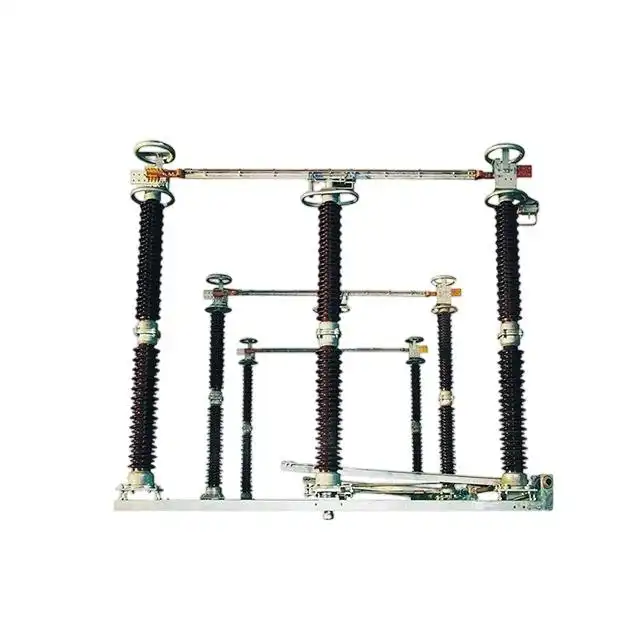
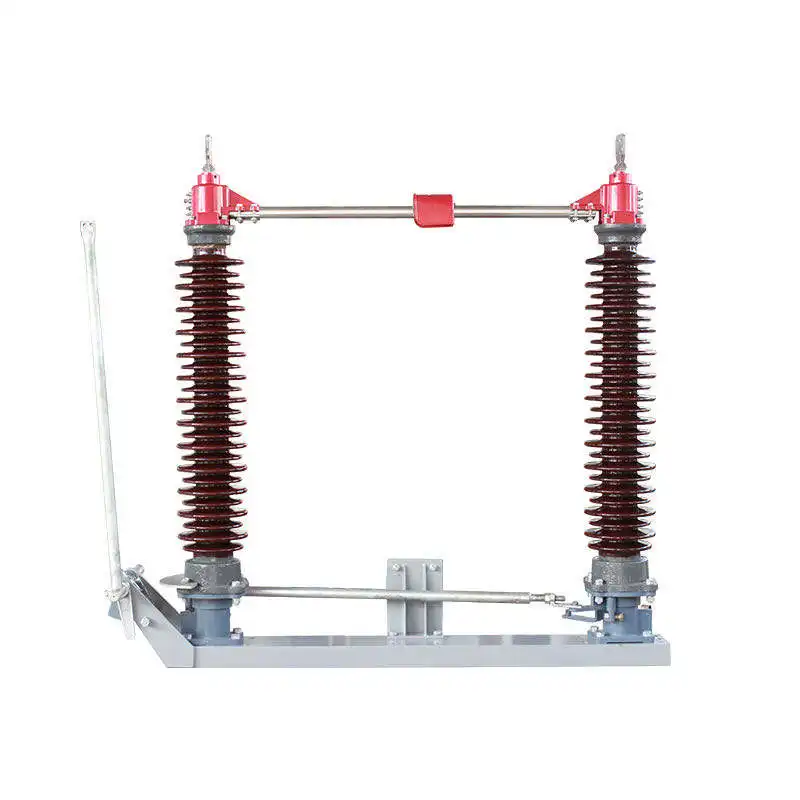
Understanding Disconnect Switches: Key Concepts and Functions
It’s useful to know what a disconnect switch performs and why the kind you pick is vital before you compare items or make an order.
What Is a Disconnect Switch?
A disconnect switch physically disconnects an electrical load from its power source . It does not halt fault currents as a circuit breaker does. It isolates off grid circuits so technicians may operate safely . This obvious air gap gives the repair personnel confidence that the line is dead before they start working on it. IEC 62271-102 requires that for safety reasons isolation switches should retain the open contacts at a safe distance.
Common Types: Rotary, Knife, and Isolator Switches
The three most common kinds of isolator switches in high-voltage and medium-voltage systems are rotary, knife-type and pantograph isolator switches. The rotary type blade, such as the GW7B-363 three-column horizontal rotary type, is suitable for small substations and rotates along a vertical axis. Knife-type switches provide a means for hand operated control of industrial feeders. The GW11 series is fitted with pantograph type isolators which lift the blade vertically to provide an open-circuit gap. This makes them popular in 363kV outdoor substations.
Fused vs. Non-Fused, Manual vs. Automatic
A fused disconnect switch is an excellent option for motor control centers and HVAC systems because it offers overcurrent and separation protection. A fuseless device provides simply separation. A separate breaker is used to safeguard against failures. In most substation circumstances manual operation is acceptable. But the motorised or automated variants are preferable when the movement has to be done from a distance or the disconnect switch is part of a grid controlled by SCADA.
How to Choose the Right Disconnect Switch for Your Application
The improper unit might result in recurrent maintenance calls, failed inspections, or even equipment damage. For bulk sourcing customers, the following characteristics cut through the noise.
Match Ratings to Your System
Begin with rated voltage and constant current. In case of an outdoor system at 363 kV, the isolating switch should have creepage distances and clearances as per insulation co-ordination requirements of IEC 60071. ANSI/NEMA enclosure classifications, generally NEMA 3R for outdoor applications or NEMA 4X for corrosive situations, define the appropriate enclosure type for lower-voltage industrial feeders. Always check the thermal stability current, for example in the case of the GW7B-363, the short-circuit withstand testing may be many tens of kiloamperes.
Disconnect Switch vs. Circuit Breaker: Know the Difference
A disconnect switch is not rated to interrupt faults. It opens the circuit only after the upstream breaker has opened the fault current. One of the most typical procurement errors is mixing the two in a single line diagram. When ordering bundled substation packages – transformers, breakers and isolation switches – check with the provider as to the purpose of each equipment. Xi'an Xikai not only offers vacuum circuit breakers but also high voltage isolation switches. It allows the purchasers to check the synchronisation of the whole switchgear assembly.
Environmental and Certification Requirements
The main trade barrier for export markets in Africa, Southeast Asia and South America is IEC certification. The GW11 High Voltage Disconnect Switch is compliant with IEC 62271 and IEEE C37.32, fulfilling the grid authority specifications of Nigeria, Kenya, the Philippines, and Myanmar. If you are a buyer visiting Canton Fair or sourcing via Alibaba RFQ, the best approach to guarantee compliance prior to placing a bulk purchase is to review the real test results, not simply the certificate number.
Installation, Maintenance, and Troubleshooting of Disconnect Switches
Even the finest constructed isolation switch might fail prematurely if installed or maintained poorly. Here are a few things to do to keep the workers and the equipment safe.
Pre-Installation Checks
Check all post insulators before installing for any chips or cracks on the surface. Make sure the data on the label matches the information on the purchase order. Make sure the mounting base is level. For the GW11 series the two-blade pantograph system requires the moving and stationary contact bases to be in a highly accurate horizontal plane. Should the base not be level, the insulator will tilt, which will reduce the contact pressure over time and increase the chance of arc erosion.
Wiring and Commissioning Steps
With the base in place, install the support insulators first, vertically within the tolerance provided by the manufacturer, then raise and install the conductive blade assembly. When the GW7B-363 is closed, the angle between the conductive plate of the moving contact and the contact pin of the fixed contact should be 90° ± 5°. When onsite and the bus connections are formed you should recheck the orientation of the contacts since the stress on the bus might displace the blades.
Routine Maintenance and Troubleshooting
Visual checks should be carried out every three months for oxidation on the contact surface, smooth movement of the blades and damage to the working mechanism linkage. The sealed gearbox system of the GW11 keeps out sand and dust, cutting down the inspection interval in arid areas. If the mechanism is sluggish or does not open all the way, examine the flexible joints for sufficient lubrication before presuming there is damage within. Should the contact resistance issue continue, please provide the serial number and installation date to your supplier's expert team.
Benefits and Applications of Disconnect Switches in Modern Power Systems
The practical benefits of a properly configured isolation switch go much beyond just meeting safety requirements.
Safety, Maintenance Access, and System Protection
A disconnect switch provides a verified, locked out isolation point for maintenance professionals. This immediately minimises arc flash events, which are one of the primary causes of electrical injury in industrial buildings, according to NFPA 70E standard. Isolating sections of equipment also enables operators to plan partial-system repair without shutting down the whole system, which keeps overall output going.
The main benefits of GW11 High Voltage Disconnect Switch in actual operation environment are:
- Light weight yet strong: Aluminium alloy conductors reduce component weight by 40% over typical copper-steel designs, making it easier to transport to distant substation locations in Nigeria or Myanmar where crane access is restricted.
- Smart grid readiness: Optional IoT sensors on the GW11 enable for real-time monitoring of contact temperature and mechanism location, enabling predictive maintenance schedules rather than reactive repairs.
- Horizontal insulation breaks: This allows for live line maintenance operations, decreasing outage windows for planned inspections.
These benefits immediately address the operational problems purchasers have when delivering power infrastructure projects in areas where grid dependability and the logistics of replacement parts are everyday considerations.
Applications Across Sectors
The GW11 has been successfully installed in over 1,200 substations, industrial units and renewable energy tie-in sites. It is used for the stabilisation of bus voltage under the influence of harmonic disturbances due to renewable inverter. In industrial plant feeders, the isolation switch controls surge currents during motor start sequences considerably in excess of its rated capability. For commercial retrofit projects, such as hospitals, data centers, malls, the low operating noise and lead-free materials help meet code compliance and green building standards.
Purchasing Disconnect Switches: Market Overview and Procurement Guide
Sourcing Channels and Lead Times
Most B2B buyers for African and Southeast Asian markets locate suppliers via connections made at the Canton Fair, Alibaba RFQ or WhatsApp trade groups. For normal GW11 units, we can make stock options within 3-7 days after the source has ended stock. Expect to wait longer if you want a bespoke blade set up or an earthing switch. Make sure you know this before you can book your containers in time.
Pricing, MOQ, and Bulk Order Strategy
The factory prices of high voltage isolation switches are based on the voltage class, current rating and operation mechanism. Buyers who purchase disconnect switches, transformers and circuit breakers as a complete substation package frequently obtain better unit costs than if they buy one product at a time. Xi'an Xikai offers flexible MOQ solutions for trade enterprises involved in mixed-container packages for numerous projects at the same time.
Verifying Certifications and Supplier Credentials
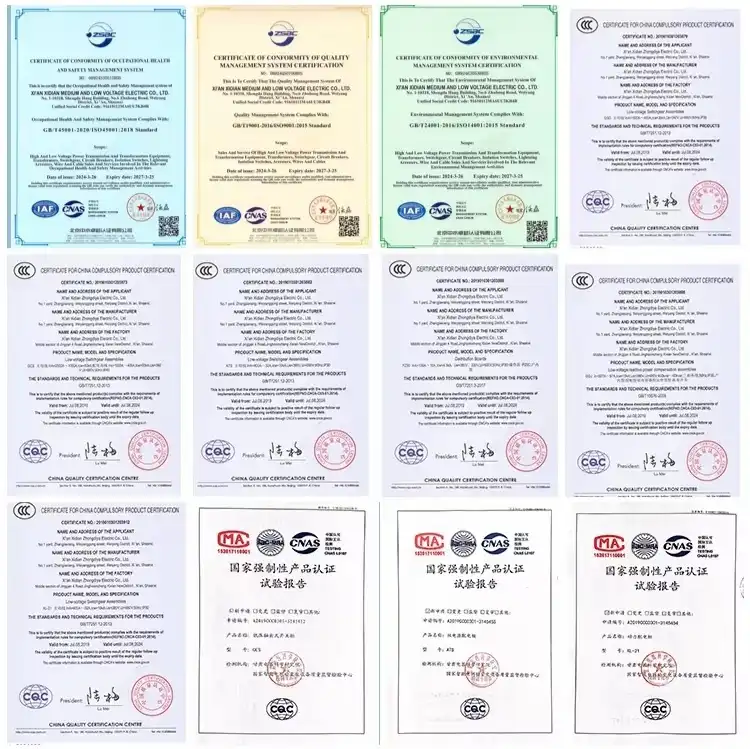
Not just the certificate but also the type test report IEC 62271. Check the registration numbers for ISO 9001 and ISO 14001 on the online registry of the organization that issued them. Xi'an Xikai has ISO, CE, and RoHS certifications. GW11 comes with a 5-year guarantee and professional service, 24 hours a day, 7 days a week. When your consumers are in multiple time zones and different grid standards, there are two key things to consider.
Conclusion
A disconnect switch is an important safety device in any power distribution system. To choose the right one, you need to make sure that the voltage class, current rate, environmental protection, and licensing needs are all right for your application. Xi'an Xikai's GW11 High Voltage Disconnect switch is suitable for outdoor substation needs ranging from 363 kV systems to industrial feeding uses. It is compliant with both IEC 62271 and IEEE C37.32. When trade buyers put together full export packages for substations, combining a tested isolation switch with matching equipment from a single qualified source cuts down on coordination risk and speeds up delivery times.
FAQ
1.What is the difference between a fused and non-fused disconnect switch?
A fused disconnect switch has overcurrent protection built into the same housing. This makes it useful for motor control and HVAC uses where one device needs to handle both separation and fuse protection. A unit that doesn't have a fuse only cuts off the circuit; a separate breaker or fuse upstream is needed to clear the fault. Non-fused isolating switches and specialized circuit breakers are normal for work in high-voltage substations.
2.Can a disconnect switch be used for solar panel systems?
Yes. Article 690 of the NEC says that photovoltaic systems must have isolation switches so that the DC array can be safely disconnected from the inverters. For utility-scale solar tie-in points, the right specification is an outdoor isolation switch that is rated for the right DC voltage and has an IP65 or higher grade for security. Because its transmission system is enclosed, the GW11 series works well for outdoor green energy setups that are damp or dusty.
3.How often should a high-voltage disconnect switch be inspected?
Outdoor high-voltage separation switches in operational substations are usually checked visually every three months. Every year or after a short circuit, the full contact resistance should be measured and the mechanism's movement should be checked. In places with a lot of pollution, like coastal or desert areas, visual checks should be done once a month, and flexible joints should be oiled every six months to keep them working well.
Get a Competitive Quote from Xi'an Xikai — Disconnect Switch Supplier You Can Verify
Xi'an Xikai sells IEC-certified disconnect switches with a 5-year guarantee, a flexible minimum order quantity, and packing that is ready for sea freight. Our team gets back to you quickly whether you need GW11 units or a full substation package. You can email us at serina@xaxd-electric.com, amber@xaxd-electric.com, or luna@xaxd-electric.com. Please go to xaxd-electric.com to get datasheets and product catalogs.
References
1. International Electrotechnical Commission. IEC 62271-102: High-Voltage Switchgear and Controlgear — Alternating Current Disconnectors and Earthing Switches. IEC, 2018.
2. IEEE Standards Association. IEEE C37.32: IEEE Standard for AC High-Voltage Disconnect Switches, Interrupter Switches, Earthing Switches, Bus Support Assemblies, and Accessories. IEEE, 2002.
3. National Fire Protection Association. NFPA 70E: Standard for Electrical Safety in the Workplace. NFPA, 2021.
4. National Fire Protection Association. NFPA 70: National Electrical Code (NEC), Article 690 — Solar Photovoltaic Systems. NFPA, 2023.
5. International Electrotechnical Commission. IEC 60071-1: Insulation Coordination — Definitions, Principles and Rules. IEC, 2019.
6. Mohan, Ned. Power Electronics: Converters, Applications, and Design. John Wiley & Sons, 2003.