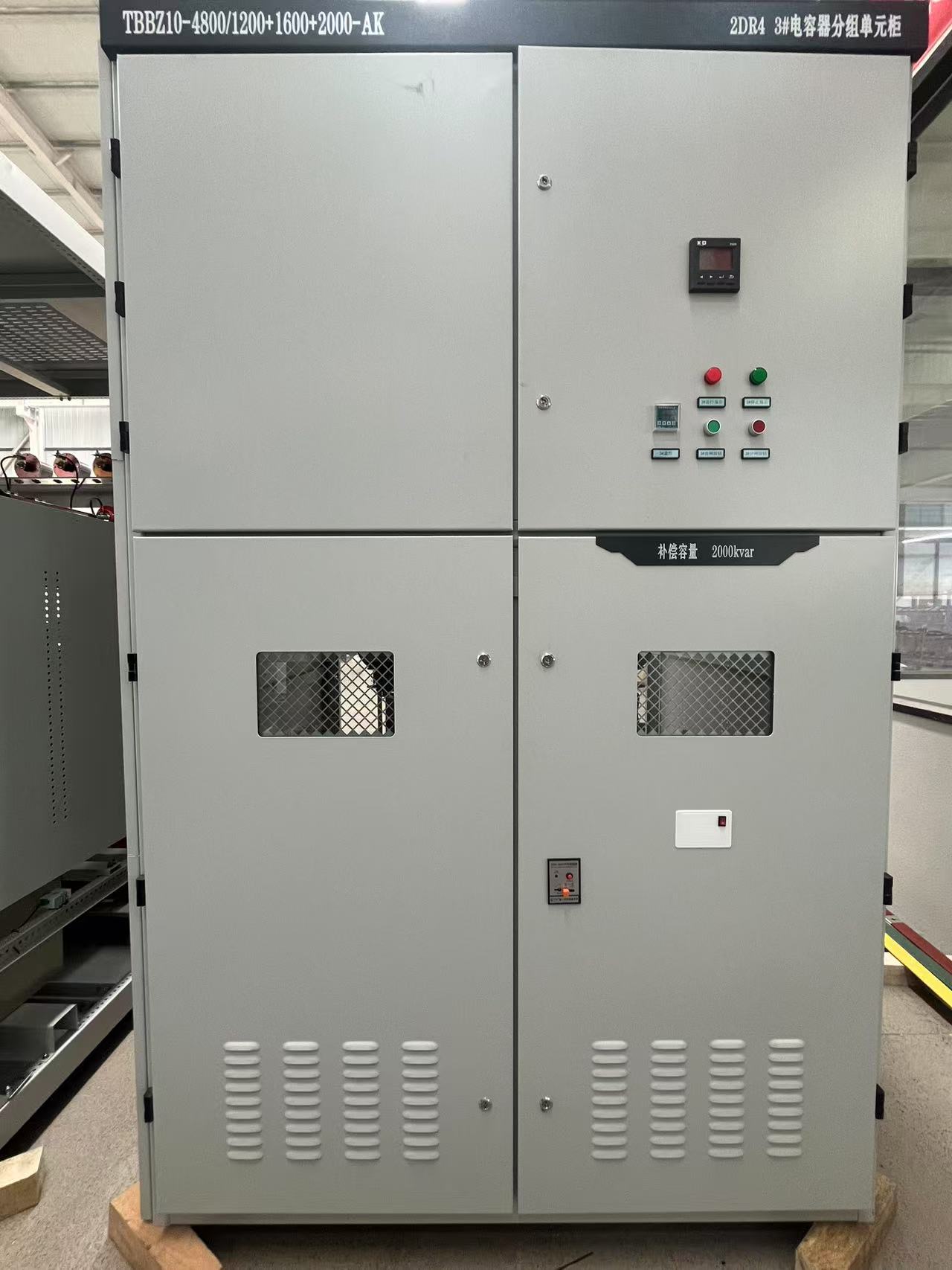
Key Applications of Lightning Arrester in Substations, Railways & Wind Farms
2026-01-14 15:40:14
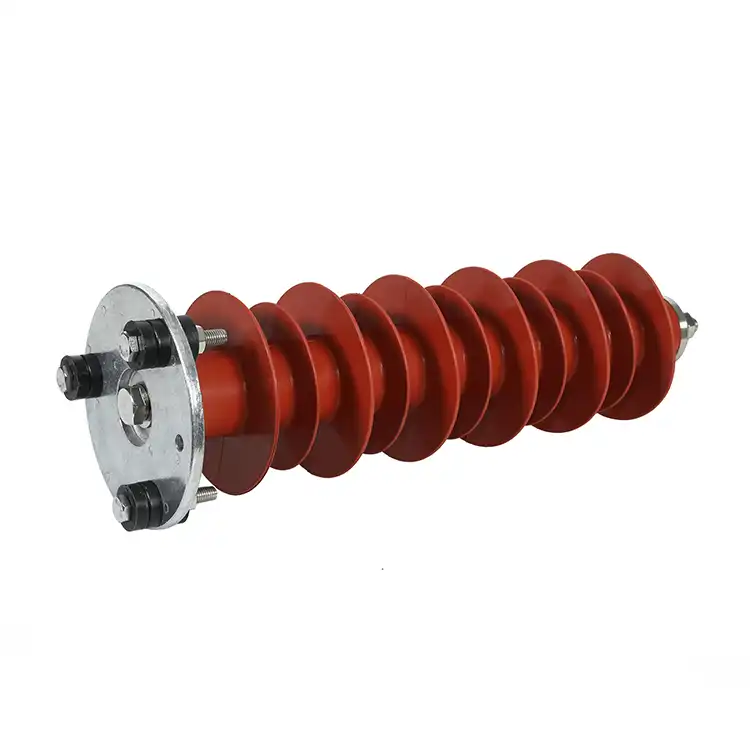
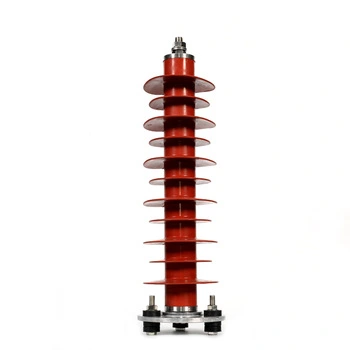
Across many businesses, lightning arrester technology is an important part of keeping electrical infrastructure safe. Voltage spikes can damage important equipment in transmission substations, railway electrification systems, and green energy installations. These surge protectors keep them safe. Today's lightning arresters use advanced metal oxide varistor technology to direct transient voltage away from sensitive parts. This keeps the system running and stops catastrophic breakdowns that could cost millions of dollars in repairs and downtime.
|
|
|
Understanding Lightning Protection in Critical Infrastructure
Effects of Overvoltage
Electrical infrastructure is constantly threatened by natural and man-made overvoltages. Lightning or switching activities cause voltage spikes that harm exposed equipment irreparably. Production losses, safety hazards, and grid instability cascade throughout systems, affecting the economy beyond replacement costs.
Surge Protection Device Function
Extra electrical energy is channeled by surge prevention devices. These devices are dormant during normal operation, permitting current flow. When voltage exceeds specified thresholds, the arrester immediately diverts harmful surge current to the grounding system. Quick action prevents equipment damage and maintains system stability.
Insulation Coordination Matters
Modern installations require advanced insulation coordination. Engineers must balance protection levels with operational efficiency by keeping defensive devices asleep during ordinary operations and activating only under threats. Precision components with dependable performance are needed for this delicate balance.
Transmission Substation Protection Systems
Power Substation Overview
Power substations house millions of dollars in transformers, switchgear, and control equipment, supporting electrical distribution networks. These facilities need extensive overvoltage protection due to atmospheric disturbances and switching transients. Lightning strikes can create 1000kV voltages, exceeding normal equipment insulation. To mitigate these risks, a lightning arrester is essential for protecting sensitive equipment from overvoltage events.
The Station-Class Arrester
Incoming transmission lines, transformer bushings, and bus structures are protected by station-class arresters. Heavy-duty devices withstand repeated surges and are reliable. Metal oxide varistor technology eliminates follow-current concerns in gap-type arresters by dissipating energy better.
Transformer Security Methods
Due to its importance, transformer protection demands special attention. Internal windings can be damaged by surge voltages, causing long outages and costly repairs. Strategic arrester placement on both sides provides comprehensive protection and coordinates with other protective measures. Effective earthing provides the low-impedance channel needed for arrester operation, making grounding system design crucial.
Medium-voltage equipment distribution arresters
Distribution arresters safeguard substation medium-voltage equipment. Circuit breakers, instrument transformers, and control systems are protected locally by these tiny devices that attach directly on equipment or nearby structures. Their polymer housings are contamination-resistant and function well in harsh environments.
Railway Electrification and Traction Power Systems
Electric Railways' Unique Qualities
Due to their vast overhead conductor networks and atmospheric exposure, electric train surge protection is difficult. Catenary lines create enormous lightning strike collection regions over long distances. Traditional protection solutions must also account for dynamic loading from train movement.
Traction Substation Protection Needs
Traction substations need protection systems that can handle direct lightning strikes and surrounding induced voltages. Modern railways employ 25kV AC systems that require arresters with proper voltage ratings and energy management. Protection must not interfere with train control communications, thus these installations must synchronize with railway signaling systems.
Solutions for Overhead Line Protection
Outdoor-installed arresters safeguard overhead lines. These devices preserve electrical performance despite wind loading and vibration. Dust, dampness, and industrial pollutants make railway operating conditions difficult, but polymer housing technology resists contamination.
Tunnel Installation Considerations
Tunnel installations are complicated by space and accessibility. Compact arresters provide effective protection in tight locations. Protective equipment must fail safely to avoid adding threats during emergency evacuation.
Wind Farm Lightning Protection Strategies
Excessive lightning exposure
Wind energy installations are lofty and remote, making them lightning targets. Modern wind turbines grow 100+ meters higher, straight in lightning impact zones. Remote locations and expensive power electronics make reliable protection important for economic viability. To ensure safety against these risks, a lightning arrester is crucial for protecting the turbines from voltage surges caused by lightning strikes.
Arresters on Turbines
Generator and power conditioning equipment in nacelles is protected by turbine-mounted arresters. Tower movement and vibration put stress on these devices, which must maintain accurate electrical properties. Long-term reliability requires specific materials and sealing systems for offshore corrosion.
Strategy to Protect Collection System
The medium-voltage cables connecting turbines to central substations are protected by collection systems. Underground cable surge propagation differs from above lines, requiring coordinated protection solutions that account for cable impedance and propagation velocity. Fault current issues are important because wind farm grounding systems may have higher impedance than utility substations.
Maintaining Grid Interconnection Point Reliability
Grid connecting points need transmission-level voltage-handling utility-grade safeguard devices. These installations protect local equipment and coordinate with utility plans. Bidirectional protection is necessary for reliable operation and grid and wind farm safety because power surges can propagate in either direction.
Marine and Offshore Applications
Environmental factors and increased lightning
Because they are above water, offshore platforms and maritime installations experience more lightning. Salt spray and humidity make electrical equipment more vulnerable, making surge protection essential for operation. Remote oceanic areas create unique grounding issues for platform protection systems.
Offshore Wind Farms: Two Challenges
Offshore wind projects face maritime environment and wind energy concerns. Turbine foundations are the major grounding path, however seawater conductivity affects electrical properties. For reliable functioning, submarine cable protection devices must handle the peculiar impedance of undersea transmission systems.
Surge Protection for Oil and Gas Platforms
Oil and gas platforms cover drilling, processing, and living quarters with surge protection. Explosive atmospheres require explosion-proof arresters to prevent gas ignition. Emergency shutdown systems and protective measures must work together to safely shut down facilities during severe weather events.
Industrial Manufacturing Facility Protection
Comprehensive Surge Protection's Value
Process control equipment and pricey gear in factories cannot tolerate voltage disruptions. Modern automated systems require exact electrical conditions, making surge prevention critical for production timelines and product quality. Prevention is preferred over repair since unscheduled shutdowns cost more than equipment replacement.
Process Control System Protection
Process control systems use electronic equipment-specific low-voltage surge protectors. These arresters secure microprocessor-based systems with fast response times and low clamping voltages. To maintain dependable operations, surge protection and signal integrity must be coordinated due to electromagnetic interference.
Coordination of Motor Control Center Protection
Coordination of power and control circuit protection benefits motor control centers. Power electronics like variable frequency drives have voltage-sensitive components that need precise protection. Effective engineering of protection devices and motor starting currents prevents nuisance activities, maximizing operational efficiency and decreasing downtime.
Data Center and Telecommunications Protection
Important to Protect Voltage-Sensitive Equipment
Modern data centers include millions of dollars in voltage-sensitive technology. These facilities cannot tolerate brief power outages since data loss and service interruptions affect income immediately. Multi-tier protection strategies ensure operation continuity by redundantly protecting against multiple threats.
Telecommunications Infrastructure Protection
Communications infrastructure for public safety and business must run continuously. Cell towers provide crucial communication but are directly exposed to lightning. Remote sites make maintenance difficult, thus reliable protective devices, including lightning arresters, are necessary for service continuity.
Fiber Optic System Protection
Fiber optic systems need electrical equipment protection to avoid optical signal interference. Power feeding equipment and signal amplifiers have surge-sensitive components protected by coordinated methods. Protective systems must meet complex grounding requirements from wireless and fiber technologies to optimize performance across all communication media.
Conclusion
Lightning protection remains essential for maintaining reliable electrical infrastructure across substations, railways, wind farms, and industrial facilities. Modern arrester technology provides comprehensive protection against both natural lightning and switching transients while offering decades of maintenance-free operation. The strategic application of these devices prevents equipment damage, maintains operational continuity, and protects substantial capital investments. As electrical systems become increasingly complex and valuable, proper surge protection grows more critical for long-term success.
Frequently Asked Questions
Q1: How long do lightning arresters typically last in outdoor installations?
A: Quality lightning arresters designed for outdoor use typically provide 25-30 years of reliable service when properly installed and maintained. Factors affecting lifespan include environmental conditions, surge frequency, and installation quality. Regular testing helps identify degradation before failure occurs.
Q2: Can lightning arresters protect against switching surges as well as lightning?
A: Yes, modern metal oxide varistor arresters effectively protect against both lightning-induced surges and switching transients. They respond to any overvoltage condition regardless of the source, providing comprehensive protection for connected equipment.
Q3: What maintenance is required for lightning protection systems?
A: Lightning arresters require periodic visual inspection, electrical testing, and grounding system verification. Most quality devices operate maintenance-free for years, but annual inspections help identify potential issues. Thermographic scanning can detect internal problems before visible failure occurs.
Partner with Xi'an Xidian for Comprehensive Lightning Protection Solutions
Xi'an Xidian Medium & Low Voltage Electric Co., Ltd. is a prominent lightning arrester manufacturer with over 20 years of experience in safeguarding critical infrastructure around the globe. Our cutting-edge surge protection devices use advanced metal oxide varistor technology and new polymer housing designs to make sure they work perfectly even in the toughest conditions. Our plateau-type equipment works effectively at heights of up to 4,000 meters and meets performance standards around the world. Our main products not only lead the domestic market but also reach performance levels that are known around the world thanks to the many patents we have on them.
At Xi'an Xidian, we can protect you from lightning in a way that fits your needs. Our skilled engineers work together with building owners, utility companies, and EPC companies to come up with the best security plans that balance performance, dependability, and cost-effectiveness. We have the skills and quality you can trust whether you need standard goods or solutions that are made just for you. Send us an email at serina@xaxd-electric.com, amber@xaxd-electric.com and luna@xaxd-electric.com if you're ready to protect your important assets with tried-and-true surge protection technology. Let's talk about your lightning safety needs with a trusted leader in the field who is committed to working together and coming up with new ideas.
References
1. IEEE Standard C62.11-2012, "IEEE Standard for Metal-Oxide Surge Arresters for AC Power Circuits (>1 kV)," Institute of Electrical and Electronics Engineers, 2012.
2. International Electrotechnical Commission, "IEC 60099-4: Surge Arresters - Part 4: Metal-oxide surge arresters without gaps for a.c. systems," Geneva, Switzerland, 2014.
3. Greenwood, A. and N. Kolcio, "Lightning Protection for Electric Power Systems," IEEE Transactions on Power Apparatus and Systems, Vol. PAS-102, No. 6, 1983.
4. McDermott, T.E., T.A. Short, and J.G. Anderson, "Lightning Protection of Distribution Lines," IEEE Transactions on Power Delivery, Vol. 9, No. 1, 1994.
5. Stølan, T. and R.B. Standler, "Lightning Protection of Wind Turbine Blades," Proceedings of the International Conference on Lightning Protection, Munich, Germany, 2008.
6. Rail Safety and Standards Board, "Railway Group Standard GM/RT2695: Lightning Protection for Railway Electrification and Power Supply Systems," London, United Kingdom, 2016.