Lightning Arresters Explained for Solar & Electrical Safety
2026-07-03 15:56:05
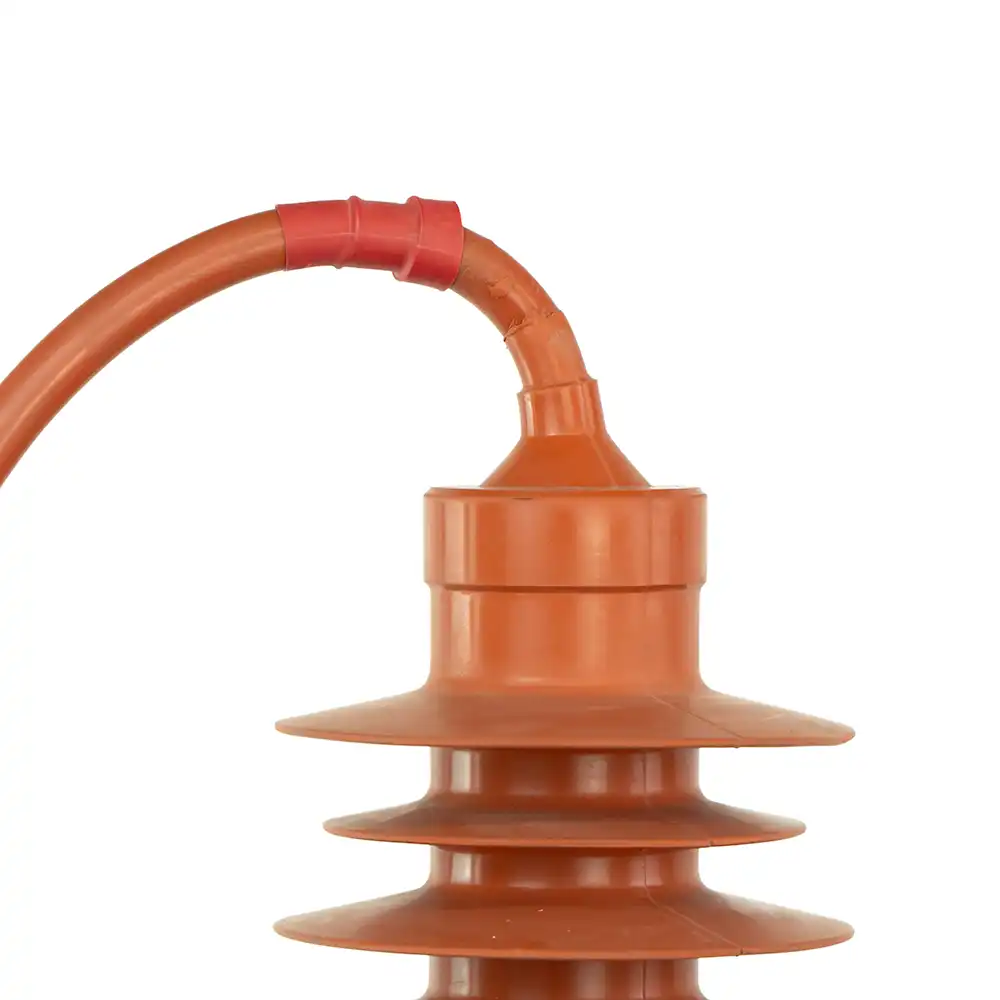
Lightning Arresters are the first line of defense against damaging voltage spikes caused by lightning hits and switching operations. They protect solar and electrical systems. These special safety devices work by finding voltage levels that aren't normal and quickly making a low-resistance path to ground. This keeps harmful energy away from sensitive equipment before it gets damaged. Surge arresters work by using metal oxide varistors (MOVs) that change resistance based on the applied voltage. These MOVs stay inactive when the system is not being used, but they quickly become active when brief overvoltages threaten system stability.
 |
 |
Understanding Lightning Arresters: Definition, Working Principle, and Types
What Are Lightning Arresters and How Do They Function?
A surge safety device works with voltage-sensitive parts that react very quickly to changes in the electricity. The voltage spike that happens when lightning strikes near power lines or when circuit breakers cause switching surges moves through wires looking for the way with the least amount of resistance. The metal oxide varistor inside the Lightning Arrester notices this unusual voltage level and changes from a high-impedance state to a conductive state. This lets the surge current flow safely to ground while limiting the voltage to safe levels.
In modern designs, zinc oxide discs are stacked one on top of the other. Each disc adds to the general ability to absorb energy. The DC reference voltage parameter sets the voltage at which a certain reference current runs through the Lightning Arrester. This number tells you a lot about how well the device is working. This idea is shown by the YH10W-102/266W Lightning Arrester Polymeric MOA, which has a ≥148kV DC reference voltage that makes sure safety works well even when system conditions change.
Categorizing Arrester Technologies for Different Applications
Station-class Lightning Arresters are made for transmission and distribution substations. They usually have housings made of porcelain or plastics that can handle voltages from 3kV to over 800kV. The polymer-housed versions are much better because they are lighter and less likely to get contaminated. This makes them better for installations near the coast or in industrial areas where pollution is common. Distribution-class models protect medium-voltage networks and customer installs. They have voltage values that match popular distribution voltages in North America, such as 15kV, 27kV, and 38kV systems.
Because they work with direct current (DC) and are exposed to extreme weather, solar photovoltaic systems need special care. Type 1 Lightning Arresters can handle direct lightning hits with impulse currents greater than 25kA. Type 2 devices, on the other hand, protect against surges and switching transients that happen inside the installation. The creepage distance parameter, which is the shortest way along the external insulating surface, is very important for figuring out how well the pollution works. Our YH10W-102/266W type has a 31mm/kV creepage distance, which is much longer than the standard requirement. This makes sure that it will work reliably even in heavy industrial or desert settings where dirt and grime can damage the insulation.
Why Lightning Arresters Are Essential for Solar & Electrical Systems
Protecting Critical Infrastructure from Voltage Transients
Whenever voltage spikes damage programmable logic controls or servo drives, it costs a lot of money for factories that use precise CNC equipment. One lightning strike that isn't covered can destroy control systems worth hundreds of thousands of dollars and stop production for days while new equipment is set up and tested. Voltage transients can damage storage stacks and crash server groups, which can lead to service-level agreement violations and customer data loss. Data centers that manage cloud infrastructure can't stand even short-term power quality problems.
There are life-safety issues with hospital electricity systems, and surge protection has a direct effect on patient care. Medical imaging tools like MRIs and CT scanners have sensitive electronics that stop working when they are exposed to too much power. Strong surge suppression is a must for healthcare center owners because emergency power systems must keep running during storms, when lightning activity is at its highest. Because current polymer Lightning Arresters are better at sealing, they keep out moisture that would otherwise build internal tracking tracks and cause them to fail early.
Compliance with International Safety Standards
The IEC 60099-4 standard sets out detailed testing procedures that Lightning Arresters must pass in order to show that they can guard enough. Some of these tests are working job tests that simulate repeated surge events, thermal stability checks at different temperature levels, and evaluations of pollution performance. When a product gets IEC approval, it has shown that it can stand up to 100kV lightning impulse tests and keep its structure intact during pressure relief operations in case of internal problems.
In addition, IEEE C62.11 includes standards that are specific to installations in North America. These include how to coordinate with other safety devices and make sure that they work with the way that industrial facilities in the US usually ground their equipment. UL listing gives you more peace of mind for insurance reasons and to make sure you're following the rules in your area, especially in places where the authority has the power to require third-party approval. Certified models go through a lot of tests, such as being exposed to salt fog for 24 hours and tracking for partial discharge below 10pC limits. These tests prove that the models will work reliably in the real world.
How to Choose the Right Lightning Arrester for Your Application
Evaluating System Requirements and Operating Conditions
Managers in charge of buying things have to make sure that the voltage values of the Lightning Arresters match the electrical system's maximum continuous operating voltage (MCOV). They also have to think about temporary overvoltages that can happen when there are ground problems or resonance conditions. A 102kV rated Lightning Arrester covers systems with an MCOV of about 73kV, giving enough room for short-term voltage rise without premature conduction. The device's ability to handle energy decides whether it can withstand direct hits. Distribution Lightning Arresters can usually handle 10kA average discharge currents, while transmission-class units can handle 20kA pulses over and over again.
Environmental factors have a big effect on the choice of materials and the style of homes. In coastal sites, salt spray and fog can form conductive surface films on porcelain insulators. In desert settings, abrasive dust builds up and temperatures change quickly. Silicone rubber housings that are resistant to UV light stay flexible from -40°C to +85°C, which keeps them from breaking and chalking like other materials do. Advanced designs use hermetic closing technology to make them last longer than 25 years with little to no upkeep. This lowers the lifecycle costs compared to devices that need to be cleaned or replaced every so often.
Distinguishing Lightning Arresters from Related Protection Equipment
Installed at service doors and panelboards, surge protective devices (SPDs) work at lower voltage levels than transmission-class Lightning Arresters. They usually protect 120V to 600V systems from surges that come from utility switching or lightning hits nearby. These devices work with upstream Lightning Arresters to provide multi-tier security. As surges move deeper into the facility, each tier clamps down on voltage levels that are lower and lower. Lightning rods and air terminals are part of external lightning protection systems. They stop direct hits and move current through down conductors. Lightning Arresters, on the other hand, keep electrical circuits safe from voltages and spikes that come in through power lines.
When procurement teams know these differences, they can come up with full safety plans instead of counting on single-point solutions. To get defense-in-depth against many types of threats, a well-designed system uses external strike termination, equipotential bonding of metal structures, and coordinated Lightning Arrester placement. Talking to makers who know how to do system-level design makes sure that all the parts work together and that the security is coordinated perfectly.
Installation & Maintenance Guide for Optimal Performance
Step-by-Step Installation Procedures for Industrial Environments
First, make sure that the system voltage and Lightning Arrester values match the ones on the specification sheets. Also, make sure that the unit number matches the type of setup you have (single-phase or three-phase). Place the Lightning Arrester as near to the protected equipment as possible, and keep the lead length as short as possible to avoid induced voltage drops that weaken the gripping effect. The right amount of torque needs to be applied to connection points. Too much torque can damage the end hardware, and loose contacts can cause resistive heating and eventually failure.
The size of the grounding wire must meet the standards set out in NEC Article 242, with a cross-sectional area big enough to carry fault currents without causing the temperature to rise too much. At lightning surge frequencies, the grounding line must have low impedance and not have any sharp turns that raise inductance and slow down reaction time. Connect Lightning Arresters to the ground grid in substations using multiple parallel lines to make sure there are backups and keep ground potential rise to a minimum when there is a problem.
Before turning on protected equipment, testing it after installation makes sure it works right. Insulation resistance tests between line ends and ground make sure there aren't any flaws in the construction or damage during installation. Using special tools to check for partial discharge activity and make sure there is none proves the internal integrity and correct assembly of varistor stacks.
Predictive Maintenance Strategies to Prevent Unexpected Failures
Every year, thermal imaging studies show problems that are starting to show up before they become too big to fix. When hot spots show up on Lightning Arrester housings, it means that more current is leaking out through damaged varistors or tracking tracks made by contamination. Our JCQ-3(YC)10/800D communication-type monitors measure currents from 0-10mA with ±5% accuracy and send data via Modbus RTU protocol to substation automation systems for constant health assessment. This lets you know when things are going wrong before they get worse.
A physical check shows damage to the outside caused by wildlife, vandalism, or natural stress. Check polymer housings for cracks, holes, or signs of tracking that could make the covering less effective. Check to see if the pressure release devices are still in place and haven't been used. Discharge evidence shows that there are internal faults that need to be replaced right away. If the contamination is more than 1 mm thick, it needs to be cleaned with high-pressure water or allowed chemicals to get the creepage distance performance back to normal.
Predictive lifecycle management is possible with good record-keeping that includes times of installation, maintenance activities, and reports from surge counters. Lightning Arrester populations usually have bathtub failure curves, with high baby mortality rates in the beginning and then steady low failure rates until wear-out processes take over near the end of life. Service interruptions and damage to other equipment can be avoided by replacing old units before they break down.
Procurement Insights: Sourcing Quality Protection Components
Evaluating Supplier Capabilities and Manufacturing Quality
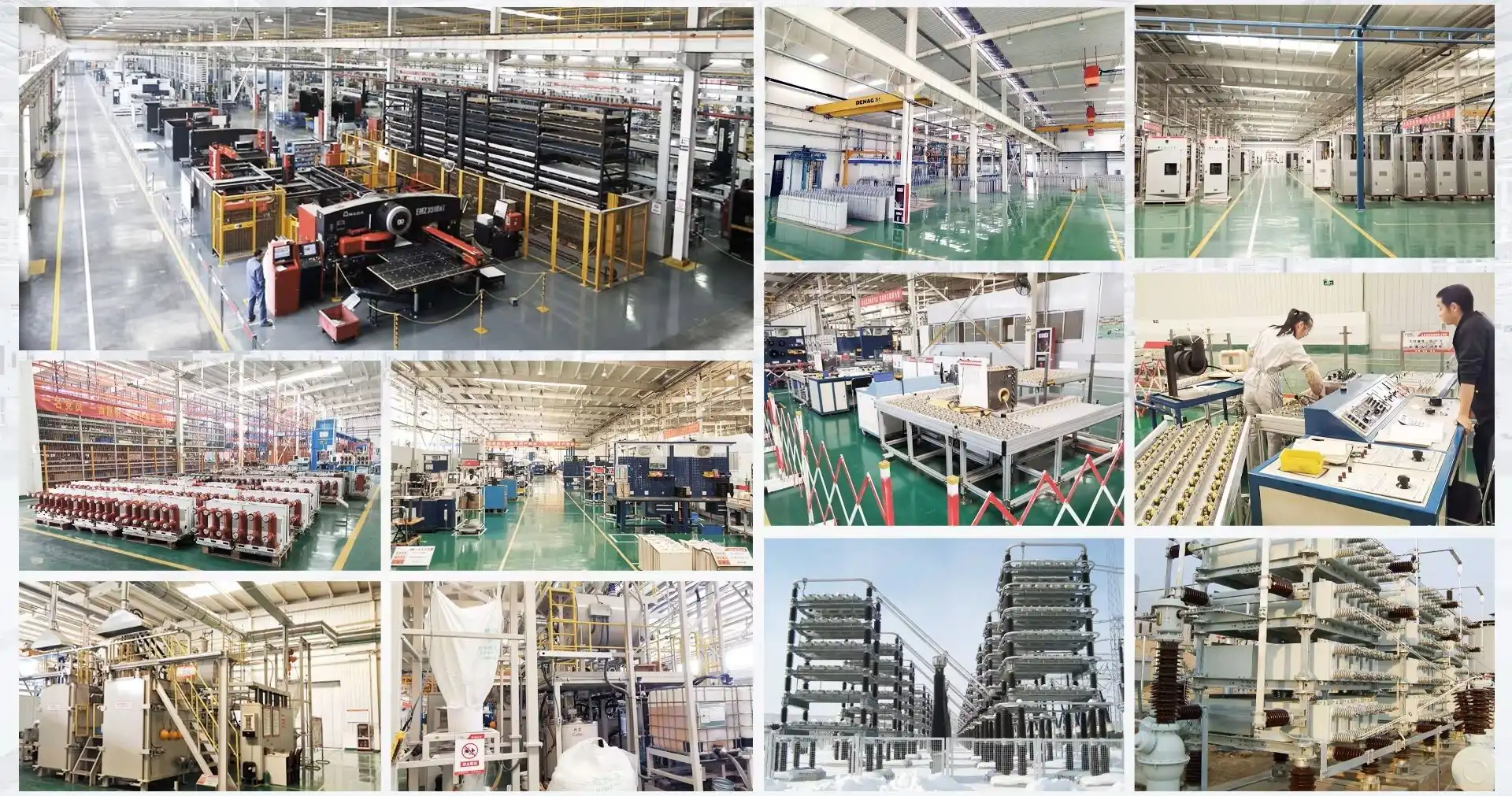
The accuracy with which a Lightning Arrester is made has a direct effect on its dependability and regularity of performance. Electrical factors are kept within a ±1% range on automated assembly lines that use robotic handling. This makes sure that every unit meets the requirements without having to be adjusted by hand. Process controls that keep an eye on important factors like the pressure used to press the varistor disc and the temperature of the polymer used in injection molding stop defects from spreading and allow statistical process control.
Protocols for quality assurance include more than just testing the finished product. They also include qualifying raw materials and auditing suppliers. Manufacturers of zinc oxide varistor must show that the voltage-current properties and energy absorption ability are the same from one lot to the next. For polymer products to have a service life of decades, weeks of lab tests are not enough to confirm their accelerated aging. Validation by a third party, such as approved laboratories like KEMA, makes sure that what the maker says is true and that it meets international standards.
When procurement teams tour factories, they can get a first-hand look at the quality culture and production skills. Follow the rules for keeping assembly areas clean, because contamination during production can cause hidden problems that show up as fails in the field. Check the test equipment's calibration records to make sure they can be traced back to national standards through complete calibration chains. Talk about the ability to customize goods if normal ones need to be changed because of odd system voltages or environmental conditions.
Navigating Logistics and Commercial Terms
When you buy in bulk, you have to weigh the costs of keeping inventory against big savings and the reliability of the supply chain. Manufacturers usually offer price breaks at levels like 100, 500, and 10,000 or more units, and wait times range from stock available for standard ratings to 6 to 8 weeks for made-to-order designs. By setting up blanket buy orders with scheduled releases, you can meet project deadlines and get better prices by committing to large amounts.
When sending things internationally, you need to make sure that the packaging is strong enough to keep ceramic and polymer parts safe during transit. Lightning Arresters should be sent in separate boxes with enough foam padding to keep them from getting damaged during shipping. The boxes should then be put on pallets so that the weight is evenly distributed in the containers. Check that the export paperwork has all the necessary certificates of approval, test records, and material safety data sheets to get through customs and get the installation approved.
The terms of a warranty should be carefully looked over after the usual one-year coverage time. Manufacturers who are sure of their designs offer guarantees that last 10 to 25 years. This protects consumers financially against early fails and shows that the company is sure of its products. Make it clear what the warranty covers in terms of damage to protected equipment that happens as a result of the guarantee. For example, some plans only cover the cost of replacing the Lightning Arrester, while others cover the fair cost of fixing connected equipment. Return policies should allow for field testing to find shipping damage or mismatched specifications, and return fees should not apply when the maker made a mistake.
Conclusion
To get good surge protection, you need to make sure that the Lightning Arrester features match the needs of the program and that it is installed correctly and is constantly being checked. The YH10W-102/266W Lightning Arrester Polymeric MOA is an example of current safety technology because it can absorb a lot of energy, is resistant to damage from the environment, and meets international standards. Instead of just looking at the original buy price, procurement choices should also consider the quality of the supplier's making, their ability to accommodate customizations, and their ability to provide support after the sale. To protect important assets in the business, utility, and industrial sectors, complete protection plans include equipotential bonding, external lightning interception, and planned Lightning Arrester placement. Regular repair and ongoing monitoring both stretch the life of a system and stop it from breaking down at unexpected times, which could put operations and staff safety at risk.
FAQ
1.What distinguishes surge arresters from surge protective devices?
Station-class Lightning Arresters protect transmission and distribution networks with voltages between 3kV and 800kV and can handle currents of more than 10kA. Surge safety devices work at voltages below 1kV and offer extra defense against surges that get around main Lightning Arresters or start inside of buildings. Both types of devices use metal oxide varistor technology, but they are very different in how much energy they can handle, how much voltage they can handle, and where they should be installed in the general safety design.
2.How often should the people who run the building check the set arresters?
Visual checks once a year are enough for placements inside of controlled settings, but every six months is needed for outdoor units that are exposed to harsh conditions. Condition-based maintenance, which replaces time-based schedules with choices based on data, is made possible by continuous tracking systems that measure leakage current trends. After a lightning strike or other odd system event, like an insulator flashover that could mean a Lightning Arrester is working or not working, the building needs to be inspected right away.
3.Can existing systems retrofit with modern polymer arresters?
Old ceramic Lightning Arresters can be switched out for polymer ones that are exactly the same in terms of voltage levels and terminal layout. Because polymer designs are lighter, they often don't need to be reinforced, which makes repair jobs easier. Check that the mounting hardware that is already there can handle changes in size and that the ground connections meet the current code standards for how conductors should be sized and routed.
Partner with Xi'an Xikai for Reliable Lightning Protection Solutions
Xi'an Xikai Medium & Low Voltage Electric Co., Ltd. is one of the biggest companies that makes Lightning Arresters. They have been doing this for over 20 years and have helped transmission providers, factories, and building projects in over 15 countries with surge protection. Our engineering team works with sourcing experts to make sure that the specs for each Lightning Arrester are exactly what the system needs. This includes changing the creepage distances, voltage ratings, and connection hardware. Our dedication to innovation is shown by the YH10W-102/266W, which combines excellent protection with acceptable aging properties and dependable closing technology proven by strict testing methods.
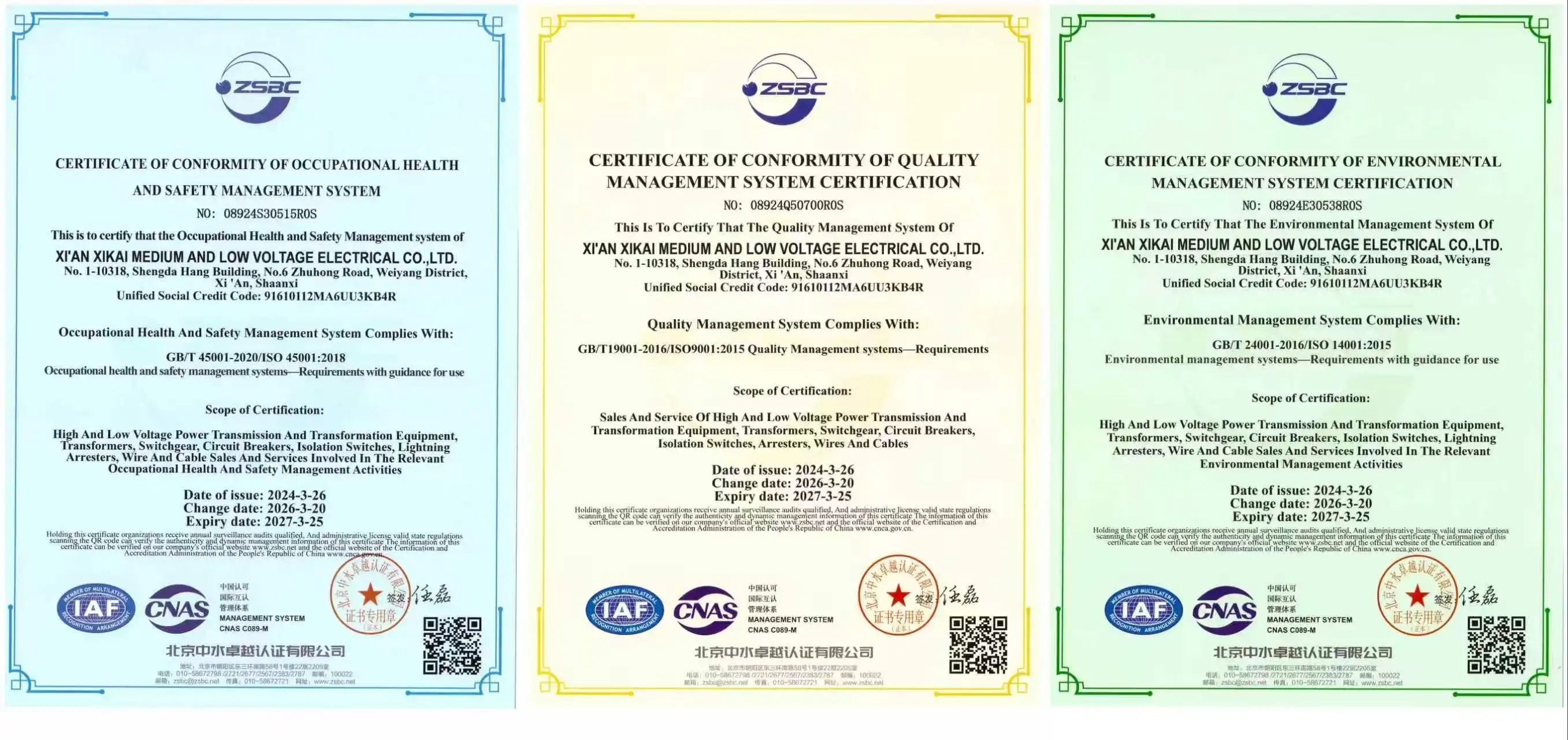
Our automatic production lines keep precise standards, and our quality systems make sure that our products meet the requirements of IEC 60099-4, IEEE C62.11, and CE, which have been checked by outside laboratories. Bulk sales have shorter lead times and more flexible shipping options that help you stick to your project plans. You can email our expert advisors at serina@xaxd-electric.com, amber@xaxd-electric.com, or luna@xaxd-electric.com for application consultations, detailed product catalogs, and quotes that are made to fit your needs.
References
1. IEEE Standards Association. (2020). IEEE Standard for Metal-Oxide Surge Arresters for AC Power Circuits. IEEE C62.11-2020, Institute of Electrical and Electronics Engineers.
2. International Electrotechnical Commission. (2014). Surge Arresters – Part 4: Metal-Oxide Surge Arresters Without Gaps for AC Systems. IEC 60099-4:2014, Geneva, Switzerland.
3. Hinrichsen, V. (2012). Metal-Oxide Surge Arresters: Fundamentals. Siemens AG Energy Sector, Berlin, Germany.
4. Christodoulou, C.A., et al. (2016). "Assessment of Surge Arrester Failure Rate and Application of Moving Average Control Chart." IEEE Transactions on Power Delivery, Volume 31, Issue 4, pp. 1860-1867.
5. National Fire Protection Association. (2020). National Electrical Code. NFPA 70-2020, Article 242: Overvoltage Protection, Quincy, Massachusetts.
6. McDermott, T.E., et al. (2013). "Distribution System Surge Arrester Protection." IEEE Transactions on Industry Applications, Volume 49, Issue 2, pp. 721-730.