Oil-Immersed Transformer: Complete Guide to Design, Cooling, and Applications
2026-07-03 15:56:08
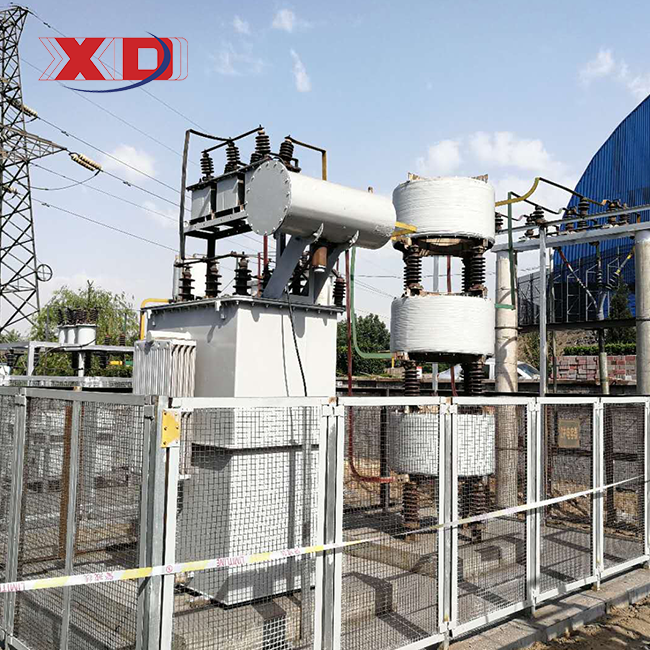
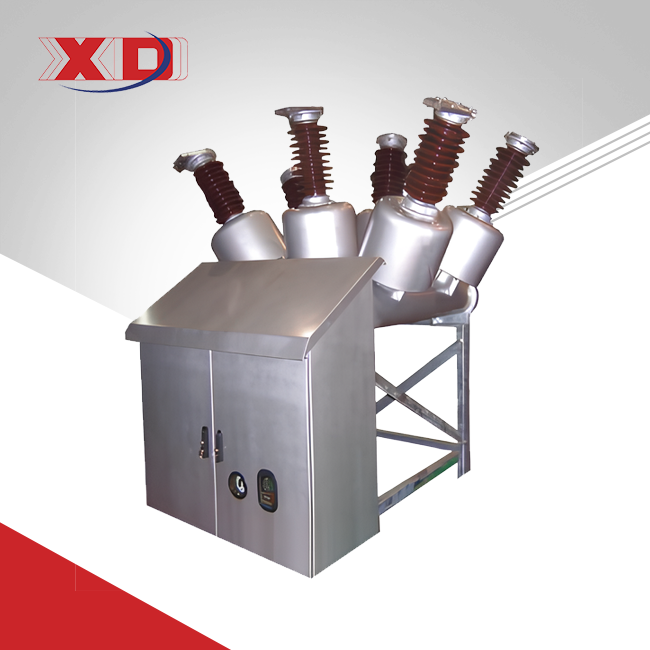
In industrial settings, utility lines, and green energy sites, Oil-immersed Transformers are the cornerstone of modern power distribution systems, providing dependable voltage transformation. Insulating oil inside these transformers keeps internal parts cool and stops electrical breakdowns. This makes them essential for operations that need high capacity and continuous uptime. These units come in 10kV, 35kV, and 110kV voltage ratings. They use both tried-and-true technology and cutting-edge engineering to meet the changing needs of building managers, utility companies, and EPC firms that need reliable power options.
 |
 |
Understanding Oil-Immersed Transformer Design
Core Components and Their Functions
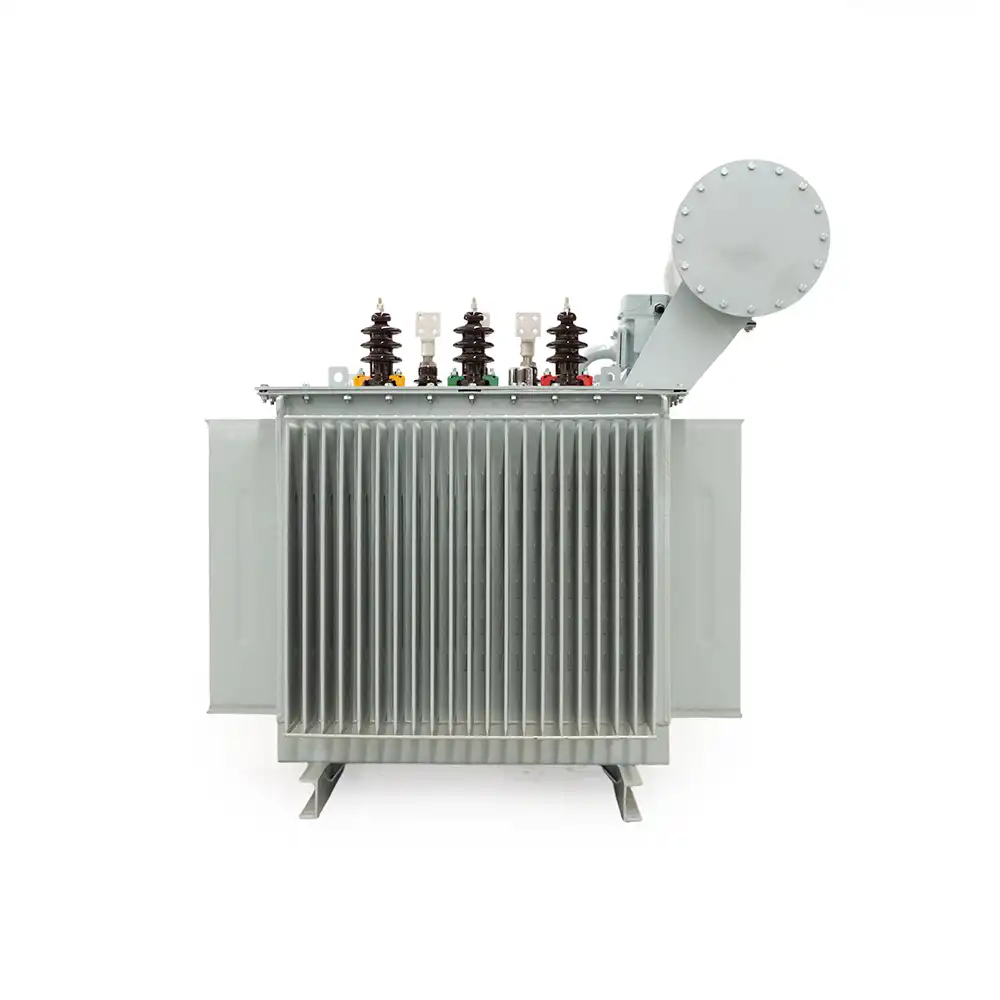
A generator operates through four key components. A grain-oriented silicon steel magnetic core minimizes hysteresis losses and efficiently guides magnetic flux. Copper or aluminum windings around the core enable voltage transformation based on design efficiency. Insulating oil (mineral, ester, or nanofluid) provides cooling and prevents electrical arcing. Cooling vents or corrugated tank surfaces enhance heat dissipation. The S13-35kV model uses high-permeability silicon steel and a sealed corrugated tank to prevent oil exposure to oxygen and moisture, improving insulation life and eliminating the need for a conservator while enhancing structural strength under pressure.
Insulation Systems and Oil Specifications
Buying teams make better decisions when they understand oil. Mineral oil is still the industry standard since it has high insulating strength (over 30kV breakdown voltage) and doesn't alter significantly from -40°C to 55°C. Synthetic esters resist fire and break down naturally, making them ideal for environmentally conscious venues. Nanofluid is the most advanced. It boosts heat transfer coefficients by 15–20% over normal oils while maintaining chemical stability.Our transformers use Class A insulation that is vacuum-dried to below 20ppm moisture. This meticulous preparation ensures long-term insulation. Regular dissolved gas analysis detects acetylene and hydrogen, which might signal difficulties. This allows maintenance crews solve issues before they escalate.
Voltage Ratings and Power Capacity Considerations
Selecting the proper voltage levels ensures the transformer's capabilities meet system demands. Distribution networks serving commercial and industrial buildings benefit from 10kV medium-voltage units. Many utility substations and large enterprises utilize the 35kV group to link distribution and sub-transmission systems. Transformers carry bulk power from power sources to key load locations at 110kV.Present demands and future expansion are considered while choosing power capacity. Our 30kVA to 2500kVA rates can power small industries to megawatt-level data centers. The S9 series has efficiency over 98.5% and no-load losses of 0.1%–0.3% of maximum capacity. By decreasing core losses, a 1000kVA plant that works 24/7 may save thousands of dollars in power expenditures.
Customization Options for Specialized Applications
Procurement professionals typically solve unique company issues. Earthquake-resistant designs fulfill Zone 4 criteria with robust mounting systems and flexible bushing connections. ATEX-certified models offer greater pressure release and spark-proof parts. Compact design perform effectively for urban substations with limited space due to vertical winding and lower diameters.Our technical staff advises customers on tap changer settings, bushing orientations, and device additions. Innovative tap switches can manage voltage within 0.5 percent, which is crucial for green energy systems with variable inverter output. Custom shields provide security in corrosive coastal environments, extending service life beyond 30 years.
Cooling Methods and Maintenance Best Practices
Natural and Forced Cooling Technologies
Cooling system choice impacts performance and maintenance needs. ONAN (Oil Natural Air Natural) uses passive oil circulation and natural convection for heat dissipation, suitable for moderate-capacity and remote installations due to high reliability and low mechanical complexity. OFAF (Oil Forced Air Forced) employs pumps and fans to enhance cooling, enabling higher power density and overload capability (e.g., 150% for 2 hours in mining operations), but requires more maintenance. Nanofluid cooling improves thermal conductivity by adding nanoparticles to oil, reducing hotspot temperatures by 12–18% and improving insulation life without additional mechanical systems.
Routine Maintenance Protocols
Routine maintenance reduces total cost of ownership and improves uptime. Oil condition is tested quarterly, including breakdown voltage, moisture, and acidity; values below 25 kV, above 30 ppm, or above 0.03 mgKOH/g indicate contamination or oxidation requiring treatment or replacement. Annual inspections cover bushings, seals, valves, and breathers, while 5-year pressure revalidation ensures tank integrity. Thermography detects loose connections or cooling issues, and vibration analysis identifies mechanical faults early, enabling predictive rather than reactive maintenance and preventing unplanned outages.
Fault Diagnosis and Early Warning Systems
Small Oil-immersed Transformer issues may be prevented by recognizing the warning indications. Oil leaks near gaskets or welds indicate thermal expansion stress or improper fitting. Dark or murky oil indicates carbon formation from arcing or intense burning. After a through-fault, core bolts or windings may loosen and change the loudness of humming or buzzing noises.Dissolved gas measurement is best for defect detection. High ethylene and methane levels indicate overheating cellulose insulation, whereas high acetylene levels indicate metal arcing. Setting a gas level benchmark during commissioning allows you track breakdown rates. This lets you repair items during breaks instead of shutting down in an emergency.Modern tracking systems link temperature, oil level, and pressure sensors via remote telemetry. IoT solutions provide repair crews real-time data and alarms when parameters exceed or fall below restrictions. This link enables unified control of scattered transformer crews, optimizing maintenance resources across locations.
Comparing Performance with Alternative Technologies
Oil-Immersed versus Dry-Type Transformers
Many practical criteria determine whether to use liquid-filled or dry units. Shielding oil transformers may withstand heat loads better in high-capacity situations because they cool better. Dry solutions decrease fire danger by using air or plastic insulation instead of flammable liquids, but they lower power density and need larger rooms to retain the same amount of power.Liquid-filled ones are more efficient for continuous duty cycles. Compared to 97-98% efficient dry-type units, a 1000kVA unit is 99% efficient at full load. After decades of usage, this 1-2% difference matters. Our IP55 tanks can withstand industrial dust and humidity that would harm open-ventilated dry-type windings. They vary in another manner.Different items need different care. Dry-type transformers don't require oil or leak tests, however insulating surfaces and airflow pathways should be examined more regularly. Coastal or chemically corrosive environments accelerate air-cooled unit insulation loss, although insulated tanks protect it naturally.
Cost Analysis Across Lifecycle
Lifecycle cost analysis includes not only purchase price but also installation and site preparation. Liquid-filled transformers are typically 20–30% cheaper than equivalent dry-type units above 1000 kVA, but require additional infrastructure such as filtration and spill containment systems. Dry-type units reduce cable runs and voltage drop by enabling closer installation to loads. Over a 25-year lifecycle, high-utilization systems show lower total cost of ownership, while low-loss designs improve revenue in renewable applications. Long-term costs are further influenced by warranty and service agreements, with options ranging from standard 10-year coverage to extended 20-year protection for greater financial predictability.
Innovation Trends in Cooling Enhancement
New developments in temperature control make it possible to do more and be more reliable for Oil-immersed Transformer. When compared to regular silicon steel, amorphous metal cores cut no-load losses by up to 70%, making them 99.5% efficient in power grid uses. These cores are compliant with EU EcoDesign directives and other similar energy saving rules. This protects investments against investments that are restricted by stricter rules in the future.Thermally improved insulation papers can handle higher working temperatures, which lets designers make smaller, lighter designs or add more capacity without taking up more space. When these materials are combined with nanofluid cooling, they can handle the 125% intermittent loads that are typical in solar and wind farm uses without shortening the expected service life.During the planning process, computational fluid dynamics modeling improves cooling uniformity and gets rid of hotspots by finding the best internal oil flow patterns. This simulation-based method cuts down on sample changes and speeds up the time it takes to make a custom product, which is good for EPC firms that need to finish projects quickly.
Procurement and Supply Chain Considerations
Evaluating Supplier Capabilities
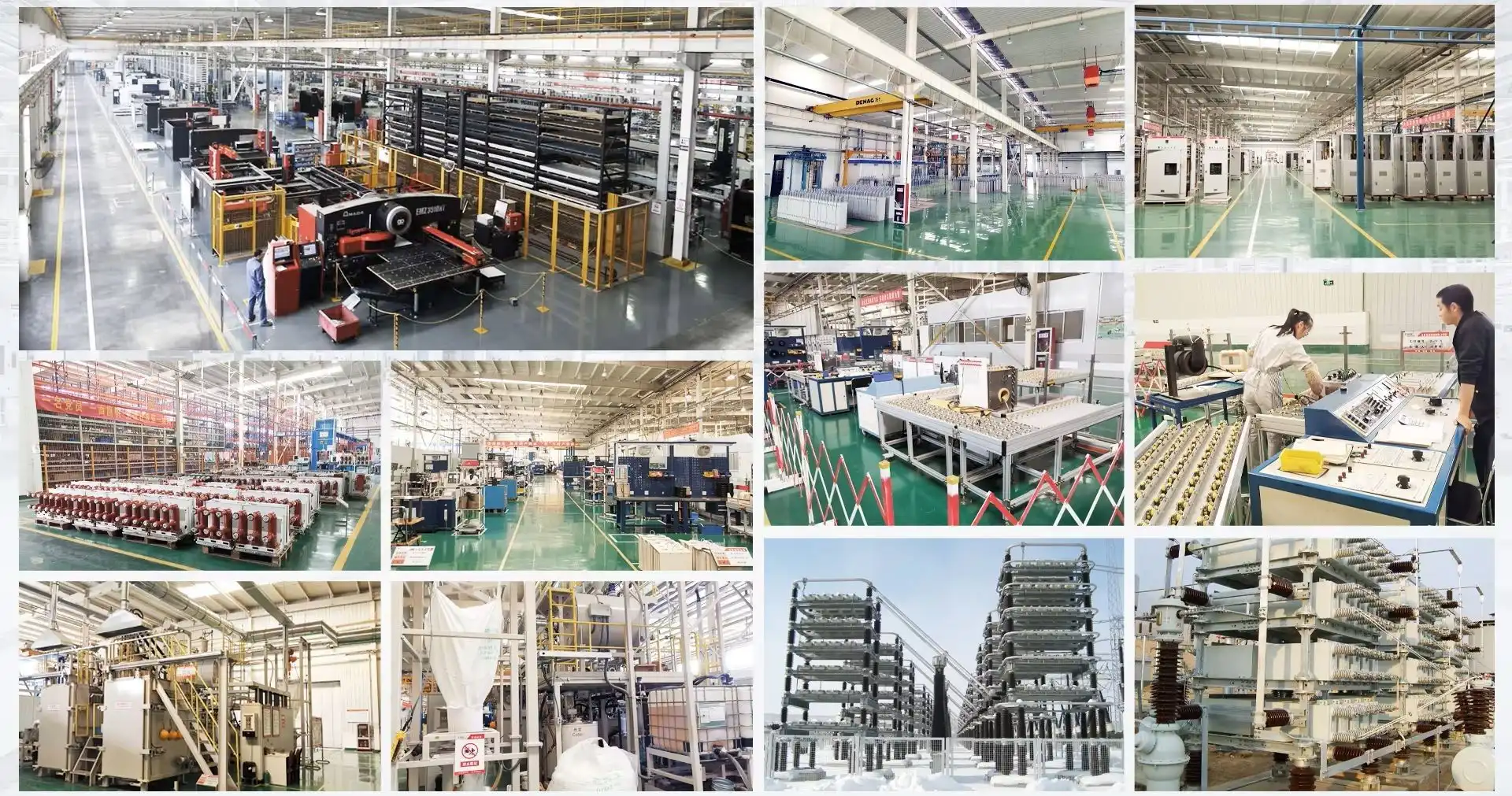
Evaluating transformer suppliers requires more than checking specifications; manufacturing quality is critical for long-term reliability. Verified processes such as material testing, leak detection, and electrical validation reduce field failures. At our facility, welded tanks undergo 24-hour pressure tests and turns ratio verification within ±0.5% accuracy. Compliance certifications like IEC 60076, IEEE C57.12.00, CE, UL, and GOST-R confirm regional standards alignment. Strong after-sales infrastructure, including 24/7 support and regional spare parts stocking (e.g., bushings, tap changers, seals), ensures fast fault response and minimized downtime.
Navigating Pricing Structures and Contract Terms
Transparent pricing helps improve project budgeting. Transformer cost increases with capacity and voltage, typically following a nonlinear (logarithmic-like) curve due to material and manufacturing complexity. Custom features such as seismic certification, special coatings, or non-standard dimensions add 10–25% to base price, while bulk orders (around five or more units) enable volume discounts. Standard warranties are about five years, with attention needed for labor coverage and performance guarantees. Payment terms may include staged payments, letters of credit, and 2–5% early payment discounts to optimize cash flow and reduce procurement costs.
Installation and Commissioning Best Practices
Proper installation and commissioning ensure safety and reliability. Transport planning must consider transformer weight and size; a 1500 kVA oil unit may reach 7 tons, requiring suitable lifting equipment and prepared foundations. Partial oil drainage reduces shipping weight but requires vacuum filling on site. Site preparation includes concrete pads with anchor bolts, grounding grid connection, cable trench planning, and in some cases 110% oil containment and crushed stone bases for drainage and fire protection. Commissioning includes insulation resistance, turns ratio, dissolved gas analysis, and relay coordination testing in compliance with IEEE/IEC standards to verify performance and support warranty activation.
Strategic Relationships with System Integrators
When transformer manufacturers and EPC firms collaborate, several benefits result. Engineers participating early in the design phase ensure that the generator specifications meet project demands, saving money on change orders. Impedance, short-circuit withstand, and harmonic filters are calculated by our experts for electrical system evaluations.Many projects are standardized, making purchases, installs, and spare components easy. Creating favored equipment lists with verified sources speeds up the job and maintains quality. Suppliers may stockpile goods and assign manufacturing capacity with volume commitments. This reduces standard setup wait times from 12 to 16 weeks to 6 to 8 weeks.Client care personnel learn asset management skills in training. Workshops on taking oil samples, using thermography, and fixing small issues reduce the need for outside aid for daily activities. This skill development is particularly useful for remote locations where slow service response times make operations difficult.
Environmental Sustainability and Future Developments
Managing Environmental Risks and Regulatory Compliance
Environmental risk management spans the full transformer lifecycle. Oil spill prevention systems, including containment pits and leak detection, reduce soil and groundwater contamination, while silica gel breathers prevent moisture ingress without introducing additional leakage risk. At end-of-life, copper windings retain scrap value, steel tanks and cores achieve over 95% recycling, and insulating oil is reprocessed for reuse or fuel conversion under proper hazardous waste regulations. Regulatory frameworks such as the EU EcoDesign Directive enforce progressively stricter efficiency standards, driving adoption of low-loss designs and supporting procurement strategies that prioritize long-term compliance and asset future-proofing.
Technological Innovations Reshaping the Industry
Advances in materials and digitalization are reshaping transformer performance of Oil-immersed Transformer. Grain-oriented steel (Hi-B) reduces core losses by ~30% versus conventional materials, while amorphous metal cores further improve efficiency in lightly loaded distribution systems. Digital monitoring enables continuous condition assessment, detecting early degradation signals and supporting predictive maintenance and optimal replacement timing, with remote diagnostics reducing service costs. Eco-friendly insulating esters offer higher flash points and biodegradability than mineral oil; synthetic esters further enhance high-temperature performance and insulation life, though currently 200–400% more expensive, with costs gradually declining due to wider adoption and regulatory pressure.
Market Dynamics Influencing Procurement Strategies
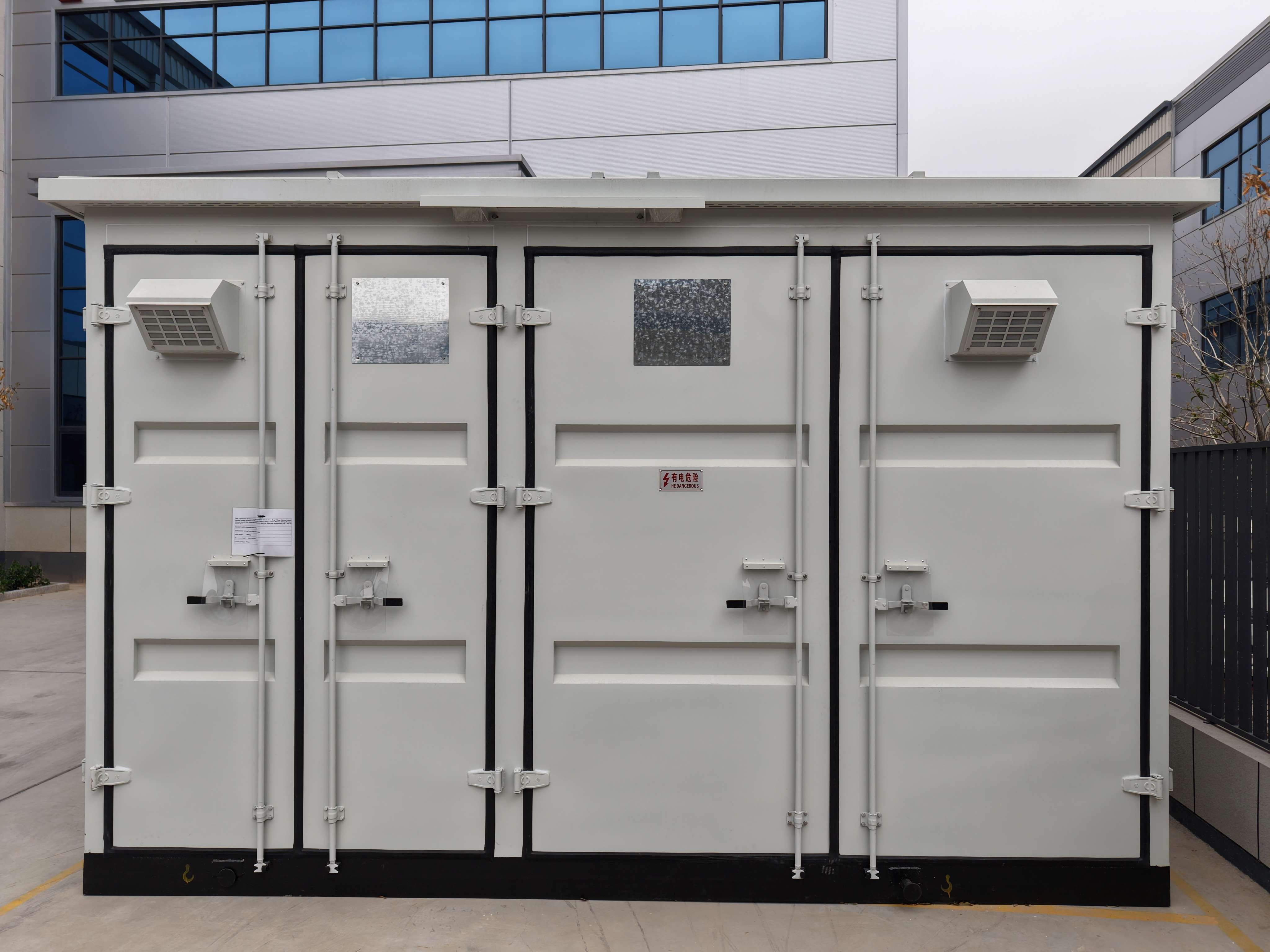
Energy transition and grid modernization are increasing demand for flexible, efficient distribution systems. Transformers must handle variable renewable loads while maintaining stability; our designs support 125% inverter-induced fluctuations with ±0.5% voltage control for smooth grid synchronization and interconnection approval. Urbanization drives demand for compact, adaptable solutions, with prefabricated substations reducing installation time from months to weeks and improving factory-tested quality assurance. Supply chain resilience is also critical; diversified sourcing, safety stock strategies, and Xi’an-based manufacturing with Asia-wide supplier networks help ensure reliable global project delivery.
Conclusion
When choosing the right power distribution tools, you need to think about technical specs, lifecycle costs, and operating flexibility. Transformers with liquid insulation have been shown to be reliable in challenging utility, green energy, and industry settings. When buying teams know about design basics, cooling technologies, and upkeep needs, they can come up with solutions that meet both short-term project needs and long-term value goals. As rules about the environment get stricter and grid modernization speeds up, it becomes more useful to work with skilled suppliers who can provide full support. The technical skill and production quality that go into making modern transformers have a direct effect on how well they work over many years of service.
FAQ
1.How often should transformer oil be tested and replaced?
Critical factors, such as breakdown voltage, moisture content, and dissolved gas amounts, are checked every three months by taking samples of the oil. Acidity and particle contamination studies are added to the annual thorough testing. When the breakdown voltage drops below 25kV, the moisture level rises above 50ppm, or dissolved key gases show active problems, the oil needs to be replaced. If you take good care of your oil, it can last between 15 and 20 years before it needs to be replaced completely. Filtering and degassing can help recover its qualities every so often. By taking initial measures during commissioning, degradation rates that are specific to each installation's working conditions can be found through trend analysis.
2.What are the maintenance differences between liquid-filled and dry-type transformers?
Liquid-filled units need to be checked for oil leaks, have their gaskets replaced on a regular basis, and have better cooling to keep internal parts from getting dirty from the environment. Dry-type transformers don't need upkeep for oil, but they do need to have their insulation surfaces inspected and their venting systems cleaned on a regular basis. Harsh conditions speed up the breakdown of dry insulation, but the design of a sealed tank protects it naturally. Overall upkeep costs are about the same. Liquid-filled designs work best for ongoing high-capacity use, while dry-type designs work best for clean indoor settings.
3.Can oil-immersed transformers be customized for specialized industrial applications?
Of course. Customization meets specific operating needs, such as resistance to earthquakes, approval as an explosion-proof building, operation in high temperatures, and limited room. Changes include new winding arrangements, better cooling systems, adding extra devices, and protecting coats. When engineers work together to make specifications, they can make sure that plans meet both technical performance goals and legal compliance standards. Custom solutions usually add 10 to 25 percent to the base price of tools, but they provide a lot of value by improving performance in tough situations.
Partner with Xi'an Xikai for Reliable Transformer Solutions
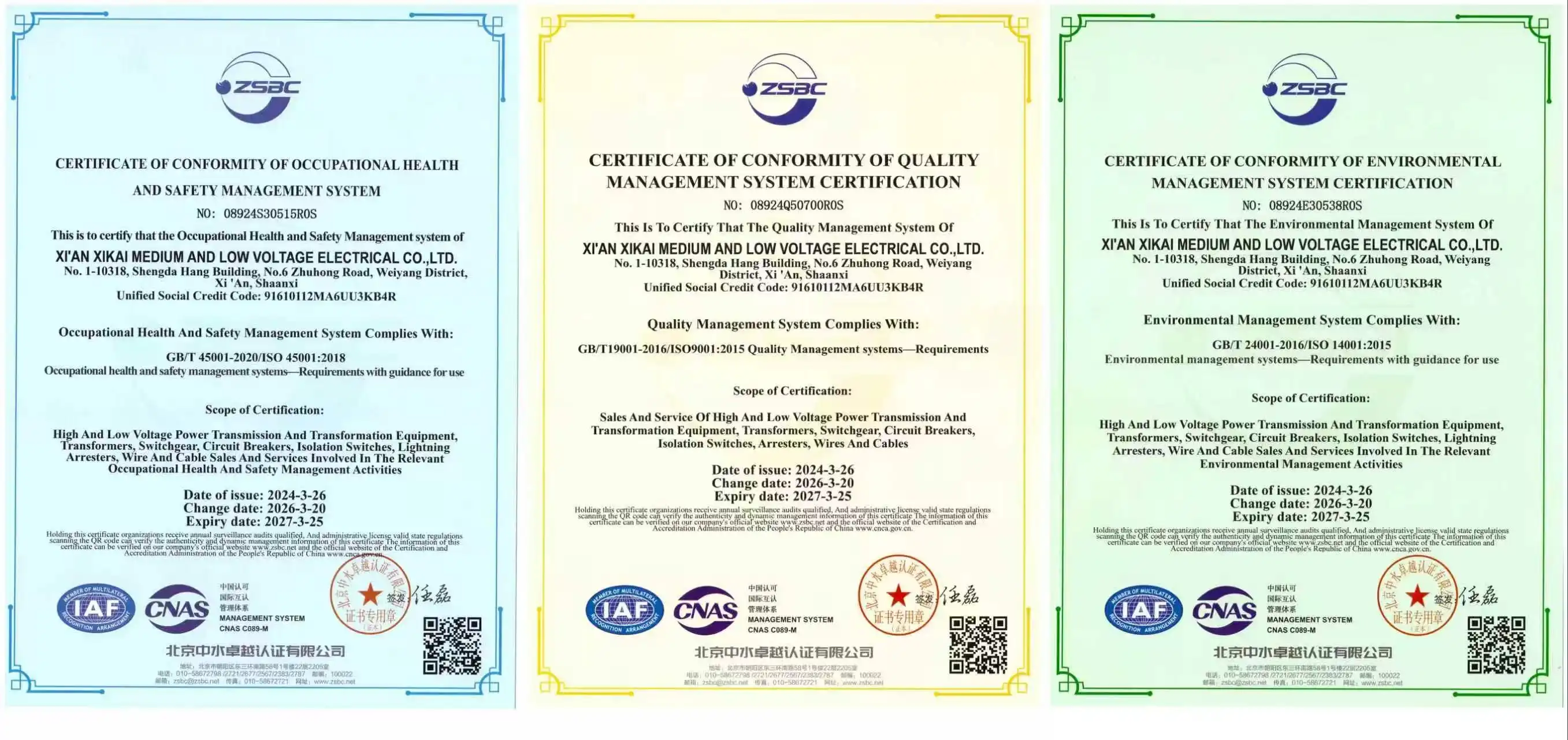
With more than 25 years of engineering experience and advanced manufacturing skills, Xi'an Xikai Medium & Low Voltage Electric Co., Ltd. is a reliable provider of Oil-immersed Transformers for tough industrial and utility uses. Our wide range of products includes 10kV, 35kV, and 110kV versions that are made to work as efficiently and for as long as possible. Our team can help you with unique solutions that are backed by IEC 60076, ISO 9001, CE, and UL certifications, whether you run a manufacturing plant, a green energy system, or a distribution grid. Send an email to serina@xaxd-electric.com, amber@xaxd-electric.com, or luna@xaxd-electric.com to talk about your unique needs and find out how our tried-and-true transformer technology can help you reach your business goals.
References
1. International Electrotechnical Commission (2011). "Power Transformers - Part 1: General," IEC 60076-1 Standard, Third Edition.
2. Heathcote, M.J. (2007). "The J&P Transformer Book: A Practical Technology of the Power Transformer," Thirteenth Edition, Newnes Press.
3. IEEE Power and Energy Society (2010). "IEEE Standard General Requirements for Liquid-Immersed Distribution, Power, and Regulating Transformers," IEEE C57.12.00 Standard.
4. Kulkarni, S.V. and Khaparde, S.A. (2004). "Transformer Engineering: Design and Practice," Marcel Dekker Publishers, New York.
5. Abu-Siada, A. and Islam, S. (2012). "A Novel Online Technique to Detect Power Transformer Winding Faults," IEEE Transactions on Power Delivery, Volume 27, Issue 2.
6. Tenbohlen, S., et al. (2016). "Enhanced Diagnosis of Power Transformers Using On- and Off-Line Methods," CIGRE Technical Brochure 642, Working Group A2.44.