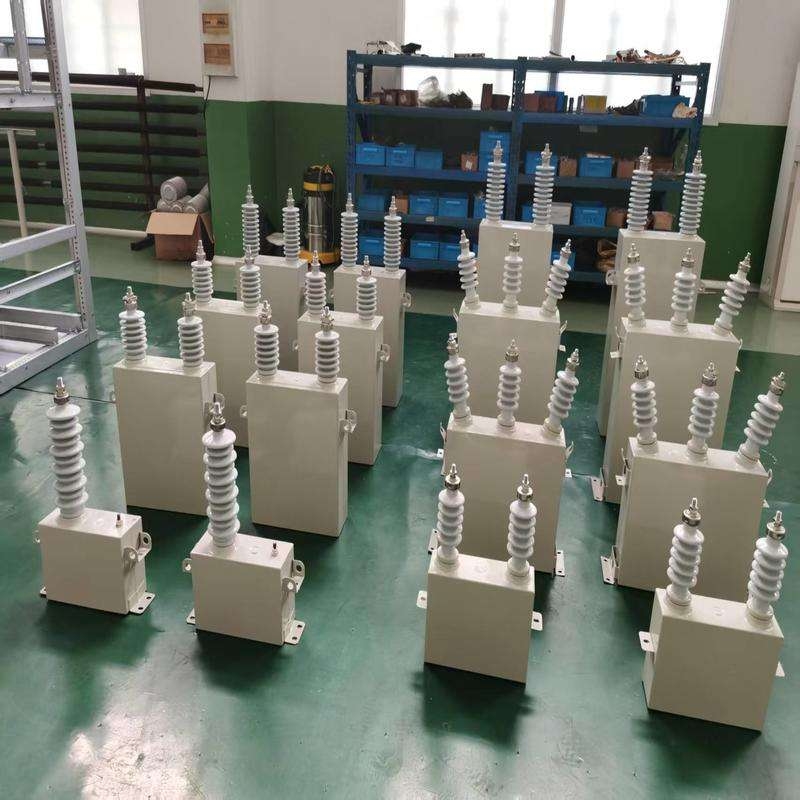
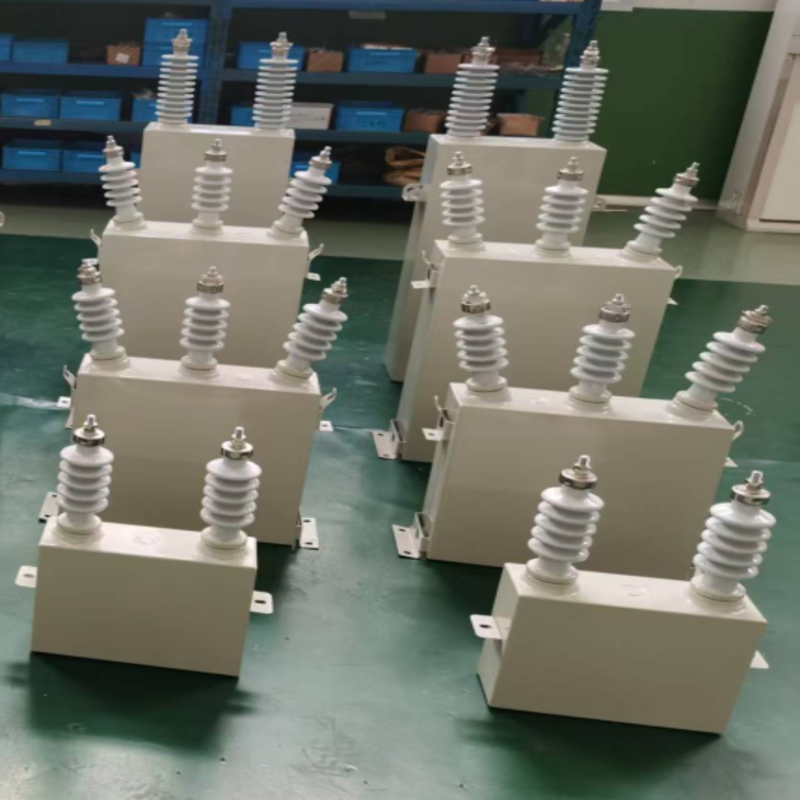
Line Reactor: The Complete Buying Guide In 2026
2026-07-06 16:15:33
In 2026, picking the right Linear Reactor will depend on knowing how these electromagnetic inductive parts keep power systems stable, lower harmonic distortion, and keep important equipment safe. When the specifications are right, a Linear Reactor keeps the inductance constant even when the current loads change. This keeps the magnetic field from becoming saturated during surges and filters the power supply lines. This complete guide covers all the technical details, buying strategies, and best practices for operations that procurement managers, building engineers, and system designers need to know in order to make smart buying decisions in today's complicated electrical world.
 |
 |
Understanding Linear Reactors: Definition, Principles, and Applications
A Linear Reactor is an electromagnetic device that is designed to keep the inductive resistance steady even when the current changes. Normal reactors lose function when they're loaded with a lot of stuff, but these parts keep at least 90% of their standard inductance even when the current is 150% of what it should be. High-quality silicon steel laminations and carefully designed air gaps are used in the core design to control the magnetic flux density and keep the device from becoming saturated.
How Linear Reactors Function in Industrial Environments
Electromagnetic induction is at the heart of the process. Alternating current runs through the reactor windings and makes a magnetic field that fights against quick changes in current. When variable frequency drives are used, this feature is very important because fast switching creates high-frequency harmonics and voltage transients. The reactor forms a barrier between unstable power sources and sensitive electronic equipment. It does this by soaking utility switching transients and lowering harmonic feedback into the facility's distribution networks.
Manufacturing companies that use CNC tools can get a lot out of this technology. Motor drives can draw inrush currents that are more than 10 times standard working levels when they first start up. If there isn't enough security on the line side, these spikes cause annoying breaker trips that stop production lines. Putting in a reactor that is rated correctly cuts down on inrush by 40–60%, which makes sure that the plant starts up smoothly and avoids costly downtime.
Engineering Advantages for Power Quality Management
In three important performance areas, well-designed Linear Reactors show that they are technically better. Harmonic distortion reduction keeps upstream transformers and capacitor banks from breaking down too soon because they are getting too hot. Increasing the life of equipment is possible by controlling the rate at which current rises. This makes the semiconductor parts in the drive rectifier sections less stressed. Less skin effect losses and better power factor adjustment make systems more efficient. This is especially important for buildings that have to pay electric demand charges.
In places like data centers, the quality of the power has a direct effect on the continuation of operations. A single voltage spike can damage uninterruptible power supply systems or mess up computer data. Installing reactors at the main distribution panels protects the whole building from grid problems and keeps the clean power that is needed to meet 99.99% uptime goals.
Real-World Industrial Applications
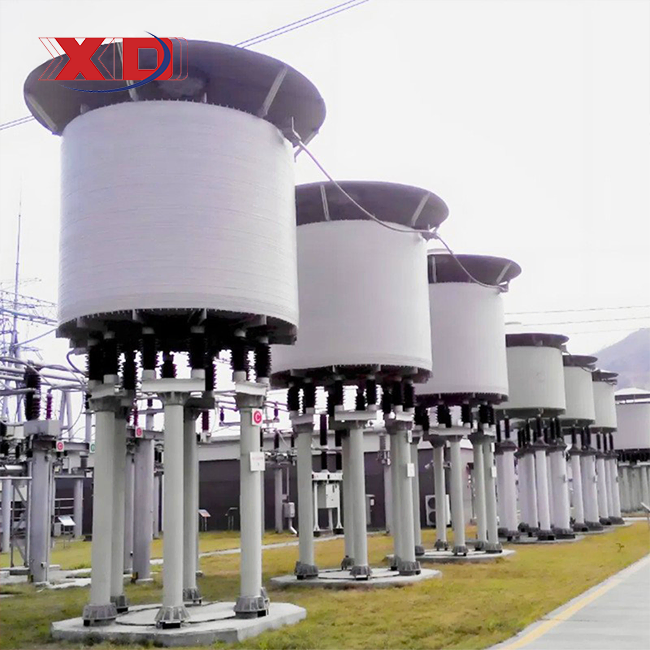
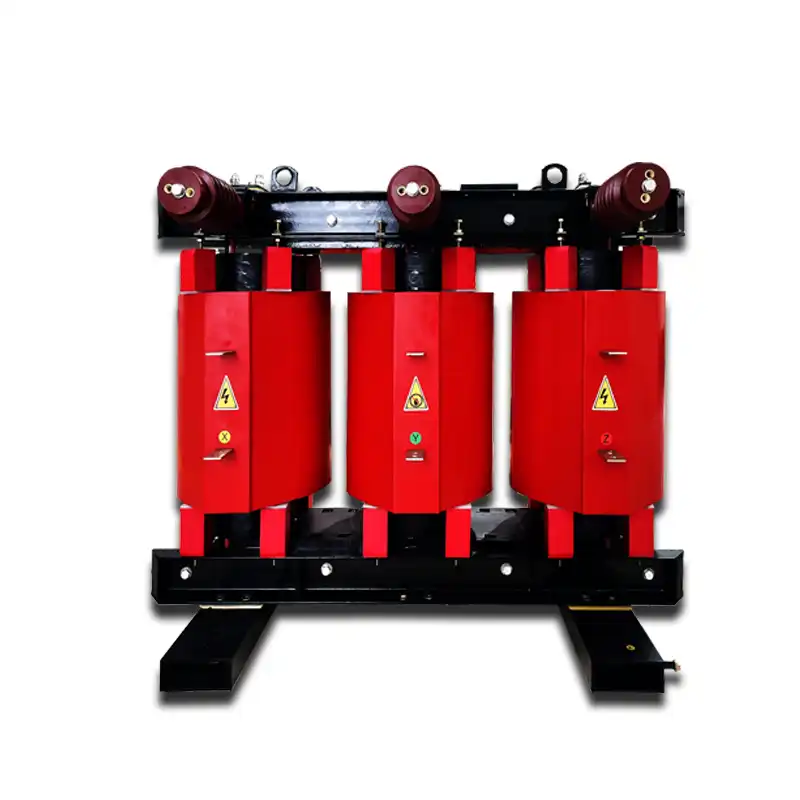
In petroleum plants, motor control centers that serve pump and compressor systems are protected by reactors that can't explode. Extreme temperatures, corrosive atmospheres, and mechanical vibrations are just some of the difficult circumstances that these systems have to work in. The CKSG Series solves these problems with strong construction that includes vacuum pressure impregnation of windings and terminal covers that don't rust.
Electrical noise can mess up medical imaging tools in hospitals, which makes them special places to work. By adding reactors to MRI machine feeds, high-frequency parts that would otherwise hurt picture quality are filtered out. Maintaining sound emissions below 45 dBA, the quiet operation feature, is very important in patient care areas where noise pollution needs to be kept to a minimum.
More and more water treatment plants are using variable speed drives to get the most out of their pumps. Long cable runs between control buildings and pump stations that are far away cause mirrored waves that can put twice as much voltage stress on motor insulation. Load reactors placed at drive outputs reduce these dv/dt effects, stopping insulation breakdown and bearing currents that would otherwise force motor replacement too soon.
Linear Reactor vs. Other Reactor Types: A Comparative Analysis
Knowing how the performance of different Linear Reactor setups varies helps buying teams choose the best solutions for each job. While different systems all work to improve power quality, they do so in very different ways.
Design and Performance Distinctions
Standard iron-core reactors use solid lamination stacks that lose 30% of their inductance at 125% of their maximum current, which means they become magnetically overloaded at low current levels. Linear Reactors use segmented cores and epoxy-laminated glass fillers to keep the air gaps stable. This keeps the inductance linear up to 200% of the maximum current. This difference is very important in drive systems that often experience overload situations.
By using only conductors, air-core reactors completely get rid of saturation issues. However, they have much bigger physical footprints and smaller inductance-to-volume ratios. Iron-core linear designs are better for places that don't have a lot of closet space because they get the same performance in 60% less hanging space.
Efficiency and Operational Considerations
Loss traits are very different between types of reactors. Core losses of good iron-core systems are less than 0.8% of rated power and copper losses are less than 1.5% of rated power. This means that the total efficiencies are more than 98%. Air-core designs don't have any core losses, but they may have bigger copper losses because they need longer conductors to reach their goal inductance values.
So, the needs for thermal control are different. The CKSG Series has Class H insulation that can handle constant operation at 180°C and a temperature rise of no more than 125°C when the load is full. This temperature cushion makes sure that the equipment works well in hot places like factories that don't have climate control in the electrical rooms.
Application-Specific Suitability
3% or 5% impedance reactors are often used for drive input safety. The 3% rating is good for general uses with modest harmonic levels, while the 5% impedance rating is better for situations where IEEE 519 compliance needs overall harmonic current distortion to be less than 5%. When designing a system, the people who make it have to weigh the needs for harmonic reduction against the voltage drop that comes from using a 5% reactor, which lowers the available motor voltage by about 2.5%.
Input uses that serve motors with long wire runs can benefit from load reactors that are rated and designed to handle carrier frequencies from pulse-width modulation switching, which are usually between 4 and 16 kHz. These designs have better protection between turns so they can handle high dv/dt stress that would damage regular reactors that are only meant to be installed on the line side.
How to Choose the Right Linear Reactor: A Buyer's Guide
To choose the right Linear Reactor specs, you need to carefully look at the electrical system factors, the environment, and the reactor's long-term operating needs. To make sure fit and value optimisation, procurement professionals should go into this process with clear criteria in mind.
Critical Technical Selection Parameters
First, find the voltage class, constant current, and horsepower values on the drive's nameplate. The values for reactor current must be the same as or slightly higher than the specs for drive input current. Undersizing increases the risk of burning and failure before its time, while oversizing too much raises the starting costs without correspondingly increasing the benefits.
Choosing the right impedance depends on your goals for reducing harmonics. Facilities with less than 20% overall harmonic distortion may find that 3% impedance is enough to stop annoying trips. Installations that could be fined by the utility company for poor power quality should choose a 5% resistance, which usually lowers input current harmonics from 80% to 10% of the core current.
Voltage rates have to take into account all possible system situations, such as short-term overvoltages. In order to be safe when the utility tap changes, a reactor that is rated for 480V service should have a constant voltage value of at least 500V. Facilities with backup engines that can regulate voltage more than ±5% should request higher voltage values.
Material and Construction Durability Factors
Material quality directly determines long-term performance. High-end designs use oriented cold-rolled silicon steel in laminated cores to reduce core losses and prevent saturation. Class H enamel-coated flat copper windings improve heat dissipation, while tight winding tension prevents movement under fault conditions. Vacuum pressure impregnation with epoxy enhances structural integrity, and non-magnetic fasteners eliminate stray flux paths, reducing hotspots and improving overall efficiency and durability.
Total Cost of Ownership Evaluation
Total cost of ownership includes initial purchase, energy losses, maintenance, and support. Reactor resistance causes continuous energy loss; for example, a 2 kW loss at $0.12/kWh costs about $2,102 annually at 8,760 operating hours. Well-built systems require only 2–4 hours of yearly inspection, while poor designs increase labor and downtime. Strong warranties, 24/7 support, and spare parts availability reduce lifecycle risk and improve operational reliability.
Supplier Evaluation Strategies
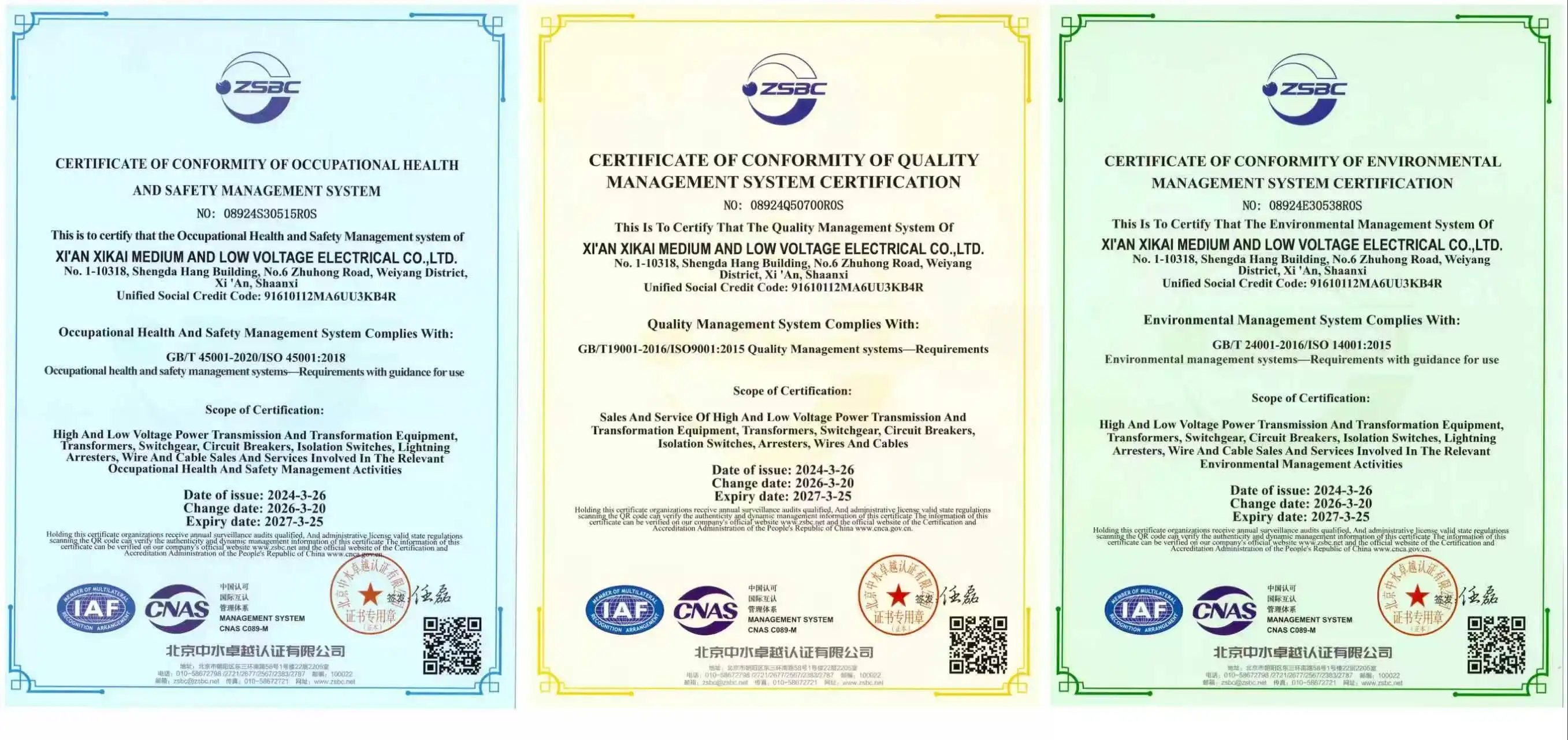
Supplier evaluation focuses on certification compliance, production capability, and after-sales support. ISO 9001, UL, CE, and 3C certifications confirm quality and safety standards across regions. Manufacturers with in-house production lines offer greater flexibility, with standard lead times of 4–6 weeks and custom designs taking 8–12 weeks. Strong service networks and commissioning support improve lifecycle reliability and response efficiency for complex installations.
Linear Reactor Market Overview and Procurement Options in 2026
The global market for power quality equipment is always changing because factories are installing more complex robotic systems that need clean, stable Linear Reactor power sources. Knowing how the market is changing right now helps buying managers make smart decisions about where to get things.
Leading Suppliers and Quality Benchmarks
The US market has both American companies that make their own products and companies that bring in tools made in Asia. When it comes to non-standard specs, domestic makers usually stress their ability to customise and quick delivery. For standard setups, imported goods often offer lower prices while still meeting UL and ANSI standards.
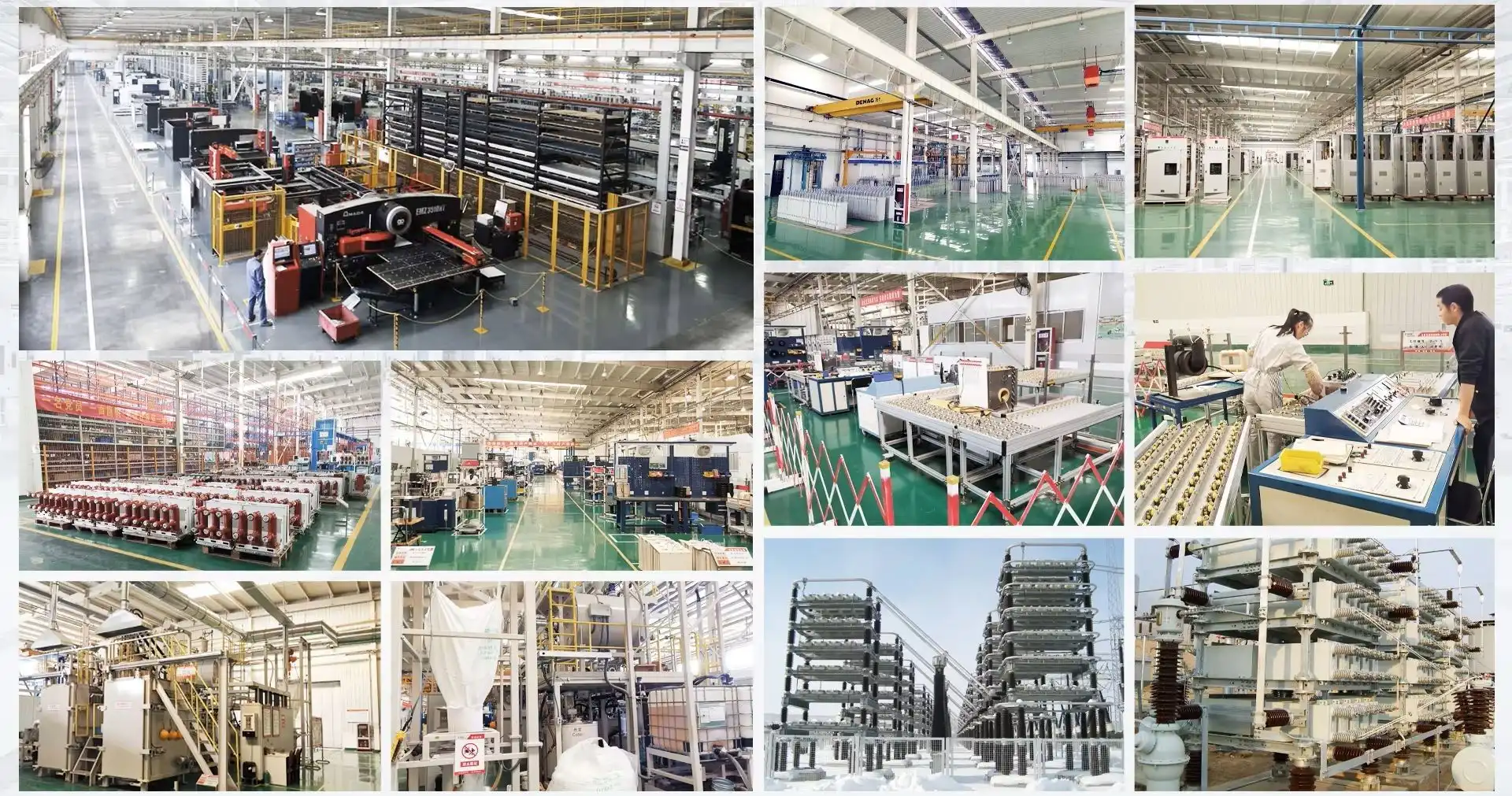
Xi'an Xikai is one of China's biggest factories for making medium- and low-voltage electrical equipment. It has state-of-the-art facilities with computerised testing systems and automatic winding machines that are used to make Linear Reactors. Before shipping, our 12-step quality control method checks the dielectric strength, reactance accuracy within ±3%, and temperature performance. Products are used in sites that are part of the State Grid, as well as in steel and metalworking facilities, petrochemical plants, and rail transportation infrastructure.
Limits on temperature rise, reactance tolerance, and insulation system scores should all be used as quality standards when buying something. Using Class H insulation, high-end goods keep the temperature rise below 100°C at rated current, giving them a large thermal margin for durability. A reactance limit of ±3% makes sure that the harmonic suppression works as expected, and checking the dielectric strength at 4000V AC for 60 seconds makes sure that the insulation is solid.
Pricing Influences and Budget Planning
Reactor pricing is mainly influenced by current rating and impedance level: lower-impedance (e.g., 3%) 50A units typically cost 40–60% less than 5% designs due to reduced material requirements, while higher current ratings increase costs nonlinearly. Customization (non-standard voltages, mounting, or environmental protection) adds 15–35% to pricing. Bulk purchasing and annual volume agreements can reduce costs by 10–20% and improve supply stability.
Procurement Channel Options
Procurement channels include distributors, direct manufacturer purchasing, and online industrial marketplaces. Local dealers offer stocked products, stable payment terms, and fast delivery, making them suitable for urgent replacements and small orders. Direct sourcing from manufacturers reduces cost and provides engineering support for customization but may require longer lead times and advance planning. Online platforms enable price and specification comparison across multiple suppliers but require careful verification of credibility and warranty compliance.
Installation, Operation, and Maintenance Best Practices
Installing and maintaining your Linear Reactor correctly will make it work better and protect your investment in equipment. By following organised steps, you can avoid common problems that hurt power quality goals or pose safety risks.
Installation Guidelines for Optimal Performance
Mounting position has a big effect on how well it handles heat and how easy it is to get to. Place reactors in well-ventilated places with at least 6 inches of space around them on all sides to allow convection cooling to happen. Stay away from places that are directly in the sun or above equipment that makes heat. These places can raise the temperature around them above what was planned.
For electrical connections, you need to pay attention to the power requirements and the size of the conductors. To get the most contact area and the least amount of resistance, terminal lugs should exactly match the measurements of reactor terminals. Tighten the connection gear to the manufacturer's recommended torque levels, which are usually 15 to 25 ft-lbs for middle frame reactors. Check the tightness again after 24 hours of operation, since thermal cycling may have changed the initial installation tension.
In three-phase systems, phasing proof keeps them from having practical problems. Clearly label the reactor connections when installing them, and use rotation meters or phase sequence markers to make sure that the phase sequence fits the drive input phasing. When phasing is reversed, uneven currents are made that make harmonic suppression less effective.
Operational Monitoring and Parameter Control
Operational monitoring ensures early fault detection through regular thermal, current, and harmonic analysis. Quarterly infrared thermography establishes baseline temperature profiles, with rises above 15°C indicating issues such as loose connections, harmonic overload, or restricted airflow. Clamp-on ammeters verify phase currents remain within reactor limits during peak operation. Portable power quality analyzers assess harmonic performance, where reduced output THD confirms correct reactor sizing and system configuration.
Maintenance Protocols for Extended Service Life
Maintenance protocols extend service life through regular inspections and testing. Quarterly checks remove dust buildup and identify overheating or corrosion at connections, while insulation resistance testing (1000V DC annually) ensures dielectric integrity, with trends indicating moisture ingress or degradation. Annual retorquing of terminals prevents mechanical loosening from thermal cycling. These low-effort procedures (2–4 hours/year per reactor) prevent failures and ensure operational reliability, supported by professional service contracts when needed.
Conclusion
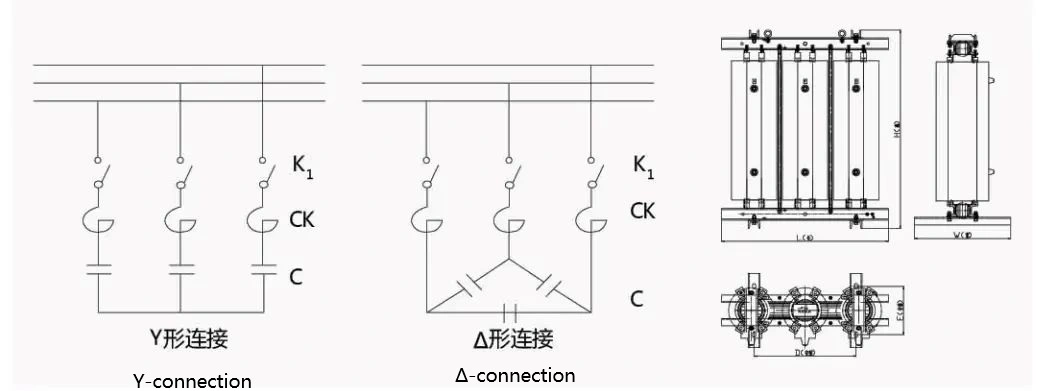
To choose and use the correct Linear Reactor, you need to balance scientific requirements, quality concerns, and the overall cost of ownership. The CKSG Series Low Voltage Reactor solves problems with industrial and business power quality by being carefully designed and built. It has reactance rates of 7%, 14%, and 27%, which stop harmonics from the second order up. Imported silicon steel cores, Class H copper windings, and vacuum impregnation methods make sure that the products work reliably in tough situations. To be successful at procurement, you need to do a thorough study of the system, carefully evaluate each supplier, and be committed to using the right installation and upkeep methods that protect your equipment investments and keep operations running.
FAQ
1.What distinguishes a linear reactor from standard line reactors?
What makes a Linear Reactor different from other line reactors? Linear Reactors keep the inductance fixed over a wide range of currents. At 150% of the rated current, they can usually keep 90% of the standard inductance thanks to segmented core designs with controlled air gaps. Due to magnetic saturation, standard reactors may lose 30% or more of their inductance when they are overloaded. This makes harmonic suppression less effective right when safety is needed the most.
2.How long do properly specified reactors typically last in service?
How long do reactors that are properly set up usually stay in use? Reactors of good quality with Class H insulation and good heat control usually work reliably for 15 to 20 years. Service life is affected by the temperature at which it is used, the amount of harmonic stress, and how well it is maintained. Units that are run at less than their maximum current and have frequent inspections may last longer than the original life expectancy. On the other hand, overloading or poor ventilation over time speeds up the breakdown of insulation.
3.Can one reactor specification work for both input and output drive applications?
Can the same reactor design be used for both input and output drives? Different electrical pressures are put on input and output sites, so they need different designs. Output reactors need to be able to handle high-frequency carrier components and fast voltage rises caused by drive swapping. This means that inter-turn insulation needs to be improved. If you put input-rated reactors in output positions, the insulation could fail. On the other hand, output-rated designs work fine in input positions, but they cost more than purpose-built options.
Partner With Xi'an Xikai for Your Linear Reactor Requirements
Xi'an Xikai provides designed power quality solutions backed by a wealth of scientific knowledge and a track record of producing high-quality goods. Our CKSG Series reactors have 12-stage quality control, vacuum-impregnated Class H windings, and cold-rolled silicon steel cores to make sure they meet IEEE and IEC standards. We understand the operational needs of today's industry and utility users because we have installed things like State Grid systems, petrochemical plants, and rail transportation infrastructure. Our engineering team helps with applications for complicated setups that need special requirements. Technical support is available 24/7 to make sure that your questions are answered quickly throughout the lifecycle of your equipment. Send an email to serina@xaxd-electric.com, amber@xaxd-electric.com, or luna@xaxd-electric.com to talk about your needs with Linear Reactor suppliers who are informed and dedicated to your business success. Visit xaxd-electric.com to explore our complete product portfolio and discover why buying workers trust Xi'an Xikai for reliable, cost-effective power system components.
References
1. Institute of Electrical and Electronics Engineers. (2022). IEEE Recommended Practice and Requirements for Harmonic Control in Electric Power Systems. IEEE Standard 519-2022.
2. National Electrical Manufacturers Association. (2021). Application Guide for AC Adjustable Speed Drive Systems. NEMA Standards Publication ICS 2.1-2021.
3. Dugan, R.C., McGranaghan, M.F., Santoso, S., & Beaty, H.W. (2023). Electrical Power Systems Quality (4th ed.). McGraw-Hill Professional.
4. Mohan, N., & Undeland, T.M. (2024). Power Electronics: Converters, Applications, and Design (5th ed.). John Wiley & Sons.
5. Arrillaga, J., & Watson, N.R. (2023). Power System Harmonics (3rd ed.). Wiley-IEEE Press.
6. Chapman, D. (2022). The Application of Harmonic Filters and Line Reactors in Industrial Distribution Systems. Journal of Power Quality Engineering, 28(4), 112-129.