What is the installation process of armored metal-enclosed switchgear?
2026-07-06 16:15:28
To make sure safe and effective power transfer, installing Armored Metal-Enclosed Switchgear needs to be carefully planned and carried out. A full site survey, base preparation, mechanical assembly of metal-clad compartments, careful electrical connections (including busbar and cable terminations), full grounding, and rigorous testing of insulation resistance and safety interlocks are all parts of the process. It is organised in a way that reduces operational risks and increases system uptime in business operations, utility grids, and industrial sites.
Understanding Armored Metal-Enclosed Switchgear
The main idea behind Armored Metal-Enclosed Switchgear is that it is a clever way to control electrical circuits inside tough metal housings made for harsh industrial settings. These systems put busbars, circuit breakers, protection switches, and control mechanisms in separate areas that keep faults from spreading and make work safer for everyone.
Core Components and Their Functions
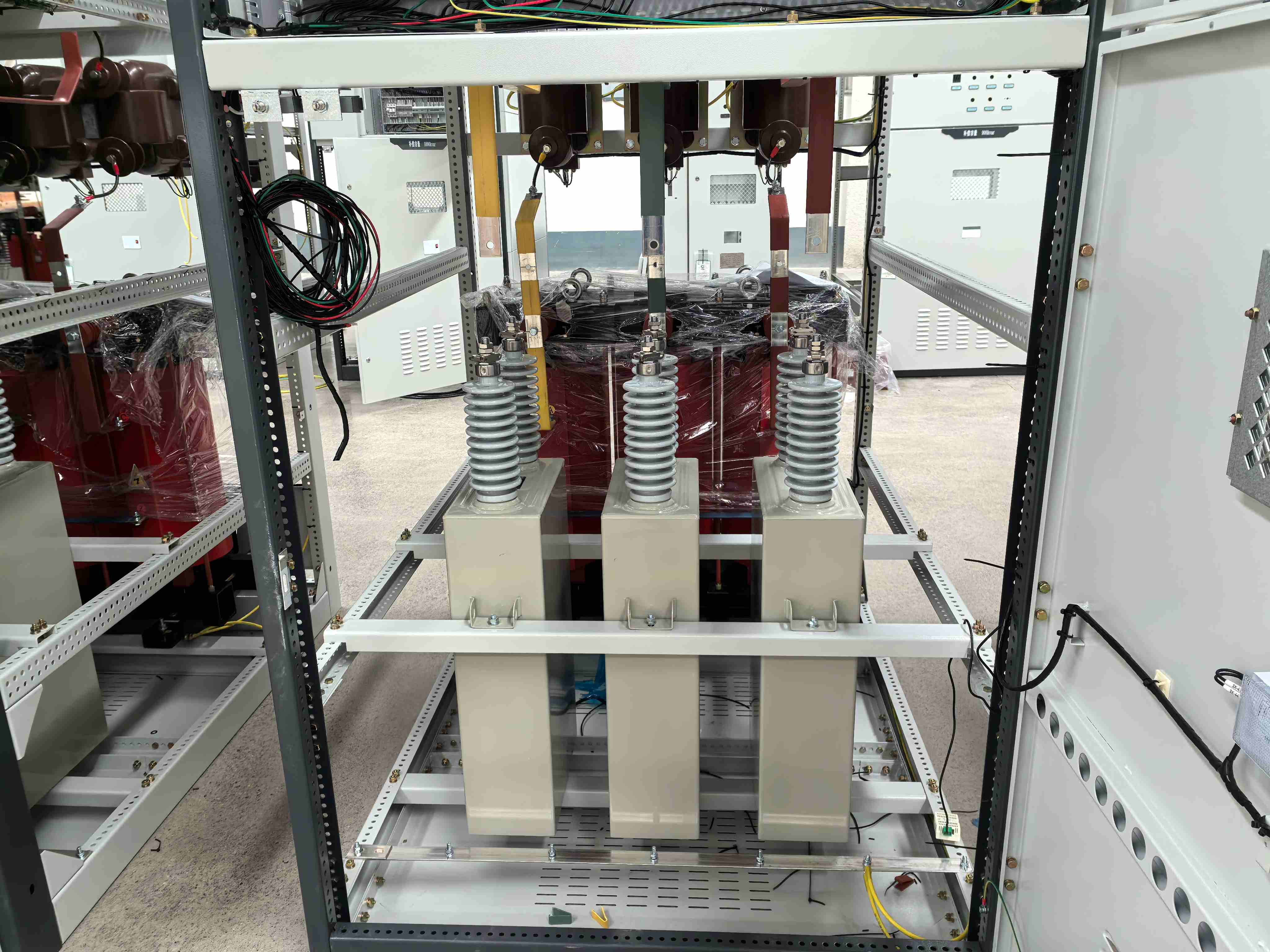
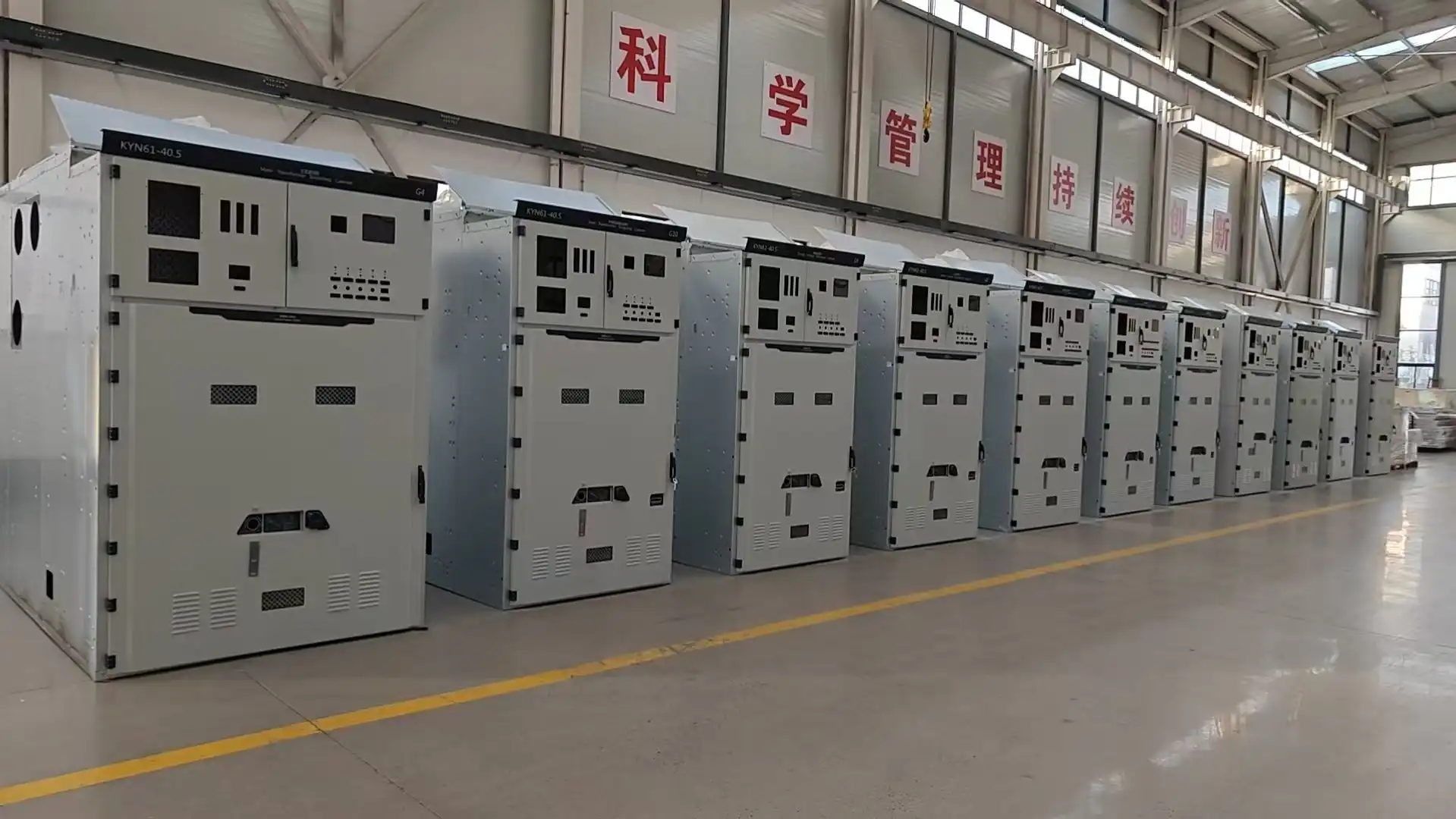
Metal-clad switchgear is built around the idea of functional compartmentalisation. In setups like the KYN61-40.5, which runs at 40.5kV, busbars can carry loads with a constant current of 630A to 2500A. Vacuum circuit breakers on trolleys that can be removed quickly cut power to a fault while letting repair be done without turning off power to nearby areas. Instrument transformers check the amounts of voltage and current and send information to safety relays that are based on microprocessors. These relays can find problems within milliseconds.
Types and Industrial Applications
Withdrawable switchgear is used in steel or chemical processing plants because repair windows are small and unplanned breakdowns cost thousands of dollars per hour. To keep servers from crashing, data centers that serve cloud infrastructure need power that doesn't go out. This is why the compartmentalised design is so important for separating faults without causing more problems. These systems keep the grid stable when the load changes and when it comes to integrating green energy. They are used by utility substations that send power across transmission networks.
Compliance Standards Ensuring Safety
Power-frequency withstand voltage tests reaching 50kV for one minute are done on Armored Metal-Enclosed Switchgear equipment that meets IEC 62271-200 and GB/T 11022. These tests make sure that the insulation stays intact under stress. According to ANSI standards, mechanical longevity must be tested 10,000 times, and IEEE guidelines set electromagnetic compatibility limits to keep control systems next to each other from being affected. These certifications give people in charge of buying things peace of mind that the installs will follow local electrical rules and insurance standards.
Pre-Installation Preparation: Planning and Site Assessment
Installations that go well start months before the equipment gets there. To avoid having to make expensive changes during testing, engineering teams must look at space limitations, weather conditions, and how well the power system works with everything else.
Conducting Thorough Site Surveys
Site studies record ceiling heights for cable routes, floor loading capacities for equipment weight distribution, and environmental factors that affect the performance of insulation. Facilities near the coast have to deal with high humidity levels that speed up rusting. This is why they need special coatings or temperature control in their electrical rooms. For operations above 2000 meters, derating estimates are needed because air mass changes dielectric strength and cooling efficiency.
Evaluating Power System Compatibility
System studies look at short-circuit currents to make sure that breakers can stop the highest amounts of fault without hurting anything. Cable size estimates make sure that the conductors can handle the maximum current plus safety limits without dropping the voltage too much. Protection coordination looks at how to set up sequence relays so that devices further downstream stay stable when problems happen further upstream. This keeps multiple production lines from having to shut down unnecessarily.
Logistics and Equipment Coordination
Manufacturer wait times for special setups are 12 to 16 weeks, so you need to order ahead of time and make sure your order fits with your building plan. The methods for moving goods spell out how big a crane can be and how to get to places where multi-ton switchgear assemblies can be put in place without damaging finished floors or doors. Working with experienced assembly teams that know how to work with metal-enclosed systems cuts down on changes that need to be made in the field, which can push back the date of energisation and raise the cost of labour.
Step-by-Step Armored Metal-Enclosed Switchgear Installation Process
Before turning on the power, the construction process is carefully planned out so that everything is done correctly mechanically and electrically.
Foundation Preparation and Structural Stability
It is important that the concrete pads of Armored Metal-Enclosed Switchgear dry completely and stay level within a 2mm range all the way around the machine area. Channel supports that are held in place with expansion bolts can withstand the forces of earthquakes and vibrations from machinery nearby. Grounding grids built into foundations let fault currents flow with little resistance, usually less than 1 ohm when measured from equipment frames to earth wires.
Mechanical Assembly and Compartment Alignment
Crews use laser positioning tools to place individual panels so that the busbar stays connected across multiple areas. Bolted connections between cabinets that are next to each other need to be torqued to certain levels to make sure they can carry enough current without getting hot spots. Door seals and panel gaskets keep IP4X security against dust getting in and compromising insulator gaps. Five-prevention interlock devices are tested to make sure that workers can't pull out breakers that are under load or close earthing switches on circuits that are already live.
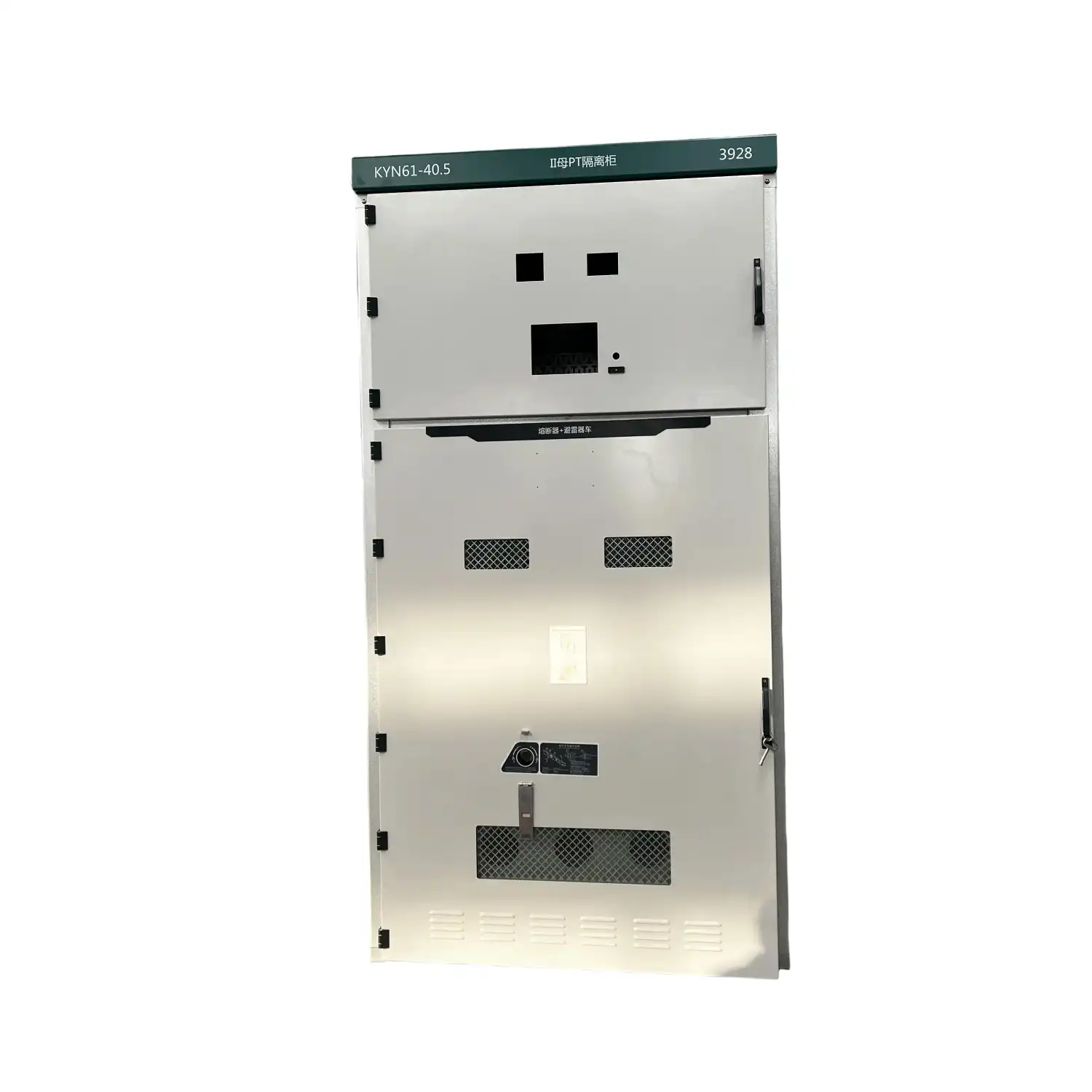
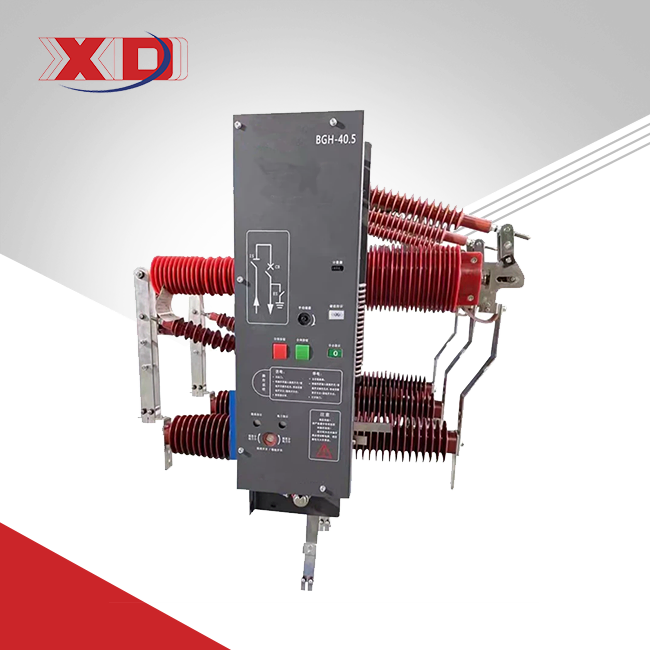
Care must be taken when installing the KYN61-40.5 removable metal-clad switchgear because the vacuum circuit breakers are mounted on trolleys and slide along precise rails to their working places. With spring pressure, tulip contacts engage busbars and keep the resistance below 40 microohms. This design is removable, so techs can change the breakers during repair windows without cutting power to important loads that are served by parallel feeders.
Electrical Connections and Grounding
Busbar terminations use bolted joints that are silver-plated to reduce contact resistance and damage from heat cycles. Heat-shrink stress cones are used at cable terminations to control the electric field distribution at the insulation surfaces. This stops partial discharge, which wears away dielectric materials over time. All metal containers are connected to the building's earthing system by grounding wires. This creates "equipotential zones" that keep people safe from touch voltages during ground faults.
Comprehensive Testing and Commissioning
Megohm meters are put between the phases and ground during insulation resistance tests to make sure that results are higher than 1000 megohms at the rated voltage. Power-frequency withstand tests put insulation through 1.5 times the working voltage for set amounts of time. This finds hidden problems before they are put to use. Primary injection testing makes sure that safety relays trip at set current levels, and secondary injection testing makes sure that devices upstream and downstream work well together.
These methodical checks catch installation mistakes that could otherwise lead to explosive fails when the power is turned on. Recording test results gives us a starting point for comparing future repair work and meets the requirements for regulatory checks needed for obtaining occupancy permits.
 |
 |
Maintenance and Safety Considerations Post-Installation
Longevity in operation rests on regular checks and following safety rules that take into account how things age and how load conditions change.
Routine Inspection Schedules
Every year, thermographic scans of Armored Metal-Enclosed Switchgear find hot spots that mean connections are loose or circuits are overloaded before the insulation breaks. Measurements of contact resistance keep track of how much wear is on breaker contacts and busbar joints. When numbers go above maker limits, maintenance is called for. Cleaning plans get rid of the dust that builds up on insulating surfaces. This is especially important in places that process cement or grain and have conductive bits settle on the equipment.
Arc Flash Protection and Risk Mitigation
Testing to IEC standards has shown that arc-resistant building keeps dangerous gases away from places where people are working. Maintenance workers who do energised work are protected by PPE that is rated for the incident energy levels that are found through arc flash studies. Breakers can be placed from outside the arc flash borders with the help of remote racking devices. This lowers exposure during switching operations.
Troubleshooting Common Installation Issues
When breakers trip during testing, it's usually because the safety reasoning for CT polarity reversing is wrong. Uneven voltages between phases can mean that the neutral wires are loose or that the instrument transformers are broken. Misalignment during panel assembly is indicated by mechanical binding of detachable parts, which needs to be measured again against factory limits.
Factory-trained techs can quickly fix these problems because they've seen patterns in hundreds of setups just like the one in question. Their knowledge of product-specific details like the KYN61-40.5's locking routines keeps them from having to try things out and see what works and what doesn't, which can cause downtime to last longer.
Making an Informed Purchase Decision: Installation-Related Factors
If you only look at the upfront cost of tools and suppliers, you might not take into account the overall costs of ownership that will come up over many years of use.
Comparing Installation Complexity Across Technologies
Gas-insulated switchgear takes up less room on the floor, but it's harder to set up and get rid of because it needs to be handled in a certain way. Metal-clad designs that keep out air are easy to install because they only need standard tools and skills that can be found among local builders. Fixed switchgear makes things simpler at first, but it also means more downtime for repair when parts need to be replaced.
Importance of Certified Installation Support
When performance problems happen, suppliers with factory-certified installation teams stop equipment makers and installation companies from blaming each other. Repair times for emergencies go from weeks to days when local service shops have new parts on hand. Comprehensive guarantees that cover both the equipment and the work that was done during the installation protect you financially if hidden problems are found during the warranty period.
Professional Installation Versus In-House Approaches
Costs and schedules are clear with turnkey installation contracts because experienced teams know how to deal with common problems. Because in-house teams don't have the specialised knowledge to install Armored Metal-Enclosed Switchgear correctly, mistakes are made that cancel guarantees and pose safety risks. Professional installation usually costs an extra 10 to 15 percent of the value of the equipment, but it saves money on repair costs and speeds up the approval process, which balance out the difference in labour costs.
We at Xi'an Xikai have 25 years of experience building medium and high-voltage switchgear in a wide range of industries. During the planning phase, our engineering team helps by assessing the spot and finding environmental factors that affect the choice of equipment and how it is installed.
Conclusion
In conclusion, to make sure that Armored Metal-Enclosed Switchgear works reliably in important power systems, the construction process needs to be carefully planned, put together mechanically, and tested thoroughly. Each step, from the first site studies that check the environment to the final activation tests that make sure all the safety features work together, is important for long-term performance and safety. When you work with experienced makers that offer qualified installation support, local service, and strong warranties, you can be sure that projects will stay on schedule and within budget, and that the electrical infrastructure will last for decades.
FAQ
1.How long does typical armored metal-enclosed switchgear installation take?
Installation times depend on how complicated the system is and how the place is set up. For one medium-voltage lineup with three to five breaker spots, it usually takes one to two weeks to put together mechanically, join electrically, and test. Four to six weeks may be needed for bigger jobs with many cable terminations and various lines. The process goes much faster when the right pre-installation preparations are made, such as base work and material setup.
2.What specialized tools are required for installation?
For busbar and wire connections, installation teams need torque tools that are set to the manufacturer's specs. These wrenches usually have a range of 50 to 200 Newton-meters. Insulation resistance testers (megohmmeters) that can output 5000 volts check the stability of the insulation. Breaker trip values are confirmed by primary injection test sets that provide hundreds of amps. Laser aligning tools make sure that the panels are placed within the allowed range. The set is finished off with standard electrical hand tools and pulling gear rated for component weights.
3.Can existing facilities retrofit armored metal-enclosed switchgear without major renovations?
Retrofits depend on how much room is available and how strong the structure is. Upgrading is easier with modular switchgear like the KYN61-40.5 because it lets you replace old equipment in small steps without having to shut down the whole system. Floor loading and ceiling openings need to be changed to fit the new sizes of the equipment. If the new panel plans are different from the current conduit setups, cable entry points may need to be changed. Talking to manufacturers during the planning stage helps find possible problems before promises are made to buy.
Partner with Xi'an Xikai for Seamless Switchgear Installation
If you're looking for a company that makes Armored Metal-Enclosed Switchgear and has both proven engineering and quick customer service, Xi'an Xikai can help. They offer complete solutions that are tailored to the needs of your building. Our KYN61-40.5 metal-clad switchgear can work successfully at temperatures ranging from -10°C to +40°C and heights of up to 2000 meters. It has been certified to meet IEC 62271-200 and GB/T 11022 standards. We help with construction from planning the site to commissioning, and we offer expert support 24 hours a day, seven days a week, and a five-year warranty with response times of less than 72 hours. Contact our team at serina@xaxd-electric.com, amber@xaxd-electric.com, or luna@xaxd-electric.com to talk about how our switchgear solutions can improve the stability of your power distribution while making installation less difficult.
References
1. Institute of Electrical and Electronics Engineers (IEEE), "IEEE Guide for Metal-Enclosed Switchgear Rated 1 kV to 52 kV," IEEE Standard C37.20.3-2013, published 2013.
2. International Electrotechnical Commission (IEC), "High-Voltage Switchgear and Controlgear – Part 200: AC Metal-Enclosed Switchgear and Controlgear for Rated Voltages Above 1 kV and Up to and Including 52 kV," IEC 62271-200, Edition 2.0, published 2011.
3. National Fire Protection Association (NFPA), "NFPA 70E: Standard for Electrical Safety in the Workplace," 2021 Edition, sections covering arc flash hazard analysis and protective equipment requirements.
4. American National Standards Institute (ANSI), "AC High-Voltage Circuit Breakers Rated on a Symmetrical Current Basis," ANSI C37.06-2009, published by ANSI/IEEE.
5. Zhang Wei and Liu Hongwei, "Installation and Commissioning Practices for Medium Voltage Switchgear in Industrial Applications," Journal of Electrical Engineering & Technology, Volume 14, Issue 3, pages 1127-1138, published May 2019.
6. Electric Power Research Institute (EPRI), "Switchgear Condition Assessment and Maintenance Guide," Technical Update Report 3002005384, published December 2015.
_1783910818781.png)