
Maintain The Reliability Of The Porcelain Type Sf6 Circuit Breaker Operating Mechanism System
2026-06-22 17:40:07
Making sure that the Porcelain Type SF6 Circuit Breaker's working mechanism stays reliable is an important part of keeping power distribution systems safe from sudden breakdowns. The ceramic insulators and SF6 gas technology in these high-voltage switching devices work together to protect circuits well in harsh industrial settings. Making sure that their working parts always work stops expensive downtime, keeps sensitive technology safe, and keeps the grid stable. These are all very important issues for building managers, utilities, and engineering firms that want reliable electrical infrastructure.
 |
 |
Introduction
Circuit breakers in modern power systems must work perfectly in all kinds of weather. The Porcelain Type SF6 Circuit Breaker is well-known in power plants, hospitals, data centers, and utility substations because it is both mechanically durable and electrically efficient. Figuring out how to keep the working process reliable has a direct effect on how much the system costs to run and how often it is available.
This book is for purchasing managers, facility engineers, utility workers, and EPC professionals who need to know about repair procedures, buying standards, and new technologies and how to use them. We look at the basic ideas behind these devices, list the most common problems with their stability, and give you useful tips on how to get the best performance throughout the lives of the equipment. This resource gives you the information you need to make choices that are in line with practical needs and budget limits, whether you're defining new systems or keeping current ones.
Understanding Porcelain Type SF6 Circuit Breakers and Their Operating Mechanism
Fundamental Design and Operating Principles
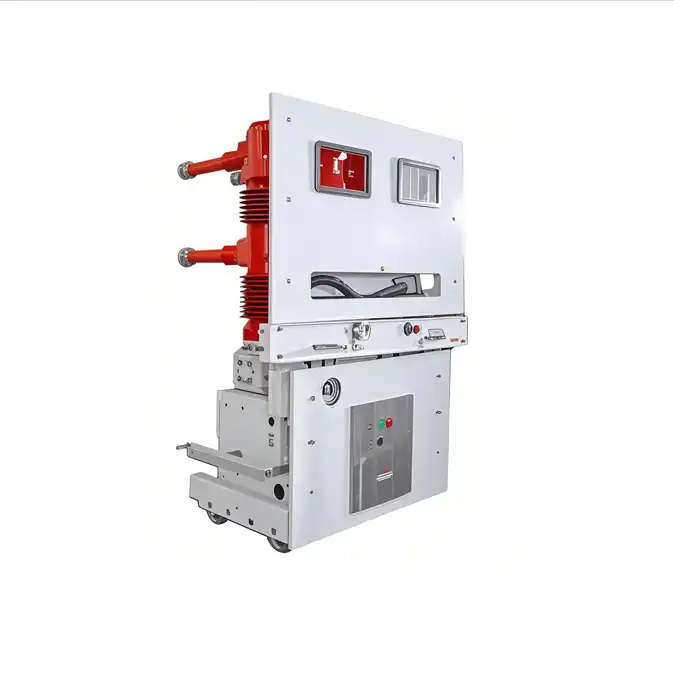
Three main parts: interrupter unit (SF6 arc-extinguishing chamber), precision contact system, and auxiliary components. SF6 gas has 2.5–3× higher dielectric strength than air, enabling compact chamber design. Moving contact separates from fixed contact during faults, creating an arc. SF6 absorbs heat and rapidly cools plasma, restoring insulating strength within milliseconds.
Technical Specifications and Compliance Standards
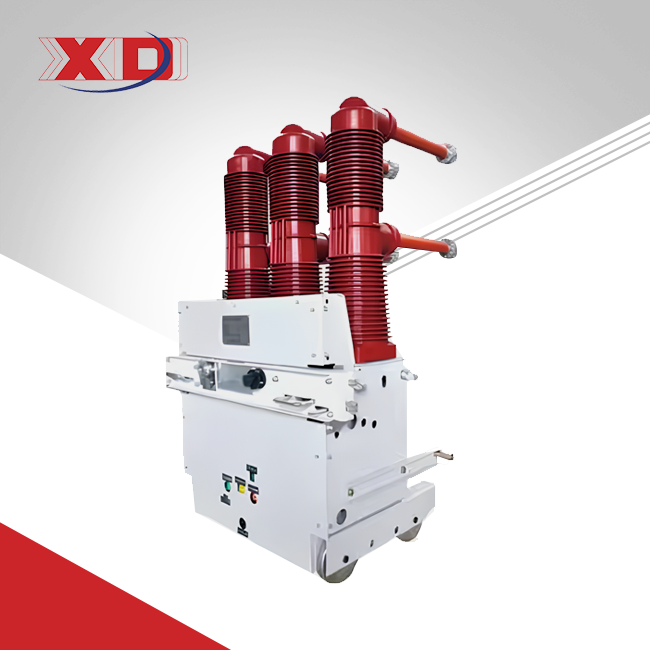
40.5kV SFM Indoor SF6 Circuit Breaker meets IEC 62271 and IEEE C37.04 standards. Porcelain insulators resist temperature swings, humidity, and contamination better than polymer housings. Flexible design integrates into existing switchgear, simplifying equipment replacement. Applications include CNC machines, data centers, utility substations, and hospital life-support systems.
Application Contexts Across Industries
Circuit breakers like these keep CNC machines, assembly lines, and process control systems safe from problems with the power supply. They keep computers and cooling systems running smoothly, which is why data centers depend on them. Utility companies put them in transmission and distribution networks to quickly find and fix problems. This cuts down on the time of outages and keeps the grid stable. To protect life-support systems and other important medical tools, hospitals need to work perfectly all the time. Each application needs to be very reliable because problems can lead to lost production, damaged data, risks to patient safety, or service interruptions for many people.
Common Challenges Affecting Operating Mechanism Reliability
Mechanical Wear and Component Degradation
Repetitive motion wears bearings, links, and drive parts. Mechanical stress during each close-open cycle increases friction and response time. Unchecked wear prevents sufficient contact separation force during faults, reducing safety. Pivot pins, shafts, and springs wear quickly. Moisture causes rust, dust raises friction, high temperatures alter lubricant viscosity. Harsh environments need more upkeep than controlled indoor setups.
SF6 Gas Leakage and Pressure Loss
Keeping SF6 gas contained in a Porcelain Type SF6 Circuit Breaker is important for maintaining arc-extinguishing capability and insulation integrity. Even small leaks lower gas pressure over time, making it harder for the breaker to interrupt faults. Most leaks occur at valve joints, gasket interfaces, and porcelain-to-metal seals. Over years of service, temperature cycling weakens seals by causing expansion and contraction.
Pressure tracking systems let workers know when there are big losses, but slow leaks might not be found between inspections. When the quantity of SF6 drops, the arc voltage rises during interruption. This could cause contact erosion or failed clearing attempts during later fault events. Because SF6 is a strong warming gas, environmental laws also require minimizing leaks.
Insulation Degradation and Surface Contamination
Porcelain insulators accumulate pollutants, salt spray, and dust. Conductive deposits create leakage paths reducing insulation. Moisture ingress causes tracking or flashover under high voltage. Degradation happens slowly, hard to detect without special tests. Partial discharge indicates early failure but is missed visually. Regular cleaning of porcelain surfaces restores insulation gaps.
Operational Impact and Cost Consequences
Reliability failures cause unexpected outages—lost income exceeds maintenance costs. Breaker misoperation endangers personnel and may incur government fines. Emergency fixes require expensive expedited parts and overtime. Insurance claims, legal risks, and reputation damage worsen financial effects. Procurement balances upfront costs against lifecycle reliability when selecting suppliers.
Best Practices for Maintaining Reliability of the Operating Mechanism
Structured Inspection Protocols
Weekly/monthly patrol checks read SF6 pressure gauges, inspect for porcelain cracks, oil leaks, or loose fasteners. Monthly expands to valve settings and mechanism lubrication, checking for water in housings. Annual verifies retaining ring stability, bolt torque, shaft pin position. Documented results show degradation trends, enabling replacement before failure. Digital tools improve data collection.
SF6 Gas Handling and Pressure Management
Monitor gas density via calibrated pressure readings, adjusting for ambient temperature. Keep spare SF6 for rapid refills below safe pressure. Use ultrasonic or tracer gas to detect small leaks; repair by replacing gaskets or seals. Gas recovery equipment captures SF6 during maintenance—prevents release and recycles gas. Verify purity and moisture content before filling to spec.
Lubrication and Mechanical Adjustments
To minimize friction in a Porcelain Type SF6 Circuit Breaker, lubricate moving parts per manufacturer specs. Use SF6-compatible lubricants for rated temperature range. Application intervals depend on operating frequency. Grease pivot points, bearings, and moving contacts—correct amount prevents dirt attraction. Periodic adjustments compensate for wear-related tolerance changes.
Real-World Maintenance Success
Utility with 50 breakers implemented quarterly SF6 pressure tracking, annual full checks, and partial discharge testing. Over three years, unplanned outages dropped 60%, maintenance costs fell 25% through planned parts purchasing. Equipment life exceeded 20-year design goals. This case shows structured practices directly improve reliability, reduce costs, and extend equipment life.
How to Choose and Procure Reliable Porcelain Type SF6 Circuit Breakers?
Defining Procurement Requirements
Specify load requirements, environment, and expected service life. Document control voltage, rated voltage, continuous current, and short-circuit interrupting capacity. Environmental factors (altitude, temperature, humidity, contamination) affect insulation gaps and cooling. Frequently cycled loads need M2 endurance class (10,000+ operations). Infrequent use may accept lower classes, balancing upfront cost against lifetime needs.
Evaluating Technical Performance Metrics
Interrupting capacity must exceed estimated short-circuit currents with safety margins. Time-current graphs enable coordination with upstream/downstream devices. Insulation effectiveness includes power frequency withstand voltage and lightning impulse withstand voltage. Contact resistance measurements predict heating—low, stable resistance minimizes power losses. Quality breakers maintain contact resistance below specified limits throughout design life.
Technology Comparisons and Design Alternatives
Alternatives to Porcelain Type SF6 Circuit Breakers include vacuum (SF6-free, limits below 40.5kV), air-insulated (larger footprint, lower interrupting density), and composite insulator SF6 versions. Composite insulators are lighter and impact-resistant but may degrade faster in UV or smog. Porcelain offers proven long-term stability and predictable aging. Buyers weigh trade-offs against budget, space, and environmental regulations.
Supplier Evaluation and Brand Considerations
Manufacturers with a good reputation show quality by having foreign licenses, detailed test reports, and well-established service networks. Companies like Siemens, ABB, and Mitsubishi have become well-known in their fields by making solid products and coming up with new ideas all the time. Competitive alternatives are made by Chinese companies like Xi'an Xikai, which combine advanced engineering with low-cost manufacturing.
In addition to product specs, suppliers are also judged on how reliable their deliveries are, how quickly they respond to technical help requests, and how well they handle service after the sale. For global operations to work, suppliers must be able to provide spare parts, field service techs, and application engineering help in more than one area. The length and spread of a warranty show how confident the maker is in the product's durability.
Total Cost of Ownership Analysis
In order to make a purchasing choice, you need to look at the total cost of ownership, which includes the purchase price, the cost of installation, the cost of maintenance, the expected lifetime, and the effects of failure. Cheaper tools might need more repairs or last less long, which would eat away at the savings you made at first. On the other hand, premium goods that are supported by better dependability and longer warranties often provide better long-term value despite costing more up front.
Over decades of service, energy losses due to contact resistance and the use of extra power add to the ongoing costs of running the machine. These losses are kept to a minimum by high-efficiency designs, which save money over time that covers the cost of the buying fees. Buyers make financial models that compare the lifetime costs of different choices so that they can find the best solutions for their budgets and levels of risk tolerance.
Future Outlook and Optimization of Porcelain Type SF6 Circuit Breaker Reliability
Advanced Materials and Design Innovations
Improvements in material science have enabled Porcelain Type SF6 Circuit Breaker operating systems to last longer and resist wear more effectively. New bearing metals reduce friction and handle higher contact forces. Better spring materials maintain constant force output across wider temperature ranges and longer durations. These innovations reduce maintenance frequency and improve operational reliability.
The designs of arc-extinguishing chambers use computational fluid dynamics models to make the best use of gas flow patterns when the flow is interrupted. Better tip shapes make arc cooling more effective, which lets more interruption happen within the same envelope size. Contact materials that are very resistant to erosion last longer between repair rounds.
Predictive Monitoring and IoT Integration
With embedded sensor systems, circuit breakers go from being passive safety devices to being active sources of tactical information. SF6 gas pressure, contact wear indicators, operating mechanism movement, and partial discharge action are all tracked in real time. Data analytics can find performance trends that can tell you about problems weeks or months before they happen. This lets you schedule maintenance for planned outages instead of having to make fixes right away.
IoT connectivity sends tracking data to centralized asset management platforms, which gives site managers a full picture of all the installations that are spread out. Predictive algorithms compare current performance to past baselines and data for the whole fleet, pointing out problems that need to be looked into. This intelligence cuts down on the number of site visits needed for regular checks. This saves money on labor costs and boosts reliability by finding problems early.
Environmental Compliance and Gas Alternatives
Researchers are looking into other arc-quenching gases and gas mixes because of government pressure to lower SF6 emissions. Fluoronitrile mixes have a lower global warming potential while still having enough dielectric strength and the ability to stop. Before putting their products on the market, manufacturers put them through a lot of tests to make sure they will work with other designs and be reliable in the long run.
Better leak finding technologies use laser-based sensors or constant tracking systems to find and fix leaks more quickly. Better closing materials and link designs keep leaks to a minimum over the life of the equipment. When facilities use these technologies, they protect business efficiency while also being good for the environment.
Strategic Advantages for B2B Buyers
Companies that use optimized circuit breaker technologies have an edge over their competitors because they have less downtime, lower upkeep costs, and better environmental ratings. With predictive repair, you can keep fewer extra parts on hand and use your technicians more efficiently. Better reliability saves income streams that depend on power being on all the time.
Companies that accept new technologies early can meet changing government rules before they have to, which keeps them from having to rush through retrofits or replace equipment before it's time. Environmental stewardship that is shown to be effective improves a company's image, as stakeholders pay more attention to sustainability measures. These strategic benefits affect a business's long-term competitiveness as well as its short-term routine gains.
Conclusion
To keep Porcelain Type SF6 Circuit Breakers working properly, they need to be inspected regularly, SF6 gas must be managed correctly, and technical repair must be done regularly. Knowing the most common types of failure lets you take proactive steps that stop expensive unplanned outages. A thorough analysis of technical specs, source capabilities, and total ownership costs is helpful when making purchasing choices. New technologies like predictive tracking, improved materials, and alternative gases promise to make things more reliable and better for the environment. When businesses engage in good tools and organized repair programs, they get higher uptime, lower costs, and practical benefits over their competitors.
FAQ
1. What is the typical service life of a porcelain type SF6 circuit breaker?
Good circuit breakers usually last between 20 and 30 years if they are used within their stated limits and kept according to the manufacturer's instructions. The actual lifespan relies on how often it is used, the surroundings, and how well it is maintained. When equipment has passed its original life, it needs to be thoroughly inspected to find out how much longer it can be used or when it needs to be replaced.
2. How often should operating mechanism maintenance be performed?
When to do maintenance depends on how hard it is being used and how exposed it is to the surroundings. Patrol inspections happen once a month, and full checks of all key parts happen once a year. Major repairs are usually needed after 2,000 operating cycles for contacts and 3,000 cycles for mechanisms. Schedules may need to be sped up for setups that get a lot of use, while gaps are longer for equipment that doesn't get used very often.
3. Can older circuit breakers be upgraded with modern monitoring technology?
Many current designs can be retrofitted with monitoring systems that give old tools the ability to predict what will happen. Compatibility depends on the type of breaker and the number of entry points that can be used to place the sensors. To find the best strategies, upgrade possibility studies look at technical compatibility, how much it would cost to replace the old equipment versus the cost of upgrading it, and how long the old equipment is expected to last.
Partner With Xi'an Xikai for Superior Circuit Breaker Solutions
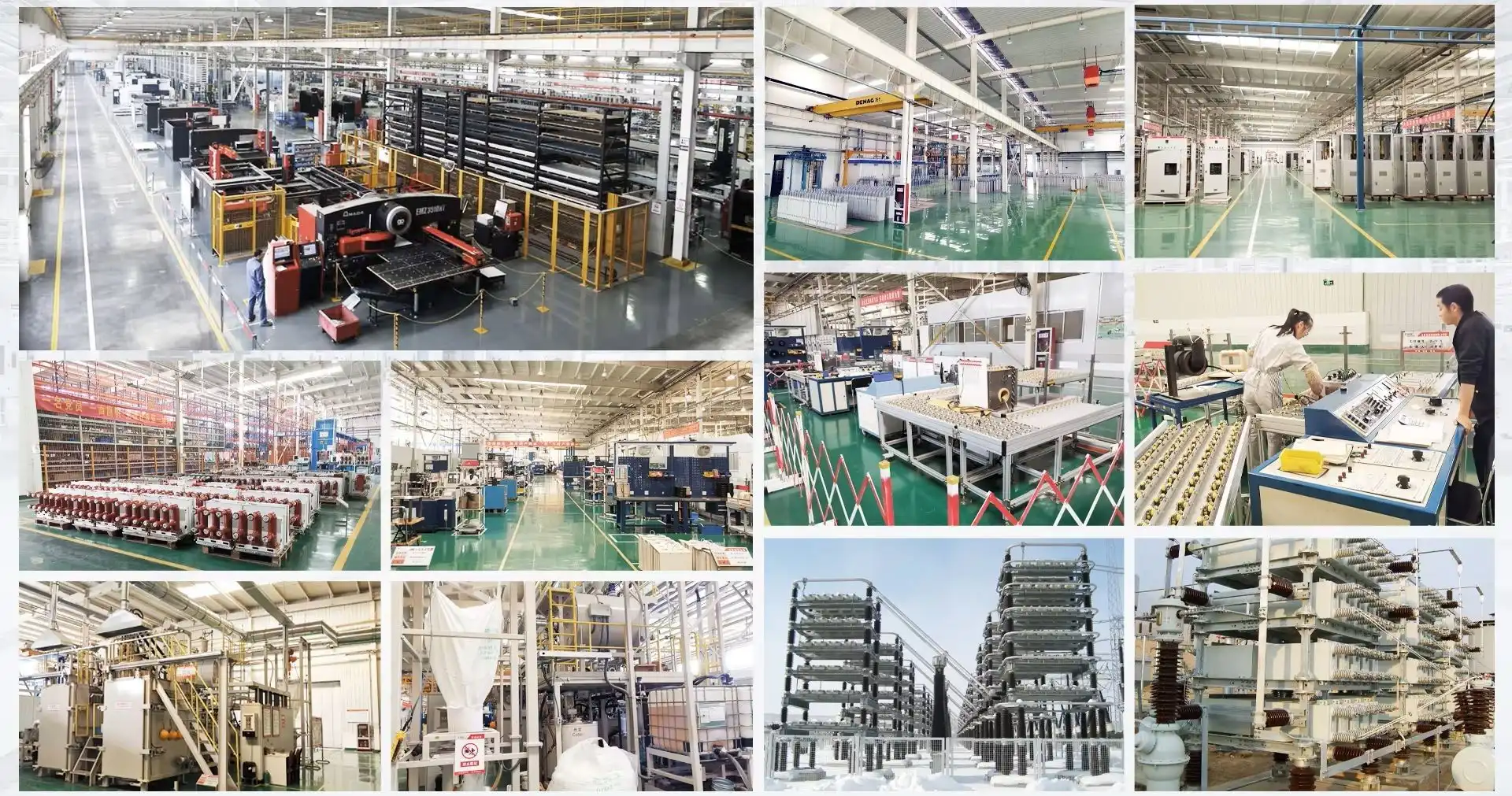
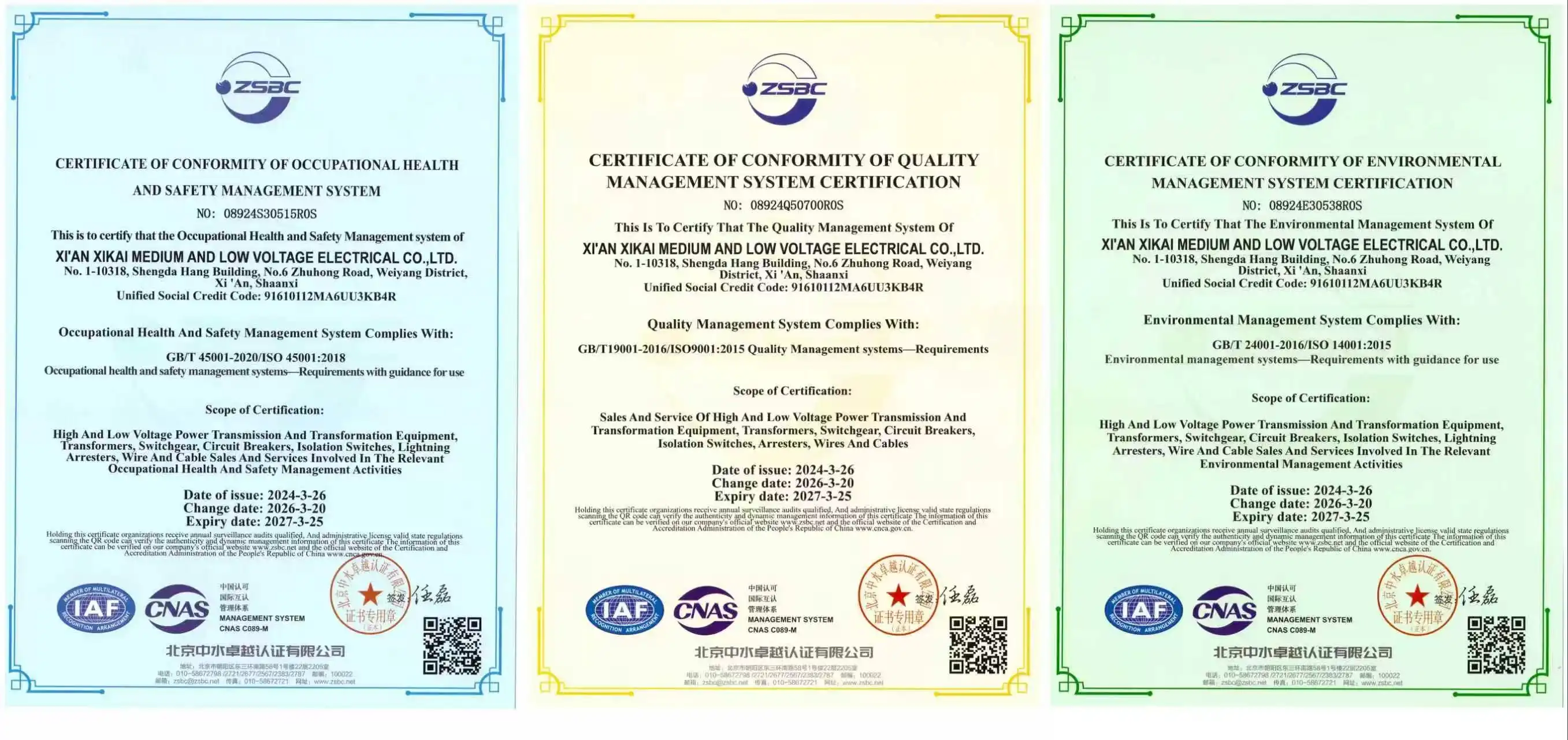
Engineered circuit protection systems from Xi'an Xikai are known in infrastructure, utility, and industrial settings. Our SFM Indoor SF6 Circuit Breaker blends tried-and-true ceramic insulator technology with cutting-edge SF6 arc interruption technology. It is rated at 40.5kV for tough medium-voltage tasks. As a leading Porcelain Type SF6 Circuit Breaker supplier, one of the best manufacturers in China, we follow strict ISO-certified production methods and quality testing routines that make sure our products work well every time.
Get in touch with our technical experts at serina@xaxd-electric.com, amber@xaxd-electric.com, or luna@xaxd-electric.com to talk about your needs. We offer personalized solutions that take into account each client's specific needs, income, and working conditions. Our world support network provides quick technical help, easy access to extra parts, and expert advice on how to keep your equipment in good shape.
References
1. IEEE Standards Association, "IEEE Standard for AC High-Voltage Circuit Breakers Rated on a Symmetrical Current Basis—Preferred Ratings and Related Required Capabilities for Voltages Above 1000 V," IEEE C37.04-2018.
2. International Electrotechnical Commission, "High-voltage switchgear and controlgear - Part 100: Alternating current circuit-breakers," IEC 62271-100:2021.
3. Kapila, R. K., "Maintenance Strategy for High Voltage Circuit Breakers," Journal of Electrical Engineering and Technology, Vol. 15, No. 3, 2020, pp. 1245-1258.
4. Zhang, L., and Chen, W., "Reliability Analysis of SF6 Circuit Breakers in Power Distribution Systems," IEEE Transactions on Power Delivery, Vol. 36, No. 2, 2021, pp. 892-901.
5. Smeets, R. P. P., and van der Linden, W. A., "SF6 Circuit Breaker Technology: Design, Testing and Operational Performance," Springer International Publishing, 2019.
6. National Electrical Manufacturers Association, "Application Guide for AC High-Voltage Circuit Breakers Rated on a Symmetrical Current Basis," NEMA SG-4-2022.
_1774322334531.png)
_1783910818781.png)
