What Is The Main Function Of an Indoor Current Transformer?
2026-06-22 17:40:06
An indoor current transformer is the important link between electrical lines with a lot of current and devices that measure or protect the current. This special tool lowers the high currents in power systems to safe, standard levels—usually 1A or 5A—so that tracking, metering, and safety relay operation can be done accurately. These transformers keep dangerous voltage levels away from sensitive equipment. This keeps people safe and gives accurate billing, energy management, and quick problem finding in business sites, manufacturing facilities, and substations.
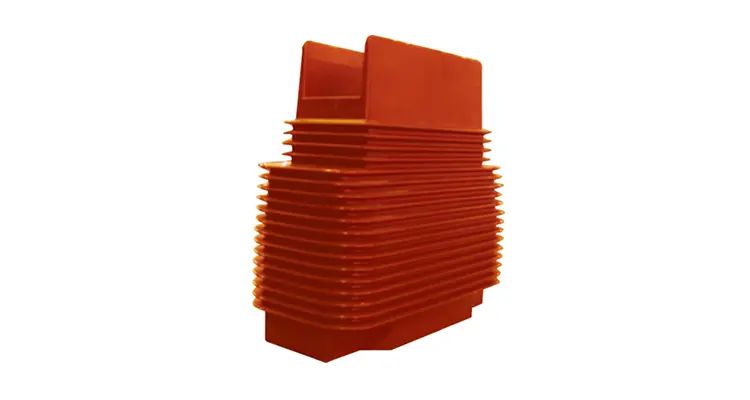
Understanding Indoor Current Transformers: Core Principles and Structural Types
These measuring tools work by using electromagnetic induction as their main principle. A magnetic field is created when alternating current runs through the main winding. This field causes a proportional current to flow through the secondary winding. The output precision is based on the transformation ratio. For example, a 2000:5 ratio means that a 2000A primary current makes a 5A secondary current, keeping the exact proportionality across the entire working range.
Solid Core Configuration
Solid-core types have a magnetic core that stays in place and main windings that stay in place. The tight magnetic circuit of these units keeps flux loss to a minimum, which gives them great accuracy—often 0.2 class for revenue metering. For long-term setups where equipment doesn't change often, manufacturing plants with stable wire configurations like this design. The epoxy resin covering keeps out water and dirt, which makes the service life longer than 25 years in controlled settings.
Window Type Design
Window-type transformers have a hollow hole that existing wires can go through. This means that circuits don't need to be disconnected during installation. This feature is useful for electrical workers who need to make changes to substations or tracking systems without stopping the flow of power. The window opening can fit different wire sizes, but the accuracy may only be 0.5 class because the magnetic path resistance is a little higher.
Split Core Advantage
Split-core units can be split in half, which lets workers clamp them around live wires without turning off the circuits. These transformers are used to add measurement points to working systems in places like data centers and hospitals where uptime needs to be higher than 99.99%. While ease comes at a slightly higher cost and less accuracy, being able to avoid planned outages makes the investment worth it for mission-critical sites.
Newer materials and building methods are used in modern designs. The fully enclosed epoxy resin casting method gets rid of air holes that lead to partial discharge, which is one of the main reasons why insulation fails. Xi'an Xikai uses vacuum casting technology to make their products, which gets partial discharge levels below 10pC. This is much higher than the industry standard and guarantees decades of reliable use.
The Main Function of Indoor Current Transformers in Industrial Applications
Current measurement is the basic idea behind managing an electricity system. These transformers change amounts of dangerous current into signals that regular tools can safely handle. In addition to basic monitoring, they allow three very important functions that have a direct effect on how efficiently and profitably operations run.
Precise Energy Metering and Cost Control
To make sure fair charging and find energy waste, revenue-grade meters need accuracy within 0.2%. A pharmaceutical company working with temperature-sensitive chemicals found inaccurate meters caused $47,000 annual overbilling. They recovered these costs after installing high-precision transformers with 0.2 class accuracy, plus an indoor current transformer, throughout their 35kV distribution system. They also improved equipment monitoring. Digital meters fed by secondary output track usage trends, allowing managers to shift non-critical loads during peak hours and cut demand charges by 18%.
Protection and Fault Detection
Protective relays need accurate current signs to tell the difference between normal changes in the load and fault situations that could be risky. In just a few milliseconds, a short circuit can cause the current to spike to 100 times its usual amount. Even when these extreme events happen, transformers with 5P or 10P accuracy classes keep their proportional output. This lets switches trip circuit breakers before any damage happens to the equipment. When this happens quickly, it stops problems that could spread and shut down whole production lines. This can cost automakers up to $22,000 per minute in lost production.
SCADA Integration and Predictive Maintenance
Predictive repair plans are possible with real-time current data moving into supervisory control and data gathering systems. Motor current that slowly rises is often a sign of bearing wear or mechanical locking before a catastrophic failure. A local water treatment plant that was keeping an eye on pump currents saw a 12% rise over three weeks, which meant that the impeller was getting clogged. An unexpected shutdown that would have affected service to 150,000 people could not happen because of planned cleaning. The 35kV transformers they put in their electricity grid provide constant data streams that are fed into machine learning algorithms. These algorithms can accurately predict when equipment will break down 87% of the time.
Integration lets you do more than just simple tracking. These gadgets work well with energy optimization tools, power quality analyzers, and building control systems. The common secondary outputs (1A or 5A) make sure that the device works with equipment from any brand, so you don't have to stick with one seller. This makes system expansions easier.
 |
 |
Comparing Indoor Current Transformers with Outdoor and Environmental Considerations
The selection factors are very different depending on where the installation is going to be done and how it will be used. Understanding these differences keeps tools from not being able to meet the needs of the surroundings, which can be very expensive.
Environmental Protection Requirements
Temperature and humidity can be controlled in indoor setups, which lets makers make designs that are more accurate than weatherproof. Models that will be used outside need more expensive and heavy UV-resistant housings, sealed connections, and thicker insulation. For the same 35kV measurement accuracy that can be found in a small internal unit that weighs 45 kg, it might take an outdoor model that weighs over 95 kg and has three times as much space inside. When a substation has both indoor and outdoor line connections, it usually chooses indoor transformers for accurate measuring and outdoor units only when they can't be kept out of the weather.
Accuracy Class Trade-offs
Because of limited funds, buying teams often choose lower accuracy classes, but this cheap-minded method often ends up costing them a lot more than they saved. It costs about 30% more for a 0.5 class transformer than a 1.0 class unit, but the difference in measurement error (0.5% vs. 1.0% at rated current) gets bigger over time. For a building that uses 5 million kWh per year at $0.12/kWh, the accuracy gain could show $6,000 in losses that weren't seen before, quickly recouping the cost of the premium.
Design Configuration Selection
Matching transformer type to application avoids problems. Indoor current transformer selection matters: solid-core suits new builds with planned wiring. Split-core units cost 40% more but avoid costly outages. A hospital avoided $85,000 in lost revenue by choosing split-core installation on a 2500A feeder versus a 4-hour outage for solid-core. Follow accuracy standards: 0.2 class for revenue metering, 5P for protection relays, 1.0 for general monitoring. Over-specifying wastes money; under-specifying breaks functionality.
Procurement Considerations: Selecting the Right Indoor Current Transformer Supplier
When you do effective sourcing, you combine technical requirements with the supplier's skills, delivery reliability, and help throughout the lifecycle. When managing foreign supply chains, procurement managers have to look at more than just the original buy price and picking the right indoor current transformer supplier.
Technical Specification Alignment
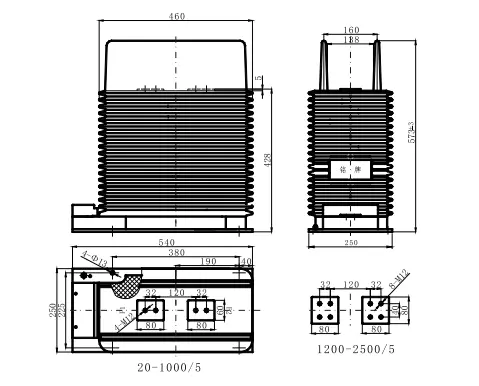
Start by analyzing the load. Current rates between 20A and 2500A are enough for most commercial uses, but solutions that are made just for those loads are needed. A steel mill that used arc furnaces with 15-second current spikes of up to 180,000A needed transformers that could handle 100 times the amount of current. In these situations, standard store items don't work, so engineers need to be consulted to set the right core saturation limits and heat mass. The application engineering team at Xi'an Xikai has come up with solutions for harsh environments, such as plateau sites at an elevation of 4,000 meters, where less dense air makes cooling and shielding less effective.
Many engineers don't understand how important frequency matching is. 50Hz is the most common frequency around the world, but installs in North America need 60Hz rates. Multinational companies find it easier to keep track of their goods when dual-rated transformers work at both frequencies. However, single-frequency tuning is slightly more accurate. The 35kV version with 50/60Hz rates get rid of confusion about the specifications and cut the number of spare parts needed by 40%.
Supplier Evaluation Criteria
Global companies like Siemens, ABB, and Schneider Electric make a lot of different products and charge a lot for them because their brands are well known. Specialists in the area, like Xi'an Xikai, offer similar technical ability with more customization choices and more affordable prices. A thorough analysis of suppliers shows delivery dates have a big effect on project plans. Standard catalog items usually ship between 2 and 4 weeks, but special combinations can take up to 12 weeks for planning, production, and testing. Investing in tools that lower costs per unit by 25% but take six weeks longer to deliver can sometimes be worth it when buying a lot of things. To keep these things in balance, you need to be clear with your sellers about project timelines and be willing to make adjustments on specifications that could speed up delivery.
Quality Assurance and Compliance
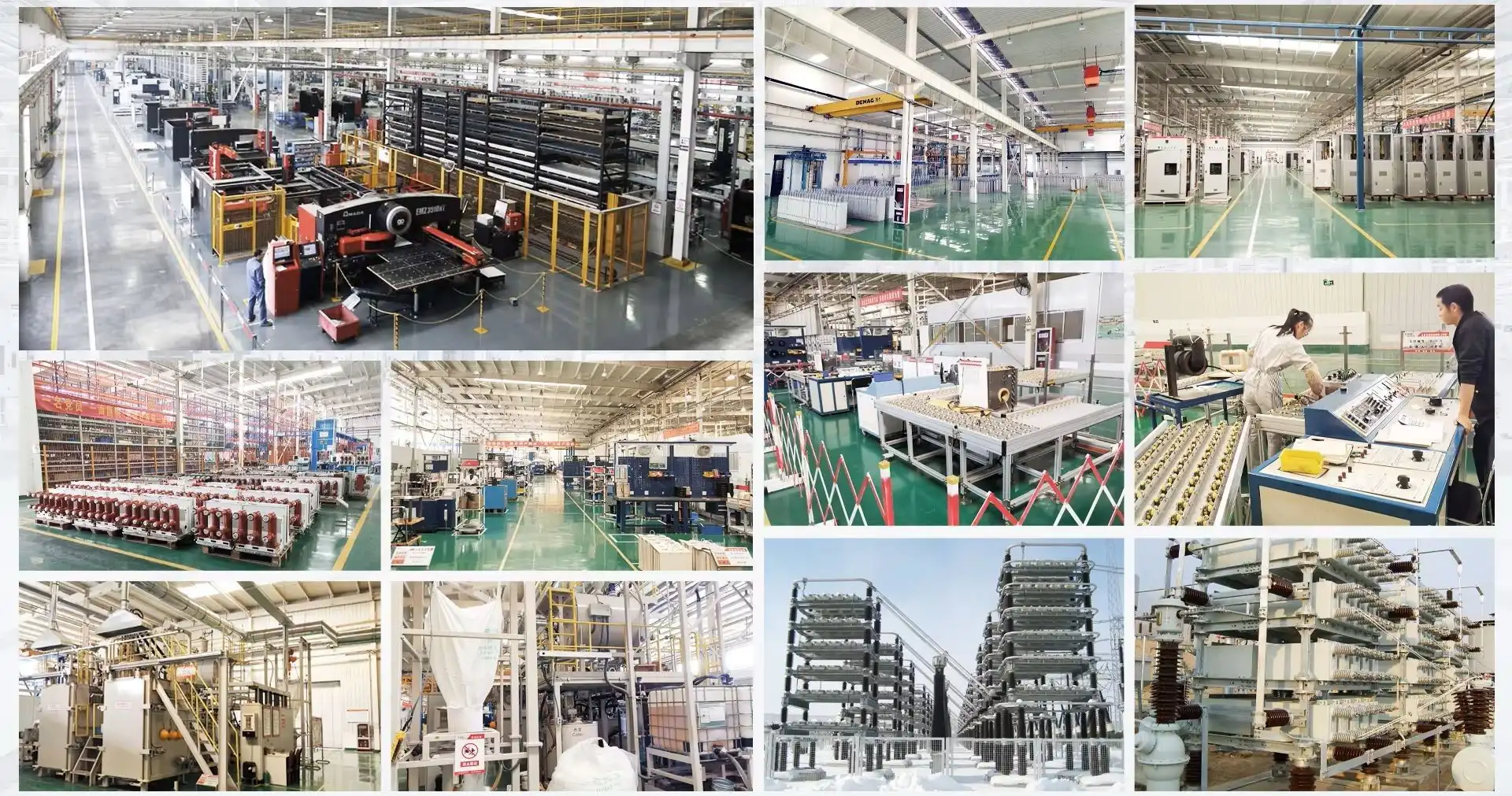
Verify products meet GB 20840.2-2014 and IEC 61869-1/61869-2, including indoor current transformer standards. These govern accuracy, insulation, and testing. Reliable suppliers provide full test reports with ratio errors, phase angles, insulation resistance, and partial discharge certifications. Demand routine testing on every unit—sample-based QC risks field failures costing far more than full factory testing. ISO 9001 and ISO 14001 certifications demonstrate organized processes. Xi'an Xikai's certifications prove commitment to consistent quality and environmental responsibility.
Installation, Maintenance, and Best Practices for Reliable Operation
If you place transformers correctly, they will work as expected and last as long as the manufacturer says they will. By following organized steps, you can avoid the most common types of failure and set up upkeep schedules that get the most out of your investment.
Installation Guidelines
Place transformers in well-ventilated areas accessible for inspection. Epoxy insulation withstands harsh conditions, but nearby heat sources accelerate deterioration. Maintain minimum distances: 150 mm from heat sources, 100 mm from metal objects to prevent eddy current losses. Connect secondary winding to rated loads before energizing primary—open circuits create dangerously high voltages (several kV). Ground one secondary terminal properly. Use correct wire sizes; undersized conductors add resistance causing ratio errors.
Preventative Maintenance Protocols
Annual checks: inspect physical condition, electrical connections, and performance. Examine epoxy casings for cracks or discoloration indicating heat stress or moisture. Tighten connections loosened by thermal cycling—loose connections raise resistance, creating heat that causes insulation failure. Infrared thermography finds hot spots; temperature differences exceeding 15°C require immediate investigation.
Upgrade and Replacement Strategies
When an electrical system grows, the basic transformer limits are often exceeded. Instead of rebuilding whole assemblies, you might want to look into transformers that have different ratio taps that can handle higher loads by changing the secondary connections. When a distribution center that was taking 400A increased its load to 600A, it just reconnected from the 500:5 tap to the 1000:5 tap. This saved money and time by not having to build new equipment.
When repair is needed, split-core shapes cause the least amount of trouble. Instead of causing expensive outages, add things during repair windows. Work with the operations teams to find times when short breaks won't have a big effect on production. Replacement jobs can be cut down from all-day events to 90-minute tasks with good planning.
Conclusion
In conclusion, indoor current transformers are necessary for modern electrical systems because they accurately measure, protect, and keep an eye on things. Which type is best—solid-core, window, or split-core—depends on how the installation is limited, how accurate it needs to be, and how important it is for operations. Epoxy resin encapsulation in the 35kV types makes them stable for use in industrial, business, and utility settings. To be successful at procurement, you need to find a balance between technical requirements and the supplier's skills, delivery schedules, and ongoing support. When you follow the manufacturer's instructions for installation and do regular preventative maintenance, your electrical infrastructure will last for decades and protect your large capital investments.
FAQ
1. What accuracy class do I need for revenue metering?
To make sure fair bills and legal compliance, revenue metering needs 0.2 or 0.5 accuracy class transformers. Large business buildings and utilities usually ask for 0.2 class for major service entrance meters, because even small mistakes can add up to big costs. For allocating costs within a department, sub-metering can work with a 0.5 class accuracy, which strikes a balance between cost and the need for accuracy.
2. Can indoor current transformers operate outdoors temporarily?
Indoor current transformers usually don't get damaged by short-term exposure to the outdoors during building or emergencies, as long as they are kept out of direct sunlight and extreme temperature changes. Long-term use outside damages epoxy insulation through UV radiation and temperature changes, making it last much less long. From the start, plan for lasting outdoor setups with equipment that is rated correctly.
3. Should we hire professional installers or use in-house electricians?
Factory-trained techs who know about specific product features and testing methods are helpful for installations that are complicated and involve high-voltage systems, custom configurations, or integration with safety schemes. Simple changes that follow written instructions work best for trained in-house electricians who know the rules for electrical safety. Manufacturer help through installation advice and technical consultation fills in the gaps and makes sure that projects are successful no matter how experienced the worker is.
Partner with Xi'an Xikai for Superior Indoor Current Transformer Solutions
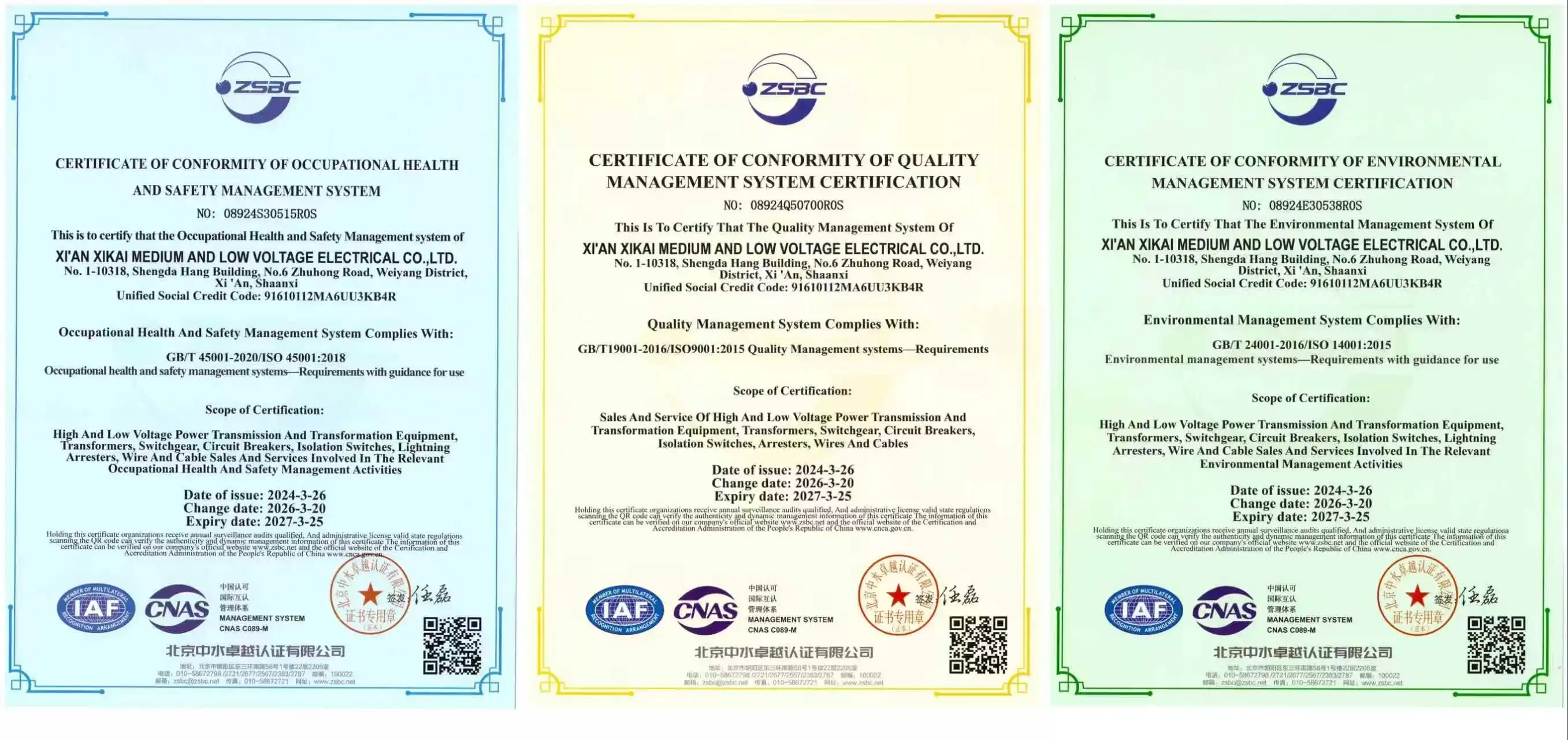
Xi'an Xikai Medium & Low Voltage Electric Co., Ltd. offers well-thought-out measurement methods and has been making electrical tools for 30 years. Our line of 35kV indoor current transformers is made of epoxy resin cast, has 0.2 class measurement accuracy, and can operate at both 50Hz and 60Hz. These features make them perfect for industrial plants, substations, and business buildings all over North America.
As a leading indoor current transformer manufacturer, we can customize our products to fit your unique load profiles, room limitations, and needs for integration. During the whole buying process, our engineering team helps with applications and makes sure that the best specs are chosen to balance performance with budget. Products meet international standards IEC 61869 and go through a lot of tests, such as partial discharge proof below 10pC.
To talk about your measurement infrastructure needs, email serina@xaxd-electric.com, amber@xaxd-electric.com, or luna@xaxd-electric.com one of our technology experts. We give you thorough specifications, competitive quotes, and delivery dates that work with your project plans.
References
1. International Electrotechnical Commission. Instrument Transformers - Part 2: Additional Requirements for Current Transformers. IEC 61869-2:2012, Geneva, Switzerland.
2. Zhang, W., & Liu, H. "Performance Analysis of Epoxy Resin Cast Current Transformers in High-Altitude Environments." IEEE Transactions on Power Delivery, vol. 34, no. 3, 2019, pp. 1247-1255.
3. National Electrical Manufacturers Association. Requirements for Instrument Transformers. NEMA Standard C12.11-2018, Rosslyn, Virginia.
4. Chen, M. "Accuracy Degradation Mechanisms in Medium-Voltage Current Transformers: A Ten-Year Field Study." Electric Power Systems Research, vol. 178, 2020, pp. 106-118.
5. American National Standards Institute. Standard Requirements for Instrument Transformers. ANSI C57.13-2016, New York.
6. Kumar, A., & Patel, R. "Integration of Current Transformers with Digital Protective Relays in Industrial Distribution Systems." Journal of Electrical Engineering & Technology, vol. 15, no. 4, 2020, pp. 1689-1702.