Outdoor Potential Transformer and its Application Explained
2026-06-22 17:40:09
An Outdoor Potential transformer is an important part of high-voltage electrical systems because it lowers dangerous main voltages to safe, measurable secondary levels, usually between 35kV and 10kV. This makes it possible to accurately measure, set up safety relays, and keep an eye on the grid. Because they can work in harsh environments and keep their measurements accurate, these devices are essential for substations, industrial facilities, and green energy sites where dependability directly affects uptime and profits.
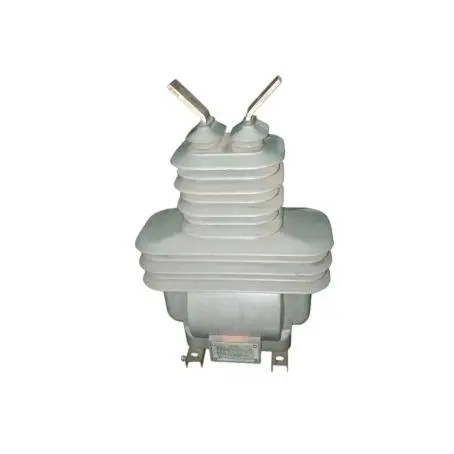
Understanding Outdoor Potential Transformers – Definition and Working Principle
What Makes Voltage Transformers Essential for Modern Grids?
Voltage transformers (PTs) convert high voltage to safe low-voltage outputs for meters and relays, unlike CTs which measure current. Outdoor PTs feature weatherproof shelters and advanced insulation. The 35kV epoxy resin model transforms primary voltage to 10kV secondary at 50/60Hz, handles 600A/800A primary current, and provides 0.2/0.5 accuracy classes for utility billing and fault detection.
Core Operating Principles Behind Voltage Step-Down
Electromagnetic induction in the primary winding creates a magnetic field, inducing voltage in the secondary coil proportional to turn ratio. Epoxy resin casting prevents partial discharge that degrades insulation. Graded layers control voltage stress during 170kV transients. Compliance with GB 20840.2-2014 and IEC 61869 ensures compatibility with monitoring systems. Limiting output of 5VA or 1A prevents overload while maintaining accuracy.
Distinguishing Outdoor from Indoor Instrument Transformers
Outdoor units feature UV-stabilized polymer housings, longer creepage distances, corrosion-resistant hardware, and -40°C to +55°C temperature range. They offer flexible installation directly on substation structures, requiring IP65+ protection against dust/water. Indoor models typically meet IP20. Epoxy-cast units pose no fire or contamination risks compared to oil-filled designs requiring leak checks.
Applications and Benefits of Outdoor Potential Transformers in Industrial Settings
Power Generation and Transmission Infrastructure
Utilities rely on VTs for grid stability across cable networks, feeding SCADA systems at substations. A 0.2-class VT on 100MW flow prevents $50,000+ annual revenue loss versus 1.0-class. On renewable farms with harmonic distortion from inverters, epoxy-resin models maintain stable measurements. Embedded sensors enable predictive maintenance, cutting unexpected outages by 30% compared to legacy systems.
Manufacturing Plants and Data Centers
CNC and semiconductor lines need voltage stability within ±2%, or emergency shutdowns cost $10,000+/hour. Precision VTs at service entrances enable real-time power quality monitoring and automatic generator switching. Our transformers handle 100x surge currents during lightning strikes. Low core loss (below 0.1W/kg) reduces cooling demands in heat-sensitive data centers.
Advantages Over Indoor Configuration
Weather protection gets rid of the need to build and lets you strategically place things near load areas. When hospitals and business buildings replace old electrical systems, it's best to do the work outside so as not to disturb people who are already there. The flame-resistant epoxy Outdoor Potential transformer design meets NFPA 70 fire rules without the need for fire control systems, which makes the permit process easier.
As technology has improved, IoT connection has become possible, letting tests be done remotely over cellular or Ethernet lines. Facility managers keep an eye on voltage trends using screens that show problems that are starting to show up weeks before the equipment breaks down. With this feature, condition-based service instead of fixed-interval checks cuts maintenance costs by 25%. Because it operates quietly at less than 45dB, it can be installed near homes where noise restrictions apply to regular oil-filled transformers.
 |
 |
Installation, Maintenance, and Safety Best Practices
Proper Installation Procedures for Long-Term Reliability
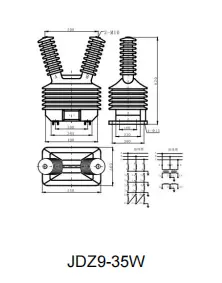
Ensure mounting structures handle wind/seismic loads per local codes. Level base within 0.5° to prevent resin cast stress. Only licensed electricians using 40kV-rated shielded tools perform primary wiring. Follow wiring diagram for inputs, outputs, and ground. Ground grid resistance below 5Ω. Use shielded wire for secondary connections to prevent EMI. Verify total load within 5VA rating. Commissioning requires insulation resistance >1000MΩ and turn ratio within ±0.5%. Energize stepwise: apply primary voltage, check polarity, then connect relays. Wrong phasing leaves equipment vulnerable.
Routine Maintenance Extending Service Life
Epoxy construction eliminates oil sampling and desiccant changes. Perform yearly inspections for cracked insulators, loose hot connections, and rust. Thermal imaging finds hotspots before failure. Clean insulator surfaces with biodegradable soap and soft brushes—UV coatings resist damage. Manage vegetation for access. Maintain records for warranty and compliance. For troubleshooting, low secondary voltage is usually loose connections (60% of cases). Tighten leads to specs. Partial discharge monitoring enables planned replacement, avoiding emergency repairs.
Safety Protocols for Outdoor Environments
Weather exposure adds risks that aren't present in indoor setups. For lightning safety, surge arresters must be put in place within 10 meters of the transformer. These provide low-impedance paths that keep strike energy away from the transformer's sensitive windings. Approach lengths to charged parts get longer when it's wet because skin resistance goes down. Keeping 3-meter barriers up keeps people from accidentally touching them.
Lockout-tagout processes gain complexity when multiple voltage levels exist. De-energizing the primary circuit doesn't eliminate hazards from backfeeds through secondary links to energized meters. Grounding both primary and secondary terminals with visible grounding sticks provides fail-safe protection during maintenance. People who work with electricity are protected from flash dangers by arc-rated clothes and insulated gloves rated for the highest system voltage.
How to Choose the Right Outdoor Potential Transformer for Your Business?
Defining Technical Requirements
Before making an Outdoor Potential transformer purchase choice, it's important to look at the system's power, frequency, and accuracy needs. When distribution networks use a 35kV primary and a 10kV secondary, they need transformers that match these exact ratios. If the units aren't matched, measurement mistakes happen that make the protective relay settings useless. For foreign projects, frequency compatibility is important because 50Hz European lines are different from 60Hz North American systems, which changes how core saturation works.
Accuracy class selection balances cost against performance requirements. For revenue metering, 0.2-class accuracy is needed to make sure that utility bills can stand up to scrutiny from regulators. For non-critical tracking, 0.5-class units are fine and cost 40% less. When you connect 7VA of instruments to a 5VA transformer, the voltage drops and measurements are off because the maximum burden capacity is less than the total linked load.
Environmental factors influence design choices. Coastal sites need tools made of stainless steel that won't rust from salt spray, and desert locations need housings that won't break down in direct sunlight (UV). Corona inception voltage is affected by altitude; sites above 1000 meters may need better insulator coordination than standard designs allow.
Comparing Leading Solutions
Siemens, ABB, Schneider Electric, and Eaton are just a few of the global companies that make products for the power and industrial markets. European brands focus on IEC compliance and modular designs that make it easy to swap out extra parts. North American brands, on the other hand, focus on ANSI C57.13 approval and UL titles that insurance companies require.
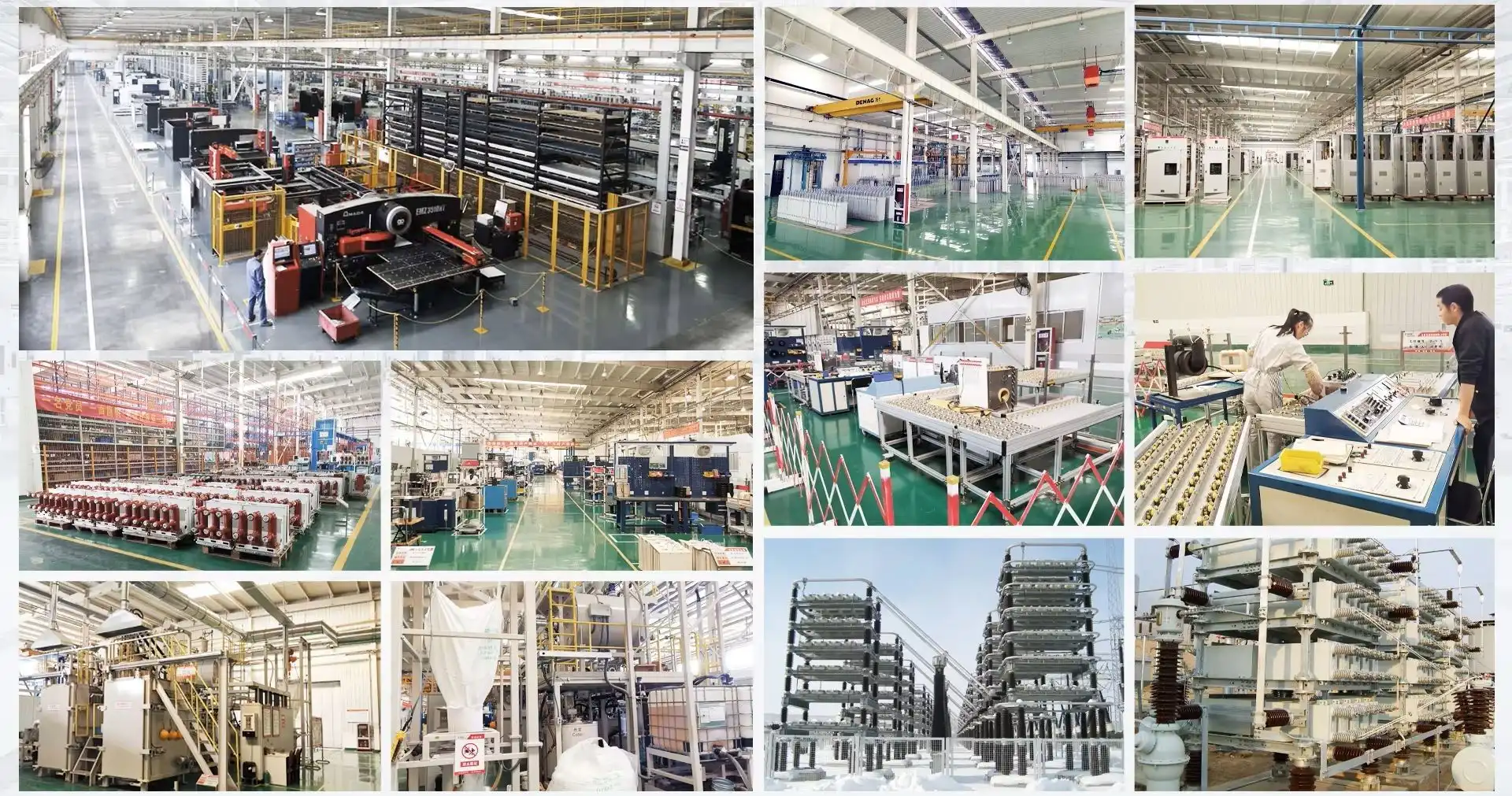
Xi'an Xikai stands out by offering unique answers for difficult problems. When it comes to plateau-rated equipment, it works effectively at heights of up to 4000 meters, where rivals need custom engineering. The production is ISO 9001-certified and uses robotic casting to make sure that the insulation has no holes and is completely solid. The quality is on par with high-end European brands, but the prices are competitive.
Custom design lets you meet the specific needs of a project that regular catalog things can't. Specific substation setups can be met by changing voltage ratios, cover materials, or the way terminals are arranged without having to make expensive changes to the site. System integrators that build full electrical packages can get private-label solutions from OEM partnerships.
Evaluating Total Cost of Ownership
Only 30% of the total cost of ownership is paid for by the purchase price. Costs for repairs, dependability, and insurance coverage have a big effect on the long-term value. Epoxy-cast transformers get rid of the need to handle oil, which saves about $500 a year and keeps environmental cleanup costs from leaks. The 20-year operating life with little degradation is better than options that are filled with oil and need to be rewound every 15 years.
Warranty terms vary dramatically across suppliers. Premium makers offer full covering for 10 years, with new units sent out within 48 hours to keep downtime costs as low as possible. Budget options come with 2-year limited warranties that don't cover consequential losses. This isn't enough safety for important infrastructure that affects thousands of customers when it fails.
After-sales support separates capable sellers apart from middlemen. Having access to application experts who can help with coordinating safety relays and integrating metering systems is very helpful during commissioning. Technical training programs that teach repair staff the right way to test equipment make it last longer and stop it from breaking down early because it was handled incorrectly.
Procurement Guide: Sourcing Reliable Outdoor Potential Transformers Globally
Identifying Qualified Suppliers and Manufacturers
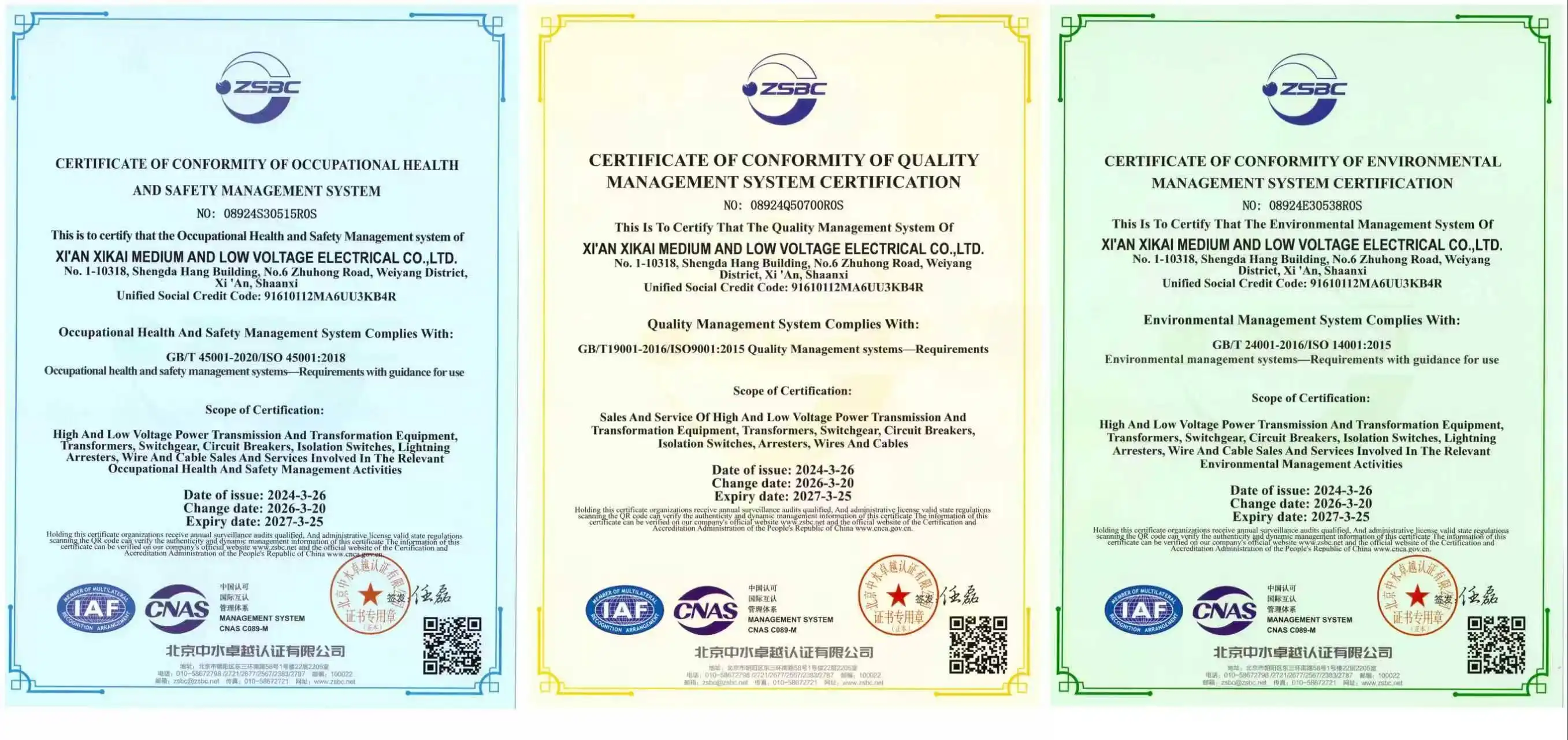
Independent registrars check that certified makers' quality management systems are up to par. For Outdoor Potential transformers, ISO 9001 certification is a basic guarantee that production processes include checking arriving materials, testing while they're being made, and final validation. Type test records from approved labs show that sample units were tested for impulse voltage, temperature rise, and accuracy to make sure they meet IEC 61869 standards through impulse voltage, temperature rise, and accuracy testing on sample units.
Authorized sellers and direct manufacturer ties each have their own pros and cons. Distributors keep popular models in stock so that they can be delivered the same week. If you buy directly from the plant, you can get custom setups and savings of more than 20% on large orders. But markups from distributors that can reach 40% make direct buying appealing for big projects, even though lead times are longer (8–12 weeks).
Checking with clients can show that a dealer lives up to what they say they will do. When you call site managers at finished installations, you can find out about shipping efficiency, product quality, and how quickly warranty issues are handled. Site visits to reference projects allow inspecting installed equipment condition after years of service—superior makers show installations that are ten years old and still work perfectly.
Navigating International Procurement
Import regulations governing electrical equipment vary by destination country. North American markets require UL or CSA certification demonstrating compliance with electrical codes, while European Union installations demand CE marking and low-voltage directive conformity. Documentation including test reports, declarations of conformity, and material safety data sheets must accompany shipments to clear customs smoothly.
Payment terms reflect supplier confidence and buyer creditworthiness. Established manufacturers accept letters of credit or net-60 terms for qualified customers, while smaller vendors demand 50% deposits protecting against order cancellations. International transactions benefit from trade financing programs offered by export-import banks that mitigate currency fluctuations and payment defaults.
Logistics coordination impacts project timelines significantly. Ocean freight reduces transportation costs to 3% of equipment value but requires 6-week transit from Asian factories to U.S. ports. Air freight cuts delivery to 5 days at quadruple cost—justifiable for emergency replacements restoring revenue-generating infrastructure. Properly specifying Incoterms clarifies responsibility for insurance, customs clearance, and final delivery.
Leveraging Supplier Partnerships
Long-term relationships with reliable providers have benefits that go beyond just buying things once. If a customer is a preferred customer, they get priority scheduling for output when capacity is limited and rivals have 20-week backlogs. Early access to new product releases incorporating technological improvements allows specification in upcoming projects before general market availability.
Technical teamwork makes system designs better because experienced suppliers find mistakes in application forms during the review of proposals, which stops expensive changes from having to be made in the field. Value engineering ideas can help you find cheaper ways to use the same parts without sacrificing function. When buyers work together to create custom solutions that meet specific needs, they can use seller research and development tools that individual buyers can't access.
Conclusion
Choosing the right voltage measuring tools is what determines whether electrical infrastructure works reliably and cost-effectively or turns into a repair nightmare that threatens the continuation of operations. With its weatherproof design and accurate measurement capabilities, the Outdoor Potential transformer meets the most demanding needs in utility, industrial, and business settings. When decision-makers know about technical specs, best practices for installation, and buying strategies, they can find solutions that meet the needs of a particular project while also getting the most out of the product's lifecycle value. Partnering with experienced makers that offer approved goods, full support, and a track record of dependability makes sure that electrical systems work safely and efficiently for decades.
FAQ
1. What differentiates outdoor from indoor potential transformers?
Outdoor Potential transformers have weatherproof housings rated IP65+ to keep out dust and water, UV-stabilized materials that stop polymers from breaking down in the sun, and longer creepage distances on insulators that stop surfaces from tracking when it's wet outside. Indoor versions meet IP20 standards, which are good for controlled settings, but they don't have gear that doesn't rust and temperature ratings that go from -40°C to +55°C, which are needed for outdoor setups.
2. How often should maintenance inspections occur?
Visual inspections once a year find problems like cracked insulators, loose connections, and metal rust before they get bad enough to break. When these checks are done with thermal imaging, internal damage is found by finding hot spots. With epoxy-cast designs, transformers don't need to be oil-sampled every three months like liquid-filled transformers do. This cuts servicing costs by 60% over the 20-year service lives.
3. Which transformer type suits harsh coastal environments?
Dry epoxy resin-cast transformers work better in corrosive environments than oil-filled ones because they have stainless steel fastening gear, a sealed construction that keeps water out, and no oil leaks that pollute the soil. The resin casting protects against the damage that salt spray does to metal surfaces that are exposed to it, and marine-grade finishes on the outside parts add extra protection and make the service life longer than 25 years.
Partner with Xi'an Xikai for Your Voltage Transformer Requirements
Xi'an Xikai offers tried-and-true Outdoor Potential transformer options by mixing thirty years of high-voltage experience with top-notch manufacturing. They serve State Grid systems, petrochemical facilities, and green energy projects all over the world. Our 35kV epoxy resin-cast models are accurate to within 0.2 classes, protect against water and dust (IP65+), and meet the requirements of IEC 61869 standards. They are made using ISO 9001-certified methods that guarantee consistent quality. As a top provider, we can change voltage ratios, enclosures, and terminal setups to fit your unique substation needs without having to wait longer for delivery. Contact our technical team at serina@xaxd-electric.com, amber@xaxd-electric.com, or luna@xaxd-electric.com to talk about the details of your project and get detailed proposals with competitive prices, full warranties, and quick after-sales support to protect your infrastructure investment.
References
1. Institute of Electrical and Electronics Engineers (IEEE), "IEEE Standard Requirements for Instrument Transformers," IEEE Std C57.13-2016, New York, 2016.
2. International Electrotechnical Commission, "Instrument Transformers - Part 2: Additional Requirements for Voltage Transformers," IEC 61869-2:2012, Geneva, Switzerland, 2012.
3. National Fire Protection Association, "National Electrical Code," NFPA 70-2023 Edition, Quincy, Massachusetts, 2023.
4. Electric Power Research Institute, "Application Guide for Instrument Transformers in Distribution and Transmission Systems," Technical Report 3002005321, Palo Alto, California, 2019.
5. Standardization Administration of China, "Instrument Transformers - Part 2: Additional Requirements for Voltage Transformers," GB 20840.2-2014, Beijing, 2014.
6. American National Standards Institute, "Requirements for Instrument Transformers," ANSI C57.13-2016, Washington D.C., 2016.