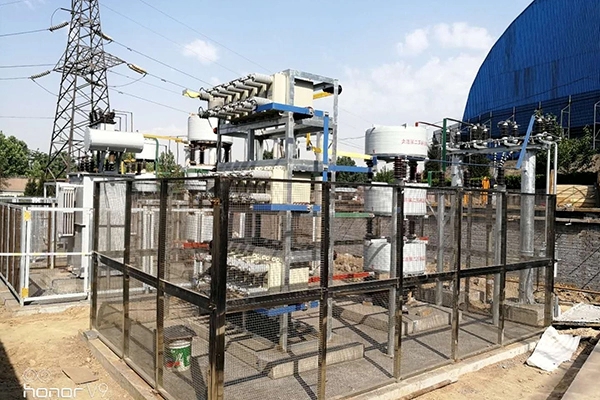
OEM/ODM Indoor High Voltage Switchgear Solutions
2026-05-12 11:59:04
Picking the correct electrical distribution Indoor High Voltage Switchgear equipment becomes very important when power stability affects profits directly. OEM/ODM Indoor High Voltage Switchgear solutions provide exactly engineered systems that handle particular operational issues in business facilities, utility networks, and industrial plants. To make sure that power keeps going while also following strict safety rules, these custom systems use advanced circuit protection, flexible design, and proven manufacturing quality. At Xi'an Xikai, we are experts at customizing medium-voltage switchgear to fit your exact voltage ratings, environmental conditions, and needs for integrating with existing infrastructure. We do this from the initial design advice all the way through approval testing.
 |
 |
Understanding Indoor High Voltage Switchgear: Types, Functions, and Benefits
Power distribution systems need strong control systems to keep people safe and keep operations running. Indoor High Voltage Switchgear is the backbone of electrical networks. It controls the flow of electricity and finds problems early on, before they lead to expensive shutdowns.
Core Components and Operating Principles
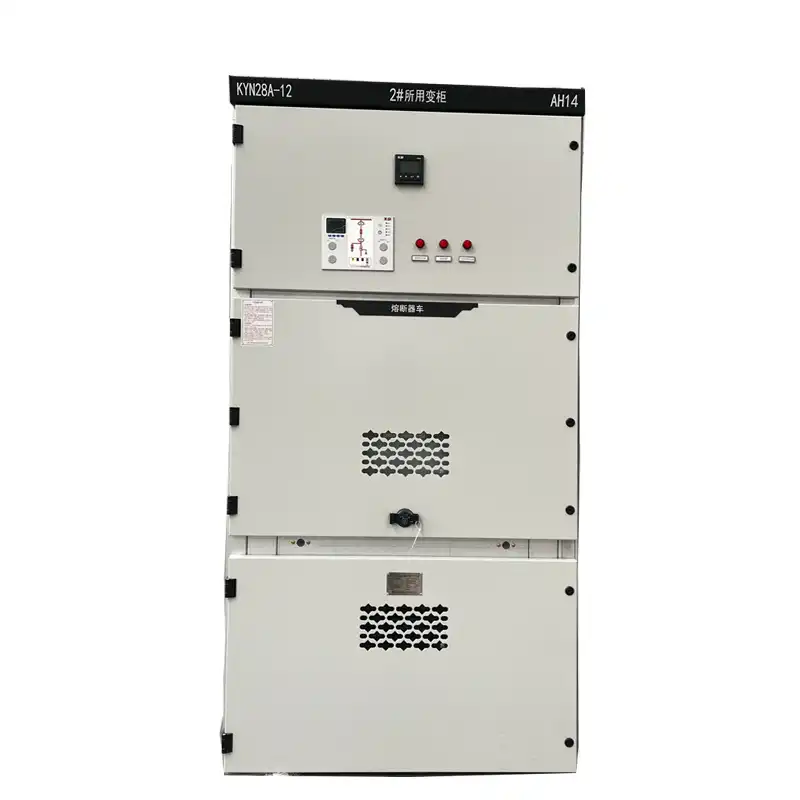
In indoor switchgear, the basic structure is made up of metal cases that hold circuit breakers, disconnect switches, busbars, and safety relays. When there are overloads or short circuits, circuit breakers stop the flow of power within milliseconds. Busbars carry electricity between incoming lines and outgoing distribution circuits, and disconnect switches make it easy to turn off power for repair work. Protection switches constantly check electrical factors like voltage, current, and frequency, and when something goes wrong, they set off breaker operations. Modern designs use compartmentalized buildings, which literally separates live parts into different rooms. At the top of the busbar section are conductors that are powered up. The interrupter mechanism is usually placed on a truck that can be pulled out for easy service in the breaker room. Outgoing feeders are connected to the wire section at the bottom. This separation stops the arc from spreading when there is a fault and lets techs get to certain places without turning off the power to the whole system.
Comparing Switchgear Technologies
Depending on the performance needs and natural restrictions, different stoppage methods are best for different uses:
- Vacuum Circuit Breakers stop sparks by using the insulating qualities of vacuum. When contacts split in rooms that are tightly sealed, the arc turns the contact material into a gas, but the vacuum quickly spreads the charged particles around. This technology works great in situations where moving needs to happen a lot (up to 10,000 mechanical cycles) and with little upkeep. The small size and quiet operation are appreciated by data centers and factories.
- SF6 Gas-Insulated Switchgear uses the very high electrical strength of sulfur hexafluoride—about 2.5 times higher than air—to make equipment smaller. During the stoppage, the harmless gas quickly cools down and puts out the arcs. When the voltage is higher than 36kV, SF6 systems work better, and they don't need to be maintained because they are sealed for life. But worries about the environment caused by SF6's greenhouse gas qualities are pushing the creation of new gases.
- Metal-Clad Configurations have areas that are completely sealed off and have mechanical locks that stop dangerous activities. These systems make it physically impossible for operators to open disconnect switches while the circuits are live or grounding active circuits. Metal-clad designs are the best way for utility substations to protect themselves from both electrical dangers and environmental pollution.
Advantages Driving Adoption
Because of limited space in urban buildings, indoor locations are more appealing than outdoor substations that need a lot of land. Protecting equipment from outdoor exposure increases its life and lowers the number of breakdowns caused by corrosion. Better safety features, like a building that is resistant to arcs and meets IEC 62271-200 standards, keep people safe during internal fault events by sending powerful forces away from work areas. Withdrawable breaker designs make maintenance easier, cutting the average time to fix from hours to minutes. This directly Indoor High Voltage Switchgear improves system availability measures that plant managers keep a close eye on.
OEM/ODM Indoor High Voltage Switchgear Solutions: Tailored to Your Needs
Catalog goods can't solve all of an organization's problems. There are times when customization is required instead of possible. This can happen in manufacturing plants with specific process needs, utilities that are taking care of old infrastructure, and engineering firms that are creating specialized installations. Indoor High Voltage Switchgear customization becomes essential rather than optional in these scenarios.
When Customization Delivers Value
Think about a pharmaceutical plant that uses sensitive lab equipment that can't handle power drops of more than 5% for more than 20 milliseconds. Standard switchgear might meet the needs of most businesses, but the plant needs to be able to find faults very quickly and switch to backup power within 10 milliseconds. An OEM system includes redundant control circuits, high-speed relays, and capacitors that have already been charged. These circuits are especially tuned to meet this need. The use of renewable energy makes another strong point. Power from solar farms and wind farms is generated at energy levels that change depending on the weather. Custom switchgear has safety methods that work with inverters, dynamic voltage control, and harmonic filtering that standard goods don't have. These custom-made systems keep grid links stable and stop annoying trips that happen when power levels change naturally. There are a lot of calls for customization that are driven by the need to work with the current infrastructure. OEM designs that keep mechanical connections and control voltage standards are helpful for retrofit jobs in buildings that use ABB VD4 or VS1 breakers. This method lets changes happen in stages without removing working parts, which greatly lowers project costs and speeds up the commissioning process.
The OEM/ODM Development Process
The first step in our collaborative process is technical talks, where application experts look at environmental factors, fault current estimates, and load profiles. Often, procurement teams have trouble because the specs they have aren't complete. That's why we do site studies to find out things like altitude, temperature ranges, and seismic requirements that affect equipment ratings. Design creation follows set processes that are in line with guidelines set by IEC, ANSI, and IEEE. Electrical experts make single-line diagrams that show how safety devices work together. When mechanical designers set up busbars, they try to get rid of as many resonances and heat hotspots as possible. Professionals who work with control systems set up logic processes for load shedding or automatic transfer methods. During this phase, we give the client monthly progress reports that include 3D CAD models and calculations for approval. Before full production, prototype testing makes sure that the performance is good. Our ISO 9001-certified facilities use twice the maximum voltage for dielectric withstand tests to make sure the insulation is solid. Temperature rise tests measure how hot the conductor is when it is exposed to a constant rated current + 25%. Breakers are put through 1,000 processes in mechanical durability trials to make sure the mechanism works well. Short-circuit testing in approved labs exposes parts to fault currents that are more than 50 times the usual ratings. This shows that the structure is strong even in the worst situations.
Real Applications Demonstrating Impact
A steel factory needed switchgear to handle the motor starting currents for rolling mills, which draw 800% of their maximum current for 15 seconds every 90 seconds. Normal breakers would trip when they didn't need to or get worn down from touch. We created a system with vacuum interrupters that had better contact materials and matched time-current curves that could tell the difference between starting transients and real faults. The placement stopped 12 production stops a year that were caused by fake trips, which saved about $340,000 in lost output. A power company that serves remote areas needed small switches for substations in desert areas where temperatures can change from -15°C to +52°C, and sandstorms happen often. Our OEM system had control boxes made of hermetically sealed stainless steel, busbar sections that were sealed, and had positive pressure ventilation. After three years of use, the equipment is still 99.7% available, compared to 94% for setups that used standard outdoor switches in the past.
How to Choose the Right Indoor High Voltage Switchgear Solution for Your Project
For decades, choices about purchases affect how well operations run, so it's important to do a lot of research up front. When facilities managers are looking at their choices for indoor high-voltage switchgear, they need structured factors that take into account technical needs, budgetary limitations, and the need for long-term support.
Technical Parameter Analysis
To choose a voltage rating, you must first know the nominal system voltage and the highest steady working voltage. To provide enough protection, a 13.8kV distribution system needs equipment rated for 15kV or 17.5kV class. Not giving enough information about the voltage levels can cause shielding to fail early, which can be dangerous. When figuring out load capacity, future growth must be taken into account. If a data center wants to grow by 20% in five years, it should get busbars and circuit breakers that are designed for the highest demand Indoor High Voltage Switchgear they expect to see, not for what it is using now. Upgrading charged busbars later requires dangerous hot work and long power cuts that cost a lot more than the extra space that was needed in the first place. The environment has a direct effect on the choice of tools. Facilities near the coast need more than just normal paint finishes to protect them from rust. Installations above 1,000 meters need to be derated because the lower air density makes cooling and dielectric strength less effective. We make plateau-rated equipment that has been tested at heights of up to 4,000 meters and can handle problems that normal designs can't.
Comparing Configuration Options
Indoor versus Outdoor: Installing equipment indoors keeps it safe from the weather, but it needs its own place in the building. Outdoor switchgear saves money on real estate, but it needs to be protected from the weather and heated in cold places. When figuring out the total cost of ownership, you should include the cost of making an indoor choice and the higher frequency of maintenance needed for outdoor use. Fixed versus Withdrawable Breakers: Fixed-mounted breakers are cheaper at first, but they are harder to maintain because techs have to work close to live busbars. Withdrawable designs let you move the breaker to a safe place so that you can check or test it without shutting down the system. The operating freedom makes up for the 15-20% price premium for key sites where uptime is higher than 99.5%. Air-Insulated versus Gas-Insulated: Switchgear that is air-insulated is cheaper and easier to maintain, but it takes up more space. Using SF6 or other gases, gas-insulated systems can fit 40% more equipment into 40% less room. This makes them perfect for substations in cities where space is at a premium. But gas tracking devices and special training for working with insulating media make operations more difficult.
Evaluating OEM/ODM Providers
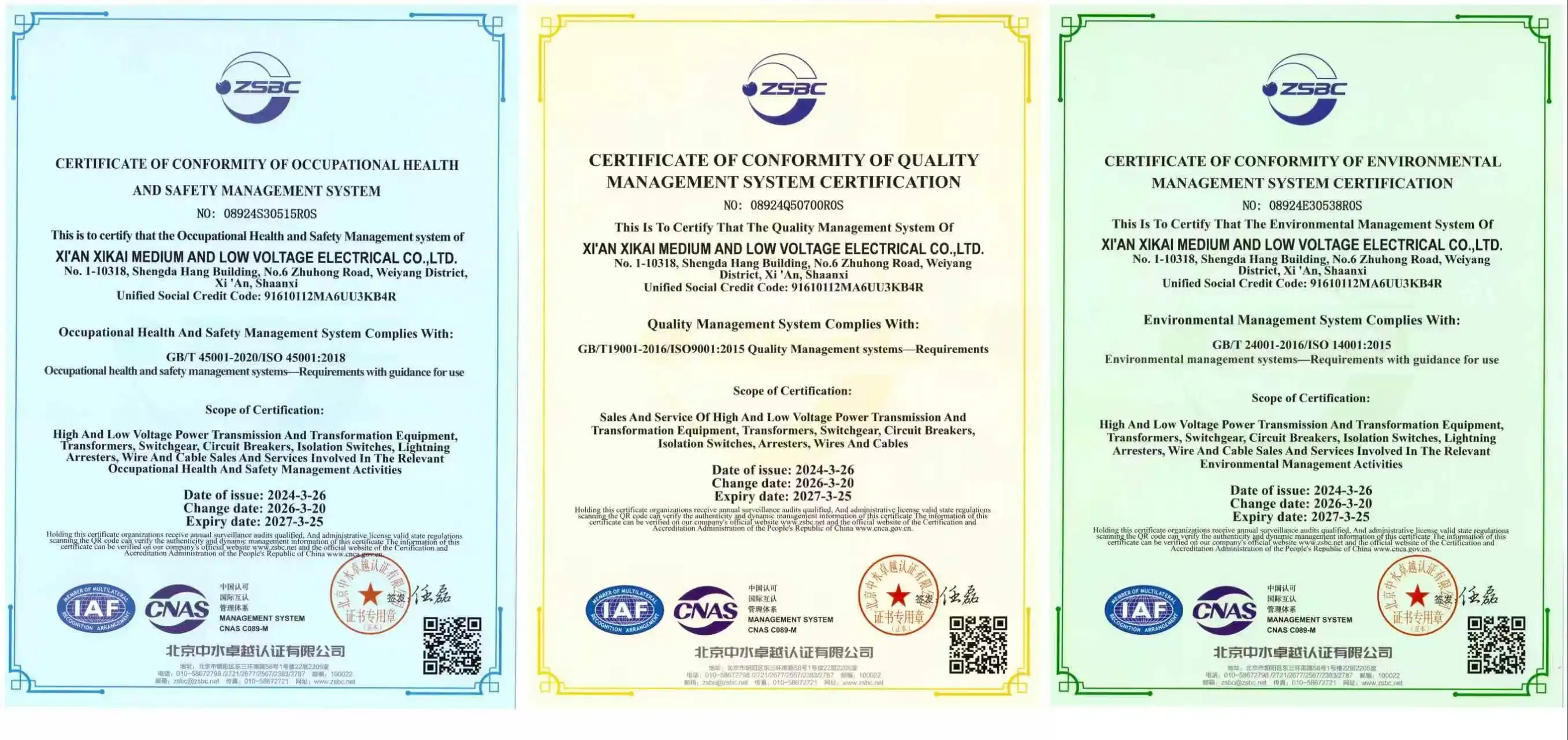
The first step in evaluating a manufacturing potential is to certify the plant. ISO 9001 for quality management and ISO 14001 for environmental compliance both show how to do things in a planned way. Ask for proof of testing labs that are approved and can do short-circuit confirmation according to IEEE C37 or IEC 62271 standards. A lot of providers say they can do tests, but they actually send them to outside labs, which adds cost and timing risk. Engineering knowledge is what sets good companies apart from great partners. Ask for case studies that show how similar applications have been used. Check how well they've written their technical documents. For example, thorough calculation reports, security coordination studies, and thermal analyses show that they know a lot about engineering. Suppliers who only offer list specs don't have the skills to really customize what you need. Warranty terms show how confident the maker is. Standard offers come with security for 12 to 18 months after they are commissioned. We offer warranties for up to 36 months on equipment that works within certain limits. These warranties are backed by detailed records of manufacturing quality controls and new material checks that keep broken parts from getting into assemblies.
Maintenance and Troubleshooting of Indoor High Voltage Switchgear
Systematic upkeep is needed for even the most reliable equipment to last as long as it's supposed to. When maintenance is put off for indoor high-voltage switchgear, small problems can turn into huge problems that stop activities and put people in danger.
Essential Maintenance Routines
Visual Inspections done every three months find weak connections, signs of overheating, like insulation that has turned a different color, and external poisoning. Thermal imaging cameras can find spikes that mean a joint has a high resistance level before they break. Technicians write down differences in the temperatures of the busbars; numbers more than 10°C above normal should be looked into right away. Mechanical Maintenance is all about working parts and moving parts. Breaker systems need to be oiled every 6 to 12 months, based on how often they are used. Withdrawable trucks need to have their rails cleaned and their balance checked every so often. Using micro-ohmmeters to measure contact resistance confirms that the parts are properly engaged; results above 100 microhms indicate wear or misalignment that needs to be fixed. Electrical Testing confirms that the safety gadget works. When checking relays, equipment simulates fault currents and measures reaction times and trip setpoints. Calibration drift is caught every year in tests, before it affects the organization's security. Using megohmmeters to test insulation resistance shows which materials are breaking down. If the reading is less than 1,000 megohms at the rated voltage, it means that moisture or contamination has entered and needs to be looked into.
Troubleshooting Common Issues
When breakers don't close, it's usually because the motors' springs aren't fully charged or there are problems with the control circuit. Check the extra contacts that show the position—differences between the mechanical and electrical places mean that the device needs to be adjusted. Low control voltage drops from a wire that is too small or connections that are rusted, stopping the coil from getting powered up. During operation, measuring the voltage at the closing coils shows that there are problems with the distribution. Nuisance trips are annoying for operators, but they are generally normal safety reactions to system disturbances. Record fault logger data that shows the voltage and current patterns when the trip happens. Inrush currents from turning on the transformer can look like short circuits to switches that aren't working together properly. It's possible for overcurrent protections to fall below their rated current because of harmonic distortion from variable frequency drives. Many cooperation problems can be fixed without putting safety at risk by changing time delays and pickup limits. When there is partial release action, it means that the insulation is starting to fail. Ultrasonic monitors can find corona discharge from rough edges or dirt on insulators. If partial overflow is not fixed, it wears away insulation until it breaks completely. Early discovery lets repairs be made for times when the power isn't needed, instead of having to be shut down in an emergency.
Safety Standards and Best Practices
We stress following NFPA 70E electrical safety rules and OSHA lockout/tagout rules very carefully. When doing repairs, technicians must make sure the work area is physically safe by turning off circuits, making sure there is no voltage, and using grounding devices. Approach limits set the shortest lengths between exposed wires based on the voltage level and the fault current that is available. Personal safety equipment, like arc-rated clothes with the right calorie rating, is the last line of defense if an unexpected energization happens.
Future Trends and Performance Optimization in Indoor High Voltage Switchgear
The electricity distribution business is at a turning point where digital technologies, Indoor High Voltage Switchgear, and the need to be environmentally friendly are coming together to change how Indoor High Voltage Switchgear is designed and how it is used.
Emerging Technologies Reshaping the Sector
Passive hardware becomes smart network links when it is digitalized. Modern designs have Ethernet connections and sensors built in that check dozens of factors, such as the temperature of the contacts, the state of the spring charging, the condition of the insulation, and the humidity in the air. Cloud-based analytics systems combine data from many sites and use machine learning algorithms to guess when parts will break down weeks before they do. By replacing time-based schedules with condition-based actions, predictive maintenance helps utilities cut down on unexpected outages by 35% and maintenance costs.SF6 options are being made because they are better for the environment. Fluoronitrile gas blends work about as well as other insulation materials, but they are 99% less likely to cause global warming. Vacuum technology keeps getting better in higher voltage areas that SF6 used to control. We are involved members of industry working groups that are creating the next wave of insulating media that don't harm the environment and are safe and reliable. Using modular building methods makes things more flexible and cuts down on wait times. Standardized sections are made in parallel and then put together in the final step based on how the customer wants them. With this method, birth times are cut from 16 weeks to 8 weeks, but customization choices are still available. Prefabricated assemblies also make installation easier in the field; units are checked at the plant and only need to be connected to complete them. This cuts the time needed for commissioning on-site from weeks to days.
Lifecycle Cost Reduction Strategies
The total cost of ownership is much higher than the price of the car itself. In big buildings, energy loss in busbars and connections costs hundreds of megawatt-hours every year. By choosing low-resistance materials and designing joints in the best way possible, you can cut costs by 15-20% and get your money back in less than three years through lower energy bills. With reliability-centered repair, resources are put on the parts that break down the most often and have the biggest effect on operations. Probabilistic risk studies find the most important circuits that would benefit from extra tracking or redundancy. Circuits that aren't important get basic repair, so money isn't wasted on equipment that doesn't make a difference. Remote tracking lets things that are spread out physically be managed from one place. A utility company that is in charge of 200 substations only sends workers when sensor data shows that they are needed, not when the calendar says they should. This method makes the best use of workers while also speeding up the time it takes to solve problems as they arise.
Preparing for Industry 4.0 Integration
For smart grid projects to work, equipment must be able to talk to distribution control systems without any problems. The IEC 61850 system makes it easier for safety devices, circuit breakers, and control centers to share information. Our IoT-compatible switchgear works with this system and lets faults be found, services restored automatically, and demand response programs that balance the intermittent nature of green energy be put in place. Cybersecurity issues become more important as the number of connected devices grows. As part of our defense-in-depth plans, we use encrypted communications, role-based access controls, and network separation to separate operating technology from corporate IT systems. Regular security checks and software changes keep you safe from new threats.
Conclusion
Opting for OEM/ODM Indoor High Voltage Switchgear is a smart investment in long-term competitiveness and operating robustness. Customized solutions meet specific needs that standard goods can't, providing higher safety, greater dependability, and better performance in a wide range of settings. Xi'an Xikai can make switching systems that are exactly what you need because they have both deep technical knowledge and flexible manufacturing capabilities. We will do more than just send the equipment; we will also provide full help throughout the asset's lifecycle. This way, we can make sure that your electrical infrastructure stays a competitive benefit and not a weakness. Your facility will be ready for decades of reliable, efficient operation if you make smart purchasing decisions today, taking into account technical needs, provider capabilities, and total cost of ownership.
FAQ
1. What lead times should we expect for custom OEM/ODM switchgear projects?
Lead times depend on how complicated the job is and how much customization is needed. Standard changes to current designs usually take 10 to 12 weeks from the time the order is placed until it is delivered. It takes 14 to 18 weeks for full custom solutions that include new mechanical plans, specialized control systems, or special environmental protection features. Sometimes, rush orders can be filled with faster planning and production plans, but there is an extra charge. Giving full specs during the initial question stage helps us make accurate delivery schedule predictions and avoid delays caused by changes made in the middle of a project.
2. How do you ensure compliance with international safety and environmental standards?
Our quality control system keeps up with the latest IEC 62271, IEEE C37, and ANSI standards for designing and testing switchgear. Every product is type-tested at approved labs that check the performance against the standards that apply. With every package, we include full test results and certificates of compliance. Environmental compliance includes manufacturing methods that are ISO 14001-certified, the right way to handle insulating materials, and proof that meets customer reporting standards for sustainability.
3. What warranty coverage and after-sales support do you provide?
The standard guarantee protects against production flaws and material failures for 24 months after the product is put into service. For systems that meet certain working conditions, warranties that last up to 60 months can be extended. Our world support network offers technical help via email at serina@xaxd-electric.com, amber@xaxd-electric.com, and luna@xaxd-electric.com. For serious problems, answer times are usually less than four hours. Spare parts are available for tools made over the past 20 years, which guarantees long-term supportability.
Partner with a Trusted Indoor High Voltage Switchgear Manufacturer
Xi'an Xikai creates engineered solutions that turn problems with electricity, Indoor High Voltage Switchgear distribution into benefits in the market. Our OEM/ODM services blend patented technologies created through national research programs with production excellence that has been shown to work in thousands of installations. Our team has the skills and resources to make sure your project succeeds, whether you're in charge of important infrastructure that needs to be up all the time, designing complicated industrial systems, or running utility networks for a wide range of customers. We make tools that can work at temperatures ranging from -25°C to +55°C and at heights of up to 4,000 meters. This lets us deal with environmental conditions that make it hard for other systems to work. Email our engineering experts at serina@xaxd-electric.com, amber@xaxd-electric.com, or luna@xaxd-electric.com to talk about your needs and get a full estimate.
References
1. IEEE Standard C37.20.2-2015, "IEEE Standard for Metal-Clad Switchgear," Institute of Electrical and Electronics Engineers, New York, 2015.
2. International Electrotechnical Commission, "IEC 62271-200: High-voltage switchgear and controlgear – Part 200: AC metal-enclosed switchgear and controlgear for rated voltages above 1 kV and up to and including 52 kV," Geneva, Switzerland, 2021.
3. Ravindran, M., "Modern Power System Protection: Arc Flash Hazards and Mitigation Techniques in Medium Voltage Switchgear," Electric Power Systems Research Journal, vol. 184, 2020.
4. National Electrical Manufacturers Association, "ANSI C37.20.3-2020: Standard for Metal-Enclosed Interrupter Switchgear," Rosslyn, Virginia, 2020.
5. Zhang, L. and Wang, Q., "Reliability Assessment and Maintenance Optimization for High Voltage Switchgear in Industrial Applications," IEEE Transactions on Power Delivery, vol. 36, no. 4, pp. 2145-2154, 2021.
6. Swindler, D. and Koch, H., "Gas-Insulated Switchgear: Technology and Environmental Performance," Springer International Publishing, Cham, Switzerland, 2019.