Uses of Low Voltage Fixed Type Switchgear in Distribution
2026-05-08 16:01:26
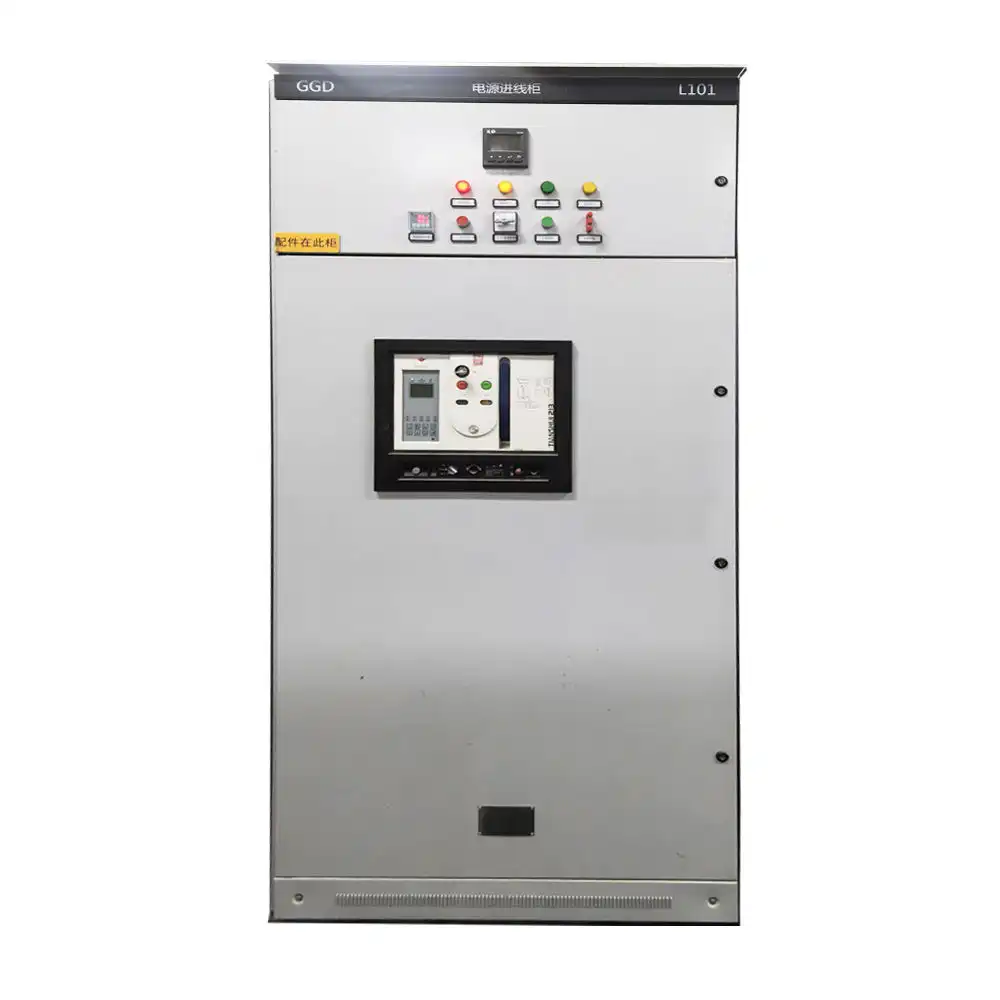
Low Voltage Fixed Type Switchgear serves as the backbone of modern electrical distribution systems, controlling and protecting circuits in manufacturing plants, data centers, hospitals, and utility networks. This equipment operates at 380V rated voltage, integrating circuit breakers, isolation switches, and busbars into a single compact assembly that manages power flow, prevents electrical faults, and enables safe maintenance operations. Unlike withdrawable alternatives, fixed configurations permanently mount components within enclosures, delivering cost-effective solutions for environments requiring reliable electrical protection without frequent component replacement.
 |
 |
Understanding Low Voltage Fixed Type Switchgear in Distribution
Core Components and Operational Principles
Low-voltage fixed-type switchgear distribution assemblies are made up of a number of important parts that all work together. In cases of overload or short-circuit, circuit breakers stop fault currents. Isolation switches, on the other hand, let workers turn off power to certain parts of systems for repair without affecting the whole system. Busbars split incoming power among several outgoing lines, and protective switches keep an eye on all electrical factors all the time. The fixed design keeps these parts inside metal cases all the time, so there's no need for the detachable systems that are used in draw-out designs. Modern units like the GGD series have stronger busbars that can handle short-circuit currents of up to 65kA. They also use materials that don't rust and can handle temperatures from -25°C to +55°C. This temperature stability is very important for petroleum plants and metalworking operations that have to deal with big changes in the environment.
Integration Within Industrial Power Networks
Distribution switchgear is the control hub that connects the power from the utility to the branch circuits that power things like machinery, lights, HVAC systems, and important loads. In factories, these parts make sure that CNC machines, conveyor systems, and automatic production lines get the power they need. They keep the power to server farms stable, because changes in voltage as little as 2% can cause equipment problems that cost thousands of dollars in downtime. Fixed switchgear is used by utilities at distribution substations, where modular designs allow for either horizontal or vertical busbar setups depending on available room. The IP54+ grade protects internal parts from dust and water getting in, so they can keep working properly in tough industrial settings.
Typical Application Scenarios
Fixed switchgear is used in commercial buildings to handle the distribution of power among multiple renters. This lets each tenant have their own meter and control their load. These systems separate emergency power lines from normal loads, which keeps life-support equipment running when the power goes out in hospitals. EPC contractors like pre-tested units because they are plug-and-play, which cuts the time needed to put them on-site by about 40% and speeds up the project plan. Knowing these operating contexts helps procurement managers choose equipment that fits the load needs, the surroundings, and the ability to be maintained. Long-term dependability and operating costs are directly affected by how well system requirements, Low Voltage Fixed Type Switchgear, and switchgear specs match up technically.
Benefits and Advantages of Low Voltage Fixed Type Switchgear for B2B Use
Reliability and Safety Compliance
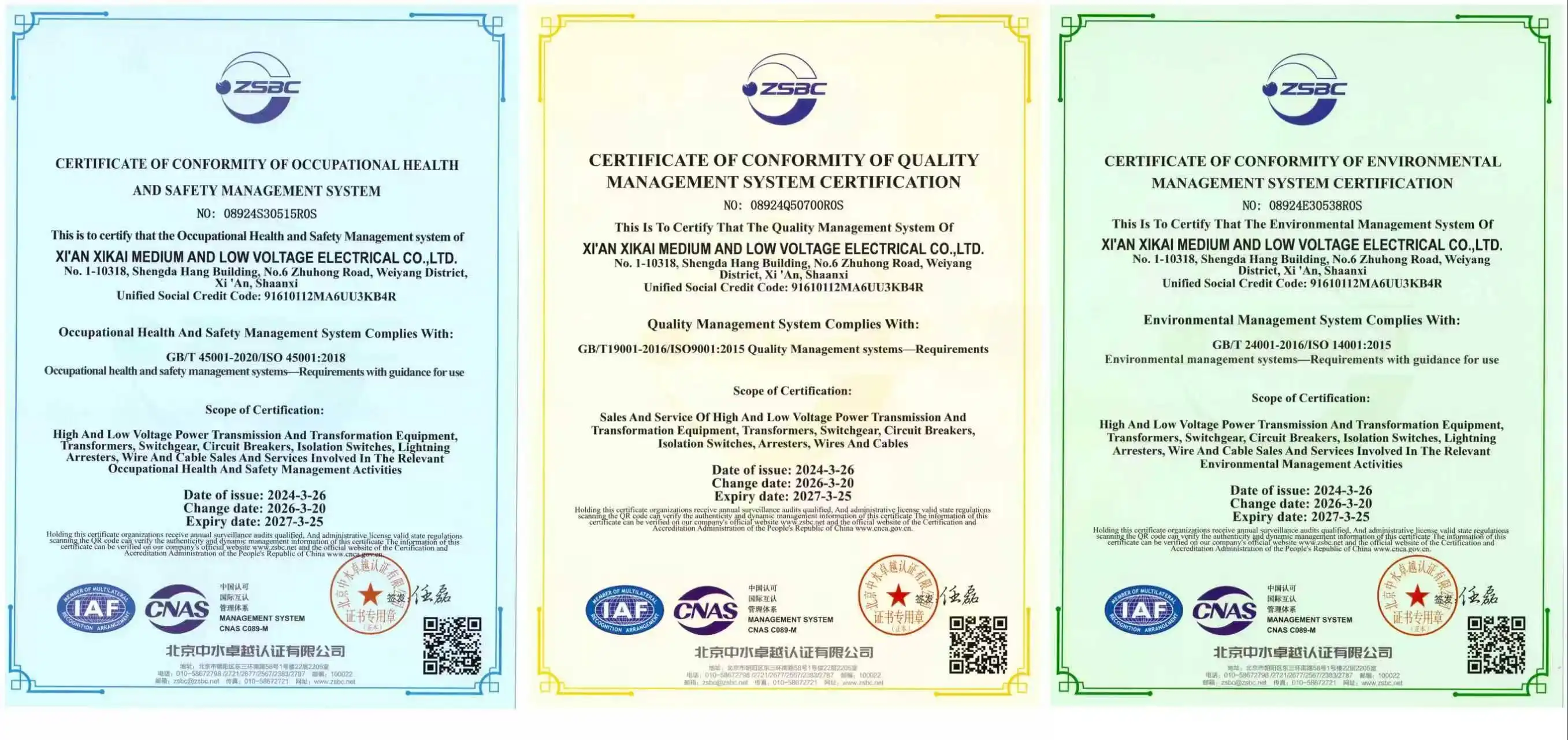
Low Voltage Fixed Type Switchgear designs get rid of wear-prone, movable contact mechanisms, which cuts down on failure spots that threaten the stability of the system. Following the rules in IEC 60439-1 and GB7251.1 makes sure that equipment fits global safety standards for things like electrical strength, short-circuit resistance, and temperature rise limits. These certifications protect facility owners legally and reassure insurance companies that sites follow accepted safety rules. Not having any parts that can be taken out makes electrical connections easier, lowering the contact resistance that causes heat and lowers performance over time. This way of thinking about design puts working continuity ahead of ease of maintenance. It works well for places where unplanned downtime means big losses in income.
Cost Efficiency Through Reduced Maintenance
Maintenance costs go down a lot when equipment doesn't need as many checks and new parts. Fixed setups get rid of the costs that come with draw-out cart systems, interlocking systems, and the special tools that are needed to take out modules. Visual checks, thermal imaging scans, and contact resistance readings are common annual maintenance tasks that can be done in hours instead of days. Making changes to energy efficiency saves even more money. Optimized busbar designs cut resistance losses by about 15%, which means that the facility will use less energy over its lifetime. This level of efficiency meets the requirements for LEED approval and EN 50600 data center standards. It also helps companies' efforts to be more environmentally friendly while lowering their costs.
Space Optimization and Installation Simplicity
Because they are small, compact buildings take up very little floor space, which is helpful in urban facilities where every square meter is valuable. Vertical layouts make the most of vertical space in equipment rooms that don't have a lot of it. Modular designs allow for stepwise growth, which means that facility managers can gradually add more space as demand rises without having to spend too much on the initial infrastructure. When you buy pre-assembled units, they come factory-tested and set up according to your specs, so you don't have to go through long setup processes. Standardized mounting measurements make it easier for contractors to connect to existing equipment, which they like. All of these benefits lower the risks of the project, speed up the time it takes to launch, and make it easier to figure out the return on investment.
Comparison: Low Voltage Fixed Type Switchgear vs. Other Types
Fixed Type Versus Withdrawable Switchgear
The major difference between Low Voltage Fixed Type Switchgear and other models is in the idea of maintenance. Withdrawable switchgear lets you take parts out of the system to fix or replace them somewhere else without having to wait for long periods of time. This is useful in places with backup systems and skilled maintenance teams. Fixed installations give up this freedom in exchange for lower prices, easier building, and higher dependability through fewer mechanical connections. Budget issues play a big role in this decision. Most of the time, fixed units cost 25–35% less than similar low-voltage fixed-type switchgear withdrawable systems. This can save a lot of money for big setups that need dozens of panels. It doesn't matter what kind of maintenance skills are used; sites that don't have trained workers who can safely remove energized parts benefit from fixed designs that need standard electrical maintenance methods.
Low Voltage Versus Medium Voltage Applications
The limits of an application are set by the voltage rating. Building distribution, industrial machinery, and local power networks all use low-voltage devices that work at 380V to 690V. Medium voltage equipment works with voltages between 3kV and 35kV and is often found in utility substations, big industrial plants, and sites for renewable energy. The choice relies on the size of the load, the distances between the outlets, and the rules that guide electrical systems. Low-voltage fixed switchgear works great when a straight equipment link is needed without a lot of transformation work. Standard motor voltages are the same as the 380V grade, so there is no need for step-down transformers or the losses that come with them. This directness makes designing systems easier and more efficient overall.
Brand Performance and Support Considerations
Siemens, ABB, Schneider Electric, Eaton, and GE are all well-known companies that offer complete product environments and global support networks. Their products come with advanced security algorithms, digital tracking tools, and certificates from a lot of tests. However, local companies like Xi'an Xikai offer competitive performance at good prices, especially for projects that focus on value engineering without sacrificing safety compliance. It's important to look at the technical help system. When manufacturers offer nearby repair centers, an inventory of spare parts, and trained techs, it speeds up the time it takes to respond to situations. Long-term relationships with responsive providers lower lifecycle costs by making it easier to plan upkeep and fix problems quickly.
Procurement Considerations for Low Voltage Fixed Type Switchgear
Specification Alignment and Customization
Accurate load estimates and environmental studies are the first steps to a successful procurement for Low Voltage Fixed Type Switchgear. Peak demand predictions tell us how much current a busbar can handle, and fault current studies tell us how much breaking power we need. Environmental factors like temperature, humidity, altitude, and types of contamination affect the specs and choices of materials for enclosures. Customization choices can be used to meet the specific needs of each location. Busbar layouts can be set up either vertically or horizontally, depending on the room that is available. Motor control centers, lighting panels, and custom loads are all put together in one assembly as part of protection plans. Communication methods make it possible for SCADA to be integrated into buildings that use smart grid technologies and strategies for planned upkeep.
Lead Times and Installation Support
Schedules for making regular catalog things and custom-engineered solutions are very different. Catalog items usually ship between 4 and 6 weeks, but custom setups may take 10 to 14 weeks for engineering review, manufacturing, and testing. These gaps need to be taken into account in project schedules, especially when working with building schedules and commissioning dates. Installation assistance services make a supplier's skills stand out. Full packages come with site studies, installation guidance, help with commissioning, and training for operators. These services are helpful for workers who don't know much about certain product lines or for places that are putting in new technologies. Clear paperwork with wiring diagrams, repair instructions, and troubleshooting tips makes it possible for operational teams to handle equipment well.
Cost Transparency and Sourcing Strategies
The total cost of purchase includes the price of the equipment, the cost of sending it, the cost of labor to install it, and the cost of commissioning it. Clear quotes break down these parts into their individual costs, so there are no surprises that cause the budget to go over. Multi-panel orders qualify for volume savings, which encourage centralized purchasing strategies that make sure all sites use the same equipment. It takes a lot of thought to find the right balance between company image and budget constraints. Premium makers charge higher prices because their products have more licenses, more advanced features, and better support networks. Different providers who offer IEC-compliant products at reasonable prices are good for projects that need to stay within a budget and where standard specs meet performance needs without the need for extra features.
Maintenance and Safety Best Practices for Long-Term Operation
Routine Inspection Protocols
Setting up structured maintenance plans for Low Voltage Fixed Type Switchgear keeps machinery reliable and increases its useful life. Visual checks every three months find weak connections, signs of corrosion, and environmental damage that needs to be fixed. Every year, thermal imaging studies look for hotspots that show signs of contact damage or overloading before they break. Electrical tests are done every three years to check the insulation resistance, contact resistance, and safety relay calibration. Documentation techniques help with following the rules and looking at past trends. Predictive maintenance methods are made possible by maintenance logs that keep track of check results, corrective actions, and part replacements. By keeping an eye on temperature changes across similar feeds, you can spot problems as they start to form and fix them before they cause damage to the equipment.
Compliance Standards and Safety Training
Following IEC 61439, UL 891, and local electricity codes makes sure that setups meet all legal and insurance requirements. As building codes change and facilities are updated, regular checks make sure that ongoing compliance is still being met. Arc flash danger assessments figure out what safety gear repair workers need and how far away they can work safely. Operational teams learn the right way to use lockout-tagout processes, handle emergencies, and fix basic problems as part of comprehensive training programs. Knowing how an isolation switch works keeps it from turning on by chance during repair. Identifying strange sounds, smells, or visual clues lets you find problems quickly, reducing the risk of damage to equipment and safety concerns.
Upgrade Pathways and Modernization Options
As technology improves, it becomes possible to improve older systems without replacing them completely. Thermal-magnetic breakers are made better with digital protection switches, which add remote tracking and customizable trip features. Communication kits add SCADA access to old panels, allowing for centralized control and data collection. Energy meters show how much energy is being used, which helps with saving efforts and cost-sharing. When making plans to upgrade tools, it's important to think about how long it will last, whether it will work with new parts, and how much better it will perform. Modernization plans that happen in stages weigh the costs of new systems against the benefits they bring to operations, giving priority to the most important systems while sticking to a strict budget.
Conclusion
Low Voltage Fixed Type Switchgear is a practical choice for buildings that want to prioritize dependability, cost-effectiveness, and ease of use in their electrical distribution systems. The set design meets strict international safety standards and provides reliable performance by keeping mechanical complexity to a minimum. For procurement to go well, there needs to be clear alignment of specifications, a cost analysis that is easy to understand, and smart partnerships with suppliers that balance performance needs with budget facts. Long-term working integrity is ensured by good repair practices and strict obedience with regulations. This protects capital investments and supports business continuity. As factories, shopping centers, and utility networks update their infrastructure, knowing what these systems can and can't do helps people make decisions that improve the performance of electricity distribution.
FAQ
1. What distinguishes fixed type from withdrawable switchgear?
Low Voltage Fixed Type Switchgear firmly sets circuit breakers and other parts inside enclosures. For major fixes, the whole panel has to be turned off. Withdrawable designs have modules that can be taken out for repair while the circuits next to them stay working. Fixed designs are less expensive and more reliable because they are easier to build, while withdrawable types give facilities with redundant systems more repair options.
2. Can fixed switchgear accommodate customization?
Many things can be changed about modular designs, such as the order of busbars, protection methods, and communication protocols. Manufacturers put together systems that meet particular needs for load, climate, and building integration. Custom choices include metering kits, SCADA connections, and protective switches that aren't available in the normal collection.
3. How frequently does fixed-type switchgear require maintenance?
Visual checks every three months, thermal scans once a year, and electrical testing every three years are common maintenance periods. These plans keep things reliable while reducing the amount of downtime that happens. Actual rates change based on how harsh the climate is, how much load is being used, and what the maker recommends. When you take care of your tools properly, they will last longer than 25 years.
Partner With Xi'an Xikai for Superior Low Voltage Switchgear Solutions
Electrical distribution problems are solved by Xi'an Xikai Medium & Low Voltage Electric Co., Ltd., which has been making GGD Low Voltage Fixed Type Switchgear that meets IEC 60439-1 and GB7251.1 standards and offers great value for business and industrial uses. Our modular 380V systems combine high breaking capacity security with thermal stability, making them suitable for a wide range of settings, from normal buildings to sites on plateaus that work at heights of up to 4,000 meters. We work with factories, data centers, utility networks, and EPC contractors that need trusted suppliers that are dedicated to providing custom solutions and quick expert support. Contact our team at serina@xaxd-electric.com, amber@xaxd-electric.com, or luna@xaxd-electric.com to discuss your project requirements and discover how our proven products enhance operational uptime while reducing total ownership costs.
References
1. International Electrotechnical Commission. (2019). "Low-voltage switchgear and controlgear assemblies - Part 1: General rules." IEC 61439-1:2011+AMD1:2013.
2. National Electrical Manufacturers Association. (2020). "Industrial Control and Systems: Low Voltage Switchgear and Controlgear." NEMA Standards Publication ICS 18-2020.
3. Institute of Electrical and Electronics Engineers. (2018). "IEEE Recommended Practice for Electric Power Distribution for Industrial Plants." IEEE Std 141-2017 (Red Book).
4. Beaty, H. Wayne & Fink, Donald G. (2021). "Standard Handbook for Electrical Engineers, 17th Edition." McGraw-Hill Education Professional.
5. Das, J.C. (2022). "Power System Protection: Fundamentals and Applications." CRC Press, Taylor & Francis Group.
6. Schlabbach, Jürgen. (2020). "Short-Circuit Currents in Three-Phase Systems: Analysis, Calculation and Software." Institution of Engineering and Technology (IET).