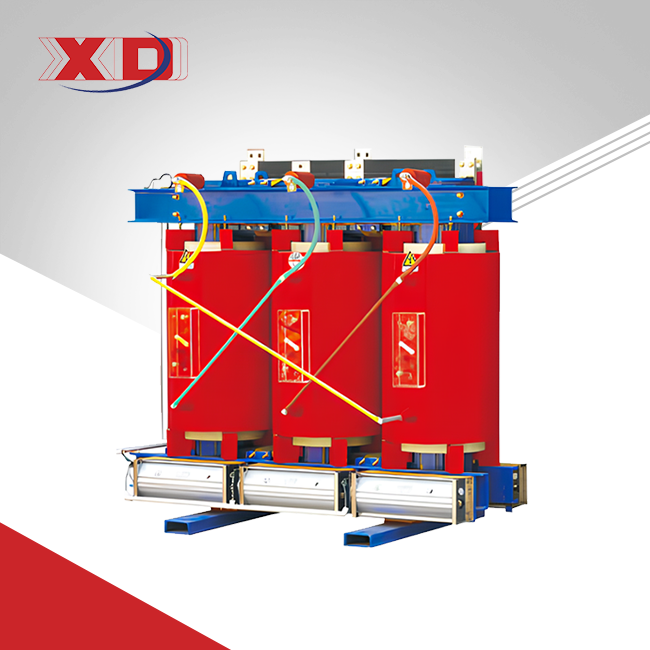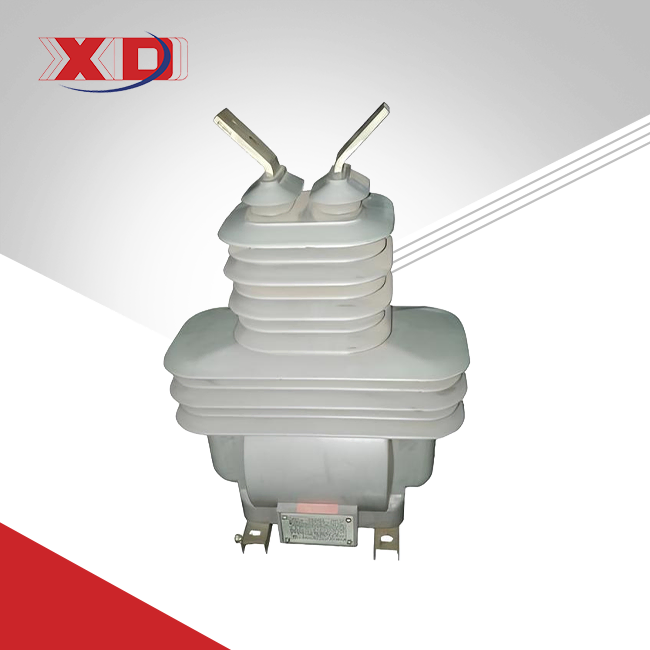
Oil-Immersed Transformers: What Makes Them Essential in Power Distribution?
2026-05-28 15:55:58
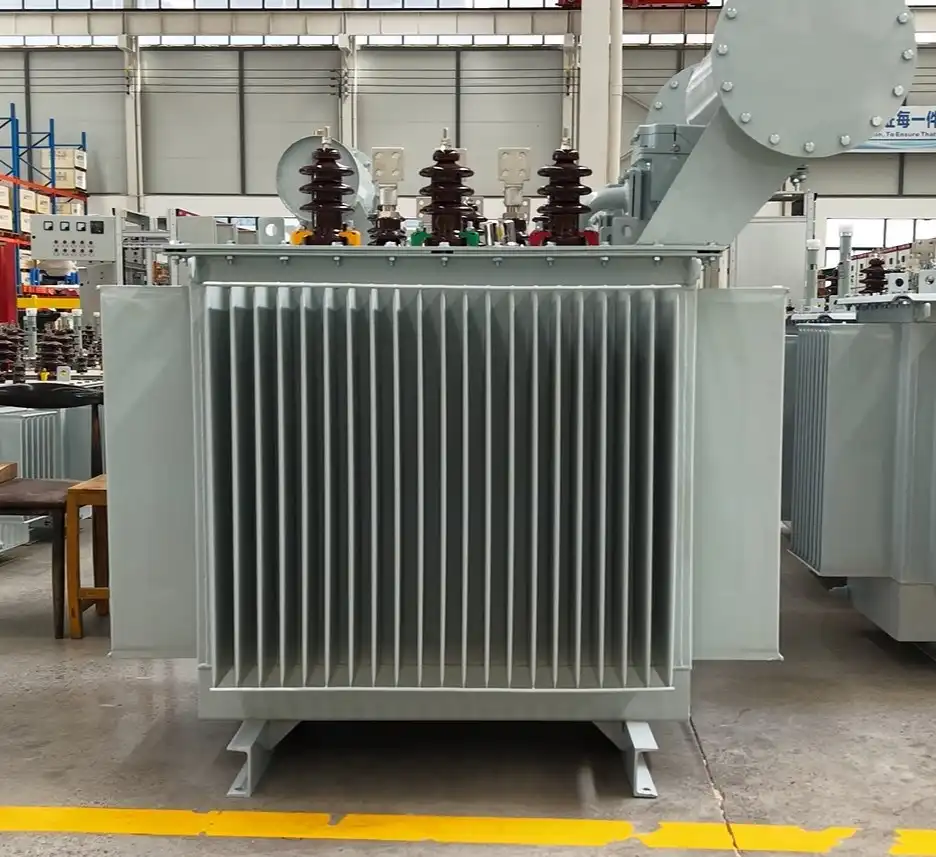
Power supply in industrial, commercial, and utility networks relies on Oil-immersed Distribution Transformers. These machines convert transmission-level inputs like 10kV, 35kV, and 110kV to end-equipment-usable voltages using insulating oil for cooling and isolation. Their sealed construction and thermal management skills help facility operators, utility managers, and EPC firms find equipment that combines efficiency, durability, and operational flexibility in difficult conditions.
 |
 |
Understanding Oil-Immersed Distribution Transformers
Core Construction and Operating Principles
Every oil-filled transformer has a laminated silicon steel core that transmits magnetic flux between primary and secondary windings. The insulating oil around these components distributes energy conversion heat and avoids high-voltage conductor breakage. Modern versions use corrugated tanks with more surface area to allow natural convection currents to transfer hot oil toward cooling fins as cooler oil falls.
A transformer's magnetic core employs grain-oriented steel with overlapping joints to reduce eddy current losses and magnetostriction noise. High-purity copper or aluminum windings carry electricity and withstand short-circuit pressures. Tap changers modify winding ratios to maintain output voltage despite grid supply or load demand variations, which is useful in data centers and hospitals with low voltage tolerance margins.
Types of Insulating Oils and Their Trade-Offs
Buyers must examine three main oil classifications when specifying transformers. Mineral oil from petroleum is the industry standard due to its dielectric strength, thermal conductivity, and affordability. High-flash-point mineral oils (above 140°C ignition temperature) lessen urban fire danger. Synthetic esters are 3-4 times more expensive than mineral counterparts but have better biodegradability and fire resistance, making them appropriate for environmentally sensitive areas like water treatment facilities and nature reserves. Natural esters made from vegetable oils have smaller carbon footprints but require more regular oil quality monitoring owing to rapid oxidation.
Maintenance and ownership expenses depend on the option. Sealed mineral oil-conservator systems can last 30+ years without oil changes, whereas natural ester units need oil analysis every 18-24 months to check acidity and moisture penetration. Our S13 and S18 series Oil-immersed Distribution Transformers are compatible with all three oil types, allowing clients to balance performance, sustainability, and affordability.
Key Benefits and Performance Advantages
Superior Thermal Management and Overload Capacity
Oil circulation cools dry-type systems four times better than air, allowing larger power densities in small enclosures. This thermal advantage gives our units overflow capacity—150% rated load for two hours during production peaks or emergency grid conditions—preventing costly shutdowns in mining or industrial plants. Oil's heat absorption slows winding temperature rise, conserving insulation and prolonging equipment life to 35-40 years with regular maintenance.
Corrugated tanks increase heat dissipation without fans or pumps. Radiator fins enhance cooling surface by 40-60% over flat-walled tanks, keeping oil temperature at 60°C above ambient at full load. Passive cooling reduces forced-air system mechanical failure spots and auxiliary equipment energy usage.
Comparing Oil-Immersed and Dry-Type Solutions
Industrial purchasers consider more than pricing when choosing transformer technology. At ratings over 1000kVA, oil-filled units cost 20-30% less than dry-type versions because to lower no-load losses and maintenance intervals. Our improved core designs reduce standby power usage by 30%, saving $8,000–$15,000 annually for a 1500kVA 24/7 machine at U.S. industrial electricity prices.
Environmental factors affect site-specific choices. Dry transformers ease installation in fire-coded buildings by eliminating oil containment. Modern sealed oil units with secondary containment systems and leak detection fulfill NFPA interior placement regulations and operate quietly—under 65dB at one meter compared to 70-75dB for vented dry versions. The lowered acoustic signature is crucial for hospitals, university campuses, and mixed-use complexes with noise restrictions.
At renewable energy partial loads, oil technology is more efficient. Our low-loss transformers retain 99% efficiency compared to 96-97% for dry kinds while solar inverters and wind turbines operate at 30-70% capacity. Utility-scale renewable plants' ROI improves over 25 years due to this 2-3% efficiency boost.
Advanced Cooling Methods and Longevity Impact
Natural oil circulation (ONAN) regulates temperatures using convection and tank design for loads up to 2500kVA in most regions. Larger utility transformers use forced oil/forced air (OFAF) systems to pump oil via exterior radiators with fan-driven airflow to reach 100MVA and higher. Directed flow cooling reduces thermal stress on insulating materials that deteriorate dramatically with temperature in winding constructions' hotspots.
Method of cooling impacts maintenance intensity. OFAF systems require quarterly pump seal checks and fan motor repair, while passive ONAN devices only need yearly visual inspections and triennial oil sampling. We design corrugated tank transformers with 25% thermal buffer over nameplate rated for future load expansion without forced cooling retrofits. This design philosophy fits utility grid development scenarios that quadruple substation capacity in 10-15 years.
Maintenance, Testing, and Common Issues
Routine Inspection Protocols and Oil Quality Monitoring
Quarterly visual examinations of oil levels, bushings, and gaskets start proactive maintenance. Abnormal tank pressure gauge readings indicate internal defects, while silica gel breather color indicates moisture contamination necessitating desiccant replacement. Hot areas from weak connections or circulating pump failures are detected by annual thermographic scanning before costly outages.
Predictive maintenance relies on oil testing. Dissolved Gas Analysis (DGA) measures hydrogen, methane, ethylene, and acetylene concentrations—combustible gases produced when electrical arcing or overheating decomposes insulating materials—to find early flaws. IEEE C57.104 recommends yearly DGA for transformers above 10MVA or biannual testing for smaller equipment. IEC 60422 dielectric breakdown voltage tests demonstrate the oil has minimum 30kV insulation strength, and moisture content testing ensure levels stay below 20ppm to prevent winding damage.
Each transformer delivery includes detailed test reports to establish baseline criteria for field servicing. Our technical experts teach client maintenance staff oil sampling and laboratory findings interpretation, enabling data-driven repair vs replace choices.
Diagnostic Techniques and Troubleshooting Common Failures
Perform turns ratio testing to ensure voltage transformation accuracy within ±0.5% tolerance, detecting manufacturing faults or through-fault current damage. Power factor testing detects insulation contamination before flashovers, while winding resistance tests indicate shorted turns or inadequate tap changer contacts. Frequency response study maps winding structure mechanical deformation, useful following earthquake or vehicle effects.
Moisture-induced insulation breakdown, gasket joint or bushing base oil leaks, and obstructed cooling route overheating are common failure modes. Critical asset partial discharge monitoring systems detect corona activity at 10-100 picocoulombs, six to twelve months before insulation failure. Early detection allows scheduled repairs during planned outages rather than emergency replacements that impair production or grid operations.
Commissioning temperature rise testing verifies devices satisfy IEC 60076 limits: 65K averagCommissioning temperature rise testing verifies Oil-immersed Distribution Transformer devices satisfy IEC 60076 limits: 65K average winding rise and 55K peak oil rise over ambient. Deviations indicate manufacture faults or inappropriate cooling system functioning that must be fixed before warranties expire. The 24-hour pressure testing methodology for welded tank seams removes leak hazards from poorly constructed tanks, reducing field failure rates to 0.1% yearly.e winding rise and 55K peak oil rise over ambient. Deviations indicate manufacture faults or inappropriate cooling system functioning that must be fixed before warranties expire. The 24-hour pressure testing methodology for welded tank seams removes leak hazards from poorly constructed tanks, reducing field failure rates to 0.1% yearly.
Choosing the Right Oil-Immersed Transformer for Your Business
Capacity Planning Based on Load Requirements
Peak demand, power factor, and expansion demands must be considered while sizing transformers. Short-circuit impedance ratings of 4-6% are needed to reduce fault currents and preserve voltage regulation in motor-driven industrial facilities with inrush currents 6-8 times operating load during equipment starts. As data centers and hospitals require finer voltage tolerances (±2%) than manufacturing facilities (±5%), tap changer ranges of ±2.5% in five steps are preferred over simpler off-load tap designs.
Mixed-use complexes with peak residential, retail, and office components diminish capacity due to load variety. Diversity estimates may only need a 3.5MVA transformer for a 5MW linked load with coincident demand patterns. We help EPC businesses with load flow modeling and harmonic analysis to ensure transformer ratings meet current and 20-year load increase estimates without costly premature replacements.
Environmental Conditions and Site-Specific Customization
Temperature extremes, altitude, and pollution greatly affect transformer performance and longevity. In coastal sites where salt spray promotes corrosion, our IP55 enclosures endure dust storms and humidity. Through sophisticated oil compositions and tank heating technologies that prevent wax formation, units rated for -40°C to 55°C operate in arctic and desert regions without derating.
Above 1000 meters, air density and cooling efficiency decrease, requiring capacity derating or forced ventilation modifications. Strong mounting structures and flexible bushing connections are needed to survive Zone 4 seismic accelerations without failure. ATEX-certified explosive environment versions have pressure release mechanisms and non-sparking accessories for petrochemical and grain handling applications.
We oversize neutral conductors and use K-factor ratings to prevent non-linear current waveform overheating in winding arrangements for harmonic-heavy loads from variable frequency drives and rectifiers. Vertical winding and smaller tanks allow urban substations to fit inside utility vaults while retaining electrical performance.
Standards Compliance and Total Cost of Ownership
Energy efficiency rules like DOE 2016 and EU EcoDesign Directive require amorphous metal cores or grain-oriented steel with laser-scribed flux channels for maximum no-load and load loss restrictions. Our Level 2 energy-efficient versions reduce no-load losses 25-40% below S11 designs. At $0.12/kWh industrial rates, a 1500kVA unit saving 4500W in no-load losses saves 39,400 kWh, or $4,700 annually.
Installation, maintenance, and disposal must be included in total costs. Factory-tested pad-mounted transformers save field commissioning time by 40% compared to separately supplied components, saving contractor costs and speeding project timeframes. Risk-averse procurement teams may avoid budget uncertainty with 10-year parts, labor, and oil analysis guarantees. Our recycling operations support company sustainability goals by recovering 95% of old unit steel, copper, and oil without landfill disposal expenses.
Supplier Evaluation and Authentication Criteria
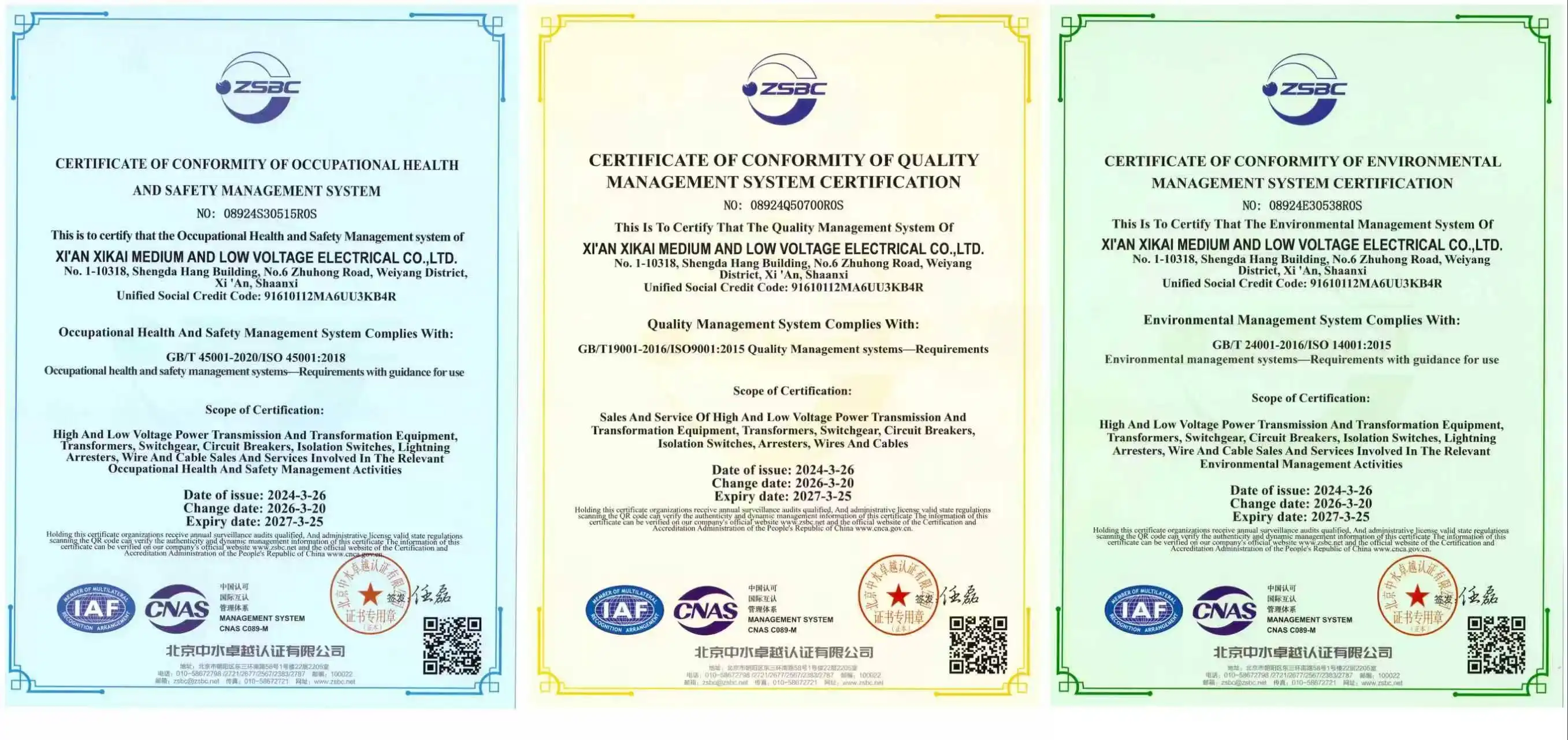
Checking certifications, production capabilities, and after-sales support is necessary to choose certified Oil-immersed Distribution Transformer manufacturers. IEC 60076, ISO 9001, CE, UL, and GOST-R certifications attest to international quality and safety standards. A factory audit should evaluate material traceability, process control documentation, and completed goods testing facilities using impulse voltage generators and partial discharge measuring equipment.
Long-term partnership value goes beyond purchases. Field personnel trained on our products work in regional service centers across North America to respond to major failures within 24 hours. Bushings, tap changer mechanisms, and new oil ships are available within 48 hours, reducing industrial downtime that costs $50,000–$200,000 per hour.
Procurement and Delivery Insights for B2B Clients
Bulk Ordering Protocols and Specification Customization
Standardized designs save engineering costs and facilitate spare parts management for large projects. Multi-substation utilities upgrading outdated infrastructure define similar platform designs with modular ratings from 500kVA to 2500kVA, sharing tank geometries, bushing arrangements, and accessory packages. Volume commitments of 20+ units unlock 12-18% pricing reductions and priority manufacturing slots during high demand.
Details on winding voltage, tap range, impedance tolerance, cooling class, accessory packages, and environmental ratings are needed for customization. Our professional project engineers assess specifications against production capabilities and propose value-engineering solutions that match functional requirements at optimum prices. Before production, clients check three-dimensional CAD models and submission drawings to avoid costly field adjustments due to dimensional disputes or incompatible interfaces.
Pricing Variables and Warranty Coverage
Long-term procurement projects have budget uncertainty due to copper, steel, and oil commodities prices affecting transformer prices. For agreed orders, we provide 180-day price-lock agreements to safeguard clients from material cost increases throughout engineering and permitting. Established clients or government contracts needing performance bonds can negotiate 30% deposit, 60% before shipping, and 10% retention after commissioning.
Comprehensive warranties cover manufacturing flaws, material failures, and workmanship for 10 years from commissioning or twelve years from shipment. Extending coverage by five years for 3-5% of equipment cost is a good investment for mission-critical installations with revenue losses and emergency procurement premiums. Loaner units are provided for installations that cannot tolerate interruptions to accelerate warranty claims.
Lead Times and Shipping Logistics
When ordered, standard catalog goods arrive in 8-12 weeks, whereas engineered-to-order pieces take 14-18 weeks for design approval, material sourcing, production, and testing. Emergency replacement slots accelerate schedules to 6-8 weeks for ratings under 2500kVA at 25-35% premium prices. Copper windings and specialized steel are kept in stock at our factories to respond to unexpected demand increases.
Transformer carrying equipment with air-ride suspension and escort cars for large loads exceed highway limitations are used for continental US exports. Export packing, humidity control packaging, and shipping container selection based on unit size and destination port handling capabilities are needed for international delivery. For on-time delivery that matches construction timetables and utility outage periods, we arrange customs documentation, freight transportation, and receiving site logistics.
Conclusion
Power networks requiring voltage transformation, thermal robustness, and operational economy need Oil-immersed Distribution Transformers. They meet industrial, utility, and renewable energy demands with their proven cooling efficiency, overload tolerance, and prolonged service life. To minimize overall ownership costs, capacity, environmental, efficiency, and supplier needs must be considered. Regular oil testing, diagnostic monitoring, and preventive maintenance improve asset dependability and save downtime. Oil-filled transformer technology advances through material advancements and automated monitoring integration as power distribution infrastructure becomes more efficient and sustainable.
FAQ
1. How does sealed tank design affect transformer reliability?
Sealed systems prevent oil oxidation and moisture penetration that deteriorate insulation. This architecture increases oil service life to match the transformer's operating lifespan—often 30+ years—without oil change. Conservator versions have silica gel breathers for heat expansion and pressure relief systems for internal defects.
2. What monitoring systems provide early fault detection?
Online dissolved gas analyzers predict failures 6-12 months ahead by tracking hydrogen and acetylene trends. Fiber optic temperature sensors in winding hot spots detect thermal anomalies before insulation degradation. Corona activity is detected early by partial discharge monitoring, allowing proactive repairs during regular maintenance periods rather than emergency interruptions.
3. Can oil-immersed transformers operate in extreme climates?
Specialized oil compositions and temperature management allow properly designed Oil-immersed Distribution Transformers to operate in -40°C arctic and 55°C desert situations. Large cooling surfaces manage high ambient heat, while tank heaters prevent oil congealing at low temperatures. In coastal locations, IP55 enclosures operate well despite dust storms, humidity, and salt spray.
Partner with a Trusted Oil-Immersed Distribution Transformer Manufacturer
Xi'an Xikai solves your toughest power distribution problems with 25 years of transformer engineering experience. Industrial operators, utilities, and EPC companies need thermal performance, customization flexibility, and compliance credentials from our S13 and S18 series Oil-immersed Distribution Transformers for mission-critical installations. The manufacturer performs DGA baseline analysis, impulse voltage verification, and 24-hour pressure testing on every device before export. Our technical professionals at serina@xaxd-electric.com, amber@xaxd-electric.com, and luna@xaxd-electric.com can review your project specs and provide thorough quotes within 48 hours.
References
1. Institute of Electrical and Electronics Engineers. (2019). IEEE Guide for Loading Mineral-Oil-Immersed Transformers and Step-Voltage Regulators. IEEE Standard C57.91-2011 (Revision).
2. International Electrotechnical Commission. (2021). Power Transformers – Part 1: General Requirements. IEC Standard 60076-1:2011+AMD1:2018.
3. Heathcote, Martin J. (2020). The J & P Transformer Book: A Practical Technology of the Power Transformer (14th Edition). Butterworth-Heinemann.
4. U.S. Department of Energy. (2016). Energy Conservation Program: Energy Conservation Standards for Distribution Transformers. Federal Register Vol. 81, No. 74.
5. Tenbohlen, Stefan; Jagers, Joachim; Breitenbauch, Bernhard. (2018). "Diagnostics and Monitoring of Power Transformers," CIGRE Session Papers, Study Committee A2.
6. Salustiano Fagundes, Claudio; Oliveira, Jose Carlos. (2017). "Thermal Analysis and Life Estimation of Oil-Immersed Power Transformers," International Journal of Electrical Power & Energy Systems, Vol. 93, pp. 458-467.