All You Need to Know about Switch Disconnectors
2026-05-28 15:55:59
Switch disconnectors, especially Indoor disconnect switches, are essential to industrial and commercial electrical safety. These essential devices isolate electricity for maintenance, emergencies, and system updates. Instead of circuit breakers that automatically interrupt fault currents, indoor disconnect switches have visible isolation points that technicians may check before starting work. Understanding switch disconnector principles provides operational continuity, regulatory compliance, and people protection while managing a data center's uninterrupted power supply or substation maintenance schedules.
 |
 |
Understanding Indoor Disconnect SwitchesWhat Are Indoor Disconnect Switches and Their Primary Functions?
Indoor disconnect switches manually de-energize circuits before repair in electrical distribution systems. These switches ensure electrical separation with a visible air gap between conductors. Isolating transformers, safeguarding people during equipment service, and allowing dual-supply bus transfer procedures are their main roles. Manufacturing firms use these switches to protect motor control center workers, while hospitals use them for crucial system segmentation without affecting life-support equipment power flows.
How Indoor Disconnect Switches Differ from Circuit Breakers?
The difference between disconnect switches and circuit breakers is function, not look. Circuit breakers protect equipment by interrupting power supply in milliseconds when overcurrent occurs. Manual indoor disconnect switches create isolation gaps for safe human intervention under no-load situations. Utility circuit breakers safeguard against faults and disconnect switches isolate visually. Opening a disconnect switch under load causes dangerous arcing that can damage equipment and injure people. Good interlocking systems avoid operational mistakes.
Types of Indoor Disconnect Switches
Indoor disconnect switches are available in a variety of configurations to meet operational needs:
1. Fused versus Non-Fused Designs: Fused disconnect switches include replacement fuse elements rated for specified amperage levels and isolate and protect against overcurrent. Non-fused variations isolate without protection, needing upstream overcurrent devices. Data centers employ fused distributed power distribution units, whereas industrial substations choose non-fused versions with relaying systems for safety.
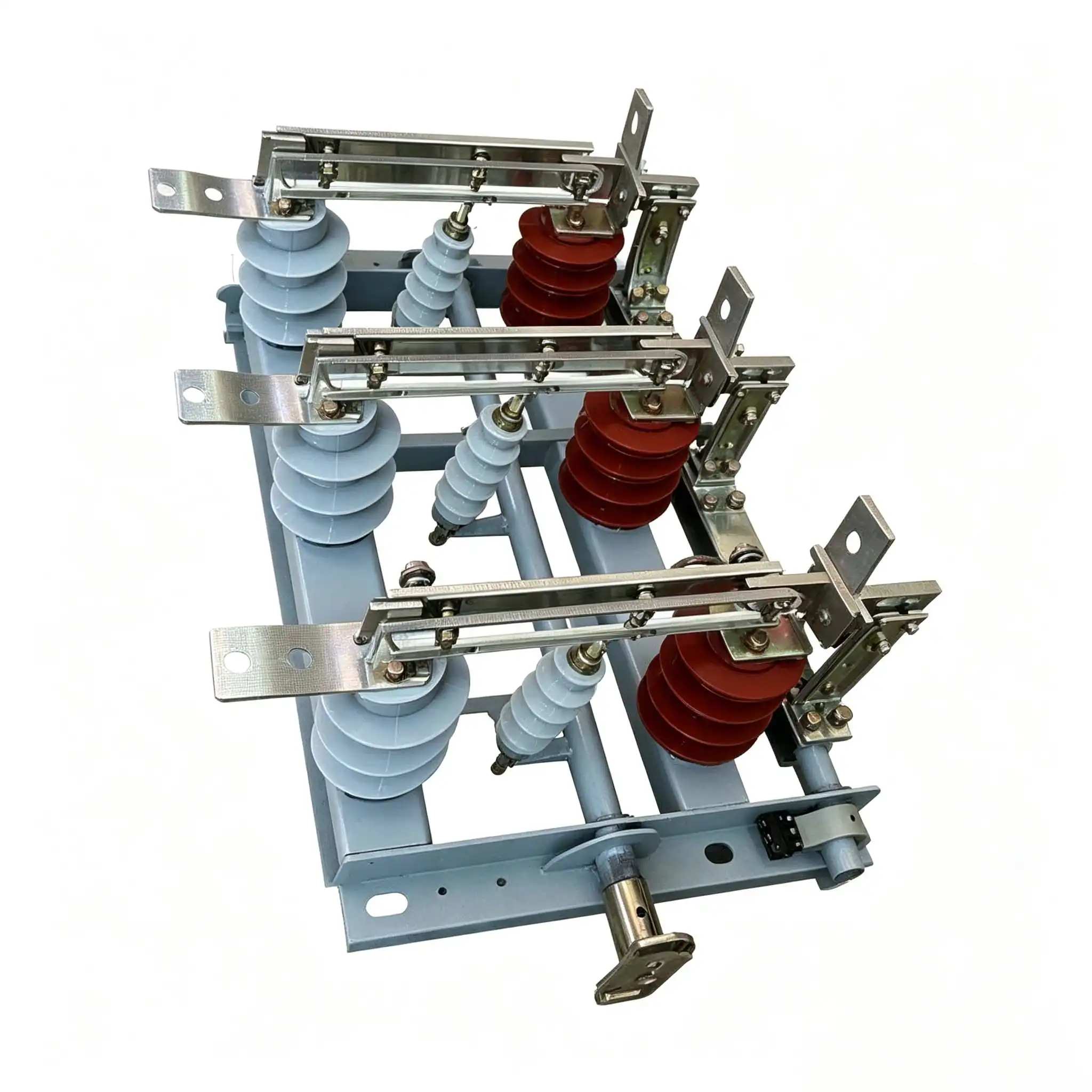
2. Load-Break versus Non-Load-Break Switches: Standard disconnect switches require zero current flow before functioning. Load-break switches have arc suppression chambers to safely halt transformer magnetizing currents. The GN24 High Voltage Disconnect Switch from Xi'an Xikai is non-load-break and requires circuit breaker coordination for safe functioning.
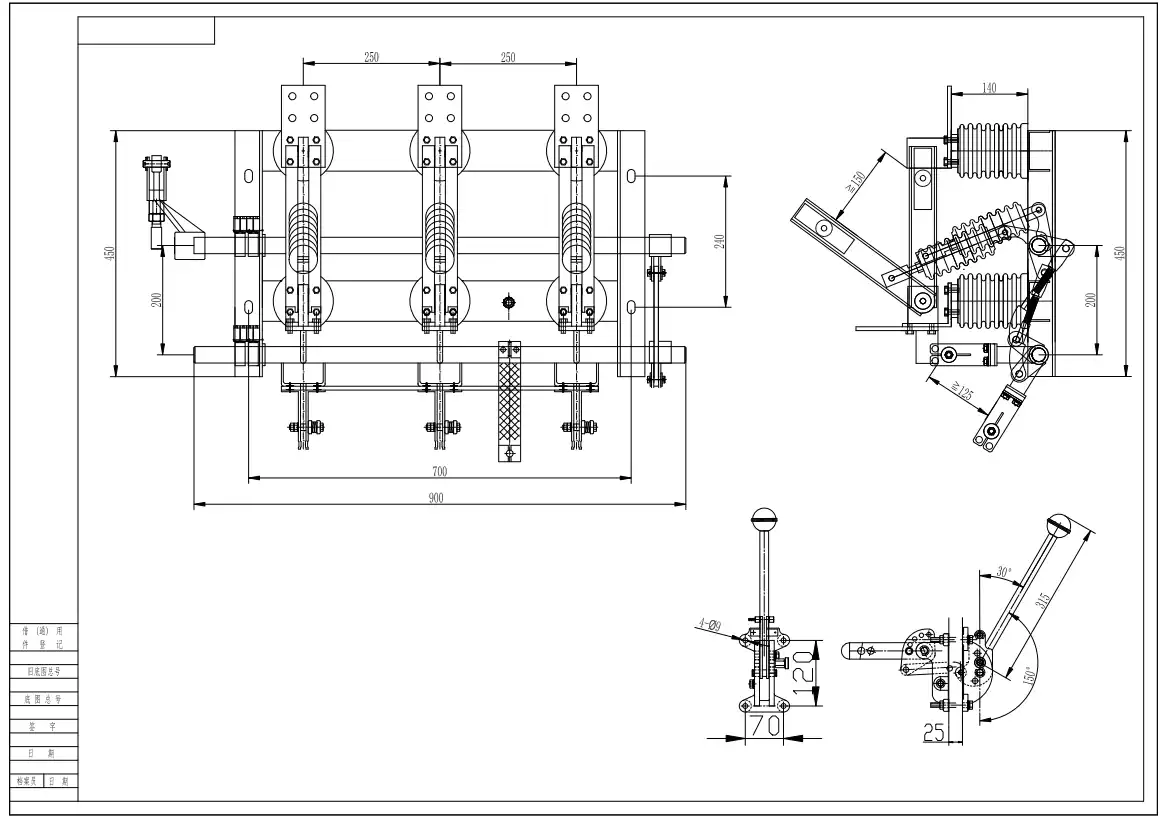
3. Insulation Types and Mounting Configurations: Gas-insulated designs use SF6 or air insulation in sealed enclosures, whereas post-type insulation supports conductive blades with solid dielectric materials. Through-wall installation lets switches pass enclosure walls, enabling compartment connections. Through-wall mounting allows Xi'an Xikai's GN24 to be installed over switchgear partitions in 12kV systems rated 400A to 1250A.
Key Considerations for Installation and Safety
Installation Guidelines and Electrical Code Compliance
Indoor disconnect switches must be installed according to NEC Article 408 and IEC 62271. Mounting height standards need ergonomic operating handles 1.2–2 meters above floor level. Switch enclosures must have enough working space—NEC 110.26 requires 0.9 meters for 12kV equipment. Wiring uses torque-controlled terminal connections and copper conductors sized per ampacity tables for ambient temperature and wrapping. Rotation meters monitor phase sequence to avoid reverse-phase damage to spinning machinery.
Installation of Xi'an Xikai's GN24 High Voltage Disconnect Switch requires accurate alignment of horizontal pantograph mechanisms. Dual-break insulation generates obvious isolation gaps at two places each phase, improving maintenance safety. Our technical team supports metal-enclosed switchgear assembly installation to IEEE C37.30 requirements.
Critical Safety Features
Modern indoor disconnect switches today have numerous safety levels for operating hazards:
1. Arc Fault Mitigation: Residual capacitive currents can cause minor arcs in disconnect switches operated at no load. The GN24's low leakage current (<1μA at rated voltage) reduces arc energy. Interlocking systems prohibit blade movement when current sensors detect load conditions, preventing unintentional energization.
2. Environmental Protection Ratings: IP ratings indicate dust and moisture intrusion protection. Indoor switchgear is usually IP2X, limiting finger contact with live parts and permitting ventilation. Clean-room hospitals and pharmaceutical facilities may require IP4X ratings. Custom enclosure designs from Xi'an Xikai satisfy environmental protection concerns.
3. Locking Mechanisms and Access Control: Padlockable operational handles prevent illegal switching during maintenance. Three-position locks provide "closed-locked," "open-locked," and "free-operation" modes. One technician cannot accidentally activate isolated equipment because OSHA lockout/tagout procedures require each technician to install unique locks.
Common Installation Mistakes and Maintenance Requirements
Poor bolted connection torque causes heat hotspots as contact resistance grows over time. According to manufacturer standards, calibrated torque wrenches prevent loose connections. During assembly, laser alignment tools correct blade shape to prevent mechanical binding and wear. Phase-to-phase contact during maintenance is possible if enclosure phase boundaries are ignored.
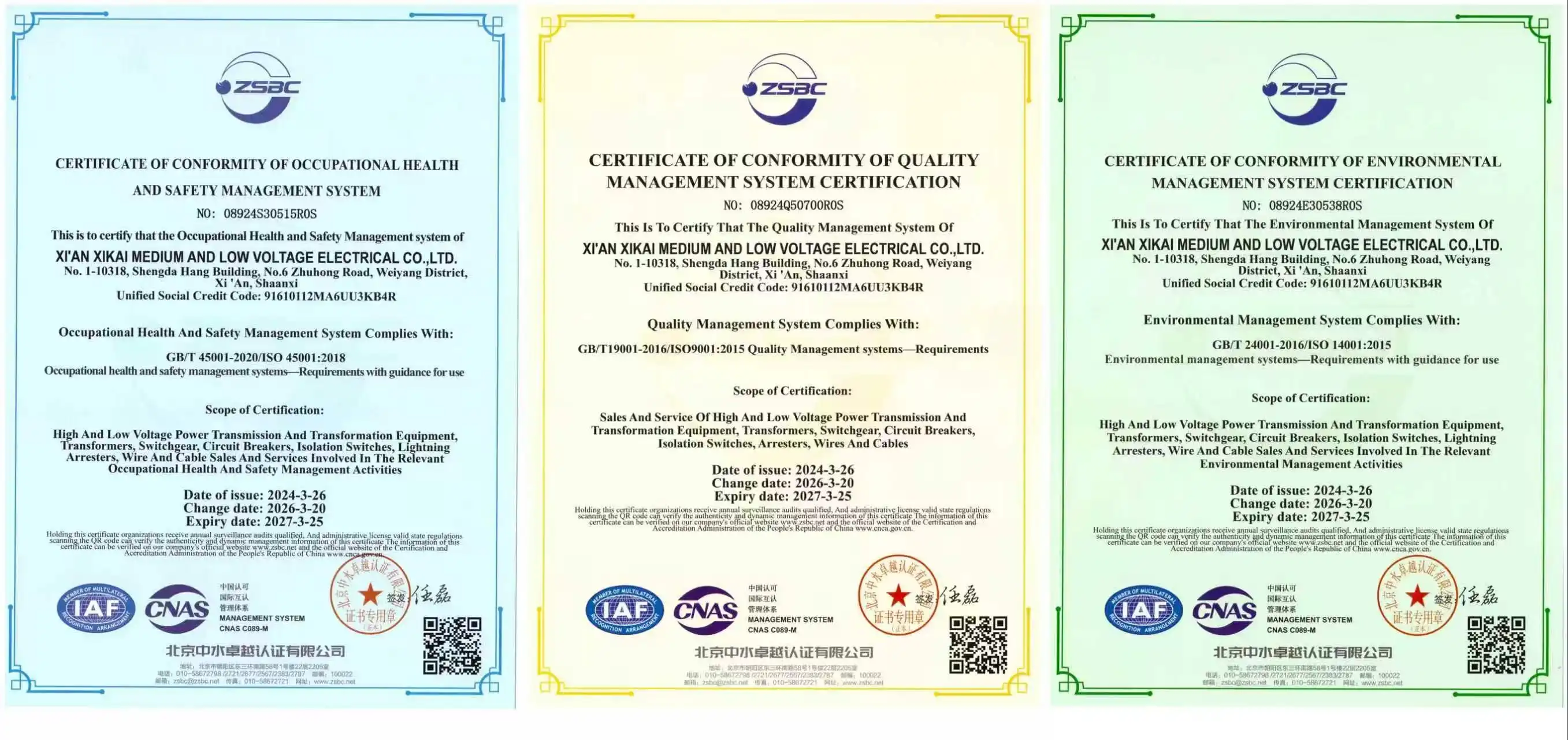
Annual micro-ohm meter contact resistance tests indicate good connections if below 50 microhms. Insulator fractures, conductive corrosion, and operating mechanism bearing wear are visible. The GN24's self-lubricating joints last 10,000 cycles before lubrication. Quality is guaranteed by ISO 9001-certified manufacturing methods and detailed test results on dielectric strength and mechanical endurance for each batch.
Comparison and Selection Criteria for Indoor Disconnect Switches
Indoor versus Outdoor Disconnect Switches
Indoor disconnect switches differ from outside ones by environmental exposure. Outdoor units include hot-dip galvanized steel frames, silicone rubber insulators, and sealed working mechanisms that can endure -40°C to +55°C. Indoor disconnect switches use regulated building settings and lighter construction with basic corrosion protection. Outdoor switches are used in transmission substations when space limits favor pole-mounted layouts, whereas indoor switches dominate distribution and commercial building electrical rooms. Outdoor switches need quarterly examinations for pollution and UV-induced insulator breakdown, whereas inside devices only need annual service under stable circumstances.
Comparing Disconnect Switches with Circuit Breakers
Device selection depends on operational situations. Circuit breakers provide automated fault protection, cutting 63kA short-circuit currents in milliseconds. Disconnect switches display isolation for maintenance safety but cannot stop fault currents. Manufacturing facilities use circuit breakers for primary protection and downstream disconnect switches for section isolation during repairs. A 1250A indoor disconnect switch costs 40% less than a circuit breaker. System designers save money by placing circuit breakers at critical protection sites and employing disconnect switches for routine isolation.
Selection Factors: Amperage, Voltage, and Physical Configuration
Current rating selection matches maximum continuous load + safety margin. A 1000A or 1250A disconnect switch prevents continuous operation above 80% on an 800A peak production line. With enough margin, 12kV switches service 11kV distribution networks. Retrofit projects using switchgear enclosures are limited by space. The GN24's small through-wall design fits 400A to 1250A current ratings in specified footprints in busy electrical rooms.
Fused or non-fused depends on protective coordination. Fused disconnect switches safeguard branch circuits as final overcurrent devices defined by engineers. Utility substations with microprocessor-based protection use non-fused switches for independent protective relaying. Consulting protection studies assures device selection meets system coordination goals.
Procurement Guide for B2B Clients
Identifying Reliable Manufacturers and Distributors
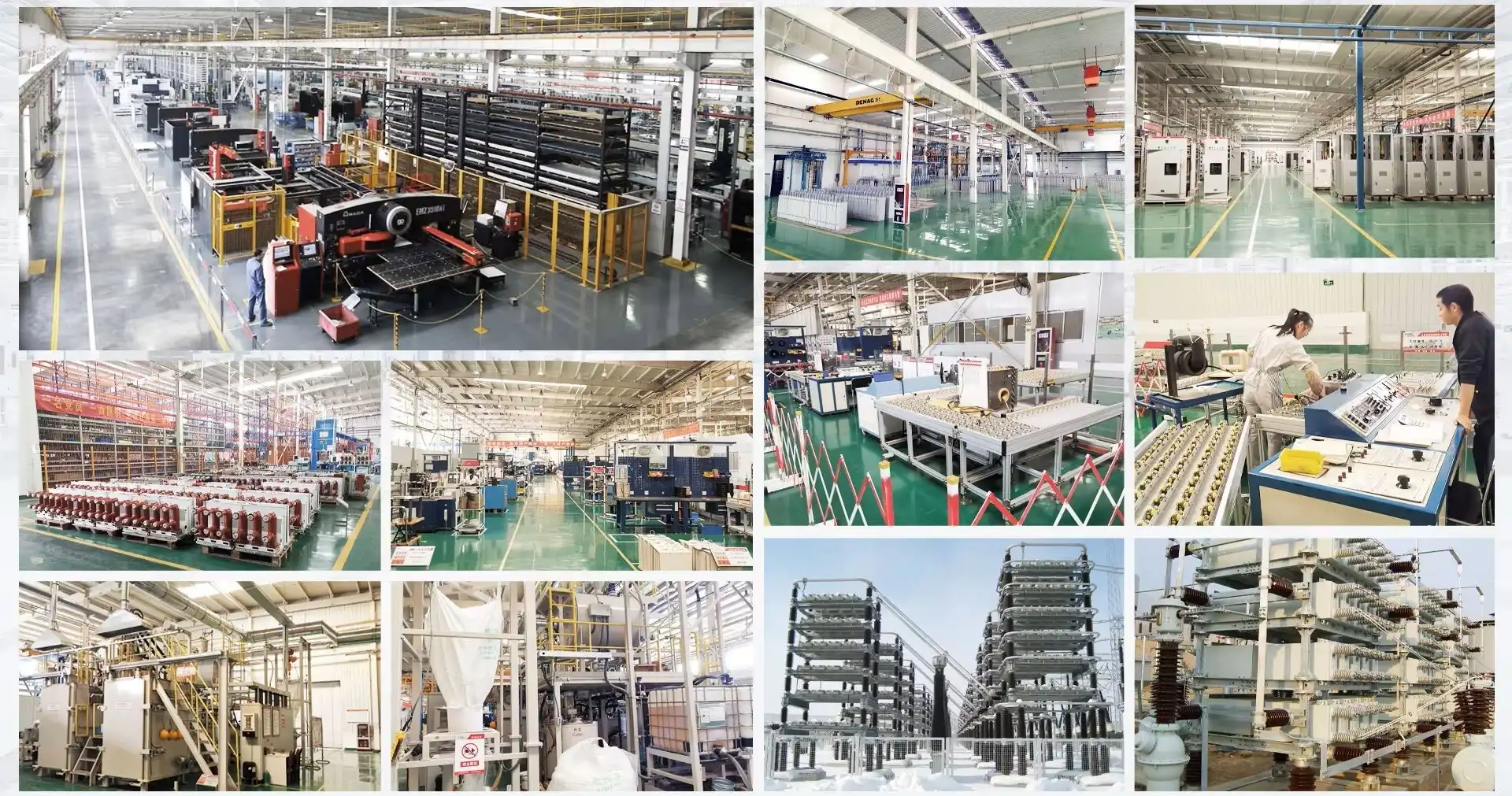
Finding good Indoor disconnect switches demands checking manufacturer credentials and manufacturing capabilities. Reliable vendors have ISO 9001 quality certificates for consistent production. Advanced production facilities at Xi'an Xikai include automated CNC machining for precision component fabrication and 3D laser alignment for flawless contact geometry. We continuously innovate to meet industrial needs with 15+ high-voltage switchgear patents.
Distribution networks vary by region—North American procurement often involves authorized distributors representing major brands, while Asian and European markets use direct manufacturer relationships. Bulk purchase agreements provide 8% volume savings for orders over 50 units and 15% for orders over 200 units. Standard configuration delivery takes six to twelve weeks, with accelerated manufacture for key project deadlines. International shipment requires customs documentation, destination country norms, and logistical coordination for large switchgear components that require specific handling.
Warranty Terms and Custom Solutions
Standard warranty is two years from installation or three years from shipment, whichever comes first. Under typical operating conditions, comprehensive warranties cover material faults, manufacturing errors, and premature component failures. Factory-trained personnel provide quarterly maintenance on five-year extended warranties. Damage from poor installation, operating outside rated limitations, and force majeure are typical warranty exclusions.
Custom engineering meets specific application needs beyond ordinary products. Xi'an Xikai's engineering team works with clients to create altitude-compensated designs for installations up to 4,000 meters, seismic-rated assemblies for earthquake-prone areas, and Smart Grid-ready configurations with IoT sensors monitoring contact temperature and blade position. System integrators producing switchgear assemblies can private label through OEM collaborations. Multilingual staff provide 24/7 installation problems, maintenance advice, and retrofit planning.
Maintenance and Longevity Tips
Routine Inspection and Preventive Maintenance
Routine maintenance improves the indoor disconnect switch's dependability and lifespan. Quarterly visual checks reveal thermal stress symptoms including discolored insulation, corrosion deposits on conductive surfaces, and operating mechanism oil leaking. Complete annual maintenance includes contact resistance testing with precision micro-ohm meters and trend analysis. Resistance exceeding 50 microhms indicates contact pressure degradation needing adjustment or replacement. Mechanical operation testing ensures smooth blade passage without binding and interlock functionality avoids load-related accidents.
Cleaning removes dust and pollutants that degrade insulation. Lint-free cloths wet with isopropyl alcohol clean insulators without leaving conductive residues. Stop using petroleum-based solvents that damage polymer insulation. High-temperature electrical grease must be applied periodically to moving parts because automotive greases include conductive particles that cause tracking problems.
Identifying Failure Warning Signs
Unplanned outages and safety problems are avoided via early failure detection. A connection point temperature rise above 65°C suggests hotspots from loose terminals or deteriorated contact surfaces. In energized inspections, thermal imaging exposes hidden issues. Grind, scrape, or click noises during operation indicate mechanical wear and require prompt attention. Arcing or tracking markings on insulators indicate dielectric weakness that must be replaced before catastrophic breakdown.
Repeated switching causes contact degradation, requiring blade replacement. Mechanical operation counters estimate maintenance needs—the GN24 can endure 10,000 cycles before significant servicing, greatly exceeding industrial duty cycles. Enclosure moisture causes corrosion and dielectric weakness. In humid climes, silica gel dehumidifiers or low-wattage space heaters keep rooms dry.
Conclusion
Indoor disconnect switches ensure electrical safety and operational flexibility in industrial, commercial, and utility applications. Procurement and facilities managers may implement dependable power isolation solutions by understanding device kinds, installation methods, and selection criteria. The 12kV GN24 High Voltage Disconnect Switch combines contemporary engineering with durable construction, safety features, and maintenance-friendly design. Maintenance and electrical code compliance preserve staff and equipment investments for decades.
FAQ
1. What distinguishes fused from non-fused indoor disconnect switches?
Overcurrent and isolation are provided by replacement fuse components in fused disconnect switches. These devices are final branch circuit protectors. Non-fused switches isolate without protection, necessitating circuit breakers or fuses upstream. Non-fused designs are utilized in metal-enclosed switchgear in manufacturing plants where protective relaying systems detect and interrupt faults.
2. Can indoor disconnect switches operate under load conditions?
Standard Indoor disconnect switches like the GN24 require zero load current before operation. Opening these switches under load causes electric arcs that destroy equipment and injure workers. Specialized load-break switches with arc suppression chambers can safely stop transformer magnetizing currents. Circuit breakers must be opened before disconnect switches are used, and mechanical interlocks prevent unintentional activated switching.
3. How do altitude and environmental factors affect switch selection?
Dielectric strength decreases beyond 1,000 meters owing to lower atmospheric density. Above this barrier, installations require derating or high-altitude designs with longer clearances. Xi'an Xikai makes plateau-rated equipment that works at 4,000 meters. Extreme temperature, humidity, and contamination affect material and IP rating choices. Application assistance from our technical staff ensures appropriate device selection for environmental circumstances.
Partner with Xi'an Xikai for Reliable Indoor Disconnect Switch Solutions
With decades of manufacturing experience and constant innovation, Xi'an Xikai provides complete power distribution systems. Safety and maintenance-friendly design make our GN24 High Voltage Disconnect Switch reliable for 12kV systems. Our technical staff provides experienced guidance for conventional setups or custom-engineered solutions for difficult applications. Utility businesses, industrial facilities, and EPC firms worldwide benefit from our volume pricing and reliable international shipping. We have vast inventory of Indoor disconnect switches to meet urgent project deadlines as a trusted supplier. Discuss power isolation needs with our procurement professionals at serina@xaxd-electric.com, amber@xaxd-electric.com, or luna@xaxd-electric.com.
References
1. National Electrical Manufacturers Association, "NEMA Standards Publication for Industrial Control and Systems: Disconnect Switches," 2021 Edition.
2. Institute of Electrical and Electronics Engineers, "IEEE Standard for Metal-Enclosed Low-Voltage AC and DC Switchgear," IEEE C37.20.2-2022.
3. International Electrotechnical Commission, "High-voltage switchgear and controlgear - Part 102: Alternating current disconnectors and earthing switches," IEC 62271-102:2018.
4. Electrical Safety Foundation International, "Recommended Practice for Electrical Safety in Industrial and Commercial Facilities," NFPA 70E-2021 Edition.
5. American National Standards Institute, "Requirements for Electrical Installations of Industrial Machinery and Equipment," ANSI/NFPA 79-2021.
6. Beeman, Donald (Editor), "Industrial Power Systems Handbook," McGraw-Hill Professional Engineering, 2020 Revised Edition.

_1774403963080.png)