5 Critical Benefits of Oil-Immersed Transformers for Harsh Environments
2026-05-28 15:55:56
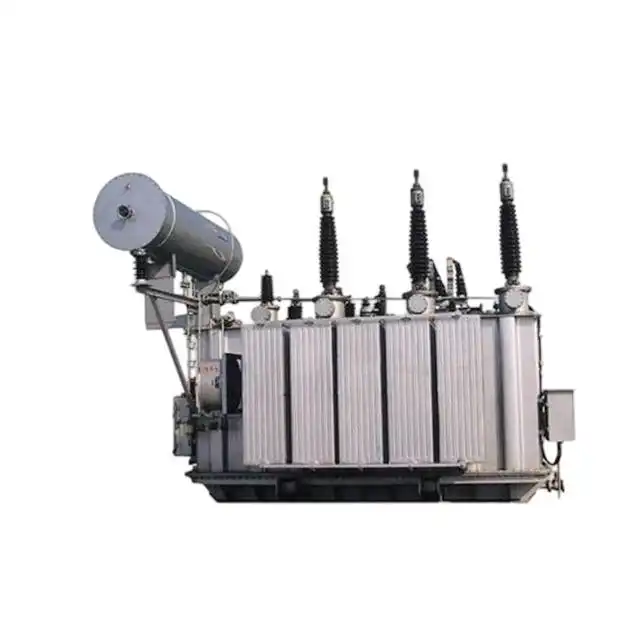
The correct power distribution equipment is crucial for facilities with severe temperatures, corrosive atmospheres, or unpredictable weather. Oil-immersed Distribution Transformers work in mine, coastal wind farms, and heavy industries where traditional equipment fails. These devices provide uninterrupted power in harsh situations thanks to sophisticated thermal management, insulation, and durability. Understanding their strengths helps facility operators, utility engineers, and system integrators make purchase decisions that maintain operational continuity and long-term capital expenditures.
 |
 |
Superior Cooling and Thermal Management
Why Thermal Performance Matters in Critical Applications?
Transformer failure is most often caused by excessive heat, especially in situations with severe temperature swings or poor ventilation. Oil-immersed Distribution Transformers solve this problem because mineral oil absorbs heat from copper windings and magnetic cores better than air or resin. This heat transfer mechanism is critical for transformers in tight locations, arid climes, or industrial environments where process heat increases thermal demand.
Our Oil-immersed Distribution Transformers include corrugated tanks to increase oil-air interaction. No extra fans or pumps are needed for ONAN (Oil Natural Air Natural) cooling under ordinary loads, minimizing parasitic energy use and boosting dependability. Finned tank structures boost heat dissipation by 40% compared to smooth-walled designs, allowing 30kVA to 2500kVA units to maintain acceptable operating temperatures even with 125% intermittent loads prevalent in renewable energy applications.
Real-World Thermal Advantages
Oil immersion offers thermal stability for three-shift manufacturing processes. Oil-cooled devices maintain winding temperatures under the 65K increase limit required by IEC 60076 standards during summer peaks when dry-type transformers reach their thermal limitations. Studies show that cellulose insulation systems last twice as long with each 10°C drop in operational temperature.
Data centers are another interesting use case. Unpredictable server loads cause thermal stress cycles that prematurely age transformer insulation. The thermal bulk of several hundred liters of transformer oil in medium-capacity units buffers load transition peak temperatures. Field evidence from hospitals reveals oil-immersed systems retain ±2°C temperature stability during emergency generator transfers, whereas air-cooled versions have ±8°C fluctuations.
Real-time thermal intelligence comes from fiber-optic sensors in winding hot areas. Combined with DGA (Dissolved Gas Analysis) oil testing, plant managers can detect defects 6-12 months before they fail. These predictive capabilities are important for mission-critical facilities where unforeseen failures cost six-figure hours.
Robust Insulation and Electrical Performance
The Dual Role of Transformer Oil
Transformer oil performs two roles that dry insulation cannot. Mineral oil has better voltage resist than air gaps, with breakdown strength surpassing 30kV over a 2.5mm gap when properly maintained. Lighting impulses or switching surges that temporarily increase voltage strains five to ten times typical operating levels make this margin crucial.
Also crucial, oil circulation eliminates dissolved gasses and moisture from cellulose insulation around windings. Self-healing eliminates load cycling and ambient humidity-induced damage in solid insulating systems. Our sealed-tank transformers use silica gel breathers to keep oil moisture below 20ppm, retaining dielectric strength.
Voltage Regulation Under Real Conditions
Motor starting voltage sags, variable-frequency drive harmonics, and welding equipment reactive power swings are common power quality issues in industrial facilities. On-load tap changers (OLTC) or off-circuit tap switches on Oil-immersed Distribution Transformers allow for a 5% voltage adjustment across several taps, ensuring steady secondary voltage despite primary-side changes.
Oil-cooled distribution transformers have low impedance (4–6%) that minimizes voltage loss under load and limits short-circuit currents. This balancing is especially useful in utility applications where fault current coordination amongst protective devices demands exact impedance values. Our devices undergo ratio testing to ensure accurate transformation within ±0.5% tolerance, guaranteeing consistent performance across all tap locations.
Mechanical stresses on transformer windings can be harmful during through-fault incidents. Oil immersion absorbs acoustic energy and mechanically dampens vibration amplitude compared to dry systems. Winding resistance and frequency response analysis are used in post-fault inspections to detect displacement that might impact dependability. This IEC 60076-5-compliant quality control gives procurement teams confidence in long-term electrical integrity.
Greater Durability in Extreme and Harsh Environments
Engineering for Hostile Conditions
Coastal sites, mining activities, and petrochemical plants subject electrical equipment to salt fog, airborne particles, severe temperatures, and corrosive gasses. Through many layers of protection, our Oil-immersed Distribution Transformers alleviate these issues. Phosphate conversion coating and polyester powder coating give the welded steel tank 500+ hours salt spray resistance under ASTM B117 testing. Where exposed steel breaks in 18-24 months, our corrosion barrier protects marine structures.
Even during pressure washing or heavy rain, IP55 ingress protection keeps dust and moisture out of tank seals. The breathing mechanism keeps tank pressure slightly positive to prevent polluted air infiltration during thermal contraction cycles. At 4,000 meters, typical designs would encounter external flashover due to weak atmospheric dielectric strength, whereas high-altitude variations handle lower air density.
Reinforced foundation channels and flexible bushing connections absorb ground motion without shattering porcelain insulators, meeting Zone 4 seismic criteria. Accelerometer monitoring alerts mining operations in geologically active areas when vibration exceeds thresholds, allowing shutdown before structural damage.
Proven Performance Across Industries
Our 1500kVA transformers are used in a midwest steel plant where furnace radiant heat raises ambient temperatures to 45°C and airborne scale particles obstruct dry-type ventilation. These oil-immersed transformers have maintained 99.7% availability with just scheduled oil tests and bushing checks for eight years. A comparable facility's dry-type units needed winding cleaning every 14 months and had three premature failures.
Salty air, high humidity, and restricted maintenance make offshore wind applications difficult. Our sealed-tank transformers on North Atlantic sites have run without oil change for 12+ years, with low dissolved gas production in yearly DGA testing. The hermetically sealed structure prevents moisture infiltration and oil oxidation, the main culprits of transformer insulation premature aging.
Desert solar farms benefit from oil cooling's temperature resistance. Air temperatures above 55°C would cause dry transformers to thermal derate, limiting capacity during peak generating. Oil-immersed devices maximize daylight energy gathering by maintaining full output from -40°C to +55°C. Although field experience shows well maintained units working 15+ years without substantial oil property changes, quarterly oil sample indicates thermal stress deterioration.
Cost-Effectiveness and Long-Term ROI
Understanding Total Cost of Ownership
Procurement choices generally prioritize initial purchase price above lifecycle expenditures, which define economic value. Oil-immersed Distribution Transformers generally have an initial cost of 15-25% more than equivalent dry-type systems. This premium disappears when calculating overall cost over estimated service life. A complete study must include purchase price, installation, periodic maintenance, energy losses, and failure costs.
Energy efficiency affects oil-immersed transformer running costs during their 25–35-year lifespan. Optimized core designs using grain-oriented silicon steel minimize no-load losses by 30% over standard materials. This results in savings—a 1000kVA transformer with 1200W no-load loss uses 10,500 kWh per year to energize the core. Advanced core design reduces this to 840W, saving 5,800 kWh annually. This saves $464 annually, $13,920 over 30 years at industrial power costs of $0.08/kWh.
Similar economics govern load losses. Copper windings with low resistance reduce I²R heating, minimizing energy waste in transformers carrying working current. Reduced no-load and load losses can boost efficiency from 97.5% to 99%, a tiny modification that pays out over decades. Amorphous core alternatives provide 99.2% efficiency, meeting EU EcoDesign Directive criteria and company sustainability goals.
Strategic Sourcing Considerations
Established oil-immersed Distribution Transformer vendors provide technical assistance that boosts asset value. We tackle unexpected operating circumstances before they produce breakdowns with 24/7 engineering support. A five-year-old transformer at a Florida hospital generated gas, which our diagnostic team traced to harmonic currents from medical imaging equipment. A line reactor solved the problem for 8% of transformer replacement cost, eliminating a two-week emergency equipment procurement wait time.
Warranties demonstrate manufacturer confidence in design strength. Our 10-year guarantee covers material and workmanship faults, with core component coverage extended to 15 years. Facility operators managing capital budgets benefit from this risk transfer since unanticipated transformer replacement might consume 15-20% of yearly electrical infrastructure investment. Extending warranties decrease financial risk and demonstrate product reliability to procurement committees assessing competing offers.
Customization meets particular application needs without the cost of one-off designs. We may specify ATEX-certified enclosures for hazardous situations, compact urban substations, or increased seismic bracing for essential infrastructure using our modular approach. Custom units are delivered in 8-12 weeks via standardized manufacturing procedures, like stock units from vendors without engineering freedom. This responsiveness helps project timetables and ensures equipment meets site circumstances rather than requiring design concessions around inventory.
Enhanced Efficiency and Energy Savings
Advanced Materials Driving Performance
Core losses are heat-generating energy without labor. Modern grain-oriented electrical steel lowers hysteresis and eddy current losses with accurate crystal alignment and thin lamination. Our transformer cores have 0.23mm laminations with laser-scribed surface treatment, reducing core loss density to 0.9W/kg at 1.7T flux density, 35% better than 0.30mm. This metallurgical development meets worldwide efficiency criteria and reduces insulation system cooling.
Electrical performance and material cost are balanced in copper winding design. Our engineers optimize conductor cross-sections using finite element analysis to maintain current density below 2.5A/mm² at rated load. A conservative design reduces resistive heating and provides mechanical strength for short-circuit stresses. High-purity copper with 99.95% conductivity improves resistance and load losses by 8–12% over recycled conductors. The increased copper cost is recovered in 3-4 years by energy savings.
Energy usage and equipment performance depend on voltage control precision. Undervoltage motors draw extra current, lowering efficiency and causing insulation deterioration. Through precise tap winding design, our Oil-immersed Distribution Transformers maintain secondary voltage within 0.5% over load range. Motors, drives, and electronic loads are tightly regulated to maximize efficiency, adding to energy savings from reduced transformer losses.
Operational Efficiency in Practice
Transformers for renewable energy integration must handle bidirectional power flow and intermittent generation. Solar inverters introduce harmonics that heat transformers above nameplate specifications. The thermal margin in our low-loss designs allows 125% intermittent overloads characteristic of PV systems without derating. These transformers significantly decrease energy waste during low-generation periods, resulting in <3% total losses at 30% load, increasing renewable investment returns.
Efficiency enhancements lower distribution losses across thousands of deployed units in utility grid applications. A regional utility replaced outdated transformers with our 99% efficiency models, reducing system losses by 12,000 MWh annually across 1,500 units. Lower losses save energy and delay substation capacity expansions by reducing upstream transmission infrastructure loads. Avoiding 8,400 metric tons of CO₂ emissions yearly, supporting utility ESG goals, and meeting regulatory emission reduction obligations are environmental advantages.
Monitoring systems show transformer efficiency and loading trends in real time. Smart meters connected to SCADA systems measure energy flow through transformers to identify inefficient units. Analytics software suggests redistributing loads, balancing phases, or adjusting tap placements to reduce system losses. Transformers become active assets in intelligent distribution networks with this data-driven strategy.
Conclusion
Selecting Oil-immersed Distribution Transformers for demanding applications delivers measurable advantages across thermal management, electrical performance, environmental durability, economic value, and energy efficiency. These benefits compound over multi-decade service lives, reducing operational risks while supporting sustainability objectives. As industrial and utility sectors face escalating reliability requirements alongside pressure to minimize carbon footprints, oil-immersed Distribution Transformers represent proven technology that balances traditional robustness with modern performance standards. Procurement teams evaluating power distribution infrastructure should prioritize suppliers demonstrating manufacturing excellence, comprehensive testing protocols, and long-term technical support capabilities.
FAQ
1. How often should transformer oil be tested in harsh environments?
Annual DGA testing proves essential for units rated above 10MVA or operating in extreme conditions. Smaller transformers benefit from biennial testing, with emergency sampling required after through-fault events or sustained overloads exceeding 130% for more than 24 hours. IEEE C57.106 maintenance guidelines provide detailed testing protocols based on transformer criticality and operating history. Online DGA monitors offer continuous surveillance, trending dissolved gas concentrations to detect incipient faults weeks before failure occurs.
2. Can oil-immersed transformers operate in explosive atmospheres?
ATEX-certified oil-immersed Distribution Transformers meet strict requirements for Zone 1 and Zone 2 hazardous locations common in petrochemical facilities and mining operations. These units incorporate pressure-relief devices, flame-arresting breathers, and sealed terminal compartments that prevent ignition source exposure to flammable atmospheres. Certification documentation demonstrates compliance with equipment group and temperature class specifications required by facility risk assessments and regulatory authorities.
3. What maintenance extends transformer service life?
Sealed-tank designs minimize maintenance requirements through elimination of moisture ingress and oil oxidation. Quarterly visual inspections verify breather silica gel condition, bushing integrity, and tank finish. Annual infrared thermography detects hot spots indicating loose connections or internal faults. Oil sampling every 1-2 years tracks moisture content, acidity, breakdown voltage, and dissolved gases—key indicators of insulation health. Tap changer maintenance intervals depend on operation frequency, typically requiring contact resistance testing every 100,000 operations or five years maximum.
Partner With Xi'an Xikai for Reliable Power Distribution Solutions
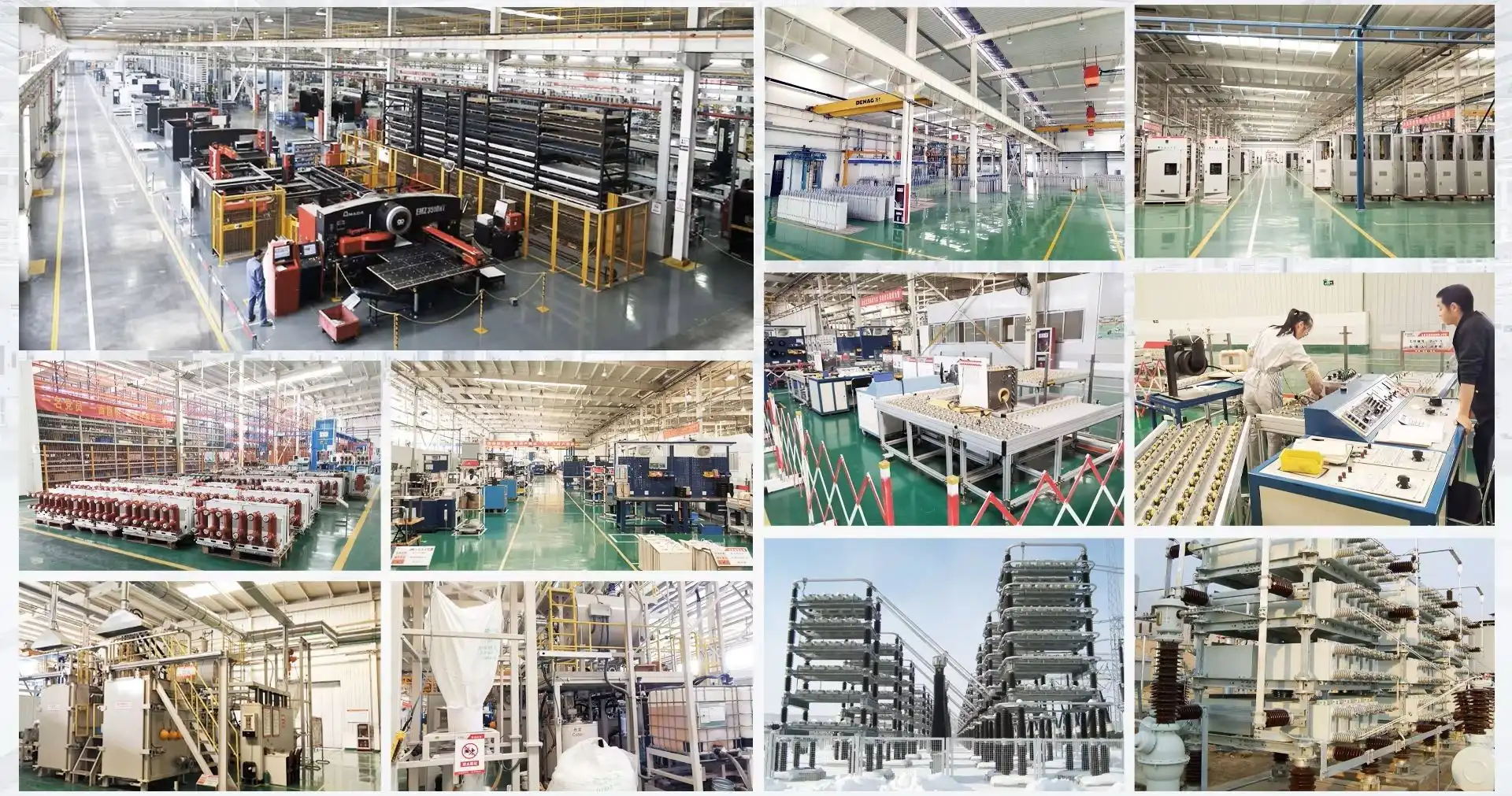
Xi'an Xikai Medium & Low Voltage Electric Co., Ltd. manufactures Oil-immersed Distribution Transformers engineered for the harshest operating conditions across industrial, utility, and renewable energy sectors. Our 25+ years of design expertise backed by multiple patents ensures your power infrastructure delivers uninterrupted performance.
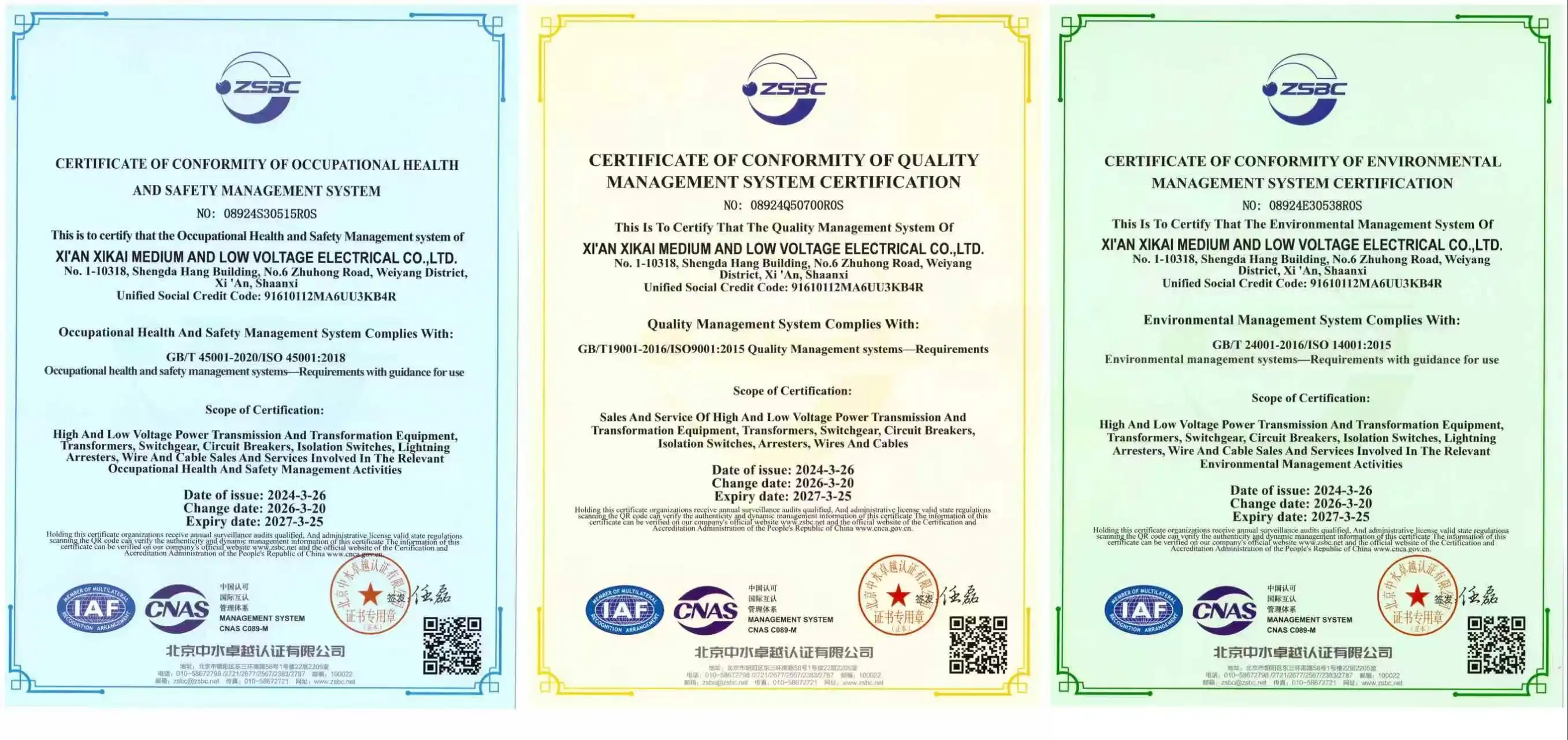
We offer input voltage configurations at 10kV, 35kV, and 110kV with capacities spanning 30kVA to 2500kVA, fully certified to IEC 60076, ISO 9001, CE, UL, and GOST-R standards. Every unit undergoes rigorous 24-hour pressure testing, DGA analysis, and impulse voltage verification before shipment. Our engineering team provides 24/7 technical assistance with a comprehensive 10-year warranty, supporting your operations from specification through decades of service. Contact our specialists at serina@xaxd-electric.com, amber@xaxd-electric.com, or luna@xaxd-electric.com to discuss your requirements with a trusted oil-immersed Distribution Transformer manufacturer committed to delivering customized, reliable solutions for your most critical applications.
References
1. American National Standards Institute. (2021). IEEE Standard C57.91: Guide for Loading Mineral-Oil-Immersed Transformers and Step-Voltage Regulators. Institute of Electrical and Electronics Engineers.
2. International Electrotechnical Commission. (2018). IEC 60076-1: Power Transformers - Part 1: General. IEC Central Office, Geneva, Switzerland.
3. National Electrical Manufacturers Association. (2020). NEMA TP 2: Standard Efficiency Requirements for Liquid-Filled Distribution Transformers. NEMA Standards Publication.
4. Singh, J., & Sood, Y. R. (2019). Condition Monitoring and Diagnostics of Power Transformers: A Comprehensive Review. Springer International Publishing.
5. U.S. Department of Energy. (2022). Energy Conservation Program: Energy Conservation Standards for Distribution Transformers. Federal Register, Vol. 87, No. 154.
6. Wang, M., Vandermaar, A. J., & Srivastava, K. D. (2020). Transformer Insulation: Life Assessment Under Multiple Environmental Stresses. IEEE Transactions on Dielectrics and Electrical Insulation, Vol. 27, Issue 4, pp. 1375-1383.