Oil Type Transformer Applications in Power Grid Systems
2026-04-27 17:21:01
In order to convert voltages across transmission and distribution networks, Oil type transformers continue to be an essential component of modern power infrastructure. Mineral oil is used as both a coolant and an electrical insulator in these strong devices. This lets them work reliably in harsh conditions where grid stability and operational continuity cannot be compromised. Oil-immersed transformers are used in places like utility substations that handle thousands of megawatts of power and industrial plants that power sensitive manufacturing processes. They last a long time, work efficiently, and can handle overloads.
 |
 |
Understanding Oil Type Transformers in Power Grids
Working Principles and Core Components
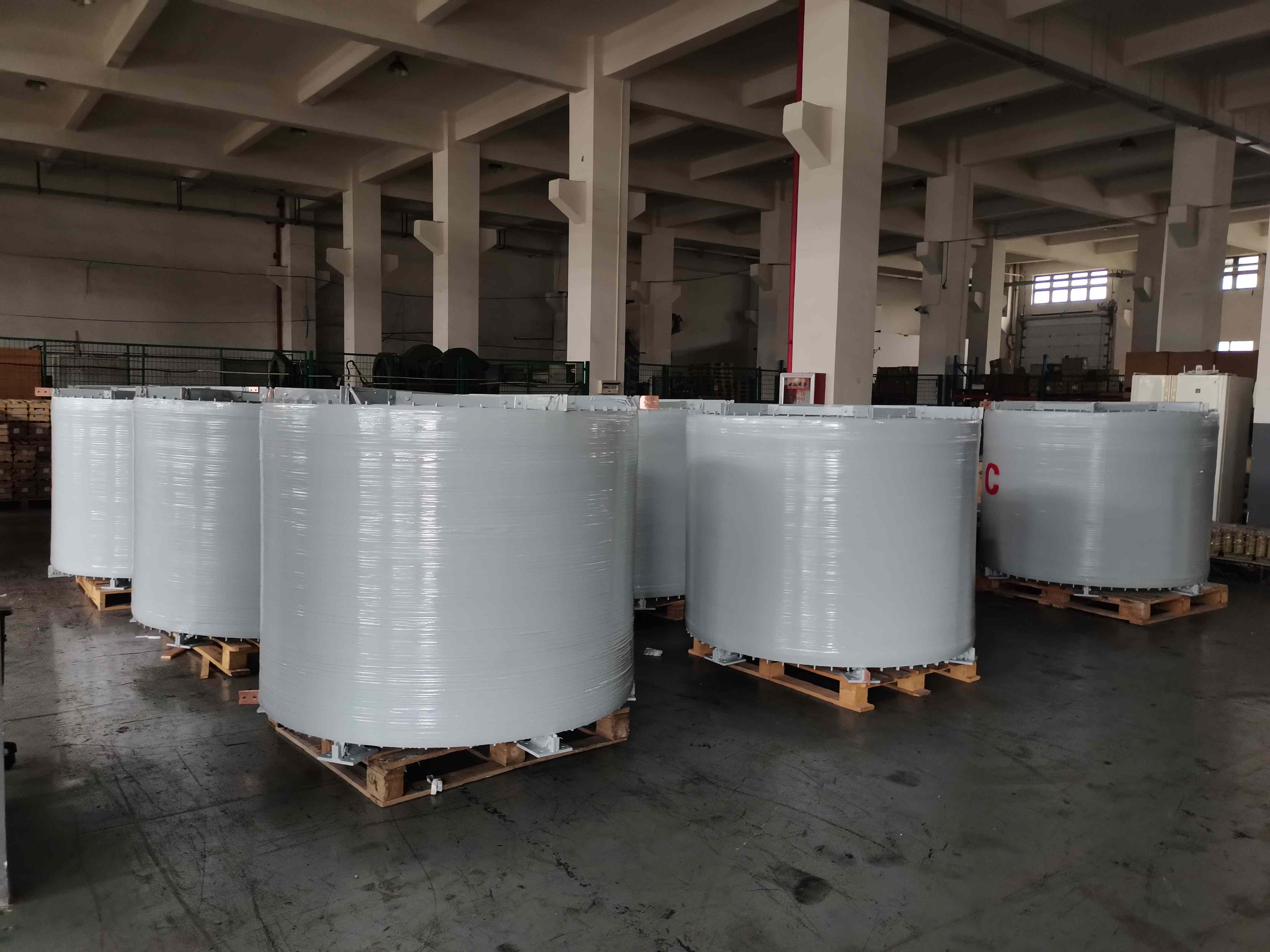
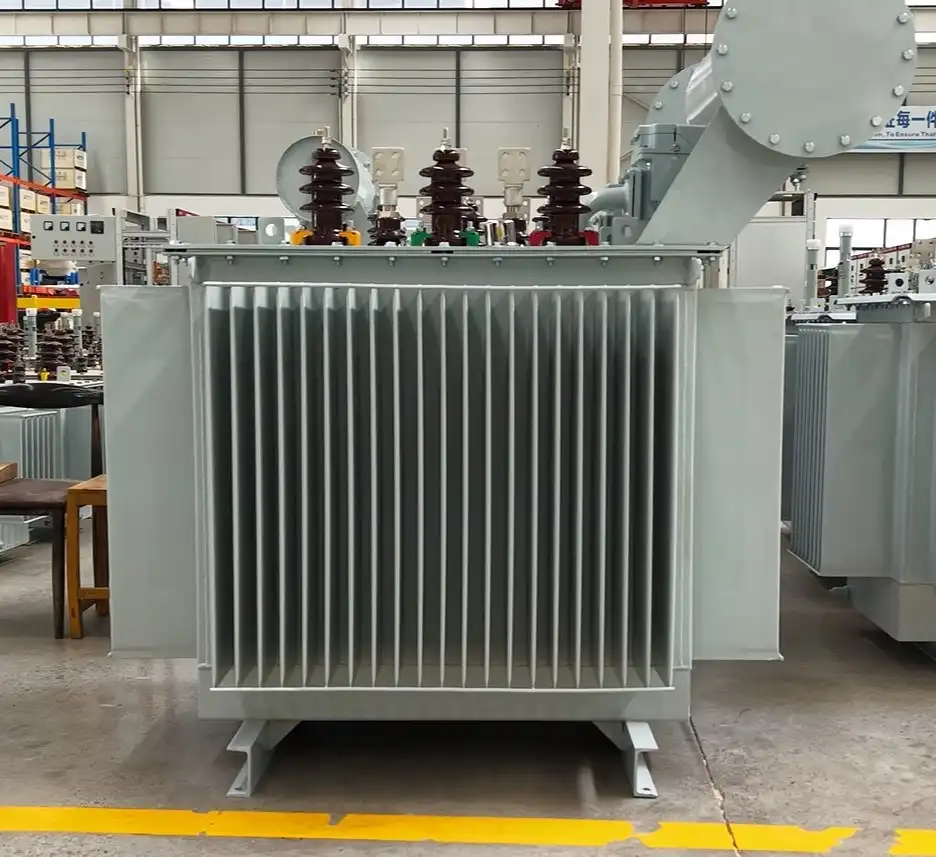
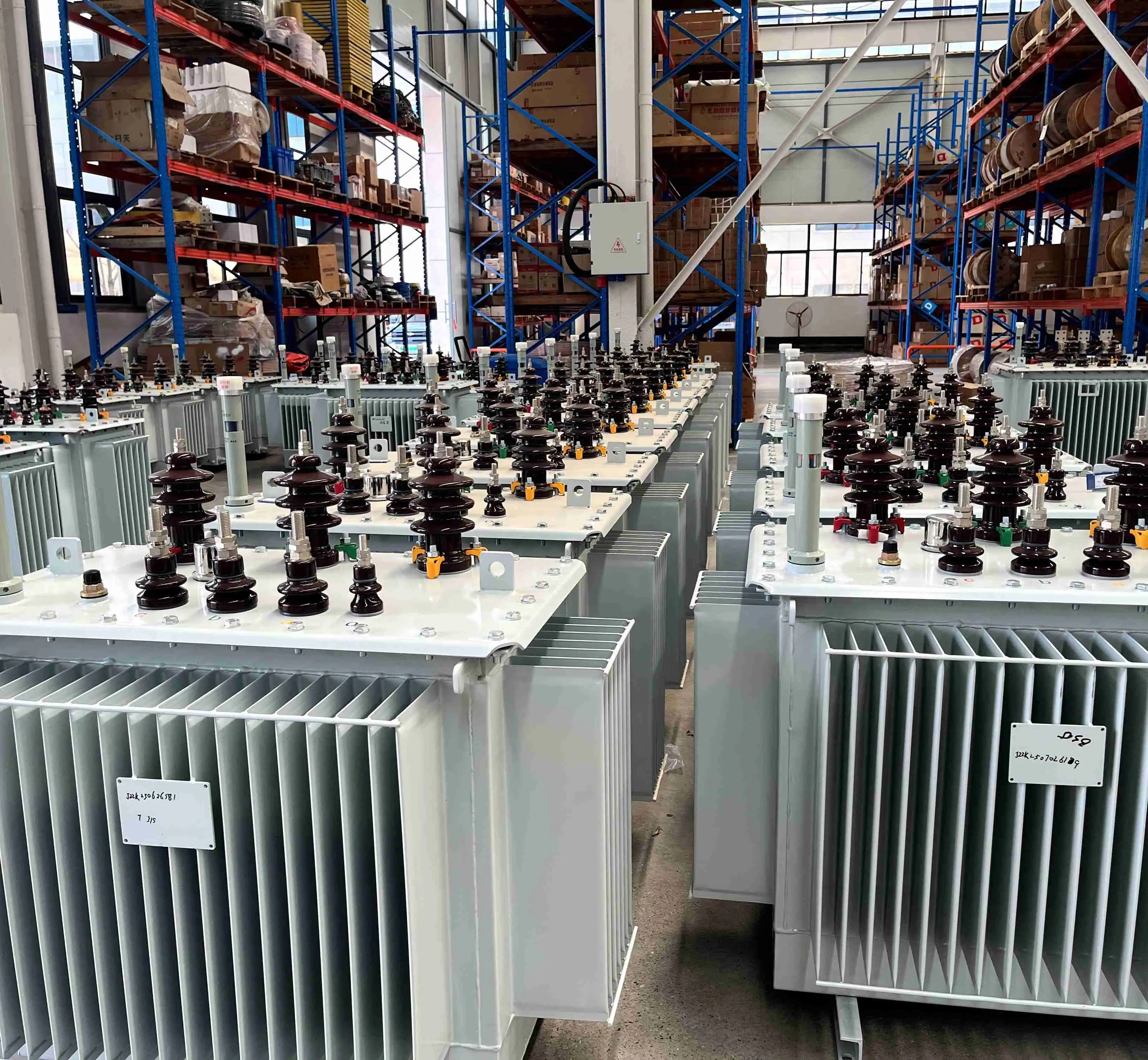
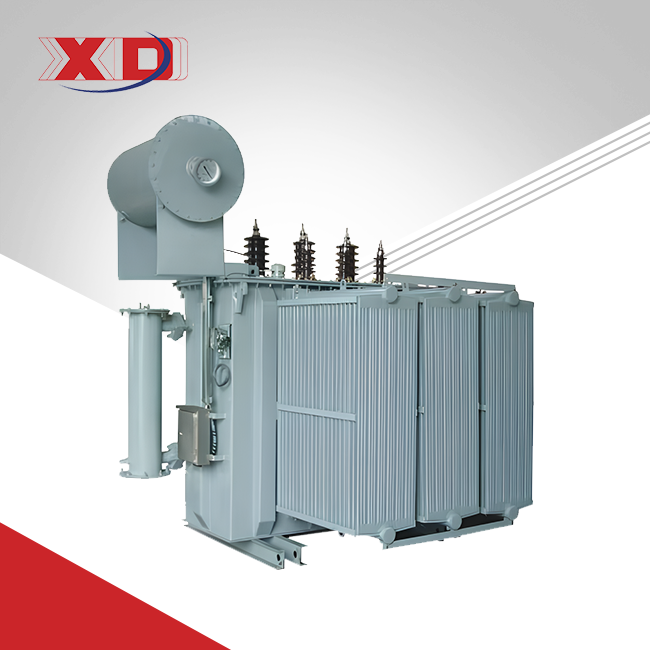
Oil-immersed transformers consist of laminated silicon steel cores and copper windings. Alternating current in the primary coil generates magnetic flux that induces voltage in the secondary winding according to the turns ratio. Insulating oil circulates through the core and windings, absorbing heat and transferring it to radiators. This combination of insulation and cooling ensures stable performance under high loads. Modern designs use silica gel breathers and tap changers improving reliability and efficiency globally operations.
Key Advantages Over Dry Type Alternatives
Oil-immersed transformers handle overloads better due to thermal oil mass absorbing excess heat during peak demand allowing temporary operation up to 150 percent capacity. This improves reliability in industrial systems with sudden load fluctuations. Their cooling efficiency extends lifespan to 30 to 40 years compared to dry types at 20 to 25 years. Lower losses and optimized cores reduce energy consumption significantly. They also operate more quietly and resist dust contamination making them suitable for harsh environments including coastal mining and densely populated urban installations requiring stable performance.
Design Considerations and Safety Features
Material selection directly affects transformer efficiency and reliability using grain oriented silicon steel and copper windings to minimize losses and maintain thermal stability under continuous load conditions. Safety systems include pressure relief devices Buchholz relays and corrosion resistant tank designs that ensure safe operation under fault conditions and harsh environments. They are certified under IEC IEEE CE UL standards ensuring compliance with global electrical safety requirements and can operate in extreme temperatures and high altitude regions up to 4000 meters ensuring long-term safe grid operation performance reliability stability.
Applications of Oil Type Transformers in Power Grid Systems
Transmission and Distribution Network Roles
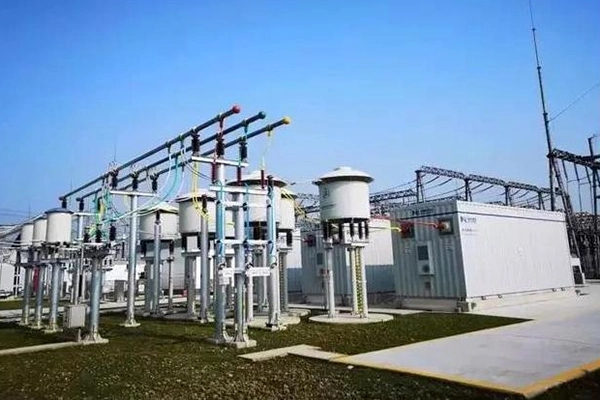
Oil type transformers in transmission networks reduce voltage from 110kV to 35kV or 10kV ensuring efficient regional distribution. They stabilize grid voltage within ±2.5 percent during load variations and support continuous power flow. In distribution substations they further step down voltage for local consumers while handling daily demand fluctuations. Their oil cooling system allows overload operation during peak demand and extreme weather conditions. This improves grid reliability and prevents equipment stress. They are critical for maintaining stable electricity supply across residential commercial and industrial users power system stability operations.
Heavy Industrial and Manufacturing Applications
Oil transformers are essential in steel mills chemical plants and mining operations where high overload capacity and strong fault current resistance are required. They withstand harmonic distortion from variable frequency drives and maintain stable performance under continuous heavy loads. Oil cooling ensures mechanical stability during short circuit events and prevents overheating. Their rugged design supports seismic resistance and harsh industrial environments. They also handle large motor startups and sudden load changes making them suitable for critical manufacturing processes where downtime is costly and reliability is vital performance stability.
Renewable Energy Integration Challenges
Oil transformers in renewable energy systems connect wind and solar farms to the grid by stepping up inverter output voltage. They manage fluctuating generation harmonic distortion and remote installation challenges. Their oil insulation provides strong thermal stability under intermittent load conditions. Advanced tap changers help maintain voltage regulation during rapid power changes caused by weather variability. Sealed designs protect against coastal corrosion and moisture ingress. These features ensure reliable grid integration stable power output and long term operation in renewable energy infrastructure system reliability performance stability operation efficiency.
Comparing Oil Type Transformers with Alternative Technologies
Performance and Cooling Efficiency
Oil cooling systems provide superior heat dissipation compared to air cooled or resin insulated transformers allowing higher overload capacity and larger power ratings. Thermal oil circulation transfers heat efficiently to radiators ensuring stable operation under continuous load. Dry type systems rely on air flow which limits capacity and reduces overload tolerance. Gas insulated systems offer compact design but require complex monitoring. Oil based designs achieve better efficiency lower losses and longer service life making them ideal for high capacity grid applications reliability durability system performance stability efficiency operation.
Maintenance Requirements and Total Cost of Ownership
Oil transformer maintenance focuses on oil quality monitoring dissolved gas analysis and periodic filtration to extend service life. Regular testing detects early faults and prevents failures. Compared to dry type units maintenance is more predictable and less costly over long periods. Oil filtration restores dielectric strength and removes moisture. Lifecycle costs are lower due to higher efficiency and longer lifespan. Overall ownership cost is reduced despite initial installation complexity making oil transformers more economical for large scale power systems efficiency savings system performance stability efficiency operation reliability durability.
Maintenance, Testing, and Safety of Oil Type Transformers
Inspection Protocols and Oil Quality Management
Routine inspections identify leaks corrosion and insulation degradation in Oil type transformers. Oil level monitoring ensures adequate cooling capacity. Dissolved gas analysis detects faults such as arcing or overheating based on gas composition patterns. Moisture testing ensures dielectric strength remains within safe limits. Dielectric and tan delta tests assess insulation condition. Turns ratio and resistance tests verify winding integrity. Periodic testing provides early warning of failures. These practices ensure long term reliability safe operation and optimized performance in electrical power systems system stability efficiency operation reliability durability.
Advanced Diagnostic Techniques
Frequency response analysis detects mechanical deformation in transformer windings caused by short circuit forces or transport damage. Partial discharge testing identifies insulation breakdown and void formation. Online monitoring systems continuously track load temperature and moisture levels for predictive maintenance. Pattern recognition algorithms estimate remaining service life and optimize maintenance scheduling. These diagnostics improve fault detection accuracy reduce unexpected failures and enhance operational reliability. They enable condition based maintenance strategies that increase transformer lifespan and grid stability system performance reliability efficiency operation.
Fire Prevention and Environmental Protection
Mineral oil transformers require fire safety systems including pressure relief devices fault detection relays and oil containment structures to minimize environmental risk. Fire barriers prevent fire propagation between units. Ester based fluids offer higher fire resistance and biodegradability compared to mineral oil. Spill containment systems prevent soil contamination. Emergency drills and response planning ensure readiness. Oil recycling and refining reduce waste. These systems ensure safe sustainable and compliant transformer operation system performance reliability efficiency operation safety stability monitoring control optimization maintenance durability grid system compliance.
Procurement and Supplier Guidelines for Oil Type Transformers
Evaluating Supplier Capabilities
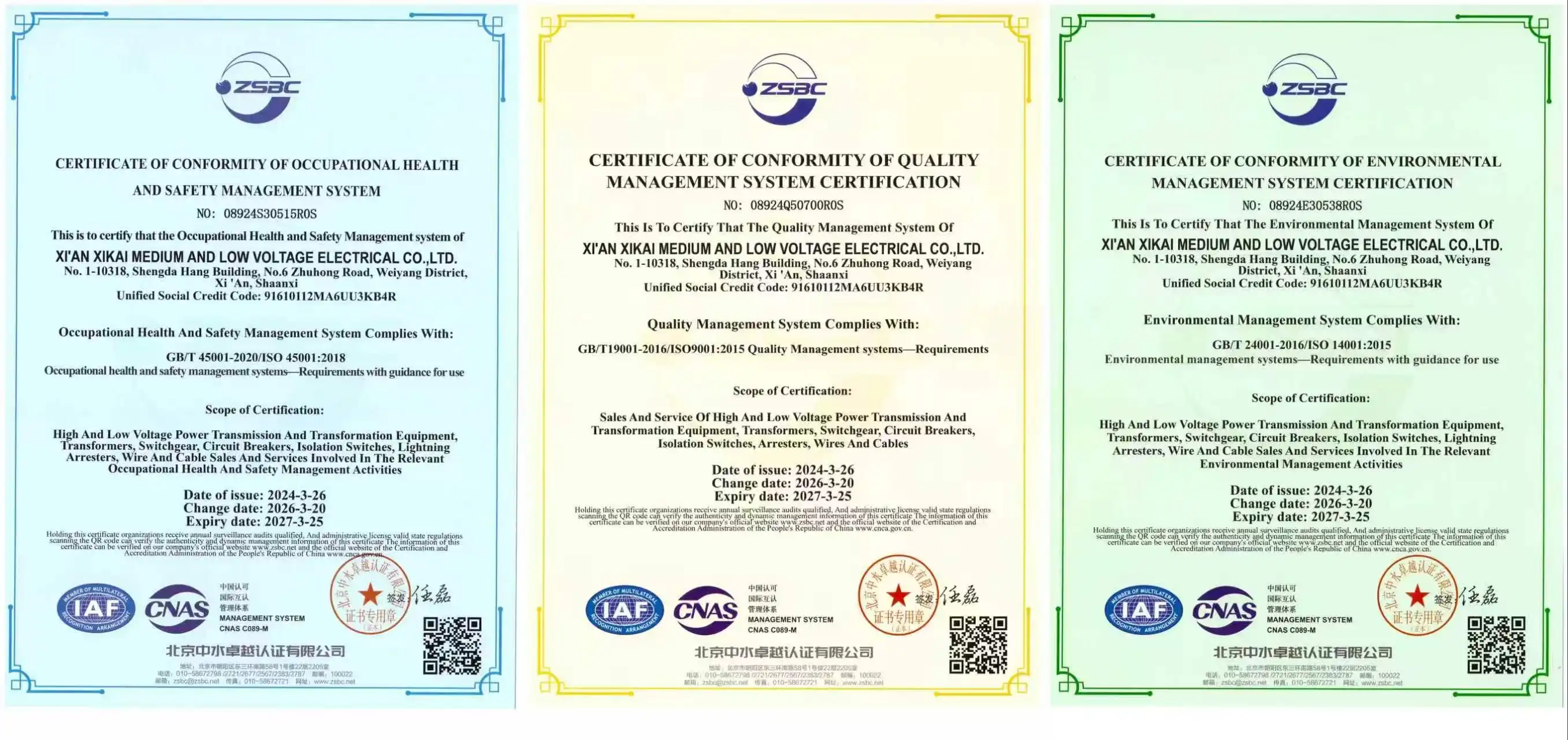
Quality certifications are objective proof of how well a product is made. Product-specific certifications like IEC 60076 and IEEE C57 confirm that designs are compliant, while ISO 9001 certification makes sure that quality management systems meet international standards. Suppliers should give test reports that show the actual performance matches the requirements. These reports should include information on noise levels, impedance voltage, load losses, and no-load losses. Testing by a third-party lab adds more credibility than the manufacturer's own certification.
Production capacity affects delivery times and the degree to which customization is possible. Facilities that make several types of units every week keep core components in stock, which lets them turn orders around faster than suppliers who only do custom builds sometimes. Site visits show how advanced the manufacturing process is. For example, automated winding machines make coil shapes that are more consistent than manual methods, and vacuum oil filling systems make sure that the coils are fully saturated, which is something that manual methods can't do.
What determines long-term satisfaction is the ability to provide support after the sale. Suppliers should help with technical issues during the commissioning of installations and train people who will be doing maintenance. 10-year warranties show that the company is confident in the product's durability, and spare parts are easy to find, making repairs easier. When urgent problems happen, response times are sped up by regional service centers with field technicians. This is especially helpful for critical infrastructure applications where downtime costs rise quickly.
Customization Options and Technical Requirements
Catalog products that are already made work well for many uses, but sometimes they need to be changed to fit the needs of a specific site. Small tank designs work well in urban substations that don't have a lot of room, and long radiator banks help cool places where the temperature is high. ATEX certification lets explosion-proof fittings and modified breather systems be used in places like oil refineries where explosive atmospheres are present. Making site-specific restrictions clear during the procurement process makes sure that suppliers come up with the right solutions.
To choose the right voltage class for an oil type transformer, you need to carefully look at how the grid is working. A 35kV transformer with a maximum operating voltage of 36kV gives you a safety margin for short-term overvoltages that happen during switching operations. The size of a short-circuit current is affected by its impedance voltage. Higher impedance limits fault currents but improves voltage regulation. To find a good balance between these two issues, you need to know how to coordinate protective relays and keep the load voltage stable.
The overload capacity and the need for extra equipment are based on the cooling class designation. ONAN (Oil Natural, Air Natural) uses passive convection, which can work continuously at full load. When ONAF (Oil Natural, Air Forced) adds fans, the capacity goes up by 25 to 33%. This is great for loads that change over time and have predictable peaks. By understanding load profiles, you can choose the cooling class that saves you the most money without over-specifying capacity.
Logistics and International Procurement
Getting big transformers from one place to another requires special care. Units that are bigger or heavier than certain limits need route surveys to make sure that bridges can hold them and that they can clear the ceiling. Shipping costs vary a lot depending on where the package is delivered. For example, remote locations need offloading equipment and road improvements to make it easier to get to. When planning when to buy something, you should include manufacturing lead times of 12 to 20 weeks as well as shipping times.
Import rules require that you pay close attention to your paperwork. To get goods through customs, you need commercial invoices, packing lists, certificates of origin, and quality certification documents. Electrical equipment may be subject to tariffs in some places, which can change the total landed cost. Freight forwarders with a lot of experience can handle these rules, but buyers should make sure they understand all of their obligations before signing any contracts to avoid delays or extra costs.
Suppliers offer installation supervision services that make sure the right way to commission is done. Factory technicians check the quality of the oil after it has been shipped, watch over the initial start-up, and teach facility staff how to use the machines. This help is very useful for complicated installations or when local contractors don't know much about transformers. By including these services in procurement agreements, problems with commissioning that could void warranties or hurt performance are avoided.
Conclusion
Oil type transformer have been shown to be reliable in a wide range of power grid settings, from demanding industrial facilities to utility transmission networks. Their superior cooling efficiency, overload capacity, and cost-effectiveness explain why they continue to dominate the market even though new technologies are coming out. With proper maintenance, a service can last longer than 30 years while still being safe and efficient. To be successful at procurement, you need to look at what the supplier can do, make sure the right customizations are made, and manage logistics well. As utilities update old infrastructure and add more renewable energy to power grids, oil-filled transformers will continue to be necessary to make sure stable, efficient power delivery.
FAQ
1. How long do oil type transformers typically last?
If you follow the maintenance instructions, the design should last 30 to 40 years. How long something lasts depends on how often it is loaded and unloaded, the temperature where it is used, and how well the oil is managed. Units that are constantly under a lot of stress or that work in hot places may need to be replaced sooner, while transformers that are only lightly loaded in temperature-controlled substations often last longer than their design life. An annual analysis of dissolved gases and regular electrical testing can find signs of aging, so decisions about replacement can be based on data instead of just retirement based on age.
2. What causes most transformer failures?
The most common type of failure is insulation breakdown, which can be caused by moisture getting in, heat aging, or electrical stress from overvoltages. Degradation is sped up by poor maintenance that lets oil get into the system. Some mechanical problems that can happen are short-circuit forces that cause the winding to move and cracks in the bushing that happen because of temperature changes or mechanical impact during transport. When these conditions are tested regularly, they are found before they cause a catastrophic failure.
3. Can transformers be customized for specific applications?
A lot of customization options let you meet the specific needs of your operations. Based on the conditions at the site, manufacturers change things like seismic bracing, noise reduction features, and protection devices. Voltage taps can handle changing grid voltages, and impedance adjustments make it easier for protective relays to work together. Changes to the enclosure are needed for harsh environments like corrosive atmospheres, explosive zones, or places with very high or low temperatures. Talking about specific needs early on in the procurement process lets suppliers come up with the best solutions instead of forcing standard products into uses that aren't right for them.
Partner With Xi'an Xikai for Reliable Oil Type Transformer Solutions
Xi'an Xikai Medium & Low Voltage Electric Co., Ltd. has been making electric products for more than 25 years and can help with power distribution problems all over the world. Our oil type transformers come in 10kV, 35kV, and 110kV voltage classes and are designed to work very well in utility, industrial, and renewable energy settings. Each unit goes through strict 24-hour pressure tests and material validations that meet the standards of IEC 60076, ISO 9001, CE, UL, and GOST-R. We make sure that the cooling systems, earthquake protection, and noise reduction features we use are exactly what your site needs. Our technical team is available 24 hours a day, seven days a week to help with design, installation, and operation. We also offer full 10-year warranties. Get in touch with our experts at serina@xaxd-electric.com, amber@xaxd-electric.com, or luna@xaxd-electric.com to talk about your project needs with a reputable oil type transformer manufacturer that is dedicated to providing dependable and effective power solutions.
References
1. Heathcote, M. J. (2020). J&P Transformer Book: A Practical Technology of the Power Transformer (14th ed.). Butterworth-Heinemann.
2. Harlow, J. H. (2017). Electric Power Transformer Engineering (3rd ed.). CRC Press.
3. IEEE Standards Association. (2018). IEEE C57.12.00-2015: IEEE Standard for General Requirements for Liquid-Immersed Distribution, Power, and Regulating Transformers. Institute of Electrical and Electronics Engineers.
4. International Electrotechnical Commission. (2019). IEC 60076 Series: Power Transformers – Part 1 to Part 11. IEC Standards Publications.
5. Ryan, H. M. (2019). High Voltage Engineering and Testing (4th ed.). Institution of Engineering and Technology.
6. Kulkarni, S. V., & Khaparde, S. A. (2021). Transformer Engineering: Design, Technology, and Diagnostics (2nd ed.). CRC Press.
_1774322334531.png)
_1774324496045.png)