TBB10 High Voltage Reactive Power Automatic Compensation Device
High Voltage Disconnect Switch for Electrical Grid Safety
2026-04-23 16:07:48
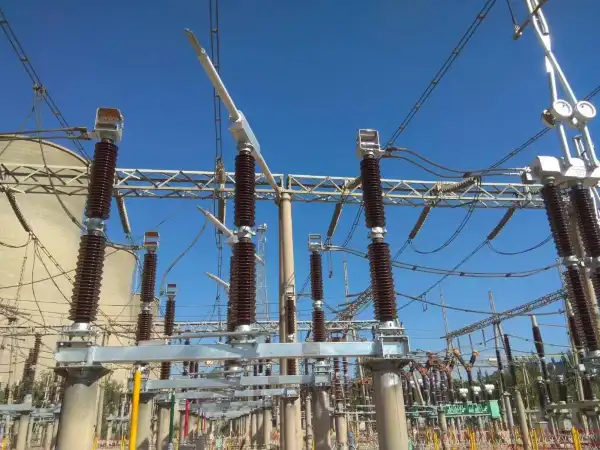
Complex power distribution networks are hard to manage for facility operators and utility companies. One problem they have to deal with is how to do maintenance safely without affecting the stability of the grid. A High Voltage Disconnect Switch is the only way to make sure that there is no electrical connection, which protects both people and equipment during service work. These devices make air gaps that can be seen in circuits that are still live. This lets maintenance teams work safely on sections that are no longer live while systems next to them are still working. This keeps expensive downtime to a minimum and protects important infrastructure investments.
 |
 |
Understanding High Voltage Disconnect Switches and Their Role in Electrical Grid Safety
Every reliable power system needs parts that can safely be disconnected for maintenance or emergencies. This basic need is met by High Voltage Disconnect Switch units, which physically separate circuit sections. This makes breaks that can be seen that confirm electrical isolation before people approach potentially dangerous equipment.
Defining Core Functions in Power Systems
Protective devices and isolation equipment serve distinct roles in power systems. Circuit breakers interrupt fault currents under energized conditions, while disconnect switches are only operated when circuits are de-energized or lightly loaded. Their primary function is to provide a visible isolation gap so maintenance personnel can confirm electrical separation safely. This is essential in substations, industrial plants, and commercial networks with coordinated multi-team operations. Modern high-voltage AC disconnect switches are designed for long-term outdoor use, maintaining reliable performance under temperature extremes, humidity variations, and polluted atmospheric conditions over decades of service.
Visible-Break Versus Non-Visible Break Technologies
Two main design approaches exist to meet different operational requirements. Visible-break switches use blade mechanisms that create a clearly observable air gap, allowing operators to confirm isolation status without instruments, improving safety in outdoor substations and switchyards. Non-visible break designs enclose contacts within insulated housings, making them suitable for indoor installations where space constraints, aesthetics, and compact layouts are important. These systems rely on mechanical indicators or electrical position signals integrated into control systems, supporting automated monitoring and grid operation while maintaining safe switching performance in enclosed environments.
Application Environments and Selection Criteria
Proper selection depends heavily on installation conditions. Outdoor applications require corrosion-resistant materials, robust mechanical structures, and effective sealing against dust, moisture, and temperature extremes. The GW7B-363 three-pole horizontal rotating switch exemplifies this design approach, using aluminum alloy conductors that are significantly lighter than copper while offering strong corrosion resistance. Indoor applications prioritize compact design, low noise, and compatibility with existing infrastructure, particularly in sensitive environments such as hospitals and data centers where thermal stability and acoustic control are critical for operational safety and comfort.
High Voltage Disconnect Switch Operation and Maintenance Best Practices
Longevity and dependability come from following strict operational procedures and routine maintenance procedures. Even though modern innovations have made it so that equipment designed to last 30 years or more still needs to be serviced every so often, it still needs to be serviced at some point. A High Voltage Disconnect Switch requires systematic attention to achieve its full operational lifespan.
Pre-Operation Safety Verification Procedures
Before operating isolation equipment, operators must confirm that the circuit is fully de-energized using multiple verification steps. The process begins with visual inspection of adjacent circuit breakers and isolation points, followed by voltage detection using properly calibrated instruments. Switching operations must not proceed until complete absence of electrical potential is confirmed. Modern substations increasingly use mechanical interlocks that prevent simultaneous closure of main and earthing blades, significantly reducing human error risk during switching sequences and enhancing overall personnel and equipment safety in high-voltage environments.
Systematic Maintenance Protocols
Regular maintenance is essential to ensure long-term operational reliability. Facilities that combine quarterly inspections with annual mechanical testing achieve uptime rates of up to 99.7%. Key inspection areas include contact surface condition, lubrication of operating mechanisms, and insulation integrity. Self-lubricating bushings represent a major improvement, reducing maintenance requirements by approximately 60% compared to traditional bearings. Made from advanced polymer materials, they eliminate the need for routine lubrication and can support over 10,000 switching cycles while maintaining stable mechanical performance and reducing lifecycle maintenance costs.
Compliance with International Standards
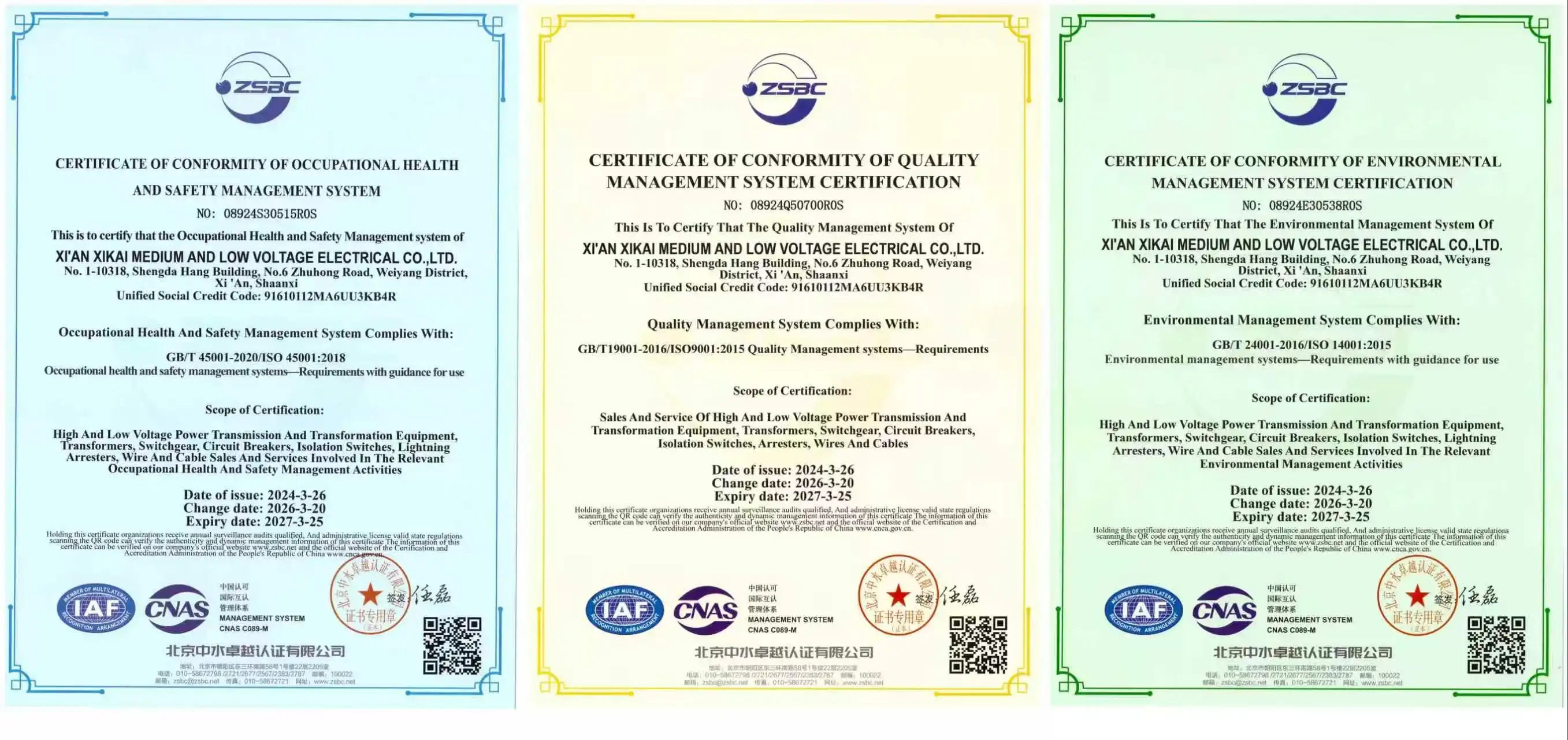
Global procurement requires strict adherence to internationally recognized standards. IEC 62271 and IEEE C37.32 define performance, testing, and operational requirements to ensure compatibility across different power systems worldwide. Equipment certifications such as IEC, IEEE, GB/T 1985, CE, and RoHS demonstrate compliance across multiple regulatory frameworks, enabling broader project applicability. Safety compliance must also follow OSHA and NFPA 70E requirements, ensuring proper operational procedures and mandatory use of personal protective equipment. Even with advanced safety designs, electrical hazards cannot be fully eliminated, requiring strict discipline in field operations.
Comparing High Voltage Disconnect Switches with Other Electrical Protection Devices
To make the best grid design, you need to know how the different parts work together to form complete protection schemes. Along with circuit breakers, load break switches, and fuses, the High Voltage Disconnect Switch is used in electrical infrastructure. Each of these has its own specific job to do.
Functional Distinctions Between Isolation and Protection Equipment
Circuit breakers automatically cut off fault currents and respond within milliseconds to overcurrent situations. They have complex arc-extinguishing systems that handle energized disconnections that could hurt isolation switches. Modern installations mostly use vacuum circuit breakers and SF6-insulated designs, which work better than older technologies that used oil. Disconnect switches aren't designed to be able to stop current flow. When you try to open these devices while they are loaded, destructive arcing happens that hurts the contacts and puts people's safety at risk. Their only functions are no-load switching and isolating the circuit after fault currents have been cleared by protective devices.
Load Break Switches as Intermediate Solutions
Load break switches are in between circuit breakers and disconnect switches in terms of what they can do. These devices safely cut off moderate load currents without the need for complex arc suppression systems that are needed to cut off fault currents. They work well in situations where transformer magnetizing currents or capacitor bank operations need to be switched on and off often. Controlled switching technology makes load break switches even better. Phase selection mechanisms precisely time contact closure to minimize inrush currents when energizing capacitor banks. This lowers mechanical stress and increases the life of the equipment. This method is shown by the VEGM-40.5 high voltage switched capacitor circuit breaker, which can work quietly (below 45dB) and still meet NFPA 70 fire safety codes.
Environmental Considerations for Equipment Selection
Outdoor installations have to deal with environmental stresses that indoor equipment never has to. Over time, changing temperatures, UV light, water getting in, and airborne pollutants all damage electrical insulation and mechanical systems. Bases that are hot-dip galvanized have a much longer useful life because they protect structural parts from corrosion and look better for decades of use. Enclosed transmission systems, especially in High Voltage Disconnect Switch applications, keep dust and sand from getting into the working parts. This is especially helpful in desert areas or industrial settings where airborne particles are a problem. Our designs for pantograph mechanisms in High Voltage Disconnect Switch assemblies use sealed housings that keep the lubrication working properly and prevent the environment from affecting important bearing surfaces. Indoor applications demand different optimization priorities. Because of limited space, small designs with few safety gaps are more common. When people are in a room, acoustic emissions become very important. This has led to new technologies like flame-retardant capacitors that get rid of the mechanical resonance that comes with older designs.
How to Select and Procure the Best High Voltage Disconnect Switch for Your Needs?
Strategic procurement strikes a balance between technical needs and business concerns, making sure that the High Voltage Disconnect Switch chosen meets operational requirements and provides the best value over its entire lifecycle. Systematic evaluation processes lower risks and help people make confident buying decisions.
Defining Technical Requirements
The voltage rating is the most important specification because it defines insulation level and spacing requirements in power equipment design. Systems rated 363kV differ greatly from 40.5kV in size, materials, and cost. Current rating is also critical, covering continuous thermal capacity and short-time fault withstand, including surge currents up to 100 times rated value without damage. Switching frequency affects mechanical durability needs, with frequent operation requiring robust mechanisms. Self-lubricating bearings reduce maintenance and downtime in high-cycle applications, improving reliability and lifecycle cost efficiency overall in demanding grid environments.
Evaluating Supplier Capabilities
When evaluating supplier capabilities, Xi'an Xikai stands out for its strong manufacturing scale and advanced system integration expertise in medium and low-voltage electrical equipment. The company offers a diverse product portfolio with proven performance in demanding environments, including high-altitude operations up to 4,000 meters. Backed by patented technologies and strict compliance with industry standards, Xi’an Xikai delivers reliable, customized power distribution solutions widely adopted across energy, infrastructure, and industrial sectors, demonstrating both technical strength and long-term partnership value.
Commercial Considerations and Procurement Strategy
Different suppliers have varying pricing structures requiring transparent quotations separating equipment, accessories, spares, and commissioning services to ensure accurate budgeting and cost control. Lead times significantly affect project schedules, with standard items shipping in 8–12 weeks and customized solutions extending up to 20 weeks due to engineering and testing requirements. Early supplier involvement reduces schedule risks. Warranty terms, typically five years in our case, provide protection against early failures. Customization options such as earthing switches, blade configurations, mounting designs ensure precise alignment with project requirements specification communication accordingly.
Future Trends and Innovations in High Voltage Disconnect Switch Technology
Electrical infrastructure is always changing because of new technologies and government rules. By knowing about new trends, procurement professionals can choose a High Voltage Disconnect Switch that will still be useful in many years to come.
Smart Grid Integration and Remote Monitoring
Real-time monitoring and automated control made possible by digital transformation change the way grid management is done. IoT sensors that are optional can be connected to disconnect switches and send operational data to central monitoring systems. Predictive maintenance algorithms look at this data and find faults that are starting to form before they stop service. The ability to control things from a distance keeps people from having to go into dangerous environments. Motorized operating mechanisms respond to commands from the control system. This lets switching operations be done from secure control rooms instead of having to be in the field during energization sequences. This automation is especially helpful in bad weather, when people's safety concerns might normally delay necessary switching operations.
Sustainability and Environmental Compliance
More and more, regulatory pressures affect how equipment is designed. Concerns about the environment can be met with lead-free materials and halogen-free insulation systems that keep the electrical performance. Our manufacturing processes focus on using less energy and creating less waste, which supports our company's sustainability goals without lowering the quality of our products. Strategies for choosing materials weigh performance against impact on the environment. Aluminum alloy conductors are a good example of this because they are strong and don't rust, but they also have a lot less energy built into them than copper alternatives. Design decisions are affected by how recyclable they are, which makes sure that getting rid of old equipment in the best way possible for the environment.
Enhanced Safety Features and Operational Reliability
Failure-safe designs that get rid of unsafe operational sequences are becoming more common in mechanical interlock systems. Safe live-line maintenance is possible with horizontal insulation breaks, which let qualified people work on grounded equipment while adjacent phases stay live. This feature is very helpful during emergency repairs when turning off the whole system would mean too many service interruptions. Sealing motion mechanisms keeps the environment from getting into them and cuts down on maintenance work. Our enclosed transmission designs keep dust and moisture out, so the lubrication stays strong for longer between service intervals. This way of engineering works especially well for installations in harsh environments where regular designs break down more quickly.
Conclusion
The safety of the electrical grid depends on reliable isolation equipment that lets maintenance work be done without affecting the integrity of the system. Modern High Voltage Disconnect Switch units use both tried-and-true mechanical designs and cutting-edge materials engineering to make them reliable for decades in a wide range of demanding situations. When you do strategic procurement, you have to weigh technical requirements against business concerns and choose suppliers who have a track record of expertise and high-quality manufacturing. As smart grid technologies get better and rules about sustainability get stricter, the equipment we choose today needs to be able to handle operations that will last a long time from now on. This is to make sure that investments in infrastructure last and provide long-term value over their long service lives.
FAQ
1. What inspection intervals do manufacturers recommend?
Best practices in the industry call for visual inspections every three months and mechanical tests once a year. While these time frames work for most installations, they may need to be checked more often in harsh environments or high-frequency switching situations. Thermal imaging is used during regular inspections to find signs of contact degradation before they become a problem.
2. Can disconnect switches interrupt load currents safely?
Disconnect switches don't have the arc suppression systems that are needed to safely cut off the current. When you open these devices while they are loaded, destructive arcing happens that hurts equipment and puts people in danger. Before disconnect switches can work, circuit breakers or load break switches must clear load currents.
3. Which factors most significantly influence equipment costs?
Pricing is based on voltage rating and current capacity. Higher voltages need better insulation and longer clearance distances, which has a huge effect on the amount of materials needed and the difficulty of making the product. Total acquisition costs are also affected by the need for customization, the scope of certification, and the terms of the warranty.
Partner with Xi'an Xikai for Superior High Voltage Disconnect Switch Solutions
Xi'an Xikai Medium & Low Voltage Electric Co., Ltd. stands ready to support your electrical infrastructure projects with proven isolation equipment backed by three decades of manufacturing excellence. Our designs for High Voltage Disconnect Switch solutions use a lightweight aluminum alloy and self-lubricating mechanisms to make them work for over 10,000 switching cycles without any maintenance. Each unit undergoes rigorous 72-hour load tests and carries comprehensive IEC, IEEE, and CE certifications that make it easier to use in projects around the world. Our engineering team can help you match your specific technical needs with the best product configurations, whether you're replacing old substation equipment or planning a brand-new industrial complex. You can email our procurement specialists at serina@xaxd-electric.com, amber@xaxd-electric.com, or luna@xaxd-electric.com to talk about your needs and get detailed quotes from a reliable high-voltage disconnect switch manufacturer.
References
1. Institute of Electrical and Electronics Engineers (IEEE), "IEEE Standard for High-Voltage Switchgear and Controlgear - Part 103: Switches for Rated Voltages Above 1 kV up to and Including 52 kV," IEEE C37.32-2020, 2020.
2. International Electrotechnical Commission (IEC), "High-voltage switchgear and controlgear - Part 103: Switches for rated voltages above 1 kV up to and including 52 kV," IEC 62271-103:2021, 2021.
3. National Fire Protection Association (NFPA), "Standard for Electrical Safety in the Workplace," NFPA 70E-2021, Quincy, Massachusetts, 2021.
4. Standardization Administration of China, "High-voltage alternating current disconnectors and earthing switches," GB/T 1985-2014, Beijing, China, 2014.
5. Electric Power Research Institute (EPRI), "Substation Equipment Maintenance Guide: Volume 2 - Disconnect Switches," Technical Report 3002011821, Palo Alto, California, 2017.
6. Occupational Safety and Health Administration (OSHA), "Electrical Protective Equipment Standards," 29 CFR 1910 Subpart I, U.S. Department of Labor, Washington, DC, 2019.