Operating Mechanism of SF6 Circuit Breaker – Working Principle, Types and Key Features
2026-06-24 10:05:23
Protection systems for today's electricity infrastructure need to be able to act quickly to problems while keeping the system's integrity. This very important job is done by SF6 Circuit Breakers, which use sulfur hexafluoride gas, a substance with great arc-quenching qualities, to safely stop high-voltage currents. These gadgets use precision mechanical systems and compressed gas technology to quickly fix problems, usually in 50 milliseconds or less. Understanding how these breakers work is important whether you're in charge of a data center that needs to be up 99.999% of the time, running a regional transmission grid, or designing substations for industrial complexes. It helps you choose equipment that balances performance, maintenance needs, and regulatory compliance in a variety of operating environments.
 |
 |
Understanding SF6 Circuit Breakers: Working Principle and Operation
That sulfur hexafluoride-based interruption technology works so well is because of the chemical structure and physical properties of the gas that make it perfect for electrical uses.
How SF6 Gas Quenches Electrical Arcs?
As the current tries to keep running, an electrical arc forms when contacts separate during a fault situation. SF6 gas steps in two ways: negatively charged molecules take in free electrons that keep the arc going, and the gas's high thermal conductivity quickly gets rid of heat energy. This dual action puts out the arc faster than air or oil options. This makes it possible for small designs that can be used in places with limited room, like substations in cities or platforms at sea.
Core Components of the Interrupter Assembly
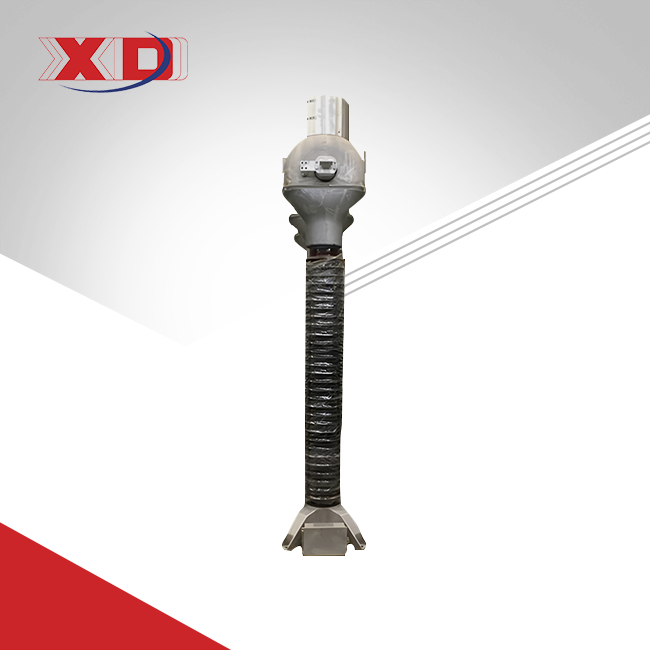
The interrupter has a sealed box that holds the contact system. When working commands are sent to moving contacts, they move in response to those orders. The nozzle, which is placed between the fixed arc contacts and the moving elements, guides the movement of SF6 toward the arc zone as it happens. By moving the piston, the puffer cylinder creates a difference in pressure, which causes the blast effect that cools and deionizes the arc path. Terminal flanges allow electrical connections while keeping gas-tight integrity. This stops leaks that could affect stoppage performance or cause problems for the environment.
Operating Mechanism Coordination
Mechanisms that work with springs, like the CT14 system, store energy automatically and release it when needed. When moving between tasks often, hydraulic systems work more smoothly. The device moves the insulation rod that is attached to the moving contacts when a trip signal is sent. Precision in timing is important—the contacts must separate at the right speed while the puffer cylinder builds up enough pressure before the arc starts. This coordination between mechanical movement and gas dynamics decides how well the current is cut off, especially when there are uneven fault conditions that put a lot of stress on the breaker's abilities.
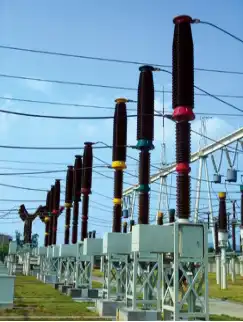
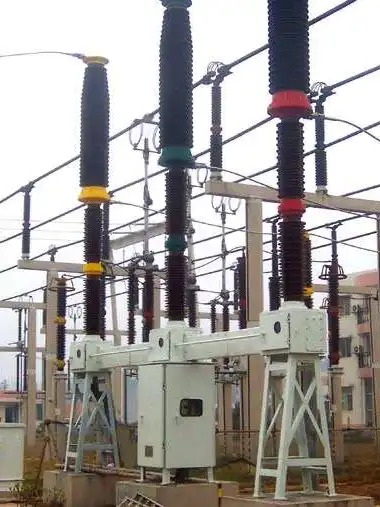
This idea is shown by the LW25-363/Y4000-50 model SF6 Circuit Breaker, which has a double-interrupter-per-pole setup. Each pole of the SF6 Circuit Breaker works on its own, but they work together thanks to the CYA3 hydraulic spring system. During opening operations of the SF6 Circuit Breaker, coordinated movement between the fixed arc contact and nozzle creates a clogging effect that raises upstream pressure in the puffer cylinder. This lowers the operating power requirements while improving the ability to extinguish the arc—an improvement to the SF6 Circuit Breaker design that makes the mechanical part last longer than 3,000 operational cycles.
Types of SF6 Circuit Breakers and Their Applications
Based on the arrangement of pressure and voltage ratings, classification systems help match breaker designs to specific electrical settings and operating needs.
Single Pressure vs. Double Pressure Systems
Single-pressure systems keep the SF6 density the same inside the box, which makes it easier to build and easier to manage. As both an insulator and an arc-quencher, the gas does two things. In double-pressure designs, there are separate high-pressure and low-pressure tanks that send pressurized gas toward the arc zone when the power goes out. Even though these systems work better for interruptions, they are more difficult to maintain and have mostly been replaced by puffer-type designs in new installs.
Puffer-Type Breaking Technology
During contact separation, the necessary gas blast is made by the mechanical compression of the buffers. As the moving contact moves, it squeezes the gas inside the puffer cylinder, creating pressure that is released through the vent at the right time. This self-generated blast gets rid of the need for extra compression tools. This makes operation more dependable because pressure generation is directly linked to contact movement. This method is used by the LW8-40.5 Outdoor model, which provides compressed-gas arc interruption that handles 31.5kA fault currents across 21 operations without replacing SF6 or needing repair work. This is helpful for utility companies that are in charge of assets that are spread out geographically.
Voltage Rating Categories and Industrial Applications
SF6 Circuit Breakers from 1kV to 52kV serve distribution networks and industrial facilities. The 35kV-40.5kV range protects utility feeders and factory transformers where outages disrupt production. High-voltage SF6 Circuit Breakers above 52kV protect transmission lines. Data centers need SF6 Circuit Breakers handling bidirectional power flow and harmonics. Renewable substations require SF6 Circuit Breakers managing these stresses. Matching specifications to real-world conditions ensures reliable protection.
Key Features and Advantages of SF6 Circuit Breakers
The performance features of sulfur hexafluoride technology that make it different from other stoppage methods have a direct impact on the stability of the system and the cost of running it.
Superior Dielectric Strength and Compact Design
The electrical strength of SF6 gas is about three times that of air at normal pressure. This means that there is less space between charged parts. In practice, this means smaller sizes, which is very important when updating old substations or putting equipment in cities where land costs have a big effect on project budgets. Because the gas is chemically stable, its insulating qualities stay the same at high and low temperatures. This means that outdoor systems can be used in regions ranging from the cold to the desert without losing their effectiveness.
Extended Operational Lifespan and Reliability
When compared to oil breakers, which need to have their oil changed often because of carbonization from repeated arcing, mechanical parts are under less stress. This type, the LW8-40.5, has this benefit because it can handle more than 3,000 processes and can integrate up to 12 current transformers per unit, meeting metering and protection needs without the need for extra equipment. Temperature-compensated density tracking with MKZ-type gauges gives accurate real-time gas pressure readings, which lets you do condition-based maintenance instead of time-based actions that might happen too soon or too late.
Maintenance Protocols and Environmental Considerations
SF6 is useful for operations, but it can cause global warming, so it needs to be handled carefully. Factory pre-charging keeps gas contact to a minimum on-site, and protected construction keeps leaks below 0.5% per year in good designs. Monitoring tools let workers know when density drops so that performance doesn't get worse. Regular checks make sure that the contacts are in good shape, the machinery is well-oiled, and the enclosure is solid. Trained techs can do these checks without the system being down for long periods of time.
Environmental laws are looking more closely at how SF6 is used. Proper gas recovery during decommissioning and leak discovery procedures show care for the environment. Reporting SF6 stocks and emissions is required in some places, so choosing the right tools depends on both technical specs and rules for environmental compliance.
These practical factors make it clear that buying choices involve more than just the starting cost of capital. Even if the equipment costs less at first, it ends up costing more over its lifetime because it needs more upkeep, breaks down more often, or makes it harder to follow environmental rules.
Procurement Considerations for SF6 Circuit Breakers
When choosing the right interruption equipment, you have to weigh technical needs against business facts. This makes sure that the equipment will work well and be cost-effective in the long run.
Technical Specification Alignment
The voltage ratings must match the standard voltage of the system plus a safety cushion. For example, a 40.5kV rated breaker works with 35kV systems and protects against short-term overvoltages. To account for future load growth, the interrupting capacity should be higher than the highest projected fault current at the installation point. The choice of rated current—whether it's 1600A, 2000A, 2500A, or 3150A—is based on predicted load and thermal factors in enclosed sites where temperature affects the ability to provide constant current.
The operating mechanism choice weighs the theory of maintenance against the switching frequency. Spring mechanisms can handle activities that don't happen very often with little care, while hydraulic systems can handle switching cycles that happen a lot, like those found in generation links or industrial tie breakers. Checking for compliance with standards like IEC 62271-100, GB1984-89, and local needs makes sure that the system is accepted by regulators and works with other safety systems.
Evaluating Manufacturer Capabilities and Support
Established makers have a track record of success and a full support system. While Siemens, ABB, Schneider Electric, and other similar companies offer a wide range of products for a variety of uses, they do offer different ways to buy their products and different levels of customizable options. When you work directly with makers, you can customize specifications and talk about technical issues during the planning process. Distributors, on the other hand, keep standard configurations in stock and can deliver them quickly.
Warranty terms show how confident the maker is in the product—coverage periods, included parts, and reaction promises during failure events set different products apart. As part of after-sales support, you can get help with commissioning, find extra parts, and get expert advice. Access to training programs for maintenance staff guarantees that equipment is handled correctly throughout its useful life, lowering the risk of failure early due to bad practices.
Customization and Value-Added Services
Standard SF6 Circuit Breaker catalog goods meet most needs, but customization aids specific applications: altitude adjustment above 1,000m, seismic reinforcement, or coastal corrosion coatings. Bulk purchases secure better pricing, longer warranties, or turnkey services. Installation advice and transition bases enable replacing old oil breakers with minimal disruption. Predictive maintenance using condition tracking prevents unexpected failures and costly emergency repairs.
Future Trends and Innovations in SF6 Circuit Breaker Technology
Regulatory changes and new technologies affect how interruption equipment is designed and how it is used, which can have long-lasting effects on purchasing choices.
Alternative Insulating Gases and Environmental Solutions
Alternatives to SF6 that cause less global warming are being made because more people are concerned about the environment. Using fluoronitriles or fluoroketones in gas mixes shows promise for interruption properties while lowering climate effect. As vacuum interruption technology spreads to medium-voltage uses, it completely gets rid of worries about greenhouse gases. Procurement teams have to weigh the pros and cons of these options in terms of cost, size, and performance, as well as legal trends and the company's commitment to sustainability.
Digital Integration and Smart Grid Compatibility
Breakers can be used as data sources for state tracking and predictive analytics when they have sensors and communication links built in. Tracking contact wear, working mechanism performance, and gas density in real time lets you plan for failure and improve upkeep. Integration with substation automation systems allows for remote operation, which cuts down on site visits and makes it possible to centrally handle assets that are spread out. This is especially useful for utilities that are in charge of large rural networks or plants that are far from shore.
Smart tracking makes things safer by finding faults that are starting to show up before they become major problems. Analytics platforms find trends of declining performance across groups of equipment, which helps with making smart decisions about replacements and managing extra parts inventories. When you add these features, you need to think about safety because connected devices can cause problems that need to be fixed with the right system design and access controls.
Conclusion
Finding the right high-voltage interruption equipment means finding a balance between technical performance, practical needs, and the cost of ownership over time. SF6 Circuit Breakers are known to be reliable thanks to their advanced arc-quenching technology, small sizes, and long operating lifespans that lower the total cost of ownership. By knowing how things work, figuring out what each application needs, and checking out a manufacturer's skills, buying teams can make smart choices that help the company reach its goals.
Keeping up with changes in the business is important for making sure that equipment choices will still work for decades to come, even as environmental laws change and digital technologies get better. When you work with experienced suppliers who offer full technical support, customization options, and value-added services, you build partnerships that go beyond transactional relationships. These partnerships support long-term infrastructure stability and operational excellence.
FAQ
1. Why do engineers prefer SF6 gas for arc interruption?
Strong electronegativity means that SF6 molecules quickly take in free electrons that keep electrical sparks going. The gas puts out arcs faster than other options because it has excellent thermal conductivity, which means it uses heat energy efficiently. This lets designs be small and stable across voltage ranges.
2. How often do these breakers require maintenance?
Good designs, like the LW8-40.5 model, have a functional life of more than 3,000 actions with little maintenance. Maintenance schedules rely on how often the switches are used, the climate, and what the maker specifies. Usually, checkups are done once a year to check the gas density, contact condition, and mechanism operation, and major overhauls are done every 10 to 15 years.
3. What practices minimize environmental risks associated with SF6?
Factory pre-charging, sealed construction that keeps leaks to less than 0.5% per year, and tracking systems that adjust for temperature all help lower gas emissions. Proper handling during installation, leak detection procedures, and gas recovery during decommissioning all show that you care about the environment while keeping operations running smoothly.
Partner with Xi'an Xikai for Reliable SF6 Circuit Breaker Solutions
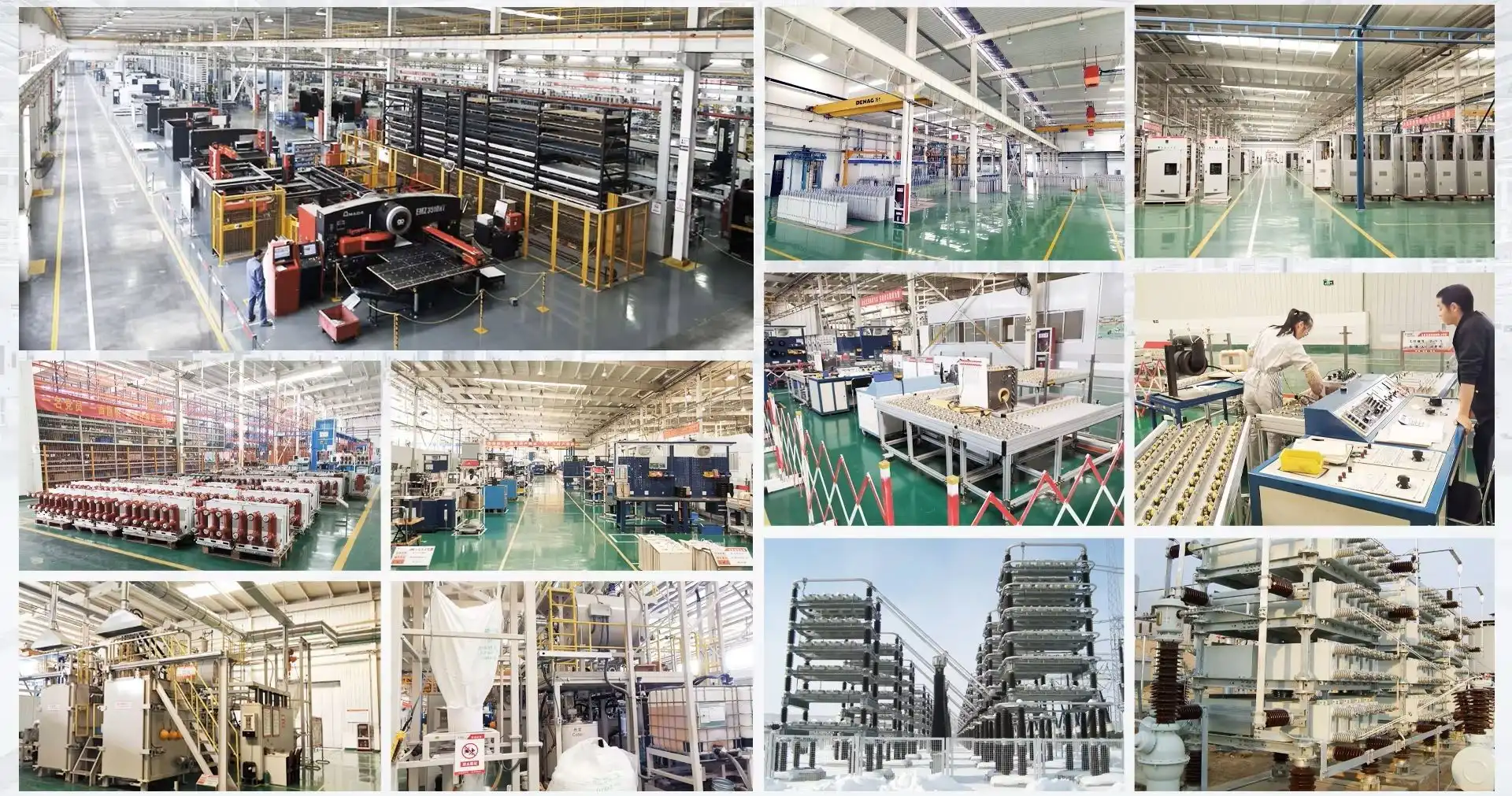
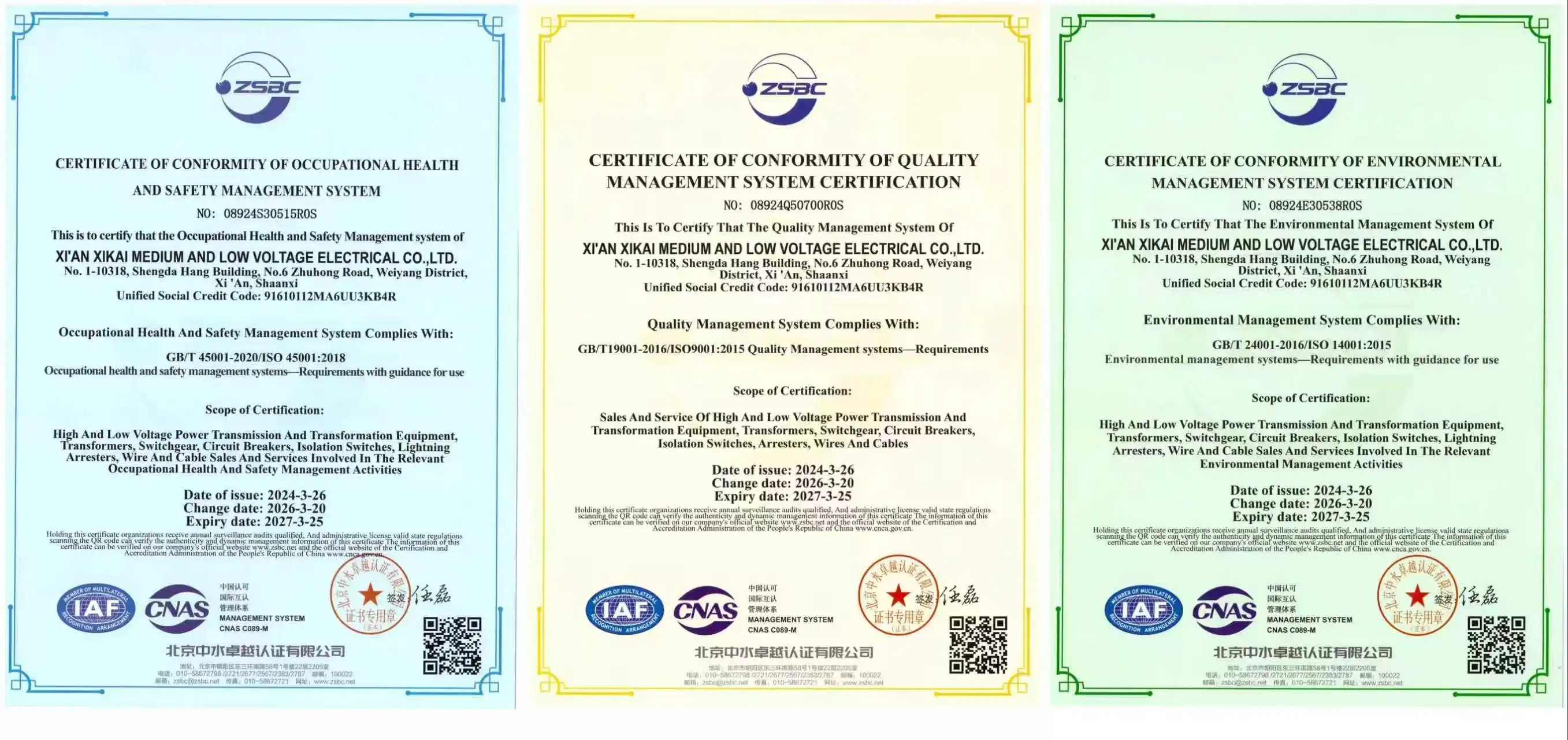
If you need reliable SF6 Circuit Breakers, work with Xi'an Xikai. Making difficult buying choices is easier with help and advice from people who have done it before. Xi'an Xikai has been making medium- and high-voltage equipment for decades and has solutions that are accepted in utility systems, industrial facilities, and building projects. Our engineering team works with customers to make sure that technical specs and business needs are met. This way, the best equipment is chosen for performance and long-term value.
Our dedication to quality is shown by the LW8-40.5 Outdoor model, which has a strong build that can survive harsh conditions, meets international standards, and can be easily integrated into a variety of security systems. We offer full help from developing specifications to commissioning and ongoing maintenance, whether you're replacing old infrastructure, adding more capacity, or building new systems.
Get in touch with our team to talk about your unique needs. Our experts can be reached at serina@xaxd-electric.com, amber@xaxd-electric.com, or luna@xaxd-electric.com. Visit xaxd-electric.com to see our full catalog. There you'll find detailed technical literature, application guides, and tools for buying our products. As a well-known company that makes SF6 Circuit Breakers, we know the problems that procurement professionals have and can help them find solutions that balance performance, compliance, and the cost of doing business.
References
1. IEEE Power & Energy Society. (2021). High-Voltage Circuit Breaker Technology and Applications. IEEE Standards Association Technical Publication.
2. CIGRE Working Group A3.22. (2019). SF6 Handling and Gas Management in Electrical Equipment. International Council on Large Electric Systems Technical Brochure.
3. Kapoor, R., & Mitchell, S. (2020). Modern Power System Protection: Theory and Applications. Wiley-IEEE Press Engineering Reference Series.
4. International Electrotechnical Commission. (2017). IEC 62271-100: High-Voltage Switchgear and Controlgear - Part 100: Alternating-Current Circuit Breakers. IEC Standards Publication.
5. Chen, L., & Zhao, Y. (2022). Arc Interruption Technology in Power Systems: Principles and Innovations. Journal of Electrical Engineering & Technology, Volume 17, Issue 4.
6. North American Electric Reliability Corporation. (2020). Transmission Equipment Protection and Maintenance Standards. NERC Compliance Guidelines and Technical Reference.
_1783415937807.jpg)