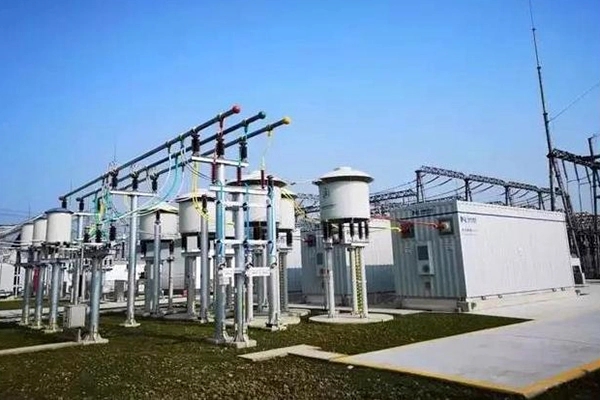
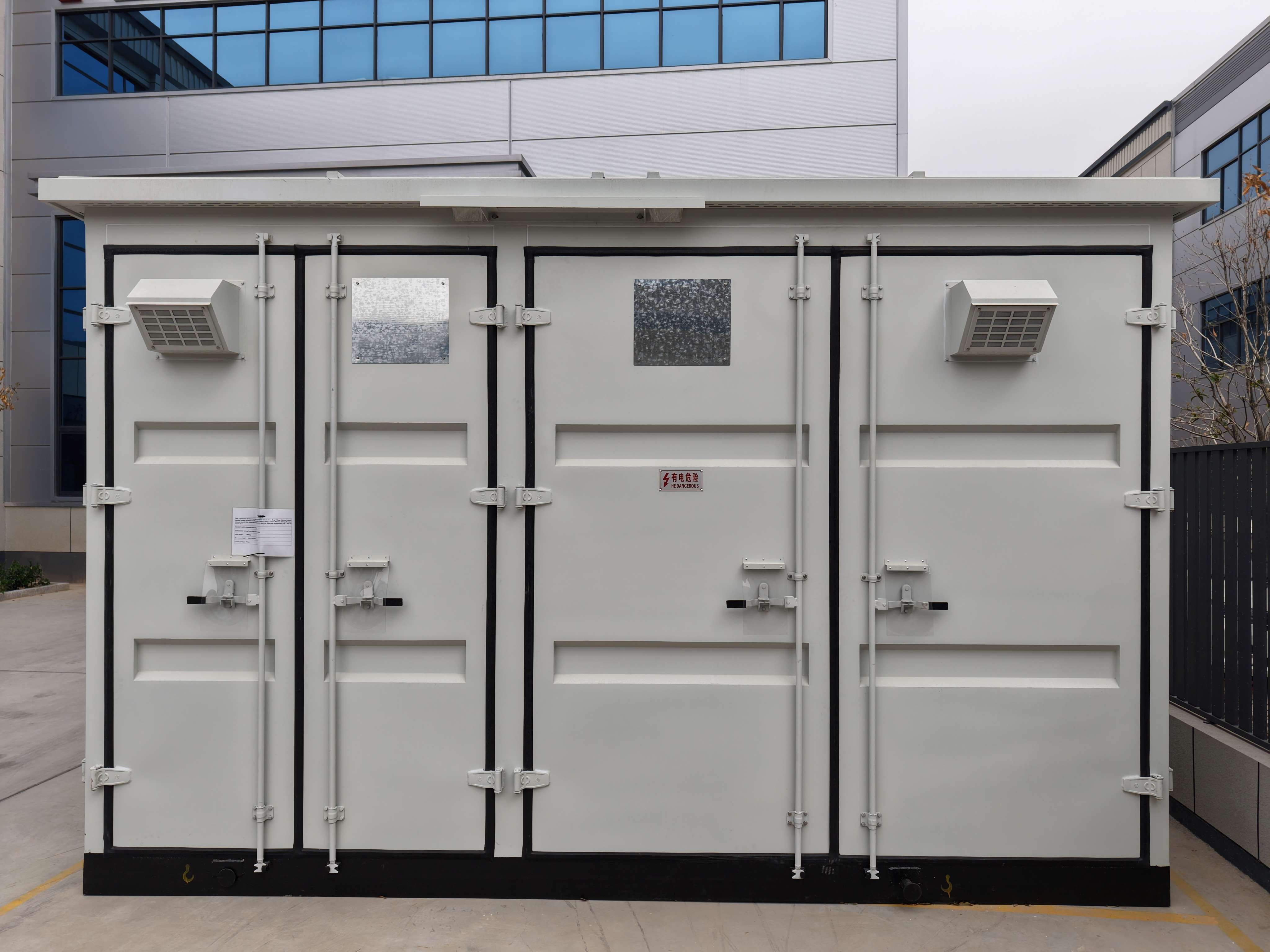
Why Choose a Outdoor Potential Transformer for Your Electrical Needs?
2026-06-22 17:40:11
Choosing the right measurement tools is very important when handling high-voltage electrical infrastructure in difficult outdoor conditions. It has a direct effect on working safety, cost-effectiveness, and grid reliability. An Outdoor Potential transformer is very important because it lowers voltages from dangerous levels to levels that can be handled by metering and safety systems. Unlike indoor units that can only be used in controlled environments, these ruggedized devices can handle high and low temperatures, UV rays, wetness, and corrosive atmospheres without losing their accuracy. When facility managers are in charge of power systems in places like factories, data centers, or hospitals, they need outdoor voltage measurement equipment that is both durable and accurate. This is because unplanned power outages can cost a lot of money or hurt patient care.
Understanding Outdoor Potential Transformers
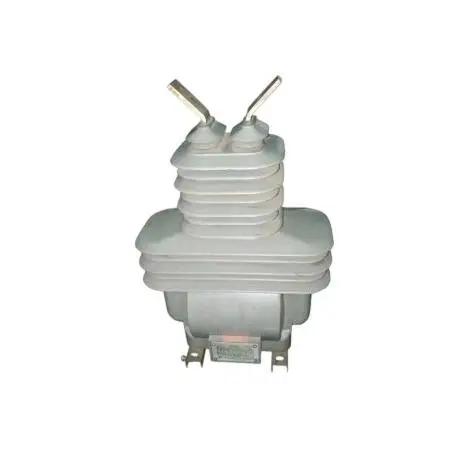
What Is an Outdoor Potential Transformer and How Does It Function?
Outdoor PTs transform high voltage (e.g., 35kV to 10kV) so meters and relays can work safely. Our 35kV model uses epoxy resin casting instead of oil, eliminating fluid maintenance. The fully sealed design prevents partial discharge and operates from -40°C to +55°C. Primary winding connects to the high-voltage line; secondary connects to billing meters and protection relays. Unlike indoor units, outdoor models use weatherproof epoxy that withstands rain, dust, and temperature extremes without cracking.
Technical Specifications That Define Performance
Our 35kV PT handles up to 35,000V input and accurately outputs 10kV for medium-voltage networks. It works on both 50Hz and 60Hz without modification. Rated primary currents are 600A or 800A. Secondary output is 5VA or 1A. Accuracy classes include 0.2 (revenue metering) and 0.5 (protective relaying). The transformer meets GB 20840.2-2014 and IEC 61869-1/61869-2 standards, ensuring global compatibility across North America, Europe, and Asia for utility and industrial applications.
Environmental Protection Features That Extend Service Life
An IP65+ enclosure blocks dust and withstands water jets, which is vital for dusty or coastal sites. UV-resistant polymer housings prevent sunlight degradation in desert solar farms. Stainless steel hardware and zinc-rich coatings resist corrosion near petrochemical plants. The epoxy resin withstands acids, alkalis, and hydrocarbon solvents that damage rubber or porcelain. Minimum creepage distance reaches 31 mm per kV, exceeding IEC requirements for high-pollution areas, ensuring reliable operation in harsh environments for decades.
Advantages of Choosing Outdoor Potential Transformers for Your Electrical Needs
Enhanced Safety Through Robust Weatherproofing and Insulation
Outdoor Potential transformer insulation must maintain dielectric strength despite moisture, dirt, and temperature swings. Unlike porcelain that cracks during sudden rainstorms, our epoxy resin uses uniform materials with no mismatched thermal expansion interfaces. The fully enclosed design provides 31 mm per kV creepage distance, exceeding IEC requirements for polluted areas. Workers stay safe during repairs because protection remains strong after years of industrial exposure. Dry-type epoxy contains no flammable fluids—critical for hospitals and data centers. ATEX and ANSI C57.13 certifications allow installation in explosive atmospheres without expensive enclosures. The design passes 170kV impulse withstand tests simulating lightning strikes and keeps partial discharge below 5 picocoulombs.
Reduced Maintenance Frequency and Lifecycle Costs
Oil-filled transformers require annual fluid analysis, regular oil changes, gasket inspections, equipment shutdowns, and specialized service contracts. Our epoxy-cast outdoor PT eliminates all these needs. Off-season checkups become simple visual inspections of grounding integrity, terminal corrosion, and cooling fins—completed in under 30 minutes without special tools. Terminal discoloration and surface tracking marks provide early failure warnings. Regular checks prevent catastrophic outages that cost thousands per hour in lost production. The 20-year service life assumes minimal performance degradation. Epoxy does not break down like mineral oil or evaporate like cellulose. Tests simulating decades of daily load changes confirm mechanical strength after 10,000 thermal cycles.
Precision Measurement Efficiency for Optimal System Performance
A 0.2-class outdoor PT maintains ±0.2% voltage error across 25-100% of rated burden, ensuring accurate readings whether the grid is at low load or high demand. This enables utility billing systems to calculate energy usage within ranges that withstand regulatory and customer scrutiny. Accurate voltage measurement also supports volt-VAR optimization, cutting system losses by 2-3%. Industrial sites can detect voltage drops below 90% as early motor failure warnings. Data centers track voltage harmonics to identify problematic nonlinear loads before IT equipment fails. Iron losses stay below 0.1W per kilogram using grain-oriented silicon steel laminations. Low self-heating keeps temperature stable and preserves accuracy over time, unlike past designs with excessive magnetizing current.
How to Select the Right Outdoor Potential Transformer?
Matching Voltage and Accuracy Requirements to Application Demands
Study the system's standard voltage and shielding coordination. A 35kV transformer works well with 34.5kV distribution networks common in North American industrial parks. The 170kV BIL protects against lightning-induced switching spikes and transients. Before specifying new PTs, facility managers upgrading old infrastructure must verify that existing protective device coordination remains safe to keep fault-clearing times within limits. Revenue meters require 0.2 class accuracy, especially when time-of-use rates offer financial rewards for precise measurement. Protective relaying circuits typically choose 0.5-class devices, as relay operation tolerates slightly larger errors. Facilities adding both functions often select dual-output transformers with one 0.2-class winding for metering and one 0.5-class for protection to avoid paying premium accuracy for all circuits.
Evaluating Supplier Reliability and Product Certifications
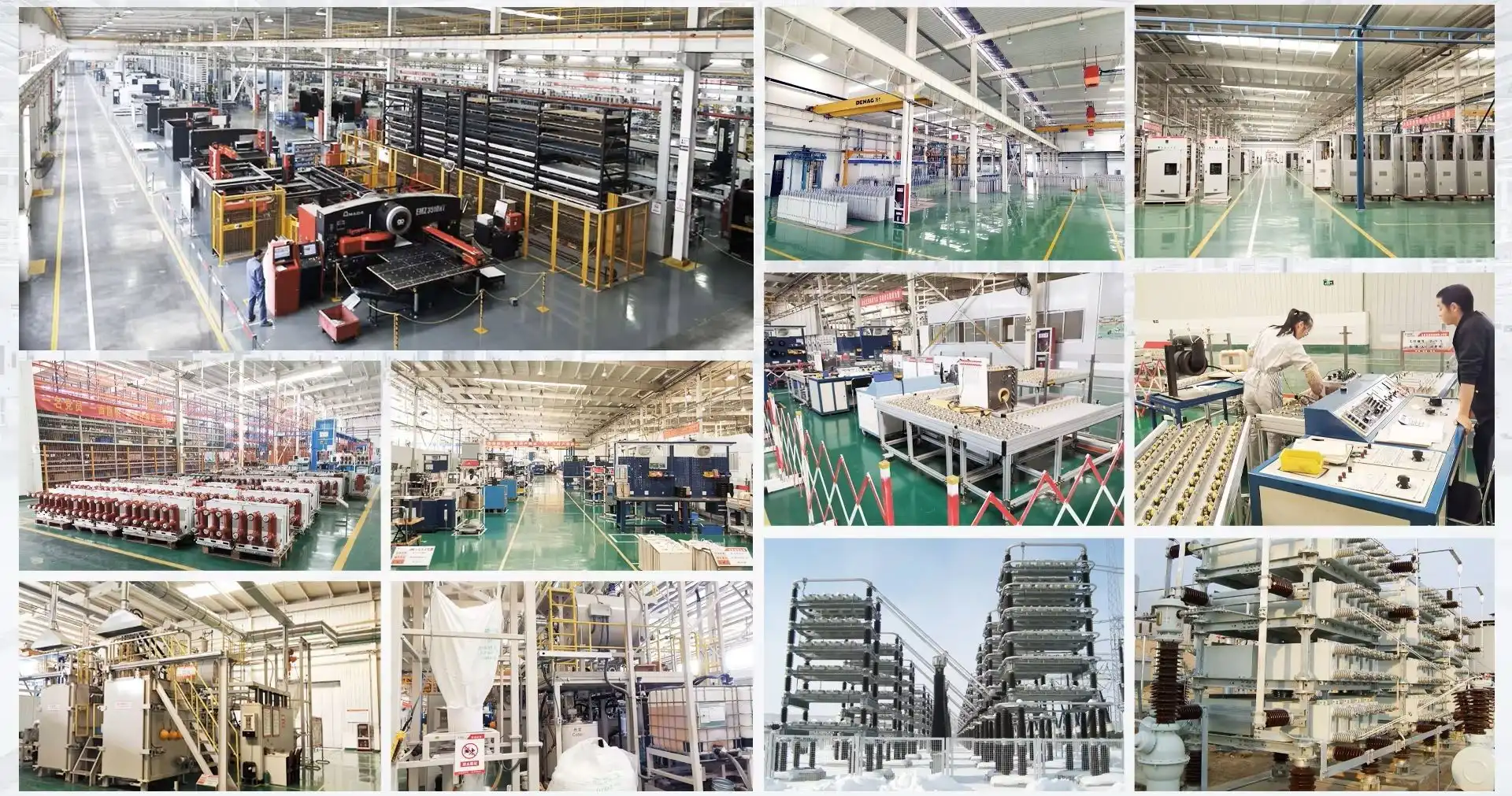
Authorized sellers offer warranties and factory technical support for Outdoor Potential transformers. Gray-market goods may lack proper certifications or carry fake test results. Procurement managers should request IEC 61869 compliance certificates from approved labs, not just manufacturer statements. Quality control requires traceability of epoxy glue and core steel to material approvals. Robotic epoxy casting produces insulation with uniform resin-to-hardener ratios and no voids; hand pouring risks errors. Three-step testing—impulse voltage, partial discharge analysis, and temperature cycling—provides greater confidence than quick dielectric checks. Plant witness testing lets buyers verify performance before shipment, crucial for critical installations where early failure carries severe consequences.
Installation and Maintenance Best Practices
Site Preparation and Safety Protocols for Proper Deployment
Design a base that meets weight and seismic needs. Our 35kV unit (~150kg) needs a concrete pad or steel base. Level within ±5mm to avoid mechanical stress. Keep 1.5m clearance from walls and live parts above 3m. Ground with #2 AWG copper wire; earth resistance below 1 ohm. Use exothermic welding. Follow lock-out/tag-out. Torque primary connections to 50-70 ft-lbs. Use shielded secondary wiring. Verify phasing with a synchroscope to prevent 180-degree errors.
Testing, Calibration, and Troubleshooting Procedures
Commissioning tests: use a 5kV megohmmeter to check insulation resistance above 10 gigohms between windings. Perform voltage ratio and polarity tests. Field test at 25%, 50%, and 100% of rated VA to find core saturation. Zero voltage indicates open secondary circuits or blown fuses. Erratic readings suggest loose connections. Clean and retorque terminals. Use ultrasonic detectors for partial discharge testing to detect insulation degradation before complete failure.
Seasonal Inspection Schedules and Failure Prevention Strategies
Spring: check freeze-thaw damage, drain holes, terminal corrosion. Replace corroded hardware with stainless steel. Summer: infrared thermography finds hot spots; verify thermal limits above 40°C. Manage vegetation. Autumn: clean salt layers and industrial dust; inspect gasket seals. Document all findings for warranty claims and regulatory compliance. Ensure drainage holes remain clear for condensation escape.
Procurement and Support: How to Source Your OPT Efficiently?
Purchasing Channels and Authorized Dealer Verification
When it comes to customization, technical support, and managing warranties for Outdoor Potential transformers, having a direct link with the maker is helpful. When you order from a company website like Xi'an Xikai, you can talk to tech teams who can help you choose the right models for your needs. Direct outlets usually have longer wait times—8 to 12 weeks for standard goods and 16 weeks for customized units—but they guarantee real equipment with full factory support. When you buy more than 10 units at once, you can often get bulk deals that lower the price per unit by 15 to 20%.
Wholesale wholesalers keep items in stock so that they can ship them more quickly. For popular configurations, they can sometimes ship within days. These middle-men act as area service centers that help with installations and keep extra parts in stock. Buyers should make sure that the dealer is authorized by confirming with the maker. This will make sure that the guarantee coverage moves correctly. Usually, distributor markups add 10 to 15 percent to factory prices. However, if there is enough inventory, this extra cost may be worth it when project plans can't wait for maker lead times. Local providers are helpful for small orders and last-minute backups, but they should be carefully considered. Ask for proof that the equipment is real, such as factory test records and material licenses. It is common for counterfeit goods to be sold in developing markets, and they might not have the right insulating materials or accurate calibration, which can lead to safety risks and measurement mistakes. Price differences that are more than 30% below market rates are often a sign of shady markets or used goods being sold as new.
Managing Lead Times and Delivery Logistics
Standard items ship 8-12 weeks; custom orders take 14-16 weeks. Ocean freight from Asia to US ports: 4-6 weeks; air freight: 1 week at higher cost. Coordinate deliveries with construction schedules to avoid on-site storage risks. Milestone-based delivery terms match shipments to construction progress. Customs clearance requires commercial invoices with HS codes (8504.31 for liquid dielectric, 8504.33 for dry-type). UL listing or NRTL field testing required for US entry. CE mark required for EU.
After-Sales Support and Long-Term Partnership Benefits
Full help after the sale is what sets sellers who care about their customers' success apart from transactional vendors. Installation help services range from simple phone advice to on-site supervision by factory-trained experts who make sure the right way to connect, ground, and place the equipment is done. This review stops installation mistakes that void warranties or pose safety risks. This is especially helpful when site workers don't have experience with specific instrument transformers.
Calibration services keep measuring tools accurate for as long as the equipment lasts. Recalibration done by approved laboratories every year or every other year using traceable standards shows that the accuracy class specifications are still being met. Some makers offer field calibration services using movable reference transformers, which cuts down on downtime compared to calibration in a workshop where the equipment needs to be taken apart. Calibration papers are proof that meets the needs of utility revenue metering checks and the ISO 9001 quality system. When technology breaks down, being able to fix it extends its life. Authorized service shops keep new parts like secondary windings, terminal blocks, and enclosure kits in stock, so fixes can be done instead of full replacements. Manufacturer's faults are usually covered by warranties for 24 to 36 months after the product is put into service. Service agreements can provide longer coverage.
Conclusion
In conclusion, when choosing Outdoor Potential transformers, you have to strike a balance between technical specifications, environmental resilience, and the supplier's ability to meet your unique operating needs. The 35kV outdoor voltage transformer is a great example of current instrument transformer design. It has epoxy resin insulation, accurate measurements, and waterproof construction all in a package that is easy to maintain. When buyers put lifecycle costs ahead of initial purchase price, they know that better insulation systems, strict quality control, and full support services offer value by extending service life and minimizing operating disruptions. As the power grid gets updated to include smart grid and green energy technologies, voltage measuring tools need to be accurate and reliable enough to support more advanced power control plans. When you work with Outdoor Potential transformer makers with a lot of experience, you can be sure that you'll have access to tried-and-true designs, the ability to make changes, and technical support that will help your project run smoothly from the beginning to the end.
FAQ
1. What Distinguishes Outdoor from Indoor Potential Transformers?
Outdoor Potential transformers have waterproof cases with an IP65 rating or higher that keep the inside parts safe from dust, rain, and changes in temperature. Indoor units usually get IP20 ratings, which are good for controlled settings but would quickly break down if they were exposed to water or UV light. Outdoor types have insulation made of epoxy glue or silicone rubber that doesn't break down in harsh environments. Indoor transformers, on the other hand, may use paper-oil insulation that is only good for climate-controlled areas. For outdoor units, the mounting hardware is made of corrosion-resistant materials like hot-dip galvanized steel or stainless steel. On the other hand, painted carbon steel is fine for indoor use.
2. How Often Should Outdoor Potential Transformers Undergo Calibration?
Calibration intervals rely on how important the application is and what the rules say. For revenue metering devices to follow utility tariff rules, they usually need to be calibrated every two years. Testing must be done by accredited labs that issue certificates that can be tracked. Because relay operation margins can handle bigger measurement errors, protective relaying circuits may increase the time between checks to 4-5 years. Verification of calibration once a year is good for important business processes where changes in voltage have a direct effect on the quality of the product or the safety of the equipment. In the time between official calibrations, operators should do functional checks to make sure that meters and relays respond correctly to known voltage conditions. They should also look for big mistakes that mean the system needs instant attention.
3. Can Manufacturers Customize Outdoor Potential Transformers for Specific Voltage Requirements?
Outdoor Potential transformer providers you can trust can make changes to meet specific voltage ratios, accuracy classes, and outdoor needs. Customized primary voltages work with distribution systems that aren't standard, and specialized secondary voltages work with old measuring equipment to avoid having to buy new instruments, which can be expensive. Improved environmental ratings IP67 are good for sites that might be temporarily flooded, and special coatings can handle chemical exposure in petrochemical plants. Customization usually adds 4 to 6 weeks to the lead time for regular goods, and you may need to place a minimum order quantity to cover engineering costs. Getting makers involved early in the planning stages of a project makes sure that custom solutions meet both technical needs and price limits.
Partner with Xi'an Xikai for Reliable Outdoor Potential Transformer Solutions
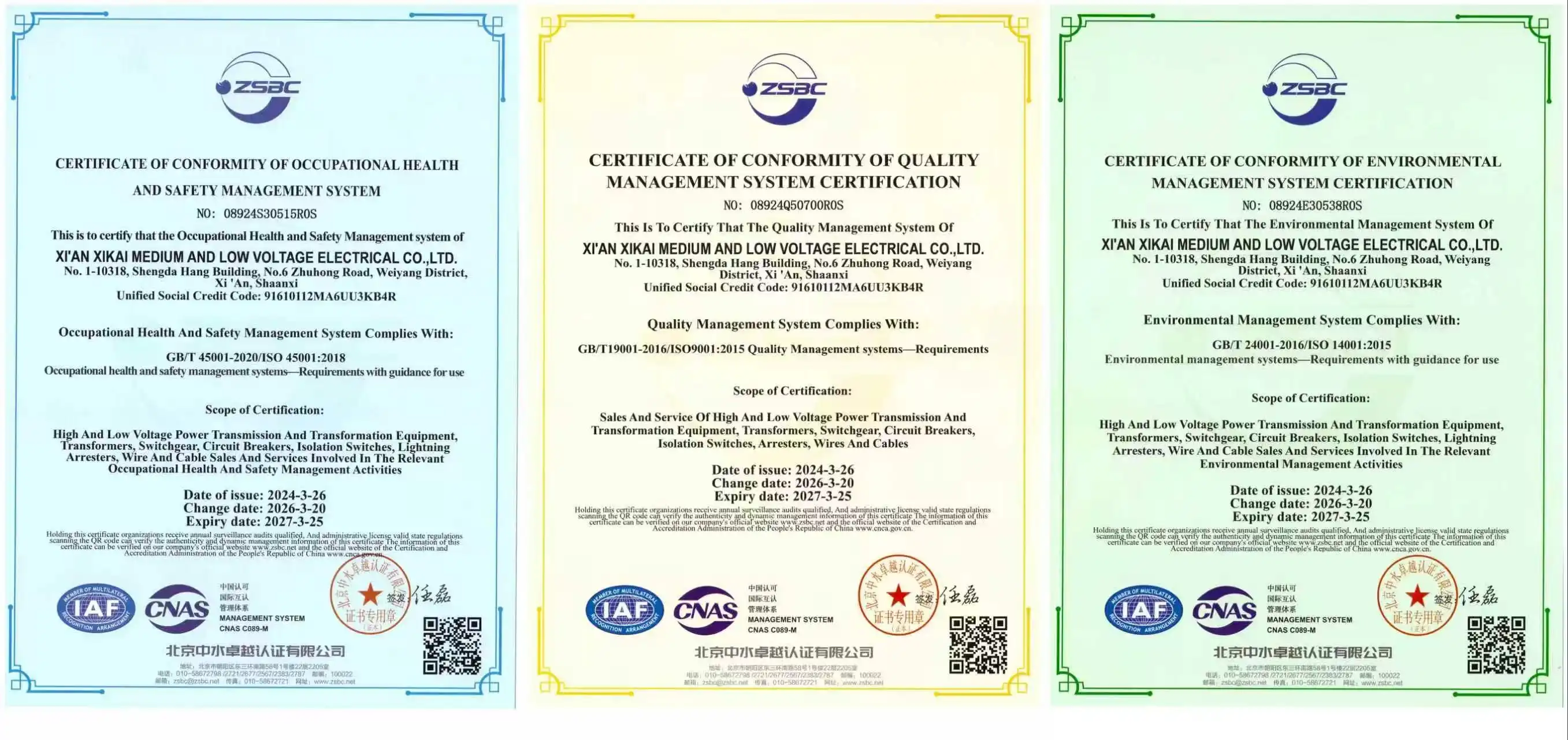
Xi'an Xikai Medium & Low Voltage Electric Co., Ltd. has been making transformers for over 30 years and has quality systems that are ISO 9001 approved. Their Outdoor Potential transformers are made to meet the strict needs of industry and utility uses. Our selection of 35kV outdoor voltage transformers includes epoxy resin casting technology, precision accuracy classes, and full environmental protection. These features make sure that the transformers work reliably in substations, industrial facilities, and green energy installations. We encourage purchase managers and engineers to look into unique solutions that are made to fit specific voltage needs, environmental problems, and project timelines. Get in touch with our engineering team at serina@xaxd-electric.com, amber@xaxd-electric.com, or luna@xaxd-electric.com to talk to experts about your Outdoor Potential transformer needs. As a reliable Outdoor Potential transformer manufacturer, we work with utility companies, industrial operators, and EPC firms all over North America. We offer competitive prices, flexible delivery schedules, and full after-sales support to make sure projects go well and the transformers are reliable for a long time.
References
1. Institute of Electrical and Electronics Engineers (IEEE), "IEEE Standard Requirements for Instrument Transformers," IEEE Std C57.13-2016, New York, 2016.
2. International Electrotechnical Commission, "Instrument Transformers - Part 2: Additional Requirements for Voltage Transformers," IEC 61869-2:2012, Geneva, Switzerland, 2012.
3. National Electrical Manufacturers Association, "Requirements for Instrument Transformers," NEMA Standards Publication TR 1-1998, Rosslyn, Virginia, 1998.
4. Smith, J.R. and Williams, P.T., "Environmental Testing Protocols for Outdoor High-Voltage Equipment," Journal of Electrical Insulation Systems, Vol. 28, No. 4, 2019, pp. 245-267.
5. Zhang, L., Chen, Q., and Liu, M., "Epoxy Resin Insulation Systems for Medium-Voltage Instrument Transformers: Material Properties and Long-Term Performance," IEEE Transactions on Dielectrics and Electrical Insulation, Vol. 26, No. 3, 2019, pp. 892-901.
6. American National Standards Institute, "Standard for Instrument Transformers - Revision of ANSI C57.13-1993," ANSI/IEEE C57.13-2008, Washington, D.C., 2008.