Operation and Maintenance of Indoor Current Transformers
2026-06-24 10:06:47
To manage electrical equipment well, you need to pay close attention to every part, especially the indoor current transformer. These measuring tools change large primary currents into normal secondary outputs that can be used with protective relays and meters. This way, workers can keep an eye on the flow of power without having to deal with dangerous voltage levels directly. Following the right procedures for operation and repair will protect accuracy ratings, avoid expensive downtime, and increase the useful life of equipment. This guide talks about how to choose the right products, how to install them, and how to keep them in good shape so that building managers, utility companies, and EPC firms can get the most out of their investments while keeping costs low over their entire life.
 |
 |
Understanding Indoor Current Transformers: Principles and Types
How Current Transformers Function?
The indoor current transformer steps down high currents to levels that can be handled using electromagnetic induction. There is a magnetic field inside the transformer core when main current runs through the conductor. A secondary current that is equivalent to this field can be carefully measured by protective circuits and meters. The scaling factor between main and secondary circuits is set by the transformation ratio, which could be 2000A/5A.
Wound Versus Bar-Type Configurations
There are two main styles that are used for different things. Wound-type indoor current transformers have several main turns that wrap around the core. This makes them flexible for modest current ranges from 20A to 600A. Bar-type designs have a single conductor that goes through the heart. They can handle higher currents of up to 2500A while taking up very little room. Bar-type units are usually chosen by manufacturing plants with a lot of heavy equipment, while wound designs are often preferred by business buildings because they are more flexible.
Indoor and Outdoor Design Distinctions
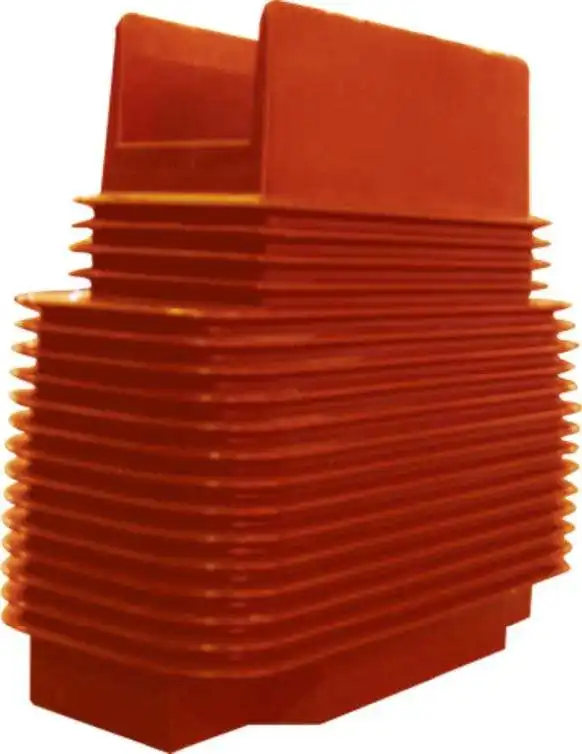
These groups are separated by environmental safety. For indoor current transformer types, epoxy resin encapsulation with an IP20 to IP30 rating is used, which is good for controlled settings. Outdoor versions need waterproof cases with an IP54 rating or higher to protect them from harsh temperatures, water, and UV light. The 35kV indoor current transformer from Xi'an Xikai is made of fully-enclosed epoxy resin casting, which keeps damp and dust out and keeps partial discharge levels below 10pC. This makes sure that the transformer works well in substations and industrial control rooms.
Typical Applications Across Industries
These gadgets are used by data centers to keep an eye on how much power is being used by server racks with 0.2 accuracy class precision. This lets them do in-depth energy analysis. In factories, indoor current transformers are built into motor control centers to find overload situations before they damage equipment. They are used in backup power systems at hospitals to check the output of generators when the power goes out. They are put in at distribution substations by utility companies to measure grid currents and find imbalances that show problems are starting to form.
Installation and Wiring Guidelines for Indoor Current Transformers
Pre-Installation Site Assessment
Before you place any measuring tools, make sure the temperature outside is between -5°C and 40°C, which is the same range that the indoor current transformer can work in. Make sure there is enough space around the placement site—at least 150 mm on all sides makes it easier to do a check. Make sure that the panel fixing areas can hold the weight of the transformer, which for three-phase combination units is usually 95 kg. Make sure the height doesn't go above 1000 meters unless the maker gives you plateau-rated instructions.
Proper Mounting and Connection Techniques
Use all fixing points to prevent indoor current transformer base loosening from vibration. Match primary conductor sizing to current capacity (e.g., 2500A terminals need same-rated lugs). Never open-circuit secondary—dangerous voltage spikes damage insulation. Always short-circuit secondary before removing metering equipment. Ground transformer frame to building ground for personnel safety during outages.
Understanding Accuracy Class Significance
Class number (0.2, 0.5) indicates maximum error percentage at rated current. Metering needs 0.2 or 0.5 class for accurate billing; protection circuits handle 5P/10P grades. Xi'an Xikai's 35kV models offer dual accuracy: 0.2 for revenue metering and 5P for overcurrent protection in one device, reducing equipment count and panel space.
Common Installation Errors and Solutions
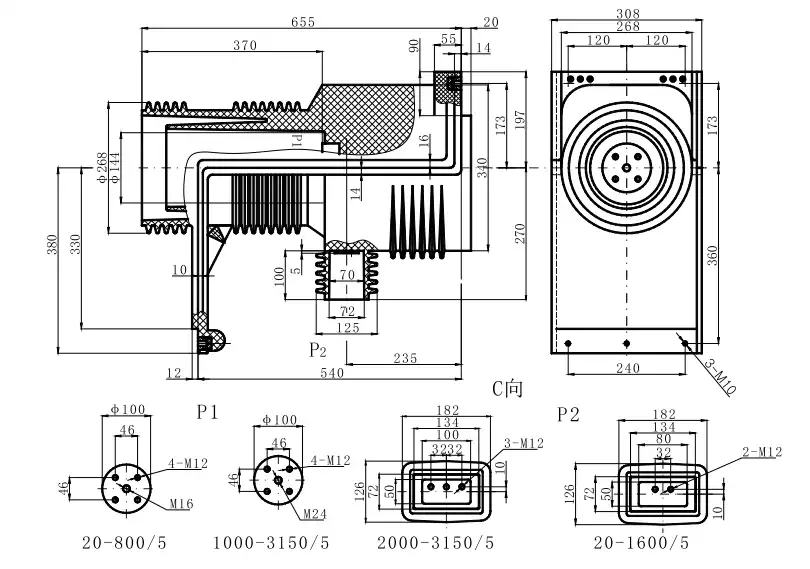
Swapped polarity causes negative meter readings. Verify primary terminal marks (P1/P2) match current flow direction and secondary terminals (S1/S2) connect correctly to meter inputs. Improper torque creates high-resistance joints causing heat and errors. Use calibrated torque wrenches (10-15 Nm for secondary connections). Label each indoor current transformer with ratio and accuracy class.
Operation and Maintenance: Ensuring Longevity and Accuracy
Recognizing Failure Mechanisms
Over time, thermal stress from repeated overloads breaks down fiberglass shielding of the indoor current transformer, which lowers the dielectric strength. Keeping an eye on the current levels compared to the estimated capacity helps find limits that are getting close before they cause damage. Most of the time, insulation breaks down because water gets in through broken seals or because partial release activity builds up over time. Damage from outside impacts or bad treatment during installation causes stress points where cracks can spread. By noticing these trends, you can take action before the whole thing fails.
Routine Inspection Protocols
Visual checks every three months find early danger signs. Check the epoxy surfaces for darkening, which means they were heated too much, or cracks, which mean they are under a lot of mechanical stress. Check the links between the terminals for rust or looseness. Use a 2500V megohmmeter to check the insulation resistance once a year; results below 1000 megohms should be looked into. Thermal imaging cameras find links with hot spots before they cause power blackouts. Record all measures to find basic trends in performance that show how the indoor current transformer is getting worse over time.
Calibration Intervals and Procedures
Measuring accuracy is maintained by checking it every three years, but testing may need to be done every two years for important revenue meters. When you calibrate an indoor current transformer, you compare the secondary output to precise current sources across the whole working range. Ratio mistakes and phase shift are seen when testing at 10%, 20%, 100%, and 120% of the rating current. Controlled primary currents are injected by specialized test tools while the secondary reaction is measured. Facilities that don't have the skills they need in-house should hire approved labs that meet ISO/IEC 17025 standards.
Troubleshooting Common Operational Issues
Shorted turns in the main winding are often the cause of sudden ratio mistakes. It's easy to find units that are influenced by comparing readings from different stages. Meter behavior that isn't stable even though the load is steady is a sign of bad secondary links. This problem is usually fixed by retightening the connections and cleaning the contact areas. Unusual humming noise means that the core is saturated because of too much main current or the presence of a DC component. The root cause is fixed by checking the load factors and rectifier leaks. When looked at in a planned way, each sign gives medical hints.
These methods greatly increase the service life while keeping the accuracy needed for best power transfer. When compared to reactive methods, data centers that do checks every three months report 40% fewer unplanned maintenance events. When factories adjust on time, they keep their billing accuracy within ±0.3%, which keeps them from losing money because of measurement shift.
Comparing Indoor Current Transformer Options: Making Informed Procurement Decisions
Evaluating Manufacturer Offerings
The market benefits from the unique strengths of global producers of the indoor current transformer. Siemens puts a lot of emphasis on its digital integration skills and has transformers with Internet of Things (IoT) sensors built in for online tracking. ABB focuses on small designs that make the most of panel density in placements with limited room. Schneider Electric offers a wide range of setup tools that make it easier to specify complicated projects. Chinese companies like Xi'an Xikai offer good prices by using advanced epoxy resin casting technology and following both GB 20840.2-2014 and IEC 61869 standards. This makes sure that their products can be used in both local and foreign projects.
Alternative Measurement Technologies
Rogowski coils can be installed around existing wires without cutting the circuit, which makes them perfect for retrofits. But they need extra integrators to turn the induced voltage information into current data that can be used, which makes things more complicated. While clamp-on CT meters are movable, they are not as accurate as indoor current transformers that are permanently fixed. Hall effect devices can measure DC, but they are much more expensive and are sensitive to weather. Traditional wound or bar-type transformers are still the best choice for long-term setups that need accuracy and dependability.
Price Considerations and Value Analysis
The budget must match the starting cost with the total costs of ownership. Premium names cost 20–30% more, but they come with better technical help and faster warranty service. Mid-tier sellers offer good deals on basic scores but charge more for custom specs. If you buy more than 50 units at once, you can usually get a 10-15% discount, but the minimum order quantity varies from manufacturer to maker. There are hidden costs when you look at the guarantee terms. For example, some providers don't include calibration services, so you have to sign different contracts that add to the cost of ownership over time.
Selecting Appropriate Accuracy Ratings
To meet the needs of energy bills and government regulations, revenue metering needs a 0.2 accuracy class. Protection applications work well with 5P grades because the operation limits for relays can handle more measurement error. Dual-rated indoor current transformers, like the 35kV type from Xi'an Xikai, can do both jobs at the same time, so you don't need two different devices. By combining them, 40% less room is needed for each panel, installation costs go down, and maintenance plans become easier to follow.
Buying Guide for Indoor Current Transformers
Verifying Supplier Credentials
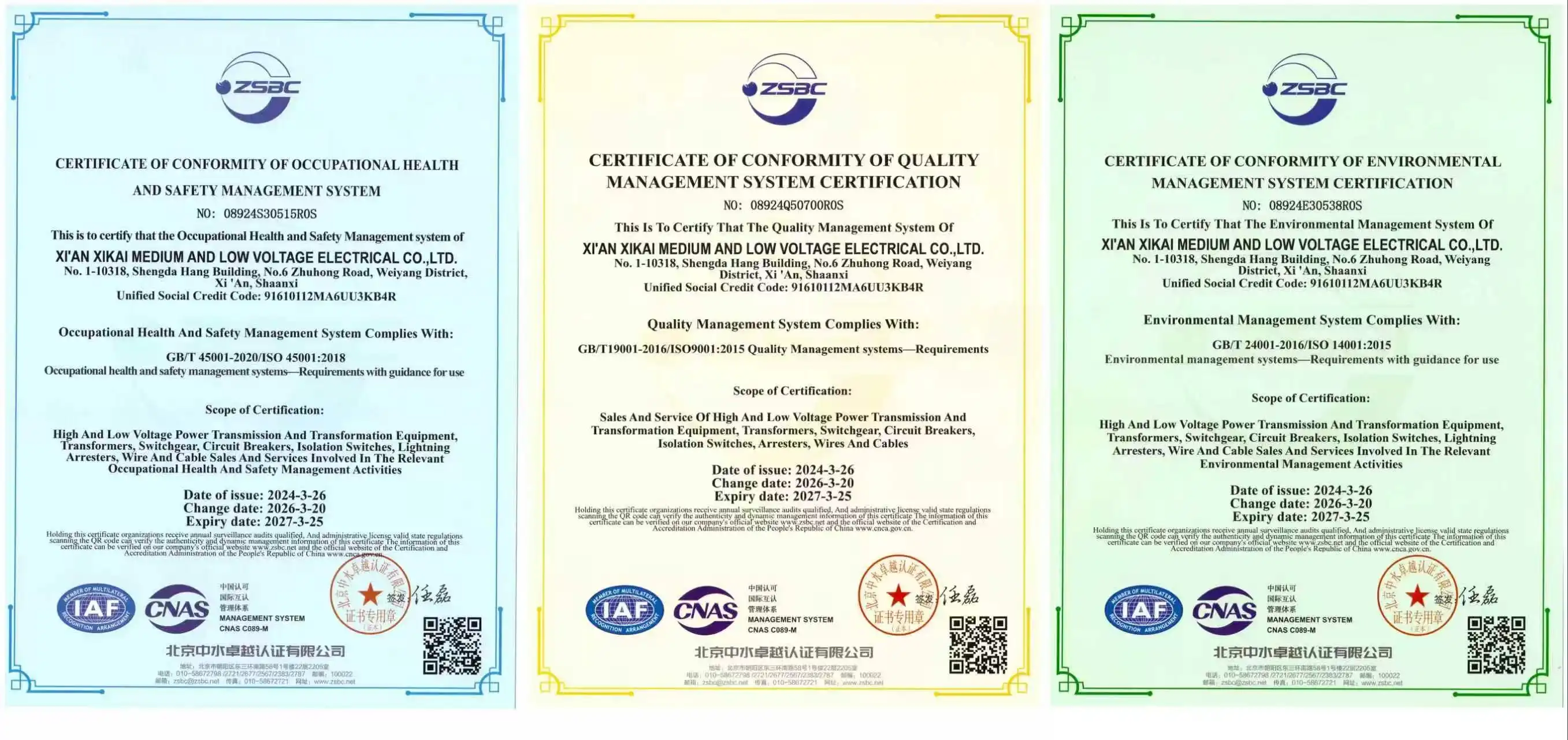
The first step in procurement of the indoor current transformer is qualifying suppliers. Ask for ISO 9001 approval to show that your quality management system meets global standards. To make sure a product meets the requirements of IEC 61869, look for type test results from reputable labs that say so. Check examples from current customers in the same or a similar industry. For example, a data center operator should ask for comments from other data center projects. Find out how good the technical support is by asking how long it takes to get answers to engineering questions and whether application help is available.
Analyzing Product Specifications
Make sure that the transformer's grade matches the exact needs of the system. The voltage level of 35kV must match the voltage level on the bus. Primary current values range from 20A to 2500A to handle a range of load sizes. The choice of secondary output between 1A and 5A relies on the input needs of the meter and the length of the wiring. 1A outputs make long cable runs easier. For foreign projects, frequency compatibility is important; dual 50/60Hz rates get rid of the need for different stock. Make sure that the accuracy classes meet the goals for metering and security.
In addition to basic specs, buyers must also think about environmental issues. Dielectric function changes with altitude, so the indoor current transformer above 1000 meters needs to be derated or plateau-rated. Extremes of temperature in the environment may mean that insulation classes need to be raised. Field breakdowns and design mismatches can be avoided by understanding these small details.
Navigating Procurement Logistics
It depends on the maker and the amount of customization, but the minimum order quantity for an indoor current transformer is usually between 10 and 50 units. Lead times range from 4 weeks for basic setups to 12 weeks for custom specs that need to be reviewed by an engineer. Shipping containers from Chinese makers to U.S. ports takes 30 to 45 days, so project plans need to be planned ahead of time. Ask about partial packages if the project's schedule allows for staged release. This will lower the cost of storage and improve cash flow.
After-Sales Support Importance
Technical help is very helpful during setup and for as long as the system is in use. Xi'an Xikai offers installation help, a 5-year protection, and professional support 24 hours a day, 7 days a week at serina@xaxd-electric.com, amber@xaxd-electric.com, and luna@xaxd-electric.com. Downtime during repair is kept to a minimum by being able to get new parts quickly. Training programs help building staff learn how to operate the indoor current transformer correctly and fix simple problems. With these services, you can tell the difference between transactional sellers and suppliers who care about your long-term success.
Conclusion
The way indoor current transformers are operated and maintained has a direct effect on the accuracy of measurements, the dependability of system safety, and the continuation of operations. When choosing the right device types for an application, following strict installation steps, and setting up regular repair plans, you can make equipment last longer while still meeting performance standards. You have to weigh your technical skills, support infrastructure, and funds when deciding between global names and specialized makers like Xi'an Xikai. Facility managers who take the time to learn about these factors set their companies up for long-term electricity system stability. As power transfer systems get more complicated, indoor current transformers play an even more important part in making sure everything runs smoothly.
FAQ
1. What distinguishes indoor from outdoor current transformers?
Indoor units have IP20 to IP30 covers that are good for controlled environments. They use epoxy resin insulation that doesn't get damaged by dust or humidity. For outdoor models, the housings must be UV-resistant and have an IP54 grade or higher so they can handle changes in temperature, rain, and strong sunlight. Since they don't have to be waterproofed, indoor current transformer designs focus on small sizes and low costs.
2. How often should calibration occur?
Every two to three years, revenue metering applications need to be calibrated to keep bills accurate and in line with regulations. Protection circuits can wait longer—five years is usually enough because the limits for relay operation allow for more measurement error. For peace of mind, critical sites may do yearly checks, but data shows that three-year rounds are a better mix of cost and risk for the indoor current transformer.
3. Which accuracy class suits industrial power monitoring?
For general tracking, manufacturing facilities usually choose the 0.5 accuracy class, which is accurate enough for load analysis and energy management. 0.2 class accuracy is good for applications that need thorough submetering or demand response systems. Protection circuits that have 5P values work fine. Dual-rated indoor current transformers meet both needs in a single device, which makes buying and installing them easier.
Partner with Xi'an Xikai for Reliable Indoor Current Transformer Solutions
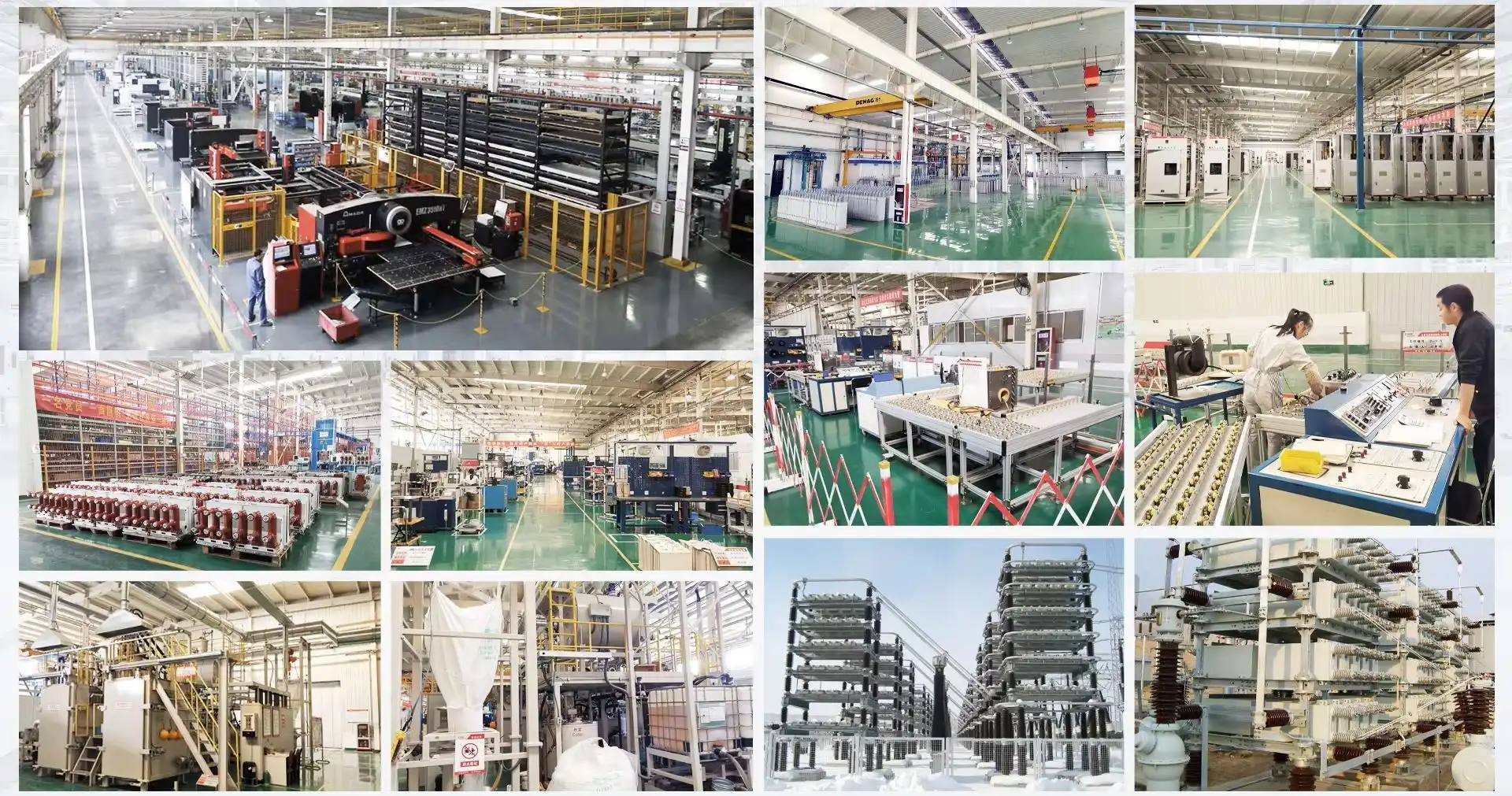
Xi'an Xikai Medium & Low Voltage Electric Co., Ltd. has been making high-quality products for 30 years and offers full technical support. They make indoor current transformer systems that meet the strict needs of utility companies, factories, and commercial complexes all over North America. Our 35kV epoxy resin cast transformers have 5P/10P protection grades and 0.2/0.5 accuracy classes for accurate metering.
They come in small cases that work with most major switchgear brands. There are customization choices for different voltage levels, current ranges, and environmental conditions. For example, equipment rated for plateaus can be used in high-altitude sites. Send an email to serina@xaxd-electric.com, amber@xaxd-electric.com, or luna@xaxd-electric.com to talk about project details and get reasonable prices for the indoor current transformer source you need.
References
1. IEEE Standard C57.13-2016, "IEEE Standard Requirements for Instrument Transformers," Institute of Electrical and Electronics Engineers, New York, 2016.
2. International Electrotechnical Commission, "Instrument Transformers - Part 2: Additional Requirements for Current Transformers," IEC 61869-2, Geneva, Switzerland, 2012.
3. Zhang, W., Li, H., and Chen, M., "Reliability Analysis of Epoxy Resin Insulated Current Transformers in High Voltage Applications," IEEE Transactions on Power Delivery, vol. 34, no. 2, pp. 678-686, April 2019.
4. National Electrical Manufacturers Association, "American National Standard for Instrument Transformers," ANSI C57.13, Rosslyn, Virginia, 2008.
5. Johnson, R.K. and Peterson, L.M., "Maintenance Strategies for Substation Current Transformers: A Lifecycle Cost Approach," Electric Power Systems Research, vol. 156, pp. 112-121, March 2018.
6. Standardization Administration of China, "Instrument Transformers - Part 2: Additional Requirements for Current Transformers," GB 20840.2-2014, Beijing, China, 2014.
_1774403963080.png)
_1774416563318.png)
_1774324496045.png)