What Is a Outdoor Potential Transformer and How It Works Explained
2026-06-24 10:06:50
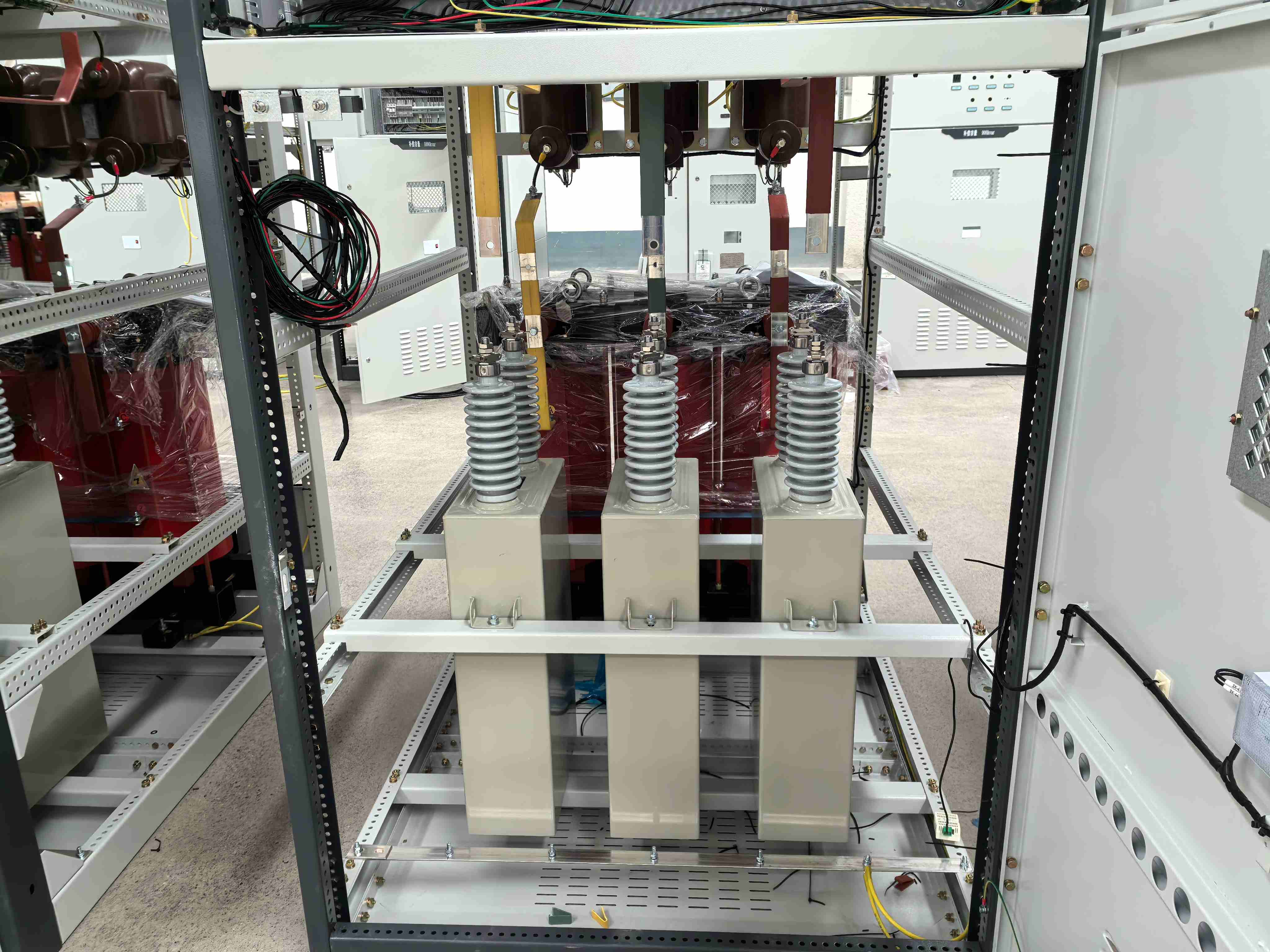
For metering, security, and control systems in exposed settings, an Outdoor Potential transformer is a specialized voltage measurement device designed to lower high-voltage electrical data to levels that are safer and easier to handle. Unlike indoor units, these transformers have weatherproof covers and strong protection systems that can handle rain, UV rays, high temperatures, and environments that are bad for metals. They work with transmission and distribution voltages that are usually between 11kV and 765kV. They allow accurate voltage reading without stopping the flow of power, which makes them essential for substations, factories, and renewable energy installations.
Understanding Outdoor Potential Transformers: Basics and Working Principle
What Defines an Outdoor Potential Transformer?
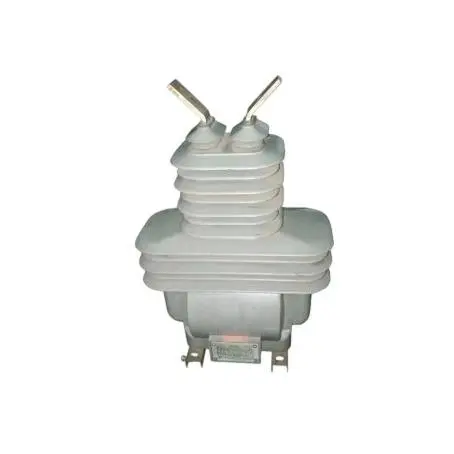
Outdoor PTs feature sealed housings (IP65+) resisting moisture, UV-stabilized polymers or powder-coated metal for 25+ years in desert/coastal conditions. Epoxy resin casting eliminates air gaps where partial discharge starts. Layered silicon steel core maintains accuracy under varying loads. Primary winding connects to high-voltage lines; secondary delivers reduced voltage (110V/120V) to meters and relays.
How Voltage Transformation Occurs?
AC powers primary winding, creating alternating magnetic field inducing secondary voltage based on turns ratio. A 35kV:10kV transformer has ~3.5× more primary turns. Burden compensation circuits maintain accuracy despite load changes. Graded insulation layers handle electric field stress, withstanding short-term overvoltages up to 170kV without flashover—critical during lightning strikes or switching surges.
Key Technical Specifications and Standards
Class 0.2 transformers (revenue metering) keep voltage errors within ±0.2% and phase shifts under 10 minutes. Class 0.5 units suit protection relaying. Rated capacity (VA) indicates maximum secondary load without accuracy loss. Compliance with IEC 61869-1/61869-2 and GB 20840.2-2014 ensures global interoperability. Oil-filled units need periodic dielectric testing; epoxy resin options eliminate oil handling (15–20% higher upfront cost).
Key Advantages and Applications of Outdoor Potential Transformers
Robustness in Harsh Climates
Outdoor Potential transformers work great in places where indoor equipment would break down in months. Coatings that stop corrosion protect metal parts in chemical plants and ocean bases. Silicone rubber separators keep clearance lengths in polluted industrial zones by removing contaminants that build up on porcelain surfaces. Temperature values from -40°C to +55°C allow for sites in the Arctic and substations in the tropics without affecting performance.
Options for seismic bracing that are approved to IEEE 693 keep structures strong during earthquakes, stopping catastrophic breakdowns that could spread through electrical networks. Altitude-rated types make up for the lower air density at heights of up to 4,000 meters, where regular insulation coordination would not work. These changes show how specialty engineering solves problems that procurement teams actually face when they have to choose tools for different places.
Safety and Compliance Benefits
Primary-secondary isolation protects personnel and instruments from dangerous voltages. Secondary fuses prevent overcurrent damage. Ground connections dissipate transient currents, meeting OSHA/NFPA standards. UL, CSA, TÜV certifications demonstrate local compliance. CE marking enables EU-wide use without retesting. ATEX approvals permit installation in hazardous areas with flammable gases.
Critical Applications Across Industries
Utilities monitor voltage patterns and imbalances. Automated substations use PT outputs for reactive power control and voltage regulation. Smart grid projects transmit real-time data via fiber optics. Factories alarm on voltage deviations protecting CNC machines. Hospitals rely on PTs for automatic transfer switches. Solar/wind farms need outdoor-rated PTs for grid code compliance. Mining requires heavy-duty types resisting vibration and dust.
Comparison: Outdoor Potential Transformer vs Indoor Potential Transformer
Structural and Installation Differences
The weather affects how Outdoor Potential transformers and indoor potential transformers are designed in basic ways. Outdoor versions have sealed tanks or fully cast bodies that keep out water and other flying contaminants. Terminal bushings have long creepage paths—often more than 40 mm per kV—that stop the surface from moving when it's wet. Mounting options include pole clamps or ground pads that work with the plan of the substation.
Indoor units put airflow and small size ahead of weatherproofing. Open-ventilated designs use the building's HVAC systems to control the temperature, which lowers the cost of the enclosure by 30% compared to open versions. In switching rooms, where space is at a premium, wall-mounted layouts save floor space. Since base work and weatherproofing steps aren't needed inside, installation usually goes faster.
Expectations for service life vary because of the buildup of external stress. Outdoor transformers have to deal with UV damage, changing temperatures, and pollution buildups that speed up the insulation's aging process. Manufacturers choose materials and grades that are conservative to account for these factors. With proper care, products can last 25 to 30 years. Indoor units usually last longer than 35 years if they are kept in a controlled temperature and humidity range. However, they fail catastrophically at about the same rate because of problems inside.
Performance and Maintenance Considerations
Both outdoor and indoor PTs achieve Class 0.2 accuracy using same core materials. Temperature compensation networks in high-end outdoor models maintain accuracy across daily 40°C swings. Dry-type outdoor units need only annual visual checks and thermographic scans. Oil-filled units require dissolved gas analysis every 2 years and oil reclamation every 10–15 years. Indoor inspections are ~40% less frequent due to cleaner environments.
 |
 |
Comprehensive Guide to Installation, Maintenance, and Troubleshooting
Site Selection and Preparation Best Practices
Electrical codes require 3m horizontal and 4m vertical clearance from buildings. Geotechnical analysis needed for unstable terrain. Drainage prevents water pooling that cracks concrete pads. Access roads required for units >500kg. Grounding per IEEE 80 using soil resistivity readings. Commissioning tests verify ratio, insulation resistance, and polarity. Torque-controlled screws prevent loosening during thermal cycling.
Routine Inspection and Predictive Maintenance
Cracked insulators, corroded connections, or oil leaks that need instant attention are all things that can be seen during a visual check. Infrared thermography finds hot spots that mean links aren't tight enough or internal flaws are starting to form before a catastrophic failure. Ultrasonic monitors or radio frequency sensing used for partial discharge monitoring can find insulation degradation that can't be seen with other methods.
For oil-filled Outdoor Potential transformers, dissolved gas analysis is needed to figure out the levels of hydrogen, acetylene, and ethylene that show warming or arcing. Tracking these marks over time shows how fast they are breaking down, which helps with replacement choices. Karl Fischer titration is used to test the moisture content of oil to make sure that the dielectric strength stays good. Values below 30ppm are thought to be fine for medium-voltage uses.
Regular cleaning of dry-type units gets rid of electrical dust that shortens the distances that signals can creep. Contact cleaning sprays get rid of buildup on connections and joints. When fixed connections are torque checked, resistance rises that cause localized heating are stopped. When these simple tasks are done once a year, they greatly increase the service life while keeping measurement accuracy within the acceptable ranges.
Troubleshooting Common Operational Issues
Accuracy drift often results from excessive VA loading—measure actual load with clamp meters and relocate loads or upgrade transformers. Unnecessary relay tripping may indicate transient overvoltages exceeding BIL rating; install surge arresters at primary terminals. Epoxy cracks compromise dielectric stability—replacement is cheaper than repair. Consult factory-trained technicians for non-routine repairs to maintain warranty validity.
Procurement Insights: How to Choose and Where to Buy Outdoor Potential Transformers?
Critical Selection Criteria
The most important part of design is matching voltage values to system needs. It is important that the primary voltages match the line-to-ground voltages at the placement points. 35kV transformers work with 20.8kV phase voltage systems. Secondary voltages should match the ranges of the instruments that are linked. In North America, 110V is the normal voltage, and in Asia, 100V is the norm.
Which accuracy class to use depends on how important the application is. Class 0.2 or higher is required for revenue metering to meet the needs of regulatory bodies that check the accuracy of bills. Protective relaying can handle Class 0.5 or 1.0 because the trip limits for relays include safety gaps. Outdoor Potential transformers of Class 3P can be used in supervisory control applications where finding the presence or lack of a supply is more important than knowing the exact amount of the voltage.
Ratings for the environment must include the worst possible situations over the life of the tools. IEC 60068-2-52 says that sites near the coast need to be resistant to salt fog. Acid-resistant coats are needed on industrial places that are close to chemical processes. For projects above 1,000 meters, derating formulas or altitude-compensated designs are needed to keep the accuracy of the rating even though lower air density affects the insulation on the outside.
Evaluating Manufacturers and Suppliers
Siemens, ABB, GE, and Schneider Electric have been in the Outdoor Potential transformer market for decades and have built up global service networks and spent a lot of money on research and development. Their goods usually have 20–30% price hikes, which are supported by longer warranties, detailed technical documents, and replacement parts that are easy to find. To reduce the chance of downtime, procurement teams that work with mission-critical facilities often choose these names.
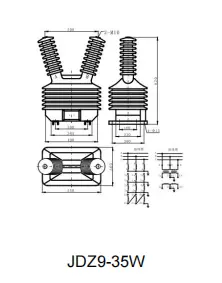
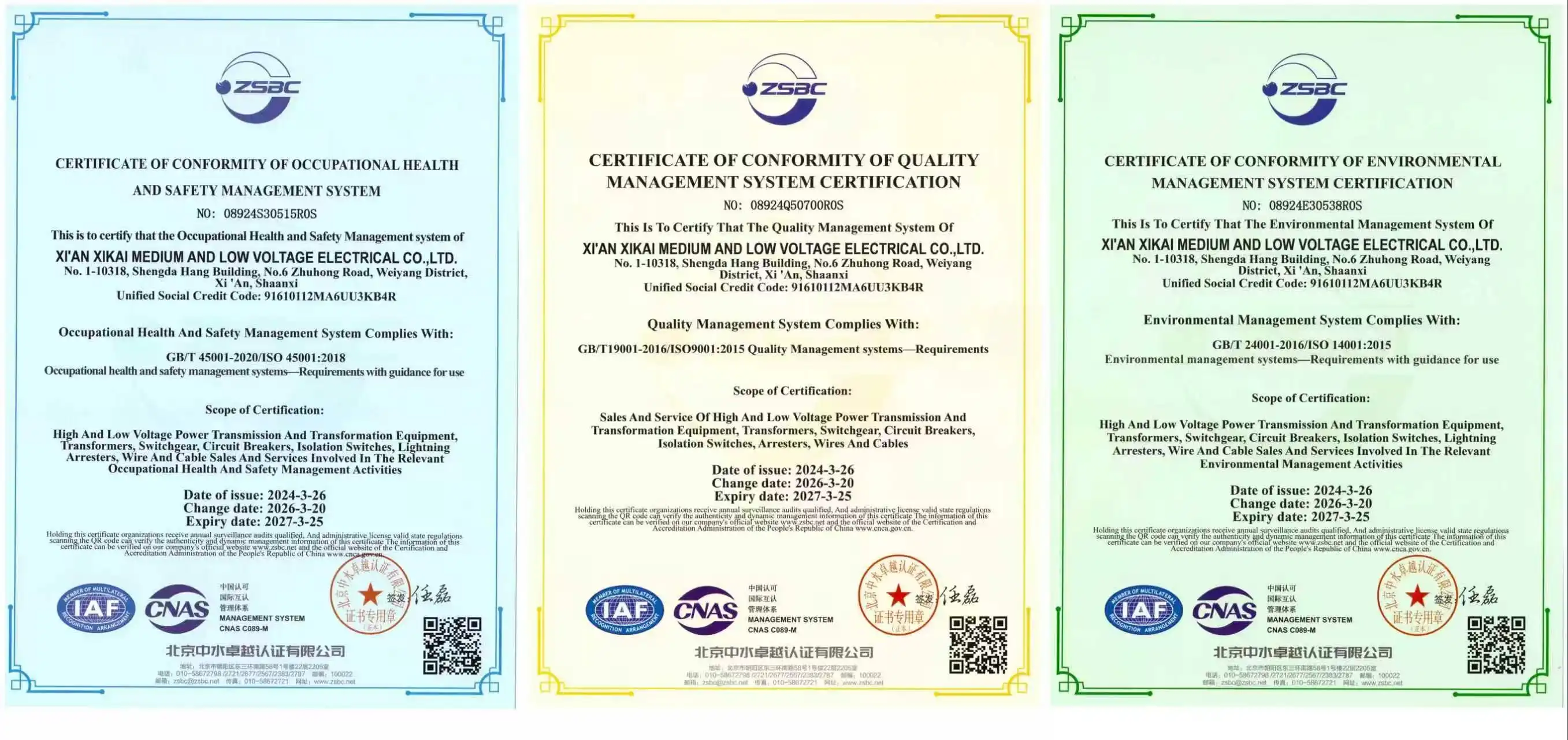
For projects that need to stay within a budget, regional makers offer affordable options that still meet international standards. This group is led by Xi'an Xikai, which makes IEC 61869-compliant transformers at prices 15–25% lower than global names while keeping ISO 9001-certified quality systems. Their 35kV epoxy resin-cast Outdoor Potential transformer has a 35kV input, a 10kV output, frequency compatibility for 50/60Hz, and main current ratings of 600/800A. It provides Class 0.2 accuracy that is good for hard utility and industry uses.
Authorized wholesalers add value beyond just supplying products by helping with application building and managing inventory. They keep popular ratings in stock, which cuts wait times from 16 weeks (factory direct) to instant availability. Distributor markup is usually between 15% and 20%, but it lowers the risk for tasks that need to be done quickly and where delays cost more than the price difference.
Market Trends and Logistics Planning
The current state of the market shows that changes in the price of copper have a yearly effect on generator costs of 8 to 12 percent. Framework deals that last more than one year lock in prices for big purchases, protecting budgets from changes in the prices of goods. Most companies have minimum order amounts that start at 10 units, so distributors are better for smaller needs.
When there are a lot of building projects going on, like in the spring and early summer in mild climates when utilities speed up grid upgrades, manufacturing wait times get longer. Ordering 20 to 24 weeks ahead of time makes sure that shipping times don't clash with project plans. Faster production costs more, by 25 to 40 percent, and should only be done in emergencies to fix important infrastructure.
International shipping is more complicated because you need to fill out export paperwork, clear customs, and get freight insurance. Shipping goods from Asia by ocean takes 4 to 6 weeks, plus time for handling at the port. Delivery is sped up to 7–10 days with air freight, but the cost of operations doubles, and it's only useful for small dry-type transformers that weigh less than 200 kg. Domestic suppliers like Xi'an Xikai make it easier for U.S. projects to get what they need by using well-established sales routes and expert support facilities to help with delivery and installation.
Conclusion
Outdoor Potential transformers are important parts of infrastructure that make it possible to measure voltage safely and accurately in power systems that are open to harsh weather. Because they are built in a special way—with weatherproof casings, strong insulation, and following IEC 61869 standards—they work reliably in substations, industrial plants, and green energy facilities. When procurement workers know the technical differences between outdoor and indoor designs, oil-filled and dry-type technologies, and different accuracy classes, they can choose the best options that meet performance, cost, and lifecycle needs. When you follow the manufacturer's instructions for installation and do preventative maintenance, you can get the most out of your equipment and keep the accuracy of your measurements, which is important for grid stability and energy management.
FAQ
1. What compliance standards apply to outdoor potential transformers?
IEC 61869-1 and IEC 61869-2 are international standards that set performance requirements, testing methods, and safety guidelines for Outdoor Potential transformers around the world. In China, GB 20840.2-2014 is the same as this, in North America it is IEEE C57.13, and in Australia it is AS 60044. These guidelines say that impulse survive voltage tests, temperature rise tests, and accuracy checks must be done under certain conditions. Compliance certification from recognized labs makes sure that goods follow safety rules and grid codes, which lowers the risk of liability for utilities and facility owners.
2. How often should maintenance occur on outdoor potential transformers?
Dry-type Outdoor Potential transformers need to be inspected visually and thermally scanned once a year to find problems that are starting to form. Dissolved gas analysis and oil quality tests must be done on oil-filled units every 24 months. Environmental factors speed up maintenance plans. For example, salt contamination at seaside sites means that checks need to happen every six months, while clean sites inland may be able to go up to 18 months between visits. Condition-based servicing is made possible by predictive repair technologies like partial discharge tracking. This makes the best use of resources.
3. Can indoor and outdoor potential transformers be used interchangeably?
Because they aren't weatherproof enough, using indoor transformers outside voids guarantees and breaks electricity codes. Moisture getting into insulation makes it fail, and UV light breaks down materials used in enclosures. On the other hand, putting outdoor-rated transformers indoors is fine, but not very cost-effective because they cost more and don't need extra environmental protection features. For safety and long life, always make sure that the environmental standards of a transformer meet the conditions in which it will be installed.
Partner with Xi'an Xikai for Reliable Outdoor Potential Transformer Solutions
Choosing the right Outdoor Potential transformer for sale will protect your infrastructure investment and make sure that measurements are accurate, which is important for running your business efficiently. Xi'an Xikai makes tested 35kV epoxy resin-cast voltage transformers that are IEC 61869 compliant, accurate to within 0.2 percent, and built to last in harsh weather. These transformers are perfect for substations, industrial facilities, and green energy projects. As a reliable provider, we work with utility companies, EPC firms, and facility managers all over North America to create custom solutions that meet your voltage needs, the conditions of the environment, and your budget.
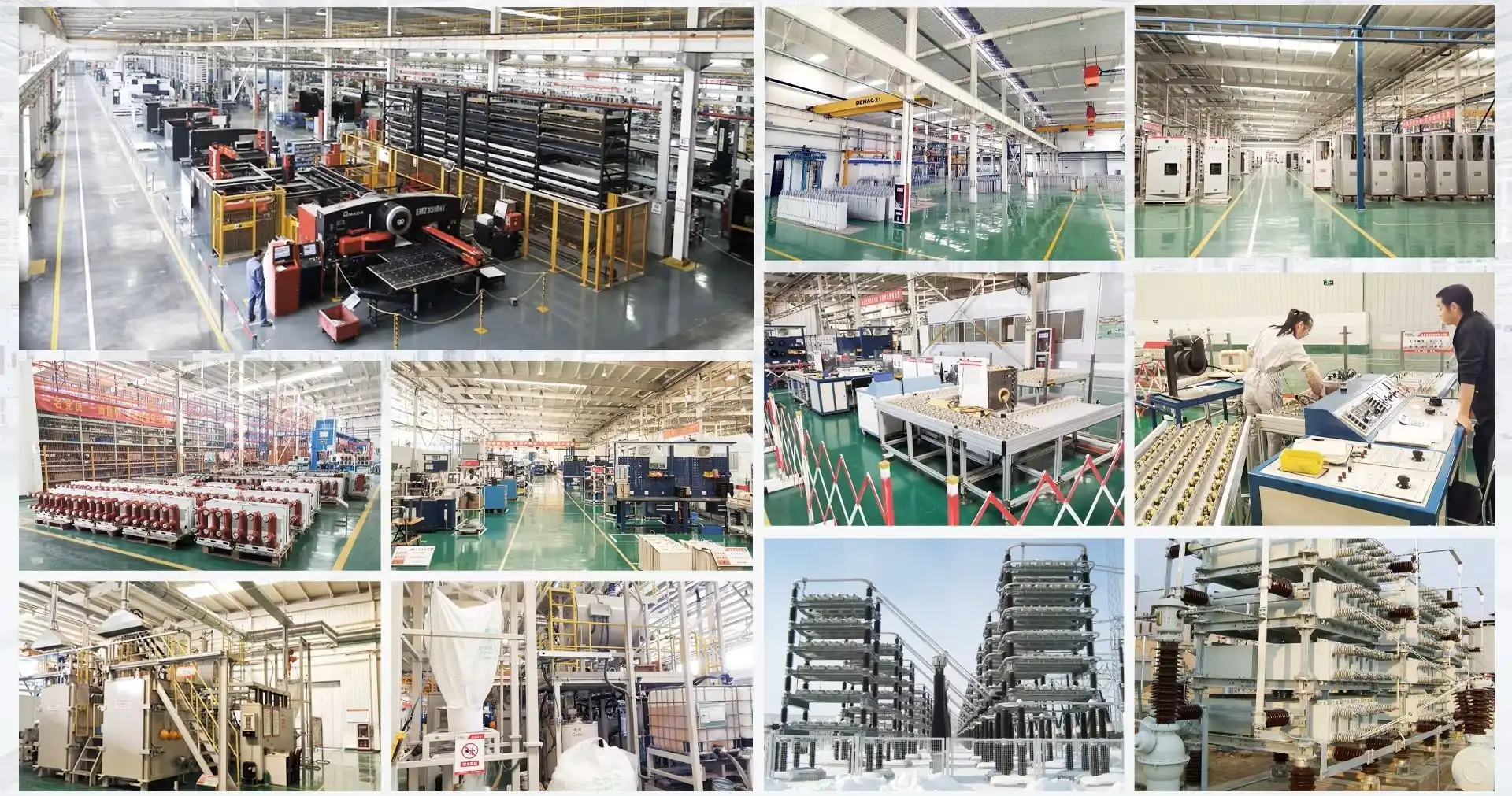
With over 30 years of experience making medium-voltage equipment and ISO 9001-certified production methods, we make sure that every transformer goes through strict impulse testing, partial discharge analysis, and temperature cycling before it is sent out. Our expert support goes beyond just delivering products; we also help with installation, commissioning, and planned upkeep throughout the lifecycle of your equipment to make it work at its best. Get in touch with our experts at serina@xaxd-electric.com, amber@xaxd-electric.com, or luna@xaxd-electric.com to talk about your project needs and get competitive prices and full specs.
References
1. International Electrotechnical Commission. Instrument Transformers—Part 1: General Requirements. IEC 61869-1:2007+AMD1:2018, Geneva, Switzerland.
2. Institute of Electrical and Electronics Engineers. Standard Requirements for Instrument Transformers. IEEE C57.13-2016, New York, NY.
3. Zhang, W., Chen, L., and Liu, H. Reliability Analysis of Outdoor Voltage Transformers Under Extreme Environmental Conditions. Journal of Electrical Engineering & Technology, vol. 15, no. 3, 2020, pp. 1247-1256.
4. National Electrical Manufacturers Association. Application Guide for Instrument Transformers. NEMA TR 1-2018, Rosslyn, VA.
5. Blackburn, J.L. and Domin, T.J. Protective Relaying: Principles and Applications, 4th Edition. CRC Press, Boca Raton, FL, 2014.
6. Harlow, J.H. Electric Power Transformer Engineering, 3rd Edition. CRC Press, Boca Raton, FL, 2017.