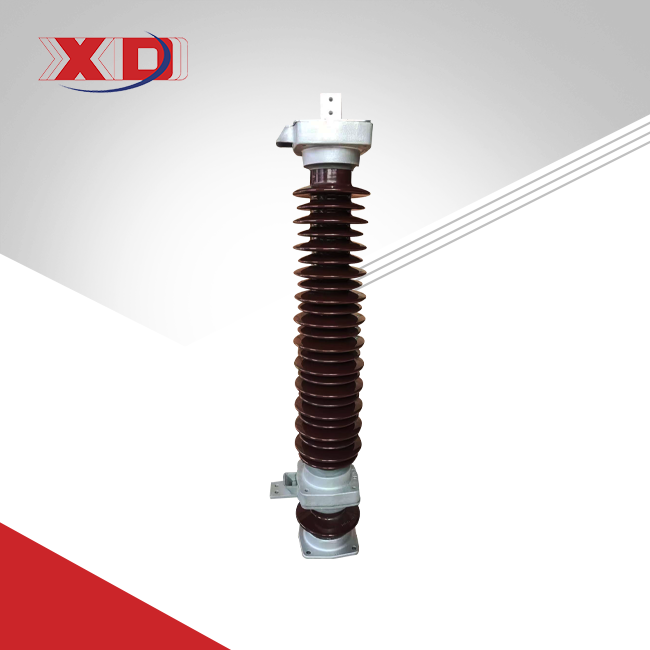
Y10W-216/562W Lightning Arrester Porcelain housed MOA for AC system
Outdoor Disconnect Switch Features You Should Know Before Buying
2026-07-10 16:20:21
When buying an Outdoor disconnect switch, it's important to know how it works and how it's designed so that the system is safe and reliable. These switches are necessary to keep electrical power off of outdoor equipment. This protects both people working on the equipment and infrastructure in case of an emergency. When choosing the right device, technical specs, environmental resistance, and safety standards must all be taken into account. These are all things that have a direct effect on operating downtime, regulatory compliance, and long-term cost efficiency for industrial operators, utility companies, and EPC firms.
 |
 |
What Is an Outdoor Disconnect Switch and How Does It Work?
The purpose of an Outdoor disconnect switch is to safely cut off electrical lines before repair work starts or during emergency shutdowns. It can be used manually or automatically. Disconnect switches, on the other hand, make sure that no current runs through equipment that is being repaired. This is different from circuit breakers, which protect against overloads.
Core Components and Operation
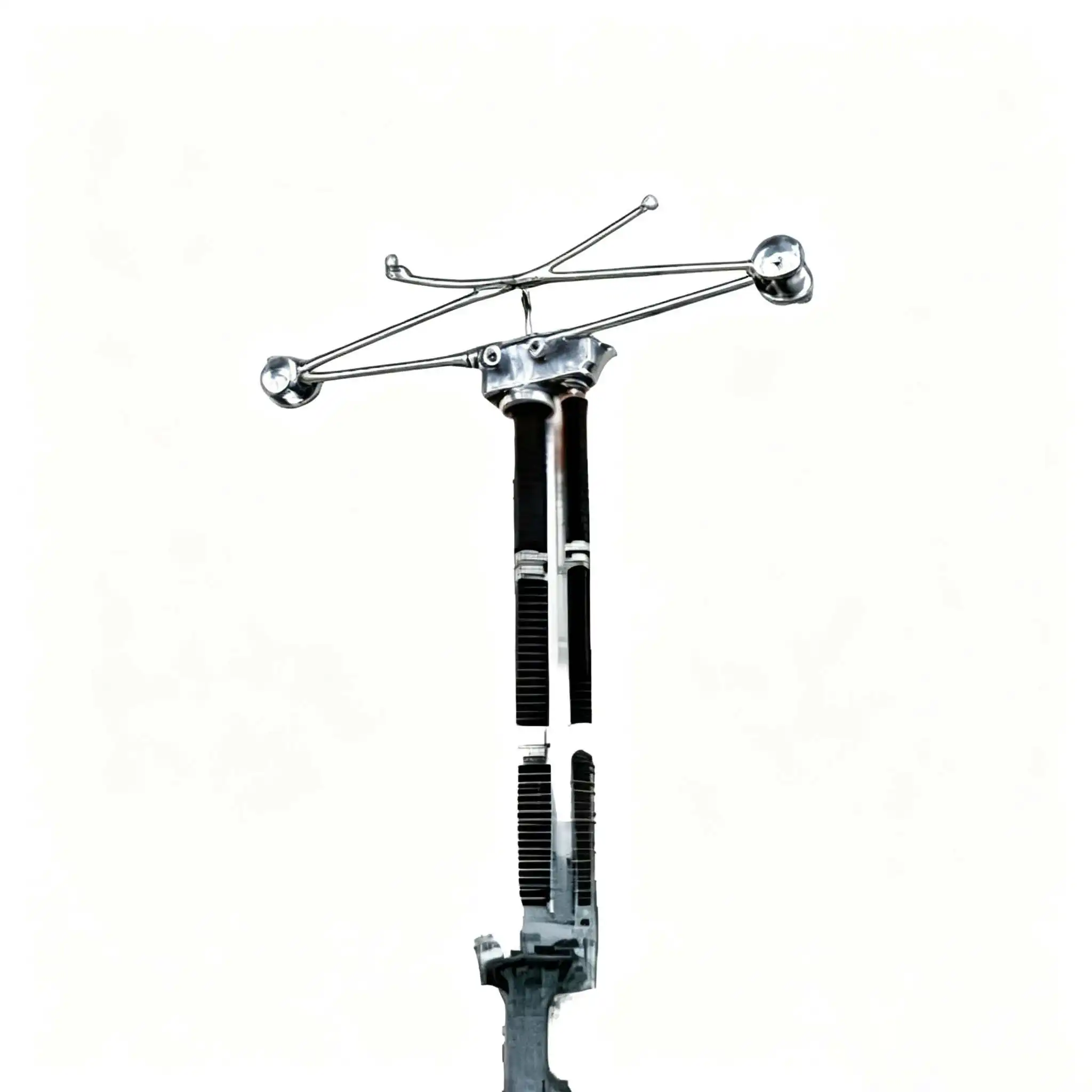
A standard Outdoor disconnect switch is made up of a few important parts. The working handle lets you control it by hand, and when you press on the internal contacts, they physically break the circuit path. These parts are kept safe from rain, dust, and high temperatures by weatherproof shelters. Depending on the placement needs, mounting gear holds the unit to poles, pads, or walls.When the user moves the handle from closed to open, the internal contacts separate, leaving a space that can be seen. This space between the wires makes sure that electricity can't flow through the connection. The mechanical action is different from electronic switching because it relies on physical movement instead of semiconductor technology. It is easy to use, and repair teams can check it visually.
Practical Applications
These buttons are used in factories to turn off the power before working on conveyor systems or robotic equipment. They are used to separate power distribution so that planned repair doesn't affect circuits next to them in data centers. Outdoor disconnect switches are put near HVAC systems and backup generators in hospitals so that equipment can be accessed safely while vital power is kept on in patient care areas. Utility companies put these devices in transmission networks to cut off parts of the grid while repairs are being made. This limits the damage and shortens the time it takes to fix the problem.
Key Features and Types of Outdoor Disconnect Switches
To choose the right Outdoor disconnect switch, you need to know about the different designs and how they work. For long-term reliability, different working conditions and electrical loads need different sets of features.
Classification by Function and Design
Overcurrent safety is built into fused Outdoor disconnect switches, so they can isolate power and protect circuits in one housing. This design makes it easier to set up and lowers the size of the building. Non-fused versions only provide isolation, leaving overcurrent safety to separate devices like circuit breakers that are placed elsewhere in the system.People who have been taught to do so can physically operate manual switches, which are simple and reliable and don't need control power. Automatic versions react to signs sent from afar or to pre-set conditions. This helps unmanned substations and automatic systems that control the power grid. Single-pole switches only handle one circuit phase, while multi-pole switches separate multiple phases at the same time, which is necessary for three-phase industrial power systems.
Voltage Ratings and Compliance Standards
Ratings for voltage range from 600V for low-voltage uses to over 126kV for high-voltage uses. The GW6 High Voltage Disconnect Switch is an example of modern high-voltage technology. It can handle rated voltages of 126kV to 550kV and currents of up to 4000A. In places where strong electrical isolation is needed, like utility substations, big industrial plants, and green energy centers, this range is perfect.Following UL standards makes sure that a product is safe and works well enough to meet North American standards. IEC standards set the rules for international electrical safety, and ISO certifications check the quality control systems used in industry. Buyers should make sure that the licenses match the rules and requirements of their area.
Weatherproofing and Environmental Protection
Installations outside have to deal with rain, temperature changes, UV light, and flying pollutants. Enclosures that are weatherproof and have the right IP (Ingress Protection) codes keep water and dust out. IP65 ratings are good for general outdoor use, while IP67 ratings are good for short-term submersion risks in flood-prone places.Lockable covers keep people from getting in who aren't supposed to, which meets OSHA safety standards and lowers your liability risk. The sealed drive system in Xi'an Xikai's GW6 models keeps sand and ice from building up, so they can keep working reliably in desert and cold conditions. Hot-dip galvanized bases protect against rust, which means that equipment can last longer than 30 years, even in seaside or industrial settings where corrosion is common.
Maintenance Considerations
High-quality Outdoor disconnect switches have self-lubricating joints and materials that don't rust so they don't need to be serviced as often. The GW6 design uses triple-layer joints to reduce friction during operation. This makes sure that the contact moves smoothly even after long periods of use. Stainless steel and metal parts in levers and shafts don't break down when exposed to weather, so you don't have to change them as often.Regular inspections should check the soundness of the casing, the state of the bushings, and the alignment of the contacts. As part of regular maintenance, operators should clean the surfaces of insulators to stop pollution flashovers and put conductive grease on the connection points. These practices make technology more reliable and stop it from breaking down when it's least expected, which can stop activities.
How to Choose the Best Outdoor Disconnect Switch for Your Needs
To choose the best Outdoor disconnect switch, you need to carefully look at the electrical factors, the climate, and the supplier's qualifications. Specifications that don't match up cause early breakdowns, safety risks, and expensive system downtime.
Electrical Load Assessment
Electrical load assessment involves determining the maximum continuous operating current of the switch, including future load growth to avoid premature capacity limits. Voltage ratings must exceed system voltage to accommodate temporary overvoltages from switching events or lightning. Short-circuit ratings define the switch’s ability to withstand fault currents until protective devices operate. The GW6 switch uses high-strength aluminum alloy conductors for high conductivity, corrosion resistance, and lightweight construction, supporting continuous ratings up to 4000A.
Environmental Condition Analysis
Environmental condition analysis evaluates site-specific factors such as temperature ranges, humidity, pollution levels, and altitude. At elevations up to 4,000 meters, altitude-compensated insulation is required to prevent dielectric breakdown in low-density air. Coastal environments require enhanced anti-corrosion protection, while desert locations need dust and sand ingress prevention. Thermal expansion and contraction from temperature fluctuations can stress mechanical and electrical connections. The GW6 design uses flexible pivot joints to accommodate thermal movement, maintaining alignment and ensuring long-term reliable operation.
Indoor Versus Outdoor Switch Selection
Indoor disconnect switches don't have weatherproofing and have lighter-duty casings that aren't made to be outside. Outdoor-rated equipment has materials that are resistant to UV light, protected casings, and drain holes to handle condensation. Using indoor switches outside cancels guarantees and poses a safety risk because the insulation breaks down faster.
Differentiation from Other Protection Devices
Circuit breakers protect against overcurrents by cutting off fault currents instantly, but they usually cost more than disconnect switches. Fuses protect against overcurrent by using "sacrificial" parts that need to be replaced after use. Disconnect switches isolate clearly, but they don't automatically stop a fault unless they are specially made with fuses built in.When procurement teams know about these changes in function, they can choose the right devices for each application point in electricity distribution systems. This saves money and makes sure that everyone is safe.
Supplier Evaluation Criteria
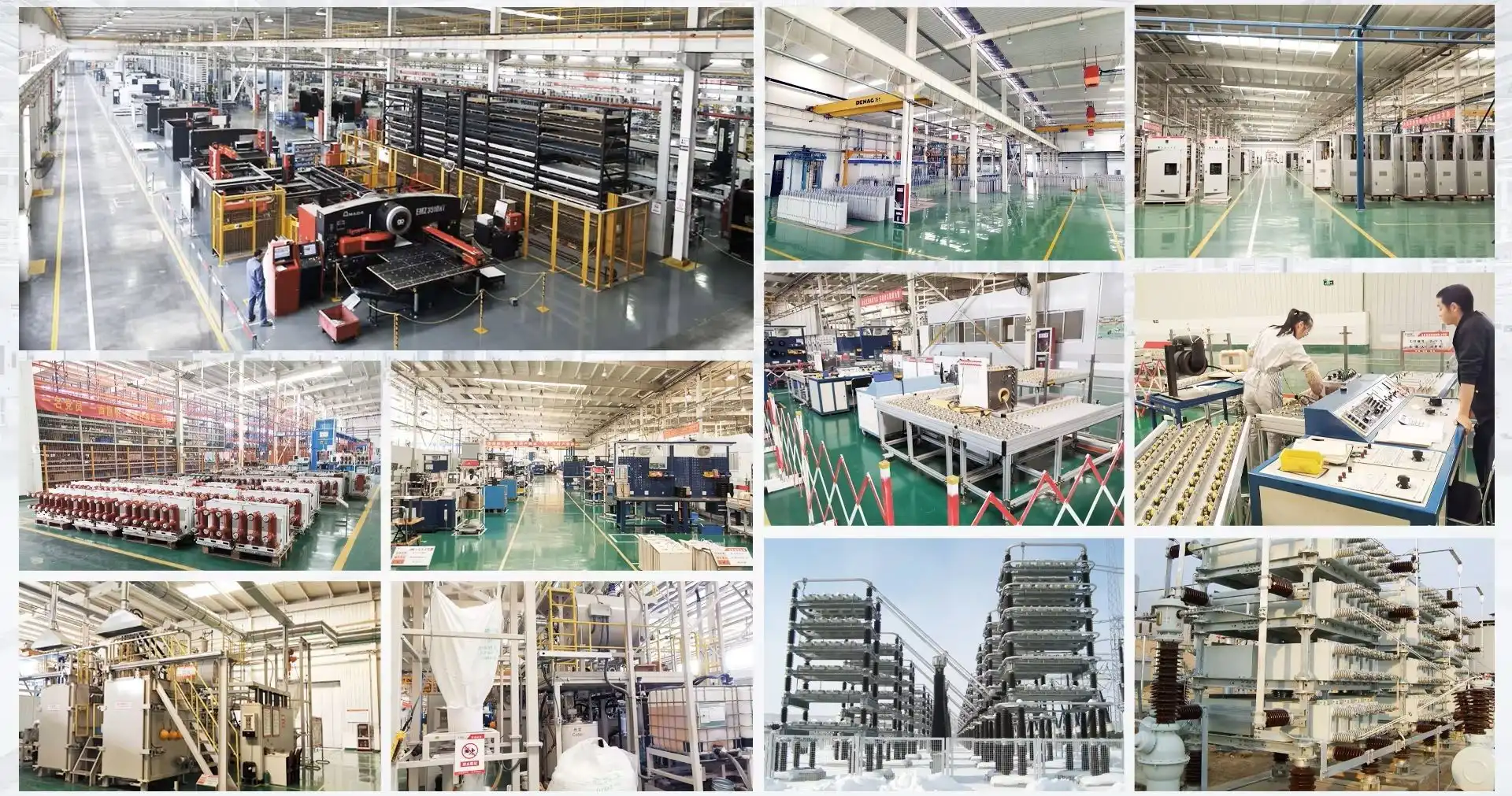
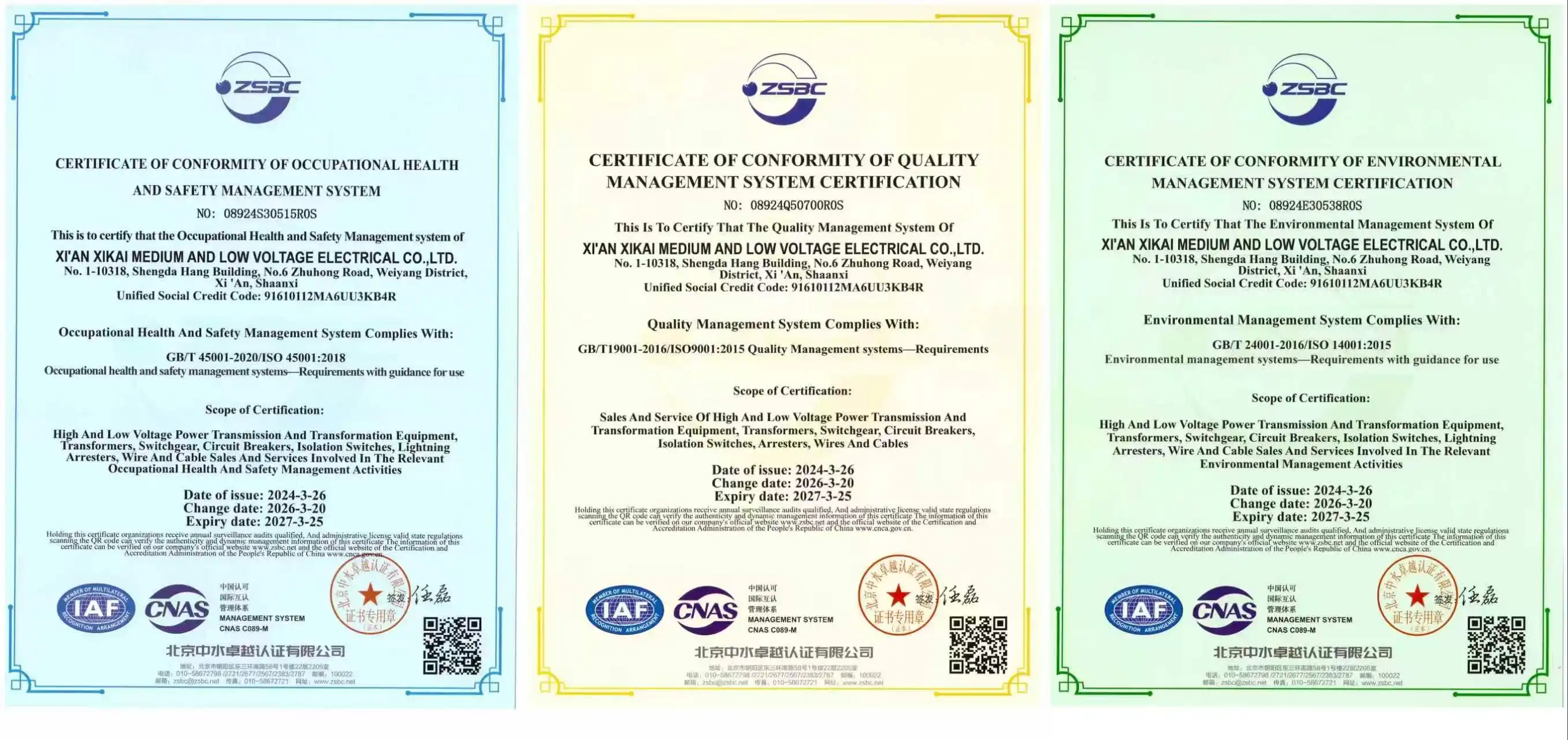
Manufacturers with a good reputation keep their ISO 9001 quality control certifications and test their products thoroughly. Xi'an Xikai uses AI-driven quality control systems all the way through the production process. These systems check the stability of the materials using X-rays and simulate more than 10,000 mechanical operations in temperature-controlled areas before they are put through final dielectric and impulse tests that meet IEC standards.The expert help skills of the supplier have a big effect on the success of the project. Check to see if there is 24/7 help, a way to get extra parts, and field service networks. Companies with a lot of application experience in the utility, industrial, and commercial sectors can help with difficult setups by giving useful advice on how to solve problems.
Procurement Strategy Optimization
Having long-term partnerships with certified Outdoor disconnect switch providers lets you get savings for buying in bulk and get your deliveries faster. Wholesale distributors usually keep common configurations on hand so that they can be used quickly. On the other hand, working directly with the maker is better for specific needs that need engineering teamwork.Look at the total cost of ownership, which is more than just the buying price. Even though they cost more, higher-quality switches with longer service lives and longer maintenance times are still a better deal. Downtime costs are cut by modular component designs that let worn-out parts be replaced on the job site. This is especially helpful for important infrastructure applications.
Installation, Wiring, and Troubleshooting Guide
Following the right steps for installation and a methodical approach to fixing will make sure that the Outdoor disconnect switch is safe and reliable for as long as it is used.
Pre-Installation Planning
Check the site layout drawings to make sure that the mounting spots allow enough space for repair and operation. Check that the foundations or mounting surfaces meet the load-bearing standards listed in the equipment's paperwork. Make sure that the electrical design plans match the phase spacing and wire routing.Check delivered equipment against packing lists, looking for cracks in insulators, making sure hardware is complete, and comparing nameplate data to purchase specs. This quality check keeps the work from being held up and makes sure that the specifications are met.
Step-by-Step Installation Process
Installation begins by leveling the foundation and mounting surfaces to prevent insulator misalignment. Base components are secured with properly sized anchor bolts tightened to manufacturer specifications, ensuring correct phase-to-phase spacing for electrical clearances in three-phase systems. Vertical alignment is adjusted using leveling bolts, and GW6 vertical retractable structures reduce phase spacing by 30%, minimizing substation footprint. Blade assemblies are then installed with correct contact alignment, ensuring synchronized closing. Control wiring is connected per schematics using sealed conduits, and auxiliary switches are tested through full operation cycles before energization.
Safety Precautions
Before starting the installation work, turn off all the power to all the circuits and use standardized test tools to make sure there is no voltage. Before working with conductive parts, make sure the grounded links are correct. Use tools that are insulated and personal safety equipment that is right for the power levels.Follow OSHA and NFPA 70E rules for minimum approach lengths when working with energized tools. These rules set safe working distances based on voltage levels and training requirements. This keeps people safe from arc flash and shock risks.
Common Troubleshooting Scenarios
Common issues include misaligned contacts, which cause incomplete closure, high resistance, and overheating; these can be corrected by adjusting insulator positioning, tightening bolts, and cleaning contact surfaces with conductive grease. Drive mechanism binding often results from corrosion at pivot points, requiring disassembly, cleaning, and lubrication, along with checking fasteners for looseness. Insulator contamination from industrial pollution or salt spray can create leakage paths and reduce dielectric strength, requiring proper cleaning or replacement in severe cases. Complex or hazardous faults should be handled by trained service personnel.
Benefits and Value of Using Outdoor Disconnect Switches
When Outdoor disconnect switches are strategically placed, they improve safety, reliability, working efficiency, and financial success in measured ways.
Enhanced Personnel and Equipment Protection
Outdoor disconnect switches make visible separation places that make sure that lockout-tagout rules are followed during repair procedures. Before going into dangerous electrical areas, workers check the actual gap between circuits. This lowers the risk of getting electrocuted. This visual proof is better than electrical isolation methods, since residual voltage or problems with the control system could turn off circuits that are supposed to be off and on again without warning.Instead of forcing downtime when a part fails, controlled isolation during repair is better for protecting equipment. Scheduled switch operations when there is no load stop the harmful sparks and mechanical pressures that come with cutting off the current. The service life of the transformer, motor, and generator is increased by this careful power control.
Operational Reliability in Harsh Environments
Advanced Outdoor disconnect switches work even in harsh weather thanks to their protected drive systems and materials that don't rust. The hot-dip galvanizing bases of Xi'an Xikai can survive decades of being wet, changing temperatures, and air pollution without breaking down. This longevity is very important for utility uses where replacing parts would mean long power outages that would affect thousands of users.High-strength aluminum alloy wires are both light and resistant to rust, which makes them easier to install. These materials keep their electrical conductivity and mechanical strength over time, so connections don't break down like they do with lower-grade materials.
Energy Efficiency and System Integration
Modern Outdoor disconnect switches work with smart grid projects by connecting to automatic control systems. IoT devices that are optional can check the resistance and orientation of contacts in real time, finding wear and tear before it happens. This predictive maintenance capability cuts down on unplanned outages and makes the best use of check schedules.Low-friction self-lubricating bushings reduce operating force requirements, enabling smaller actuator motors and lower control power consumption in automatic switch installations. This efficiency grows when you use a lot of moving points in a big system, which helps you reach your total energy management goals.
Long-Term Cost Optimization
Initial investment in quality Outdoor disconnect switches delivers returns through reduced maintenance costs and extended replacement intervals. Modular designs that let you fix parts individually cut down on downtime by half compared to replacing the whole unit. Replaceable parts that can be used in the field keep tools in good shape for longer, which delays the need for capital spending.Warranty support from established manufacturers provides financial protection against premature failures. Full expert support cuts down on the time needed to fix problems and stops people from making mistakes that void their warranty. These support services are especially helpful for businesses that don't have a lot of electrical engineers on staff.
Conclusion
When buying Outdoor disconnect switches, you have to think about technical specs, the surroundings, and how reliable the seller is. Knowing how a device works, what features it has, and what an application needs lets you make smart choices that improve safety, speed, and lifecycle costs. The GW6 High Voltage Disconnect Switch is an example of advanced engineering that handles tough high-voltage tasks using new materials, strong weatherproofing, and an easy-to-maintain design.For works to go well, they need to be well planned, followed exactly, and maintained in a planned way. Working with experienced makers that offer full support services lowers the risks of a project and makes sure that the equipment works as expected for a longer time. Investing in good Outdoor disconnect switches saves workers, makes systems more reliable, and improves the efficiency of operations in business, utility, and industrial electrical systems.
FAQ
1.Can Indoor Switches Be Used in Outdoor Locations?
Indoor disconnect switches aren't waterproof or resistant to UV light enough to be used outside. Moisture breaks down insulation and leads to rust, and changing temperatures hurts seals and mechanical parts. Using equipment that is meant to be used indoors outside is dangerous, against the law, and breaks maker warranties. For setups outside, you should always choose outdoor-rated switches with the right IP ratings.
2.What Voltage Rating Do I Need for My Application?
Choose voltage values that are higher than the system's standard voltage by the right amount to ensure safety. 600V-rated switches are usually used in low-voltage situations with less than 1000V. Medium-voltage circuits with voltages between 1kV and 72.5kV need switches with the right values. Specialized tools, like the GW6 switch that can handle 126kV to 550kV, are needed for high-voltage power uses. Talk to electrical engineers to find out the right rates for your system, taking into account things like transient overvoltages and the need for shielding coordination.
3.How Often Should Maintenance Be Performed?
How often you inspect relies on how bad the surroundings is and how much is being loaded. Visual inspections should be done once a year, and every five years, thorough upkeep should be done, including cleaning and lubricating the contacts. In places with a lot of pollution, salt spray, or extreme weather, checks may need to be done every six months. After a short-circuit happens, checks should be done right away, no matter when the next repair cycle is. Manufacturers give special upkeep instructions that work best with their products.
Partner with Xi'an Xikai for Reliable Outdoor Disconnect Switch Solutions
Choosing the right Outdoor disconnect switch provider has a big effect on the success of the project and the system's performance in the long run. Xi'an Xikai Medium & Low Voltage Electric Co., Ltd. can help you with your power distribution problems because they have been making things for decades and can fully integrate systems. High-voltage switches like the GW6 type are part of our large product line. They are designed for tough utility and industrial uses that need to be able to isolate 126kV to 550kV.We know that facility managers, utility companies, and EPC firms need more than just standard goods. You need solutions that are made to fit the specific needs of your place and your operations. Our engineering team helps with applications from the initial design stage all the way through completion, making sure that the best equipment is chosen and installed. Plateau-rated equipment is used for sites up to 4,000 meters above sea level, and coastal-grade equipment is used in harsh marine settings.Procurement workers like how quickly we respond to customer questions and how easy it is to place an order. To talk about your Outdoor disconnect switch needs, email our expert sales team at serina@xaxd-electric.com, amber@xaxd-electric.com, or luna@xaxd-electric.com. As a major producer and seller, we can offer low prices on large orders without lowering the quality of our products. Our world transportation network quickly gets goods to job sites in North America and other places.You can look at all of our products at xaxd-electric.com, download detailed specs, and get quotes that are specifically made for your job. Our dedication to new ideas and working together with customers means that you will get equipment that works well, meets codes, and lasts a long time.
References
1. National Electrical Manufacturers Association. "Standards for High-Voltage Disconnect Switches: Design and Performance Criteria." NEMA Publication SG-6, 2021.
2. Institute of Electrical and Electronics Engineers. "Guide for the Application of High-Voltage Disconnect Switches and Grounding Switches." IEEE Standard C37.35, 2020.
3. International Electrotechnical Commission. "High-Voltage Switchgear and Controlgear: Alternating Current Disconnect Switches and Earthing Switches." IEC Standard 62271-102, 2022.
4. U.S. Department of Labor Occupational Safety and Health Administration. "Electrical Protective Devices: Selection and Use Standards." OSHA Publication 3075, 2019.
5. Electric Power Research Institute. "Maintenance Guide for Outdoor Substation Equipment: Disconnect Switches and Air Break Switches." EPRI Technical Report 3002015895, 2020.
6. American National Standards Institute. "Safety Requirements for Outdoor High-Voltage Disconnecting Switches in Substations." ANSI/IEEE Standard C37.30, 2021.
_1783415937807.jpg)