How Outdoor Disconnect Switch Improves Grid Safety and Isolation
2026-07-10 16:20:23
By physically separating circuits from power sources, Outdoor disconnect switches provide reliable electrical separation, safeguarding people and equipment during repair work. These outdoor devices keep power from being turned on by mistake, lower the number of arc flashes that happen, and make sure that transmission and distribution networks follow safe lockout/tagout rules. Extreme weather doesn't affect their strong construction, and they keep the grid stable by working reliably.
 |
 |
Understanding Outdoor Disconnect Switches and Their Role in Grid Safety
Electrical separation devices are very important for keeping repair workers away from powered systems, especially in open utility installations. An Outdoor disconnect switch works very differently from an indoor one. It is made to withstand changes in temperature, wetness, UV light, and growth of contaminants that would damage regular equipment.
Physical Isolation Mechanisms
Using visible break technology, these devices make an air gap between live wires that operators can check without having to do any electrical testing. Manual models have blades that rotate or vertical breaks, and motor-operated models can be controlled from a distance for high-voltage uses. Backfeeding from other sources is not possible because of the physical split. This is especially dangerous in distributed generation settings, where solar panels or wind turbines could suddenly turn on lines that were thought to be off.
Environmental Resilience Standards
Rain, ice, and wind-blown dust can't get into parts inside of enclosures that meet NEMA 3R or IP65 standards. In ocean locations, stainless steel hardware doesn't rust, and silicone rubber seals stay strong through freeze-thaw cycles. UV-stabilized plastics keep buildings from breaking down in high-altitude substations where the sun's rays are 40% stronger than at sea level.
Operational Classifications
Non-fusible designs only handle load separation, so they need safety devices upstream to stop the fault. Fusible versions have current-limiting parts that give extra safety against overcurrent for transformer banks and capacitor systems. Load-break models have arc-chutes that allow safe disconnecting when there isn't much load. This is very important for country distribution repair, where turning off the circuit affects many customers.
How Outdoor Disconnect Switches Enhance Grid Safety and Isolation
Safety and isolation on the grid are improved by Outdoor disconnect switches. Electrical safety rules say that the only way to completely protect against shock risks is to physically unplug the power. NFPA 70E and OSHA 1910.269 require break points to be obvious before workers approach equipment that has been turned off.
Personnel Protection Through Visible Verification
Disconnect blade positions can be seen from the ground, unlike circuit breakers that are covered inside metal cases. Instead of relying on lights that could go out, maintenance crews check the open state visually before climbing buildings or going into substations. This openness cuts down on mistakes made by people, which, according to the Bureau of Labor Statistics, are a factor in 37% of electricity accidents.
Code Compliance Advantages
NEC Article 230.70 says that service equipment must have disconnects that are easy to reach, and IEC 62271-102 says that it must be tested for mechanical reliability over 10,000 operation cycles. As required by IEC 60694, good makers test their insulation for impulse voltage to make sure it can handle lightning-caused spikes of up to 1,050 kV in 550 kV systems. These licenses give procurement managers the proof they need for regulatory checks and insurance approvals.
Fault Isolation Capabilities
When there is a short circuit, the switch is quickly opened to stop fault current from moving through safe zones. Even though it wasn't meant to stop fault levels, the air gap that is made after operation can handle recovery voltages and keep the circuit isolated while upstream breakers work. Switches separate faulted line segments so that service can be restored to users who weren't affected within minutes instead of hours in systems that are well organized.
Weather-Related Durability
When working mechanisms are sealed, ice doesn't build up inside gearboxes, which is a common way for them to break down and stop blade motion during winter storms. In Arctic sites, heaters keep the mechanism temperatures above -40°C, and in desert places where the ambient temperature is above 50°C, ventilation systems get rid of the heat. As part of our production process, we do thermal cycling studies that mimic a 30-year lifecycle of exposure to make sure the quality of our products.
Installation and Maintenance Best Practices for Outdoor Disconnect Switches
Best Practices for Outdoor disconnect switches Installation and Maintenance. Proper completion decides whether equipment lasts the 30 years it's supposed to or needs to be replaced too soon because of mistakes that could have been avoided during installation.
Site Selection Criteria
NESC Rule 235 says that mounting places must have enough phase spacing, which means that there must be at least 4.2 meters of space between 345 kV wires. To keep the foundations from settling and causing the blades to not connect properly, the dirt must be packed down and have bearing forces above 150 kPa. Because the mounts are close to roads, they need to be raised higher, keeping 5.8 meters of space above vehicle traffic zones. To make it easier to check on operating state without having to go out to the field, engineers should make sure that control buildings have clear lines of sight.
Grounding and Bonding Requirements
All solid parts are connected to station ground mats by copper wires that are at least 4/0 AWG. This makes the resistance values less than 1 ohm. During fault conditions, when ground potential rise can reach thousands of volts, it's because of bad grounding that there are differences in potential. Exothermic welding makes links that don't rust better than mechanical clamps that come away when the temperature changes. Fall-of-potential resistance tests done once a year makes sure that the integrity of the grounding system stays within acceptable limits.
Inspection Protocols
Visual inspections every three months find insulator pollution that needs to be cleaned to keep tracking fails from happening. Using infrared thermography during times of high load can find high-resistance connections before they break completely. Any hot spots that are more than 15°C above room temperature should be looked into right away. Every 24 months, mechanical operation checks are done to make sure that auxiliary switches work properly. If interlocks don't work right, grounded equipment could become energized. Contact resistance readings below 100 microhms show that the current paths are healthy, while readings above 100 microhms show that the paths are pitted or oxidized and need to be fixed.
Lockout/Tagout Integration
Safety hasps that can hold multiple padlocks allow each crew to be protected during complicated repair that involves more than one work group. Unauthorized activation is stopped by danger tags that show worker names, contact information, and times of separation. People must stop stored energy devices before they can get close to them, because compressed springs still have enough force to hurt someone if they accidentally release it. Procedure violations, which cause 23% of electrical injuries, can be cut down by having written instructions that list step-by-step proof processes.
Spotlight on GW6 High Voltage Disconnect Switch Technology
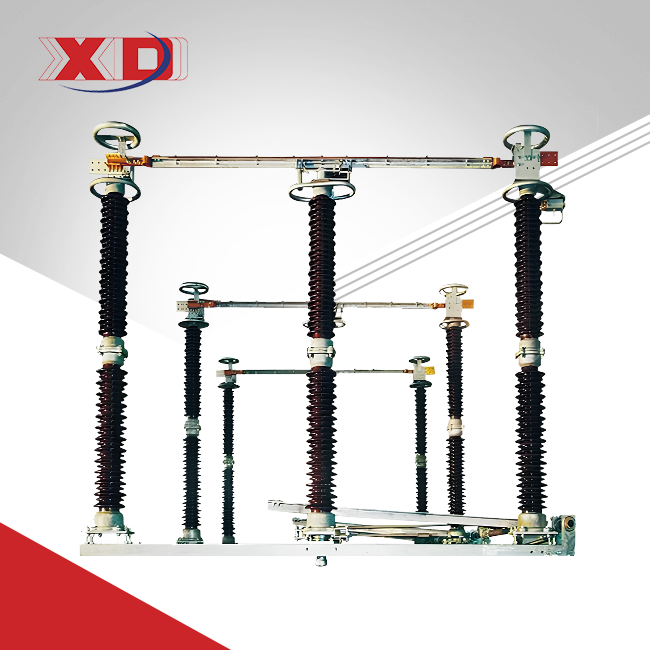
Today's grid system needs equipment that is both reliable and doesn't need much upkeep. The GW6 series is an example of how engineering has improved to help utility workers with problems they face every day.
Advanced Contact Design Features
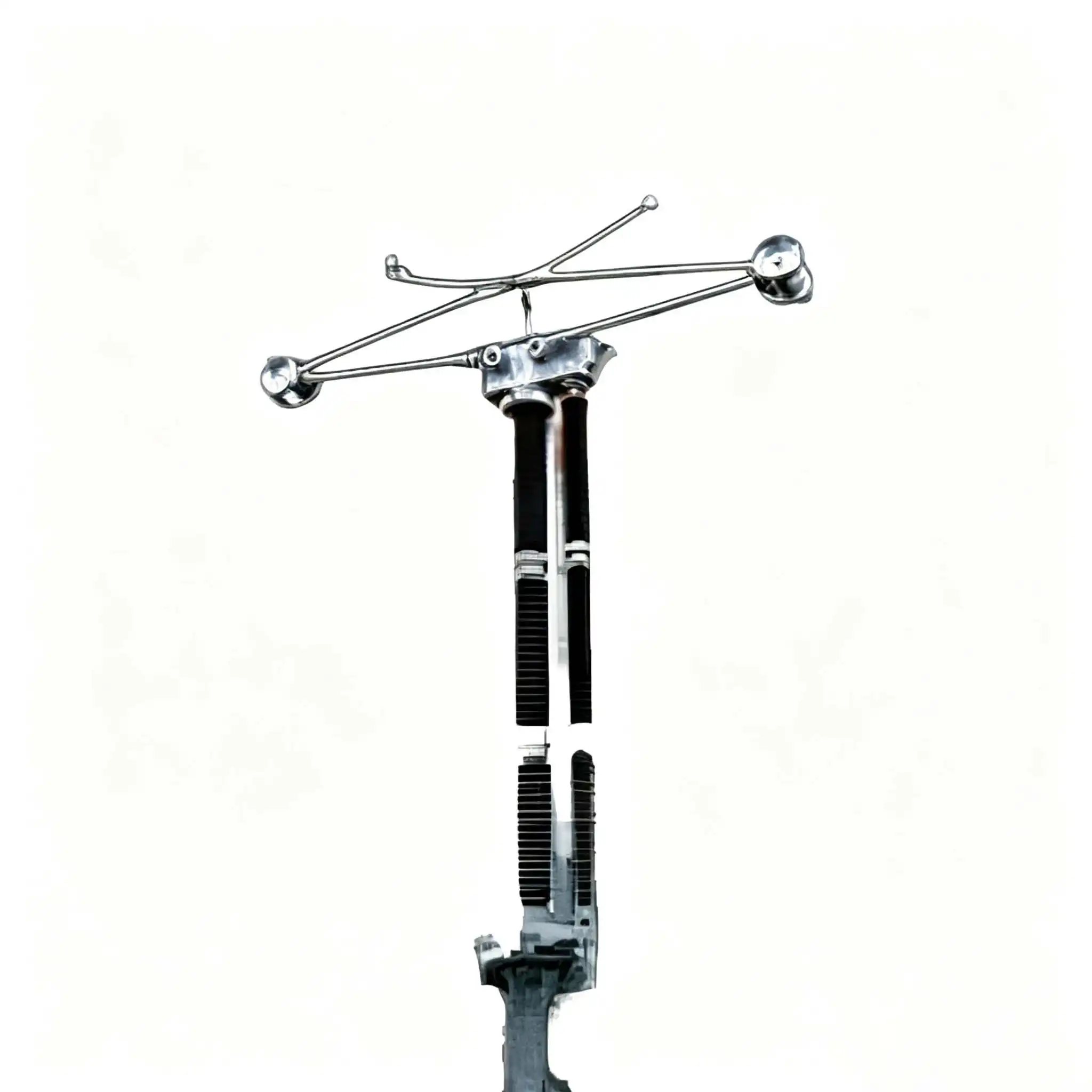
Installing grading rings on fixed contacts changes the way the electric field is spread out. This gets rid of stress buildup in certain areas that speed up the aging of insulation. Compared to standard designs, this one cuts radio interference emissions below CISPR rules and doubles the time between maintenance checks. High-strength aluminum alloy wires can handle up to 4,000A of current and weigh 30% less than copper versions, which makes it easier to support the structure.
Enhanced Mechanical Reliability
When two different types of materials expand and contract at different rates, they don't stick together. This is made possible by flexible joints at pivot points. Triple-layer bushings have self-lubricating compounds that keep them running smoothly for 15,000 rounds without having to be re-greased. This saves a lot of money on upkeep costs over the life of the product. In industrial settings with sulfur chemicals, stainless steel levers and brass drive shafts don't dezincify or crack from stress rust.
Harsh Environment Optimization
Sand particles as small as 50 microns can't get into sealed drive units. This is very important for desert substations where coarse dust usually wears out gearboxes too quickly. The design of the shelter keeps working even when ice storms cover parts with 25 mm of radial growth. Hot-dip galvanized bases have a zinc covering that is 1,100 g/m² thick, which is thicker than the minimum requirements set by ASTM A123 and protects against rust for 30 years without having to be re-coated.
Voltage and Current Ratings
This platform meets the needs of transmission and sub-transmission uses from 126 kV to 550 kV with standard mounting connections. The 4,000A constant rate can handle higher load densities without making the system too big, and the 100 kA short-circuit withstand capability gives it enough room for future increases in system fault levels. Space-optimized vertical retractable shape makes substation sizes 30% smaller, which means it costs less to buy land in cities.
Buying Guide and Comparison of Outdoor Disconnect Switch Solutions
How to Buy Outdoor disconnect switches and a Comparison of Their Features. When making a purchase choice, you have to weigh the initial investment against the total costs of ownership that will last for decades.
Critical Specification Parameters
Voltage ratings must be 20% higher than the system's nominal numbers to account for brief overvoltages that happen when the load is rejected. The current capacity should be the same as the conductor's ampacity, and the continuous rate should be 125% according to NEC 110.14(C). IEC 62271-102 tests that prove short-circuit withstand ratings show that the mechanical integrity is maintained during through-fault situations. Instead of depending only on catalog specs, buyers should ask for test results that show the ability to handle symmetrical and asymmetrical fault currents.
Weatherproofing Evaluation
NEMA 3R shelters offer basic rain protection, but they don't seal out dust, which is important for farming areas during harvest times. Designs with an IP65 rating stop all dust from getting in and can handle water jets coming from any direction. This is important for installations near cooling towers or ocean spray zones. Models rated for the Arctic have heaters with thermostats that keep the mechanism above -40°C, while models rated for the Tropics have ventilation systems that keep condensation from forming in wet areas.
Security and Operational Features
Padlockable handles that can take three locks at the same time make lockout processes easier for multiple crews. Stored energy systems allow quick manual operation without long handle throws, which keeps operators from getting tired during emergency swapping. Motor operators with local, remote, and off selectors allow SCADA integration while still allowing human control in case of transmission problems. When the configurations of the auxiliary contacts meet the input requirements of the relay, field wiring changes that cause mistakes are not needed.
Supplier Reliability Assessment
Manufacturers who offer warranties that last longer than the standard one year show that they are confident in the product's durability. Because regional distribution centers make spare parts available, emergency purchase wait times that lengthen outages are kept to a minimum. Responding quickly to technical support requests during the commissioning phase avoids costly delays in the startup process. This is especially important for EPC workers who have to work with tight project plans. Flexible bulk ordering with staggered delivery plans help building managers get the most out of their cash flow while making sure that materials are available at the right time for each installation.
Future Trends and Innovations in Outdoor Disconnect Switch Technology
Trends and New Ideas in Outdoor disconnect switch Technology. Grid upgrade projects create intelligence at the component level, which lets repair plans predict problems before they happen and cut down on unplanned power outages.
IoT-Enabled Condition Monitoring
Embedded sensors keep an eye on changes in contact resistance over time, finding wear and tear before it leads to fails. Vibration analysis during change finds misaligned parts or old bearings that need to be fixed. Temperature monitoring across all three stages shows problems with connections or uneven loading that can't be seen with the naked eye. These data streams are fed into asset health platforms, which use machine learning algorithms to predict with 85% accuracy how much longer something will be useful. This helps decide when to replace it and how much money to spend.
Automated Operation Integration
Peer-to-peer security schemes can find and fix faults within 100 milliseconds when motor-driven devices that accept IEC 61850 GOOSE messages are used. Integration with substation automation systems gets rid of the need for separate control cables. This lowers the cost of installation and raises reliability through standard communication methods. Remote operation lets workers in control centers change the layout of networks on the fly, moving green energy to areas with the most demand or optimizing power flows around areas with a lot of congestion.
Sustainable Design Evolution
Manufacturers are using sulfur hexafluoride options like dry air or vacuum interrupters more and more. These designs reduce greenhouse gas emissions by 99% compared to designs that use SF6 insulation. 92% of the mass of modern buildings comes from recyclable materials, which makes it easier to follow WEEE rules when getting rid of old things. Better materials that allow for longer repair periods lower lifecycle costs and lower emissions from service vehicles, which is appealing to utilities that have sustainability goals.
Conclusion
Electrical separation devices are still an important part of grid safety plans that protect people and equipment. If you choose the right one, taking into account the climate, the job needs, and your ability to maintain it, it will work well for many years. The move toward smart tracking and automation builds on traditional strengths and makes it possible for predictive repair methods that improve asset management. When replacing old substations, building green energy facilities, or expanding industrial distribution networks, it's important to prioritize quality parts from well-known makers, including an Outdoor disconnect switch designed for reliable isolation and safe operation in demanding environments. This sets the stage for safe, effective operations. Investing in properly defined equipment pays off with less downtime, longer service intervals, and regulatory compliance that protects the organization's image and the safety of the people who keep our electrical infrastructure.
FAQ
1.Can these devices serve solar photovoltaic installations effectively?
Visible isolation points protect inverters and combiner boxes during repair, which is very helpful for solar uses. In direct current circuits, where AC zero-crossings don't automatically put out arcs, DC-rated models have to deal with the unique problem of arc durability. String-level switches let you change panels without turning off the power to whole arrays, which increases the uptime of the generators during service work.
2.Which safety certifications validate quality and compliance?
UL 98 certification proves that the product meets North American safety standards, and IEC 62271-102 certification proves that the product meets foreign standards. The standards for outdoor enclosures are spelled out in IEEE C37.30, and high-voltage air switches are covered in ANSI C37.32. Buyers should make sure that the certificates they are looking at are for the exact model they are buying and not for approvals for a whole family of products.
3.What inspection frequency maintains optimal reliability?
Visual checks every three months find clear problems like insulators that are dirty or hardware that is loose. Infrared scans, measuring contact resistance, and checking the machine's motor operation are all parts of yearly thorough checks. Five-year detailed inspections include taking the machine apart to check the internal parts for wear and dielectric tests to make sure the insulation integrity stays within acceptable limits.
Partner with Xi'an Xikai for Superior Outdoor Disconnect Switch Solutions
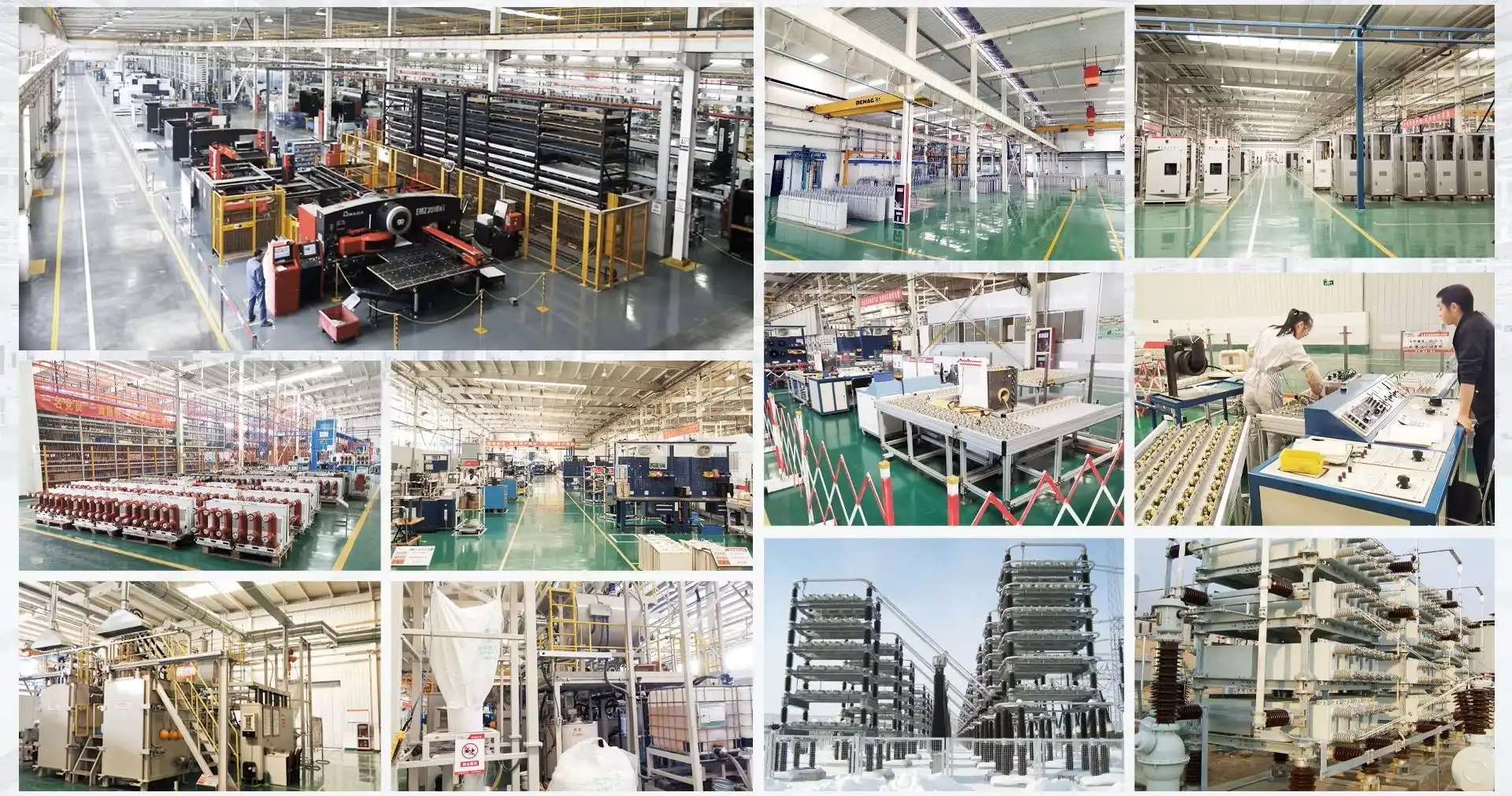
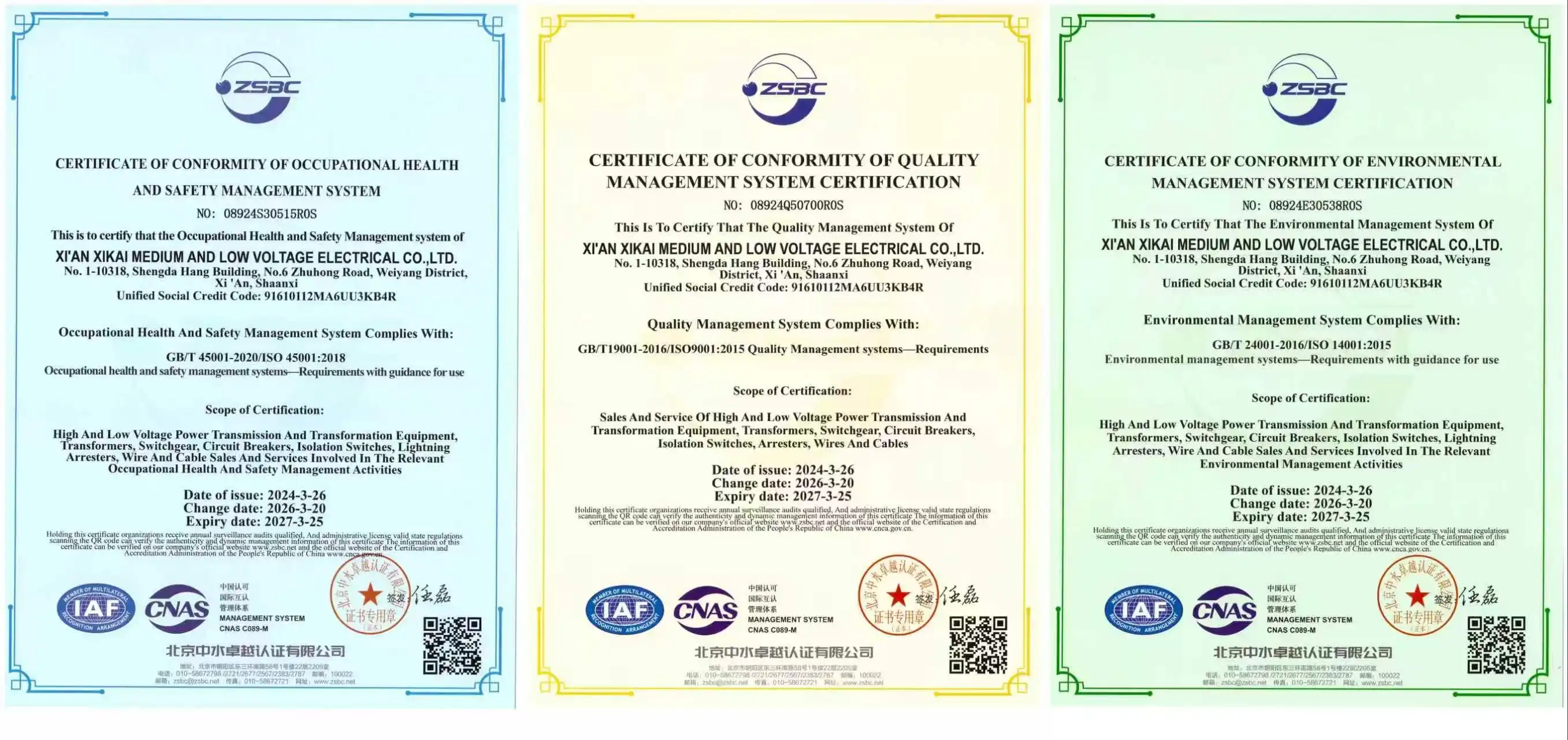
Choosing effective isolation technology has a direct effect on the uptime of the building, the safety of the workers, and the long-term costs of running the business. Xi'an Xikai offers designed solutions that are backed by strict testing procedures and manufacturing know-how for seven main product groups. Our GW6 high-voltage platform is designed to handle tough transmission tasks by using new technologies like sealed drive units and materials that don't rust in a range of climates. You can email our expert team at serina@xaxd-electric.com, amber@xaxd-electric.com, or luna@xaxd-electric.com to talk about voltage levels, current capacities, and customization options that will work for your application. As a well-known company that makes Outdoor disconnect switches, we offer detailed information to help with purchasing choices, reasonable bulk prices, and quick support throughout the lifecycle of the equipment.
References
1. National Electrical Manufacturers Association (NEMA). Standards Publication 250-2020: Enclosures for Electrical Equipment. Rosslyn, VA: NEMA, 2020.
2. Institute of Electrical and Electronics Engineers. IEEE Standard C37.32-2023: High-Voltage Air Disconnect Switches. New York: IEEE, 2023.
3. International Electrotechnical Commission. IEC 62271-102:2022 High-Voltage Switchgear and Controlgear – Part 102: Alternating Current Disconnectors and Earthing Switches. Geneva: IEC, 2022.
4. Occupational Safety and Health Administration. OSHA 1910.269: Electric Power Generation, Transmission, and Distribution Standards. Washington, DC: U.S. Department of Labor, 2021.
5. National Fire Protection Association. NFPA 70E-2024: Standard for Electrical Safety in the Workplace. Quincy, MA: NFPA, 2024.
6. Bureau of Labor Statistics. Injuries, Illnesses, and Fatalities in the Electric Power Generation, Transmission and Distribution Industry. Washington, DC: U.S. Department of Labor, 2023.
_1774416563318.png)