Understanding Zero Sequence Current in Electrical Systems
2026-06-05 11:46:19
In three-phase power systems, zero sequence current is an important measure that shows up when there is a mismatch, which usually happens when there is a ground fault. By measuring the vector sum of currents across all three phases, Zero Sequence Current Transformers (ZSCTs) can find these imbalances. This amount is equal to zero when the machine is working properly. When there is a ground fault, however, leakage currents cause numbers that are not zero, which lets the safety system act quickly. Facility managers, utility companies, and EPC workers can avoid damaging equipment and keep systems running smoothly by understanding this concept.
 |
 |
What Is a Zero Sequence Current Transformer and How Does It Work?
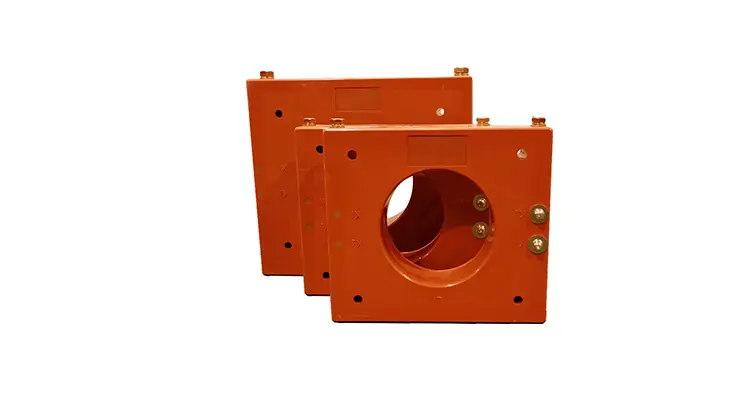
Zero-Sequence Current Transformers are special tracking tools that are used to find ground problems in power distribution networks. Standard current transformers measure currents in each phase separately. ZSCTs, on the other hand, wrap around all three wires at the same time and record the net current going to ground.
The Concept of Zero Sequence Current in Three-Phase Systems
For three-phase electrical systems to work, the currents going through each wire must be equal. In normal situations, these currents add up to zero because currents going into the load come back through other stages. When shielding breaks or a conductor touches the ground, current flows in a way that wasn't meant to happen. This creates an imbalance, called the zero-sequence component, which shows that there is a problem that needs to be fixed right away.
Working Principles of Zero Sequence Current Transformers
A Zero-Sequence Current Transformer works by passing all three phase wires through its core. Kirchhoff's current rule states that zero currents should flow in a closed system. The transformer core cancels out balanced currents' magnetic field while performing properly. Ground fault mismatches produce net flux and comparable secondary current. This 5A or 1A signal activates circuit breakers in milliseconds via protection switches. It keeps the issue from spreading.
Xi'an Xikai's epoxy resin-cast ZSCTs are sturdy and insulating. These devices can handle 11kV–400V and 20A–1000A main currents and fulfil GB 20840.2-2014 and IEC 61869-1/2 standards. They function correctly in severe industrial environments due to their totally sealed electromagnetic architecture.
Types of Zero Sequence Current Transformers
Each type meets a different set of practical needs, which lets procurement experts match the features of a transformer with the needs of an application. There are three main versions that cover different placement situations.
Ring Core ZSCTs
Ring Core ZSCTs: These solid-ring versions are the most accurate and stable. During the first stages of building, installers put wires through the hole. Ring core types work best for permanent installs in switchgear and substations that need small solutions because of limited room. Xi'an Xikai makes ring core units with inside diameters that range from 120 mm to 300 mm so they can fit different wire packages.
Split Core ZSCTs
Split Core ZSCTs: Split cores that are hinged or connected together can be added to current systems without having to turn off the power. When upgrading security methods in working facilities, maintenance teams like that they can do this without any downtime. The split design keeps measurements accurate by using precisely polished matching surfaces that keep air gaps to a minimum.
Bar Type ZSCTs
Bar Type ZSCTs: Busbar-mounted versions fit straight onto rigid conductors that are popular in industrial distribution panels. These simplified units take up less room but are still good at finding problems in factories and data centres that use high-capacity lines.
Key Electrical Characteristics
Transformer accuracy class reflects how well its secondary winding matches the main current. Most protection-class ZSCTs meet Class 5P or 10P requirements, limiting errors to 5% or 10% at accuracy limit currents. Coordinating safety equipment across complicated transportation networks requires these standards.
The rated burden shows how much load resistance the secondary circuit can handle without affecting accuracy. Secondary loads for analogue switches with 5A outputs and digital safety systems with 1A signals may be handled by Xi'an Xikai ZSCTs. Double flexibility prepares systems for smart grid technologies in buildings.
Transformers can withstand continuous use and short-term overloads during failures owing to thermal values. Lightning strikes and switching transients may be survived without replacement, with surge current capacity up to 100 times the specified value.
Common Applications
Motor control centres, CNC equipment, and automated production lines are protected by ZSCTs. Undiscovered ground flaws cost thousands per hour and halt production. Early defect identification boosts performance and safeguards equipment.
Utility transmission and distribution workers install ZSCTs at substations to monitor feeder lines that power homes and businesses. Uptime and end-user service are improved via rapid ground fault isolation.
In hospitals, data centres, and businesses, GFP avoids electrical fires and maintains vital equipment. Split-core upgrades may increase infrastructure safety without affecting patient care or business operations.
Comparing Zero Sequence Current Transformers with Other Measuring Instruments
In order to choose the right current measurement technology, you need to know how the different gadgets work. With varying levels of complexity and cost, each type of device meets a different set of tracking needs. Zero Sequence Current Transformers make installations easier by tracking all stages at the same time with a single device that is only used to find faults. This specialization makes safety more reliable while taking up less space on the panel and making the wires less complicated.
Conventional Current Transformers vs ZSCTs
For measuring, safety, and control, standard current transformers measure the currents in each phase. Each phase needs its own transformer, and these devices can't find ground problems directly. Utility companies and factories use regular CTs a lot, but they need to be combined with other ground problem detecting methods.
Residual Current Transformers
ZSCTs and residual current devices (RCDs) can both find leakage currents. However, RCDs usually work at lower voltage levels and higher sensitivity limits. RCDs trip at 30mA leakage levels to keep people from getting shocked by electricity in homes and small businesses. ZSCTs are made for medium-voltage industrial uses. They can handle higher rated currents and work with programmable switches that have trip settings that can be changed from 20mA to several amps.
Differential Current Transformers
Differential protection checks the currents that come into and go out of secured areas of equipment. Differential schemes need more than one current transformer and complicated relay logic, even though they work in a way that is similar to zero sequence detection. When full differential safety is not needed, ZSCTs offer easier and less expensive ways to find ground faults.
Rogowski Coils
Like split-core transformers, flexible Rogowski coils are easy to install, but they make low-level voltage outputs that need computer integration. These coils work great for temporary measurements and retrofitting situations where room is limited. For fixed security systems, ZSCTs offer better accuracy and long-term stability, especially in harsh environments where electrical parts need extra enclosures.
Cost and Reliability Considerations
When purchasing managers have to balance tight budgets with the need for dependability, they find that ZSCTs are a great deal. Epoxy-cast building doesn't need oil upkeep and is better at resisting water than oil-filled designs. Solid-state building doesn't have any moving parts, which helps explain why the average time between failures is more than 15 years, according to accelerated life tests.
Quality Zero-Sequence Current Transformers still have low starting costs when compared to the tools they guard. A single fault event that is stopped usually pays for the cost of a protection system by saving money on lost production and equipment repair.
Installation, Troubleshooting, and Maintenance Guidelines for ZSCT
Zero-Sequence Current Transformers provide accurate and reliable ground fault protection for as long as they are used as long as they are installed correctly. Following organised steps reduces issues during installation and improves long-term performance.
Sizing and Compatibility Requirements
Measure the wire bundle diameter to determine transformer size. The ring core must accommodate all phase wires and the neutral, if present, within its diameter. This should allow fitment. Installers must keep wire insulation 10 mm from the core to avoid mechanical damage during drilling.
Match relay input demands with secondary output currents (5A or 1A) to minimise load mismatches that reduce accuracy. Modern digital switches include 1A inputs, which reduce copper wire and make experiments safer. Make sure these parameters are clear before purchase to prevent costly field adjustments.
Step-by-Step Installation Procedures
Installation crews should open circuit breakers and use lockout-tagout before starting work. Polarity is maintained in new ring core unit installations by ensuring all phase wires travel through the hole in the same direction. Switching wires cancel the zero sequence signal, even if there is a defect.
Split-core transformer mating regions must be aligned. Clean the contact faces and apply the manufacturer-recommended joint powder before tightening the retention hardware to the appropriate torque levels. Too many joint contact holes reduce measurement accuracy and produce errors.
Protection relay layouts need secondary wire polarity indications (S1/S2). Empty secondary connections are short-circuited to prevent unsafe open-circuit voltages during testing. In relay coordination studies, grounding one secondary wire provides a safe reference voltage.
Common Operational Issues
When secondary circuits carry electromagnetic radiation, mistrips may occur. Running auxiliary wires in grounded conduit away from power cables decreases noise. In loud areas, single-point grounding shielded wires reduces electrical noise.
Incorrect installation polarity or excessive secondary load cause identification failure despite known ground faults. Verification testing using main current input confirms correctness and operation. Check wire resistance by measuring the secondary load with the switch off.
Water entering or temperatures above or below standards may reduce insulator accuracy and protection. IP67 enclosures safeguard transformer connections in hazardous chemical plants and wastewater treatment facilities.
Maintenance Best Practices
Check for physical damage, loose connections, and deteriorating insulation annually. Thermographic scans find hot spots that suggest failed connections or system stressors before they collapse.
Moisture hasn't altered the winding's secondary insulation resistance using 1000V megohm meters. If the transformer is below 100 megohms, replace it for safety. Tests against measured standards show accuracy within limits.
Historical primary injection confirmation and burden measurements aid condition-based maintenance choices. Trending data shows mild degradation that allows security changes before failure.
These coordinated activities prolong transformer life and safety, avoiding expensive equipment failure and production pauses. Engineering teams' maintenance practices improve system reliability.
Procurement Guide for Zero Sequence Current Transformers: Choosing the Right Supplier and Product
To find your way around the Zero Sequence Current Transformer market, you need to look at more than just the original buy price. Strategic choices about what to buy take into account performance requirements, the image of the maker, licensing compliance, and the ability to provide long-term assistance.
Critical Performance Metrics
Protection sensitivity and cooperation depend on accuracy class. Most protective applications need Class 5P precision, which restricts errors to 5% of rated accuracy. Class 3P or 1P precision may be needed for harder applications.
The rated main current depends on fault level and maximum forecast load currents. When transformers are insufficient, the core may become saturated during fault conditions, and large ones have worse accuracy at average operating currents. Most engineers propose primary currents between 80% and 120% of the maximum predicted continuous current.
Relays, meters, and wires must exceed load capacity in impedance. Field accuracy difficulties may be prevented by determining load needs before procurement. Each Xi'an Xikai item has precise burden specifications to facilitate system building.
Certification and Standards Compliance
International and national standards like IEC 61869-1 and IEC 61869-2 and GB 20840.2-2014 in China and IEEE C57.13 in North America provide minimum performance requirements and testing methodologies. Purchase requirements should require manufacturers to provide test data confirming they meet all standards.
UL and CE certifications for North America and Europe ensure product safety. Transformers with several regional certifications decrease the need for specific equipment in international contexts, making them useful.
Environmental laws like RoHS and REACH affect product selection and disposal. When factories use recyclable materials and remove hazards, their environmental responsibility lowers.
Evaluating Global Manufacturers
International leaders Siemens, Schneider Electric, ABB, and GE have extensive product lines and distribution networks. The firms provide specialised knowledge, application building assistance, and global warranty services. The greater price reflects these talents and the brand's long-standing reputation.
Regional enterprises like Xi'an Xikai combine contemporary technology with friendly service. Our epoxy resin-cast transformers meet worldwide standards and may be customised to hasten project delivery. Direct manufacturer connections reduce project costs without sacrificing quality by eliminating distributor markups.
Procurement Logistics Considerations
Supplier and product lead times vary. Special orders with non-standard core dimensions or secondary grades may take months to deliver, while catalogue goods ship within weeks. These dates should guide project planning, especially for important equipment.
Bulk purchases might save 5–15%, depending on quantity. Standardising specifications across projects or within a company maximises savings. Predetermined pricing and faster delivery are typical of framework agreements with specified suppliers.
Large electrical equipment shipping and relocation fees raise landing costs, especially when buying overseas. Air, ocean, and land freight comparisons help find budget-friendly arrival times. Equipment bundlers ease logistics.
Supplier Qualification and Risk Management
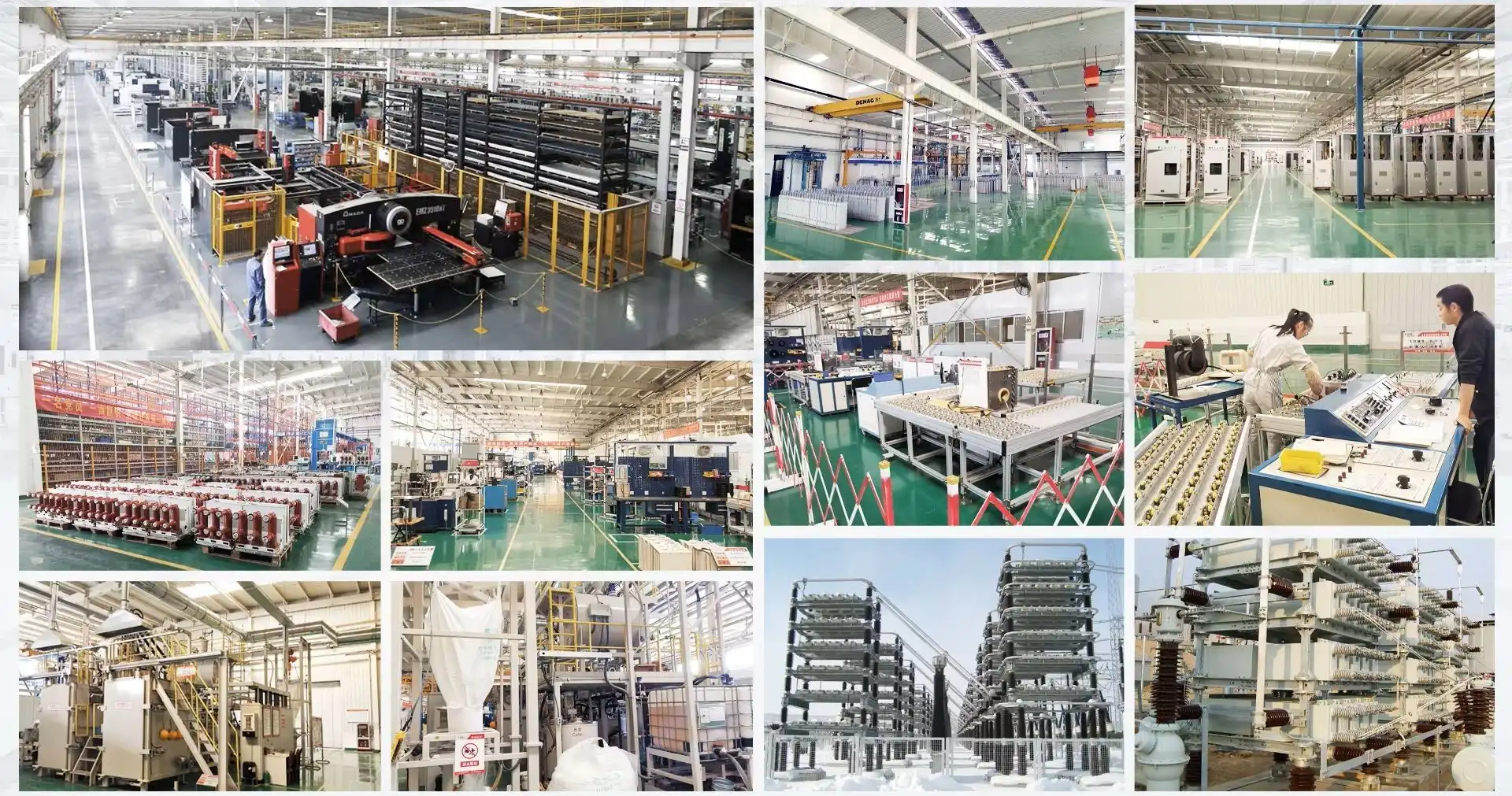
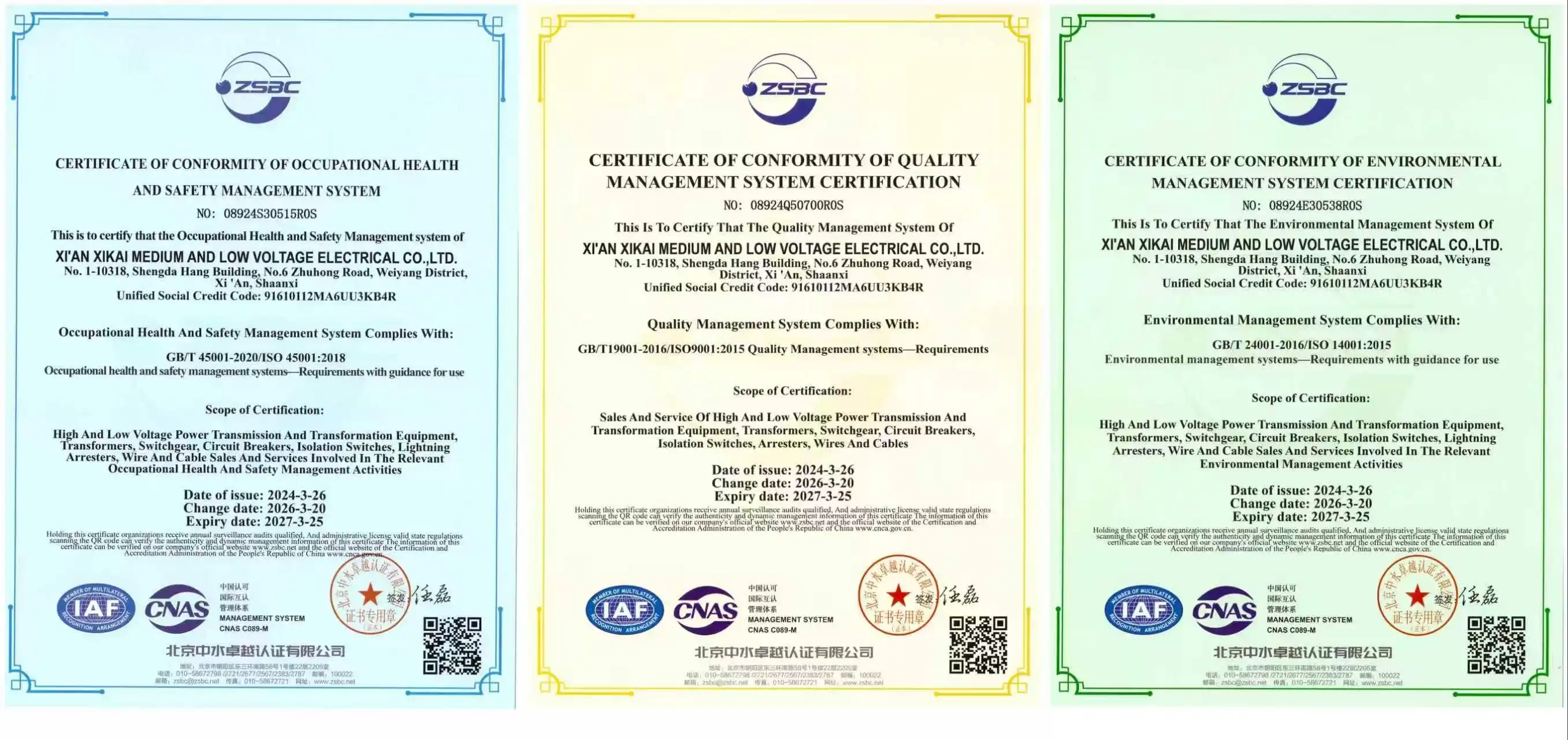
Suppliers reviewing factories may exhibit quality control measures that support regular manufacturing. ISO 14001 certifies your environmental responsibility, while ISO 9001 gives peace of mind.
Requesting test samples before big orders decreases technical risk. Independent lab tests show performance matches manufacturer specifications. Third-party testing finds application-specific design flaws.
Similar customer references might help you assess a person's long-term dependability and response. Meeting building engineers and maintenance managers in person verifies your expertise beyond marketing materials. Companies with client references show trust in their goods and services.
Credit reports and business registration verification minimise supply chain risk. New companies may provide promising technologies, but established firms with decades of experience are more likely to survive.
Advantages and Future Trends in Zero Sequence Current Transformer Technology
Modern Zero Sequence Current Transformers improve operations in measured ways and are changing to meet the needs of the smart grid. Procurement pros can make investment choices that will pay off in the future by understanding these benefits and what changes are likely to happen.
Enhanced Ground Fault Detection Accuracy
Modern ZSCTs measure currents with less than 1% inaccuracy across a broad range. This detects sensitive ground faults before they harm equipment. Setting protection switches to trip at lower cutoff currents allows this. This detects insulation issues before they produce catastrophic failures. Manufacturing locations report fewer motor problems and production delays after installing modern transformers.
Consistent precision under various load conditions maintains protection integrity throughout daily operating rounds. Currents below 20% of reported levels reduced the accuracy of several earlier designs. Better core materials and winding designs allow accuracy down to 5% of the rated current. The safety range expands.
System Protection and Operational Cost Savings
Fast defect detection prevents equipment damage and downtime. This protection helps data centres and hospitals where downtime costs over $10,000 per minute. Excellent ground fault detection systems often refund buyers the first time they stop.
Solid-state epoxy-cast transformers need less maintenance than liquid-filled transformers, which need oil sampling and leak fixes. This lowers lifetime costs and boosts uptime in remote, hard-to-maintain facilities. Large utility distribution networks reduce field service calls, saving money.
Small transformer energy efficiency gains scale across big systems. Low-loss core materials and optimised designs minimise secondary circuit effort and safety system power consumption.
Digitalisation and Smart Transformer Integration
New digital output transformers shift magnetic current conventionally but contain electronics for safety and tracking devices. They send Modbus RTU, DNP3, and IEC 61850. It removes sensors and streamlines system designs.
The Internet of Things lets you remotely monitor transformer temperature, insulation resistance, and accuracy shift. Trending data helps predictive maintenance algorithms predict concerns weeks or months ahead. This lets replacements happen during planned outages, not emergencies.
Multi-location ZSCTs in utility areas or industrial locations feed cloud-based analytics solutions. Machine learning improves system dependability by identifying tiny trends that predict future faults. Facility managers may see all company safety systems in real time. This lets them prioritise repairs using data.
Regulatory Drivers and Grid Modernisation
New sites must have ground fault protection under tighter electrical safety requirements. The US National Electrical Code and similar regulations in other countries expand ZSCT standards to more facilities and power levels. Keep up with rule changes to avoid expensive retrofitting on short notice.
Advanced security can solve grid stability challenges caused by renewable energy. Harmonic distortion and two-way power flows strain security cooperation when solar and wind power are combined. Modern Zero-Sequence Current Transformers are accurate in severe conditions, making green energy use more reliable.
Distributed electricity and microgrids need flexible security. Smart ZSCTs with programmable sensitivity alter their sensitivity for best protection whether linked to power grids or operated independently.
Preparing for Technological Evolution
Digital contact characteristics should be required for procurement even if not used immediately. This retrograde flexibility safeguards investments as structures automate. Transformers with many protocols provide your system flexibility.
Supplier upgrade tracks and technology roadmaps may help you choose equipment for long-term building. R&D-investing companies help clients evolve. Xi'an Xikai joins standard-setting groups. This guarantees our goods meet market needs first.
Training repair staff on new technologies maximises high-tech tool investments. Digital diagnostic tools and cloud monitoring solutions let teams use advanced devices fully. Supplier training and extensive materials enhance knowledge growth.
Conclusion
Zero Sequence Current Transformers are very important for protecting electrical systems in businesses, utilities, and factories from ground faults. It is possible to get solid results from them by understanding how they work, comparing them to other technologies, and installing them correctly. Protection system investments are best made by making strategic purchasing choices that balance requirements, supplier abilities, and lifetime costs. As technology moves toward digitisation and smart grid integration, choosing equipment that can be used in the future sets facilities up for long-term operating success. The wide range of ZSCT products offered by Xi'an Xikai meets worldwide standards and allows for easy customisation, meeting a wide range of application needs.
FAQ
1. How do zero-sequence current transformers detect ground faults?
Zero-Sequence Current Transformers keep an eye on the vector sum of all three stages' currents at the same time. In normal balanced operation, there is no net current. But when there is a ground fault, there is an imbalance that causes proportional secondary signals that set off safety switches.
2. What distinguishes ZSCTs from differential current transformers?
Differential protection uses separate transformers to compare currents at different places in the system. ZSCTs, on the other hand, use a single device to find ground leaks. For ground fault use, ZSCTs are easier to use and cost less.
3. How can facilities verify transformer accuracy compliance?
Ask the maker for test records that show they meet IEC 61869-1/2 or similar standards. Independent lab testing supports the specs, and regular field testing with calibrated injection tools makes sure the accuracy continues for the whole service life.
Partner with Xi'an Xikai for Superior Zero Sequence Current Transformer Solutions
Choosing the right security tools and provider partnership is the first step to making an electrical system safer and more reliable. Xi'an Xikai makes Zero Sequence Current Transformers for sale out of epoxy resin that meet the standards set by GB 20840.2-2014 and IEC 61869-1/2. These transformers are designed to work with 11kV/400V systems and can handle main currents of 20A to 1000A. Our production skills cover a wide range of patented technologies, and we work on tough projects like State Grid installations, petrochemical plants, and green energy projects.
We are one of the biggest Zero-Sequence Current Transformer manufacturers in China for medium and low-voltage equipment. Our customisation options include core sizes from 120mm to 300mm and dual secondary outputs (5A/1A) that work with both old and new safety systems. With IP67 weather protection, our transformers work steadily from -40°C to +85°C, making sure they always do their job in tough industrial settings.
Get in touch with our technical experts to talk about your unique application's needs and get full specs. For personalised advice and affordable quotes, email serina@xaxd-electric.com, amber@xaxd-electric.com, or luna@xaxd-electric.com.
References
1. IEEE Standards Association. "IEEE Standard for Instrument Transformers: Requirements for Protection Class Current Transformers." IEEE Power and Energy Society Technical Standards, 2018.
2. International Electrotechnical Commission. "Instrument Transformers - Part 2: Additional Requirements for Current Transformers." IEC Technical Committee 38 Publication Series, 2021.
3. Anderson, Paul M. "Power System Protection." IEEE Press Series on Power Engineering, McGraw-Hill Professional, 2019.
4. National Fire Protection Association. "Ground-Fault Protection Requirements in Industrial and Commercial Electrical Systems." NFPA 70 National Electrical Code Handbook, 2020.
5. Blackburn, J. Lewis and Domin, Thomas J. "Protective Relaying: Principles and Applications." CRC Press Taylor & Francis Group, Fourth Edition, 2022.
6. Electric Power Research Institute. "Modern Ground Fault Detection Technologies for Medium Voltage Distribution Systems." EPRI Technical Update Report, 2020.