
Porcelain Type SF6 Circuit Breaker vs Vacuum: Which to Choose?
2026-10-28 17:28:28
For 126 kV and 145 kV outdoor substations, a porcelain type SF6 circuit breaker is usually the better choice. It offers the interruption capacity, insulation strength, and field record that transmission-level air-insulated substations need. Vacuum circuit breakers fit medium-voltage, indoor, and compact switchgear very well, but higher-voltage vacuum products remain limited in availability. I wrote this guide for design institute engineers and EPC project managers who must compare the two technologies, choose an operating mechanism, and prepare a bid. Below, we cover technical differences, trade-offs, the LW25 series from Xi'an Xikai, and a practical selection and procurement path.
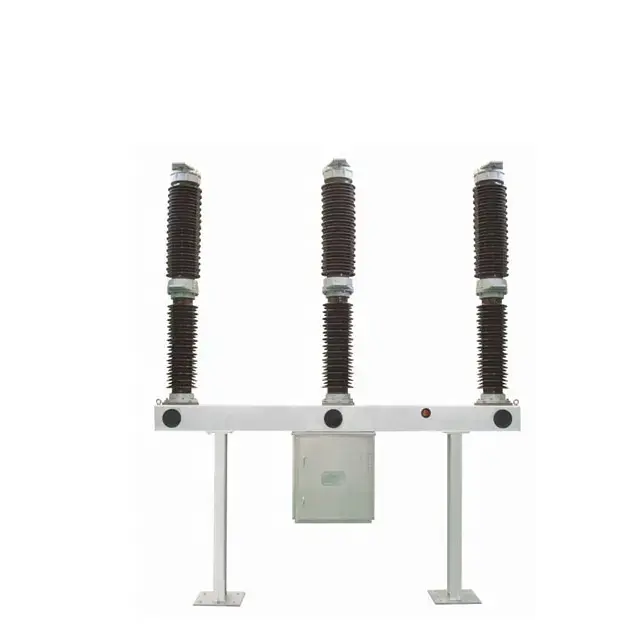
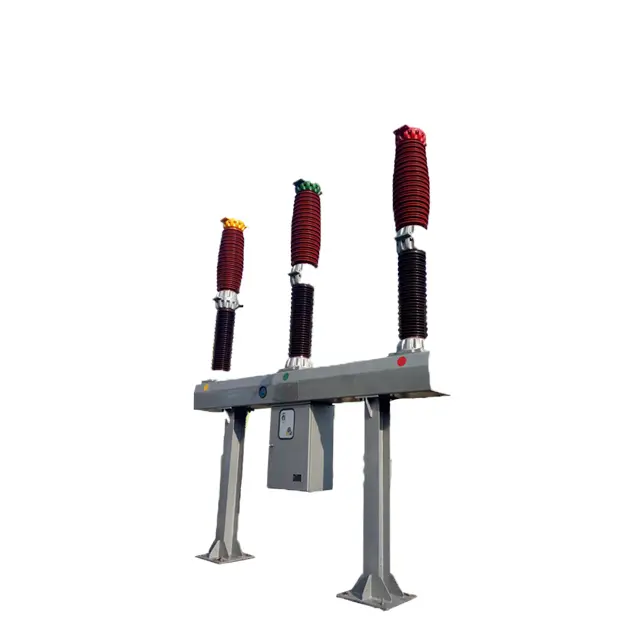
How a Porcelain Type SF6 Circuit Breaker and a Vacuum Breaker Work
What a Porcelain Type SF6 Circuit Breaker Does
A ceramic type sf6 circuit breaker is an outdoor switch for high power. There is a ceramic column around each pole that holds an interrupter box full of sulfur hexafluoride gas. If there is a problem with a relay, the operating mechanism moves the contacts farther apart. The gas cools the spark and picks up any electrons that are free. After that, the arc stops and there is no current. The gas quickly restores the electrical strength, which keeps the gap from opening up again. The interrupter, control box, and a spring, hydraulic, or pneumatic operating mechanism make up the unit. Normal voltage is between 72.5 kV and 145 kV or more. Because of this, this design is used in transmission and industry substations that are outside, as well as at grid links for renewable energy.
What a Vacuum Circuit Breaker Does
A vacuum circuit breaker stops the flow of electricity in a vacuum interrupter, which is a sealed chamber containing the contacts. One contact remains fixed while the other moves. Once they are no longer touching, the arc burns in metal vapor from the contacts. When the current stops, it stops because the vacuum quickly gets back to being a dielectric. It is inside a switchgear container and sits on insulating supports along with a mechanism and a control link. The vacuum technology is often used in metal medium-voltage switchgear that is kept inside. It is small, doesn't need to deal with SF6, and the interrupters don't need much upkeep. It can only handle a certain voltage range, peak current, and short periods of overvoltage when switching, so inductive loads may need overvoltage protection.
Standards and Voltage Classes That Frame the Choice
IEC 62271-100 is the international standard for alternating-current circuit breakers. Both methods are tested to that standard. Even in China, GB/T 1984 is used. These standards describe how the device should work, its rated voltage, current, and short-circuit breaking current, as well as the tests that are used to check these things. The first thing that a 126 kV or 145 kV substation looks at is availability. What kinds of things pass the full type test at that voltage? The porcelain type sf6 circuit breaker has well-known styles that last a long time. At that level, there are vacuum versions, but not many companies sell them. There is more to the test report than just the rating current and breaking current on the label. This is something I always tell project teams. This is due to the fact that the real performance depends on the starting voltage and switching duties.
Key Technical Differences: Porcelain Type SF6 Circuit Breaker vs Vacuum
Interruption Capacity and Switching Duties
If you need to break a short circuit at 126 kV or 145 kV, most projects call for 31.5 kA or 40 kA currents, which are rated at 2000 A to 4000 A. An SF6 circuit breaker can handle these ratings in well-established designs that have been tried thoroughly. Soft sparks can also be stopped by SF6. This is useful for charging lines, switching battery banks, and switching reactors. There are vacuum interrupters that can fix issues quickly and can handle a lot of use. If they switch small inductive loads, though, they can stop the flow of electricity. This leads to too much voltage, which needs to be looked into. I think you should look at the switching test data and transient recovery voltage with your system study before picking a transformer, reactor, or capacitor for a job.
Insulation, Footprint, and Installation Format
Porcelain type sf6 circuit breakers are placed on support platforms in outdoor substations that are sealed off from the air. The porcelain column keeps the ground from getting cold from the outside. This means that the breaker can be put next to current transformers, disconnectors, and lightning arresters in a normal outdoor bay. Most vacuum breakers are put in clad or enclosed metal switchgear that is used inside. The jar is what keeps it warm, and it also makes it smaller. This small layout works well for places with a lot of people and medium-voltage power. But at 126 kV and 145 kV, outdoor air-insulated layouts are still common. Maintenance is easy in the bigger bay area, and the engineers know what they're doing better. Not only should the style match the interrupter technology, it should also fit your site plan.
Environmental Performance and Gas Management
According to the IPCC's Sixth Assessment Report, SF6 can warm the Earth by about 25,200 times over 100 years. For thousands of years, it stays in the air. That is the main reason it shouldn't happen. When things are closed, they don't lose a lot of gas. IEC 62271-1 talks about how often gas-filled equipment should leak. Usually, 0.5% per year is the most that should happen. Handling is based on IEC 62271-4, and gas collection is needed both while the machine is working and when it's shut down. This issue can be fixed with vacuum, but a medium-voltage vacuum breaker isn't big enough to fill a 145 kV outdoor bay. Eco-friendly policies should be one of the criteria, along with voltage class, interruption duty, and lifecycle cost. The offer should also include the maximum amount of gas that can leak each year and the need for gas tracking.
Advantages and Drawbacks of Each Technology
Where a Porcelain Type SF6 Circuit Breaker Performs Well
Because it's well insulated, can handle a lot of interruptions, and has been used in transmission networks for a long time, these are the main benefits. It can be used for high-voltage outdoor substations. Safety systems, lightning arresters, current transformers, and disconnectors are all easy to use with this design. Service information about high-voltage SF6 circuit breakers can be found in Technical Brochure 510 from CIGRE's international inquiry. Buyers can use this information to make choices about design and mechanism. The bad things are real too. SF6 is bad for the environment, it takes more work to monitor and recover gas, it's important to be careful when moving porcelain, outdoor bays take up more space, and it can cost more at first than medium-voltage options.
Where a Vacuum Circuit Breaker Performs Well
Vacuum breakers are small, don't need a lot of interrupter service, and can handle frequent switching in many medium-voltage tasks. They don't need to be filled with SF6 and then recovered. Even though those are good things, I wouldn't choose a vacuum just because it's better for the earth. Buyers must still check the voltage class, fault-current capability, switching duty, current-chopping behavior, overvoltage safety, and full switchgear approval. There are also not as many companies that offer high-voltage vacuum solutions and not as many setups of these solutions compared to well-known SF6 goods. For an indoor 12 kV to 40.5 kV line, vacuum is often the best choice. That doesn't always work for an open bay with 126 kV or 145 kV.
Porcelain vs Composite Insulation
For decades, utilities have used porcelain columns because they don't break down in bad weather, when they get tracked, or when they are exposed to UV light. They are weak because they are simple to break. When shipped or when there is seismic activity, pressure can cause a shed or flange joint to crack. Because they are made of silicone rubber over a fiber-reinforced tube, composite housings are lighter and better able to handle getting hit. They also work well in dirty places because silicone doesn't hold water. In the field, though, they haven't been used for as long, and some guidelines still call for porcelain. Find out what kind of insulator you can use, and then compare the weight, creepage distance, mechanical strength, and packing needs. If you need porcelain, ask the seller how well it can stand up to earthquakes and how to pack it so it can be shipped.
LW25 Outdoor Porcelain Type SF6 Circuit Breaker from Xi'an Xikai
Ratings and Operating Mechanisms
Power levels of 126/145 kV, 50 Hz, and 2000, 3150, and 4000 A are all things that it can handle. This is the LW25 outdoor porcelain type sf6 circuit breaker, which is made to be used outside. It works in three different ways. The spring mechanism charges itself while the breaker is closed, and the spring that opens the breaker is charged by an electric motor. Hydraulics are used instead of nitrogen to power the device, and the disk springs store energy. On the other end of the gas line, springs close it. Making sure the mechanism works with the skills and tools of your maintenance team is important. The breaking current for your project could be 31.5 kA or 40 kA. Check the manual to make sure it's right.
How the LW25 Fits Project Conditions
The LW25 porcelain type sf6 circuit breaker can be used outside because it is insulated with SF6 gas and has a porcelain body. The gas puts out the fire, and the porcelain columns keep the outside warm. You can use the LW25-126 model in industry sites, power substations, and places that connect green energy sources. Solar and wind farms can use it to switch between capacitors and reactors. It also lets SCADA keep an eye on the SF6 gas pressure and process cycles. Xi'an Xikai makes plateau-type tools that can work at up to 4,000 meters above sea level. Please let them know right away how high your spot is, how dirty it is, and what temperature range it is in. After that, we check the setup against those conditions and the precise details you gave us.
Factory Testing and Traceability
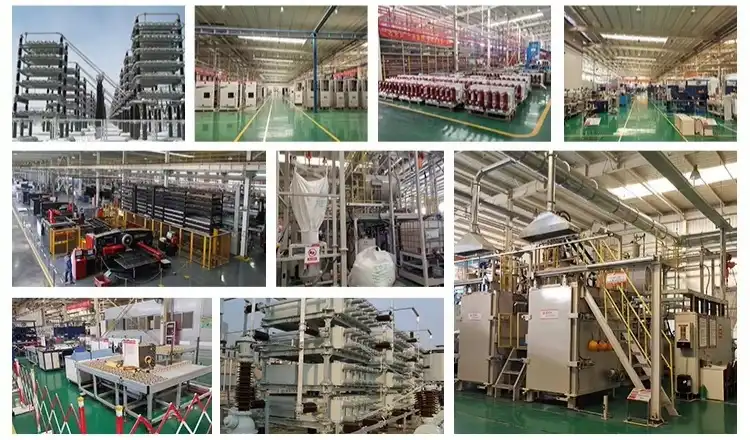
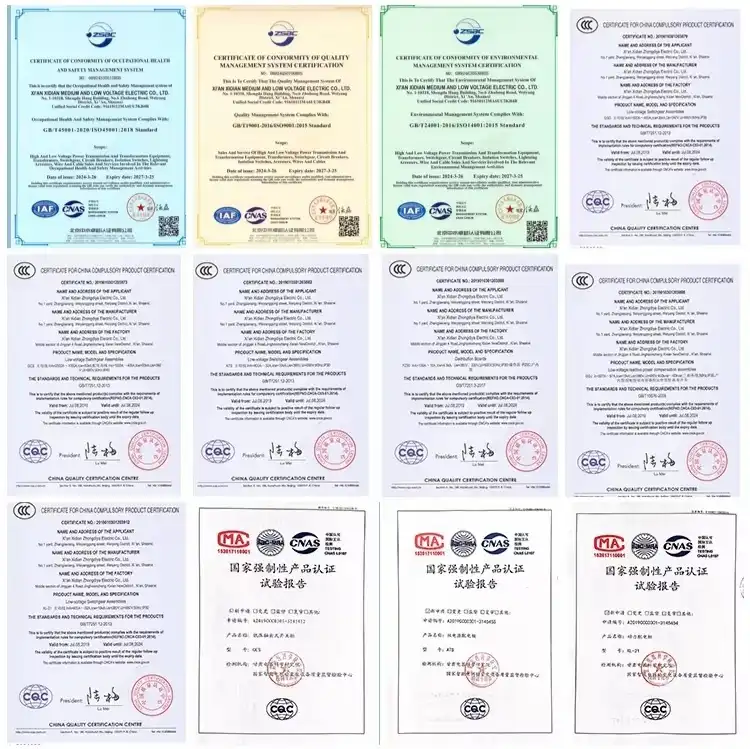
Controlling quality is more important than any number you see in ads. We test the LW25 for mechanical operation, short circuits, and salt-fog corrosion as part of our program. We also keep track of each part so we can find it again later. More than 100 different types and 7 product groups of medium and low voltage electrical tools are made by Xi'an Xikai. Steel, petrochemicals, trains, saving water, and green energy are some of the industries that use our goods. As part of your quote, you should ask for type-test reports, routine-test records, and tracking for your serial number. This way, you can check that the design is correct before you sign off on it. The fact that a supplier is ready to give them to me shows me more about them than their price.
Choosing, Buying, and Maintaining the Right Breaker
A Five-Step Selection Process
Choose the type of use and voltage level, which can be medium-voltage distribution, 72.5 kV, 126 kV, or 145 kV. Next, write down all the electrical needs, including the rated current, short-circuit capacity, insulation level, operating sequence, and any special jobs that the transformer, reactor, capacitor, or line-switching needs to do. Third, think about where the installation is and what it's around, like whether it's inside or outside, high or low, polluted or not, in a seismic zone, or in space. Fourth, look at how much they will cost over their whole life. This includes things like gas, fixes, and extra parts. In the end, before you approve the provider, make sure they meet standards, do type tests, routine tests, give instructions, and sign gas management papers. In short, a vacuum circuit breaker works best with small, medium-voltage switchgear that is indoors, and a porcelain type sf6 circuit breaker works best with high-voltage, air-insulated substations that are outdoors and need to handle heavy fault currents. One project at a time should be checked for things like high altitude, shocks, or a lot of moving between capacitors, reactors, or motors.
Mechanism, Transport, and Seismic Concerns
Mechanisms are chosen based on the place. Spring mechanisms are good for teams that want to keep things in good shape because they have fewer parts. Hydraulic systems give you a lot of working force through hydraulic movement. Pneumatic parts need a way to get compressed air and need to be serviced regularly. Check each one against the tools you have for upkeep and how you like to use programs. When sending ceramic, make sure you have the right boxes, shock absorbers, and directions for how to handle it. Check each column carefully when they come. Ask the provider for their seismic licensing data if you live in an area that is prone to earthquakes and make sure that the support structure and bolting match the design. Sometimes EPC teams worry that the porcelain will break while being shipped, and other times they worry that they will pick the wrong mechanism. These steps can help with both of them.
RFQ, Supplier Checks, and Maintenance Planning
When you send a full RFQ, you list your needs for voltage, rated current, breaking current, control voltage, mechanism, environmental conditions, extras, shipping location, and paperwork. You can compare quotes that are based on the same information because prices depend on things like voltage class, insulation level, mechanism, control cabinet, testing, certification, Incoterms, and destination. There are two main types of suppliers: manufacturers and traders. To tell the difference, ask about the plant, test tools, and test records. After setting up a porcelain type sf6 circuit breaker, you need to check its SF6 density, leakage signs, porcelain state, terminals, heaters, lubrication, coils, secondary contacts, and operation timers. Teams with the right skills collect the gas and test it for time, moisture, contact resistance, and insulation. When vacuum breakers are in place, work that involves gas stops. However, the mechanism and switchgear still need to be inspected.
Conclusion
You can choose between a porcelain type sf6 circuit breaker and a vacuum circuit breaker based on the voltage level, the interruption job, the installation environment, the maintenance resources, and the cost over the lifetime of the product. When used with vacuum technology, medium-voltage, indoor, and small switches work well. It's harder to find vacuum goods with higher voltage, though. The porcelain type sf6 circuit breaker is still a good choice for 126 kV and 145 kV outdoor substations. Rated at 31.5 kA or 40 kA and 2000 A to 4000 A most of the time. The problems with it, like how SF6 affects the environment, how gas tracks, and how dangerous it is to transport porcelain, can be fixed by limiting leaks, having ways to recover gas, and carefully packing the porcelain. When picking a spring, hydraulic, or pneumatic mechanism, you should think about where it will be used and how much maintenance it will need. Full type-test results, not just nameplate numbers, should be used to make the final decision.
FAQ
1. Is a porcelain type SF6 circuit breaker better than a vacuum circuit breaker?
Neither is universally better. A porcelain type SF6 circuit breaker suits 126/145 kV outdoor substations, while vacuum suits medium-voltage indoor switchgear.
2. What voltage ratings are available for porcelain type SF6 circuit breakers?
The LW25 is rated 126/145 kV at 50 Hz, with rated currents of 2000 A, 3150 A, and 4000 A.
3. What should be included in a porcelain type SF6 circuit breaker quotation request?
Include voltage, rated current, breaking current, control voltage, mechanism, site conditions, accessories, destination, and required documents.
4. How can I evaluate a porcelain type SF6 circuit breaker manufacturer?
Review type-test and routine-test reports, traceability, factory testing, export experience, and spare parts support.
Request a Project-Specific Porcelain Type SF6 Circuit Breaker Recommendation
The company Xi'an Xikai sells porcelain type sf6 circuit breakers and has tools for plateaus up to 4,000 meters high. They can also make custom designs. Send an email to serina@xaxd-electric.com, amber@xaxd-electric.com, or luna@xaxd-electric.com with your voltage class, rated current, breaking current, preferred mechanism, site conditions, and delivery schedule. I'll send you a copy and let you know what we think. Visit xaxd-electric.com to find out more.
References
1. IEC 62271-100: High-voltage switchgear and controlgear – Alternating-current circuit-breakers, 2021
2. IEC 62271-1: High-voltage switchgear and controlgear – Common specifications, 2017
3. IEC 62271-4: Handling procedures for sulphur hexafluoride (SF6) and its mixtures, 2013
4. IPCC Climate Change 2021: The Physical Science Basis (Sixth Assessment Report, Working Group I), 2021
5. CIGRE Technical Brochure 510: Final Report of the 2004–2007 International Enquiry on Reliability of High Voltage Equipment, Part 2 – Reliability of High Voltage SF6 Circuit Breakers, 2012
6. Electric Power Substation Engineering, Third Edition, CRC Press, 2012