Reactive Power Compensation Technology: Principles and Applications
2026-05-28 15:56:07
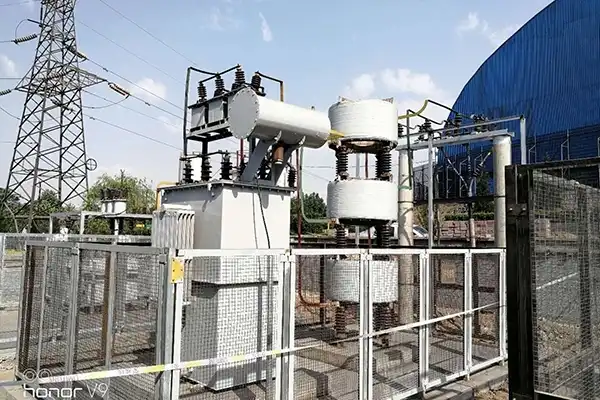
Reactive power compensation stands as a cornerstone of modern electrical system management, directly influencing grid stability, operational efficiency, and energy cost savings for industrial and commercial facilities. For operators managing data centers, manufacturing plants, hospitals, and large commercial complexes, understanding this technology isn't merely academic—it determines whether equipment runs reliably, whether utility bills remain controlled, and whether power quality meets the demanding standards of today's sensitive electronics. The AKW Outdoor Frame-type Reactive Power Compensation Device exemplifies advanced engineering in this field, delivering scalable solutions from 300 kvar to 240 Mvar across voltage systems of 6kV and above, designed specifically to withstand challenging outdoor environments while maintaining exceptional performance.
Understanding Reactive Power Compensation Technology
What Reactive Power Actually Means for Your Operations?
Active power runs motors and lights, whereas reactive power maintains magnetic fields in transformers, induction motors, and other electromagnetic equipment. Without reactive power, voltage instability, conductor overheating, and system efficiency plummet. Inductive loads like arc furnaces, big HVAC systems, and conveyor motors have high reactive power needs that impair power factor, resulting in utility fines and higher operational costs.
To overcome these issues, reactive compensatory power factor correction supplies reactive power locally rather than across lengthy transmission distances. This method lowers line losses, frees system capacity, and stabilizes facility voltage profiles.
How Advanced Compensation Devices Operate?
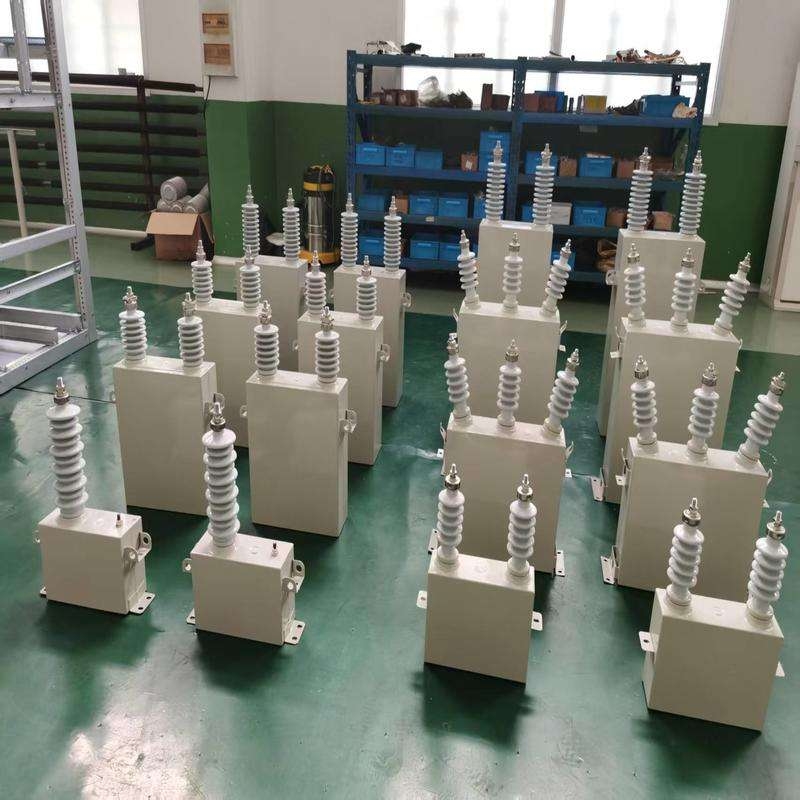
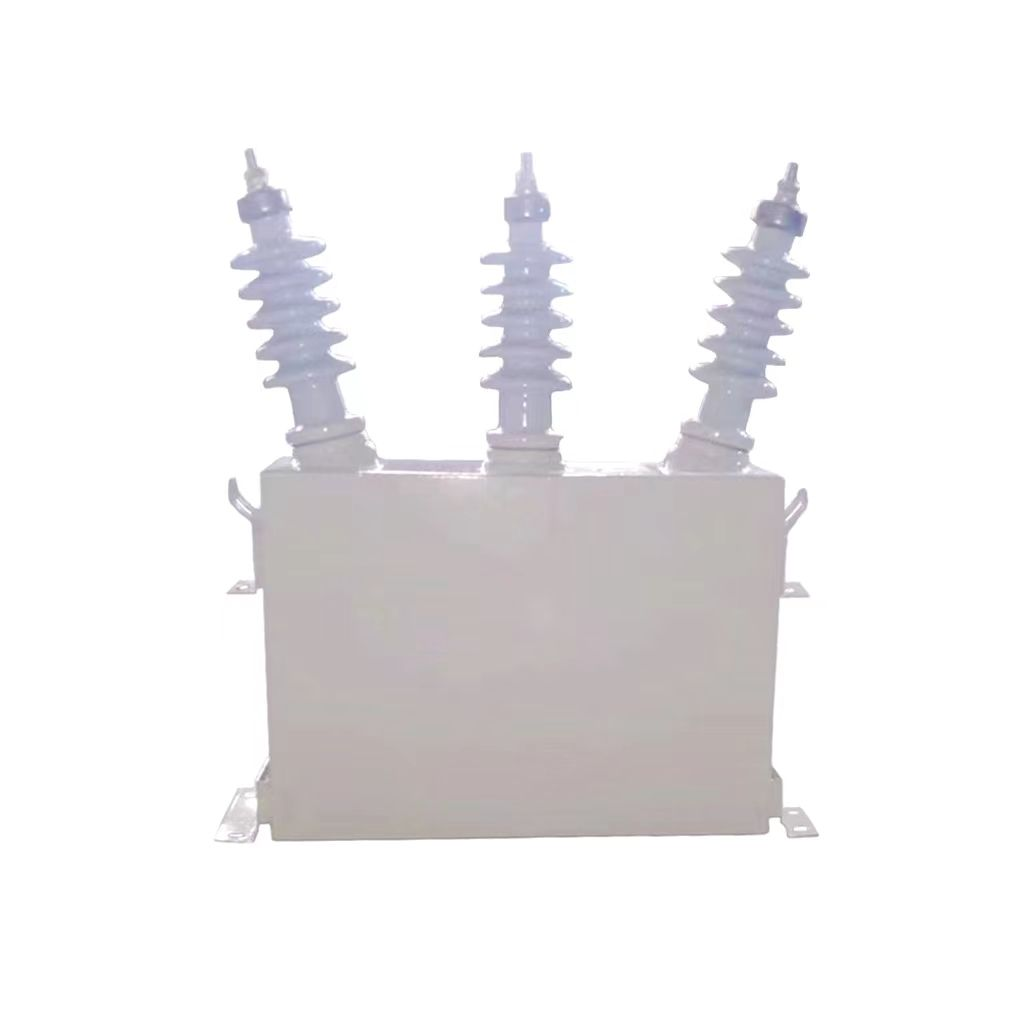
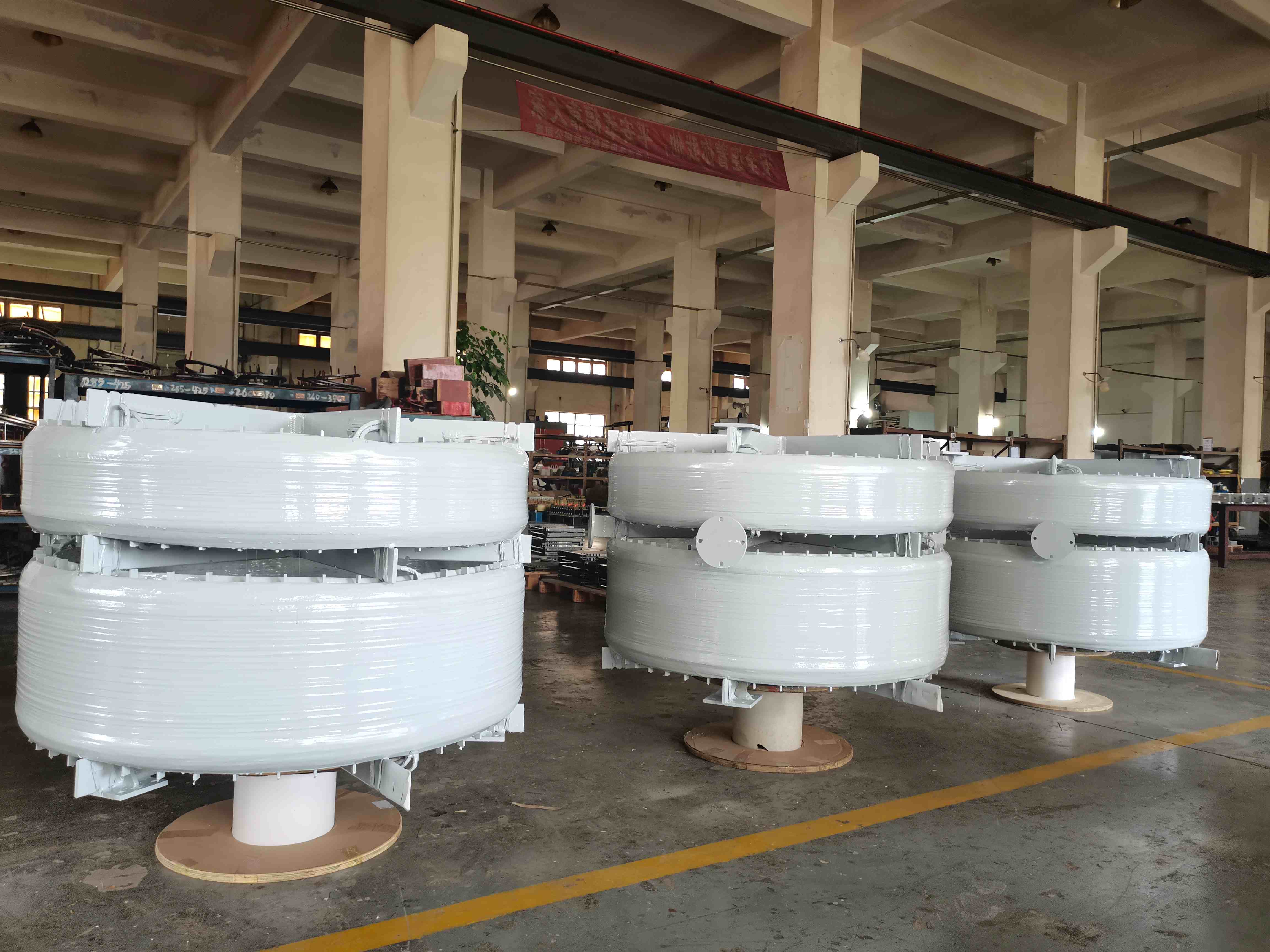
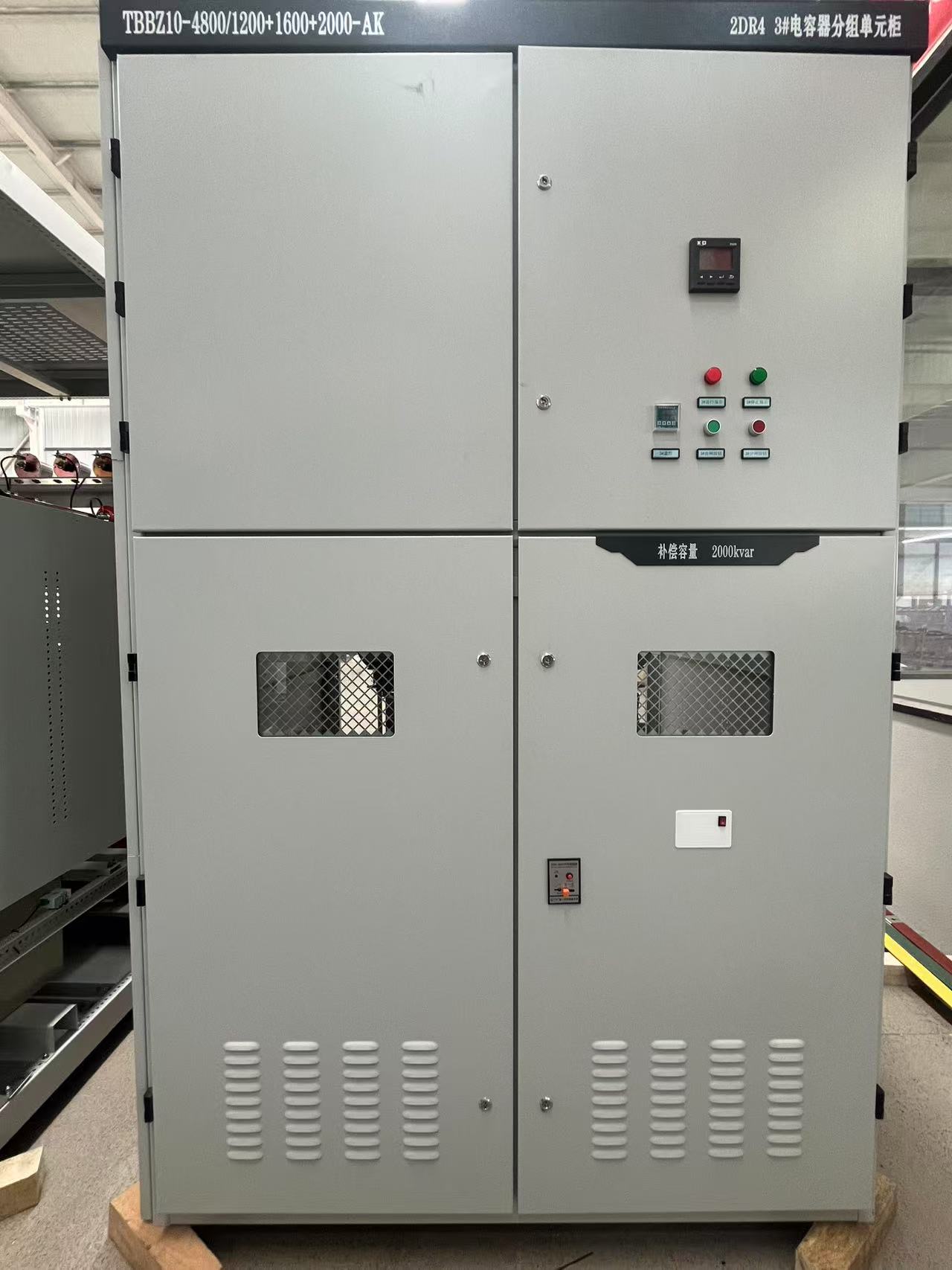
Modern compensation systems monitor grid factors including voltage, current flow, phase relationships, and harmonic content using sophisticated control frameworks. High-voltage capacitor banks, series reactors, discharge coils, and surge arresters are integrated into the durable metal frame of the AKW Outdoor Frame-type Reactive Power Compensation Device for outdoor use.
The technology automatically activates capacitor banks to inject leading reactive current to counteract inductive loads' lagging power factors. Series reactors detune capacitor circuits to reduce grid harmonic resonance and give regulated impedance to prevent surge currents. This synchronized action keeps power factor above 0.95, meeting utility standards and safeguarding sensitive equipment from voltage swings.
Outdoor frames provide benefits over enclosed cabinets. Natural convection cooling removes forced-air cooling equipment, minimizing maintenance and failure points. The open construction allows heat dispersion even at full load in ambient temperatures from -25°C to +45°C, making these units suited for arctic industrial locations and desert substations.
Critical Benefits Driving Investment Decisions
Effective reactive power adjustment yields many performance benefits. For facilities with large inductive loads, improved power factor immediately decreases utility demand costs, repaying equipment investment in 18–24 months. Compensation systems reduce thermal stress, extend transformer and conductor lifespan, free up infrastructure capacity, and stabilize voltage to protect precision manufacturing equipment and computing systems, saving money over time.
For grid voltage profiles across transmission and distribution networks, utility companies value compensating devices. Dynamic reactive support is needed to stabilize renewable energy sources' unpredictable power flows. Frame-type devices operate reliably in difficult places where grid support is most necessary due to their great mechanical strength and seismic performance.
Technical Specifications and Applications of AKW Outdoor Frame-Type Devices
Comprehensive Specification Overview
The AKW Outdoor Frame-type Reactive Power Compensation Device fits medium to high-voltage applications with system voltages of 6kV and beyond, from 300 kvar for small industrial substations to 240 Mvar for large utility installations. The scalability allows procurement managers to specify precisely matched solutions for modernizing a single facility or deploying across several utility network sites.
These units are more environmentally resilient than indoor ones. In coastal regions with salt spray, industrial zones with airborne pollutants, or high-altitude sites with low air density, large creepage distances over insulator surfaces protect insulation integrity. The sealed design allows thermal expansion and contraction at severe temperatures while protecting internal components from dampness.
Durability and efficiency are structural engineering priorities. Hot-dip galvanized steel frames withstand corrosion for decades, and compact modular configurations reduce substation footprints. Compared to elaborate enclosed systems needing specialized access methods, neat wire layouts and accessible component placement save installation time and routine maintenance, lowering total cost of ownership.
Real-World Application Scenarios
Manufacturers have strict compensation standards. Massive induction furnaces and rolling mills in metal processing plants cause reactive power fluctuations and harmonic distortion. Frame-type correction at the facility entry stabilizes internal distribution systems, eliminates utility power factor fines, and filters harmonics that would otherwise interfere with plant-wide programmable logic controllers and variable frequency drives.
Data centers are another significant application where power quality influences business continuity. These facilities have thousands of servers with switched-mode power supply that generate harmonic currents and low power factors. The AKW Outdoor Frame-type Reactive Power Compensation Device at the utility interconnection point corrects power factor, suppresses harmonics, and supports voltage during utility interruptions, saving mission-critical computer infrastructure from costly downtime.
The delicate medical imaging equipment, life-support systems, and large HVAC loads in hospitals require reliable electricity. Compensation systems reduce energy costs and stabilize voltage for MRI scanners and CT equipment, which are expensive for big medical complexes. Healthcare facilities need reliable infrastructure, and outdoor frame designs with 15-plus year component lifespans meet that demand.
Wind farms and solar arrays provide fast power variations, making renewable energy integration difficult. Utility-scale compensation devices at collector substations dynamically balance reactive power to stabilize interconnection voltages when weather affects generation. The durable architecture withstands distant, severe renewable site settings and supports grid codes with swift response.
Installation and Maintenance Best Practices
Good site preparation leads to successful deployment. Frame-type systems require just concrete foundation pads with cable trenches, lowering project deadlines and capital costs. Containerized solutions require extensive civil works. However, grounding systems and clearance lengths remain important for safety and performance.
Before energization, installation crews should check capacitor bank voltage ratings, reactor tuning frequencies, and protective relay settings. Commissioning includes power frequency withstand voltage tests to ensure insulation coordination and load-induced temperature rise measurements to evaluate thermal performance.
Visual checks of insulator contamination, structural deterioration, and discharge coil performance are performed annually. Busbar connections are tightened and protective relays tested biannually. Measure capacitance and dissipation factor every three years to discover decaying capacitor banks before failure. Lifecycle economics are better than indoor forced-air systems with regular filter replacements due to these low maintenance needs.
Comparing AKW Outdoor Frame-Type Devices with Other Solutions
Outdoor Frame Versus Indoor Cabinet Architectures
Understanding frame-type vs. cabinet-type compensation system tradeoffs helps optimize specification. Indoor cabinets fit inside existing structures, making them ideal for retrofits without outside space. Cabinet enclosures protect components from environmental exposure but need forced-air cooling or air conditioning, which increases maintenance and failure risk.
Frame-type exterior designs favor thermal management and installation flexibility above weather protection. Natural convection cooling through open architecture allows full-load operation without supplemental cooling equipment, improving dependability and lowering costs. Greenfield substation projects and utility-scale deployments benefit from decreased civil engineering requirements—no building enclosure needed—which speed up project deadlines and cut installation costs.
Environmental performance encourages well-specified outdoor equipment. The AKW Outdoor Frame-type Reactive Power Compensation Device has corrosion-resistant structural components and high-grade insulators for outside use. Pollution class IV ratings provide dependable operation in coastal or industrial environments where cooling air intakes might contaminate enclosures, requiring premature replacement.
Evaluating Competitive Offerings
Long-term worth of manufacturers depends on more than pricing. Component quality significantly impacts dependability and lifespan. High-quality dielectric films in vacuum-impregnated capacitors resist voltage stress and temperature cycling better than cheap alternatives. Series reactors with high-quality core steel and tightly wound coils keep tuning for decades, whereas lesser reactors detune and reduce harmonic filtering.
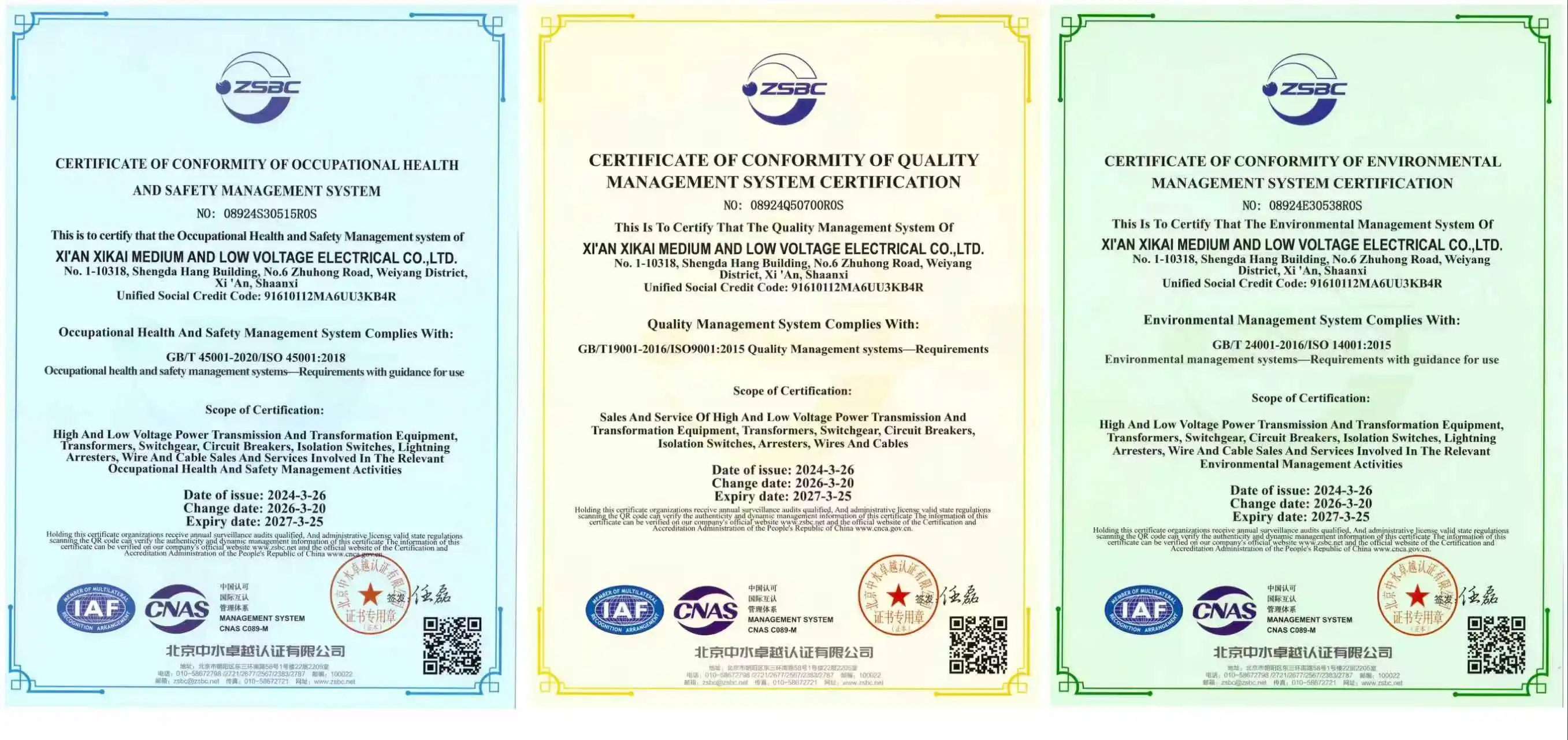
Manufacturing quality control distinguishes premium from commodity suppliers. ISO 9001 certification shows systematic quality management, but procurement specialists should check incoming material inspection, in-process testing, and final validation, including high-voltage dielectric tests and temperature increase verification. The 23-plus quality checkpoints used to manufacture frame-type devices demonstrate field reliability, reducing downtime and maintenance expenses.
Technical help is essential for commissioning complicated systems and troubleshooting operations. Manufacturers offering 24/7 engineering support, thorough commissioning advice, and prompt warranty support provide value beyond equipment. Regional service networks reduce downtime costs that often surpass critical facility equipment value by responding quickly to urgent field concerns.
Procurement and Support: How to Choose and Buy AKW Outdoor Devices?
Specifying Requirements for Your Application
Assessing your electrical system and operating needs is the first step to purchase. Establish baseline power factor measurements throughout load circumstances, detect harmonic sources through power quality assessments, and document voltage regulation issues. Control system settings, reactor tuning, and capacity selection are based on this data.
Equipment ratings and structural requirements depend on system voltage and fault current. To resist electromagnetic pressures during faults, higher fault currents require stronger buswork and mechanical bracing. In earthquake-prone areas, frame-type designs' strong mechanical strength and seismic performance provide resistance, but mounting details and foundation design require engineering.
Environment affects insulation and structural material choices. Due to decreasing air density and dielectric strength, installations over 1000 meters require derating or improved insulation. Coastal areas need corrosion protection beyond hot-dip galvanizing. Extreme temperatures may need component derating or cooling.
Customization Options and Procurement Process
Standard AKW Outdoor Frame-type Reactive Power Compensation Device configurations work for many applications, however customisation improves performance. Voltage ratings support 10kV, 33kV, or bespoke system voltages. Harmonic filters address nonlinear loads like variable frequency motors and arc furnaces. Utility applications needing coordinated reactive power management across several locations can be monitored and controlled remotely using SCADA integration packages.
Bulk buying is available for utilities and industrial companies with many installations. Volume commitments allow for competitive pricing and system-wide standards. Depending on customization intricacy, lead times are 8–14 weeks, however common setups ship faster.
Direct manufacturer interaction and authorized dealers meet procurement demands. Regional representatives help projects with quick deployment or broad site coordination by providing local assistance and optimized logistics. Complex engineering cooperation or customisation applications benefit from direct manufacturing specialist participation.
After-Sales Support and Warranty Provisions
Comprehensive warranty coverage covers manufacturing flaws and premature component breakdowns. Usually, standard contracts span 24 months from commissioning or 30 months from shipment. Extended warranties safeguard important installations when downtime costs justify the expense.
Technical assistance goes beyond warranties through specialized service groups. Maintenance guidelines, replacement components, and troubleshooting help assure long-term functioning. Maintenance staff training reduces reliance on outside service providers and ensures correct management of complex equipment.
Retrofit and upgrade pathways matter as your facility changes. Modular designs allow capacity growth by adding capacitor bank sections or updating control systems for grid support. Your capital investment is protected by manufacturers that offer parts and backward-compatible upgrades for lengthy product lifecycles.
Building Trust in AKW: Brand Credentials and Customer Experience
Manufacturing Excellence and Certification Standards
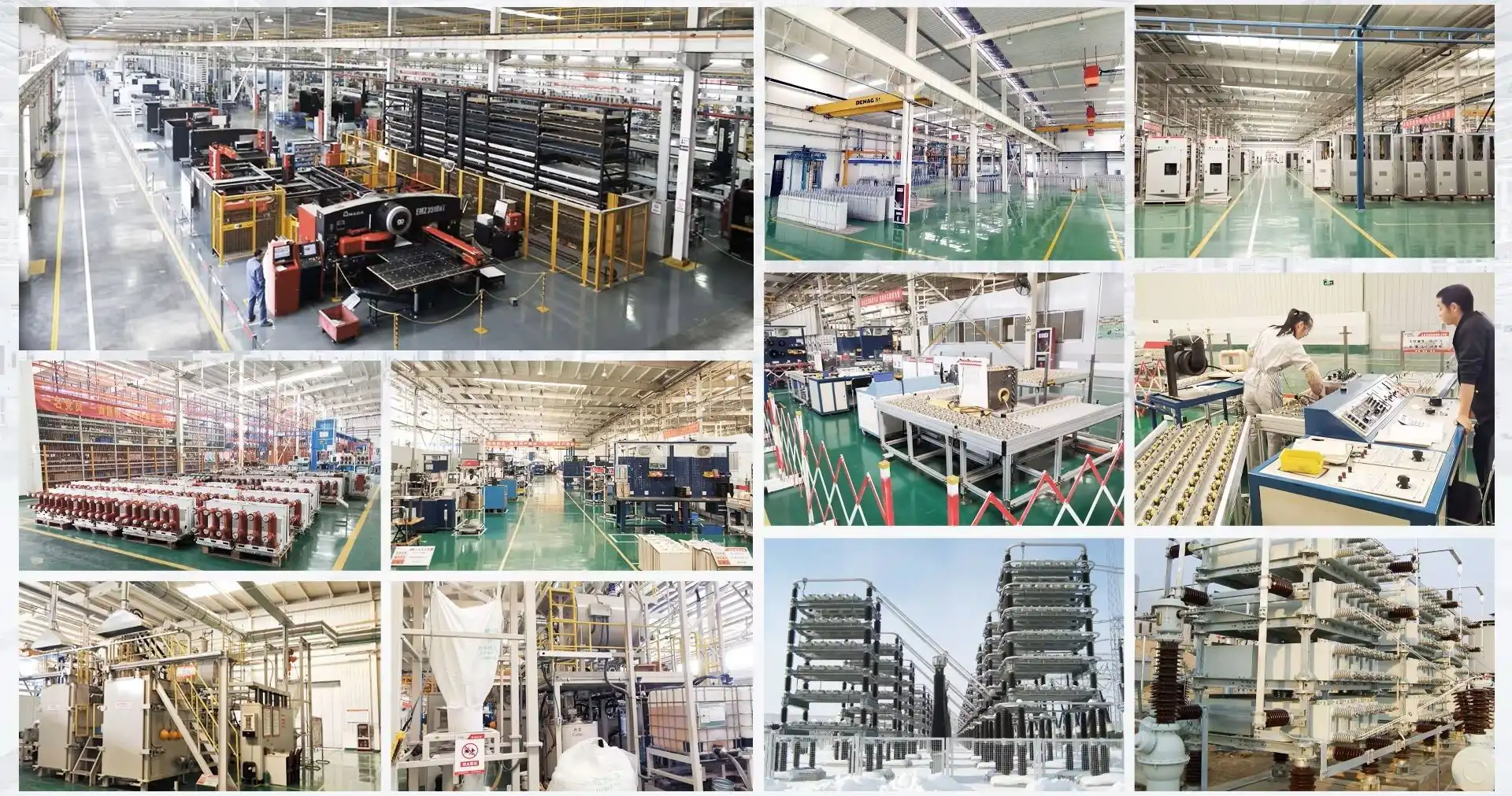
Xi'an Xikai Medium & Low Voltage Electric Co., Ltd. manufactures seven key equipment categories over 34 series with over 100 product variations. This breadth shows abundant technical and manufacturing resources that guarantee components integrate seamlessly and sourcing is expedited for large projects with many equipment kinds.
ISO 9001 certifies systematic quality management in design, manufacture, and delivery. International compatibility and performance reliability are ensured by IEC 60831 and IEEE 18 reactive compensation equipment standards. Before shipping, products are rigorously tested for electrical performance, environmental resilience, and safety.
Patented technology in equipment designs show ingenuity. Intellectual property protecting capacitor combinations, reactor designs, and control algorithms shows engineering leadership, not commodity production. These patents increase dependability, harmonic filtering, and reactive power regulation, lowering operational costs and improving system performance for end users.
Proven Track Record Across Diverse Industries
State Grid systems in China use compensatory devices to ensure transmission and distribution stability across wide areas. Successful deployment in these difficult situations proves equipment dependability and performance in desert heat and polar cold.
Steel, metallurgy, petrochemicals, and mining are difficult industries. Equipment is stressed by heavy electrical loads, corrosive atmospheres, mechanical vibration, and significant temperature changes. Long-term operation in these settings proves design resilience, which improves dependability in simpler installations.
Compensation technique allows steady connectivity of variable generating sources for renewable energy integration, a rising application. Reactive support equipment helps wind and solar farms fulfill grid rules and maximize energy capture in varied conditions. This knowledge helps utility and industrial clients manage renewable installations or adjust to grid changes as renewable penetration rises.
Direct Engagement and Technical Consultation
Major electrical infrastructure procurement choices benefit from direct conversation with engineering professionals who understand equipment capabilities and application requirements. Xi'an Xikai offers experienced advice throughout the decision process to assist clients understand technical parameters, meet particular needs, and maximize lifecycle value.
Transparency during buying improves supplier trust. Customers are supported beyond transactional equipment purchases with detailed technical documentation, factory acceptance testing, and transparent lead time and logistical communication. International consumers with cross-border procurement challenges benefit from this strategy.
Conclusion
Modern electrical systems for industrial, commercial, and utility networks need reactive power compensation technologies. Power factor, energy costs, equipment longevity, and steady voltage profiles for sensitive loads increase with proper application. The AKW Outdoor Frame-type Reactive Power Compensation Device has sturdy outdoor-rated construction, expandable capacity, sophisticated control, and proven dependability in demanding applications worldwide. Understanding key concepts, assessing technical specifications against your needs, and engaging with competent manufacturers helps your company maximize these benefits while lowering total cost of ownership during multi-decade equipment lifecycles.
FAQ
1. How does outdoor frame-type equipment compare with indoor cabinet systems?
Outdoor frame designs use natural convection cooling to regulate thermal energy without forced-air technology, which requires maintenance and has failure spots. Since no building enclosure is needed, they minimize civil engineering costs but need correct foundation preparation and exposure-appropriate environmental ratings. Existing building retrofits with limited space benefit from indoor cabinets.
2. What maintenance intervals maximize equipment lifespan?
Biannual busbar connection tightening and annual visual checks of insulator contamination and structural integrity comprise the primary maintenance program. Every three years, capacitor bank testing detects decaying units before failure. Well-maintained frame-type devices last 15 years or more than cheap ones with poor components.
3. Can these systems accommodate specialized industrial power requirements?
Unique voltage levels, harmonic filtering, and control system integration may be customized. Engineering advice throughout specification ensures configurations meet your load characteristics, environmental circumstances, and operating limits, optimizing performance above catalog goods.
Partner with Xi'an Xikai for Superior Reactive Power Solutions
Xi'an Xikai provides established reactive power compensation technology with excellent engineering and production. Our AKW Outdoor Frame-type Reactive Power Compensation Device provider offers comprehensive customization, bulk sourcing, and global transportation for on-time project delivery. Our plateau-rated equipment operates reliably to 4,000 meters altitude, patented technologies improve performance, and successful installations across State Grid systems, industrial facilities, and renewable energy projects demonstrate our expertise in your most challenging power quality requirements. Contact our technical specialists at serina@xaxd-electric.com, amber@xaxd-electric.com, or luna@xaxd-electric.com to discuss your application needs and obtain infrastructure-specific details.
References
1. Chapman, Stephen J. Electric Machinery Fundamentals, 5th Edition. McGraw-Hill Education, 2012.
2. Dugan, Roger C., Mark F. McGranaghan, Surya Santoso, and H. Wayne Beaty. Electrical Power Systems Quality, 3rd Edition. McGraw-Hill Professional, 2012.
3. IEEE Standard 1036-2010. IEEE Guide for Application of Shunt Power Capacitors. Institute of Electrical and Electronics Engineers, 2010.
4. Rashid, Muhammad H. Power Electronics Handbook: Devices, Circuits, and Applications, 4th Edition. Butterworth-Heinemann, 2017.
5. Singh, Bhim, Ambrish Chandra, and Kamal Al-Haddad. Power Quality: Problems and Mitigation Techniques. John Wiley & Sons, 2015.
6. Von Meier, Alexandra. Electric Power Systems: A Conceptual Introduction. IEEE Press and John Wiley & Sons, 2006.