Where SF6 Circuit Breaker Is Used Applications and Voltages
2026-06-22 15:46:49
SF6 circuit breakers operate across a wide voltage spectrum—from medium voltage installations at 12kV in industrial facilities to high-voltage transmission networks exceeding 765kV—serving as essential protection devices in utility substations, manufacturing plants, data centers, hospitals, and commercial complexes. Their deployment ensures reliable fault interruption, arc quenching using sulfur hexafluoride gas, and compact installation footprints, making them indispensable for grid stability, operational uptime, and power quality management across critical infrastructure worldwide.
 |
 |
Understanding SF6 Circuit Breakers: Basics and Working Principle
Today's power lines need switching devices that can handle very high fault currents while still being small. SF6 Circuit Breakers meet this need with a special mix of science and engineering that makes them different from older technologies.
What Makes SF6 Gas Exceptional for Arc Interruption?
The electrical strength of sulfur hexafluoride is about 2.5 times that of air at standard pressure. An arc forms between two electrical contacts when they split during a fault. Because they are electronegative, SF6 molecules quickly take in free electrons from this arc plasma. This capture of electrons speeds up the recycling of ions, which cools the arc column and restores the insulation between the contacts in milliseconds. Because SF6 is a good thermal conductor, it further improves the efficiency of cooling. This lets the voltage rebound quickly without the restrike problems that happen with older air-blast designs.
Core Components and Operating Mechanisms
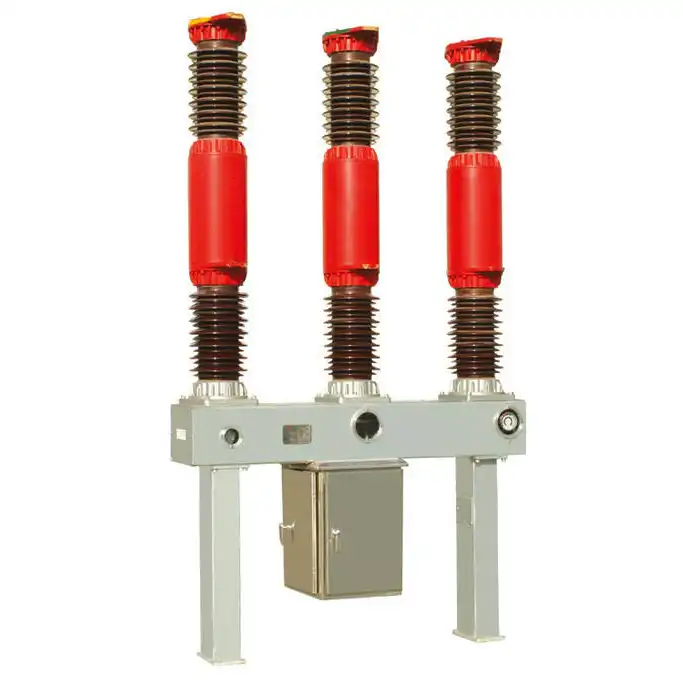
There are fixed and moving contacts inside the interrupter box, which is surrounded by pressure SF6 gas. A spring-loaded mechanism, like the CT14 spring-operating mechanism used in modern designs, moves moving contacts away from fixed contacts when the door is opened. The LW8-40.5 outdoor model uses compressed-gas arc interruption, in which motion of the contact points compresses SF6 in a puffer cylinder, sending high-pressure gas flow at the arc. Ionized gas is blown away from the contact gap by this "puffer" action, which also adds new, cool SF6 to the arc zone. Even with an estimated interruption capacity of 31.5kA, the process ends the arc in less than 50 milliseconds.
Monitoring tools for density, like the MKZ-type scale, keep an eye on SF6 pressure all the time. These temperature-compensated devices stop false alarms that are caused by changes in the ambient temperature. This makes sure that repair teams get correct information about the gas state.
Breaker Types and Design Variants
Single-interrupter designs work well for 12kV to 40.5kV uses that only need one breaking chamber per pole. When you connect two interrupter chambers in series, the voltage stress is spread across both of them. This lets the device work at 72.5kV or higher. With a maximum voltage rating of 40.5kV, the LW8-40.5 works with 35kV systems and can handle current rates from 1600A to 3150A to meet the needs of a wide range of loads. Pole designs range from three separate single-pole units to three-pole assemblies that work together and share the same working processes to allow switching to happen in sync.
Applications of SF6 Circuit Breakers Across Voltage Ranges
To figure out where these gadgets really shine, you need to look at different types of application situations. SF6 Circuit Breakers work well to solve the different operating problems that each tier brings.
Medium Voltage Installations (12kV-40.5kV)
Medium voltage power is used to run CNC tools, robotic production lines, and variable frequency drives in factories. The LW8-40.5 outdoor circuit breaker keeps these systems safe from short circuits and can handle many switching cycles; it can handle more than 3,000 operations without needing major repairs. These breakers are used in petrochemical plants to separate reactor feeds and compressor motors, where arc flash risks require quick fault clearing. This is done over and over by the compressed-gas interruption system; the device stops 31.5kA at rated voltage 21 times in a row without needing to replace SF6 or service the contacts.
Data centers have special needs when it comes to power quality. Server farms and storage systems can't handle voltage drops or short gaps that happen when faults are cleared slowly. When a transformer fault happens upstream, medium-voltage breakers with sub-cycle stoppage times stop failures from spreading. In the same way, hospital critical care units rely on rapid isolation to keep life-support systems running without interruption. Because SF6-insulated switchgear has a small size, it can be installed in electrical rooms that don't have a lot of room in existing buildings. This saves money on infrastructure growth.
During normal switching, noise levels below 45dB are good for commercial buildings like shopping malls, office towers, and meeting centers. The sealed SF6 environment gets rid of the loud explosion sound that comes with air-blast interruption, so the temperature and humidity stay comfortable in occupied areas. Retrofit projects replace old oil circuit breakers with transition bases that fit with the existing mounting structures. This means that no changes need to be made to the civil engineering and there is less downtime during upgrades.
High Voltage and Extra High Voltage (72.5kV-765kV)
SF6 breakers are used by utility transmission workers at substations that connect power plants to distribution networks. At 72.5kV and 145kV voltage levels, double-interrupter designs split the breaking task between two chambers per pole. This makes the contacts less stressed by heat. When solar farms and wind parks are connected to substations, the power flows in both directions and there is harmonic disturbance. SF6 breakers can handle these strange current waveforms without breaking down, so the grid stays stable even when spotty output changes.
When working with 245kV, 420kV, and 550kV transmission lines, the breakers need to be able to clear line-to-ground and three-phase problems that span hundreds of kilometers. Multiple interrupters are set up in both series and parallel in these setups, and they are backed by complex control systems that make sure the motion of the contacts across poles is synchronized. The chemical stability of SF6 keeps interior corrosion from happening even after decades of use. This is one reason why utilities that want to cut costs like "sealed-for-life" upkeep.
When 765kV is used, the technology for SF6 is pushed to its limits because switching transients and dielectric recovery voltages need precise gas pressure control. These specialized breakers have redundant density tracking and automatic pressure compensation systems to make sure they keep working at their best even when the environment changes.
Advantages and Challenges of SF6 Circuit Breakers
The choices about what to buy have to do with balancing technical ability with business realities. There are clear benefits to SF6 Circuit Breakers, but there are also management issues that affect the total cost of ownership.
Performance and Reliability Benefits
Because SF6 has a higher dielectric strength, engineers can make switchgear that is smaller and has less space between the phases. A 40.5kV SF6 breaker takes up one-third the space of a similar air-insulated unit. This frees up valuable substation space for other equipment or allows placement in cities where the cost of land makes large installations impractical. In areas prone to earthquakes, up to level 9 seismic resistance protects assets, and IP65 shelters can handle dust, moisture, and harsh industrial environments.
Electrical longevity means fewer breakdowns that aren't planned. Breakers of good quality get the E2 electrical durability rating, which means they can handle thousands of fault interruptions without losing their contacts and needing to be replaced. As an example, the LW8-40.5 can cut off a 31.5kA short-circuit current 21 times in a row without any upkeep being needed. Mechanical dependability is higher than 10,000 operations for rated load switching, which can handle the many start-stop cycles that happen in industrial processes.
Consistent performance is guaranteed by thermal stability across a wide range of temperatures. Units rated for -30°C to +55°C outdoor operation keep their stopping power during winter cold snaps and summer heat waves, so they don't need to be rerated every season like other technologies do. This dependability directly helps facility managers with their main goal, which is to maximize uptime and keep production plans safe from electrical system breakdowns.
Environmental and Regulatory Considerations
Sulfur hexafluoride is one of the most powerful greenhouse gases. It has the ability to warm the Earth 23,500 times over the course of 100 years compared to carbon dioxide. Under international agreements like the Kyoto Protocol and the European F-Gas Regulation, leaks must be found, inventories must be reported, and SF6 use must eventually be reduced. Manufacturers who are responsible make sure that the right amount of gas is inside the breakers. For example, current designs reduce the amount of SF6 that is used in each interrupter while keeping the dielectric performance. They also use precision sealing technology to keep yearly leakage rates below 0.5%.
Maintenance rules talk about how to handle gas safely. Technicians need special training to collect gases like SF6 during maintenance. They use vacuum pumps and filtration systems to get the gas back instead of sending it to the atmosphere. Regulations on disposal don't allow release into the atmosphere; decommissioned breakers are taken apart by professionals and recycled at approved sites.
Alternatives to SF6 are being studied regularly. Medium-voltage indoor uses mostly vacuum interruption, while gas mixes containing carbon dioxide and fluoronitriles show promise for high-voltage service outside. When looking at long-term fleet strategies, procurement teams compare tried-and-true SF6 with new technologies that are better for the environment. They do this because no other material yet has the same dielectric strength, thermal stability, and arc-quenching efficiency across all voltage classes as SF6.
Comparing SF6 Circuit Breakers with Other Technologies
To choose the best delay technology, you need to know how SF6 Circuit Breakers compare to other options in a number of important choice areas.
Vacuum Circuit Breakers
Vacuum interrupters work great in indoor medium-voltage (12kV–40.5kV) situations because they don't need to be maintained and don't harm the surroundings with the insulating material. In a vacuum, contact separation creates a widespread metal mist arc that goes out on its own when the current drops to zero. Vacuum breakers can only handle about 40.5kV because of how precisely they are made. For higher voltages, you need to connect multiple interrupters in series, which is more expensive and complicated. For outdoor use, you need extra waterproof barriers, which somewhat cancels out the small size benefit.
When used outdoors or with high power, SF6 breakers work better than other types. One SF6 interrupter can handle voltages that vacuum technology can't, which makes design easier and cuts down on servicing points. For outdoor systems, utilities that are in charge of transmission networks above 72.5kV have no other choice but to use SF6 or air-blast technology.
Air-Blast and Oil Circuit Breakers
Older air-blast breakers use compressed air to break sparks, requiring large compressors and extensive piping. Operating costs increase due to maintenance of fan systems and air dryers. Mineral oil-filled oil circuit breakers decompose oil during arcing, creating hydrogen gas that extinguishes the arc. During retrofits, utilities switch to SF6 due to fire risk from oil sparks and contamination from leaks. The LW8-40.5 exemplifies this transition with retrofittable designs and transfer bases fitting older oil units like DW8-35, increasing capacity without structural modifications.
Technology Selection Guidelines
Vacuum technology is useful in medium-voltage indoor substations where SF6 use is limited by environmental rules. Vacuum interrupters are used for 12kV-24kV distribution in factories and data centers that care about the environment. Medium-voltage uses outside (35kV to 40.5kV) like SF6 because it can withstand bad weather and is small. High-voltage cable (72.5kV and above) almost always uses SF6 because it can handle higher voltages and interrupts better than other materials.
Procurement Considerations for SF6 Circuit Breakers
Specifications for engineering work are the basis of good buying. When scores don't match up, SF6 Circuit Breakers fail too soon or too much money is wasted on extra capacity.
Critical Specifications and Standards Compliance
Regulatory compliance ensures interoperability and safety for every vacuum circuit breaker and SF6 unit. IEC 62271-100 establishes global performance standards for high-voltage switchgear. China's GB1984-89 sets circuit breaker testing and classification norms. Equipment meeting both IEC and GB standards facilitates international project approvals while ensuring consistent quality regardless of component sourcing. Optional features enhance functionality: integrating up to 12 current transformers into a single breaker enables comprehensive measurement and protection without separate instrument transformers, simplifying switchgear and reducing footprint.
Evaluating Manufacturers and Supply Chains
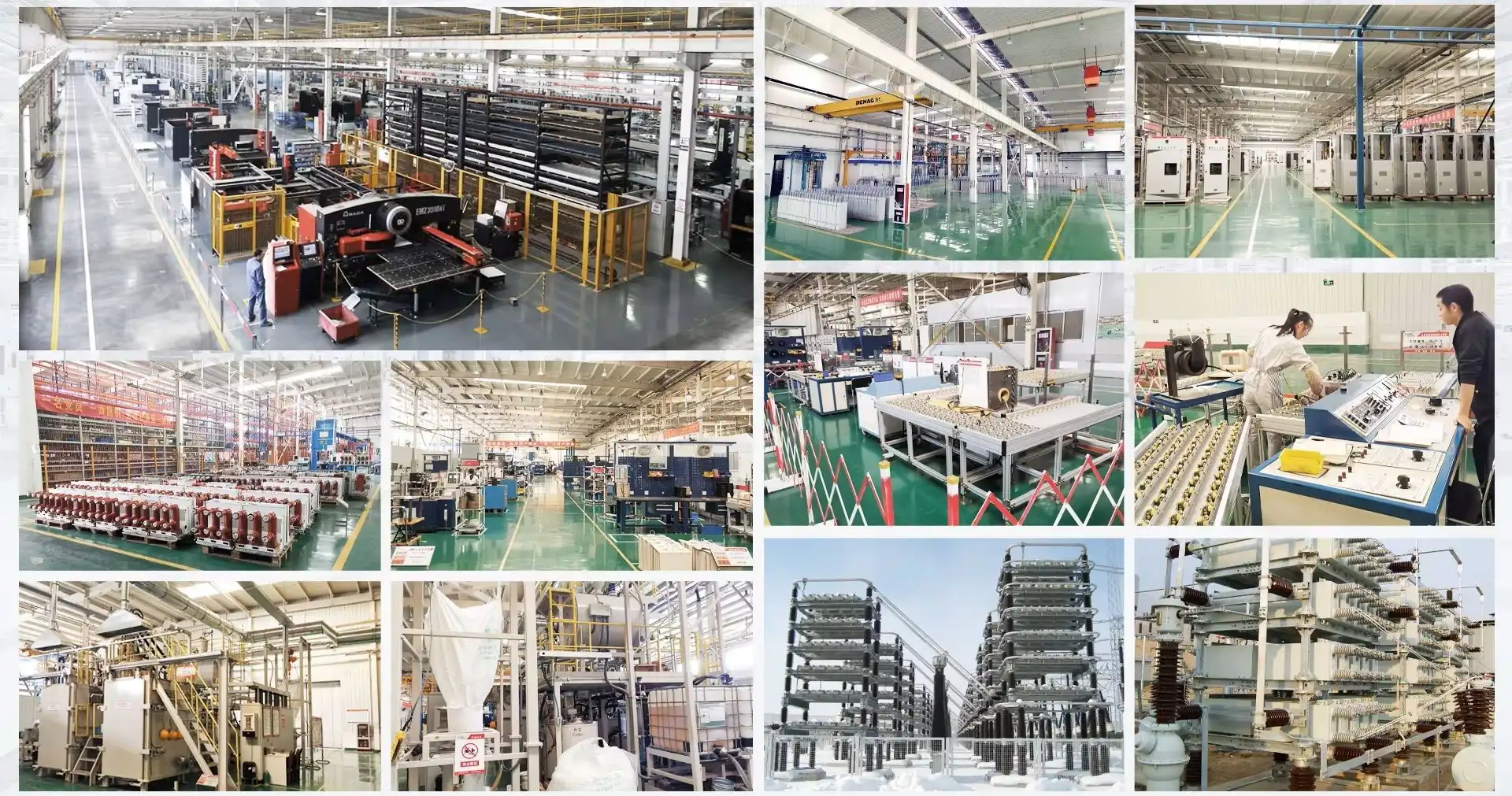
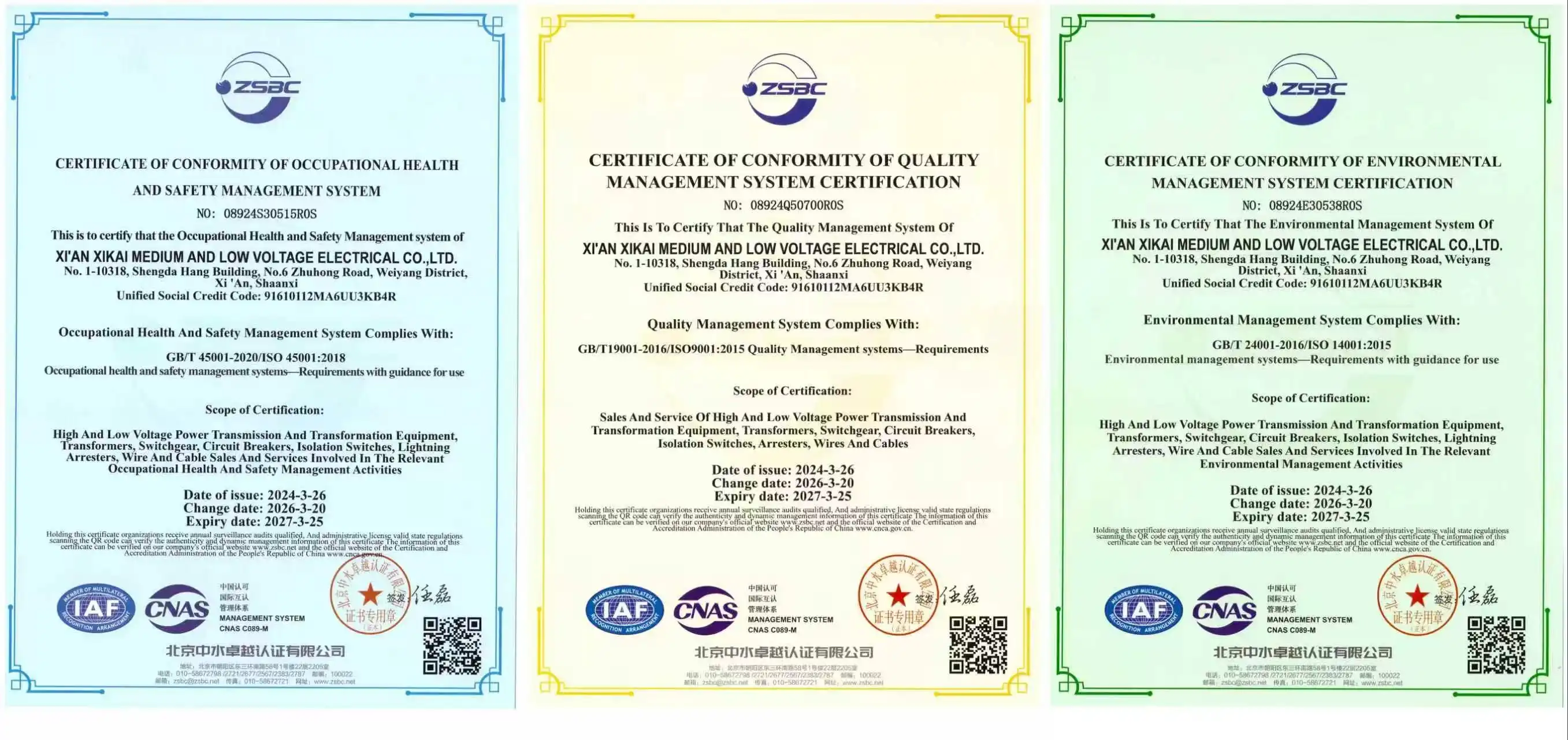
Established vacuum circuit breaker manufacturers offer greater technical expertise and after-sales support, commanding premium pricing. Companies maintaining both ISO 9001 quality management and ISO 14001 environmental standards demonstrate commitment to sound processes and environmental protection. Testing capabilities matter—manufacturers operating high-power labs verify interrupting performance through full-scale short-circuit tests rather than relying solely on type test certificates from contracted facilities. A proven vacuum circuit breaker supplier like Xi'an Xikai holds 15+ patents in vacuum interruption technology.
Conclusion
SF6 Circuit Breakers serve as critical infrastructure components across diverse voltage ranges and applications. Their special mix of small size, reliable arc interruption, and resistance to harsh environments meets the main needs of building managers, utility companies, and system designers in charge of modern electrical networks. Even though environmental concerns are changing technology all the time, SF6 is still the best choice for tough outdoor setups and high-voltage transmission tasks that can't be reduced on performance. To be successful at procurement, you need to make sure that specs meet application needs, that standards are followed, and that you work with makers who offer full expert support throughout the lifecycle of the equipment.
FAQ
1. How Often Does an SF6 Circuit Breaker Require Maintenance?
Checking the gas pressure once a month with temperature-compensated density gauges and checking the lubrication and torque of the operating gear once a year are both part of routine inspection plans. Major repairs are usually needed after 10,000 motor actions or 20 years of use, whichever comes first. The LW8-40.5 design cuts down on gaps even more—it can stop 31.5kA problems 21 times without maintenance, which means that there is more time between repairs.
2. What Safety Protocols Apply When Handling SF6 Equipment?
When working with SF6 Circuit Breaker units, people who go into switchgear boxes must follow limited space rules. This is because SF6 takes up oxygen and can cause suffocation in places that don't have enough air flow. During repair, gas recovery equipment stops the flow of gases into the air. When repairing interrupters that are used a lot, you need to be careful with metallic fluorides and sulfur compounds that are released when arcing breaks down.
3. Can SF6 Breakers Be Recycled at End of Life?
Breakers that are no longer needed are carefully taken apart. Technicians use vacuum recovery systems to get rid of contaminants in SF6 gas before storing it in compressed tanks so it can be used in repaired equipment. Copper parts and metal casings can be recycled in the usual way. Specialized facilities handle tainted insulation materials in a way that follows environmental rules. This keeps dangerous materials from ending up in landfills.
Partner with Xi'an Xikai for Reliable SF6 Circuit Breaker Solutions
Xi'an Xikai Medium & Low Voltage Electric Co., Ltd. can help you with your power system projects because they have been designing and making high-voltage switches for more than twenty years. Our LW8-40.5 outdoor circuit breaker blends tried-and-true compressed-gas interruption technology with cutting-edge tracking systems to offer maintenance times that go above and beyond industry standards while still meeting GB1984-89 and IEC 56 compliance needs. We know how important operational uptime and power quality are because we make SF6 Circuit Breakers for utilities, industrial sites, and EPC companies all over North America. Our research team gives you application-specific advice on how to match the specs of the breaker to your needs for voltage, current, and surroundings. Get in touch with Serina at serina@xaxd-electric.com, Amber at amber@xaxd-electric.com, or Luna at luna@xaxd-electric.com to talk about how our ISO 9001-certified manufacturing processes and plateau-rated equipment can help with your next substation upgrade or new construction project.
References
1. International Electrotechnical Commission. "High-Voltage Switchgear and Controlgear – Part 100: Alternating Current Circuit Breakers." IEC Standard 62271-100, 2021 Edition.
2. National Standards of the People's Republic of China. "High-Voltage AC Circuit Breakers." GB1984-89, Chinese National Technical Committee on Switchgear, 1989.
3. Cigré Working Group A3.10. "SF6 Handling Guide for Electric Power Equipment." Technical Brochure 276, International Council on Large Electric Systems, 2005.
4. IEEE Power & Energy Society. "Application Guide for AC High-Voltage Circuit Breakers Rated on a Symmetrical Current Basis." IEEE Standard C37.010-2016, Institute of Electrical and Electronics Engineers, 2016.
5. Ryan, Hugh M., editor. "SF6 Switchgear: Technology and Applications." Institution of Engineering and Technology Power and Energy Series 65, London, 2012.
6. Christophorou, L.G., et al. "Sulfur Hexafluoride and the Electric Power Industry: Progress in Developing More Effective and Reliable High Voltage Equipment." IEEE Electrical Insulation Magazine, Vol. 13, No. 5, September/October 1997, pp. 20-24.
_1774416563318.png)
_1774319679257.png)